Introduction
Injection molding is widely used in the automotive industry to produce high-precision plastic parts with consistent quality and high efficiency. It enables complex designs, lightweight structures, and cost-effective mass production.
This article explores the role of injection molding in automotive industry , including key applications, materials, and benefits, helping you choose the right solution for your project.
What is Injection Molding?
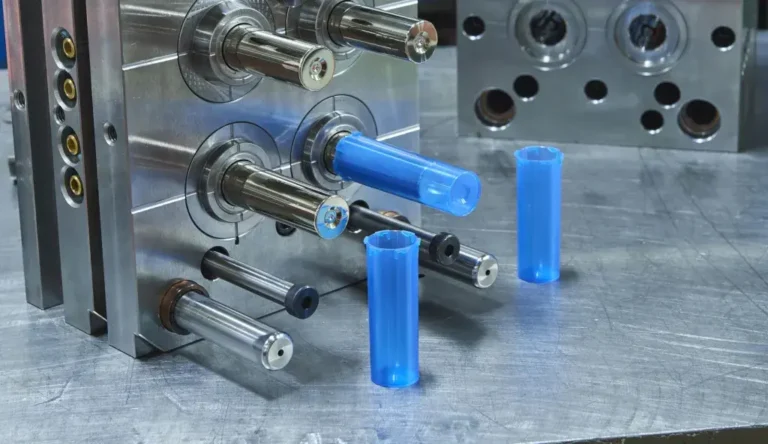
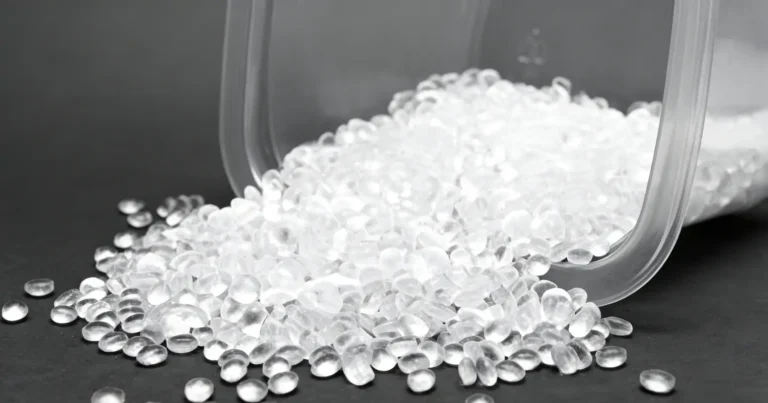
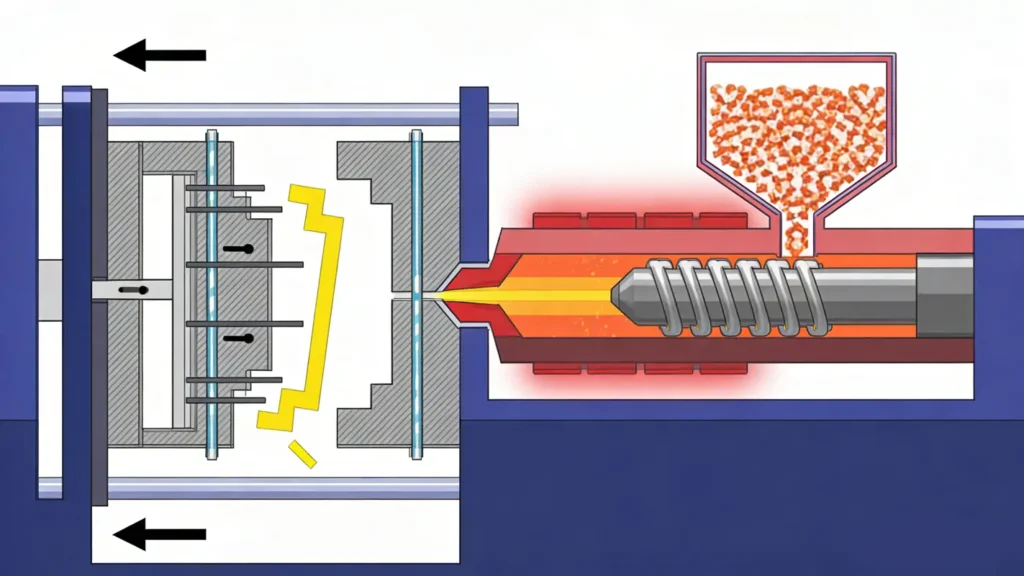
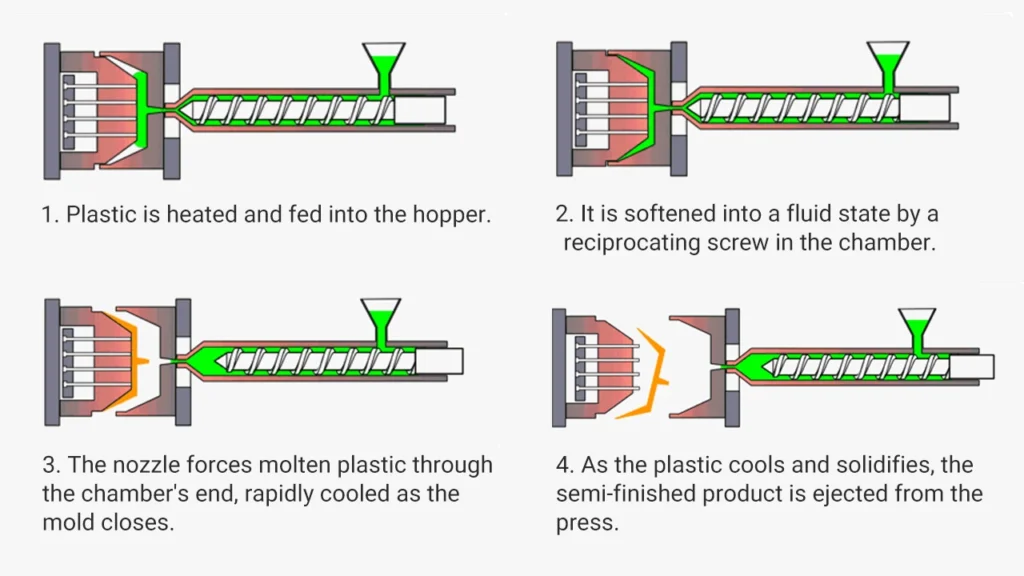
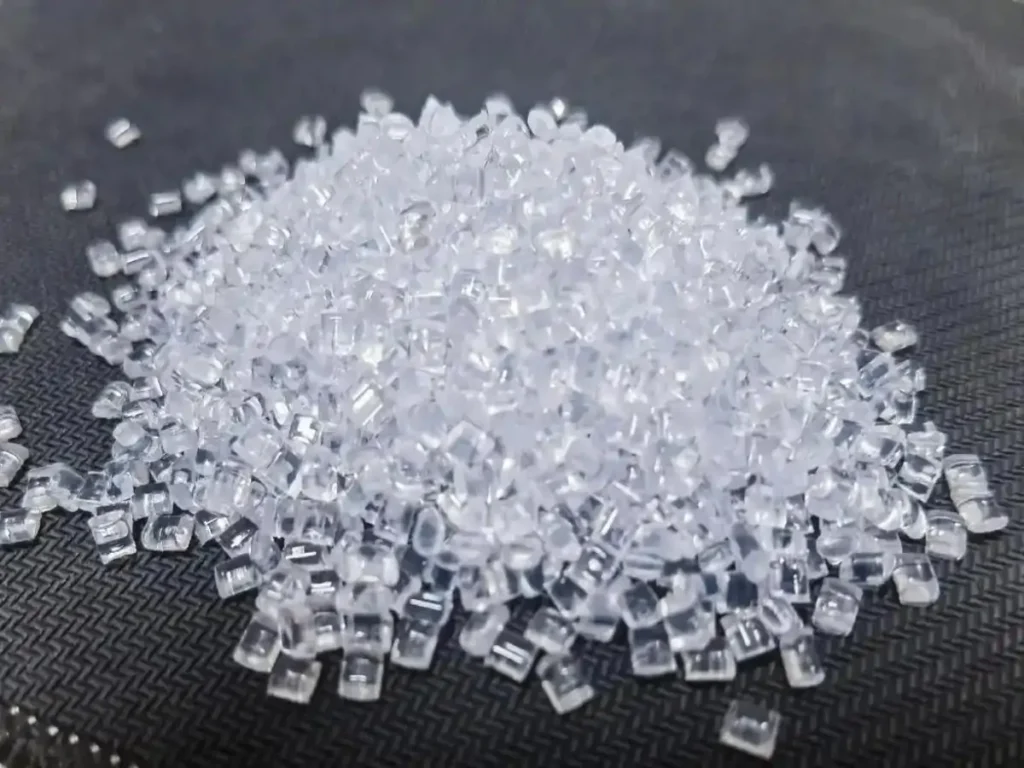
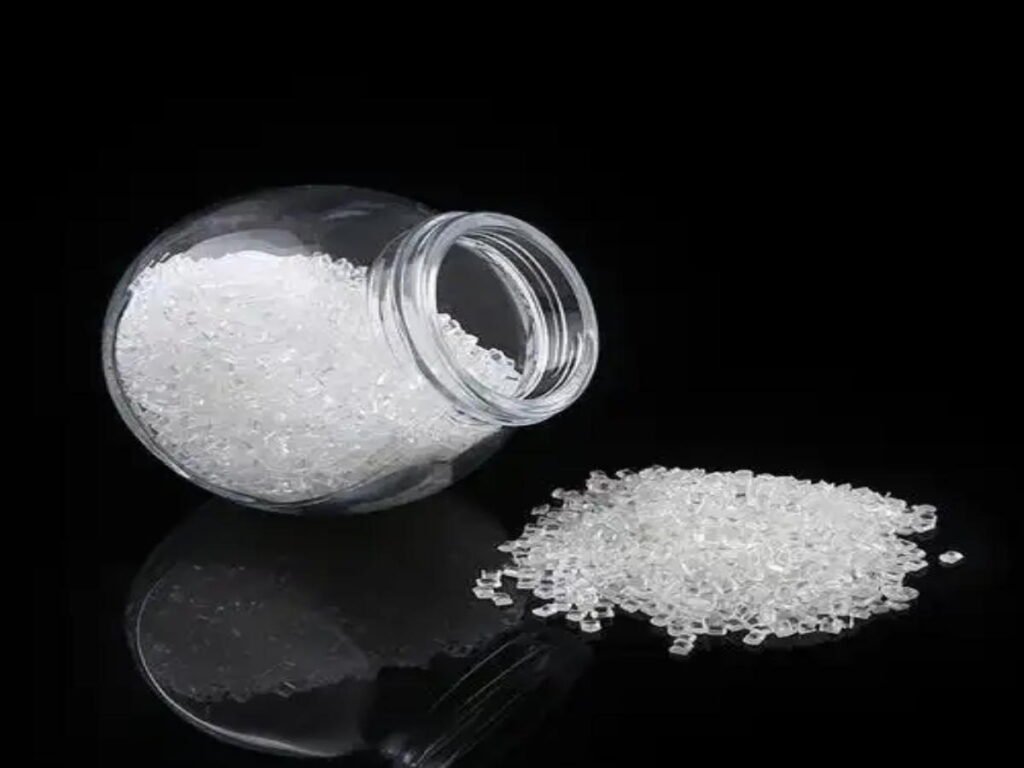
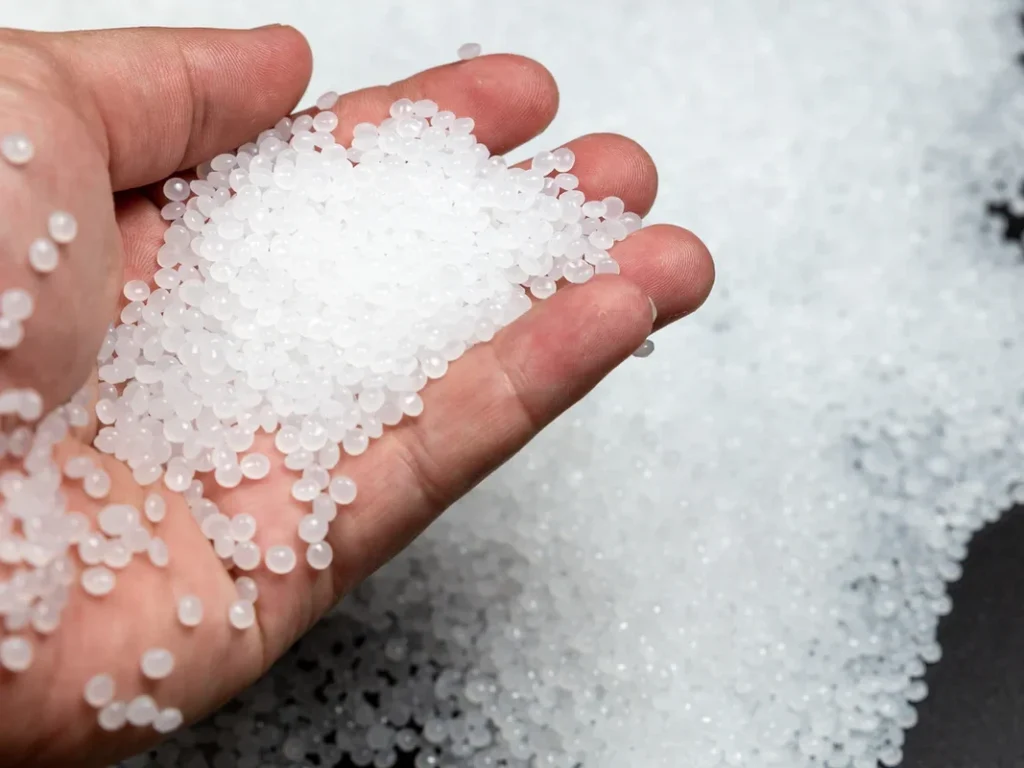
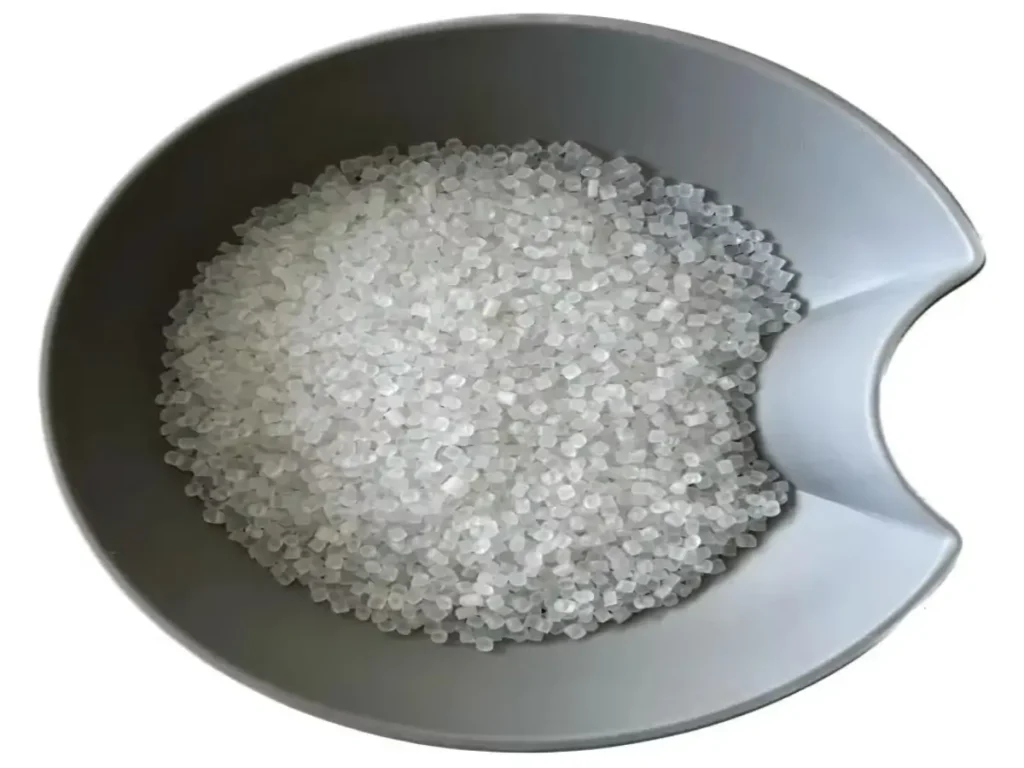
Injection molding is a manufacturing process used to produce plastic parts by injecting molten material into a custom-designed mold. The process starts with plastic pellets that are heated until they melt, then injected into a mold cavity under high pressure. Once the material cools and solidifies, the finished part is ejected with precise dimensions and consistent quality.
A wide range of materials can be used in injection molding, including ABS, polypropylene (PP), polycarbonate (PC), nylon (PA), and PBT. Each material offers different properties such as strength, flexibility, heat resistance, or chemical resistance, allowing manufacturers to select the most suitable option based on the application.
Injection molding is highly efficient for mass production and is capable of producing complex shapes with excellent repeatability. It offers key advantages such as high precision, low unit cost at large volumes, and flexibility in material selection, making it one of the most widely used manufacturing methods across industries.
What is Injection Molding in the Automotive Industry?
Automotive injection molding refers to the process of manufacturing plastic components by injecting molten material into precision molds to create parts with consistent quality and high accuracy. It is widely used to produce a variety of automotive components, from interior trims and dashboards to exterior parts and under-the-hood components.
The injection molding in automotive industry relies heavily on injection molding because it enables high-volume production with excellent repeatability and cost efficiency. It also allows for complex geometries, integrated functions, and improved surface finishes, which are essential for modern vehicle design and performance.
Compared to traditional metal manufacturing, injection molding offers significant advantages in light weighting. Plastic components are much lighter than metal parts, helping reduce overall vehicle weight, improve fuel efficiency, and enhance the performance of electric vehicles. At the same time, injection molding can reduce production costs and simplify assembly by integrating multiple parts into a single molded component.
Injection Molding Process for Automotive Parts
The injection molding process for automotive parts involves several key steps, from design to final inspection, ensuring high quality and efficiency at every stage. It typically begins with design and DFM (Design for Manufacturability) analysis, where engineers optimize the part structure, wall thickness, and mold flow to prevent defects and reduce production cost. Next is mold tooling, where precision molds are designed and manufactured to meet strict automotive standards.
After that, material selection is carried out based on performance requirements such as strength, heat resistance, and durability. The process then moves to injection molding, where molten plastic is injected into the mold, cooled, and formed into the final shape. Once molded, parts may undergo surface finishing such as painting, texture treatment, or plating to enhance appearance and functionality. Finally, quality inspection is performed to ensure each part meets tight tolerances and industry standards.
As a global, one-stop injection molding provider based in China, we support the entire process—from design for manufacturing (DFM) and mold design to mass production and quality control—helping our automotive clients shorten lead times, control costs, and ensure consistent product performance.
Why Injection Molding is Important for Automotive Manufacturing ?
Injection molding plays a critical role in automotive manufacturing by enabling efficient, precise, and scalable production of plastic components. It supports modern vehicle design requirements while helping manufacturers reduce cost and improve performance.
Lightweighting: Plastic parts are significantly lighter than metal, helping reduce overall vehicle weight, improve fuel efficiency, and extend the driving range of electric vehicles.
Cost efficiency in mass production: Once the mold is developed, injection molding allows high-volume production with low unit cost, making it ideal for automotive manufacturing.
Design flexibility: Complex shapes, integrated features, and aesthetic surfaces can be achieved in a single molding process, reducing the need for secondary operations.
High precision & repeatability: Injection molding ensures tight tolerances and consistent quality across large production runs, meeting strict automotive standards.
Material versatility: A wide range of engineering plastics can be used to meet different requirements such as strength, heat resistance, flame retardancy, and chemical stability.
With these advantages, injection molding has become an essential solution for producing reliable, high-performance automotive components at scale.
Common Automotive Parts Made by Injection Molding
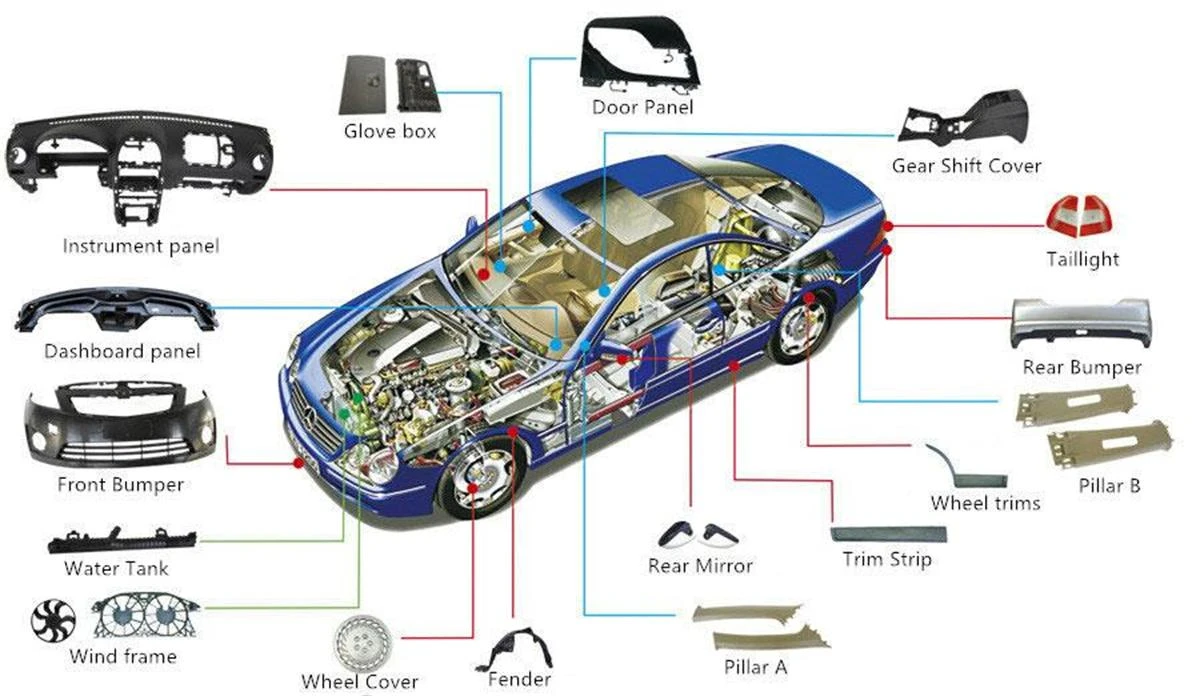
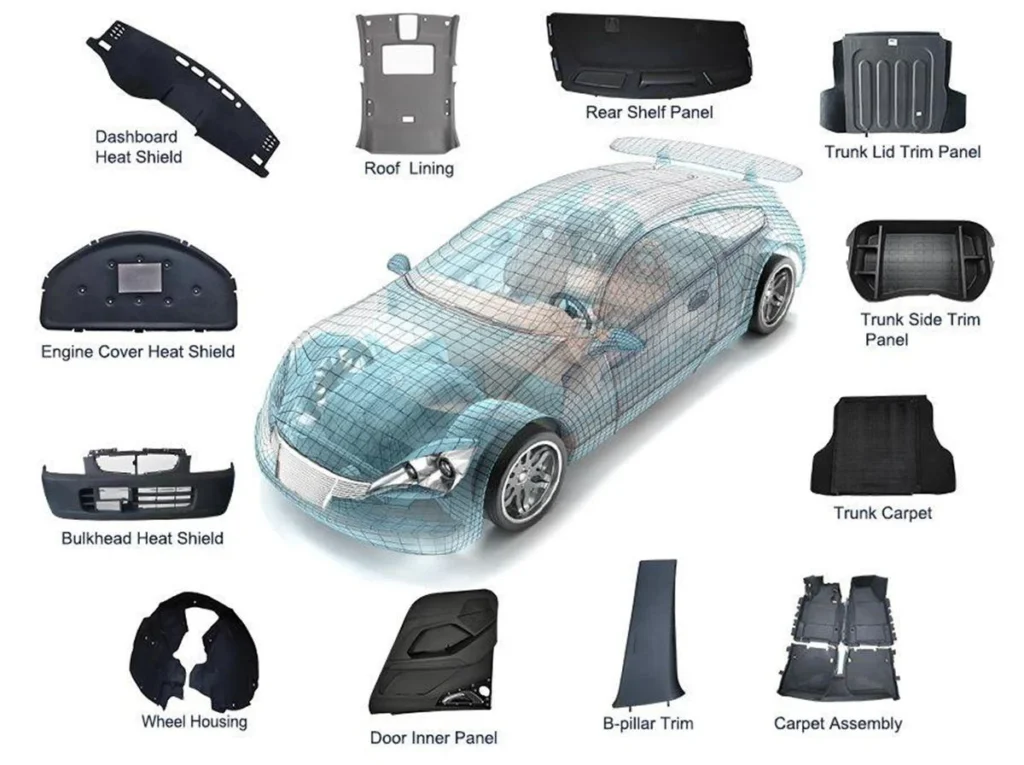
Injection molding is widely used in the automotive industry to produce a broad range of plastic components with high precision and consistency. These parts are found throughout the vehicle, including interior, exterior, and under-the-hood applications.
Interior Components
Interior plastic parts in cars require good surface finish, durability, and design flexibility. Common injection molded interior components include dashboard panels, door trims, and air vents, which contribute to both functionality and aesthetics.
Exterior Parts
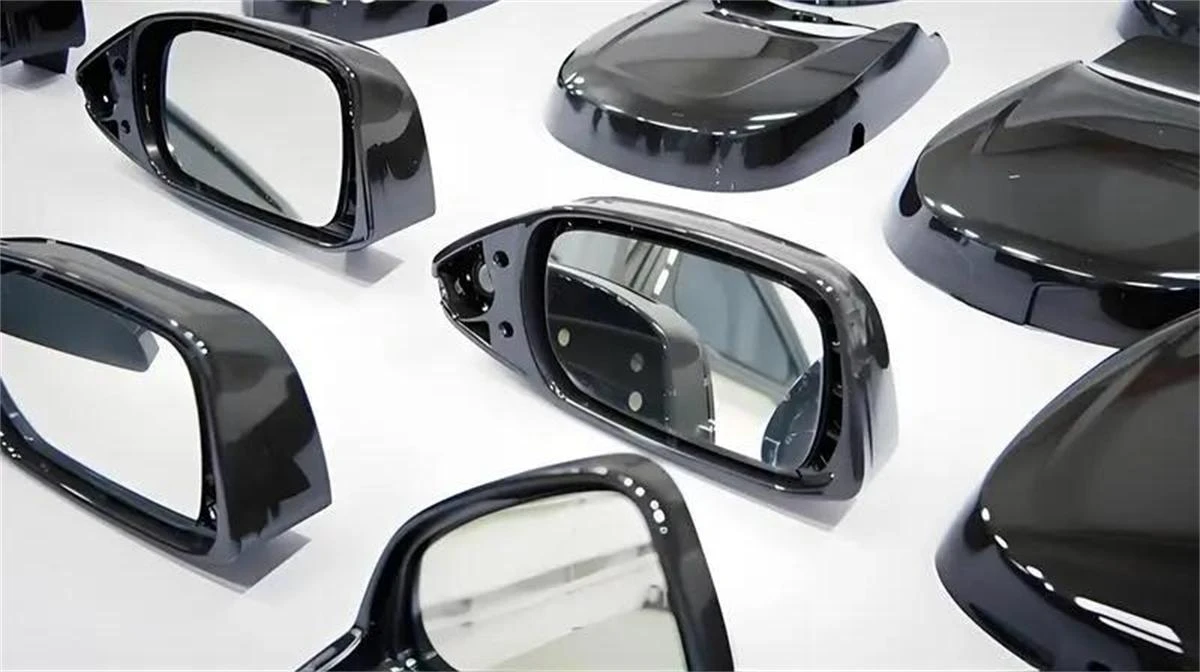
Exterior components need to withstand impact, weather, and UV exposure. Typical examples include bumpers, grilles, and mirror housings, all of which benefit from the strength and lightweight properties of molded plastics.
Under-the-Hood Parts
Under-the-hood parts must handle high temperatures and chemical exposure. Injection molding is used to produce battery housings, fluid reservoirs, and connectors, ensuring reliability and performance in demanding conditions.
These applications demonstrate how injection molding supports modern automotive manufacturing by enabling complex, lightweight, and high-performance components across the entire vehicle.
Materials Used in Automotive Injection Molding
Material selection is critical in automotive injection molding, as different parts require specific properties such as strength, heat resistance, and durability. Commonly used engineering plastics include ABS, PP, PC, Nylon (PA), and PBT, each offering unique performance advantages.
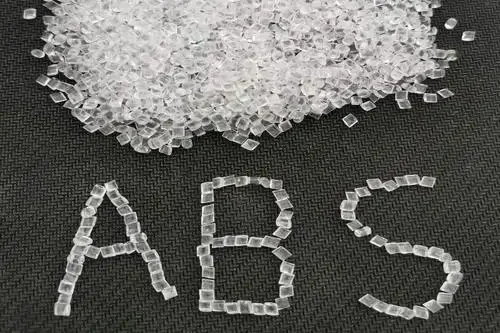
ABS (Acrylonitrile Butadiene Styrene) is widely used for interior components due to its good impact resistance, easy processing, and excellent surface finish.
PP (Polypropylene) is lightweight and cost-effective, with strong chemical resistance, making it suitable for both interior and some exterior applications.
PC (Polycarbonate) provides high strength and excellent heat resistance, often used for parts that require durability and transparency.
Nylon (PA) offers outstanding mechanical strength, wear resistance, and high-temperature performance, making it ideal for under-the-hood components.
PBT (Polybutylene Terephthalate) has good electrical insulation, dimensional stability, and heat resistance, commonly used in automotive electrical parts.
In automotive applications, materials are often selected or modified based on key performance requirements. For example, high heat resistance is essential for engine-area components, while flame-retardant properties are critical for electrical systems to improve safety. In terms of strength comparison, materials like Nylon and PC generally offer higher mechanical strength, while PP is more flexible and lightweight, providing a balance between performance and cost.
By selecting the right material, manufacturers can ensure that automotive parts meet strict performance, safety, and durability standards.
Advantages Over Traditional Manufacturing Methods
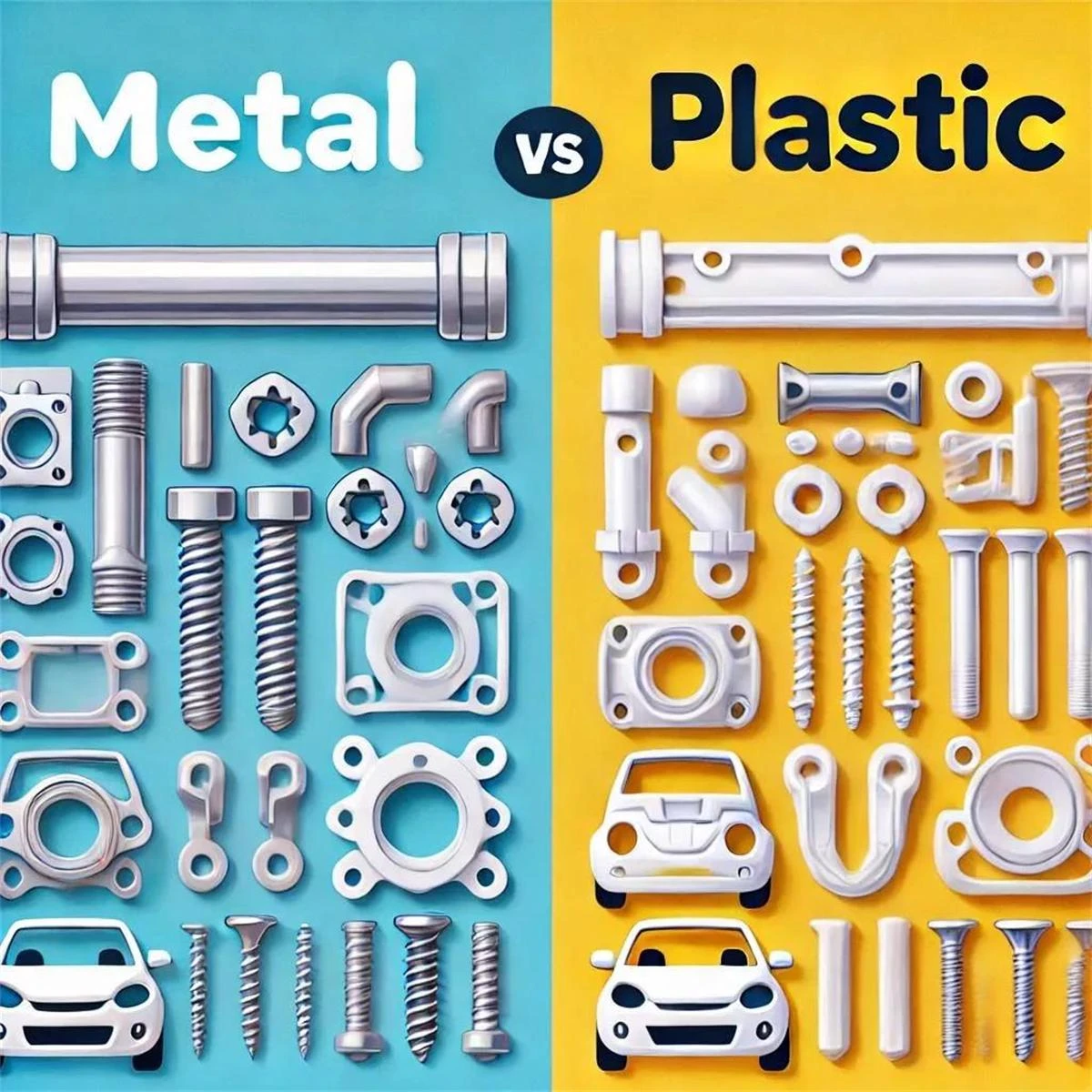
In the injection molding in automotive industry, injection molding offers significant advantages over traditional metal manufacturing in terms of materials, efficiency, cost, and performance. With the growing demand for vehicle lightweighting—especially in electric vehicles—plastic injection molding is gradually replacing certain metal components.
1. Material Comparison
Injection molding uses engineering plastics such as reinforced nylon (PA), polycarbonate (PC), polypropylene (PP), and polyphenylene sulfide (PPS). These materials have much lower density than metals. For example, reinforced nylon has a density of about 1.2–1.6 g/cm³, compared to steel at 7.8 g/cm³ and aluminum at 2.7 g/cm³, enabling weight reductions of 30%–50%. When reinforced with glass fiber (e.g., PA66 + 30% GF), its tensile strength can reach 150–200 MPa, approaching some metal performance levels.
In contrast, traditional metals like steel and aluminum offer high structural strength and heat resistance, but they are heavier and often require more complex processing.
2. Production Process & Efficiency
Injection molding enables one-step forming of complex geometries, significantly reducing secondary machining processes. For example, PPS injection-molded components such as electronic pump impellers can reduce processing steps by up to 80%, with cycle times reduced to just a few minutes.
In automotive mass production,injection molding in automotive industry is highly efficient. Parts like bumpers can have cycle times as short as 30–40 seconds, and molds can last hundreds of thousands of cycles with over 99% consistency.
Traditional metal processing relies on subtractive methods such as milling, turning, and grinding. These processes are slower, require multiple steps, and often generate significant material waste—sometimes exceeding 50%.
3. Performance Advantages
Injection molded plastic parts provide strong advantages in modern vehicle design:
Lightweighting: Reduces overall vehicle weight by up to 10%, improving fuel efficiency or EV range by 5%–8%.
Corrosion resistance: Engineering plastics resist chemicals such as oil and coolant, avoiding rust issues common in metals.
Noise and vibration reduction: Plastic components help reduce operational noise and improve driving comfort.
Design flexibility: Enables complex, integrated structures that are difficult to achieve with metal parts.
Metal components still perform better in certain high-stress applications, offering superior strength and heat resistance, such as engine and structural parts.
4. Cost and Application Scenarios
Injection molding requires higher upfront mold investment, but becomes highly cost-efficient in mass production. In large-volume manufacturing, the unit cost can drop significantly, making it ideal for automotive production.
It is widely used for:Interior parts (dashboard, trims),Exterior parts (bumpers, mirror housings),Electrical components (connectors, housings)
Traditional metal manufacturing is still used for:Engine components,Chassis and load-bearing structures,where extreme strength and heat resistance are required.
5. Future Trends
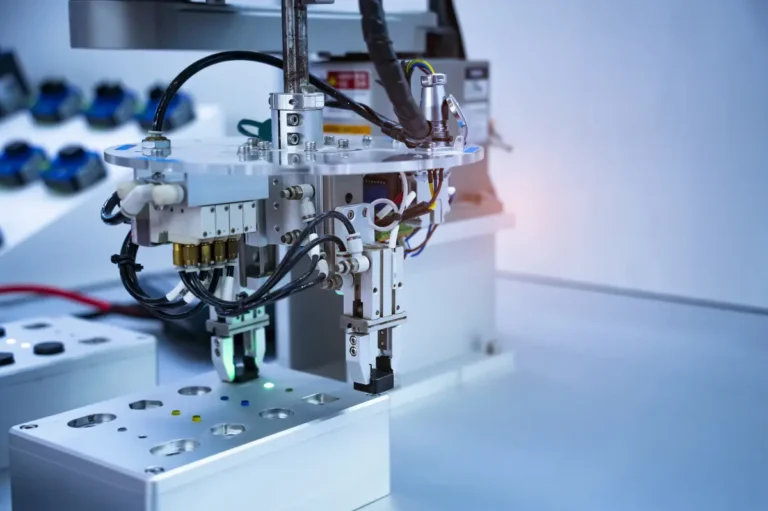
Injection molding is evolving toward higher precision, material innovation, and smart manufacturing. Technologies such as multi-material injection molding, precision molding, and AI-driven quality control are accelerating the development of lightweight and integrated automotive components.
At the same time, hybrid technologies such as metal powder injection molding (MIM) are combining the advantages of plastics and metals, improving material utilization and enabling more complex part designs for the future automotive industry.
Challenges in Automotive Injection Molding
Although injection molding is widely used in automotive manufacturing, it also presents several technical challenges that require careful engineering and process control to ensure consistent part quality and performance.
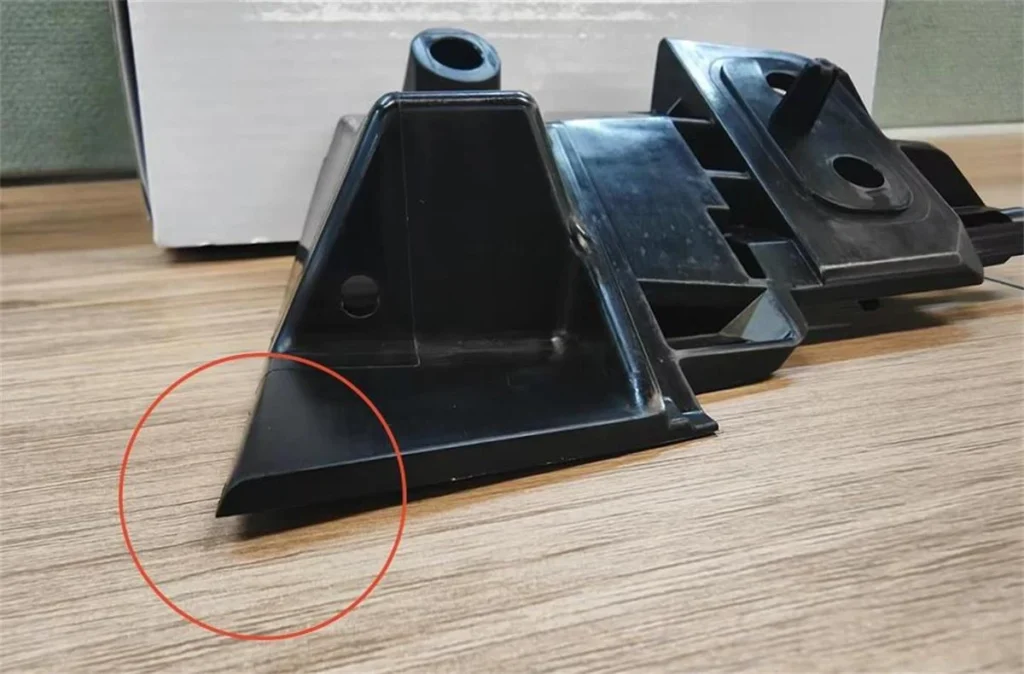
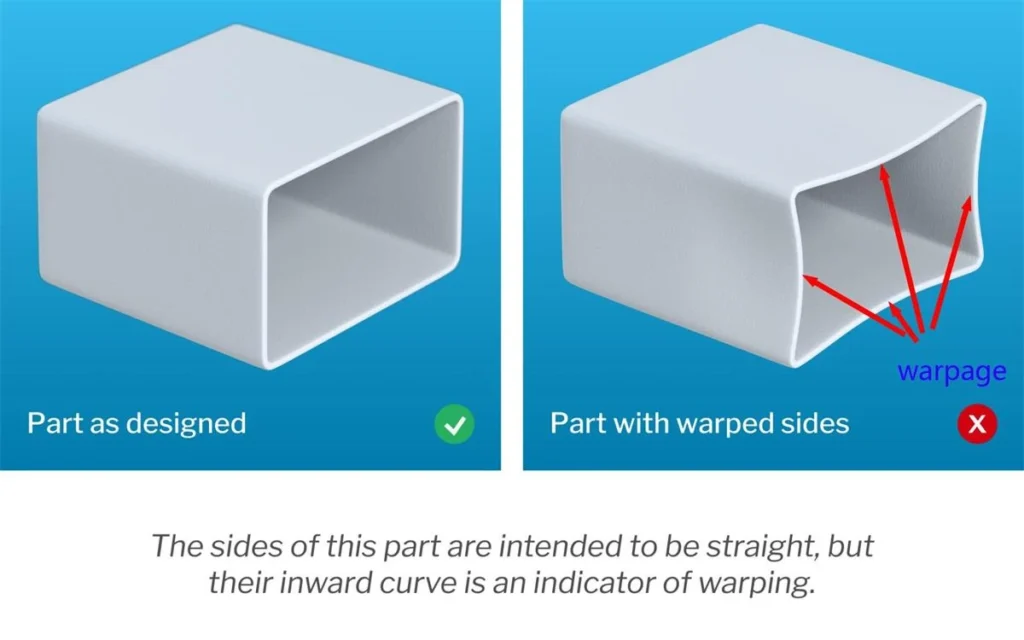
One common issue is warpage, which occurs when uneven cooling or internal stress causes parts to deform after molding. Another challenge is shrinkage, where materials contract during cooling, affecting dimensional accuracy and potentially leading to assembly issues. In addition, automotive parts often require tight tolerance control, especially for functional or safety-critical components, which increases the difficulty of mold design and process stability.
Another key challenge is high tooling cost, as automotive molds must be highly precise, durable, and capable of long production cycles. This results in significant upfront investment, especially for complex or multi-cavity molds.
To overcome these challenges, automotive plastic injection molding manufacturer rely on advanced DFM (Design for Manufacturability) analysis, optimized mold flow design, precise temperature control, and strict process validation. As a one-stop injection molding solution provider, we address these issues from the early design stage to mass production, helping customers reduce defects, improve dimensional stability, and achieve reliable high-volume manufacturing for automotive applications.
Future Trends in Automotive Injection Molding
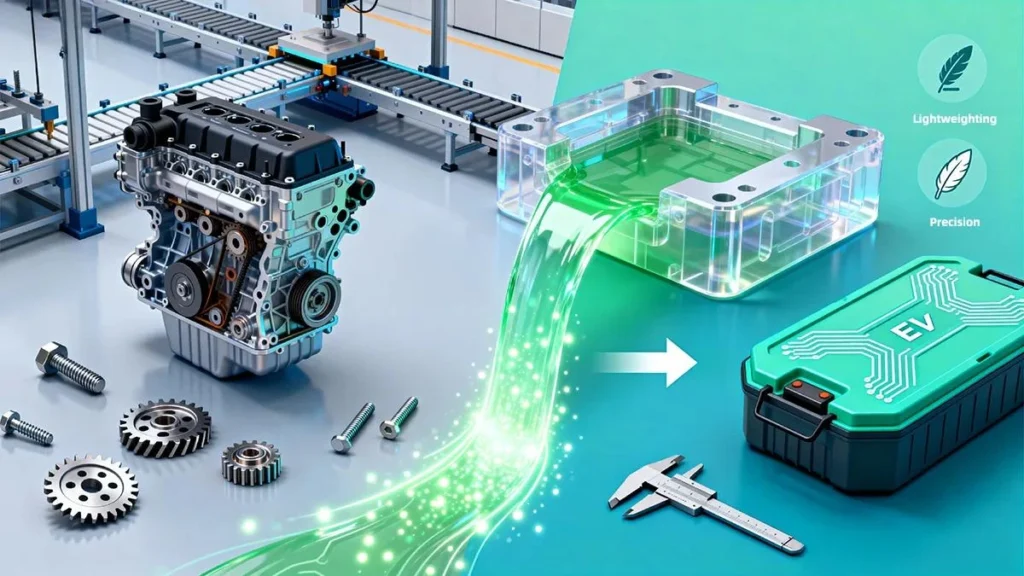
The future of automotive injection molding is moving toward precision, lightweight design, intelligence, and sustainability. With the rapid growth of electric vehicles (EVs) and smart automotive technologies, injection molding will play an even more important role in improving part performance, reducing costs, and lowering carbon emissions.
1. Electric Vehicles (EV) Growth
The rise of electric vehicles is driving higher demand for lightweight and integrated plastic components. Injection molding is widely used in EV parts such as battery housings, connectors, and electronic control units, helping reduce vehicle weight and improve driving range and energy efficiency.
2. Sustainable Materials
Sustainability is becoming a key focus in automotive plastic injection molding manufacturer manufacturing. Recycled plastics, bio-based materials, and low-carbon engineering polymers are increasingly used in injection molding. These materials help reduce environmental impact while still maintaining required mechanical performance.
3. Smart Manufacturing
Injection molding is becoming more digital and automated through smart manufacturing technologies. AI-based process monitoring, real-time quality control, and automated production systems help improve consistency, reduce defects, and increase production efficiency.
4. Lightweight Composites
Advanced materials such as glass fiber-reinforced plastics and micro-foaming injection molding are enabling significant weight reduction while maintaining strength. These technologies can reduce component weight by 10%–25%, while also improving vibration resistance and acoustic performance.
Overall, automotive injection molding is evolving toward higher precision, better material performance, and greener production processes. As a result, it will continue to be a key technology supporting the development of next-generation vehicles.
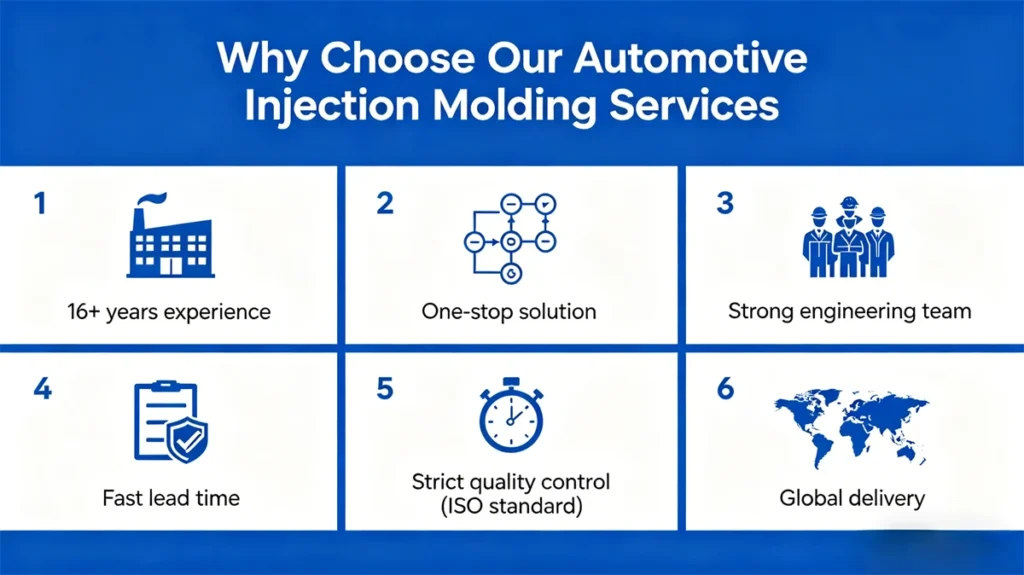
Why Choose Our Automotive Injection Molding Services
Choosing the right automotive plastic injection molding manufacturer critical to ensure quality, efficiency, and cost control in automotive production. Here’s why we are trusted by global clients:
16+ years experience
Extensive experience in injection molding and automotive parts manufacturing ensures reliable engineering support and stable production quality.
One-stop solution
We provide full-process support from design for manufacturability (DFM), mold design, tooling fabrication, to mass production, reducing your development time and cost.
Strong engineering team
Our experienced engineers optimize part design, mold flow, and material selection to improve performance and avoid potential defects.
Fast lead time
Efficient project management and in-house mold manufacturing help shorten development cycles and accelerate time to market.
Strict quality control (ISO standard)
Every stage of production is strictly monitored to ensure high precision, consistency, and compliance with automotive industry standards.
Global delivery
We support international clients with reliable logistics and on-time delivery, ensuring smooth supply chain operations worldwide.
With our end-to-end capabilities, we help automotive customers reduce risk, improve efficiency, and achieve high-quality mass production with confidence.
Our Cases
Conclusion
In automotive manufacturing, injection molding plays a vital role in producing high-quality, lightweight, and cost-effective plastic components. From interior trims to exterior parts and under-the-hood applications, the right use of injection molding helps improve vehicle performance, reduce weight, and support large-scale production with consistent quality. As the industry moves toward electric vehicles and sustainable development, injection molding continues to be a key enabling technology.
At Huashuo, we provide full-process automotive injection molding solutions, including product design support, DFM analysis, mold tooling, and mass production. With over 16 years of experience and a strong engineering team, we help customers develop reliable automotive plastic parts with optimized structure, material selection, and manufacturing efficiency.
To improve your automotive product performance and accelerate your development process, contact Huashuo today. Share your project requirements and get expert support for custom automotive injection molding solutions, from concept to production.

Felix Lu
Senior DFM Expert · Huashuo Molding
Industry Exp.
Projects
DFM Optimization
Felix Lu has 16+ years of experience in mold manufacturing, DFM, and mass production, with a strong commitment to sharing advanced technologies and practical industry insights.