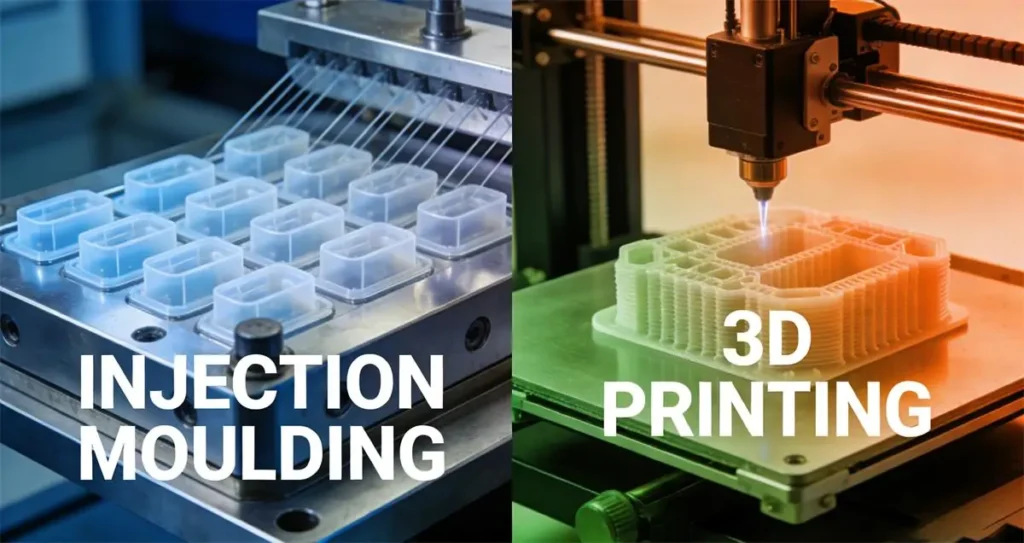
Custom Plastic Housing for Electronics
Plastic housing is essential for electronic devices, providing protection, insulation, heat management, and a refined appearance. At Huashuo, a professional OEM/ODM injection molding manufacturer , we deliver custom electronic enclosures through a one-stop injection molding solutionensuring high quality, precision, and fast lead times.
- ISO 9001:2015, CE
- T1 sample as fast as 2 weeks
- No minimums
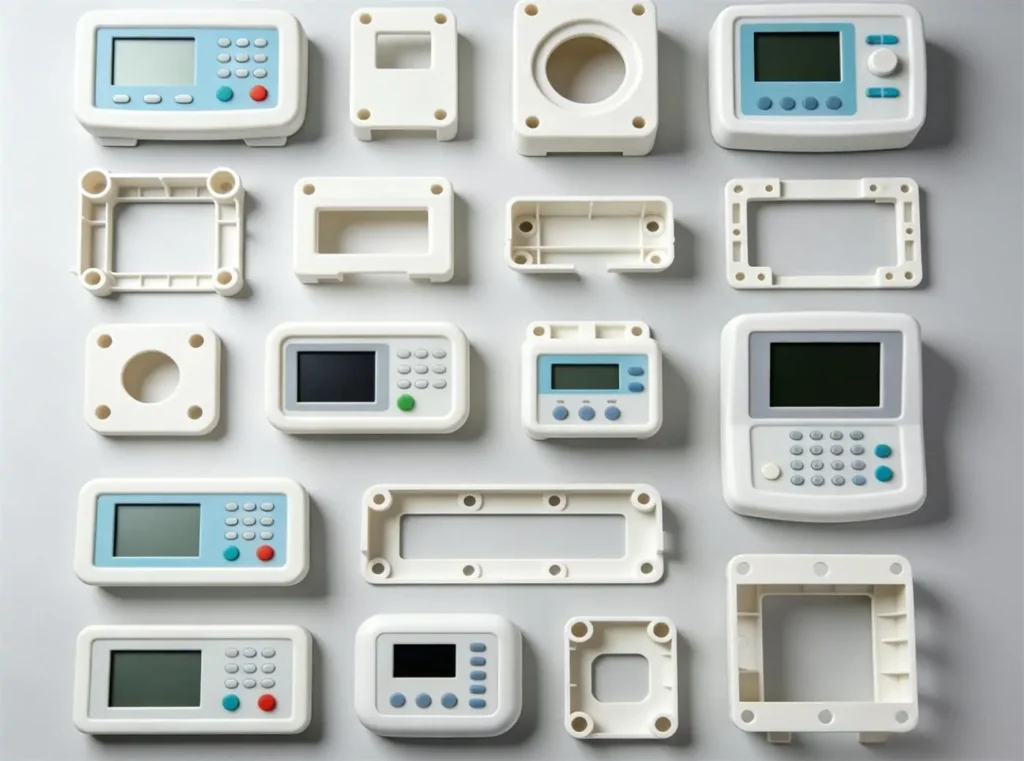

What is Plastic Housing for Electronics ?
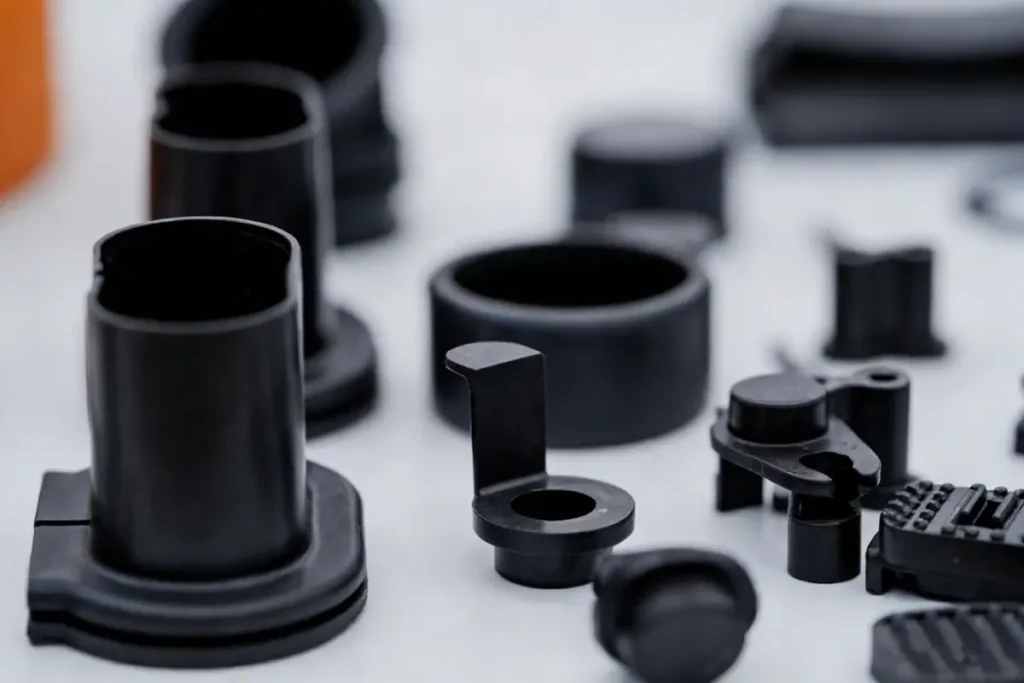
Plastic housing for electronics refers to the outer enclosure that protects internal components while providing structural support and a finished appearance. It shields circuits from dust, moisture, and impact, keeps parts securely in place, and defines the product’s look, texture, and usability across consumer, industrial, and medical devices.
Plastic enclosures are widely used because they offer excellent electrical insulation, light weight, and cost efficiency for mass production. Common materials include ABS for toughness and affordability, Polycarbonate (PC) for high impact strength and heat resistance, and PC+ABS blends for balanced performance and durability.
Manufacturing Process for Electronic Housing
The process starts with requirement analysis, defining functions like heat dissipation, protection level, and appearance (color, texture). Based on this, suitable materials such as ABS, Polycarbonate (PC), PP, or PC+ABS are selected. Engineers then create 3D CAD models, optimizing draft angles (1°–3°) and fillets (≥0.5mm) to ensure manufacturability. DFM review helps prevent defects and reduce production cost before tooling begins.
Before mass production, prototypes are developed using CNC machining or 3D printing to validate design accuracy, assembly fit, and functional performance. This stage allows quick iteration and design refinement, reducing risk in later stages. For low-volume needs, prototyping methods can also serve as a cost-effective short-run production solution.
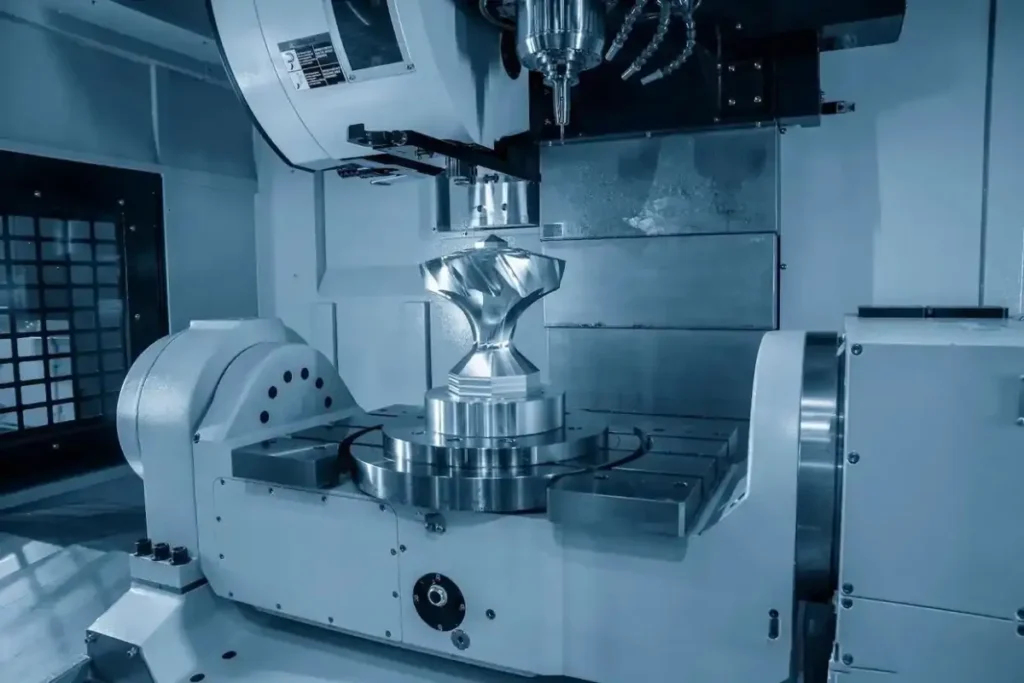
Based on the finalized design, high-precision injection molds are engineered and manufactured. Mold design focuses on parting lines, cavity balance, and cooling efficiency. Advanced machining methods such as CNC and EDM are used to achieve tight tolerances (typically±0.5mm). A well-built mold ensures consistent quality, long tool life, and stable mass production.
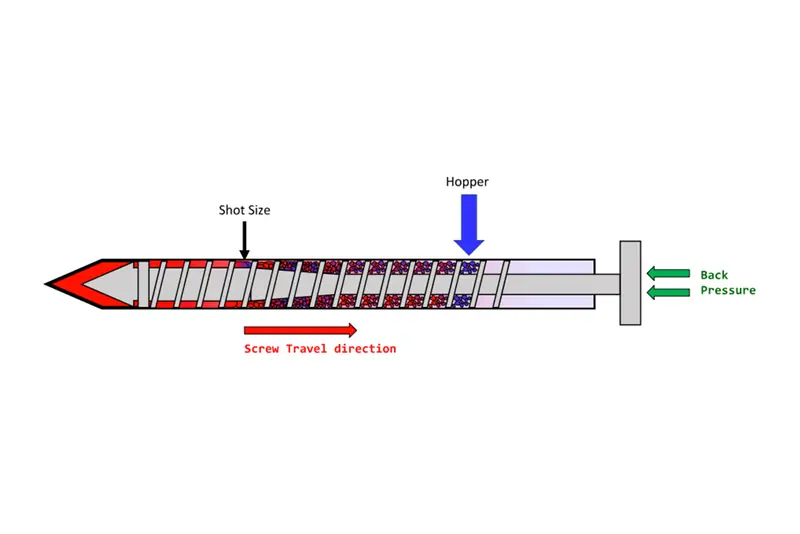
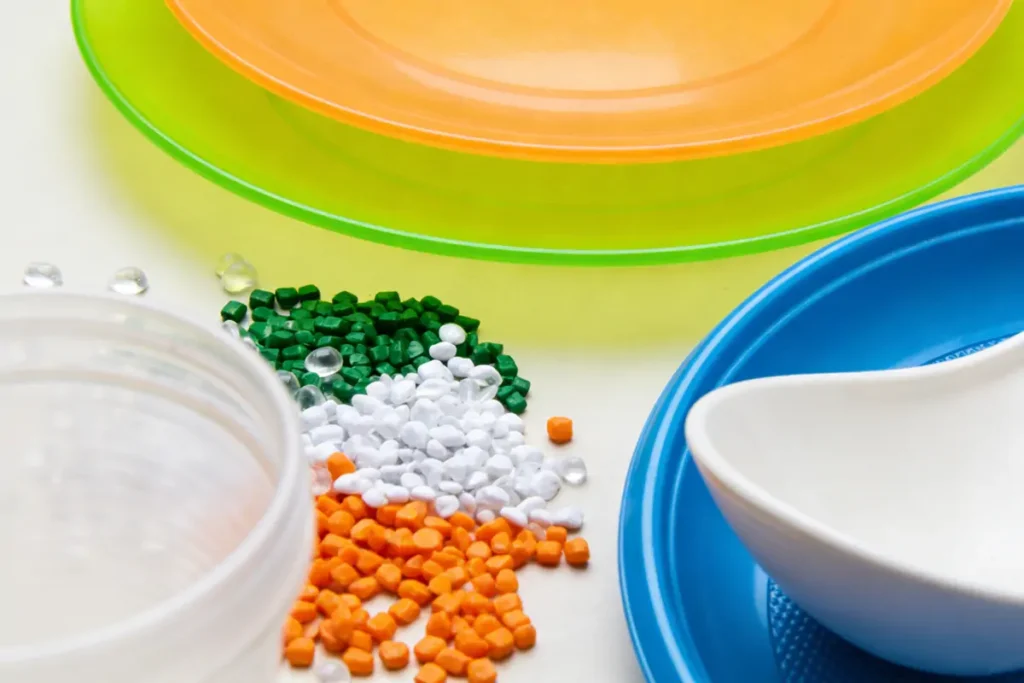
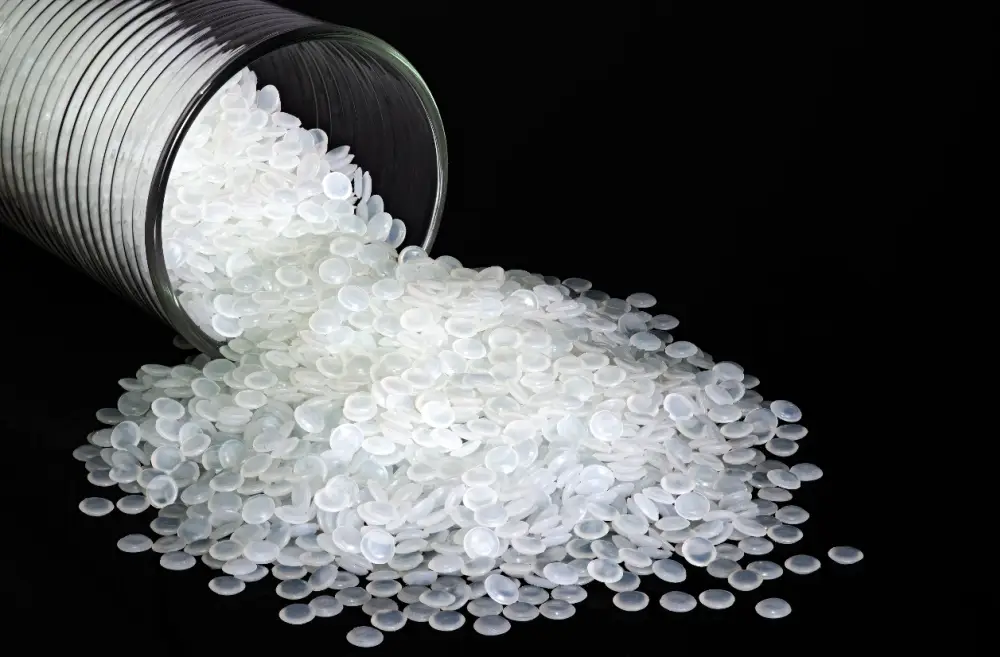
Plastic pellets are dried, melted (200–300°C), and injected into the mold under high pressure. After cooling and solidification, parts are ejected carefully to avoid defects. Post-processing includes trimming, painting, printing for enhanced durability and aesthetics. Final quality control involves dimensional checks, functional testing, and reliability validation.
Types of Electronic Plastic Enclosures
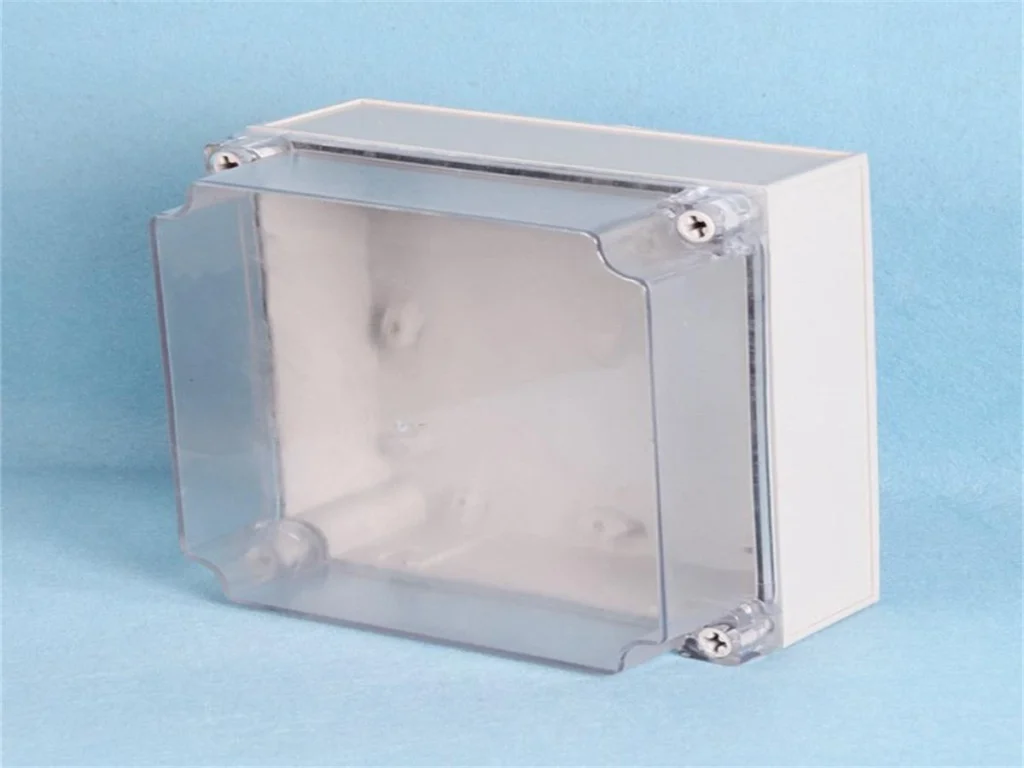
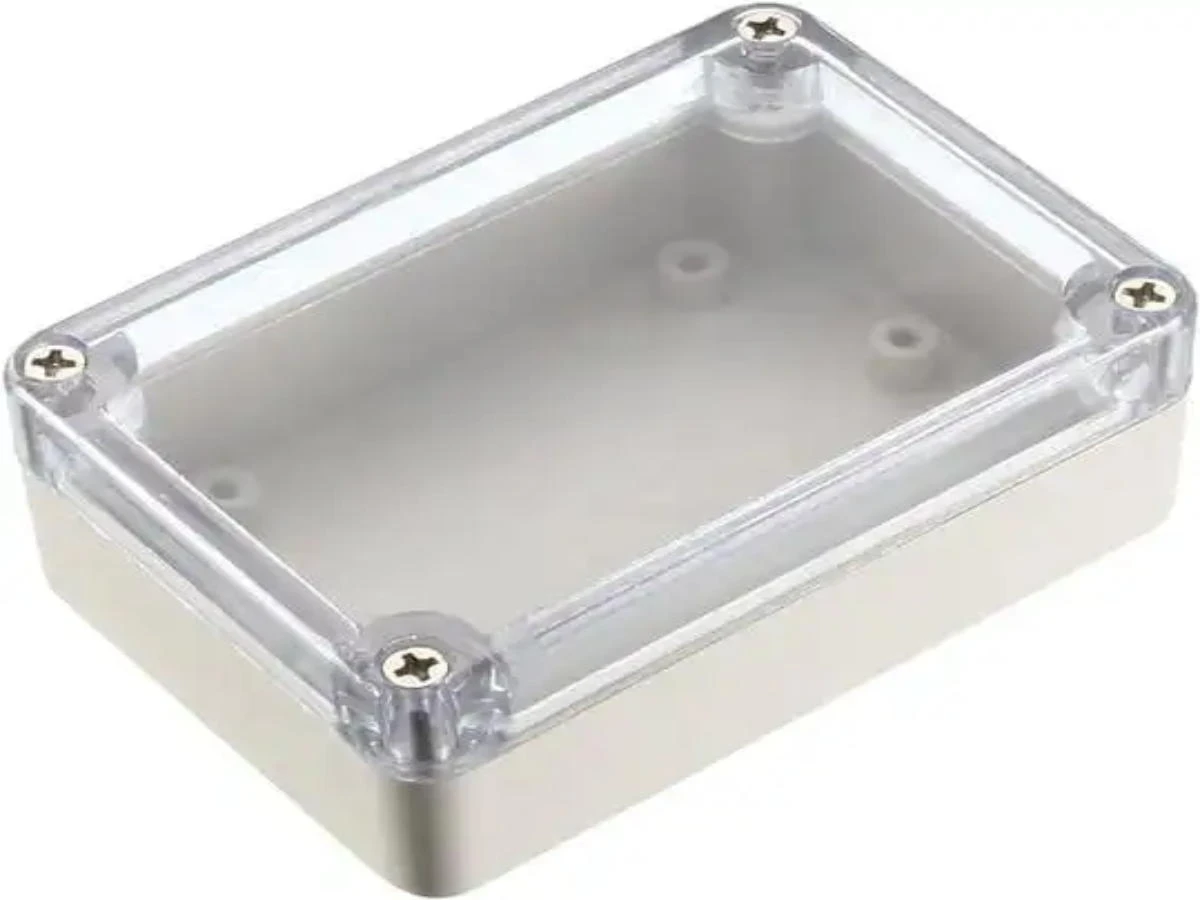
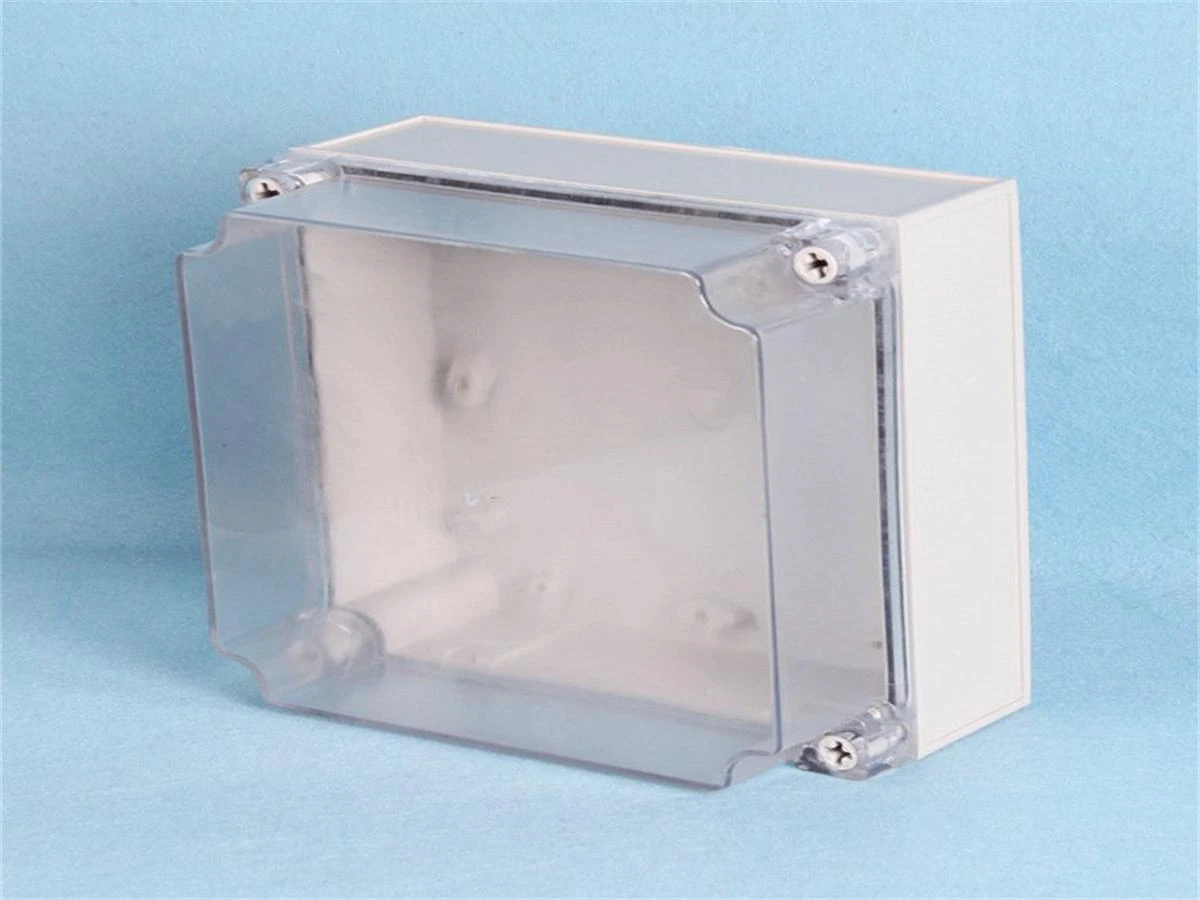
At Huashuo, we offer custom injection molded plastic housing for electronics, automotive, medical, and industrial applications. Whether you need waterproof enclosures, lightweight handheld device housings, or high-strength industrial casings, we deliver reliable one-stop manufacturing solutions from design to mass production with ABS, PC, and PC+ABS materials for precision and durability.
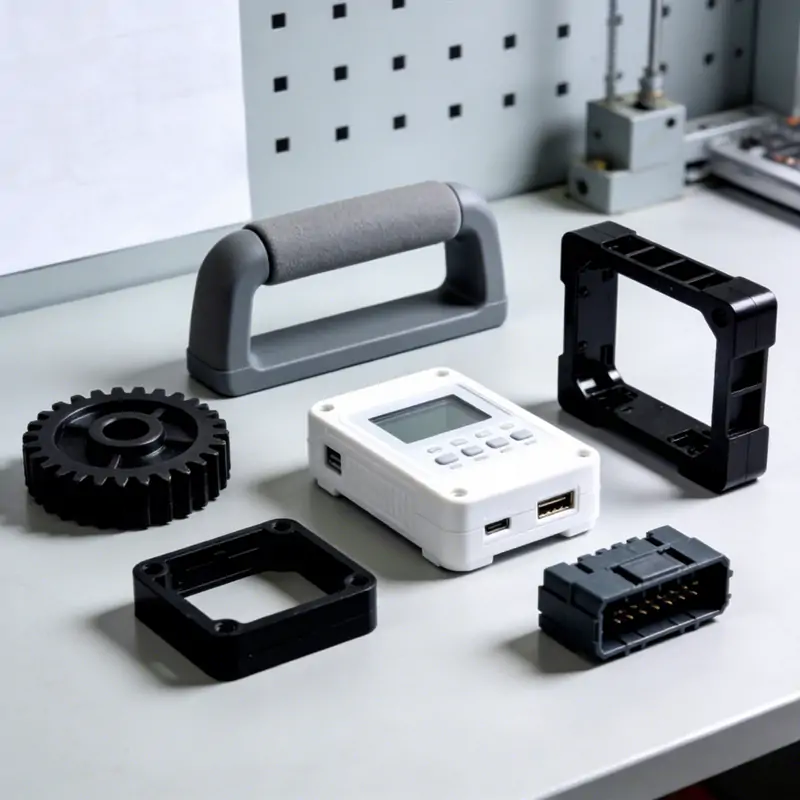
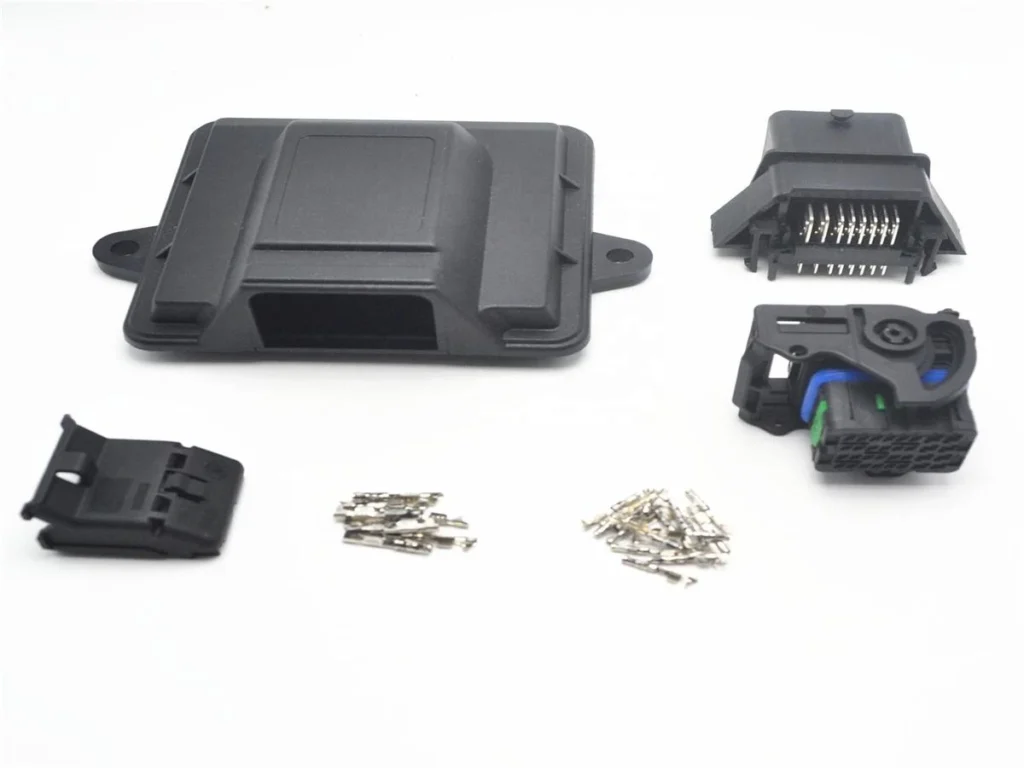
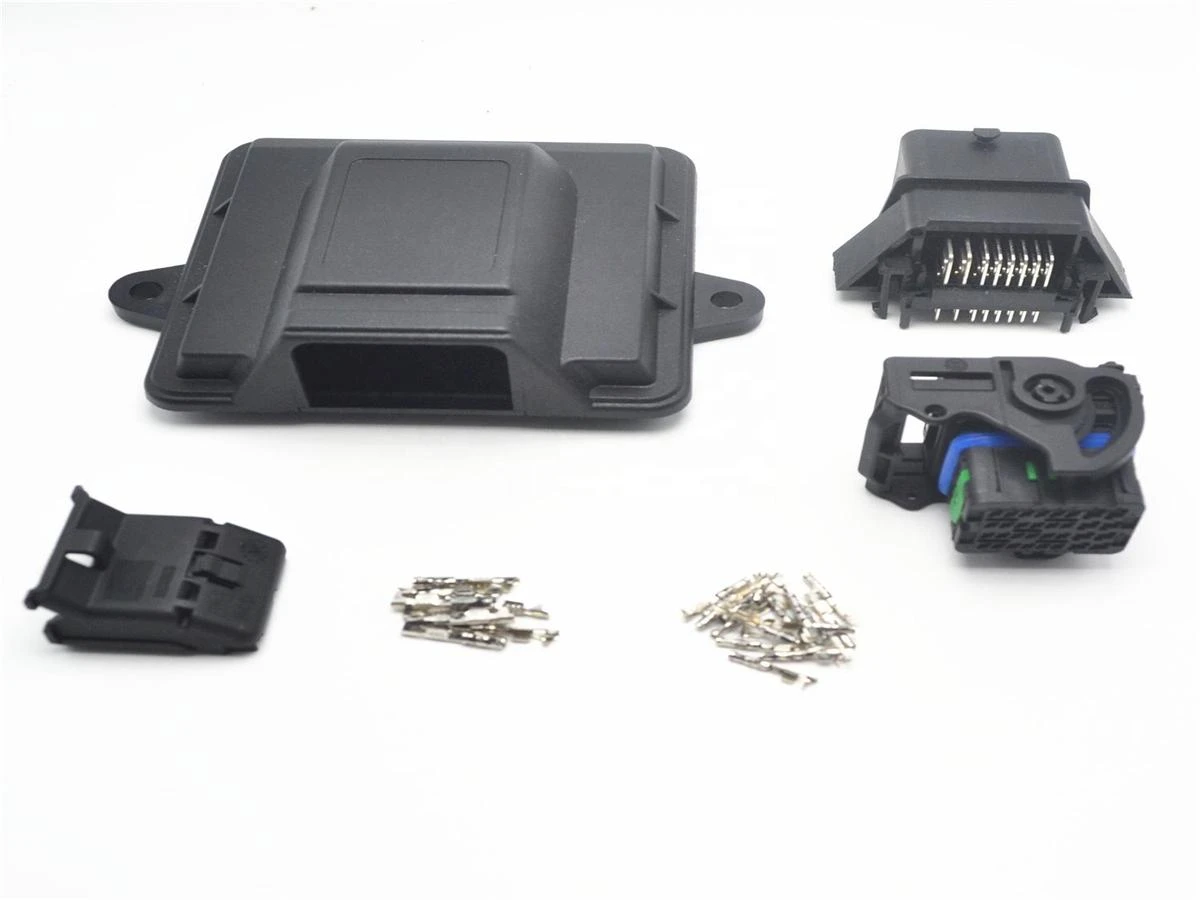
Custom Injection Molded Housing
Features: Fully customized structure and appearance, high dimensional accuracy, consistent quality for mass production, and flexible integration of snaps, ribs, and inserts.
Applications: Consumer electronics, automotive electronics, smart home devices, medical equipment.
Recommended Materials: ABS (cost-effective), Polycarbonate (PC) (high strength, heat resistance), PC+ABS (balanced performance).
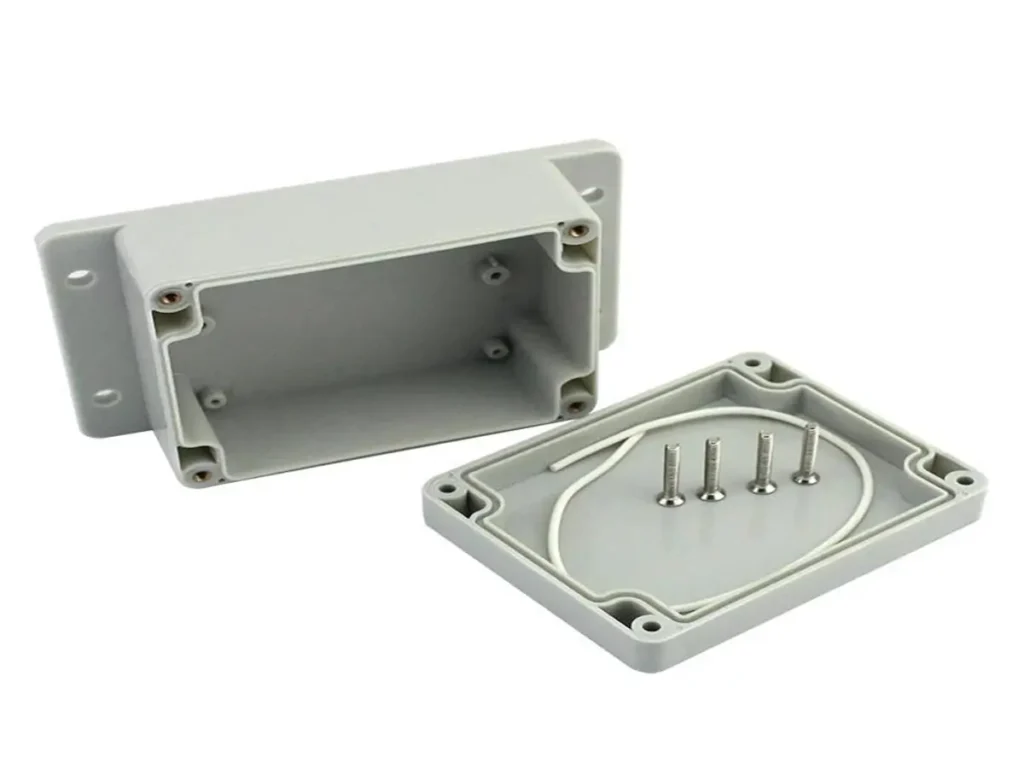
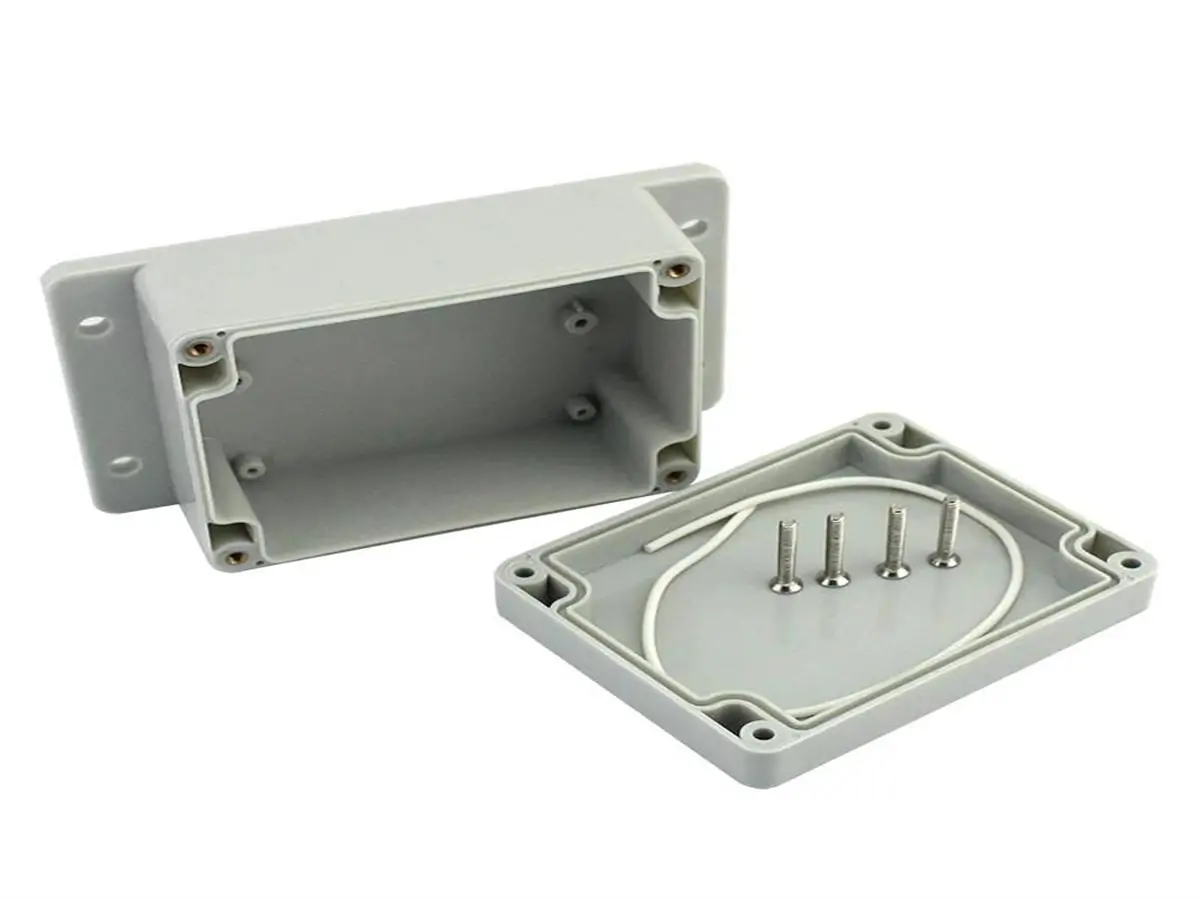
Waterproof Enclosures (IP65/IP67)
Features: Designed with sealing structures such as gaskets and O-rings to prevent water and dust ingress, suitable for harsh environments, supports outdoor and industrial use.
Applications: Outdoor electronics, IoT devices, automotive sensors, industrial control systems.
Recommended Materials: PC (durability), Nylon (PA) (mechanical strength), PC+ABS with sealing components.
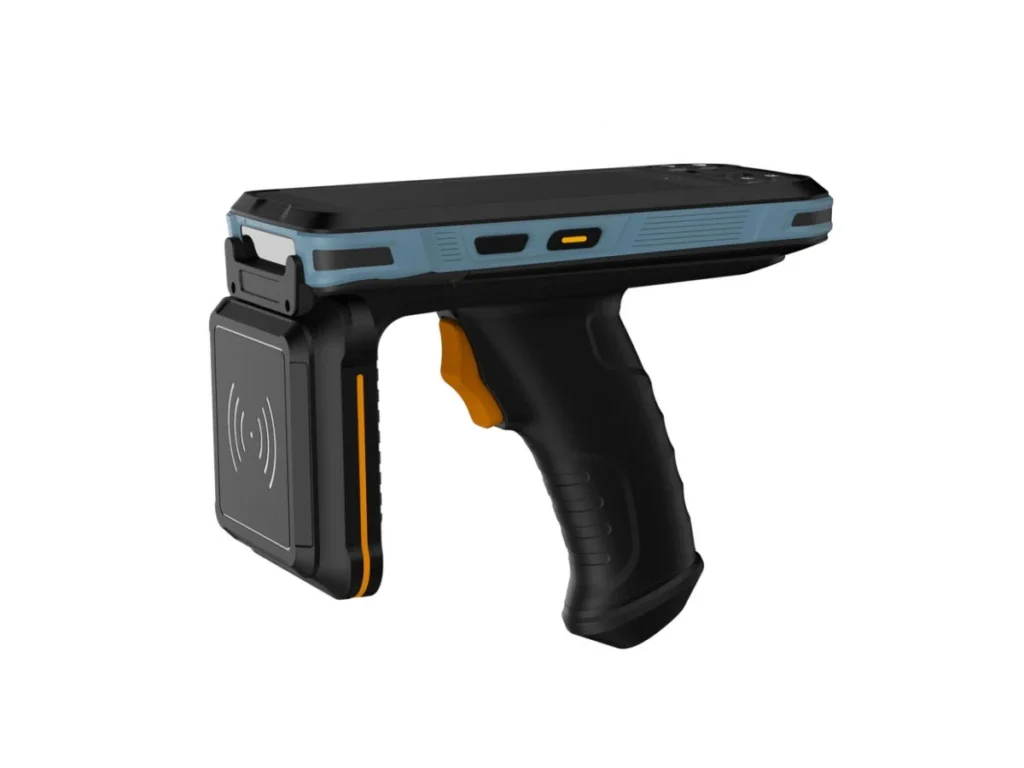
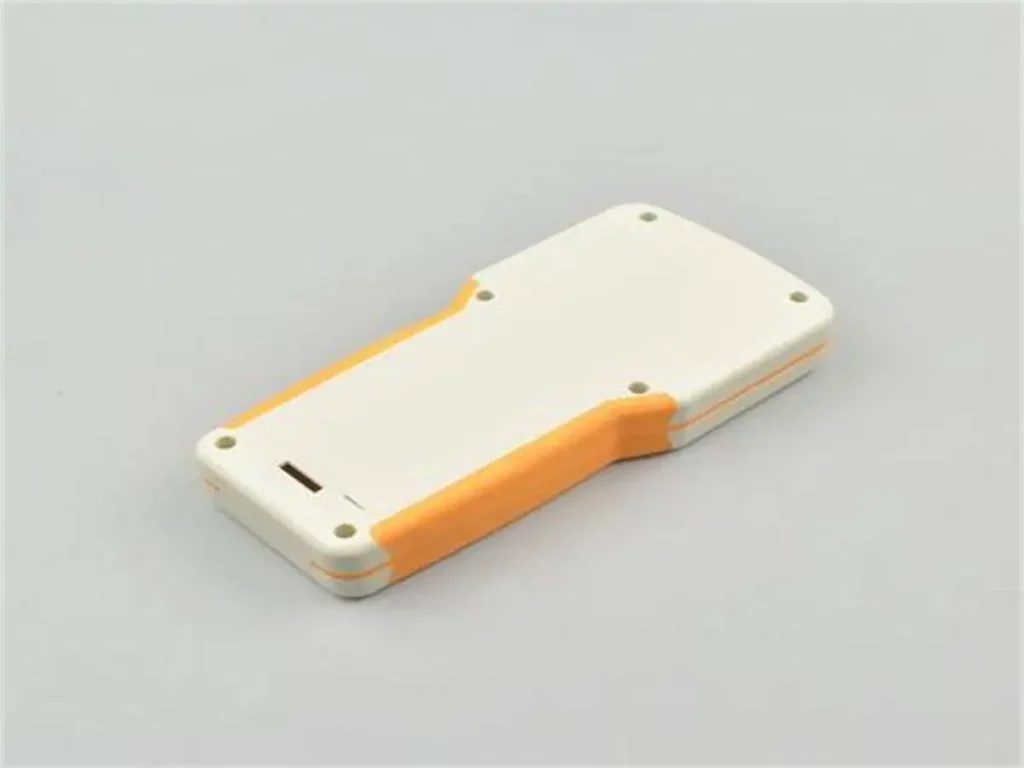
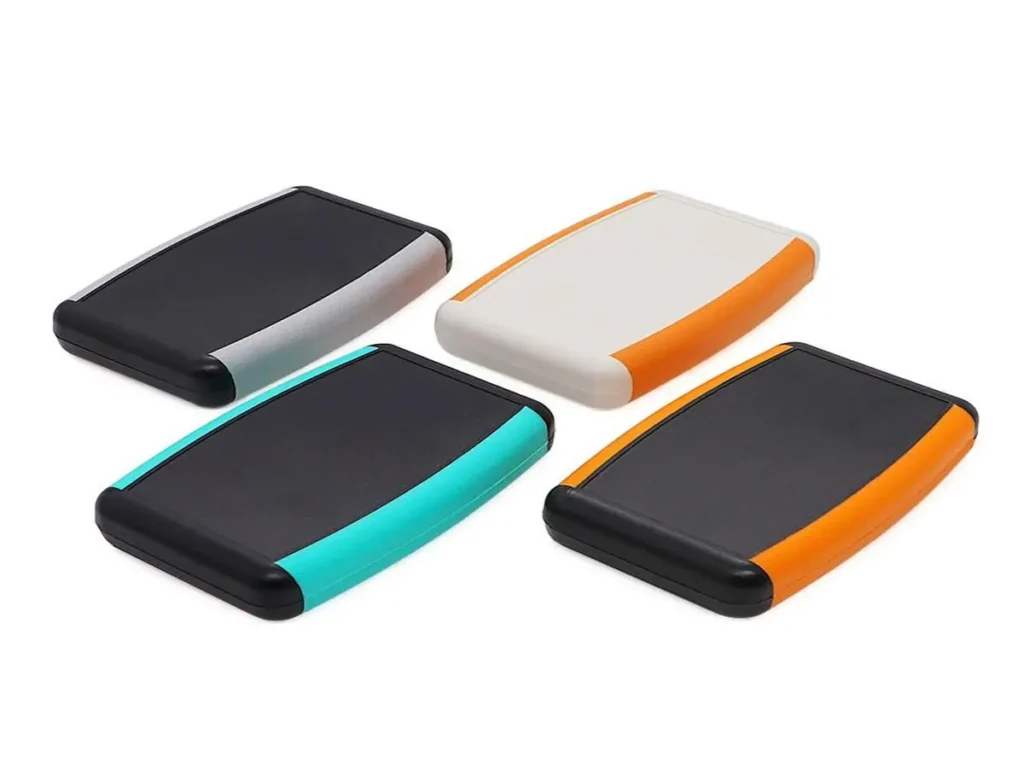
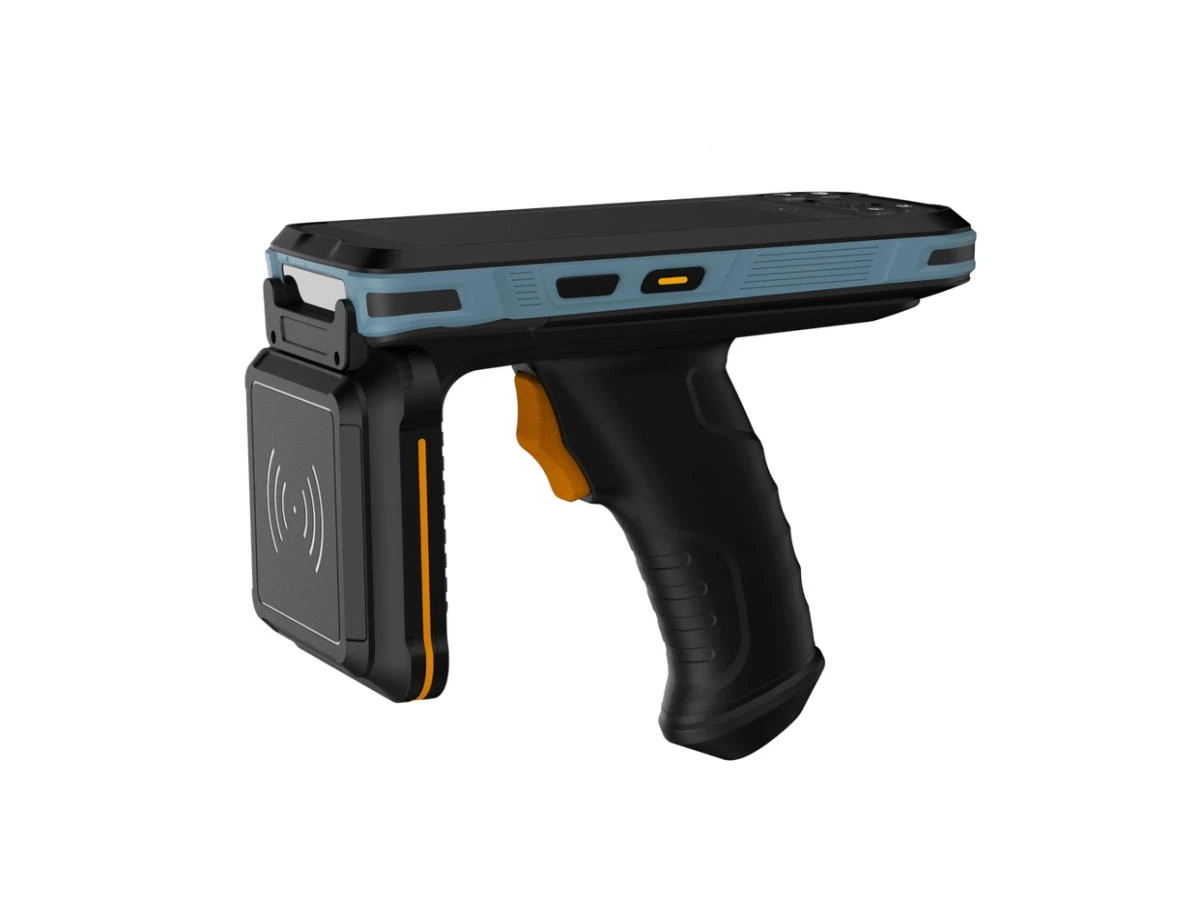
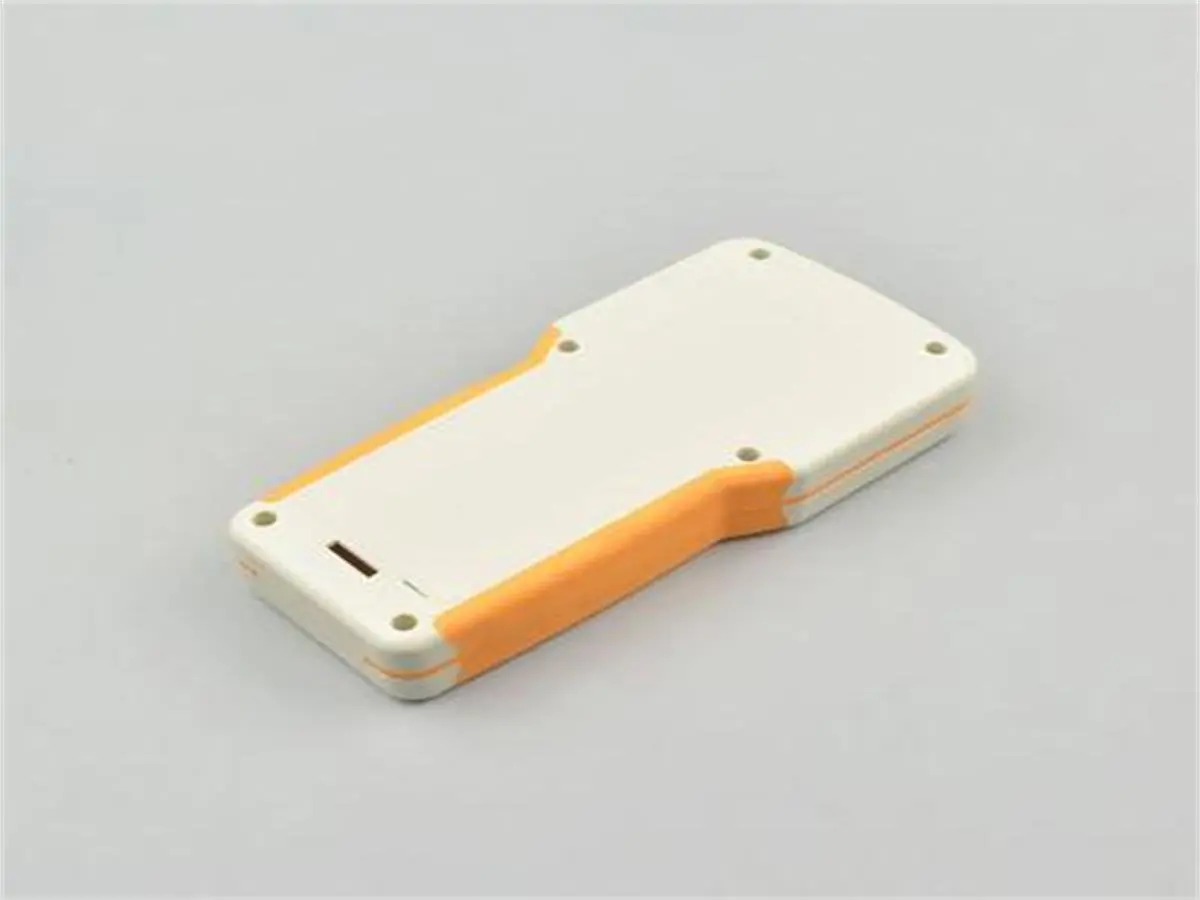
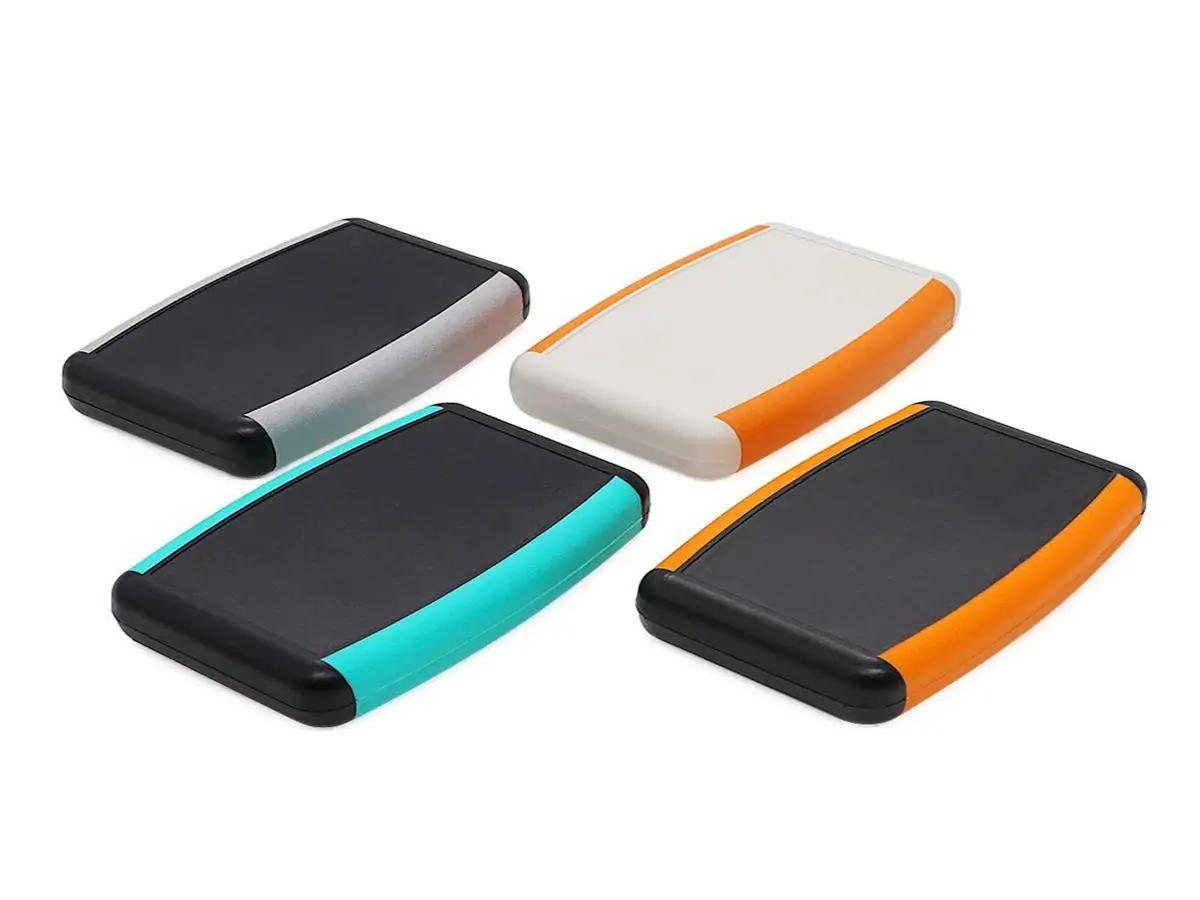
Handheld Device Housing
Features: Lightweight, ergonomic design, smooth surface finish, impact resistance, often includes anti-slip textures and aesthetic detailing.
Applications: Remote controls, handheld scanners, medical handheld devices, portable consumer electronics.
Recommended Materials: ABS (lightweight, easy processing), PC+ABS (durability), TPE overmolding for grip.
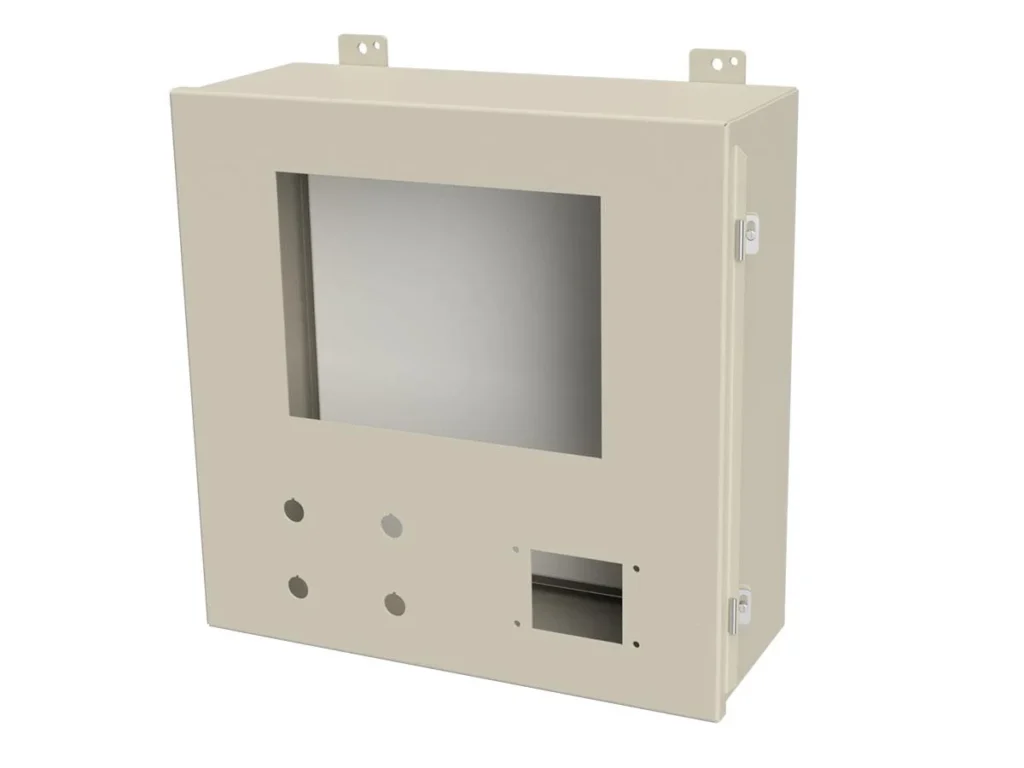
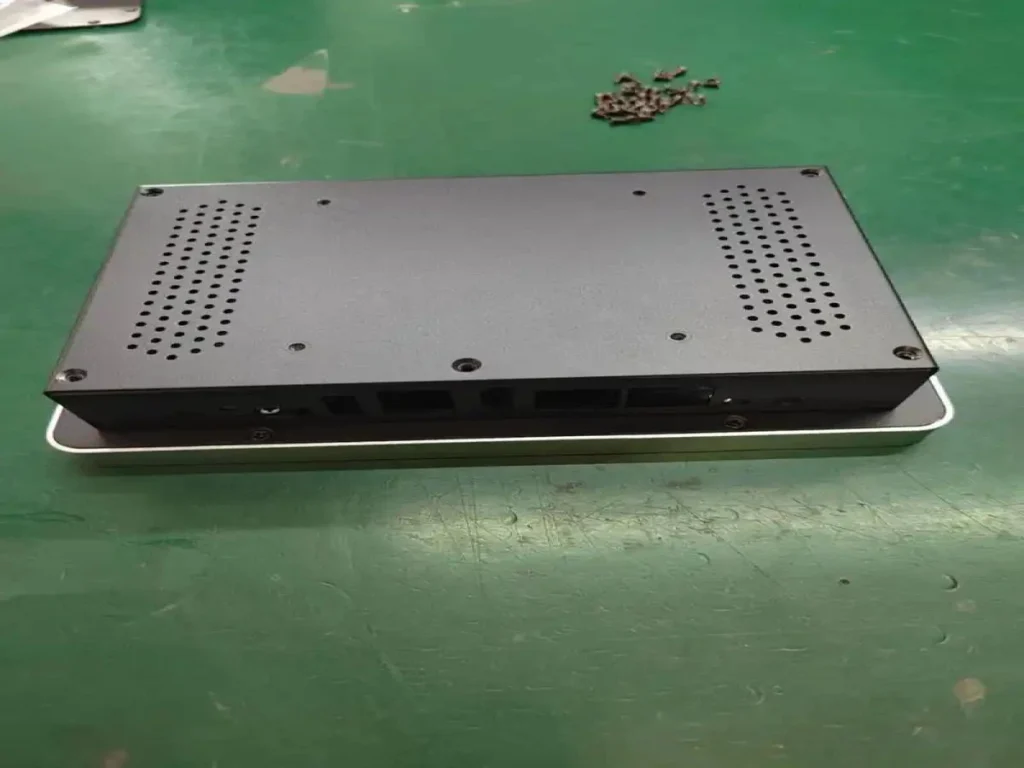
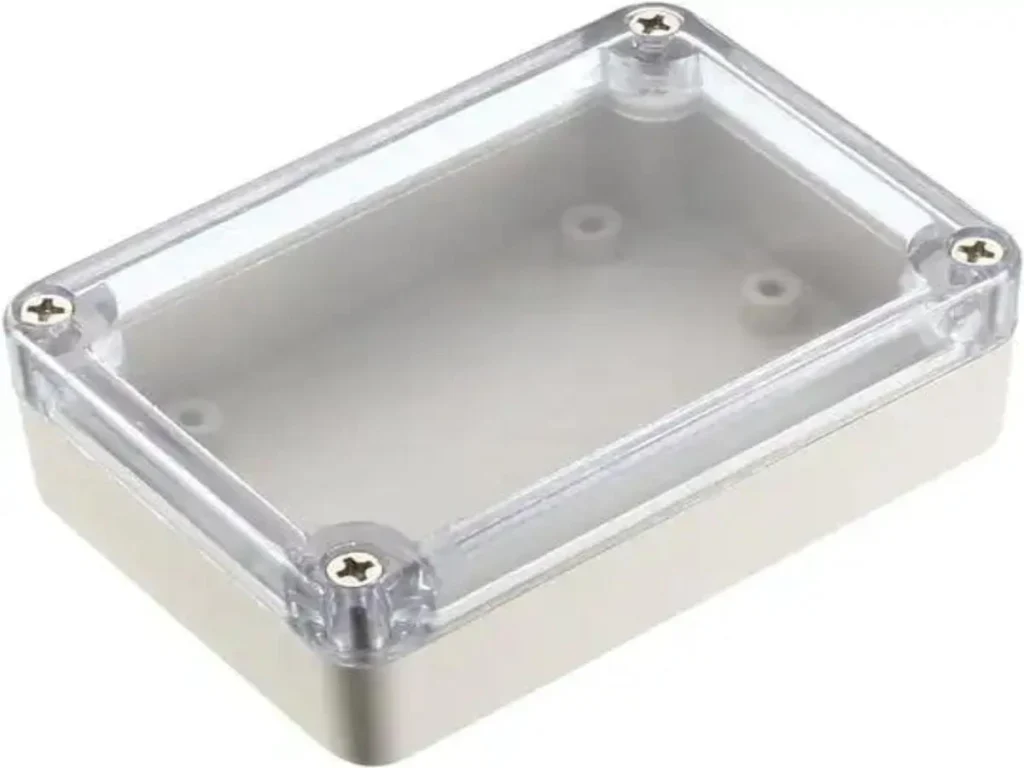
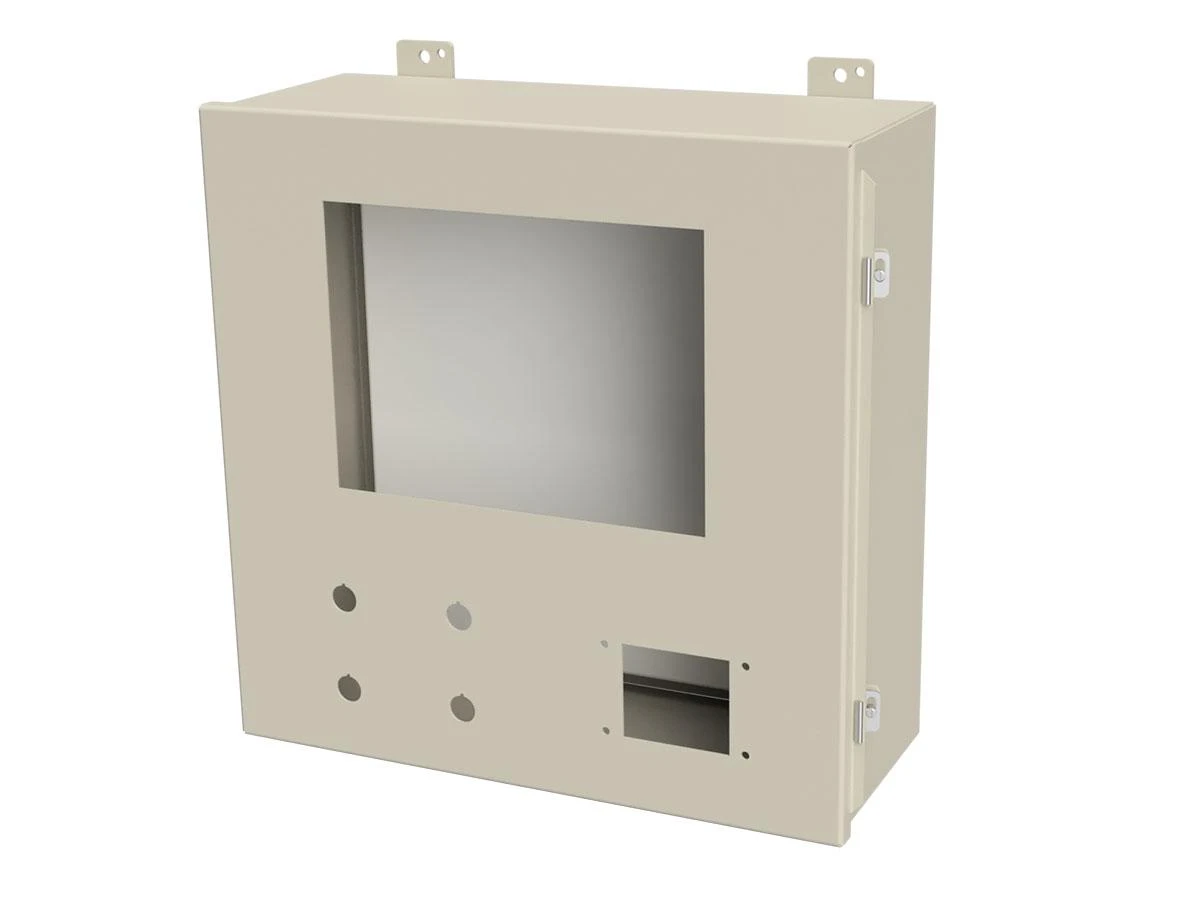
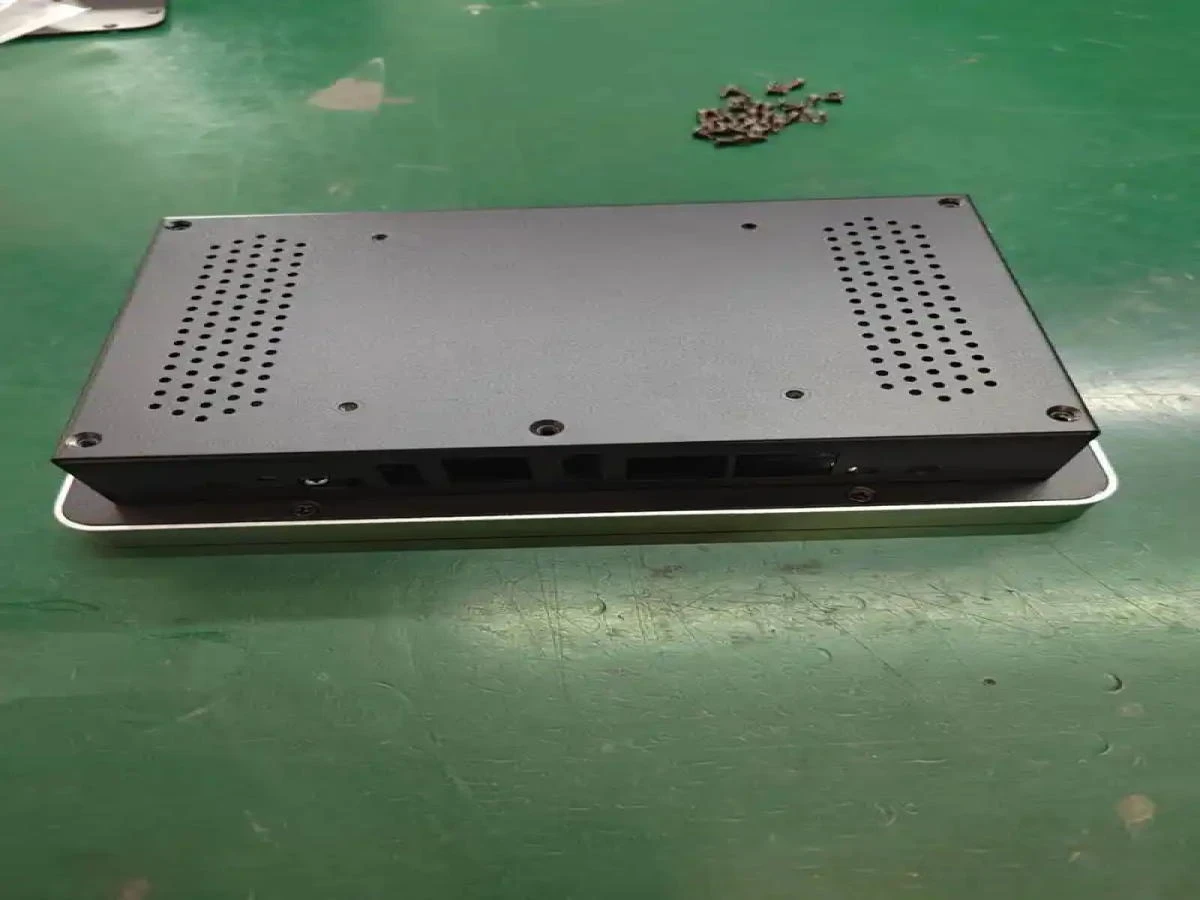
Industrial Equipment Enclosures
Features: High strength, resistance to heat, chemicals, and mechanical stress, designed for long-term stability and protection of internal components.
Applications: Industrial machinery, control panels, power equipment, automation systems.
Recommended Materials: Nylon (PA), glass-filled plastics, flame-retardant PC (UL94 V0).
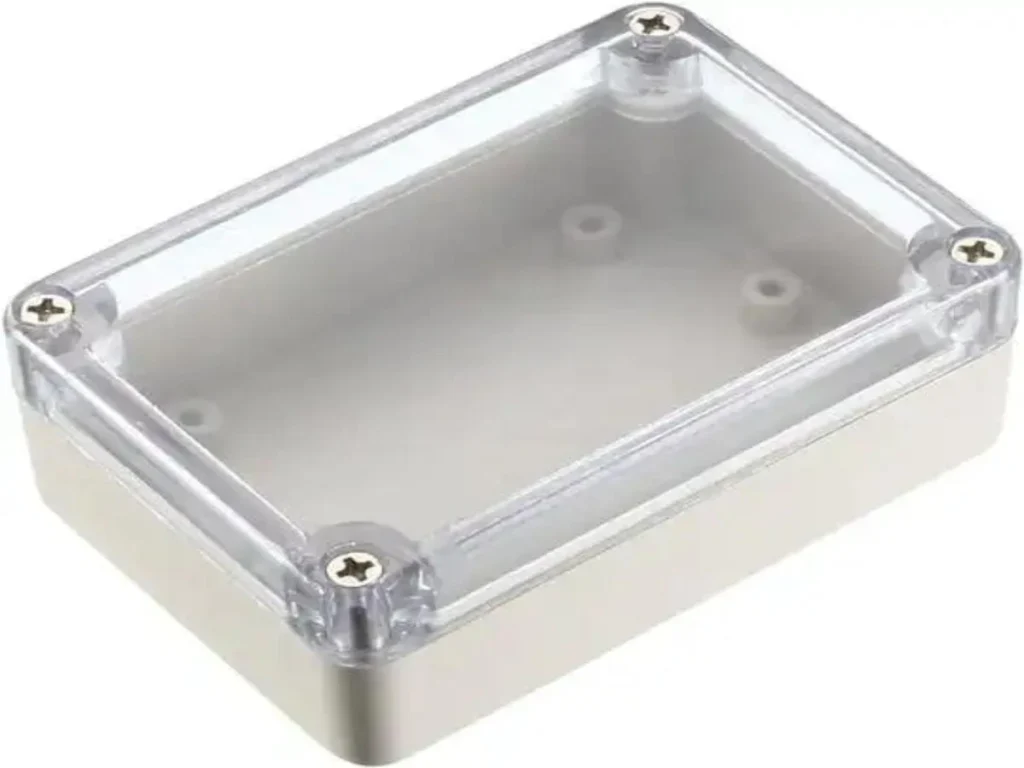
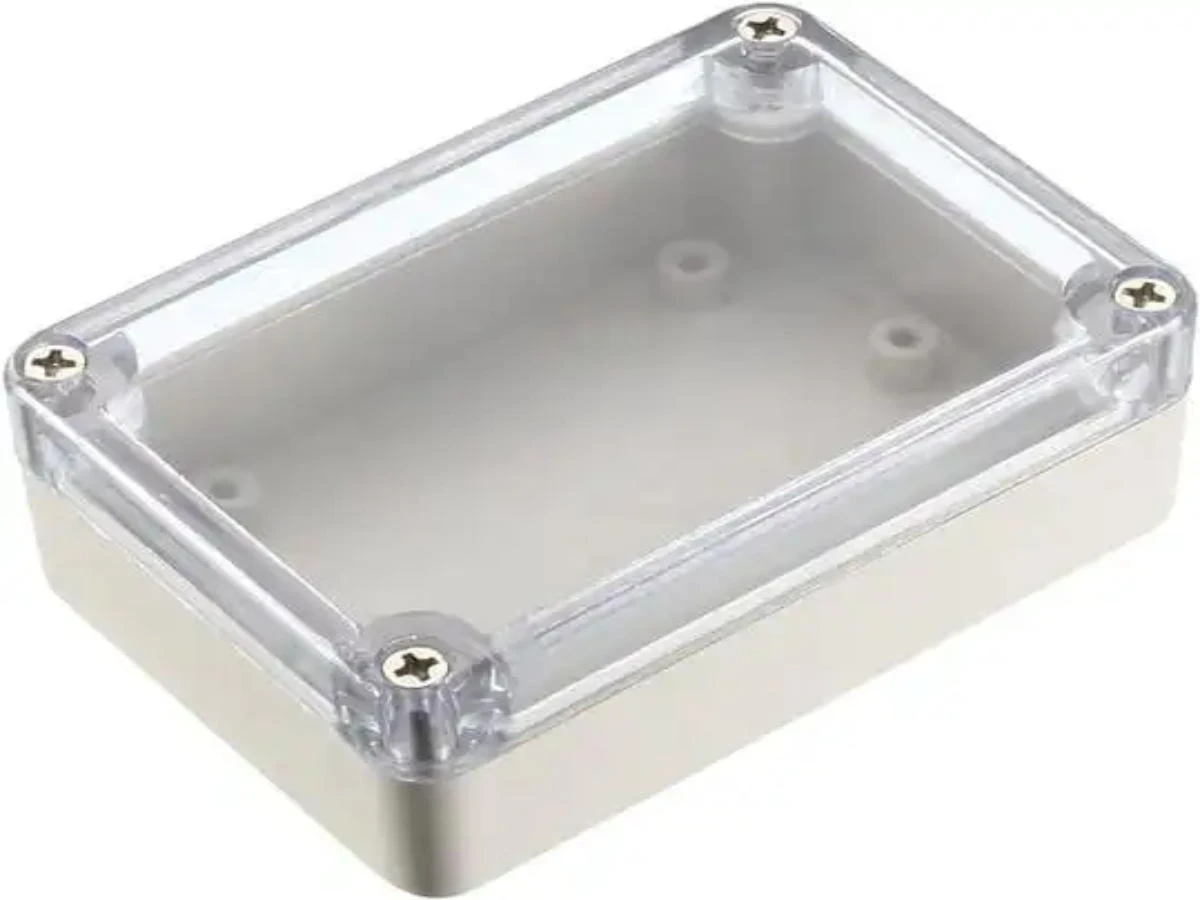
Transparent & Light Guide Housings
Features: High transparency or light diffusion, excellent optical performance, used for display covers or LED light guidance, requires precision molding and surface quality.
Applications: LED lighting, display panels, optical components, consumer electronics.
Recommended Materials: PC (optical clarity, impact resistance), PMMA (high transparency), optical-grade plastics.
Common Challenges and Solutions for Electronic Plastic Enclosures
Key factors in the design of electronic plastic enclosures include heat dissipation, wall thickness, snap-fit design, sealing, and electromagnetic interference (EMI) shielding. Optimizing these aspects early on helps injection molding manufacturers reduce product defects, improve production reliability, and ensure cost-effective mass production.
Heat Dissipation
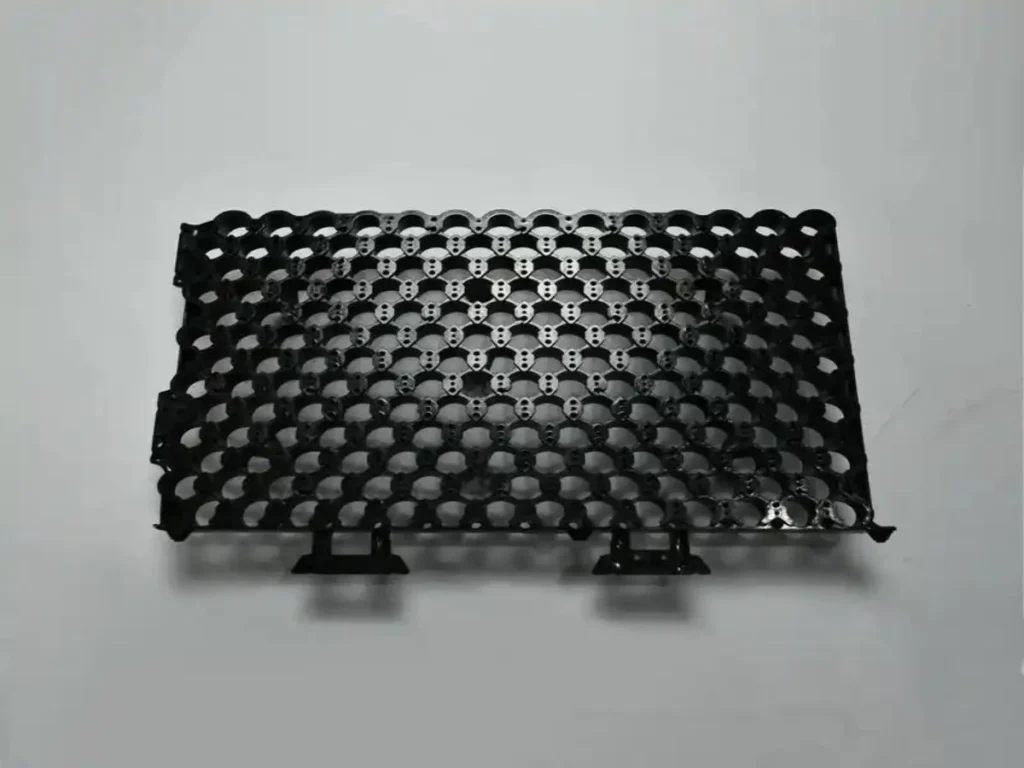
Key Points: Proper heat management prevents overheating and extends product life. Design features such as ventilation slots, heat sinks, and internal airflow paths are essential. Material choice also matters plastics with better thermal stability help maintain performance in high temperature environments.
Best Practice: Avoid fully sealed designs unless required; combine airflow design with thermal-resistant materials like Polycarbonate (PC) or PBT.
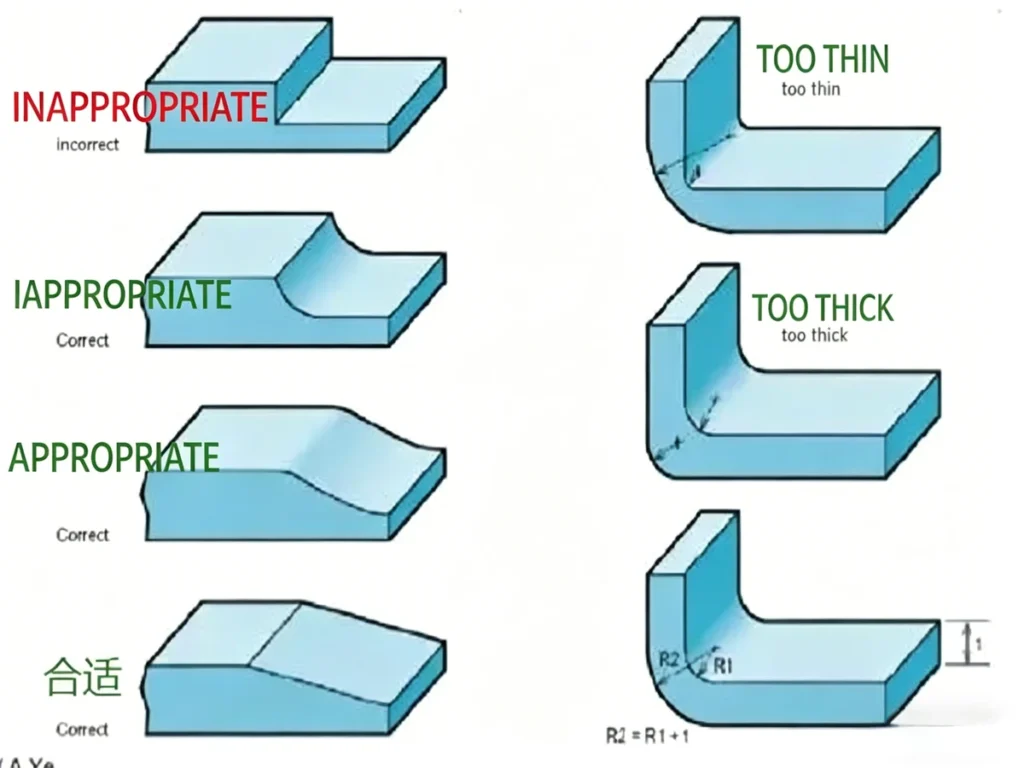
Wall Thickness
Key Points: Consistent wall thickness is critical to avoid defects like warpage and sink marks. Recommended thickness is typically 1.5–3.0 mm, with variation controlled within 15%. Thick sections should be reinforced with ribs (60–70% of wall thickness) instead of increasing mass.
Best Practice: Uniform thickness ensures stable molding, better cooling, and improved dimensional accuracy.
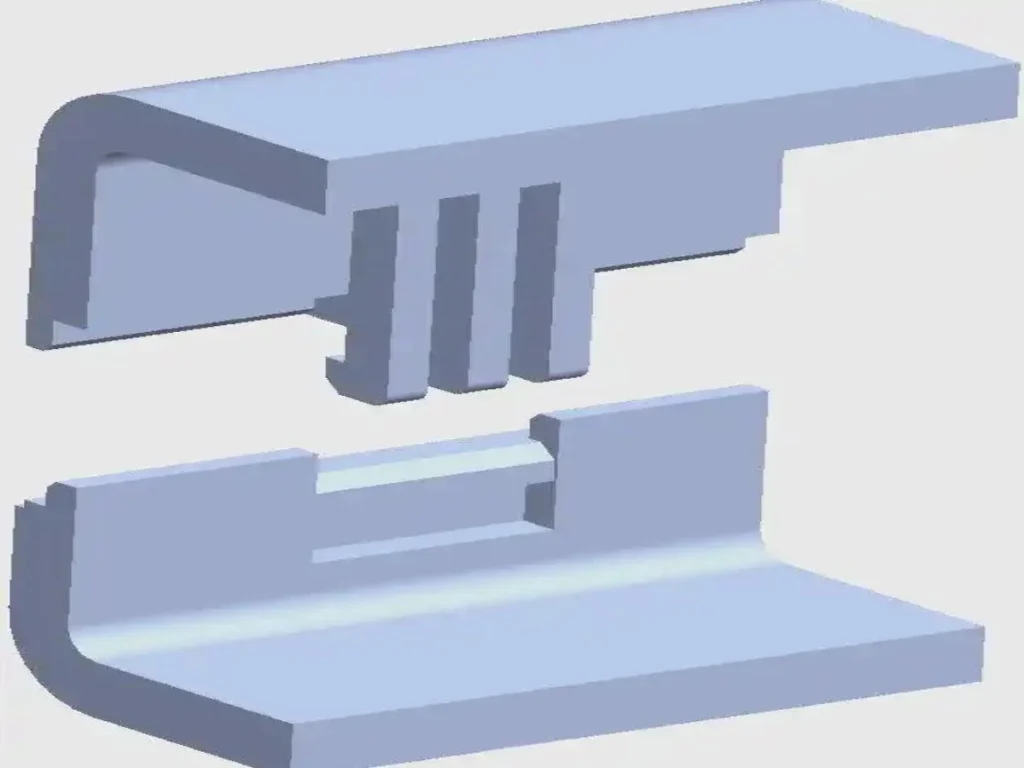
Snap Fit Structure
Key Points: Snap-fit designs allow easy assembly without screws, reducing cost and improving efficiency. Proper design must consider flexibility, stress distribution, and repeated use durability. Rounded corners (R ≥ 0.5 mm) help reduce stress concentration and improve strength.
Best Practice: Optimize clip angles and material elasticity (e.g., ABS or PC+ABS) to prevent breakage during assembly.
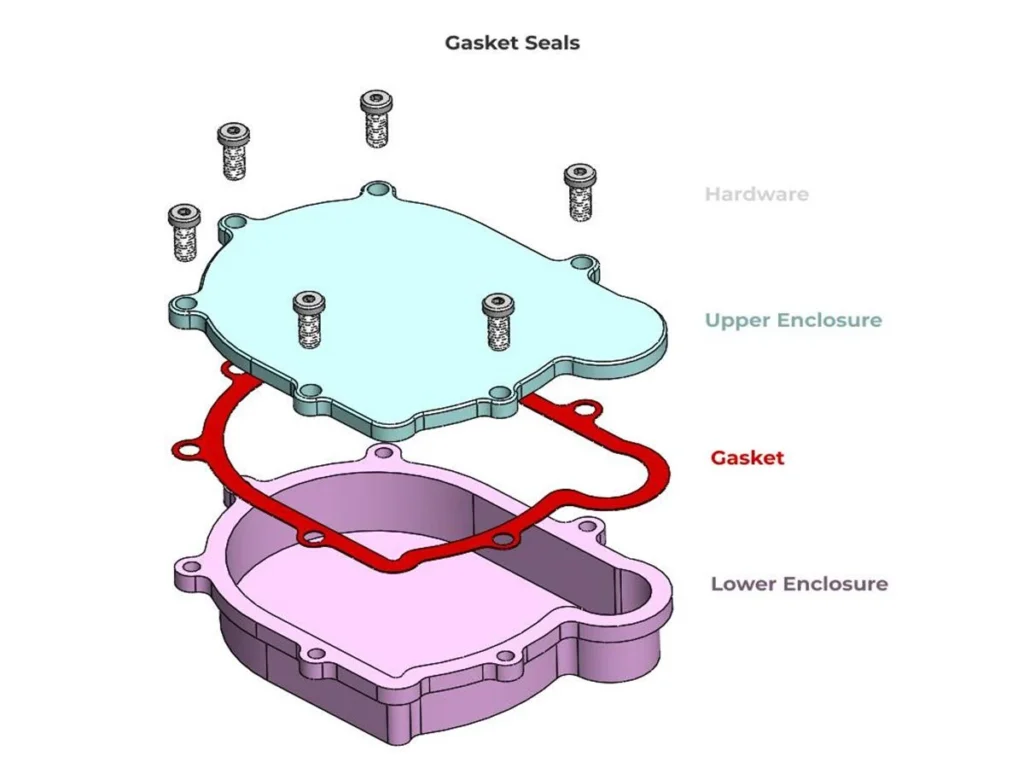
Sealing (Waterproof Design)
Key Points: For waterproof enclosures (IP-rated), sealing structures such as grooves, gaskets, and O-rings are required. Precision in mating surfaces and tolerance control is critical to ensure sealing performance.
Best Practice: Combine structural sealing design with suitable materials and controlled molding tolerances to achieve IP65/IP67 protection levels.
HuaShuo offers a wide range of injection molding materials and has extensive experience in mitigating these risks. Contact us to share your ideas.
Materials for Electronic Plastic Housing
Electronic plastic enclosure use engineering plastics like ABS, Polycarbonate (PC) and PC+ABS, which can be modified for strength, heat resistance, and safety.
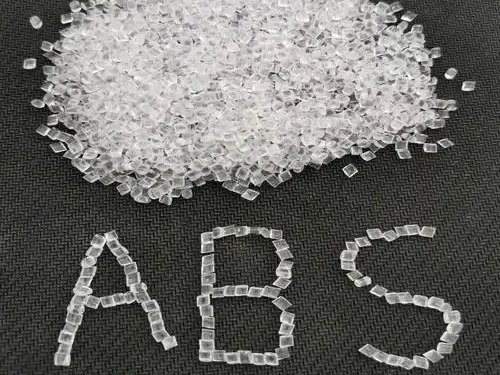
ABS
ABS offers good toughness, easy processing, and low cost. It is widely used for general electronic plastic enclosure with stable performance and good surface finishing options.
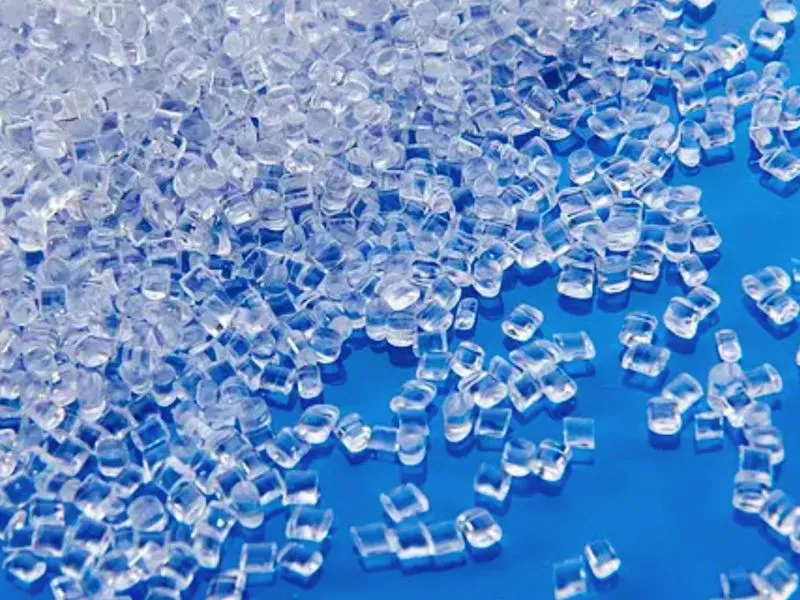
Polycarbonate (PC)
PC provides high impact strength and excellent heat resistance. It is suitable for transparent or high-strength housings but needs careful molding control.
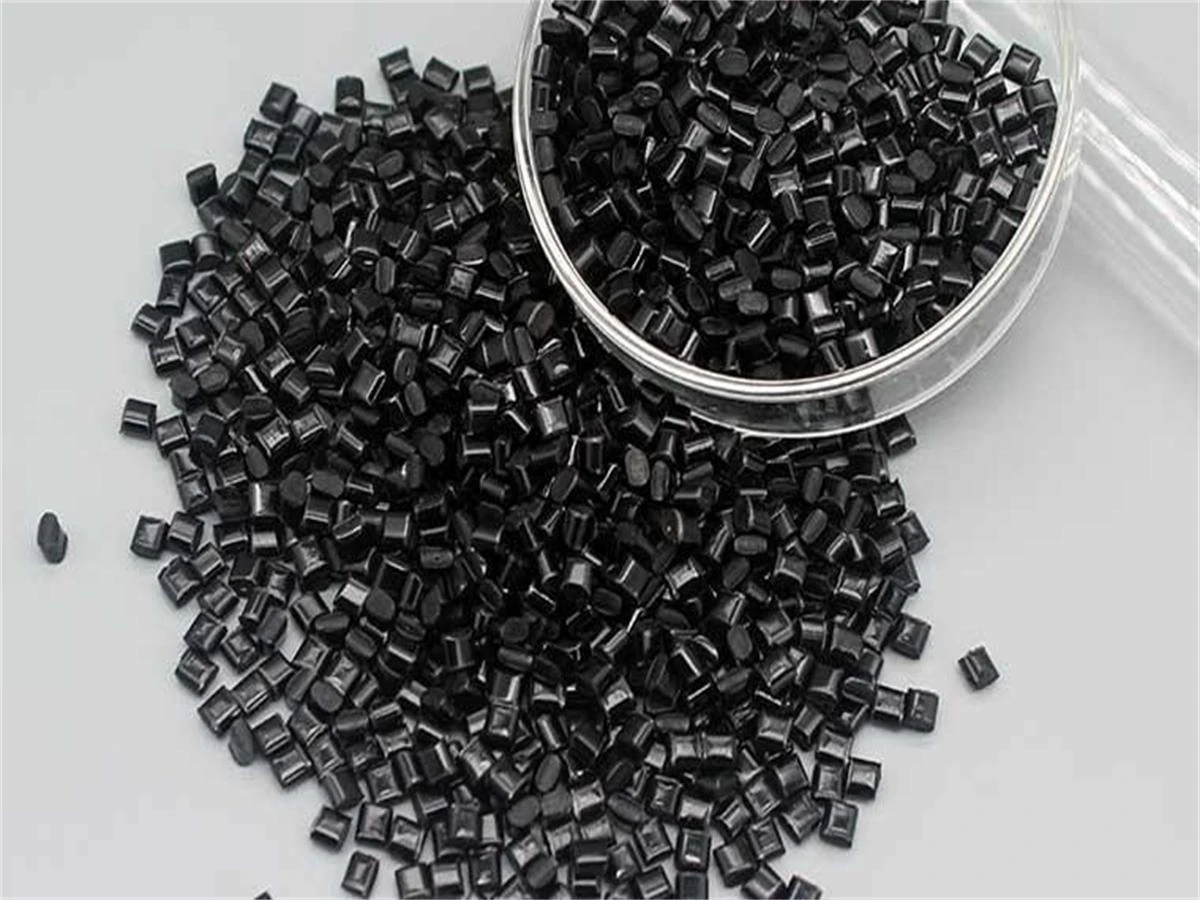
PC+ABS
PC+ABS combines strength and processability for balanced performance. It is widely used in 3C electronics for durable and stable housing structures.
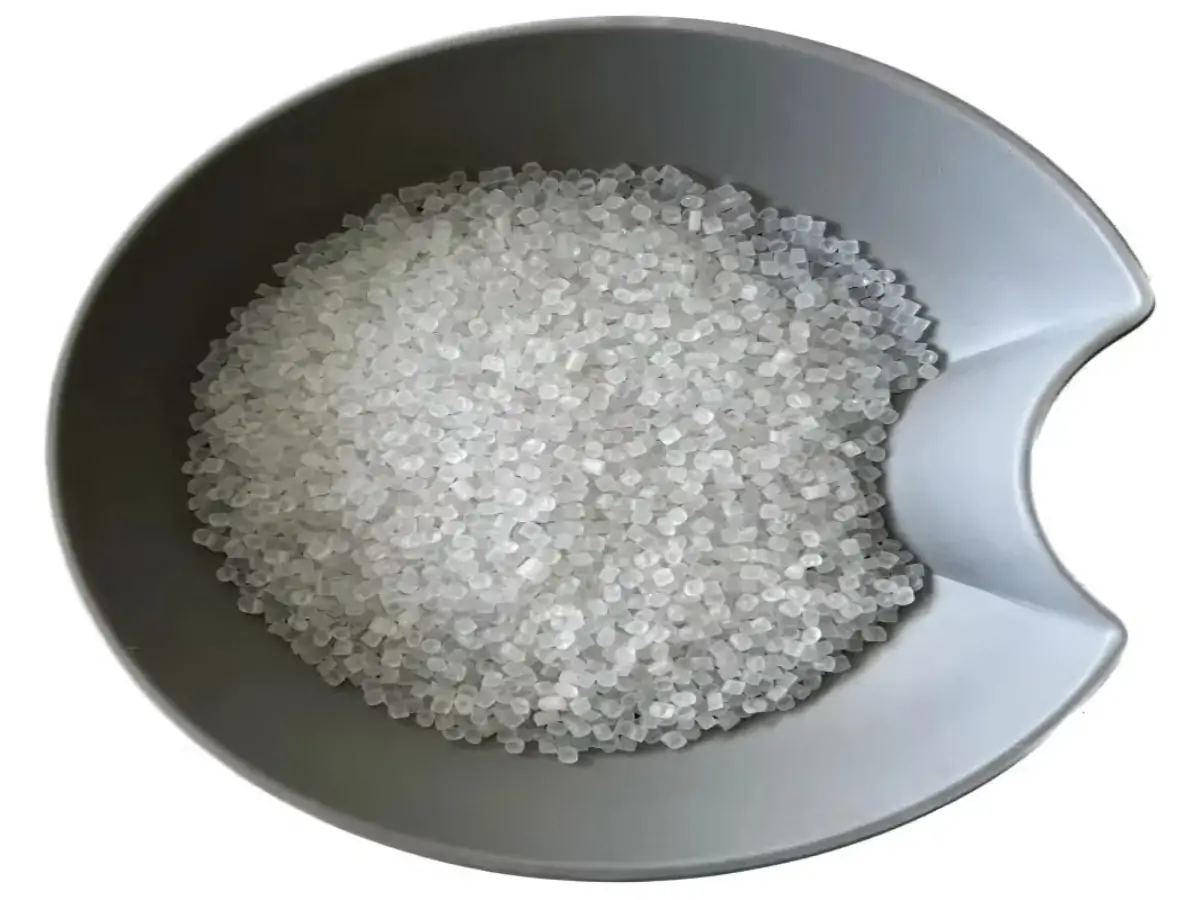
Nylon (PA)
Nylon has high strength and wear resistance for structural parts. It may absorb moisture, so dimensional control is important in electronic plastic enclosure precision applications.
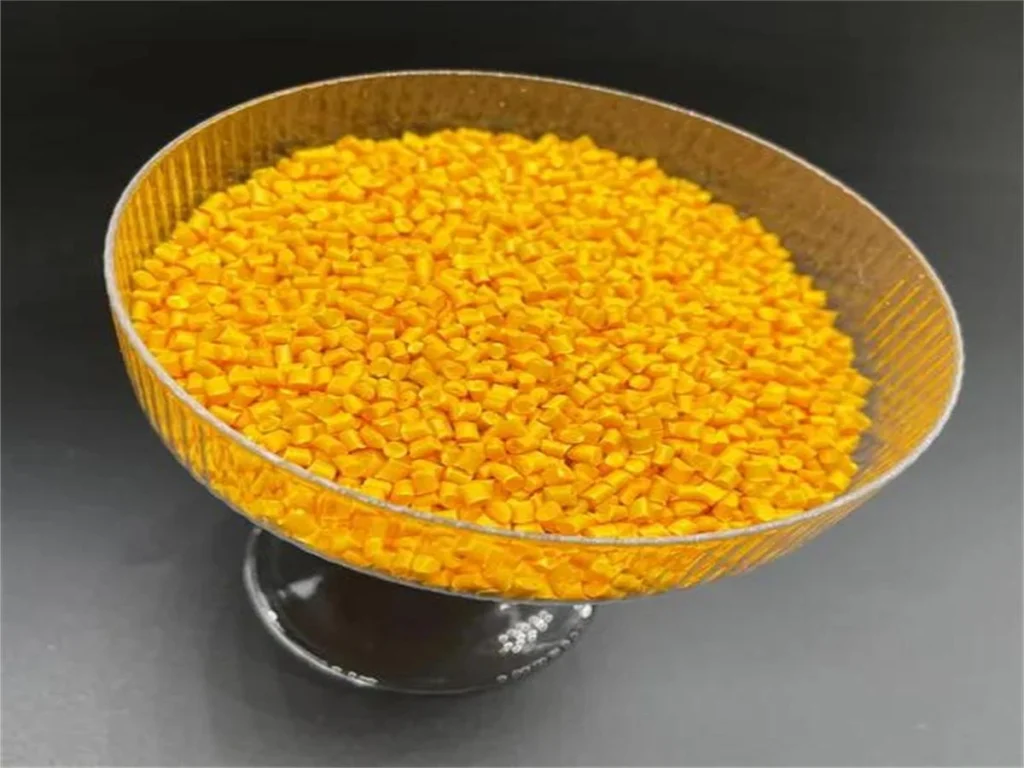
Flame retardant Materials
Flame-retardant plastics self-extinguish under fire for improved safety. They are used in electronic housings requiring UL94 V0 compliance for strict protection standards.
Our Injection Molding Capabilities
DFM & Mold Design Support
We provide DFM analysis and mold design optimization to improve manufacturability before tooling starts. This reduces defects, lowers cost, and ensures stable mass production.
CNC Prototyping
Rapid CNC prototyping helps verify design accuracy, assembly fit, and function before mold making. It shortens development time and reduces risks in later production stages.
Mold Manufacturing
We build high-precision molds using CNC and EDM machining with strict tolerance control. This ensures long mold life, stable performance, and consistent part quality.
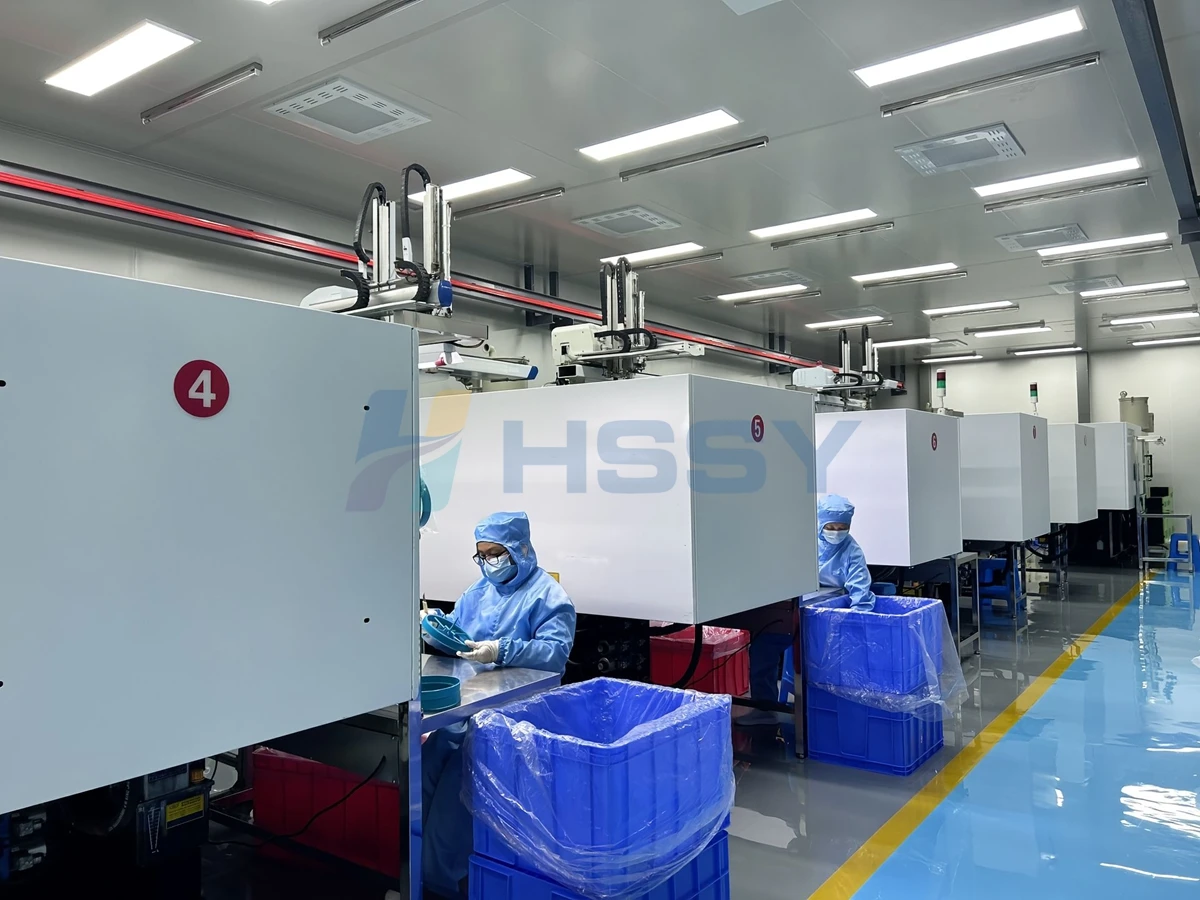
Injection Molding Production
Our injection molding service supports both small and large-scale production with stable cycle times. We ensure consistent quality, efficiency, and repeatable manufacturing output.
Secondary Finishing
We offer surface finishing services such as painting, silk-screen printing, ultrasonic welding, and polishing. These processes enhance appearance and functionality of final products.
Assembly & Full Service Delivery
We provide full assembly solutions to deliver ready-to-use products. This one-stop service improves efficiency, reduces supply chain complexity, and ensures final quality control.
Applications of Plastic Housing for Electronics
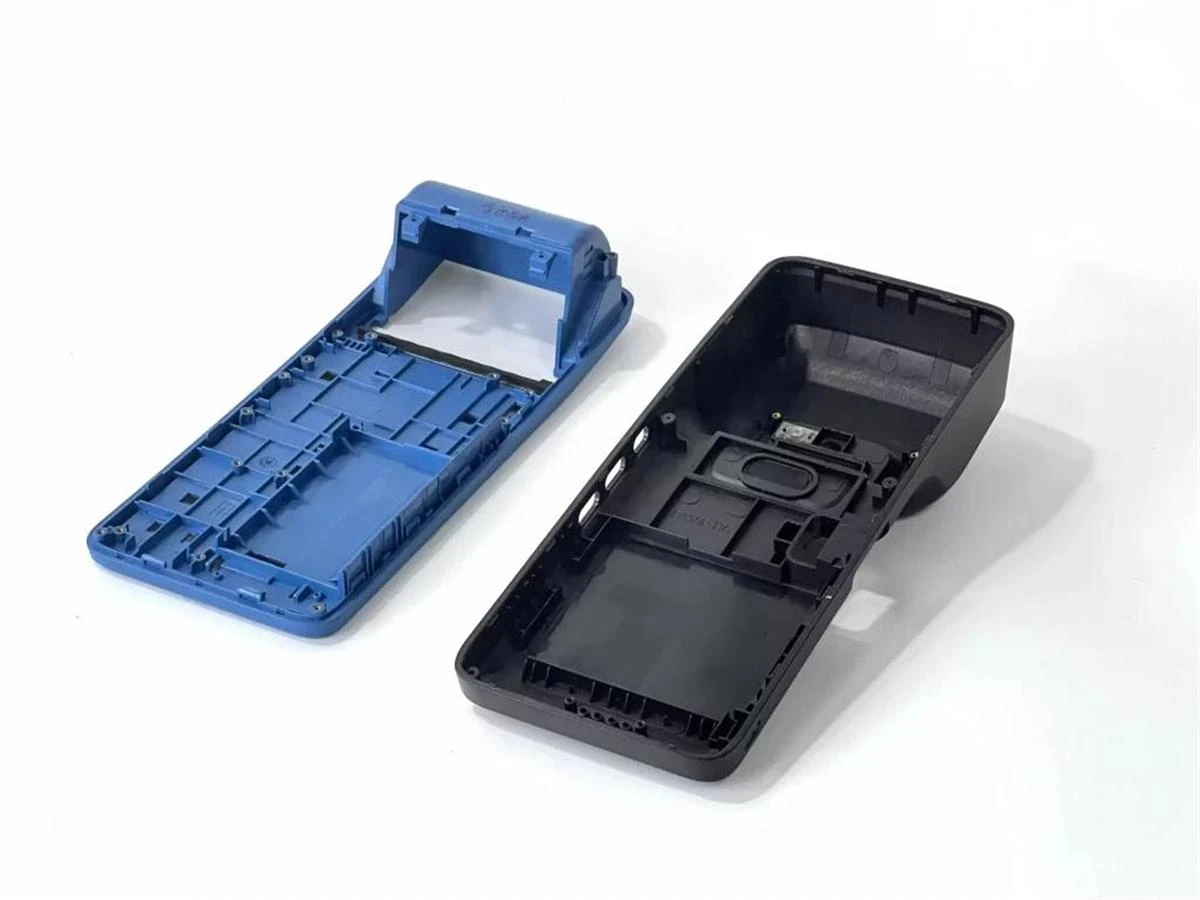
Consumer Electronics
Plastic housings are widely used in smartphones, laptops, and wearable devices. They provide lightweight structure, impact protection, and allow flexible aesthetic design for mass-market products.
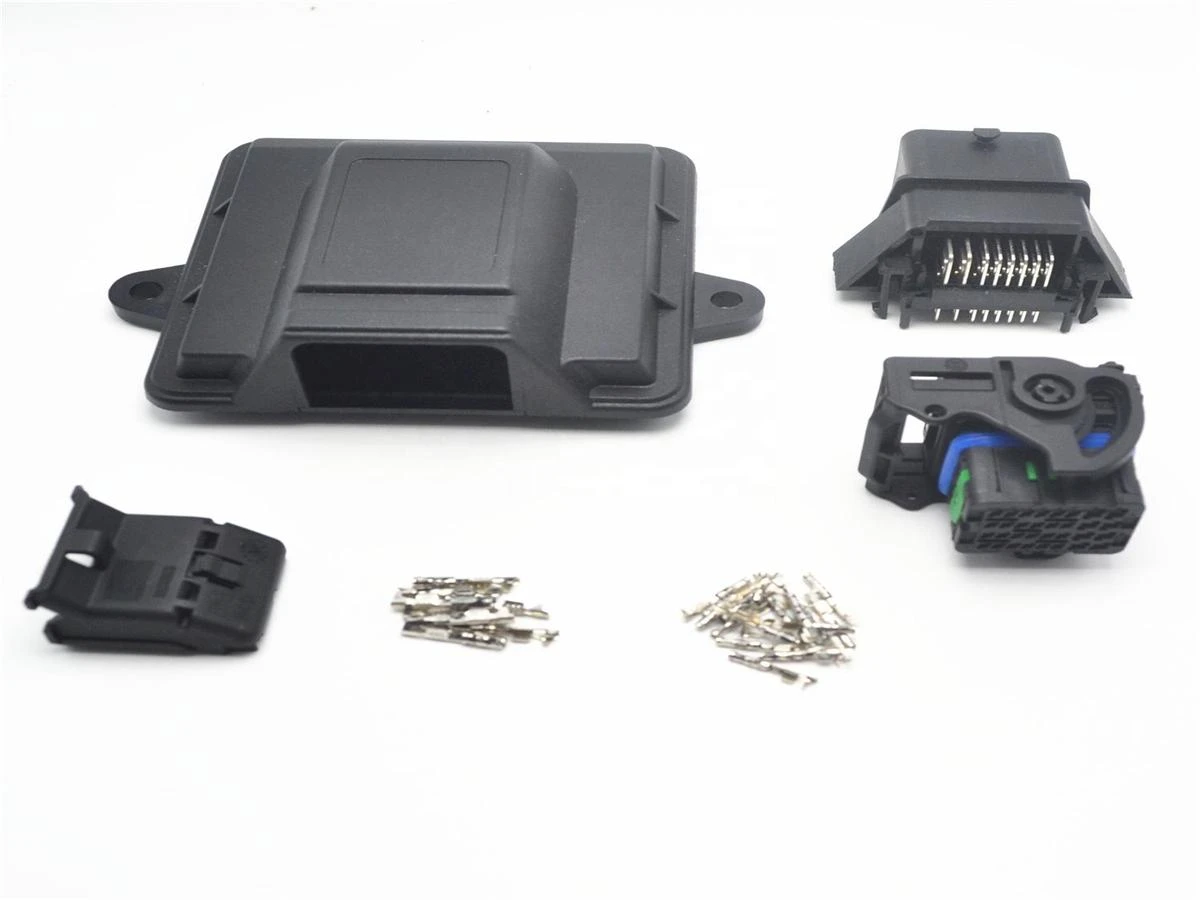
Automotive Electronics
In vehicles, plastic housing for electronics protect sensors, control units, and display systems. They must withstand vibration, temperature changes, and long-term mechanical stress for reliable performance.

Medical Devices
Medical housings require high precision, chemical resistance, and safe material compliance. They ensure stable operation while meeting strict hygiene and regulatory standards.
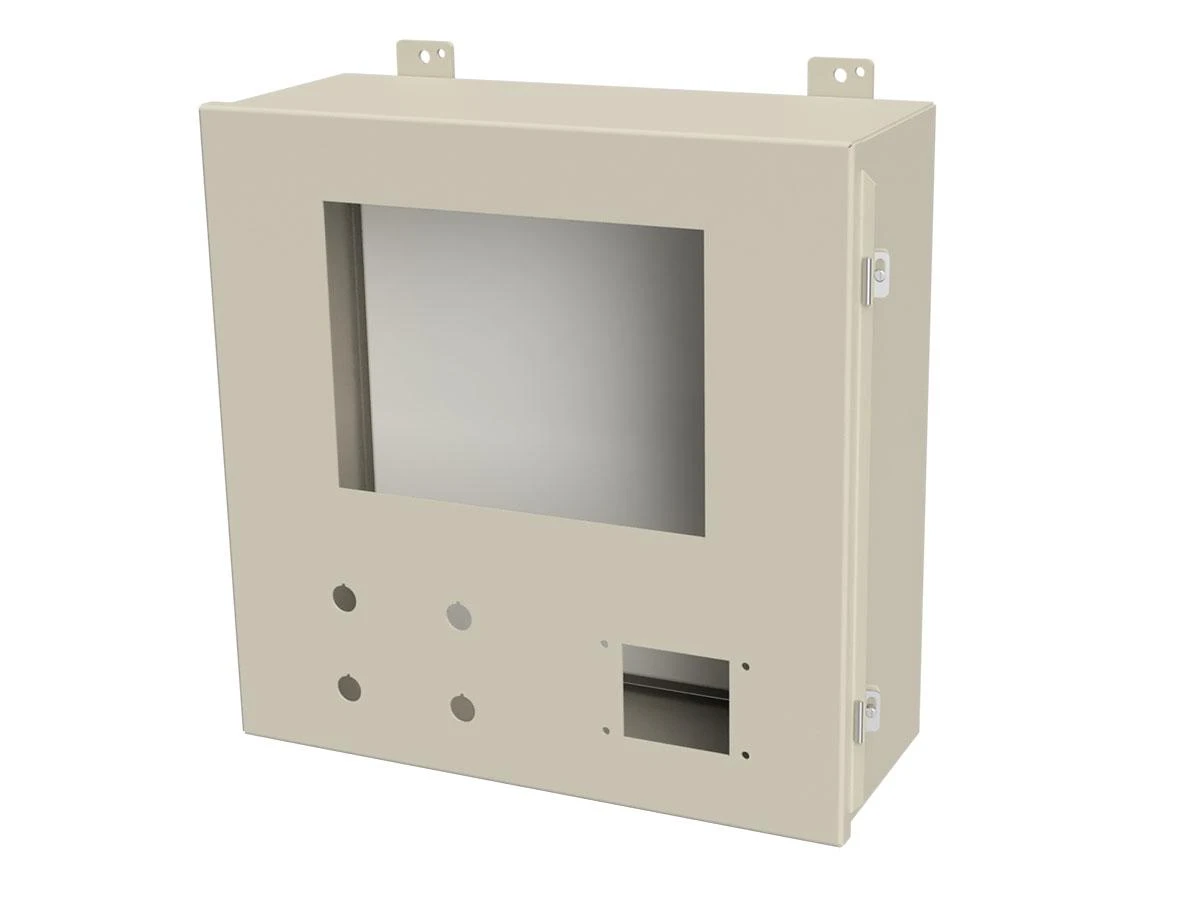
Industrial Control Systems
Industrial enclosures protect control panels and automation equipment in harsh environments. They offer durability, heat resistance, and protection against dust, moisture, and mechanical impact.
Why Choose Us for Custom Plastic Housing Manufacturer ?
We combine 16 years of injection molding experience, with our own factories in China and a professional engineering team to deliver reliable and cost-effective electronic housing solutions.
One stop Solution
We provide a full process service from design, mold development, prototyping to mass production and assembly. This reduces supply chain complexity and ensures faster project execution.
Strong Engineering Team
Our experienced mold designers and engineers support DFM optimization and structural design. They help improve manufacturability, reduce risks, and ensure stable production quality.
Fast Lead Time
With in-house mold making and injection molding capability, we shorten development cycles significantly. Rapid prototyping and efficient tooling enable faster time-to-market.
Strict Quality Control
We implement strict inspection at every stage, including mold precision, molding stability, and final product testing. This ensures consistent quality and high reliability.
Competitive Pricing
By integrating design, tooling, and production in-house, we reduce outsourcing costs. This allows us to offer high-quality solutions with better cost efficiency.
Global Delivery
We support worldwide shipping and export experience for different industries. Our logistics system ensures safe, timely, and reliable delivery to global customers.
FAQS
Request a Quote
From mold design to mass production, we offer end-to-end solutions.
Tell us about your application, materials, and volume requirements. Our team will recommend the right process and deliver a tailored manufacturing solution.
More Services
Custom Plastic Car Parts Manufacturing Solutions
Custom Plastic Car Parts Manufacturing Solutions Custom Plastic Car Parts…PVC Injection Molding
PVC Injection Molding PVC injection molding is widely used to…ABS Plastic Injection Molding
ABS plastic injection molding ABS plastic injection molding is a…

Related Articles
Why Is Injection Moulding Good for Mass Production?
Injection molding stands as one of the most widely adopted…What Causes Shrinkage In Injection Molding?
Shrinkage in injection molding is one of the primary causes…Exploring the Global Plastic Injection Molding Outsourcing Service Market: Trends, Benefits, and Strategic Insights for B2B Success
Driven by various factors in manufacturing and production, an increasing…