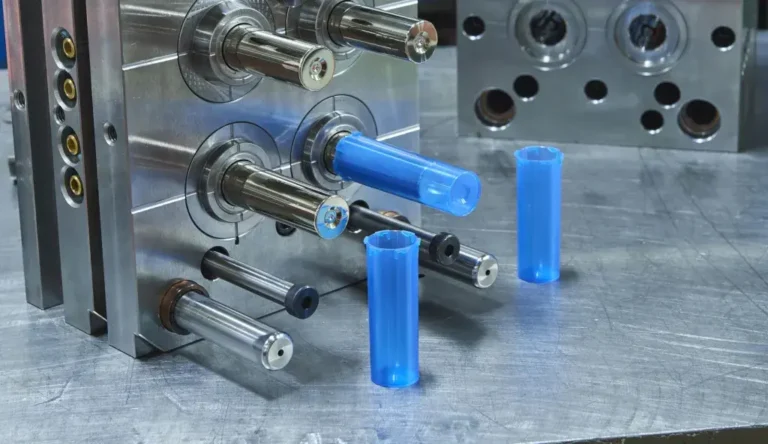
Injection molding is one of the most widely used processes for mass production of high-precision plastic parts. It can manufacture complex shapes with high precision and efficiency, making it crucial in industries such as automotive, medical, and consumer goods. However, like any manufacturing process, injection molding has its advantages and disadvantages, which must be weighed according to project requirements.
This article will explore the advantages and disadvantages of injection molding, analyzing its benefits in custom plastic component production, such as cost-effectiveness, design flexibility, and material versatility. At the same time, we will also discuss common challenges, including high tooling costs and production lead times. Understanding these pros and cons will help you make informed decisions.
Advantages of injection molding
1. High efficiency and high productivity: Once the mold is developed, the production speed is extremely fast, with cycles as short as 10 seconds, making it ideal for medium to high volume production.
2. Low unit cost: For large-scale production, the cost per part is very low. Even for medium production volumes of 10,000 to 25,000 parts, aluminum molds can be used to reduce costs.
3. High dimensional consistency: Injection molded products maintain high repeatability and consistency within tolerance limits. Although its accuracy is slightly lower than CNC machining, it usually meets the needs of most applications.
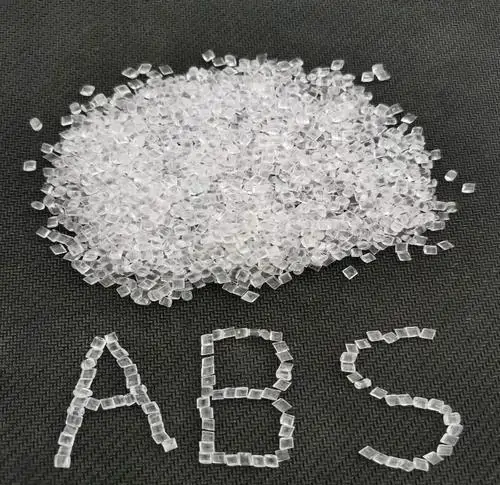
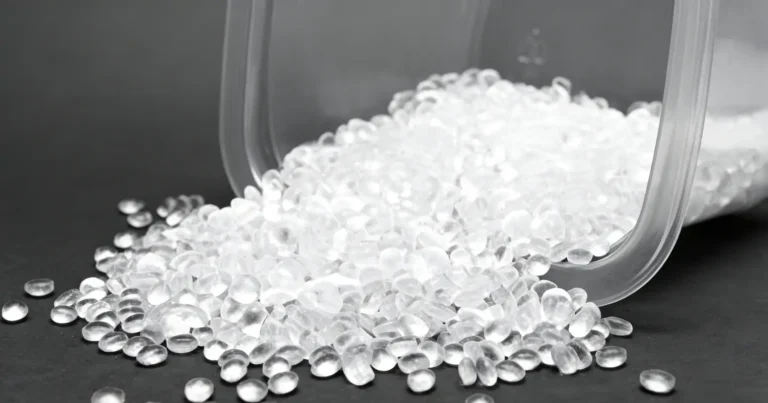
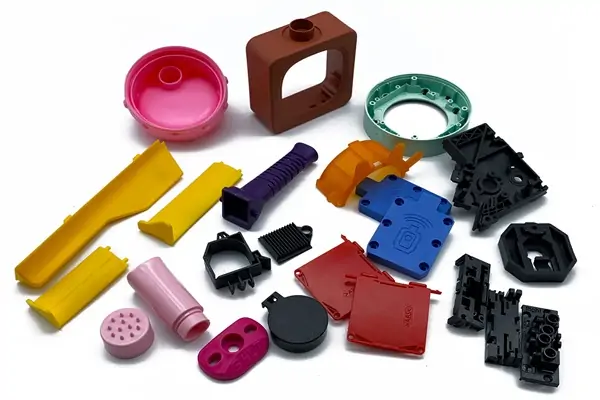
4. Wide range of material choices, diverse materials and color options: Injection molding can use a variety of plastics and liquid silicone rubber, and fillers can be added to enhance the strength of the finished product, and a wide range of color options are available.
 High efficiency and high productivity
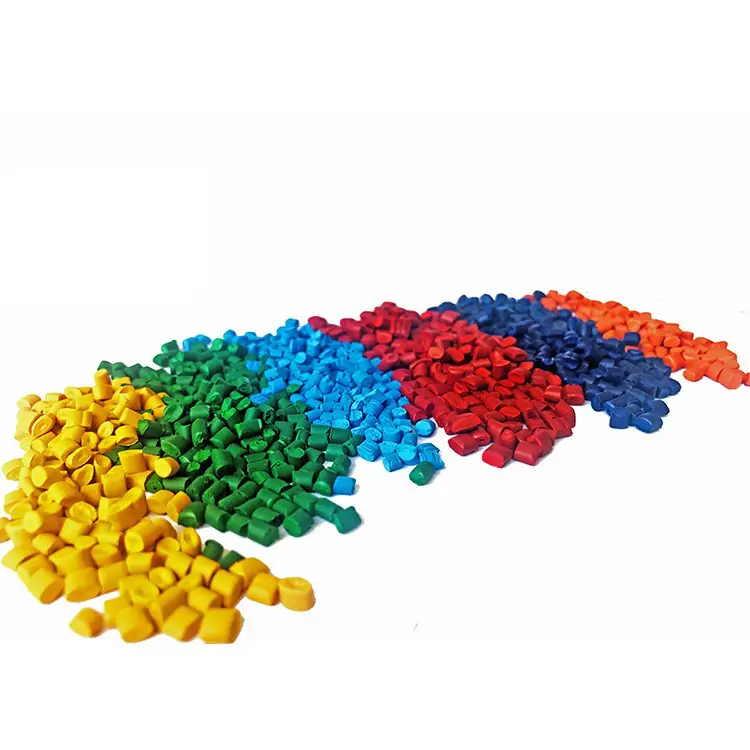 Wide range of material choices
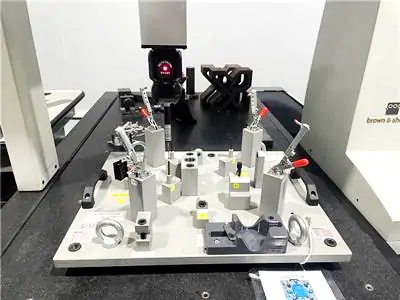 Wide range of material choices
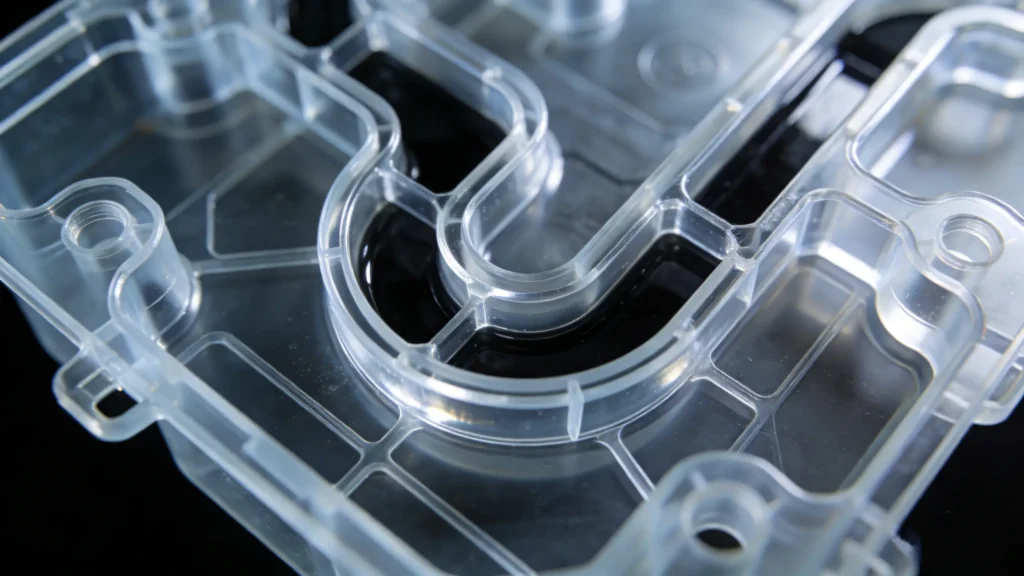 Ability to form complex shapes with high detail
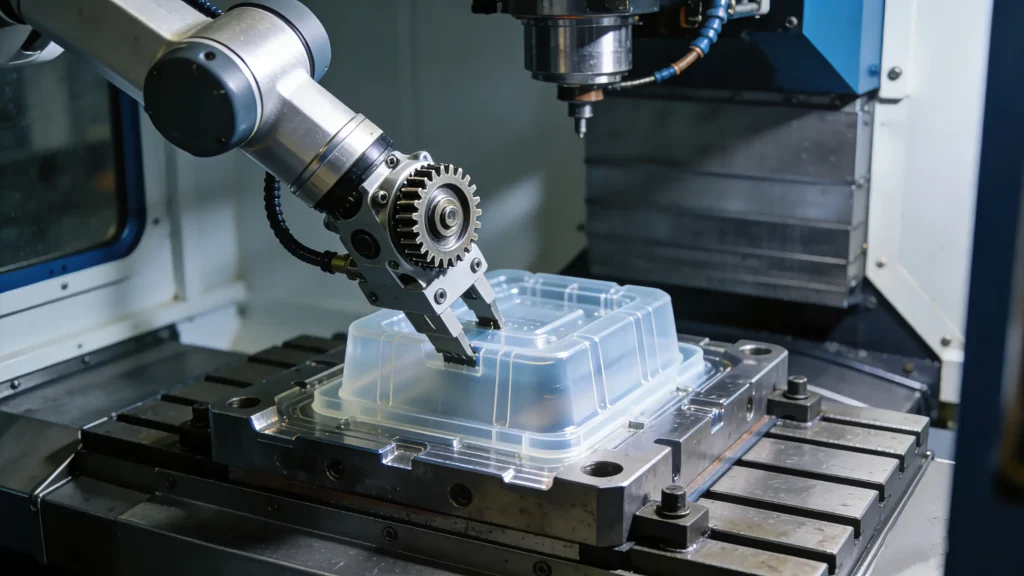 Automated Production with Minimal Post-Processing
5. High material utilization and recyclability: The injection molding process has a high material utilization rate. Except for the gates and runners in the injection system, most of the material is used to form the parts. Compared with CNC machining and stamping processes, injection molding produces relatively less waste. Therefore, most injection molding materials can be recycled and reused.
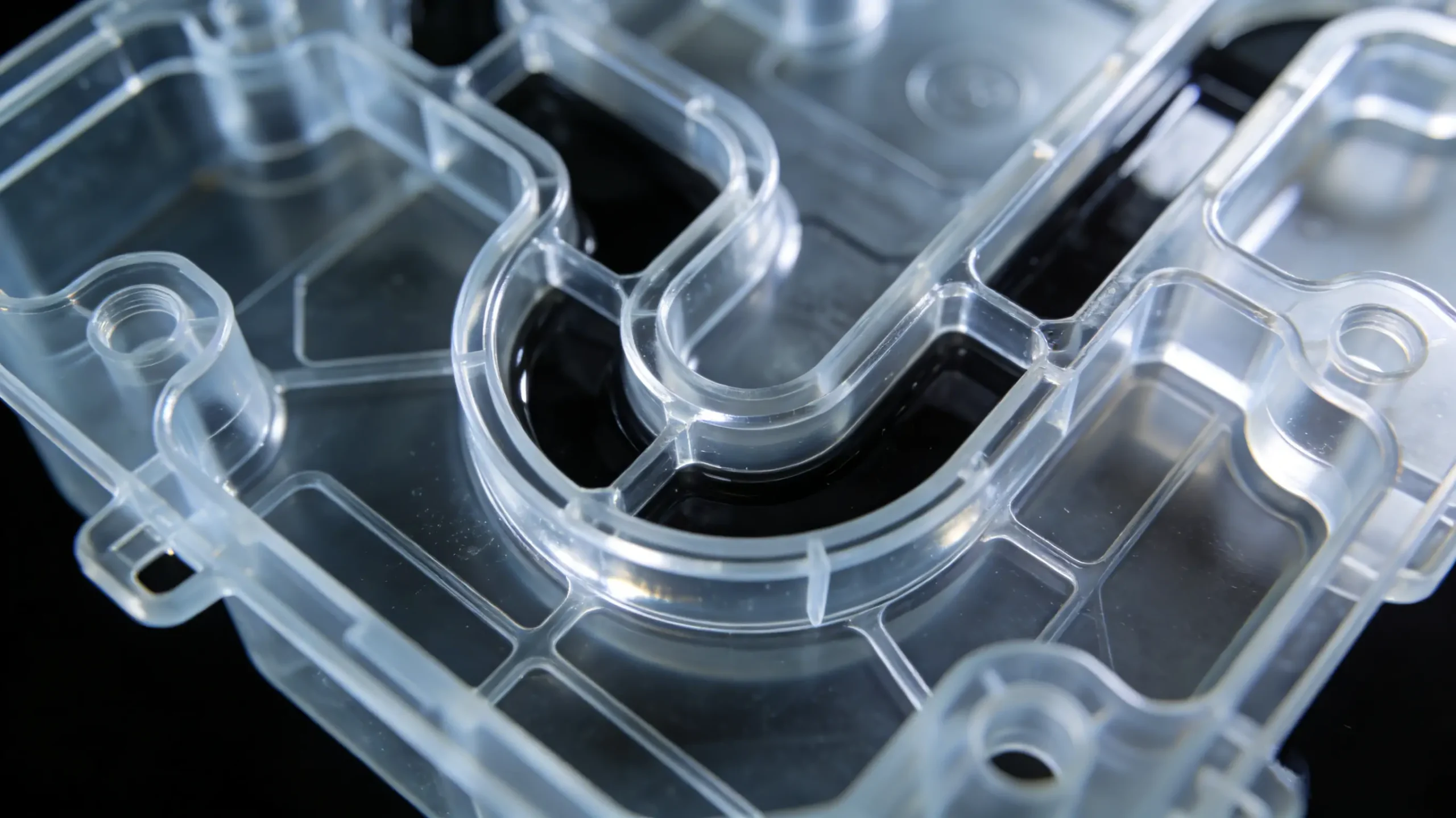
6. Ability to form complex shapes with high detail: The mold cavity can create complex and intricate shapes, which is not only suitable for the production of high-precision products, but also allows molten plastic to fill these cavities and cool to form the shape. Compared with CNC machining, the cost of manufacturing complex-shaped plastic products is much lower.
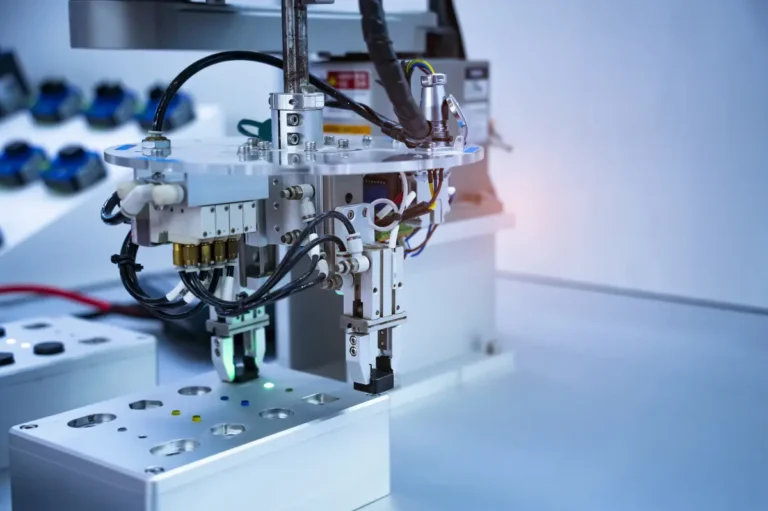
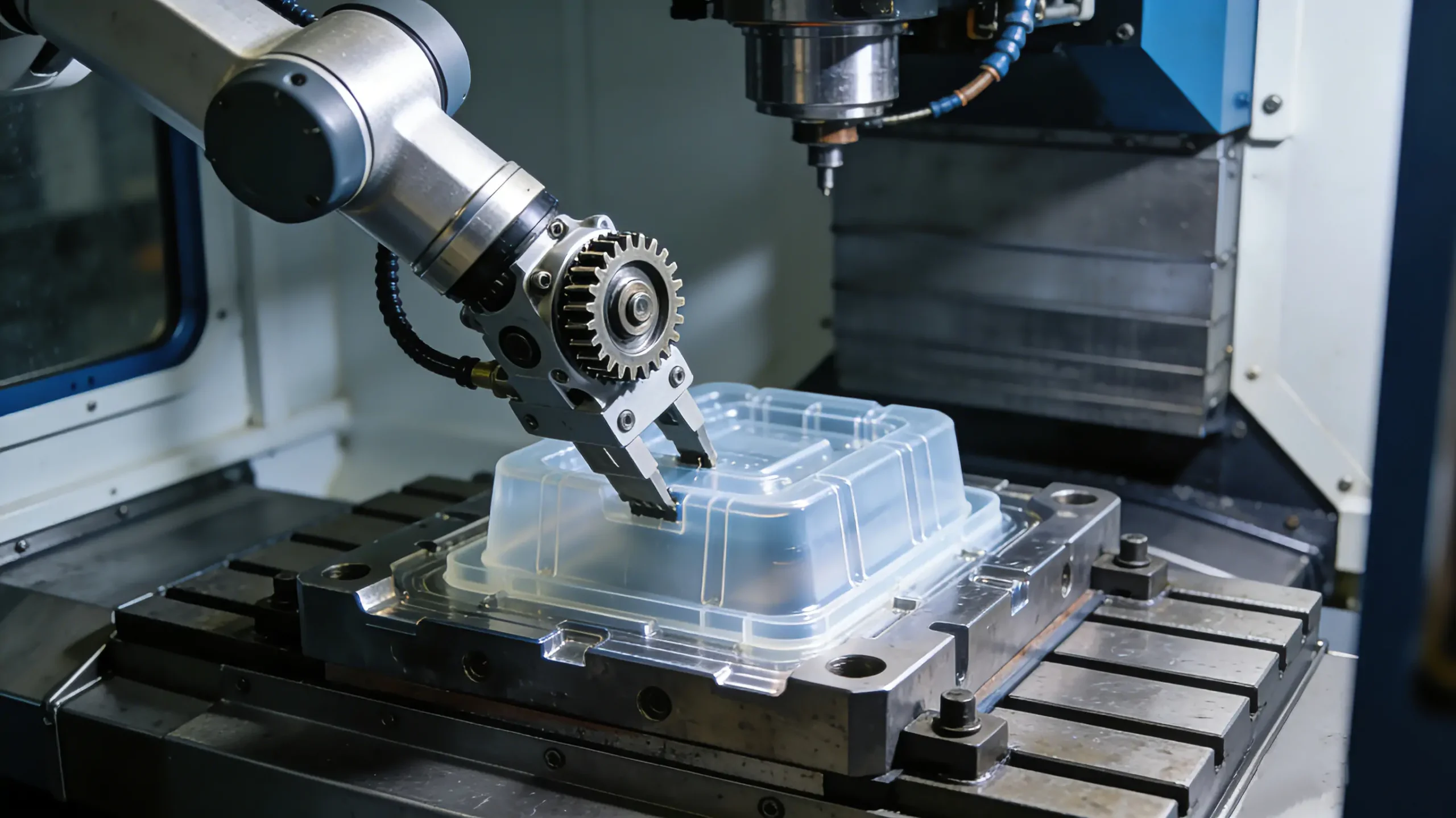
7. Automated Production with Minimal Post-Processing: Injection molding production lines can be highly automated. Products can be automatically demolded, and robotic arms further reduce manual intervention. The resulting parts typically have a good appearance, requiring little to no post-processing, and can be used directly, even allowing for text or logos to be engraved on the surface.
8. Rich and Detailed Surface Textures: The surface of injection molds can achieve a mirror-like finish. Furthermore, modern injection molding technology can create a variety of surface textures, such as leather textures or sandblasted effects. 3D laser texturing technology can even achieve more complex and intricate patterns, such as creating stitching on a leather-textured surface.
Disadvantages of Injection Molding:
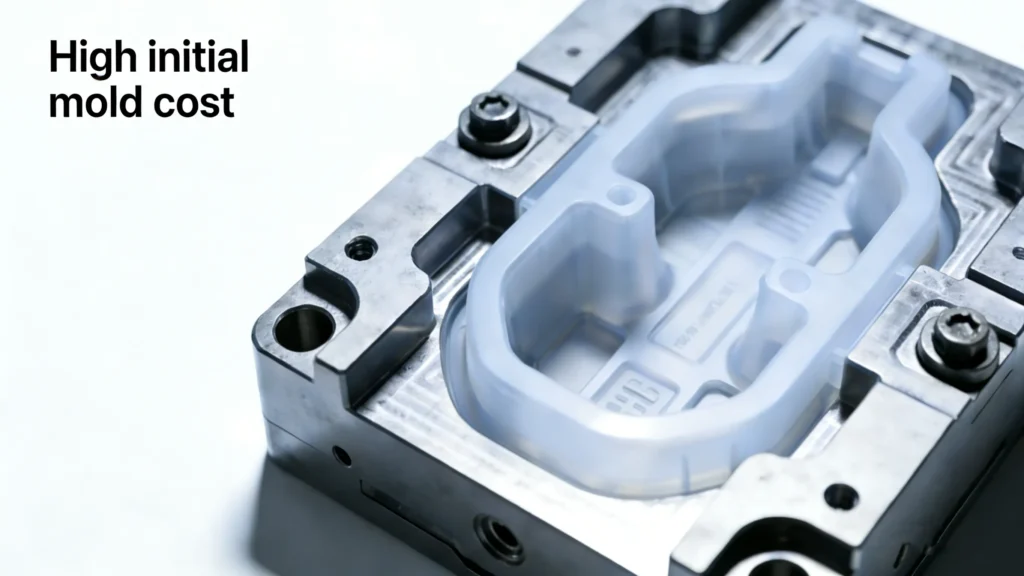
1. High Initial Cost: Steel molds are expensive to manufacture and have a long production cycle. If only a small number of parts are needed, the cost per unit may be high; in this case, aluminum molds can be considered to reduce costs.
2. Long Initial Lead Time: Steel molds have a long manufacturing cycle. If urgent production is required, aluminum molds or on-demand manufacturing services can significantly shorten delivery times, sometimes even allowing for delivery within a day.
3. Design Limitations: The design must consider the mold structure, such as draft angles, wall thickness, gate and cooling channel locations, otherwise it may lead to demolding difficulties or product defects.
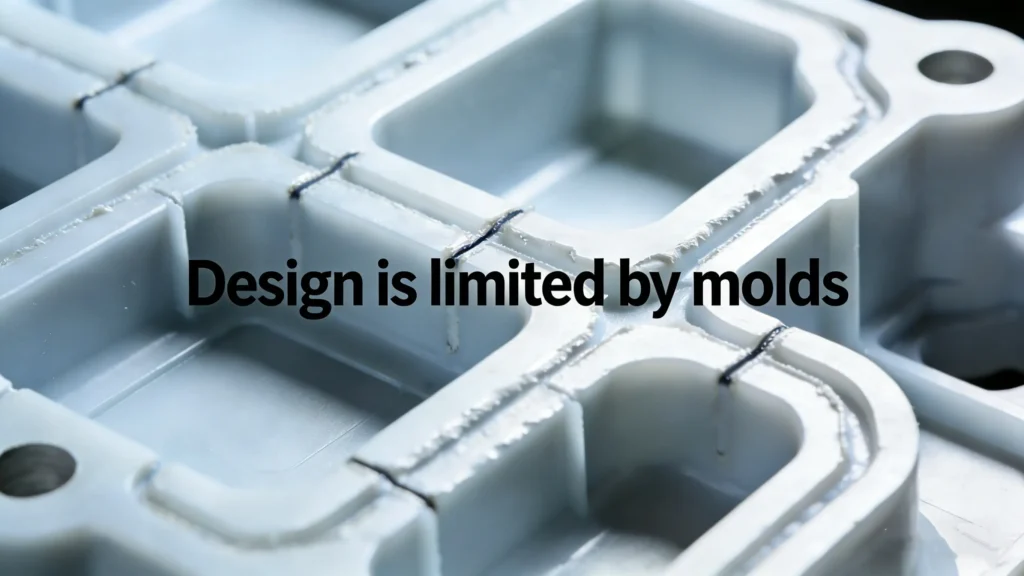 Design is limited by molds
 Risk of molding quality
 Plastic recycling
 High Initial Cost
4. Not Cost-Effective for Small Batches: For small batches (e.g., a few hundred pieces or less), the initial cost of injection molding may result in a high price per unit. In this case, other technologies such as 3D printing or CNC machining may be more cost-effective for small-batch production.
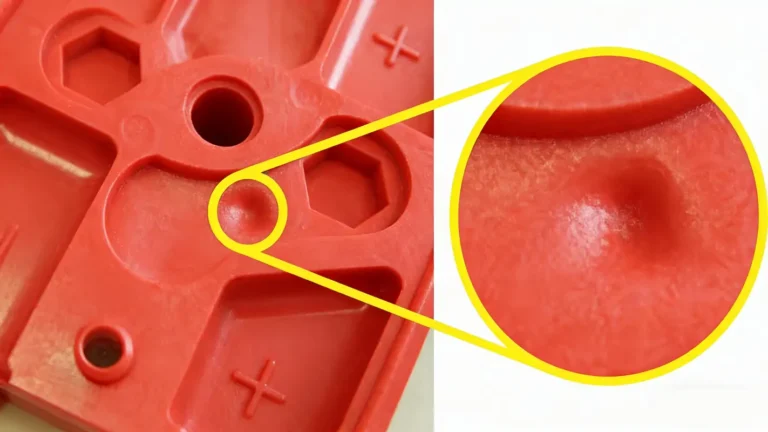
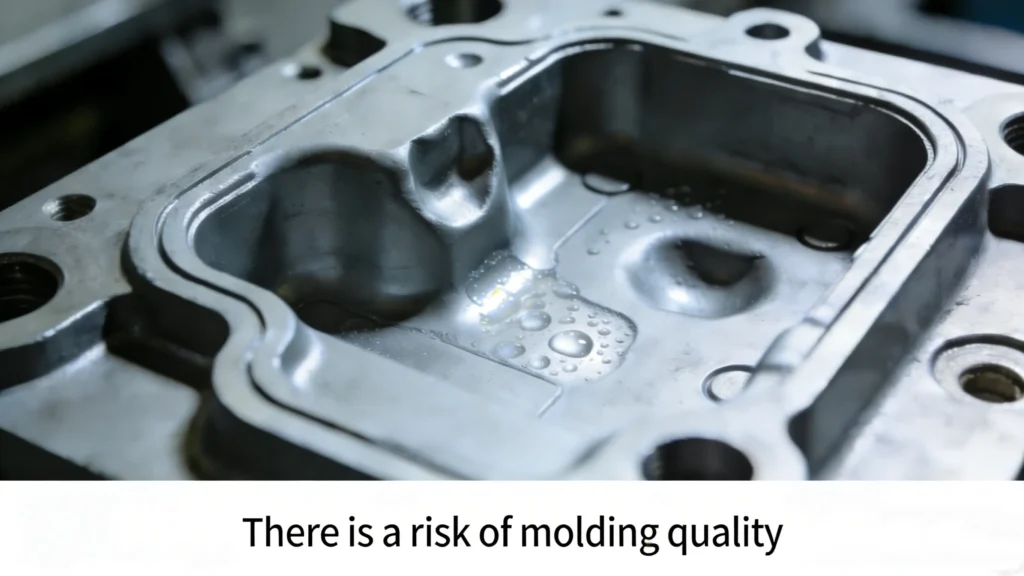
5. Product Quality Risks: Unexpected molding defects such as warping, gate blush, and stress marks may occur during the injection molding process. An incomplete assessment of a new factory’s capabilities can lead to quality problems later on.
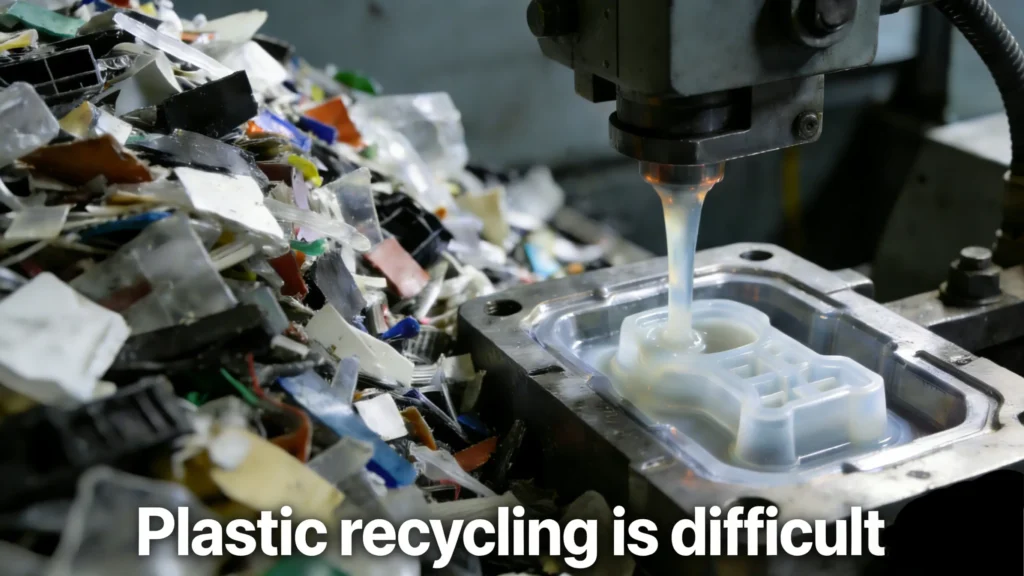
6. Recycling and Environmental Challenges: Although plastics can be recycled, the actual process faces many difficulties. Recycling plastics requires significant manpower and resources, and currently, only a small portion of plastics are effectively recycled. Plastic products that are painted, metal-plated, or contain metal components require the removal of the metal before recycling. Furthermore, the performance of plastics deteriorates with repeated injection molding, affecting their reusability
When is Injection Molding the Right Choice?
Injection molding is a highly efficient process for mass production, especially when you need high-quality parts quickly and in large quantities. But when is it the best option?
1. High-Volume Production
Injection molding is ideal for producing large quantities of identical parts. Once the mold is created, it can produce thousands or even millions of parts with minimal manual effort, making it perfect for industries like automotive and consumer goods.
2. Complex Part Designs
This process can create parts with intricate details, undercuts, and complex shapes that other methods can’t easily achieve. It’s a great choice for industries like electronics and medical devices, where precision is essential.
3. Cost-Effective for Large Runs
While the initial mold cost is high, the cost per unit drops significantly as production volume increases. This makes injection molding cost-effective for mass production of items like packaging, toys, or automotive parts.
4. Material Flexibility
Injection molding can work with a variety of materials, including thermoplastics and elastomers. This flexibility makes it suitable for industries needing different material properties, such as durable parts for automotive or flexible components for consumer goods.
Industries That Benefit from Injection Molding
- Automotive: Parts like dashboards and bumpers are commonly made using injection molding.
- Consumer Goods: Items such as plastic containers, toys, and packaging.
- Electronics: Parts like smartphone housings and TV components.
- Medical Devices: Precision components like syringes and diagnostic tools.
How long is the service life of plastic injection molds?
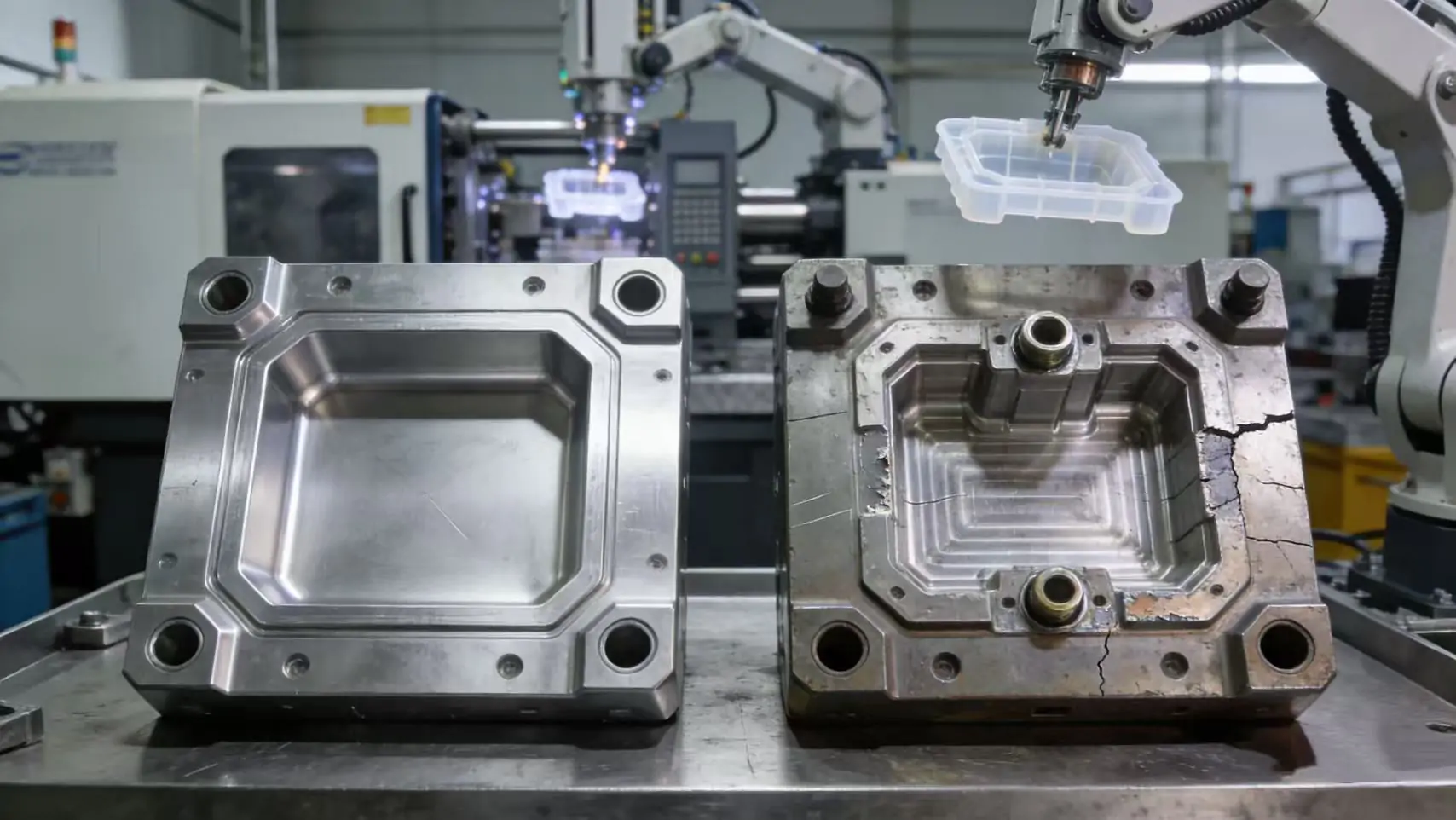
The service life of injection molds varies from hundreds of cycles to over a million cycles. Their durability depends on factors such as the operating environment, maintenance, material, structure, molding conditions, structural design, and other elements.
Optimizing the injection molding process is crucial to avoid defects such as sink marks, burn marks, flow lines, and surface delamination, as these defects can damage the mold.
By regularly inspecting, maintaining, applying coatings, and ensuring the mold operates under suitable conditions, the service life of injection molds can be extended.
Conciusion
Injection molding is an efficient and precise manufacturing process suitable for large-scale production. It can significantly reduce the cost per unit, making it particularly suitable for projects with sufficient budgets and high demand. However, injection molding requires a high initial investment and has a longer production cycle. For small-batch production, although the cost per unit is higher, customized molds and the combination of other technologies, such as 3D printing or CNC machining, can still provide high-quality and cost-effective solutions. Understanding the advantages and disadvantages of injection molding will help companies make more informed production decisions.

Felix Lu
Senior DFM Expert · Huashuo Molding
Industry Exp.
Projects
DFM Optimization
Felix Lu has 16+ years of experience in mold manufacturing, DFM, and mass production, with a strong commitment to sharing advanced technologies and practical industry insights.