Injection Molding Medical Plastics
Medical plastic injection molding requires precision manufacturing, stable quality control, and material consistency for healthcare and laboratory applications. HuaShuo provides custom medical plastic molding solutions for precision components, diagnostic device housings, laboratory containers, and disposable medical plastic parts with reliable mass production capability.
- Precision tolerance up to 0.05 mm
- Medical-grade plastic material support
- FDA / RoHS / REACH compliant material options
- ISO 9001 quality management system
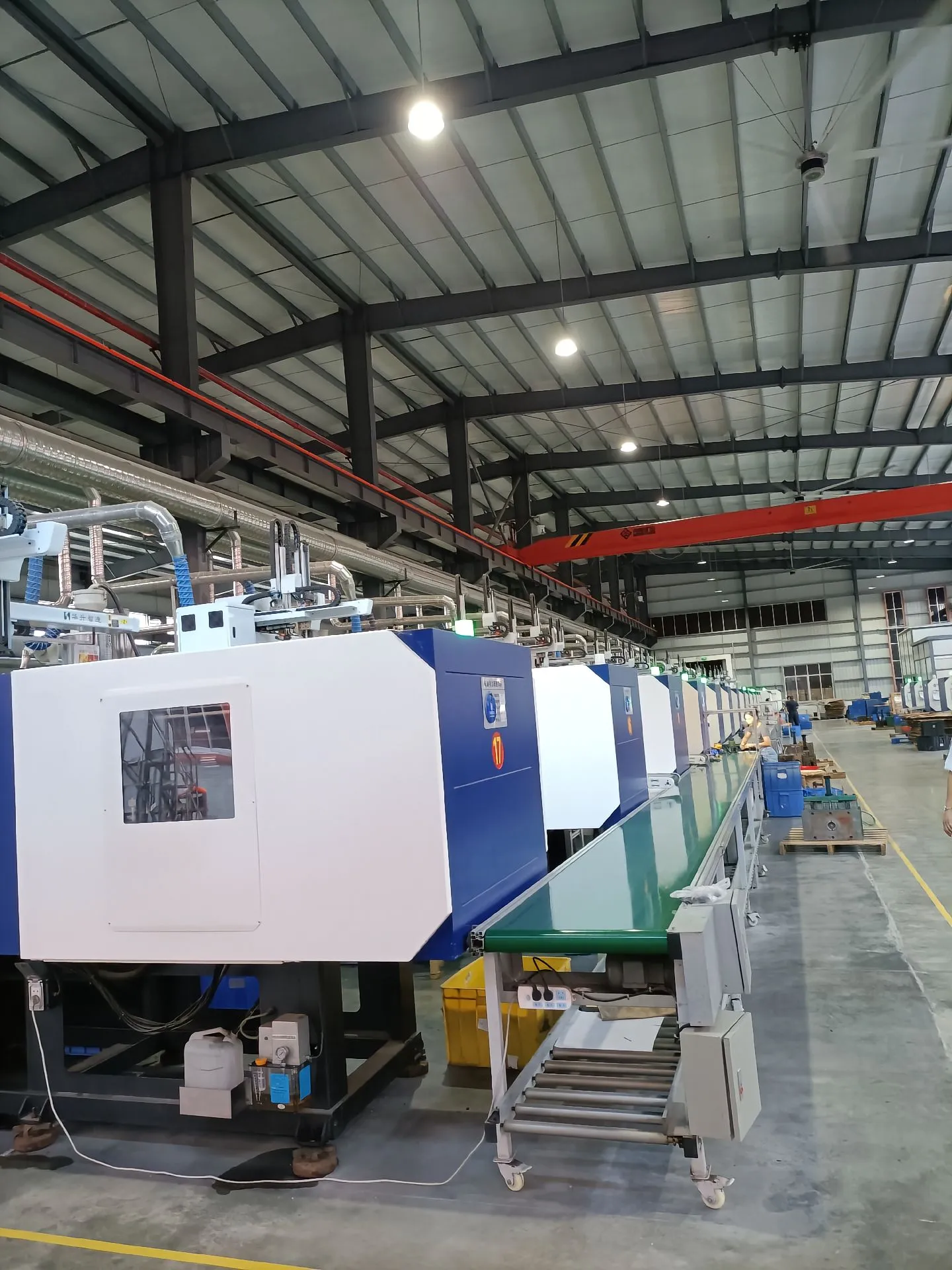
- Multi-cavity molds for high-volume production
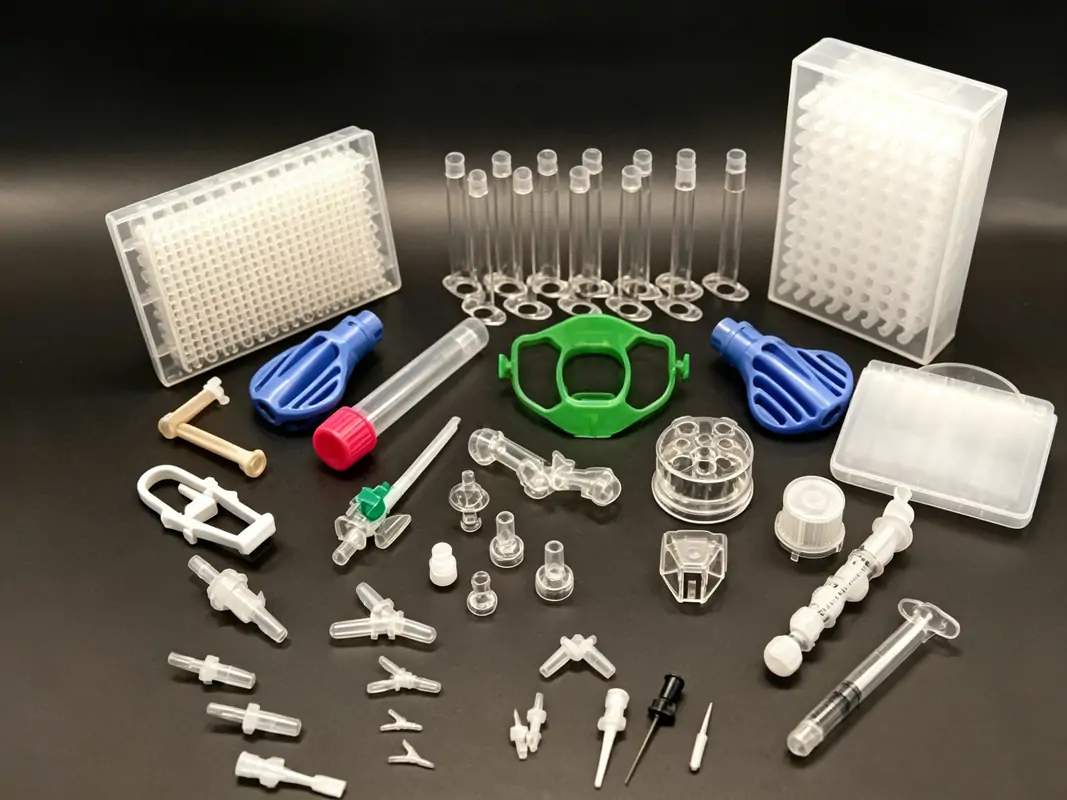
What Is Medical Plastic Injection Molding?
Medical plastic injection molding is a precision manufacturing process used to produce healthcare and laboratory plastic components with stable quality, tight tolerances, and high-volume consistency.
It is widely used for medical device housings, diagnostic components, specimen containers, syringe parts, fluid management systems, and disposable medical plastic products.
Medical injection molded parts often require clean production management, medical-grade materials, precision mold engineering, and strict dimensional control to meet healthcare industry requirements.
Common Medical Plastic Products
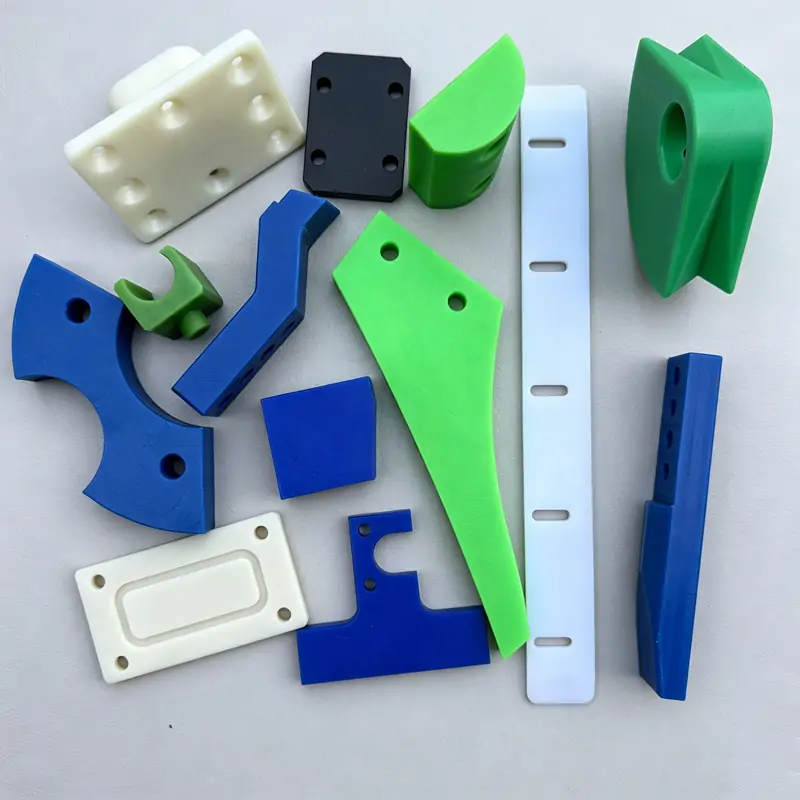
We manufacture a variety of custom medical plastic components for healthcare, laboratory, and diagnostic applications.
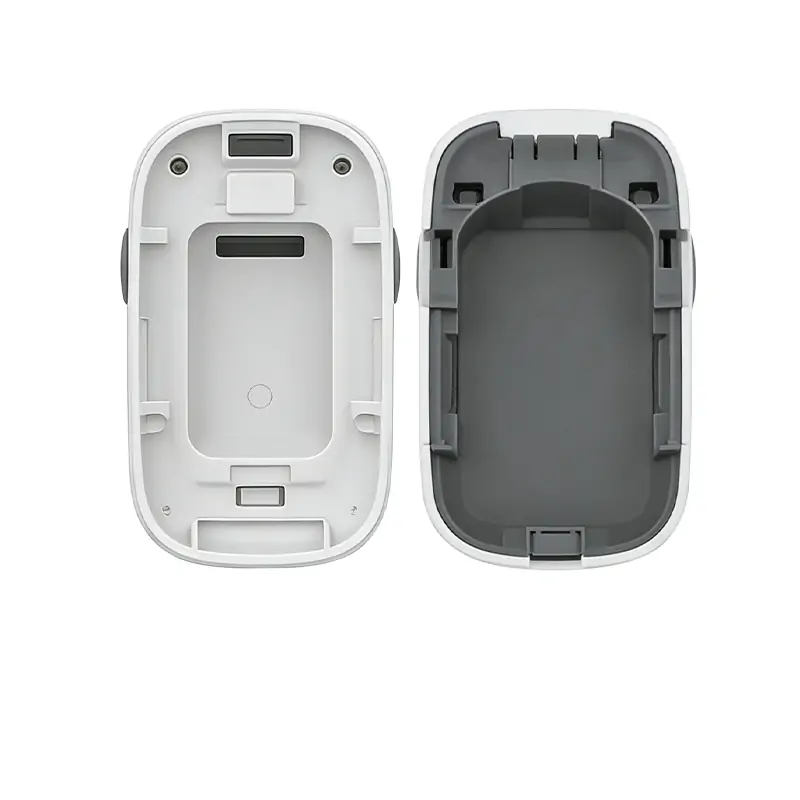
Diagnostic Device Housings
Used for medical diagnostic and testing equipment requiring dimensional stability, structural strength, and consistent surface quality. Precision molding ensures reliable assembly and protection.
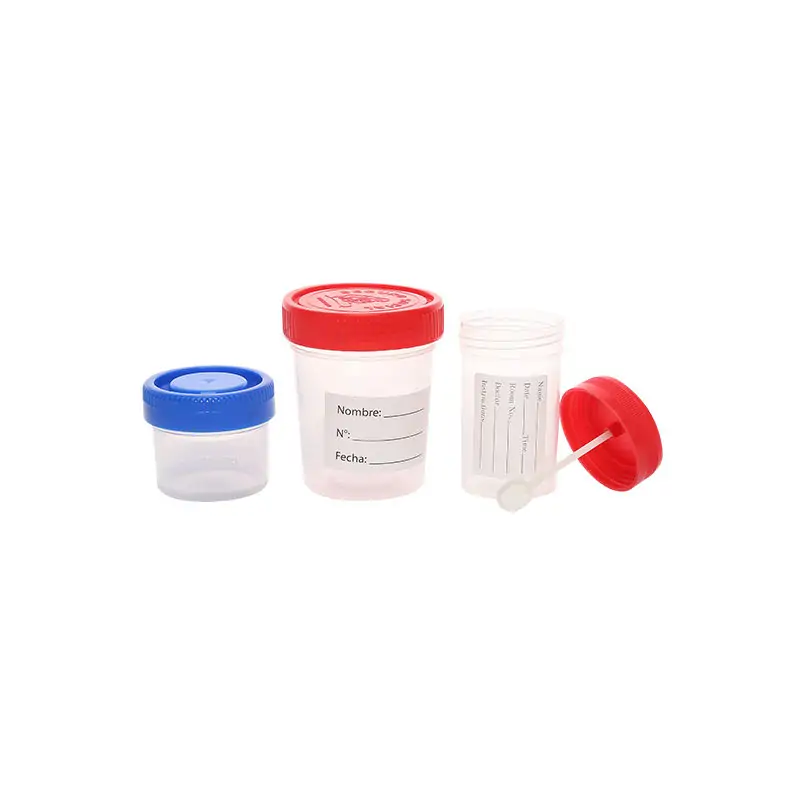
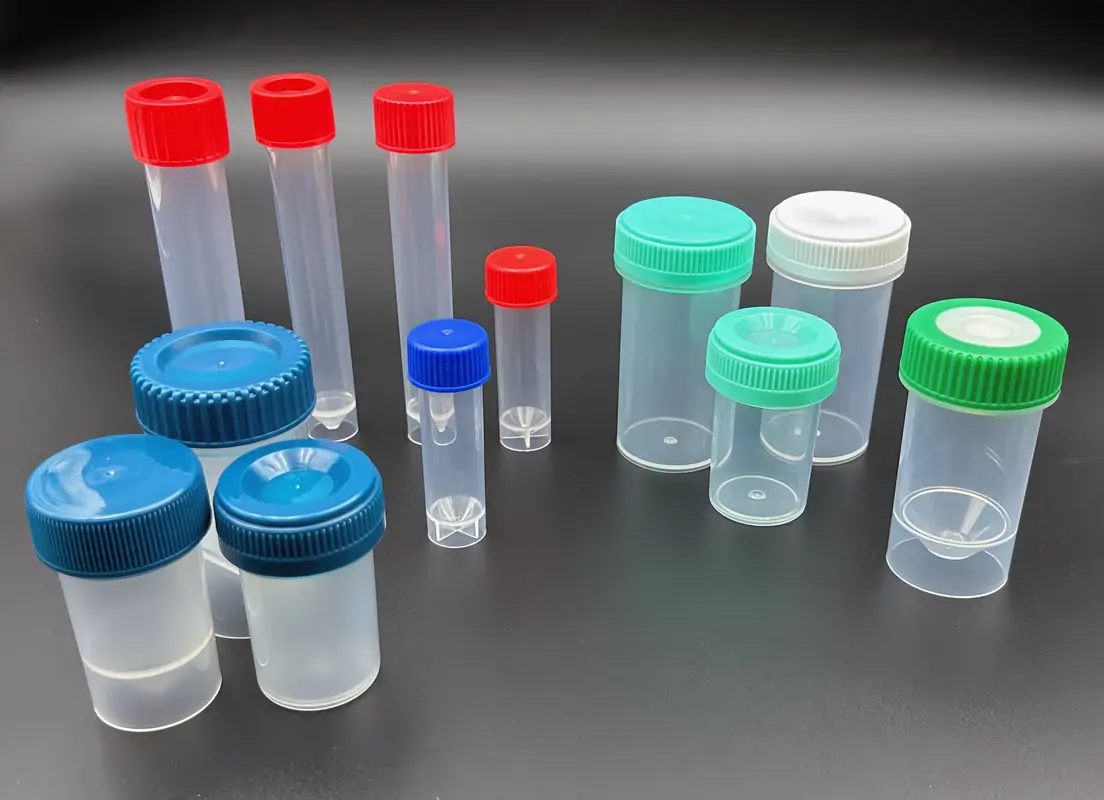
Specimen Containers
Used for biological sampling and laboratory testing, requiring leak-proof sealing, chemical resistance, and stable mass production quality.
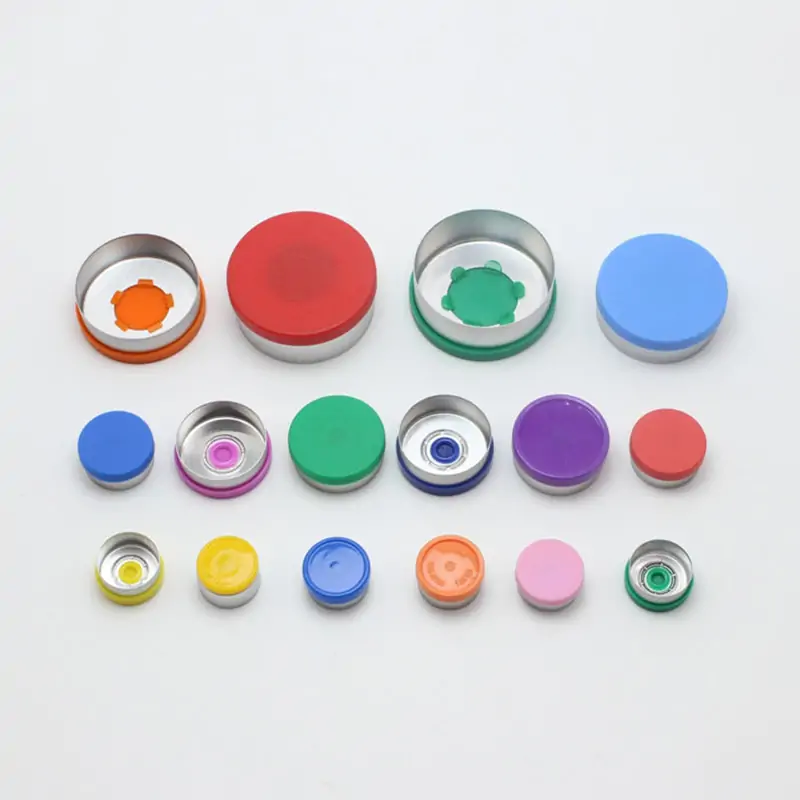
Medical Caps & Closures
Require precise threading, secure sealing, and stable high-volume production performance using multi-cavity molds.
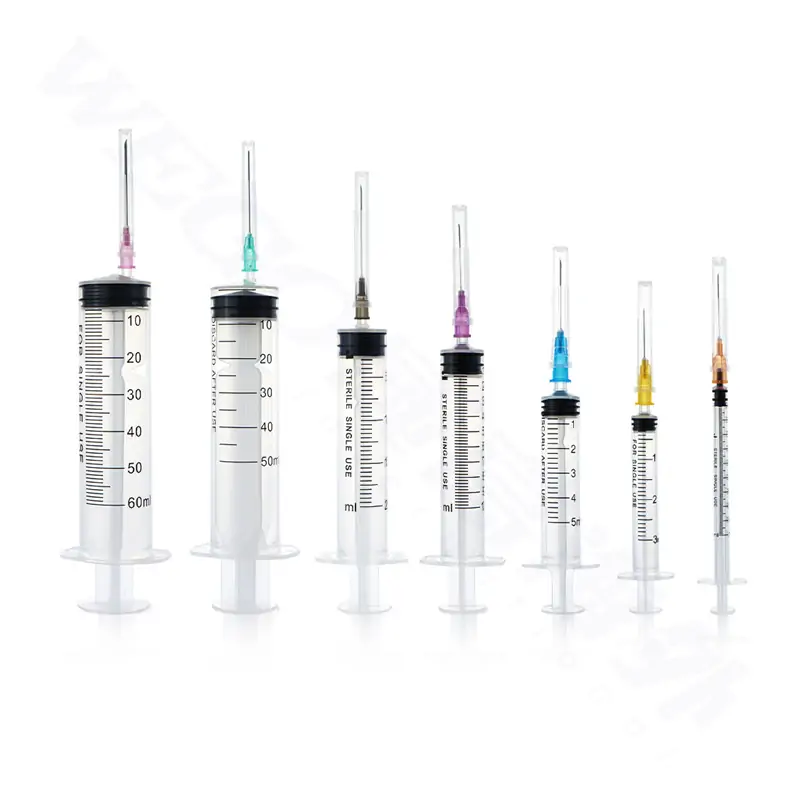
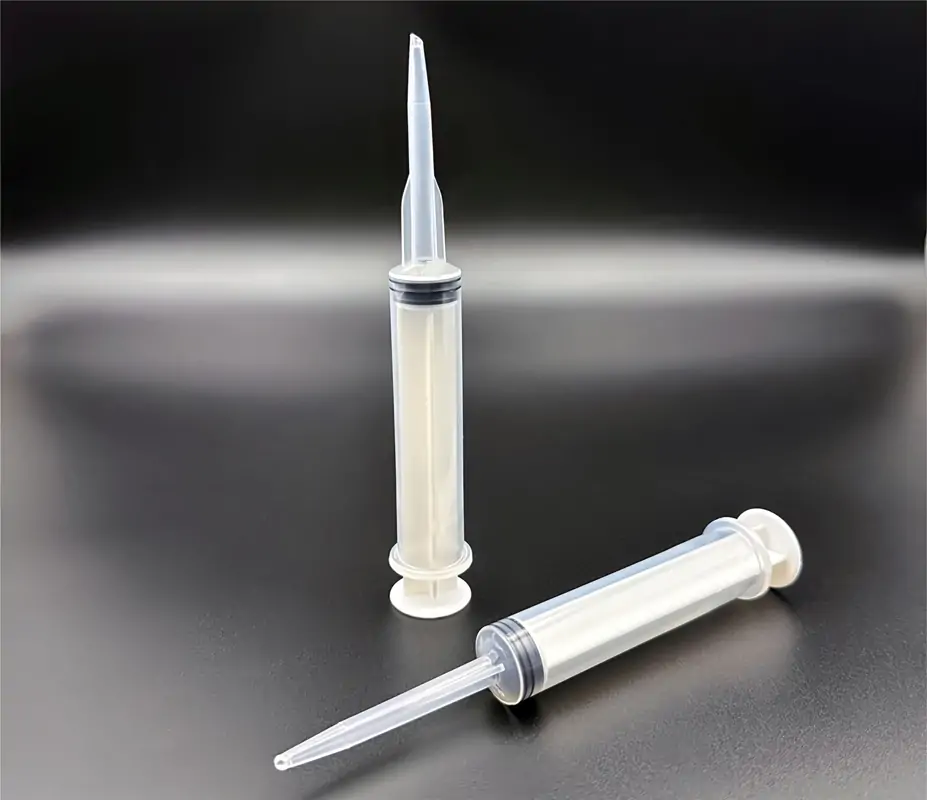
Syringe Components
Require high dimensional accuracy, smooth assembly, and stable fluid control, often produced with thin-wall molding technology.
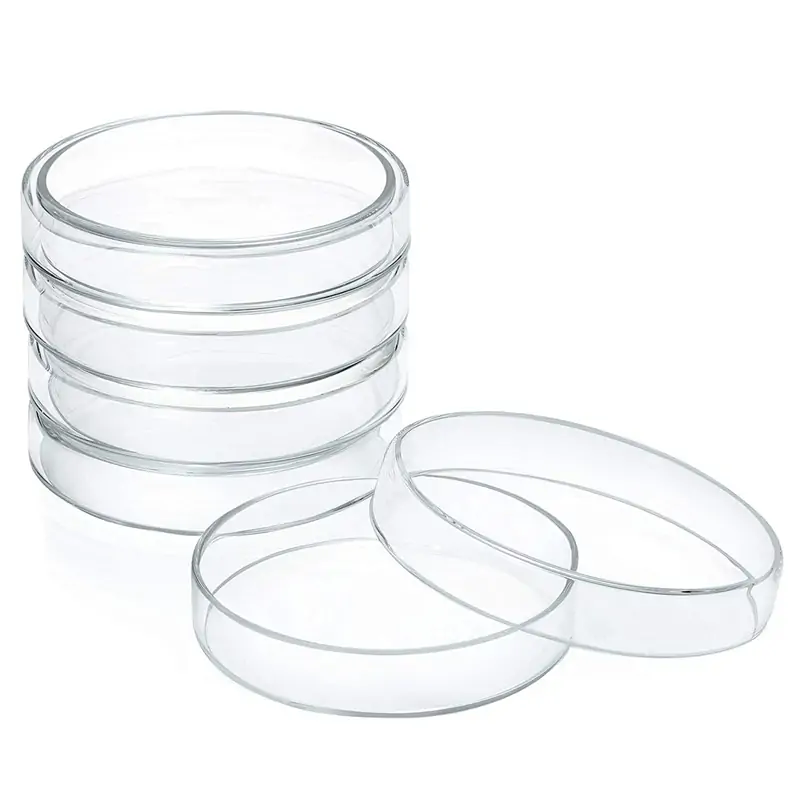
Laboratory Plastic Parts
Used in testing and analysis environments requiring chemical resistance, stable dimensions, and clean surface finish.
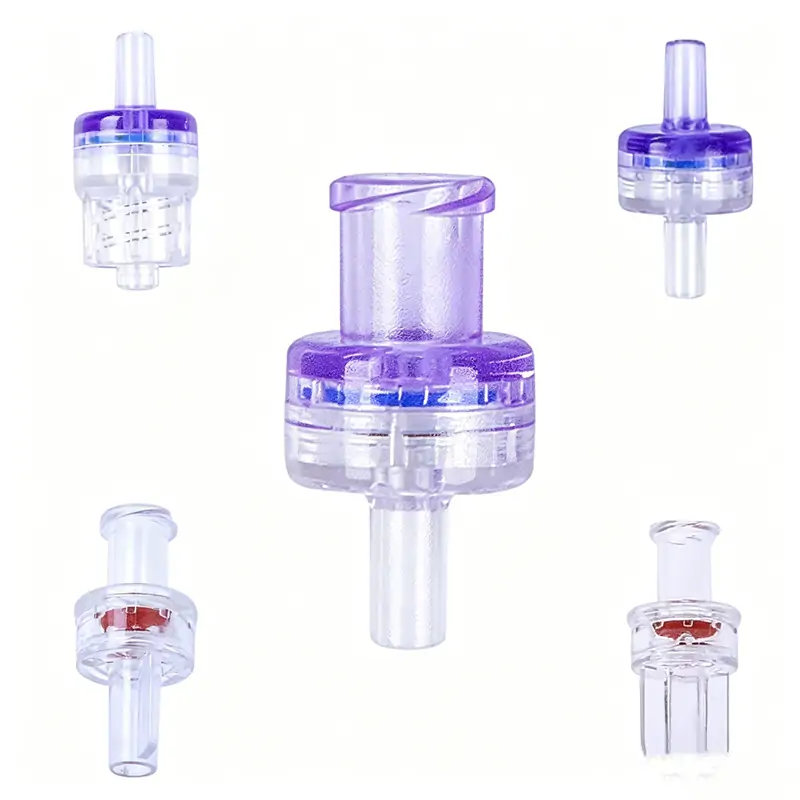
Fluid Management Components
Used in medical liquid handling systems requiring precise molding, smooth flow channels, and reliable sealing structures.

Disposable Medical Plastic Parts
Designed for single-use medical applications requiring consistent quality and efficient mass production.
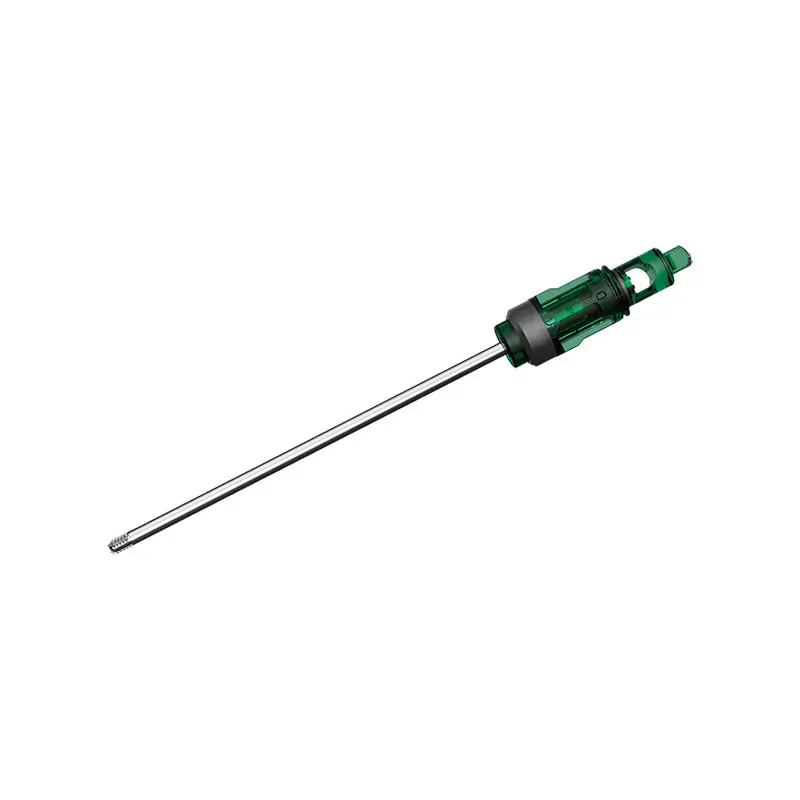
Surgical Instrument Handles
Require mechanical strength, ergonomic grip, and dimensional stability, with some applications needing sterilization resistance.
Medical Plastic Materials & Sterilization Compatibility
Medical plastic material selection depends on sterilization requirements, temperature resistance, chemical compatibility, transparency, and mechanical performance. Different medical applications require different material properties to ensure product safety, dimensional stability, and long-term reliability.
| Material | Key Properties | Sterilization Compatibility | Temperature Resistance | Typical Medical Applications |
|---|---|---|---|---|
| PP | Chemical resistance, lightweight, cost-effective | EO / Gamma | Up to 120°C | Syringe parts, specimen containers, medical caps |
| PC | High transparency, impact resistance, dimensional stability | EO / Gamma | Up to 130°C | Diagnostic housings, transparent covers |
| ABS | Good strength, stable processing, good surface finish | EO | Up to 80–100°C | Medical device housings, instrument shells |
| TPU | Flexible, abrasion resistant, impact resistant | EO | Up to 80–120°C | Soft medical components, wearable parts |
| PEEK | High heat resistance, chemical resistance, high strength | Steam / EO / Gamma | Up to 250°C | Surgical components, precision medical parts |
| PPSU | High-temperature sterilization resistance, durability | Steam / EO / Gamma | Up to 180°C | Reusable medical components, sterilization trays |
| PE | Lightweight, chemical resistant, stable molding | EO / Gamma | Up to 80–100°C | Medical packaging, disposable containers |
Quality & Compliance for Medical Injection Molding
We provide medical injection molding solutions under strict quality control, regulatory awareness, and clean manufacturing management to meet healthcare industry requirements for safety, consistency, and reliability.
Regulatory Compliance
FDA / RoHS / REACH compliant material options available.
ISO 10993 biocompatibility-supported materials for medical applications.
Quality System
ISO 9001:2015 certified manufacturing process with stable batch consistency and traceability.
Medical Industry Standards
Supports ISO 13485:2016 project requirements for medical device manufacturing.
Clean Production Environment
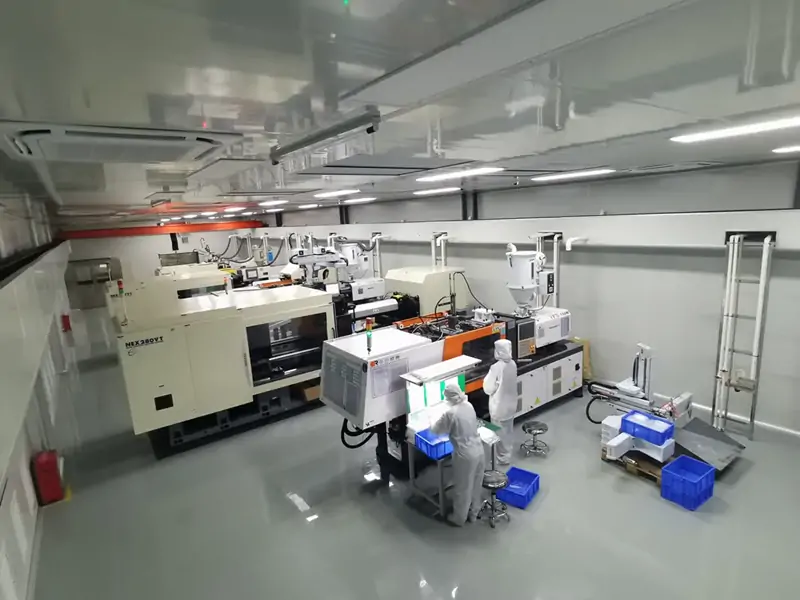
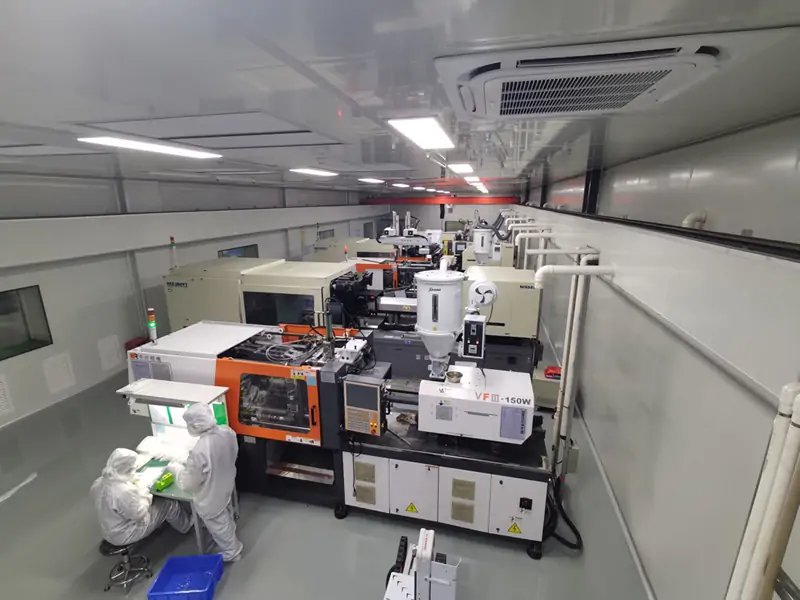
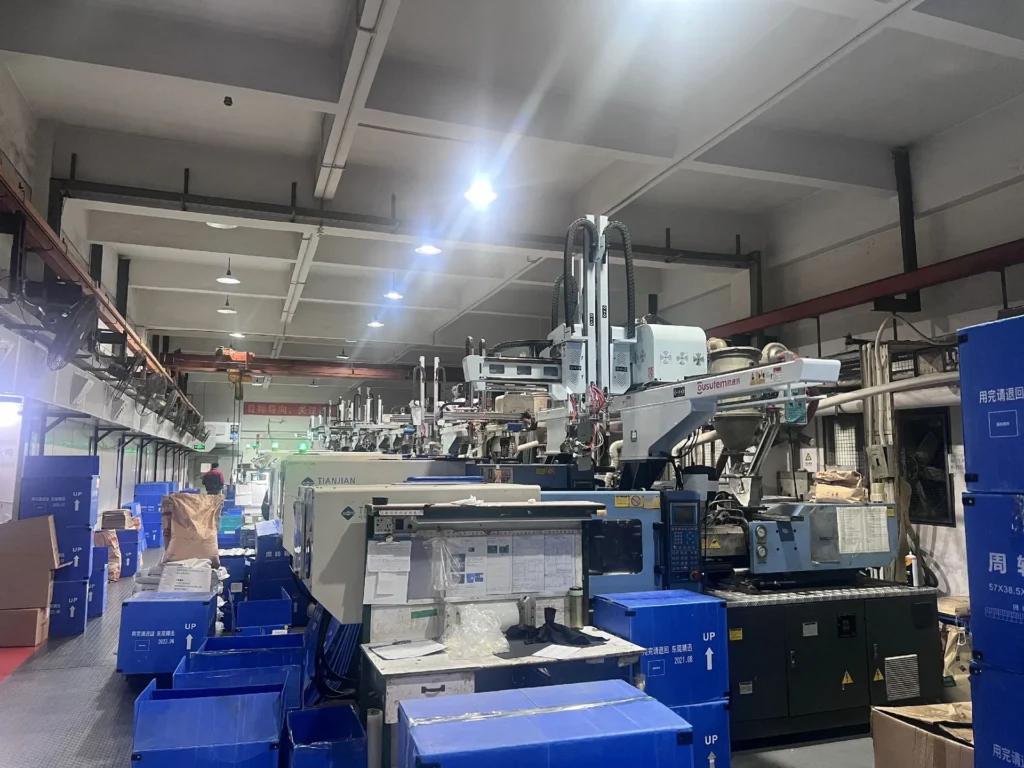
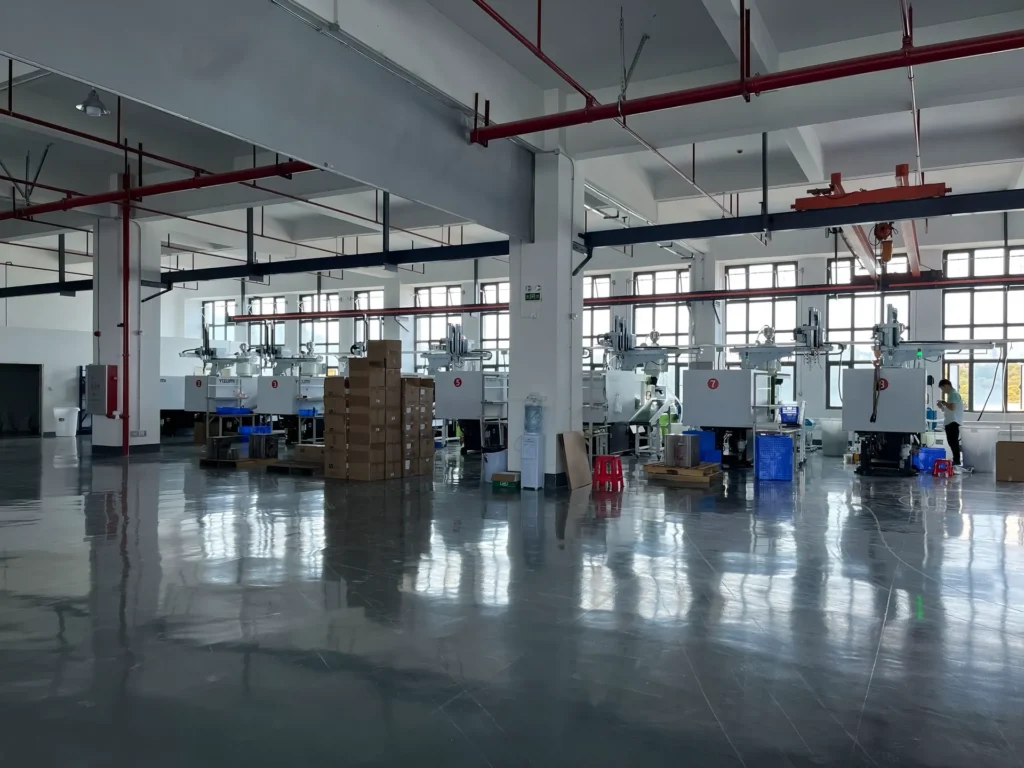
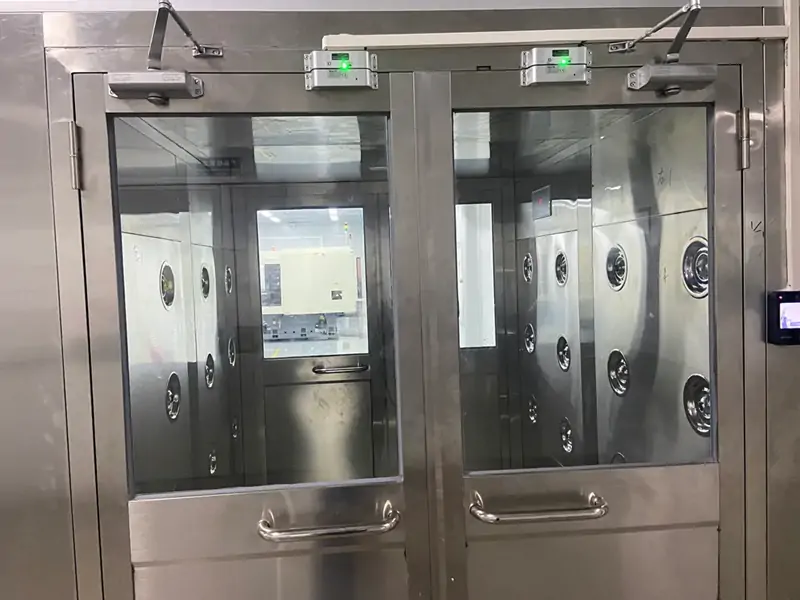
Controlled production environment with dust management and stable process control for medical applications.
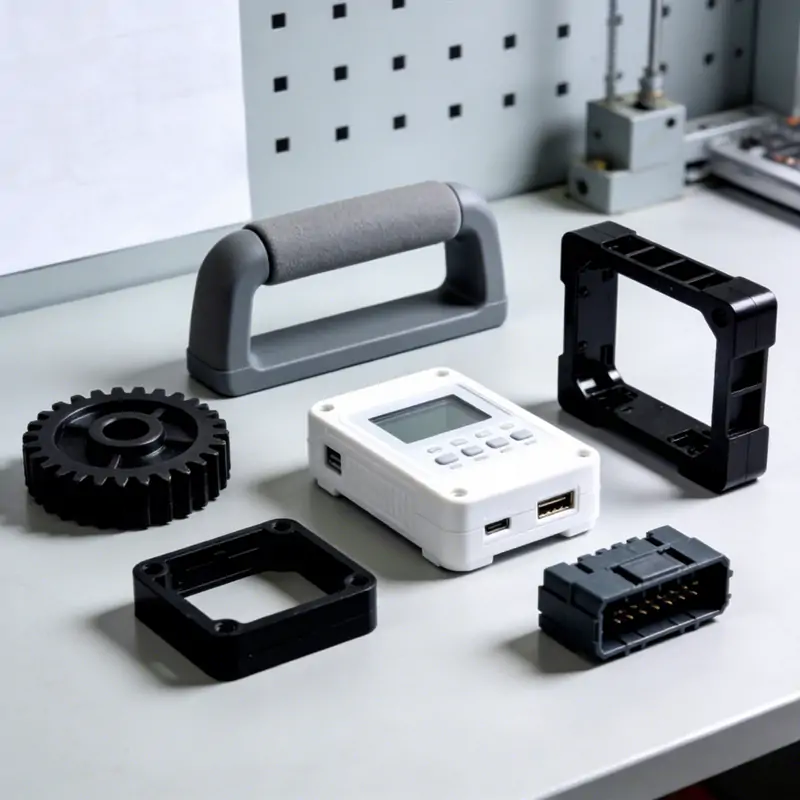
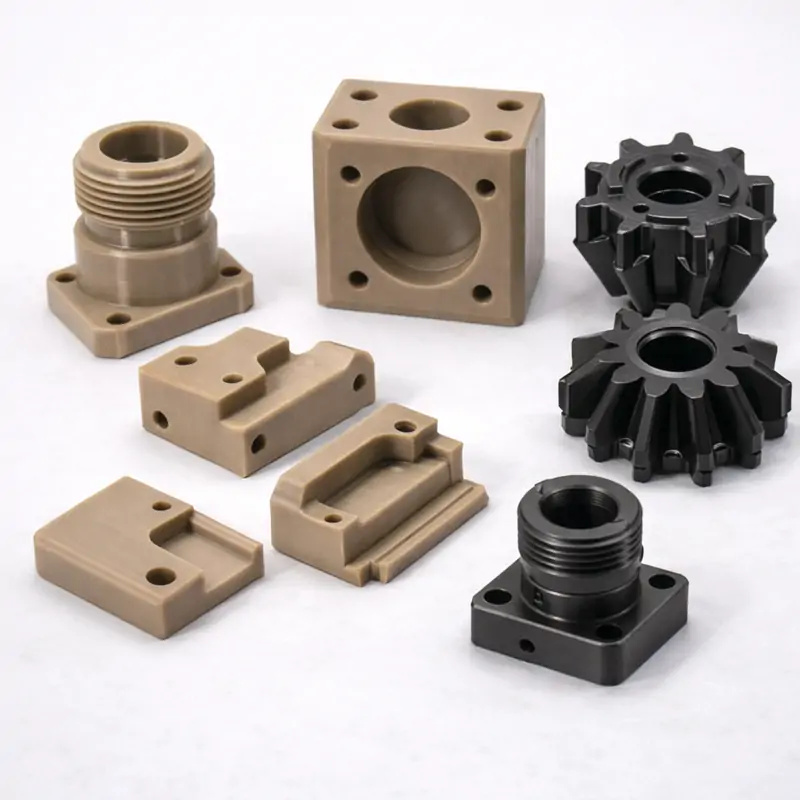
Product Display
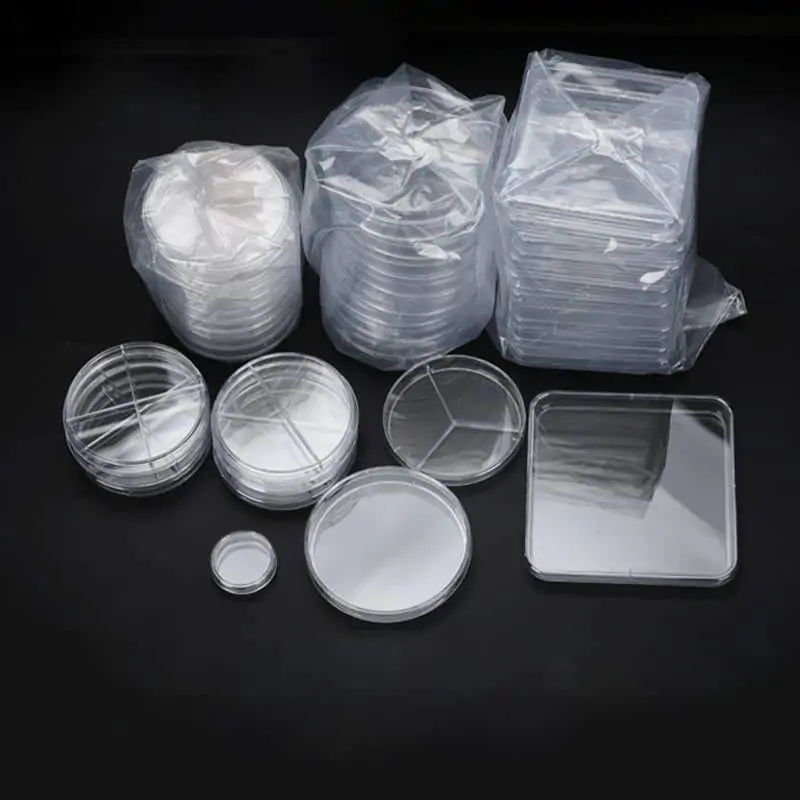
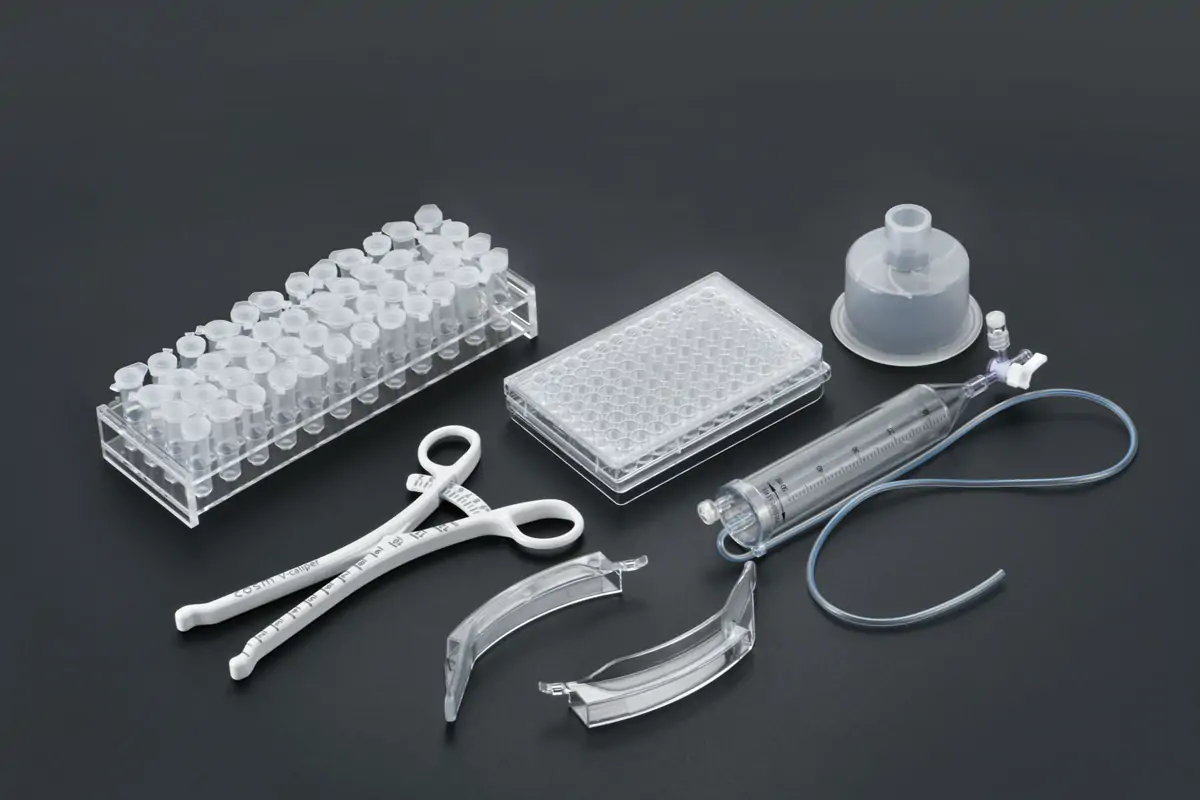
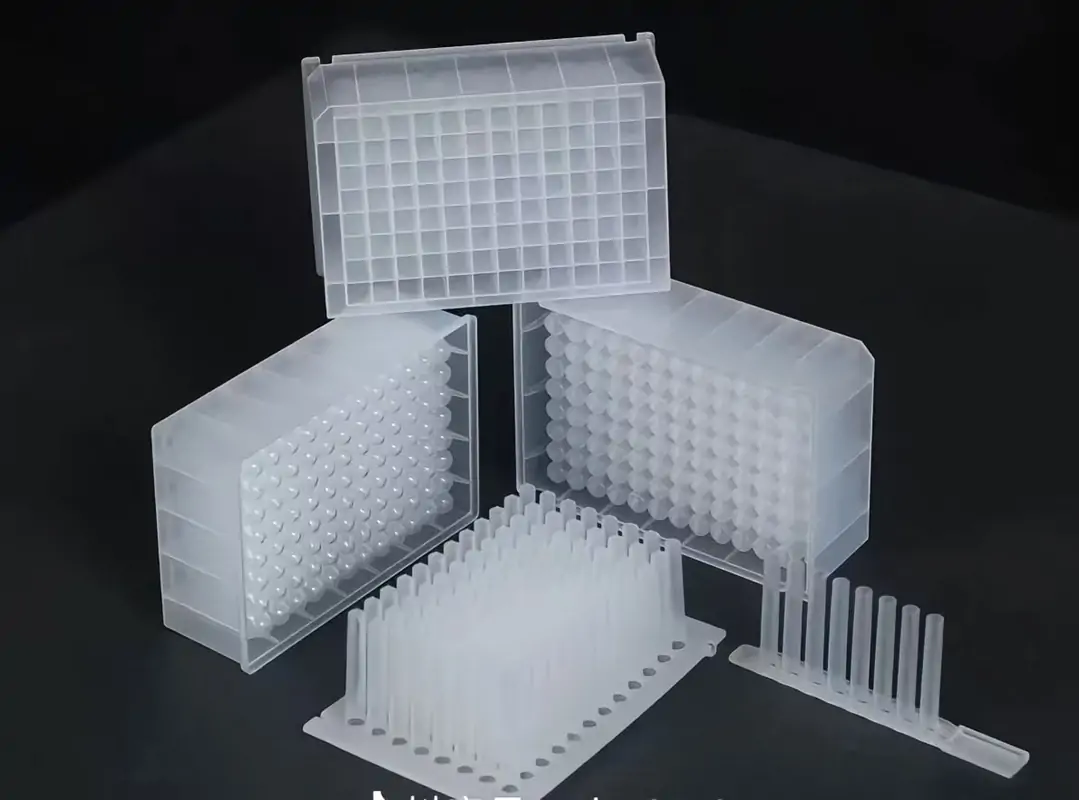
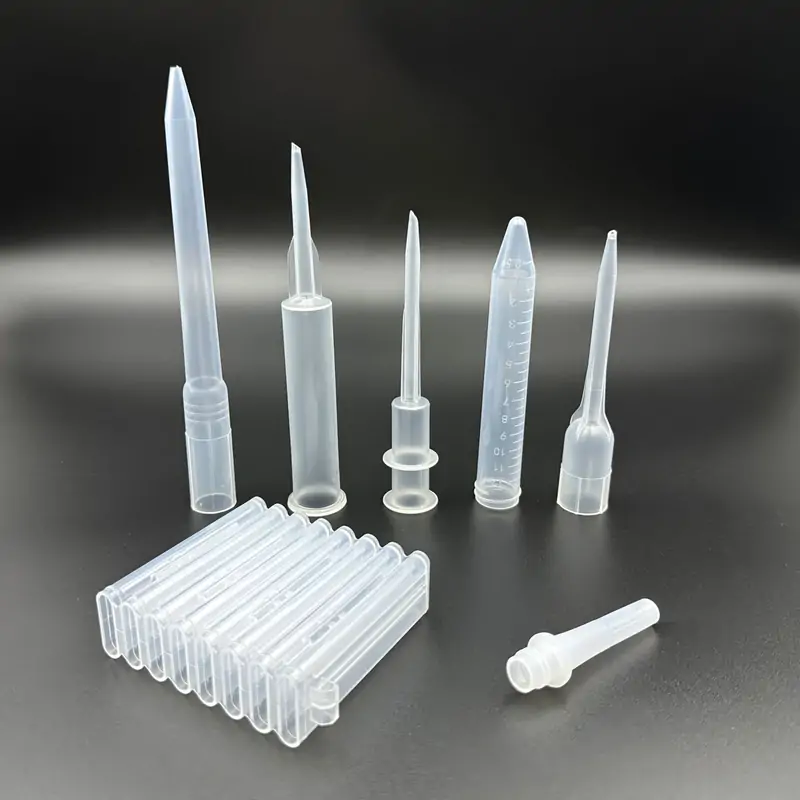
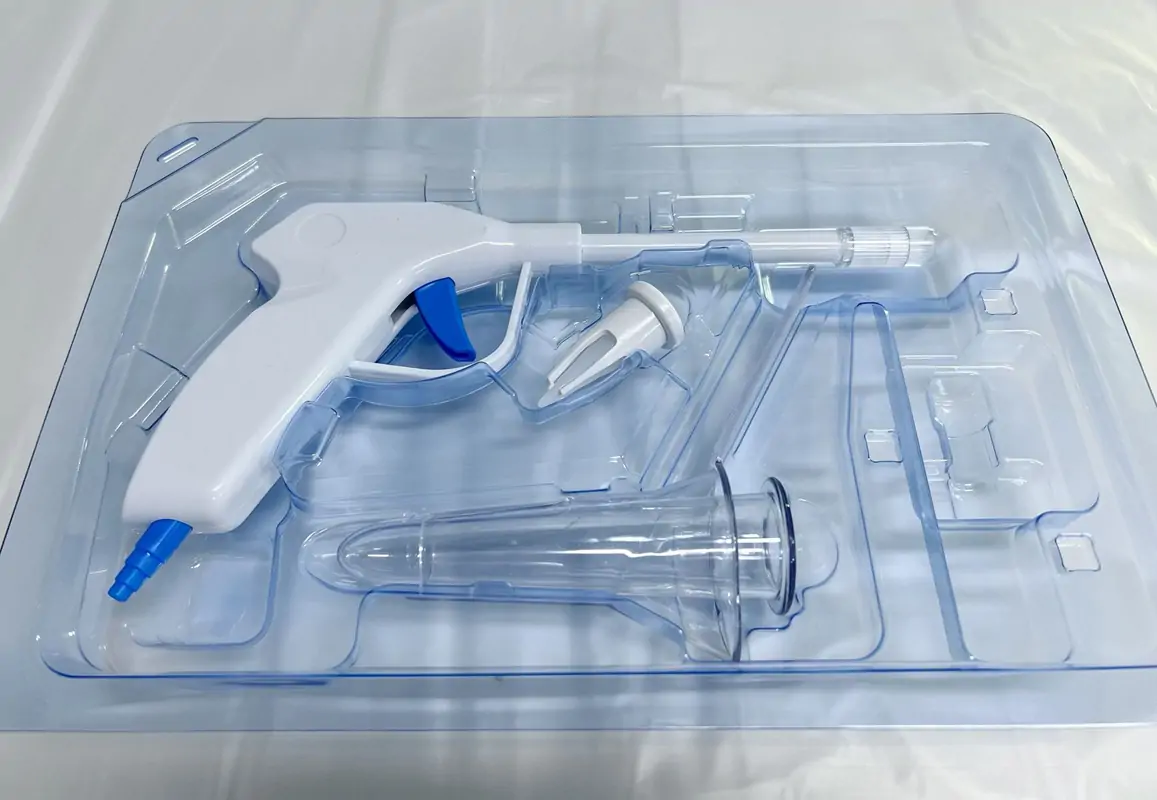
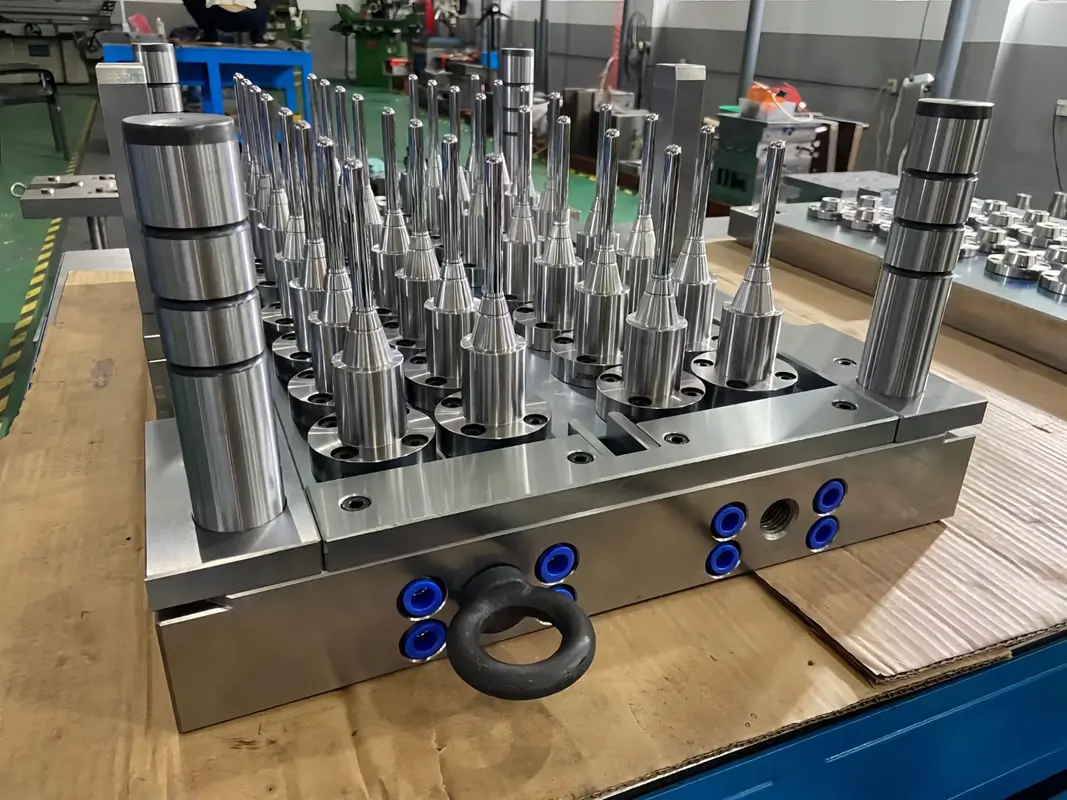
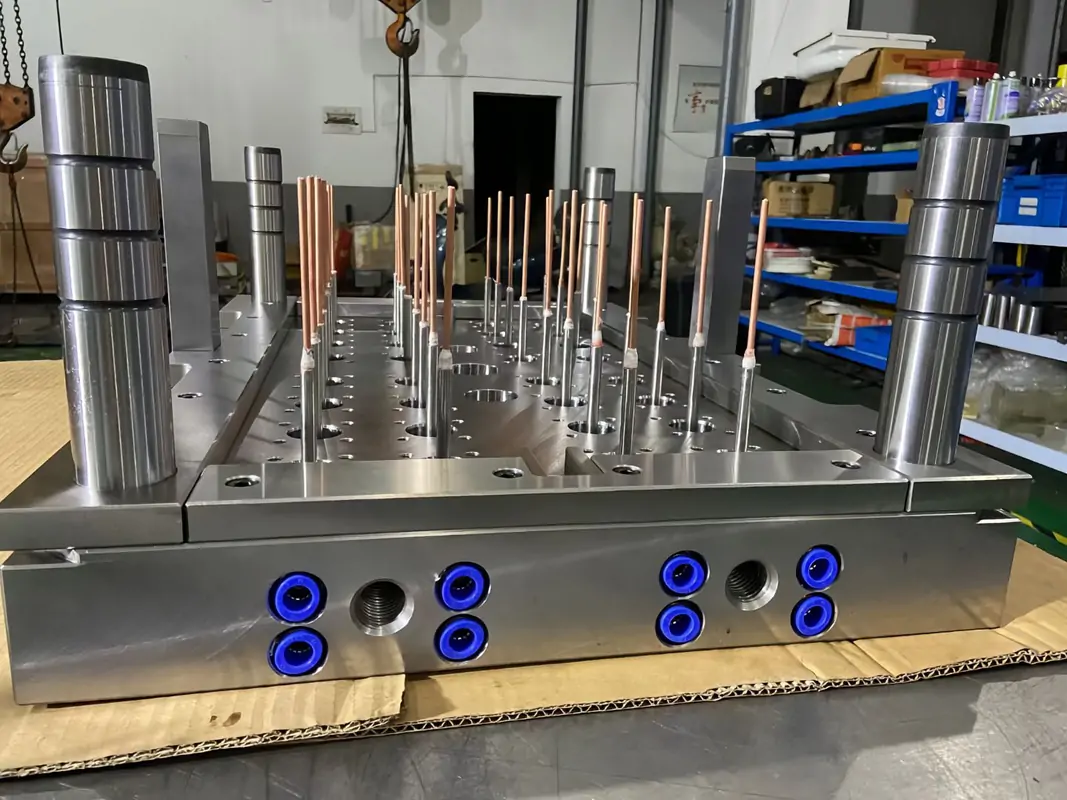
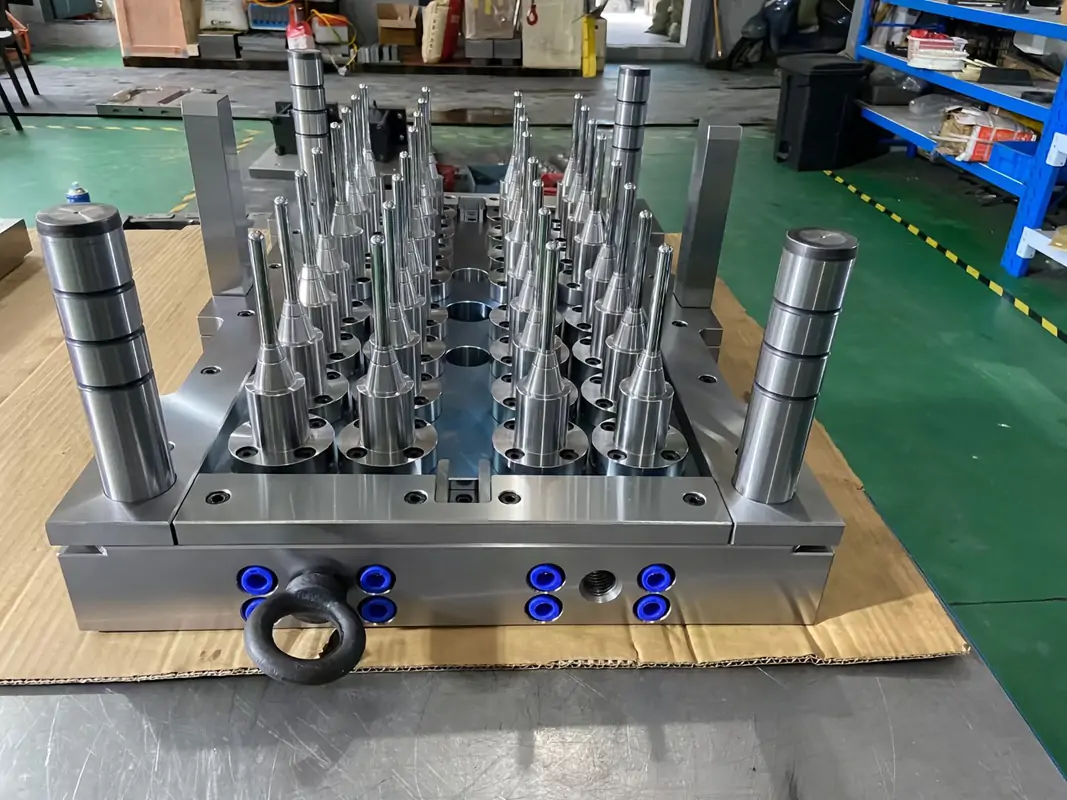
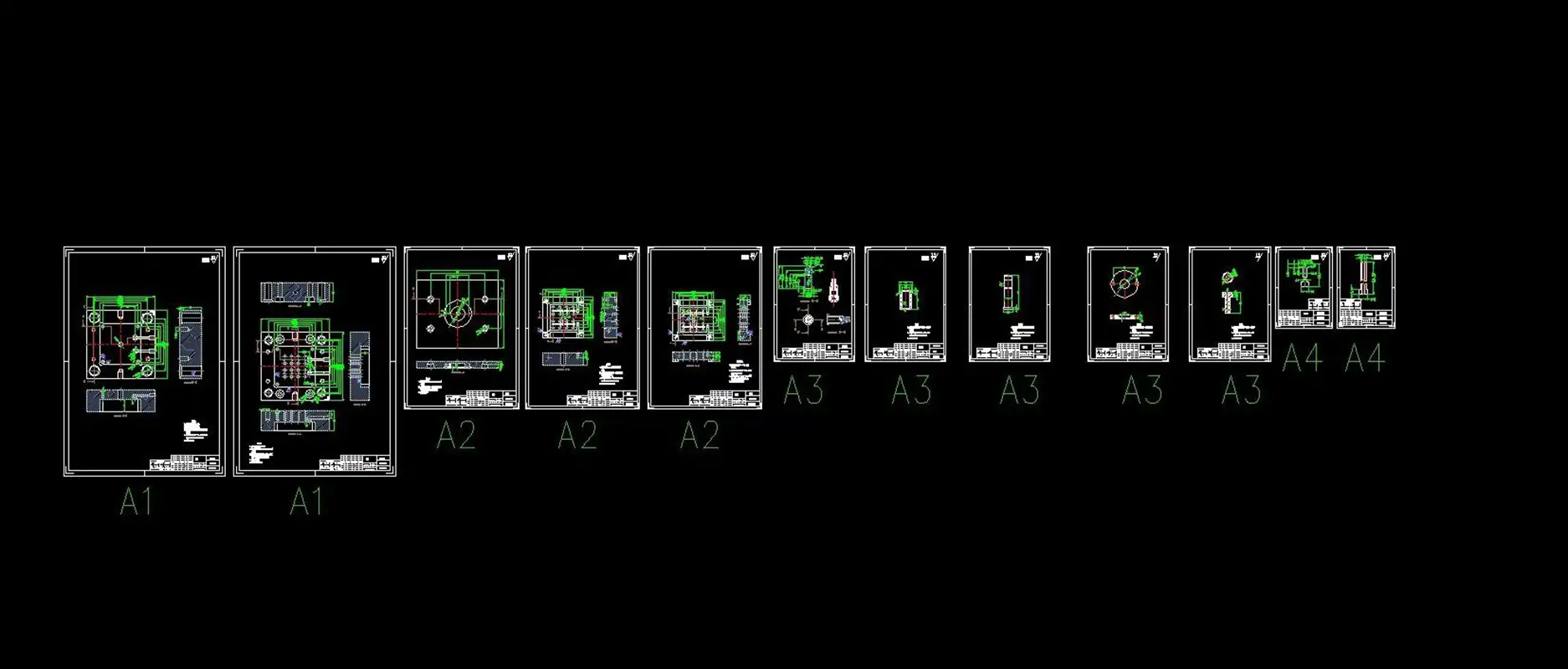
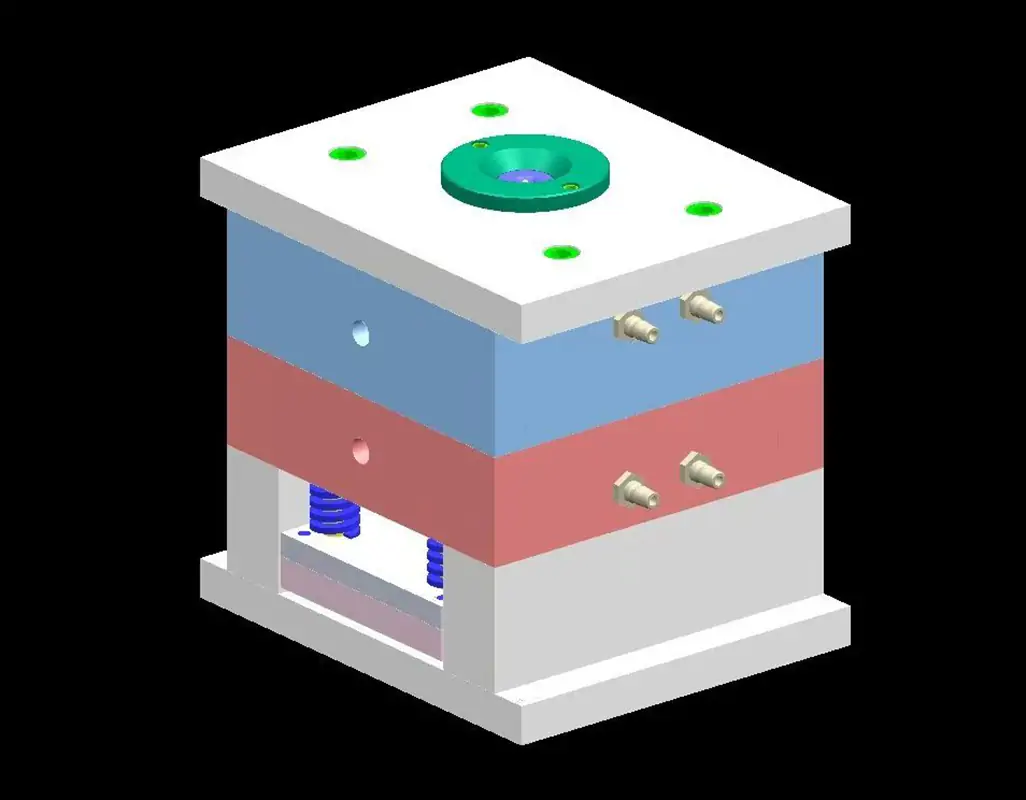
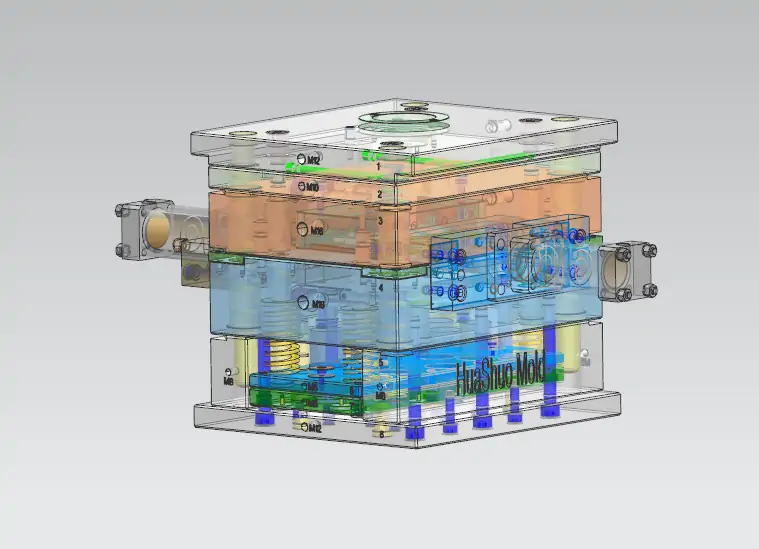
Medical Injection Molding Mold & Process Specifications
| Category | Specification | Description |
|---|---|---|
| Mold Type | Single-cavity / Multi-cavity (up to 64 cavities) | Supports prototype validation (single cavity) and high-volume production (multi-cavity for cost efficiency and consistency) |
| Injection Process | Thermoplastic Injection Molding | Suitable for PP, PC, ABS, TPU, PEEK, PE and other medical-grade polymers |
| Mold Precision | ±0.05 mm | High-precision tooling for medical device housings and functional components |
| Mold Life | 300,000 – 1,000,000 cycles | Depending on steel selection and part complexity |
| Mold Steel | S136 / H13 / NAK80 / 718H | Corrosion resistance, polishability, and high wear resistance options |
| Runner System | Cold runner / Hot runner system | Hot runner preferred for multi-cavity precision and reduced waste |
| Surface Finish | SPI A1–D3 / VDI 12–45 | Supports medical-grade smooth finish and functional textures |
| Mold Structure | Insert mold / Overmolding / Precision assembly mold | Supports complex medical structures including snap-fit and sealing systems |
| Drawing Formats | STEP / STP / IGS / X_T / DWG | Full engineering file compatibility for medical product development |
| Inspection Equipment | CMM / Optical projector / Caliper | Full dimensional inspection and validation capability |
| Production Environment | Controlled clean manufacturing | Dust-controlled molding and assembly environment |
| Quality System | ISO 9001:2015 | Standardized quality management system |
| Secondary Processes | Ultrasonic welding / Pad printing / Laser marking / Assembly | Supports full medical device component finishing |
Medical Plastic Injection Molding Applications
Medical plastic injection molding is widely used in healthcare, laboratory, diagnostic, and medical device industries where precision, cleanliness, and stable production quality are required.
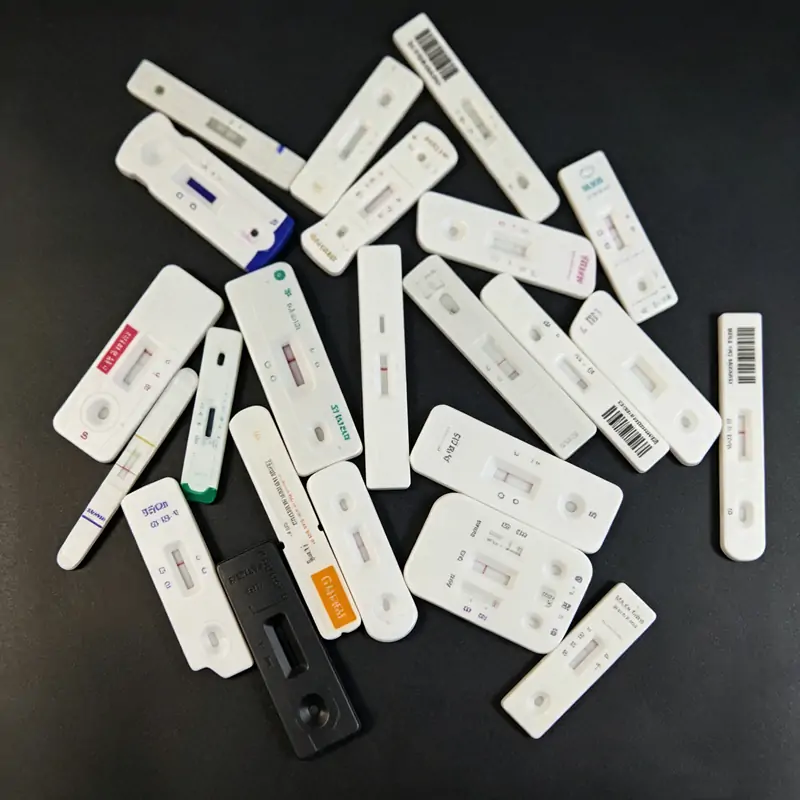
Diagnostic & Testing Devices
Used for diagnostic equipment housings, testing cartridges, fluid handling parts, and internal structural components that require dimensional stability and precise assembly.
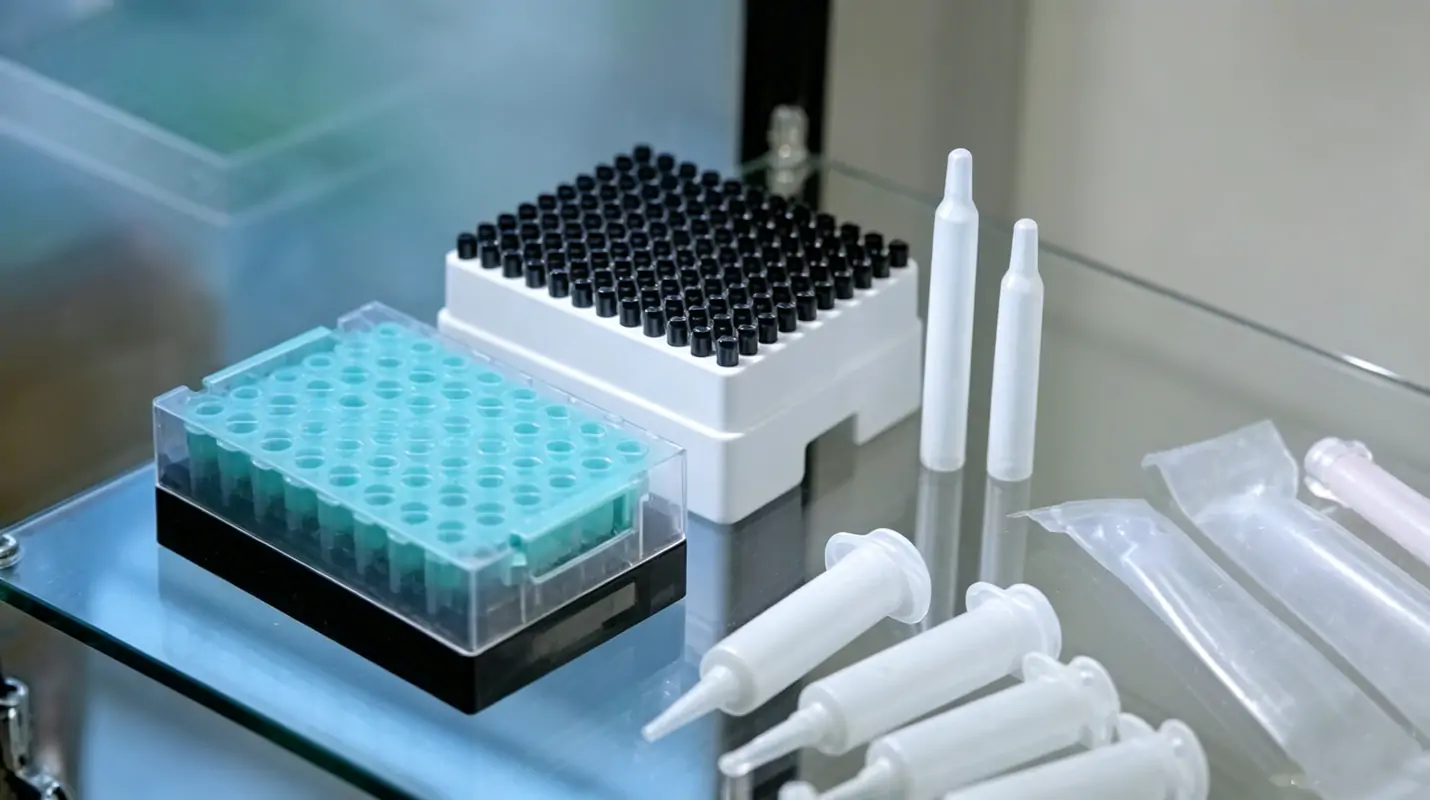
Laboratory & Research Equipment
Applied in specimen containers, laboratory consumables, sample handling parts, and analytical device components requiring chemical resistance and clean surface quality.
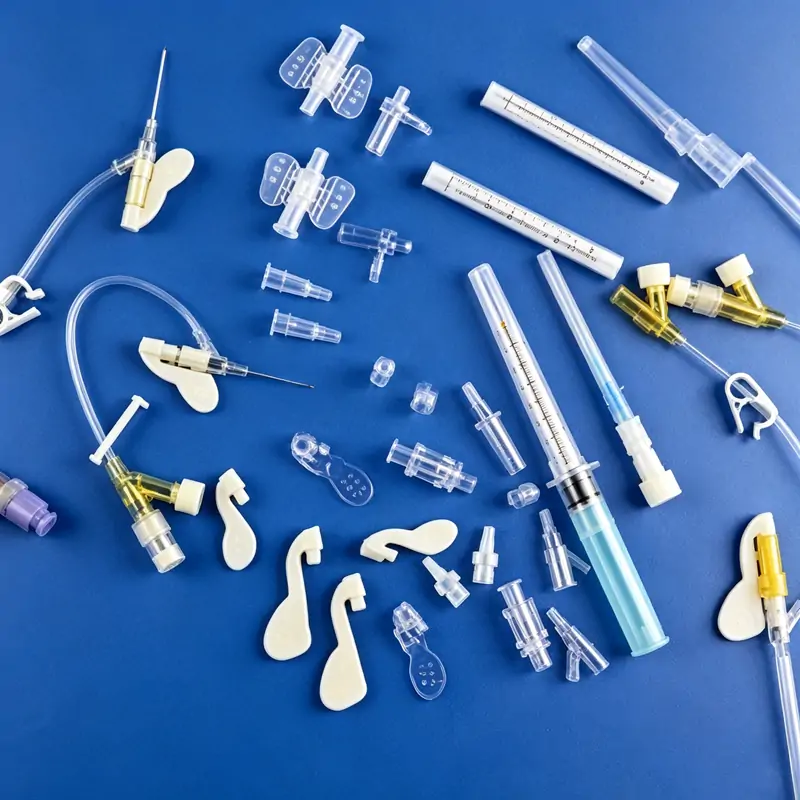
Disposable Medical Products
Suitable for disposable medical plastic parts such as caps, connectors, packaging components, and lightweight healthcare products manufactured in high-volume production.

Drug Delivery Systems
Used for syringe components, dosing device parts, and fluid control structures requiring stable molding quality and precision sealing performance.
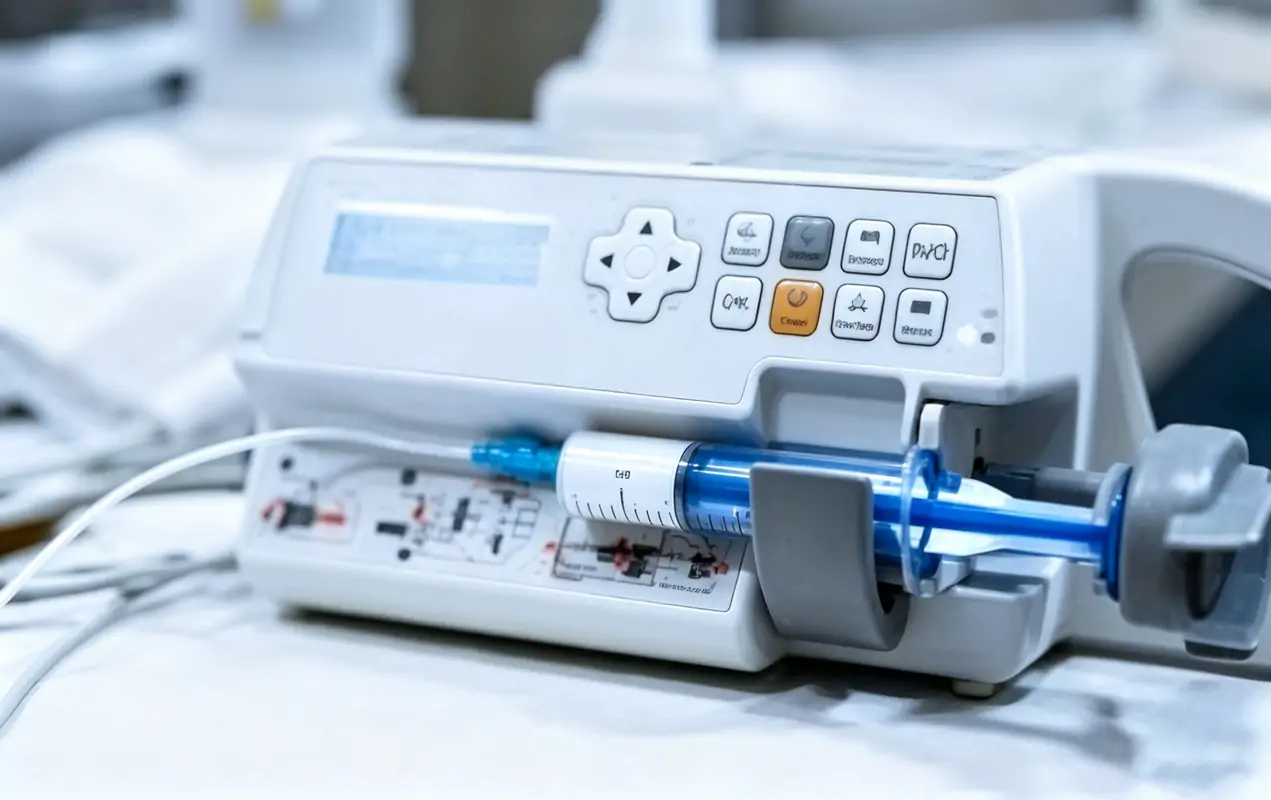
Medical Device Housings
Applied in handheld medical equipment, monitoring devices, and electronic medical housings requiring impact resistance and high-quality surface finishing.
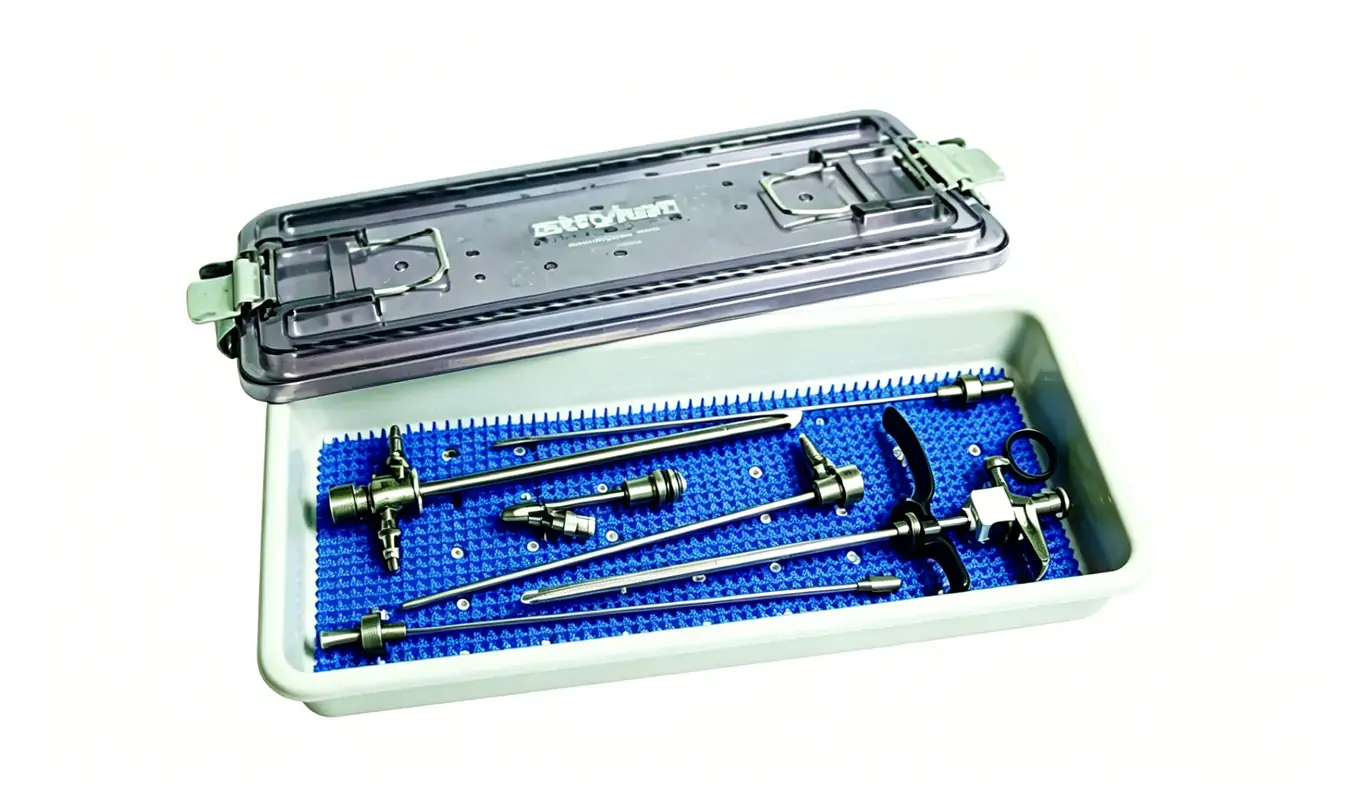
Surgical & Sterilization Applications
Suitable for surgical instrument handles, sterilization trays, and reusable medical components that require high-temperature and chemical resistance.
Why Choose HuaShuo for Medical Plastic Injection Molding?
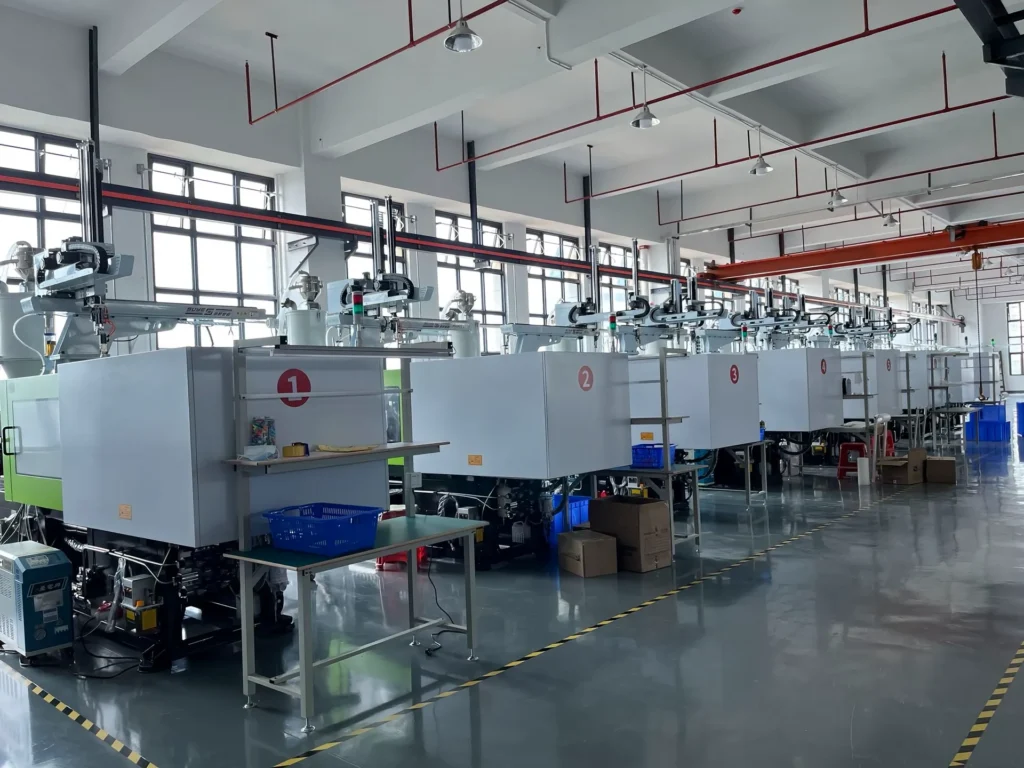
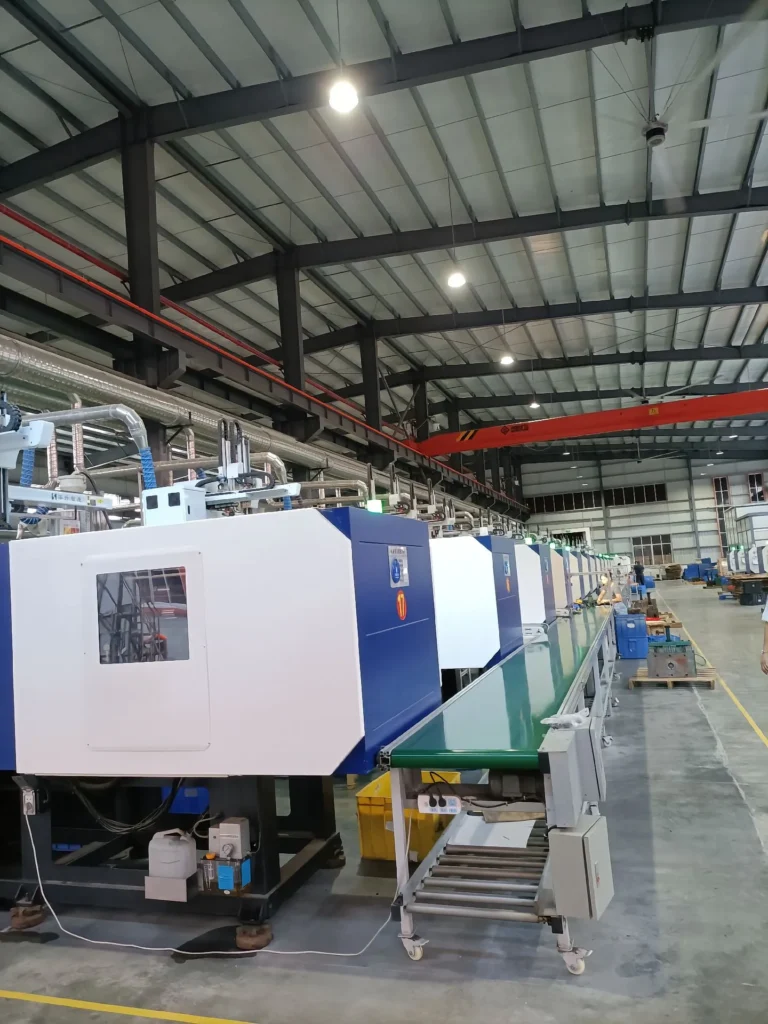
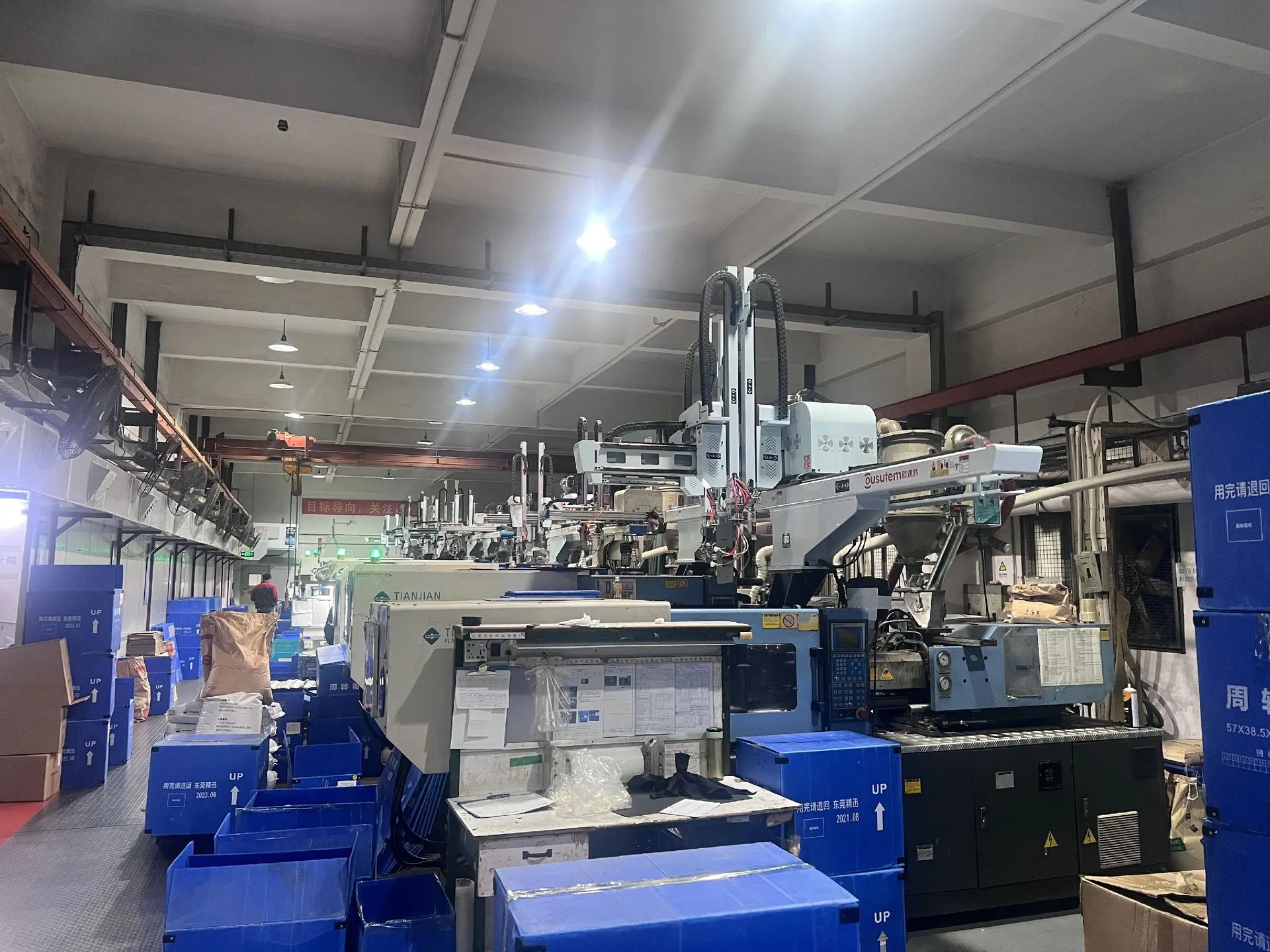
HuaShuo provides precision medical injection molding solutions with strict control over dimensional accuracy, material consistency, and production stability. From mold design and engineering validation to mass production, we support medical-grade manufacturing requirements with reliable process control and scalable production capability. Our system is built to ensure consistent quality across batches, stable delivery performance, and compliance-oriented material processing for healthcare applications.
- Precision tolerance up to ±0.05mm for high-accuracy medical components
- Multi-cavity mold capability for efficient and stable mass production
- Full engineering support from mold design to production validation
- Hot runner systems for improved consistency and reduced material waste
- ISO 9001:2015 certified quality management system
- Stable lead time control with OEM/ODM production support

FAQS
Everything You Need to Know About Injection Molding Medical Plastics
Request a Quote
From mold design to mass production, we offer end-to-end solutions.
Tell us about your application, materials, and volume requirements. Our team will recommend the right process and deliver a tailored manufacturing solution.
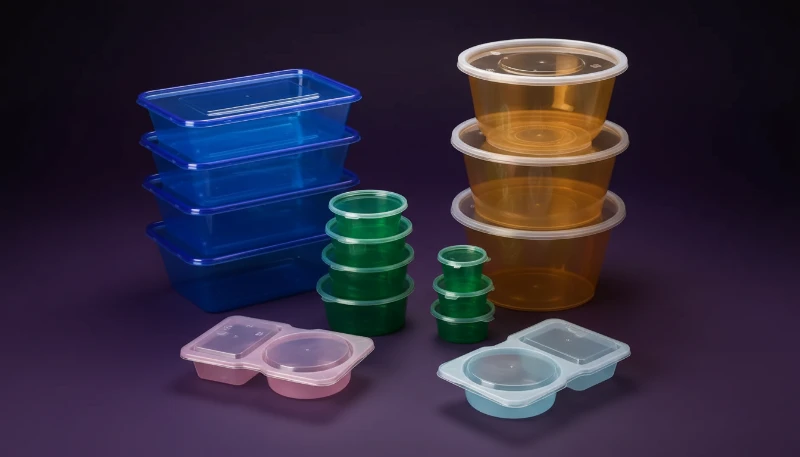
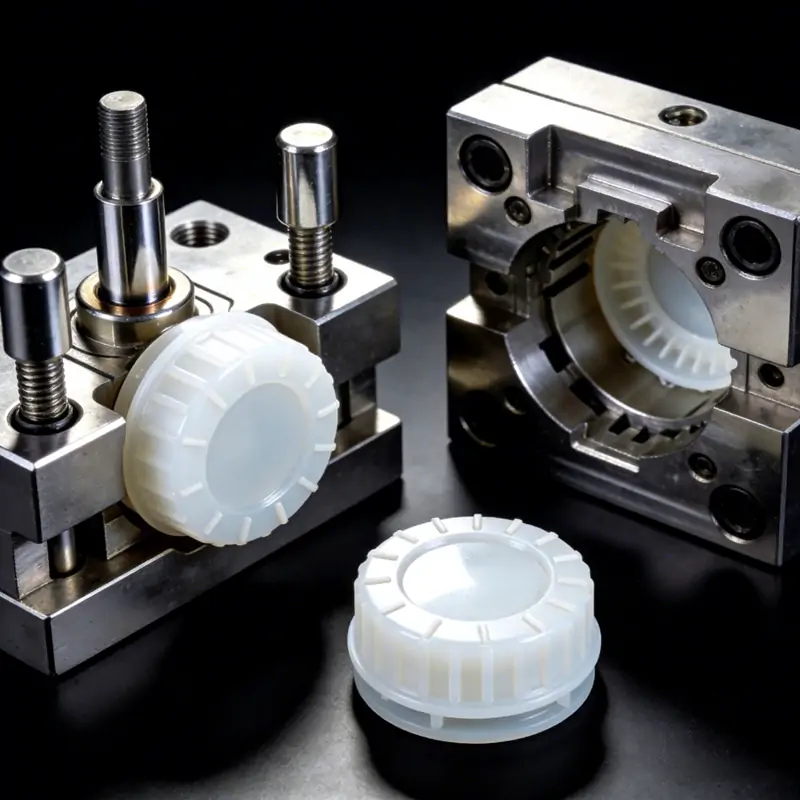
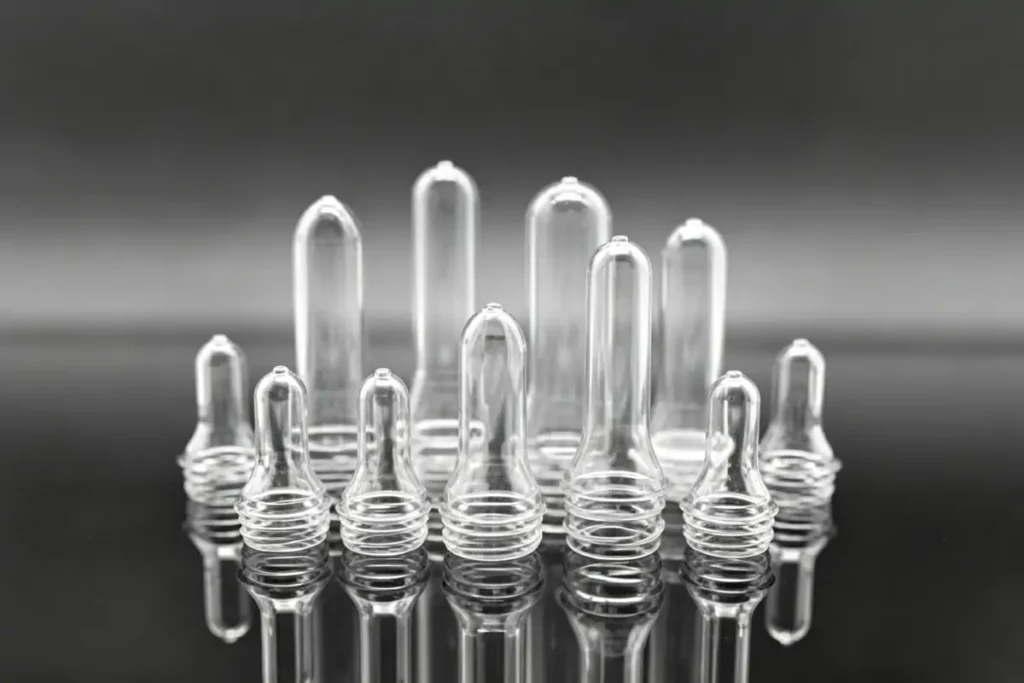
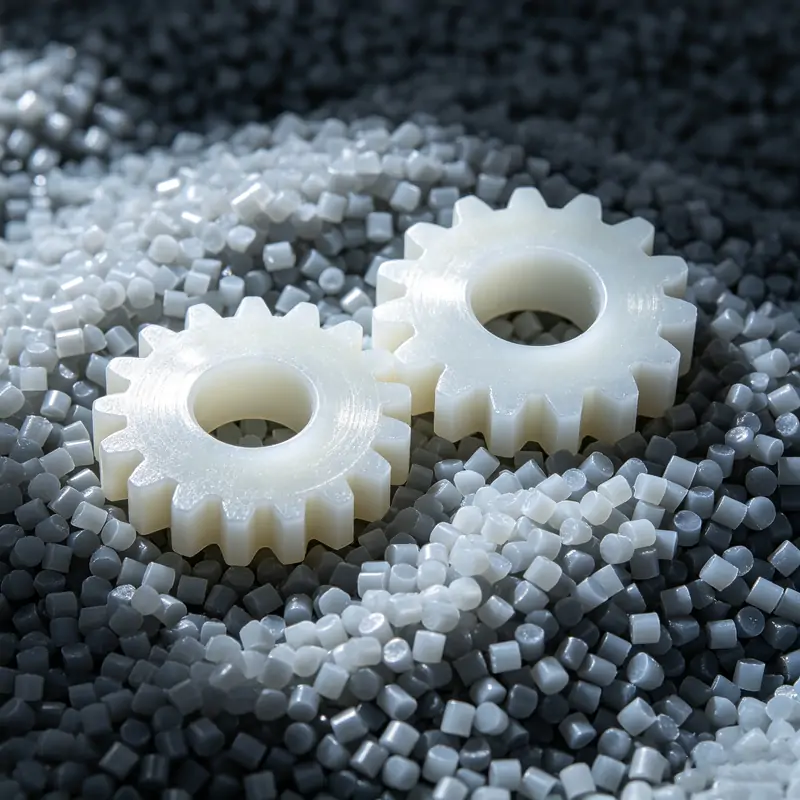
More Services
Acrylic Injection Molding
Acrylic Injection Molding Acrylic injection molding is a manufacturing process…Plastic Injection Molding Materials
Plastic Materials for Injection Molding Huashuo provides a comprehensive range…PE Injection Molding
PE Injection Molding Polyethylene (PE) injection molding is widely used…PP Injection Molding
PP Injection Molding PP injection molding (polypropylene injection molding) is…

Related Articles
What Are the Basics of Injection Molding Design? (2026 Complete Guide)
Introduction to Injection Molding Design Injection molding design basics refers…Types of Gates in Injection Molding: Complete Guide to Gate Design
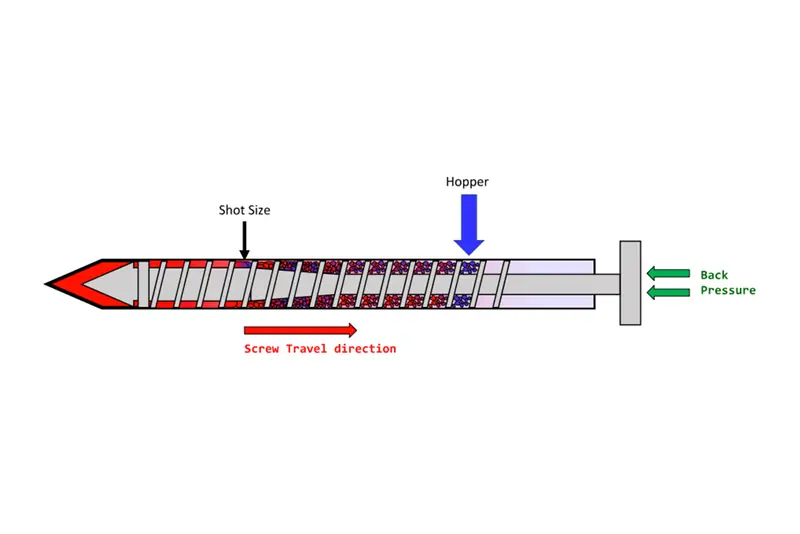
Introduction Injection molding is a highly efficient manufacturing process used…What is Important Back Pressure in Injection Molding?
In injection molding, the pressure applied behind the screw plays…Injection Moulding vs 3D Printing: Differences, Costs, and When to Choose
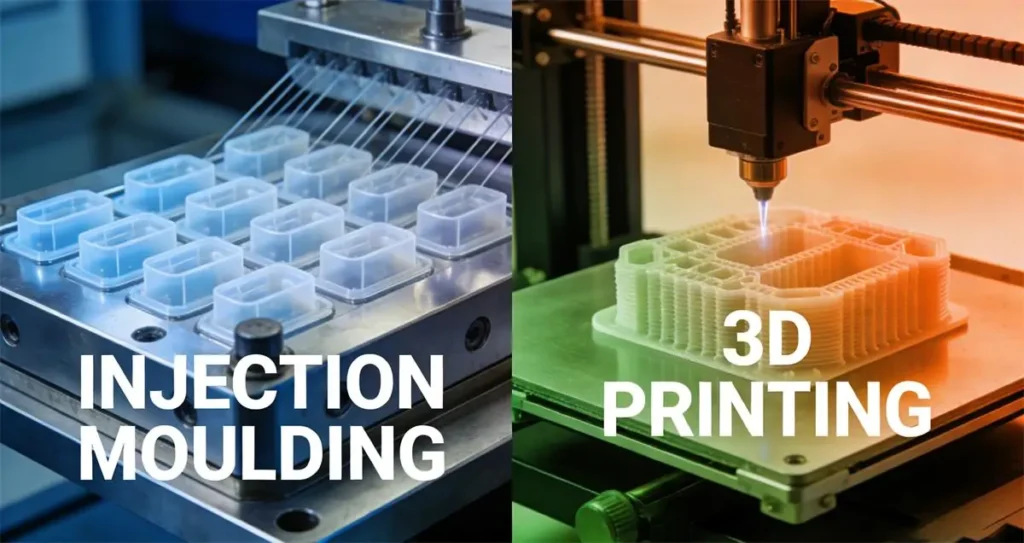
Injection molding and 3D printing are two widely used manufacturing…