Introduction
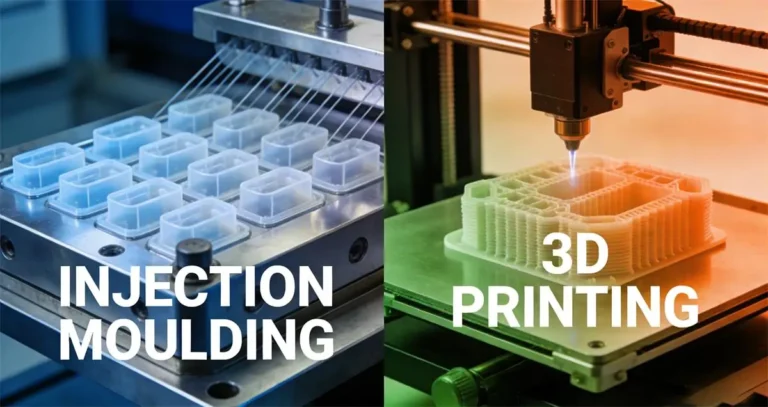
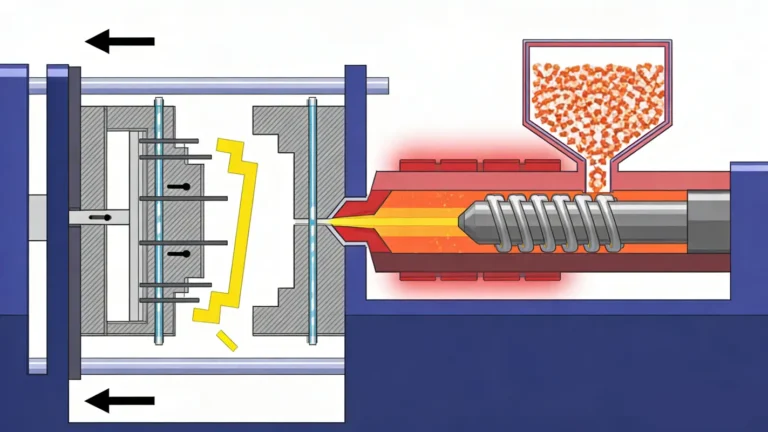
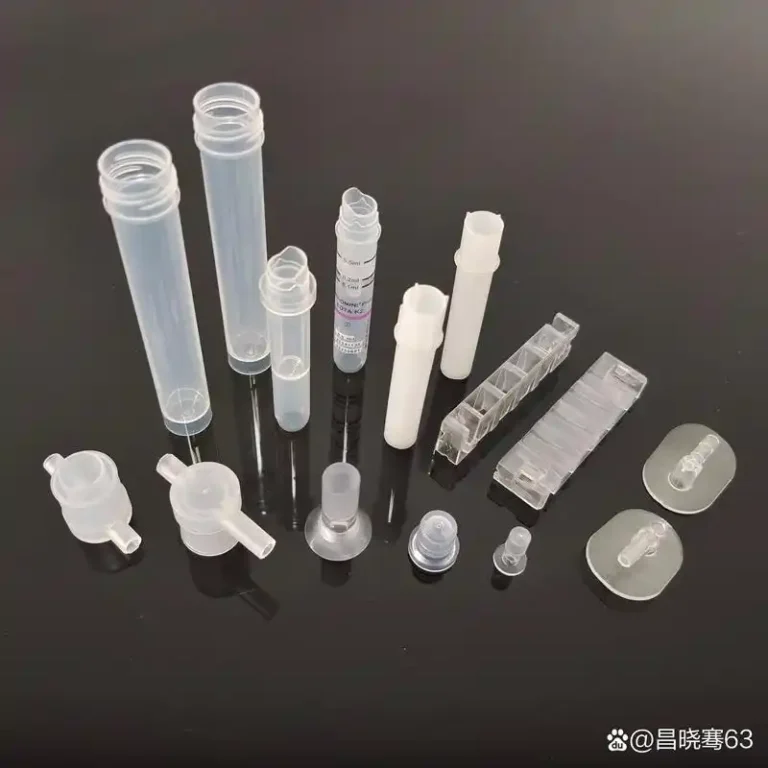
Injection molding is a manufacturing process that produces plastic parts by injecting molten material into the cavities of a custom mold. After cooling, the parts are ejected with consistent dimensions and repeatable quality. Due to its efficiency and ability to produce complex parts at a low unit cost, this process is widely used in mass production.
This article will introduce the main types of injection molds, explain how each type works, and compare their advantages and disadvantages. In addition, we will provide practical guidance to help you select the appropriate mold type for your specific application.
What is an Injection Mold?
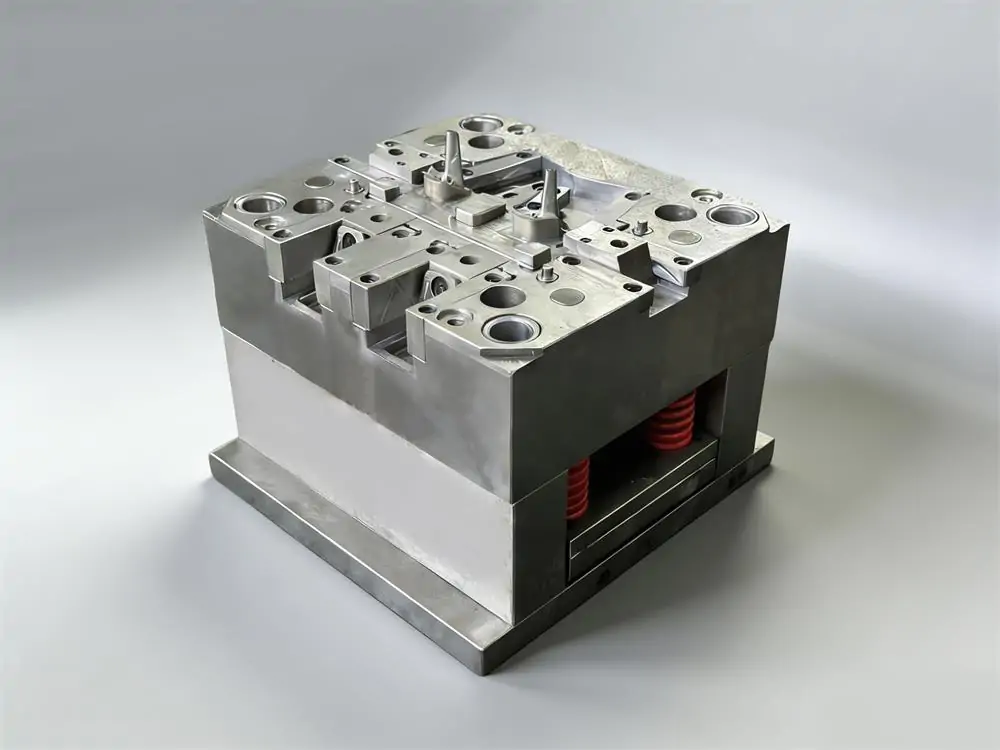
An injection mold is a precision tool used in injection molding to produce plastic parts in large quantities. It forms the final shape, size, and surface of a product by shaping molten plastic inside a designed cavity. In simple terms, it works like a custom “shaping tool” that turns melted plastic into finished parts.
Definition and Basic Structure
An injection mold is a specially engineered tool that shapes molten plastic into finished products. It usually includes core and cavity parts, a runner or gating system, cooling channels, and an ejection system.
Every detail of the final product depends on how the mold is designed and machined. In production, the mold is essentially the template that defines the part.
How Injection Molding Works
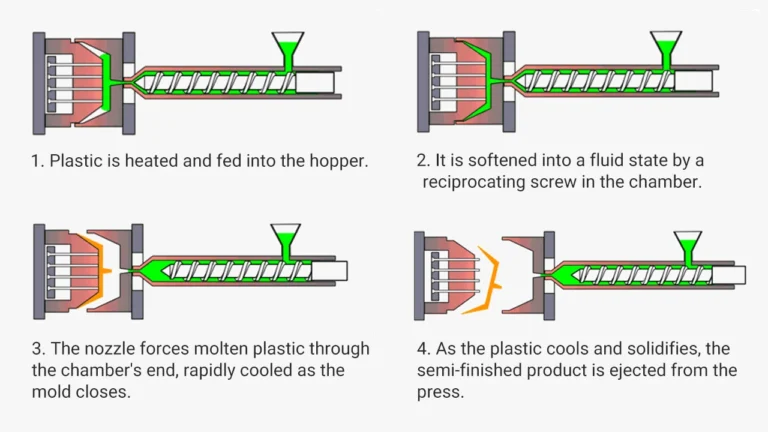
The process is a simple cycle:
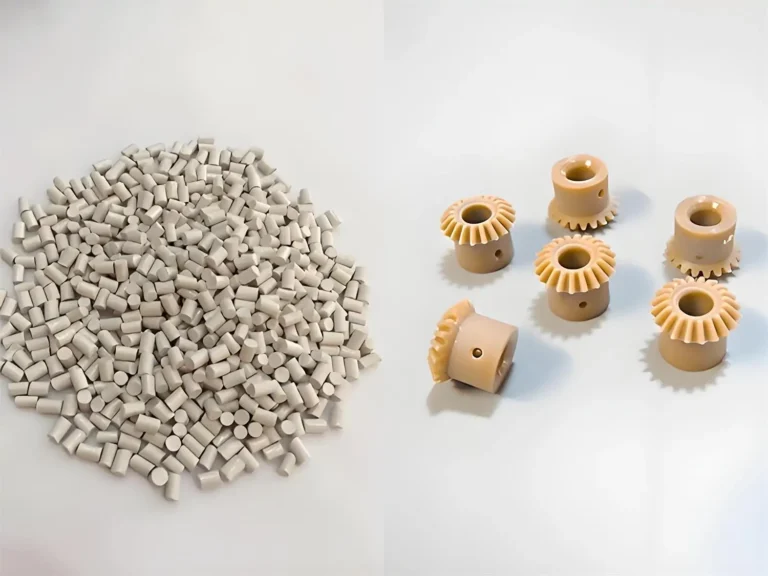
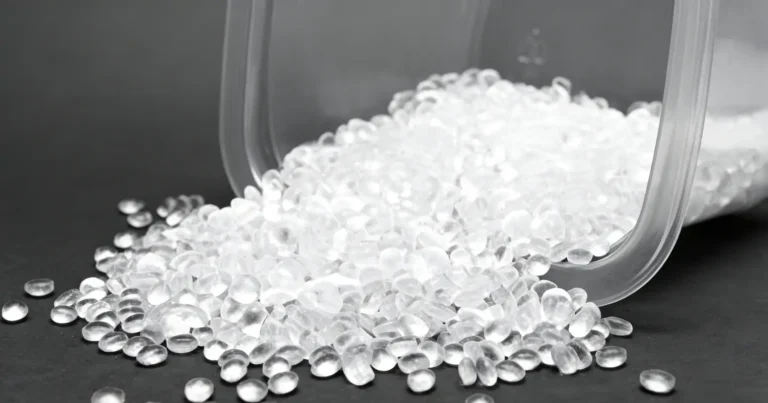
First, plastic pellets are heated until they melt. Then the molten plastic is injected into the mold under pressure. After cooling inside the mold, the material hardens into shape. Finally, the mold opens and the finished part is pushed out.For more information, click on the article below : How Does Injection Moulding Work?
This cycle repeats quickly, making it suitable for high-volume production with consistent quality.
Role of Injection Molds in Manufacturing
Injection molds are widely used in industries like automotive, electronics, medical, and consumer products. Their main job is to ensure parts can be produced accurately and repeatedly at scale.
A good mold helps control product quality, reduces production waste, and improves efficiency. In most cases, the mold determines how stable, precise, and cost-effective the final production will be.
Types of Injection Molds
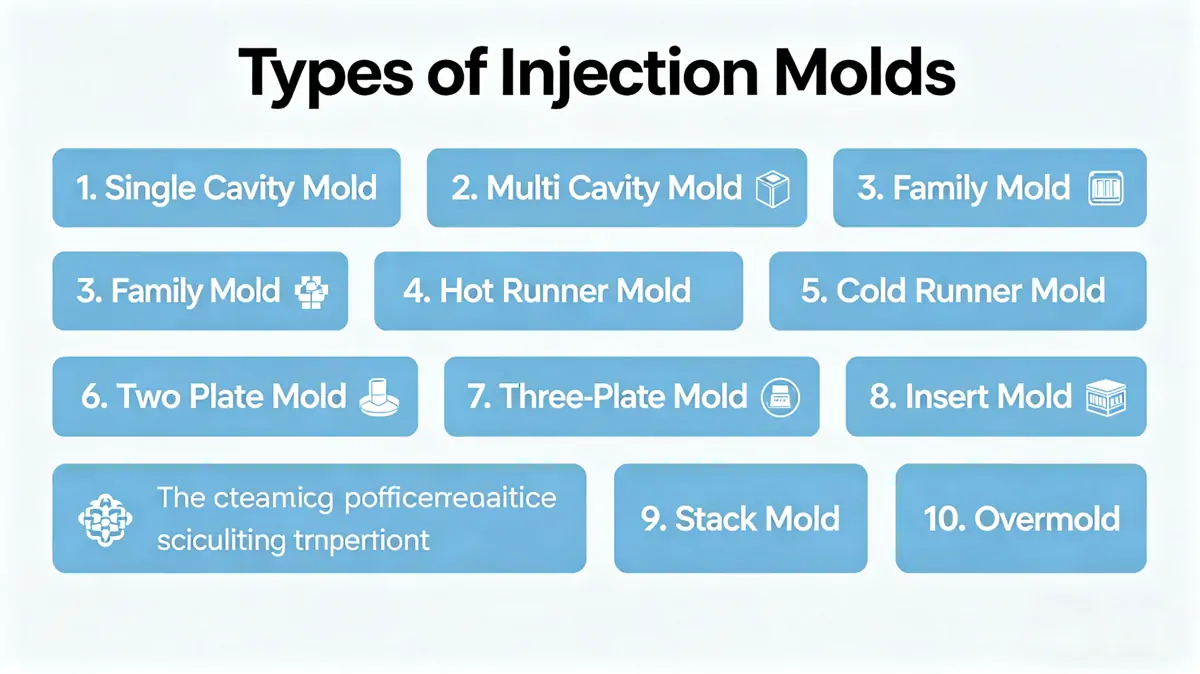
Injection molds can be classified in several ways, mainly based on structure, function, and runner system. From a structural point of view, molds can be divided into two-plate and three-plate designs. From a functional perspective, they include insert molds, overmolds, and stack molds. In terms of flow system, they are mainly categorized into hot runner and cold runner molds.
Different mold types directly affect production efficiency, tooling cost, cycle time, and part precision. Simpler molds usually have lower cost but limited design flexibility, while advanced mold systems improve productivity and quality but require higher initial investment.
Single-cavity mold
A single-cavity mold can produce one part per cycle. Its basic structure consists of a cavity, a core, a runner system, a cooling system, and an ejection system. Because there is only one cavity, the design is simple and stable, making it easier to control quality.
It is typically used for small-batch production with annual output of less than 10,000 to 50,000 units, high-precision parts, and prototype development. When precision is more important than production speed or output, this type of mold is the preferred choice.
Multi-cavity Mold
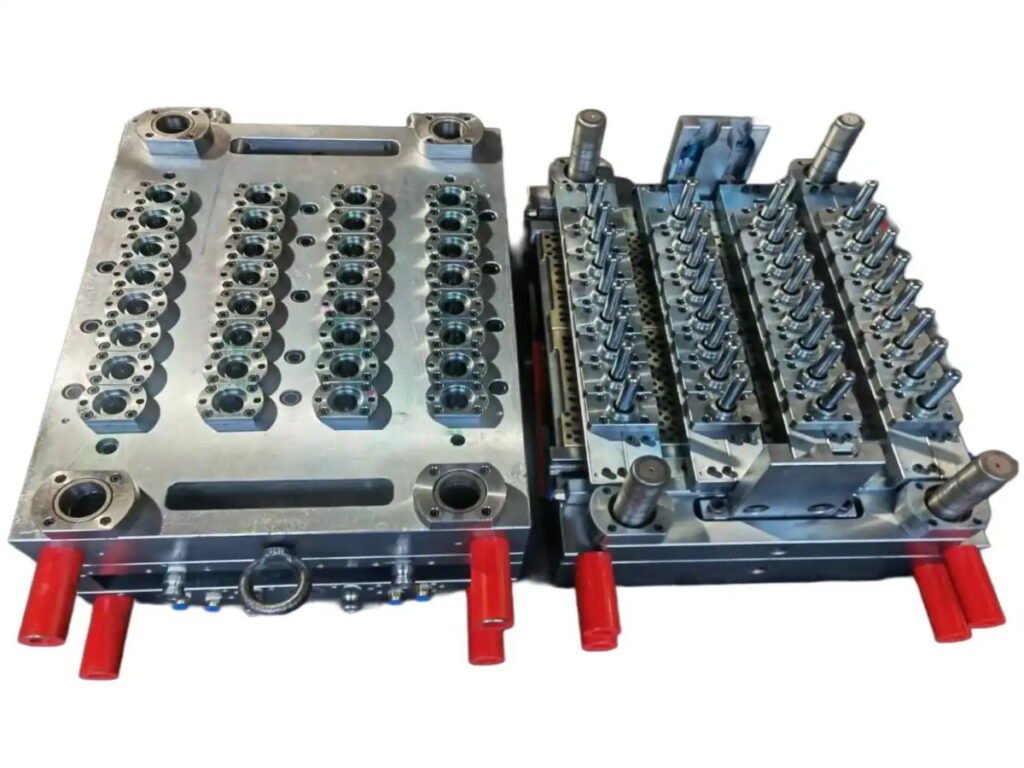
Multi-cavity molds can produce multiple identical parts in a single injection molding cycle. They feature multiple cavities within a single mold that share a common runner, cooling, and ejection system. This design allows for the simultaneous production of multiple parts within a single machine cycle.
They are commonly used in mass production and consumer goods manufacturing, reducing unit costs by 20% to 60%. These molds are an ideal choice when high output and low unit costs are the primary objectives, particularly for standardized plastic parts.
Family Mold
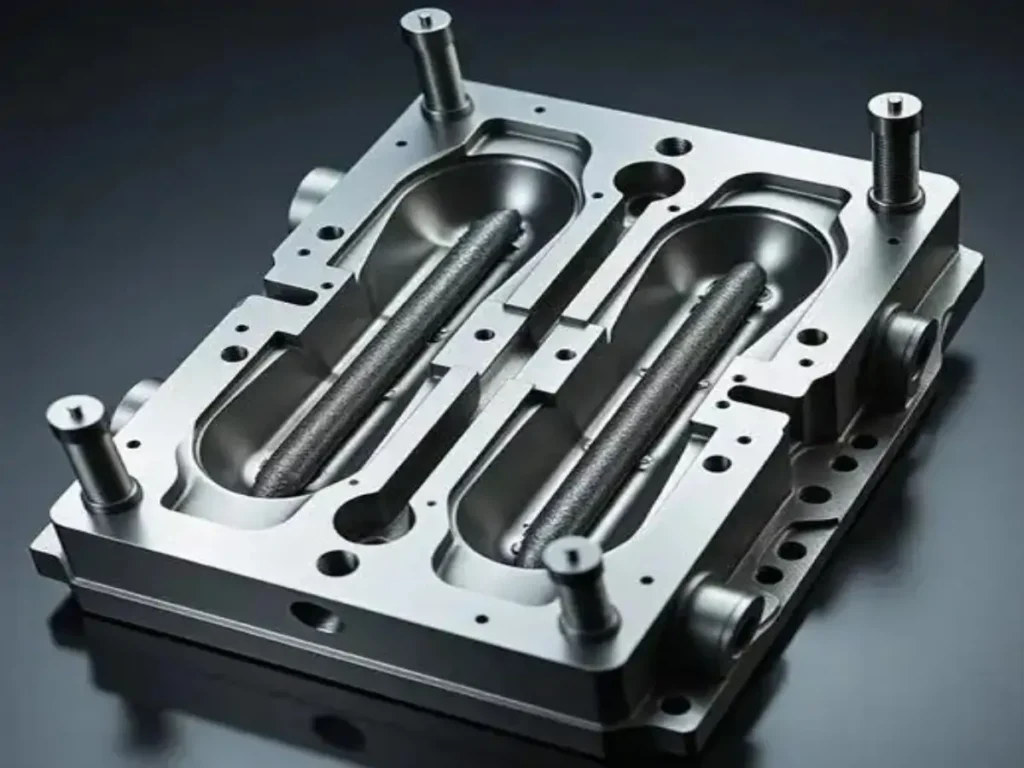
A family mold produces different parts in one mold set within a single injection cycle. It contains multiple cavities designed for different components, sharing the same runner, cooling, and ejection system. Because each cavity is different, the design needs careful balance in structure and flow.
It is often used for multi-part assemblies where several related components are produced together. This helps reduce tooling cost and simplify production planning, but it is more difficult to control flow balance and keep consistent quality across all parts.
Hot Runner Molds
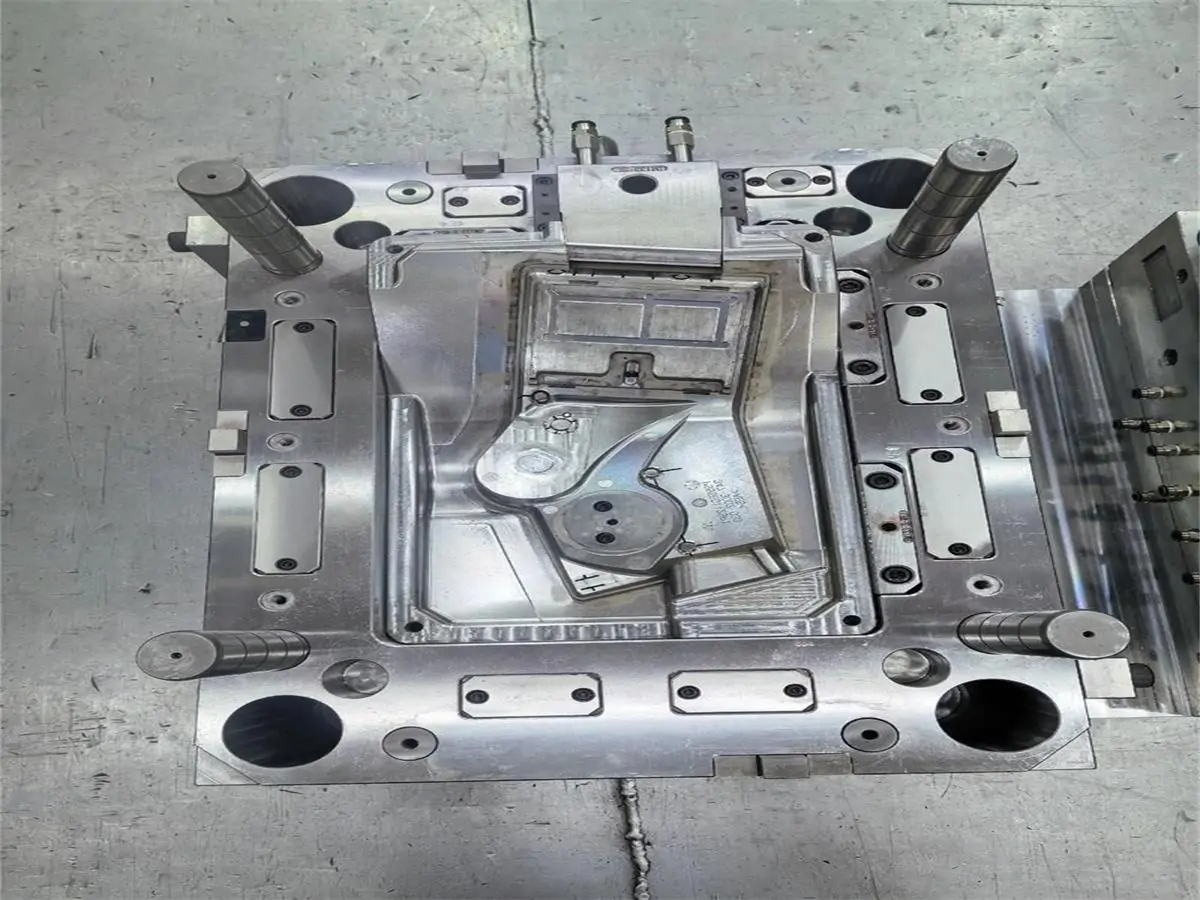
Hot runner molds utilize a heated runner system to keep the plastic in a molten state within the runners during the injection molding process. The system consists of heated nozzles, runners, and a temperature control unit, ensuring that the material remains molten from injection through cavity filling. This helps maintain a stable flow rate and reduces material waste.
These molds are widely used in the automotive parts, medical devices, and high-end electronics industries. Compared to cold runner molds, they can reduce cycle times by 10% to 30%, lower scrap rates, shorten cycle times, and improve production efficiency, making them particularly suitable for high-volume, high-consistency production.
Cold Runner Mold
A cold runner mold uses unheated channels to guide molten plastic into the cavity. After injection, the runner solidifies together with the part and is ejected as one piece, then separated in a later step. Its structure is simple, usually including the cavity, core, runner system, and ejection system.
It is commonly used for low to medium production volumes where tooling cost is a priority. Compared with hot runner systems, it has a lower mold cost and simpler design, but it also leads to more material waste and longer cycle times, making it less efficient for high-volume production.
Two Plate Mold
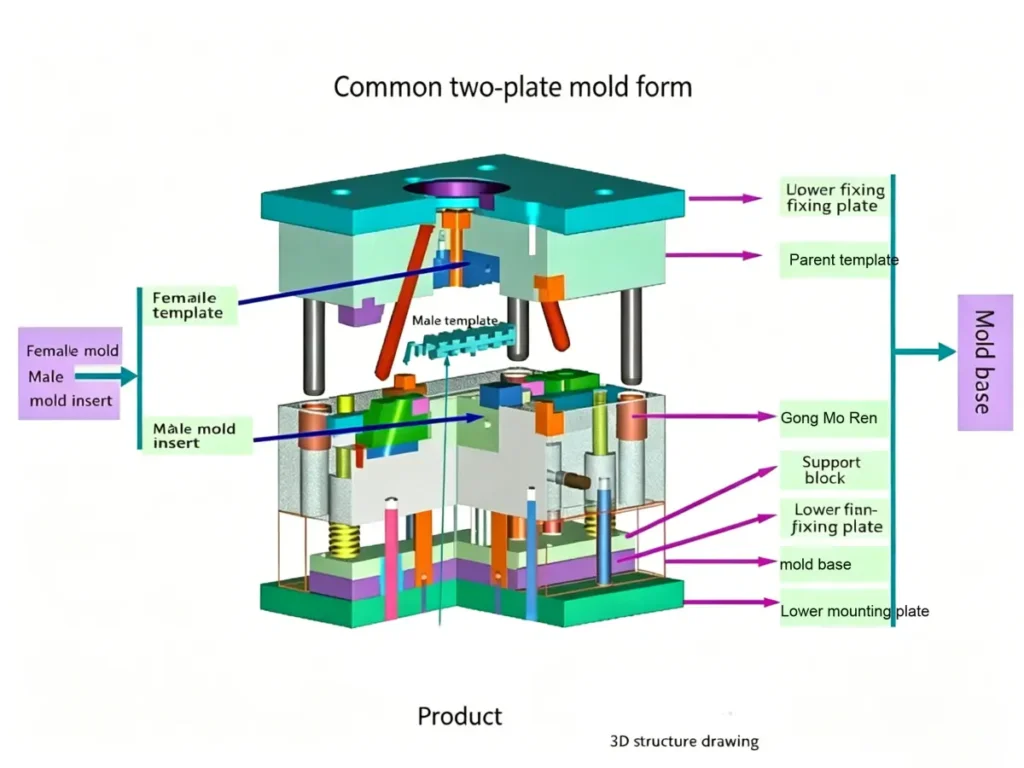
A two-plate mold is the most basic injection mold structure. It is made up of a cavity side, a core side, a runner system, a cooling system, and an ejection system. The mold opens along a single parting line, and the part is ejected directly after molding.
It is commonly used for standard plastic parts with simple structures and no undercuts. This type of mold is suitable for cost-sensitive projects where design is straightforward and production requirements are stable.
Three-Plate Mold
A three-plate mold is built with a cavity side, a core side, and an extra floating (stripper) plate. This structure allows the runner to separate automatically from the part during opening, and gives more freedom in gate placement compared to a two-plate mold.
It is commonly used for complex plastic parts that need multiple or small gates, or products with detailed features and internal structures. It is suitable for precision components where flexible gating and better molding control are required.
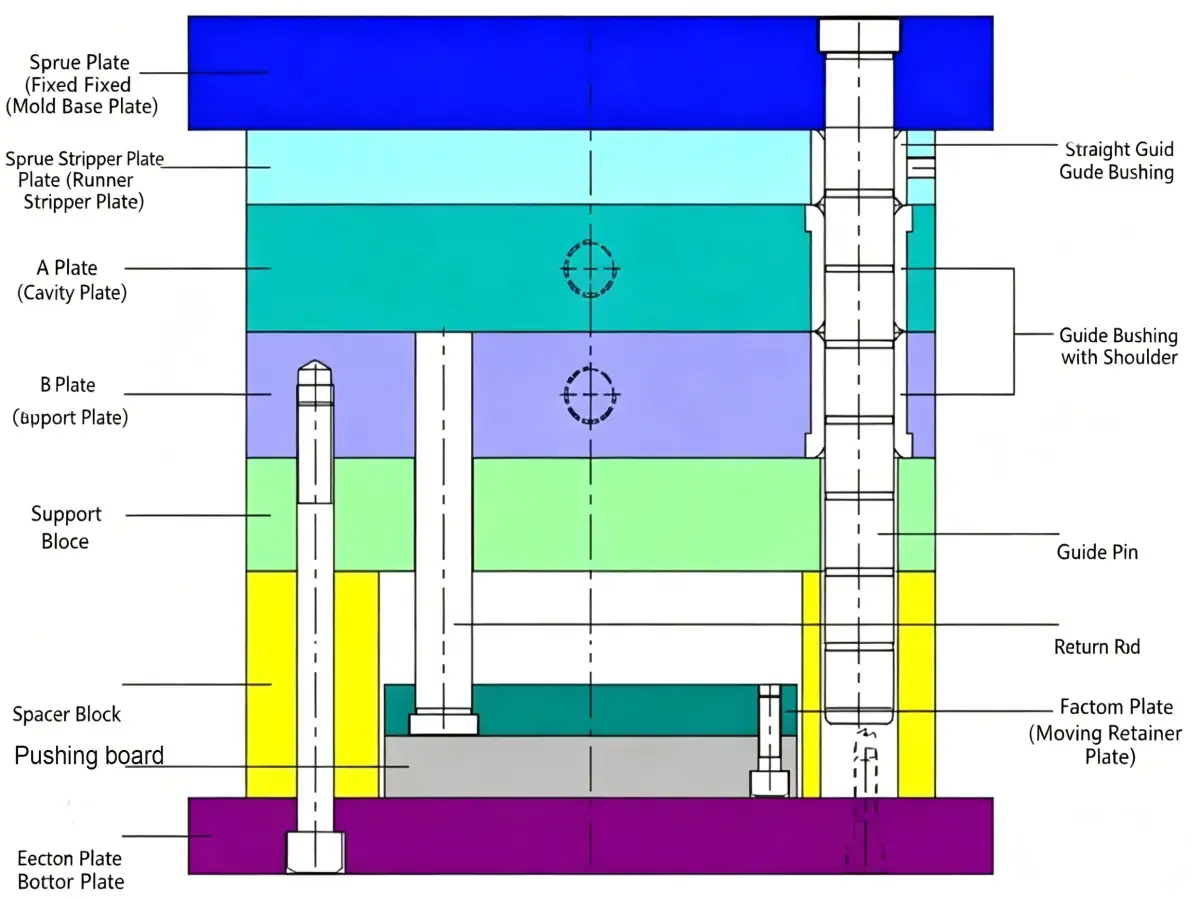
Insert Mold
An insert mold places metal or plastic inserts into the mold before injection, and molten plastic flows around them to form one integrated part. The mold is designed with positioning features to hold the inserts in place, along with standard cavity, runner, cooling, and ejection systems.
It is commonly used for parts that need extra strength or added functions. Typical applications include electrical connectors, threaded components, and reinforced structural parts, helping reduce assembly steps and improve product performance.
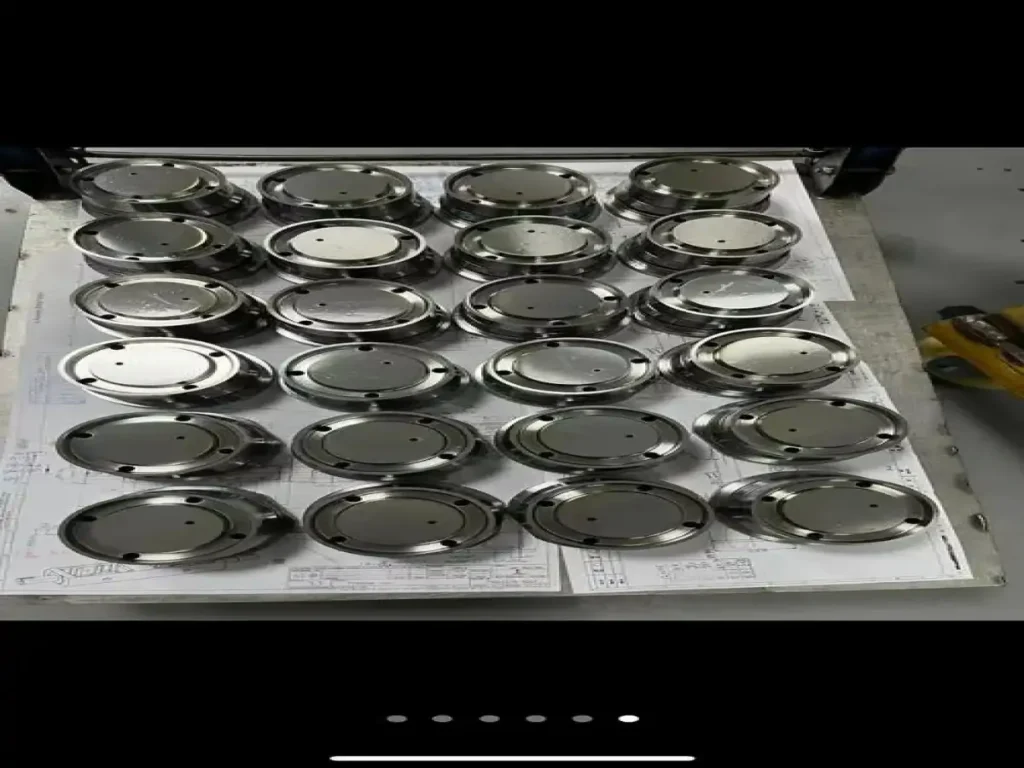
Stack Mold
A stack mold arranges multiple cavity layers vertically within one mold, so parts are produced on more than one parting surface in a single cycle. It includes multiple cavity sets, runner systems, cooling channels, and ejection systems, all aligned to run simultaneously and increase output.
It is mainly used for high-volume production where efficiency is critical. This type of mold helps improve machine utilization and reduce cost per part, making it suitable for large-scale manufacturing and standardized consumer products.
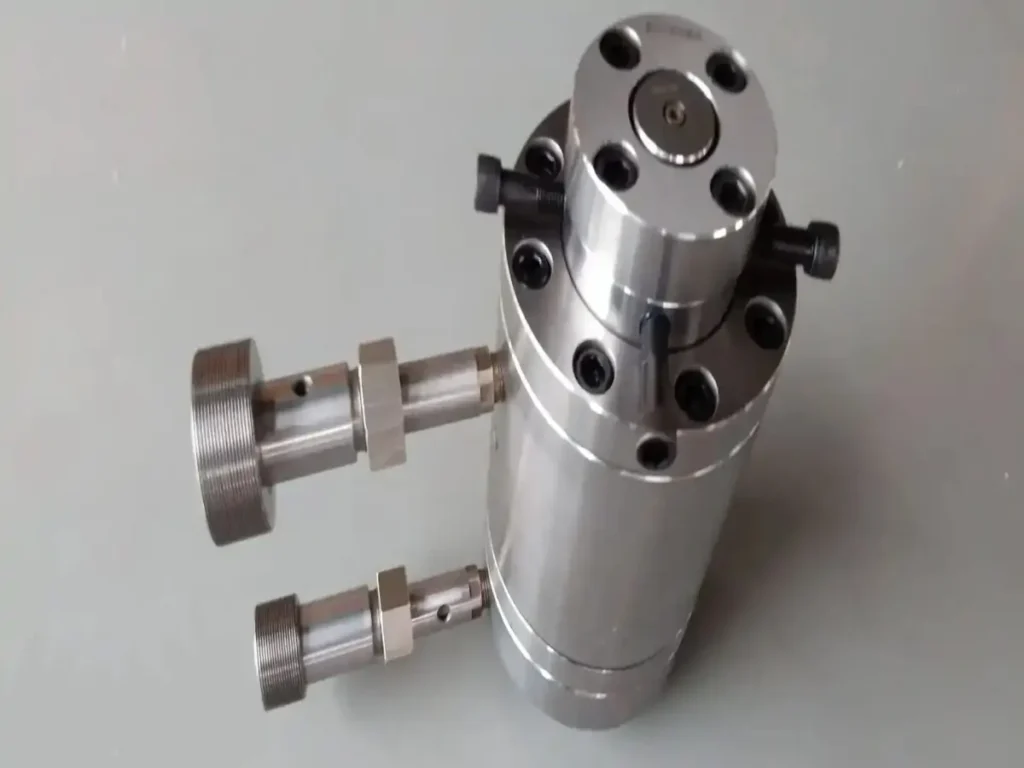
Overmold
Overmolding combines two or more materials in one molding process to form a single part. The mold is designed for multi-shot or secondary injection, with separate cavities or steps to mold the base material first and then add a second layer over it.
It is commonly used for products that need both function and comfort. Typical applications include soft-touch handles, consumer electronics housings, and automotive interior parts, where better grip, sealing, or multi-material performance is required.
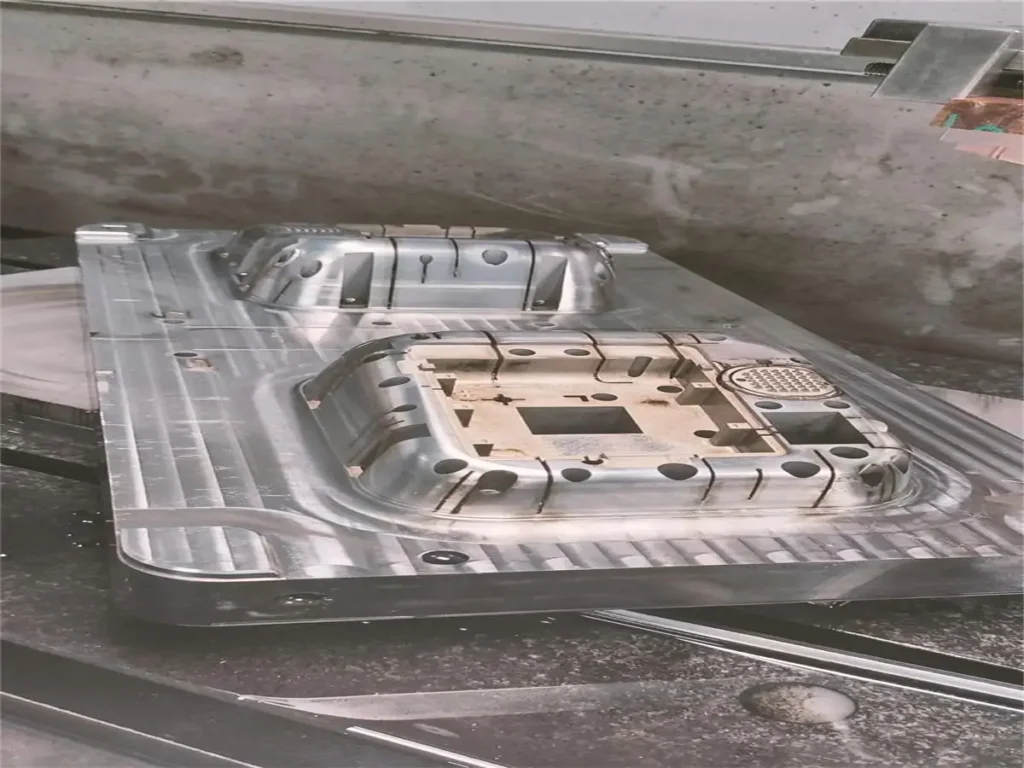
Comparison of Mold Types
| Types of Injection Molds | Structure Features | Key Advantages | Limitations | Typical Applications |
| Single Cavity Mold | One cavity; standard runner, cooling, ejection system | Simple, low cost, easy control | Low output | Prototypes, small batch, high-precision parts |
| Multi Cavity Mold | Multiple identical cavities sharing systems | High output, low unit cost | Higher mold cost, balance required | Mass production, consumer goods |
| Family Mold | Different cavities in one mold | Saves tooling cost, multi-part production | Hard to balance flow, quality variation | Assembly parts, related components |
| Hot Runner Mold | Heated manifold, no solid runner | Less waste, fast cycle, high efficiency | High initial cost, complex system | Automotive, medical, electronics |
| Cold Runner Mold | Solid runner removed after molding | Low cost, simple design | Material waste, longer cycle | Low-medium volume production |
| Two-Plate Mold | Single parting line, simple structure | Easy design, low cost | Limited gating flexibility | Standard, simple parts |
| Three-Plate Mold | Extra floating plate for runner separation | Flexible gating, better for complex parts | More complex, higher cost | Precision parts, multi-gate designs |
| Insert Mold | Insert positioning + standard mold system | Stronger parts, added functions | Extra handling for inserts | Connectors, threaded parts |
| Stack Mold | Multiple cavity layers stacked vertically | Very high output, efficient | High mold complexity and cost | High-volume production |
| Overmold | Multi-shot or secondary molding structure | Multi-material, better function | Complex process | Soft-touch, electronics, automotive |
Injection Mold Selection Guide
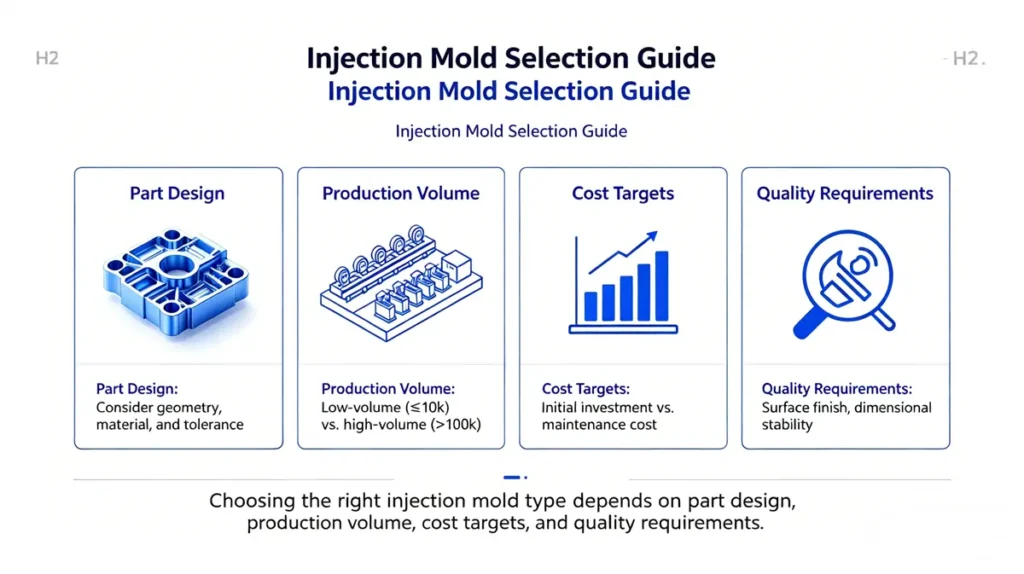
Choosing the right injection mold types depends on part design, production volume, cost targets, and quality requirements. A suitable mold not only improves efficiency but also reduces long-term production risk and cost.
How to Choose the Right Injection Mold Types
Start with your production needs. For low-volume or prototype projects, simple molds like single cavity or cold runner are more cost-effective. For high-volume production, multi cavity or hot runner molds are better for efficiency and lower unit cost. If your product has multiple components, a family mold may help reduce tooling investment.
Impact of Part Design on Mold Selection
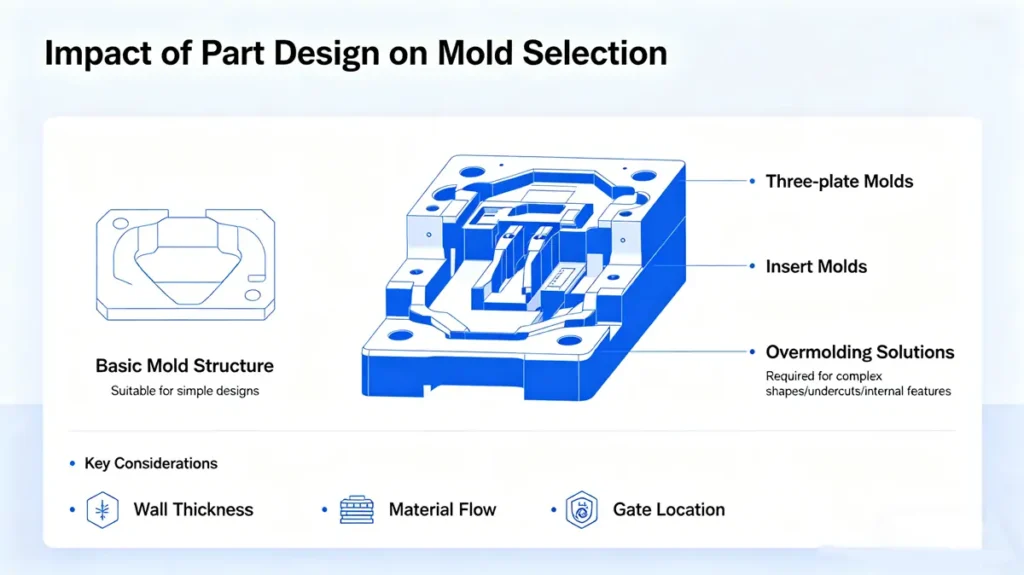
Part geometry directly affects mold choice. Simple designs can use basic mold structures, while complex shapes, undercuts, or internal features may require three-plate molds, insert molds, or overmolding solutions. Wall thickness, material flow, and gate location also need to be considered early.
Balancing Production Volume and Costs
There is always a trade-off between initial mold costs and long-term production costs. Low-cost molds are suitable for small-batch production of fewer than 50,000 units per year, but may increase unit costs. High-cost molds (such as hot-runner molds or stacked molds), while requiring a greater initial investment, can reduce scrap and improve efficiency in large-scale production exceeding 1,000,000 units per year.
Considering Precision, Cycle Time, and Budget
High-precision parts need better mold design, tighter tolerances, and stable cooling systems, which increase cost. Faster cycle time improves productivity but may require more advanced mold structures. Budget planning should consider both tooling cost and total production cost over time.
Importance of DFM (Design for Manufacturing)
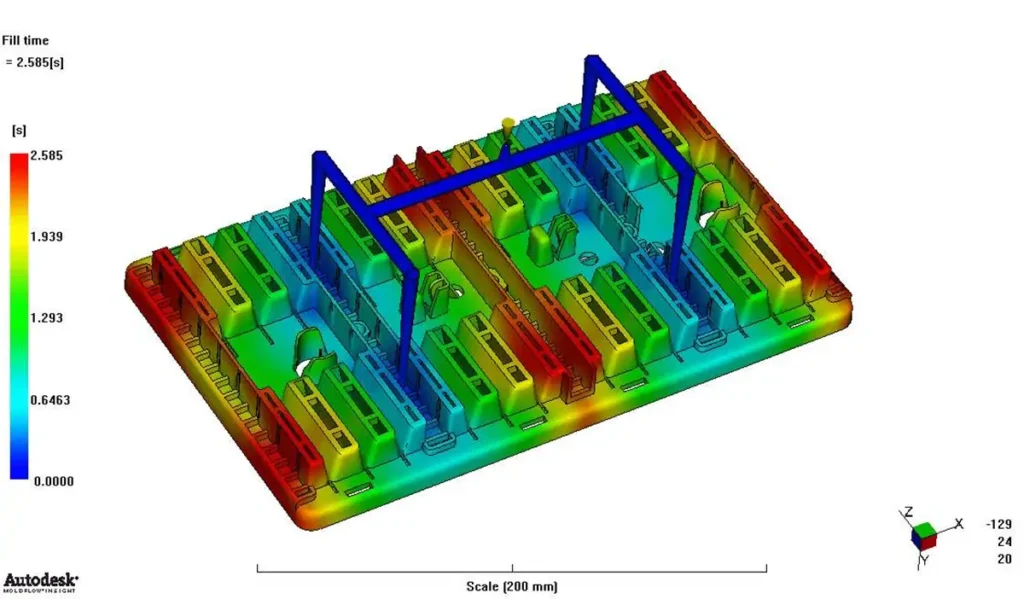
DFM analysis helps optimize part design before tooling starts. Engineers review wall thickness, draft angles, gate location, and material flow to avoid defects and reduce production issues. A good DFM process can shorten development time, lower cost, and improve final product quality.
Applications of Injection Mold Types
Injection molds are used across many industries, with different mold types selected based on product requirements, volume, and performance needs. Each industry has its own standards for precision, durability, and production efficiency.
Automotive Industry : Injection molding is widely used for structural parts and interior or exterior components. These parts often require high strength, heat resistance, and stable quality in large volumes. Multi cavity molds and hot runner systems are commonly used to improve efficiency and consistency.
Consumer Electronics : Used for housings, connectors, and small precision parts. Products usually require tight tolerances, good surface finish, and complex designs. Three-plate molds, insert molds, and overmolding are often applied to meet both functional and aesthetic requirements.
Medical Products : Medical components require high precision, clean production environments, and strict quality control. Hot runner molds and high-precision multi cavity molds are commonly used to ensure consistency and reduce contamination risk.
Industrial Components : Industrial parts focus on strength, wear resistance, and long-term stability, often with functional designs, thicker walls, or reinforced structures. Common mold choices include two-plate molds for simple durable parts, multi cavity molds for higher volume production, and insert molds when added strength or metal integration is needed, with final selection depending on part complexity and production volume.
Conclusion
In injection molding, choosing the right mold type is critical for achieving stable production, consistent quality, and cost control. Different mold structures affect production efficiency, material usage, cycle time, and the ability to handle complex designs. A proper selection helps reduce defects, improve output, and ensure long-term manufacturing stability.
At Huashuo, we provide customized injection mold solutions based on your product design, material, and production requirements. From single cavity to multi cavity, hot runner systems to complex mold structures, our team offers professional support to optimize performance and reduce overall cost.
To improve your injection molding efficiency and product quality, contact Huashuo today. Share your project details and get expert support in mold selection, design optimization, and scalable production.

Felix Lu
Senior DFM Expert · Huashuo Molding
Industry Exp.
Projects
DFM Optimization
Felix Lu has 16+ years of experience in mold manufacturing, DFM, and mass production, with a strong commitment to sharing advanced technologies and practical industry insights.