Thin Wall Injection Molding
HuaShuo provides professional thin wall injection molding services for high-volume plastic packaging and lightweight product manufacturing. Thin wall molding uses high-speed injection systems and precision molds to produce plastic parts with reduced wall thickness, faster cycle times, and lower material consumption.
Compared with conventional injection molding, thin wall molding improves production efficiency while maintaining part strength and dimensional consistency. It is widely used in food packaging, disposable containers, medical products, and lightweight consumer goods.
- ISO 9001:2015, CE
- T1 sample as fast as 2 weeks
- No minimums
What Is Thin Wall Injection Molding?
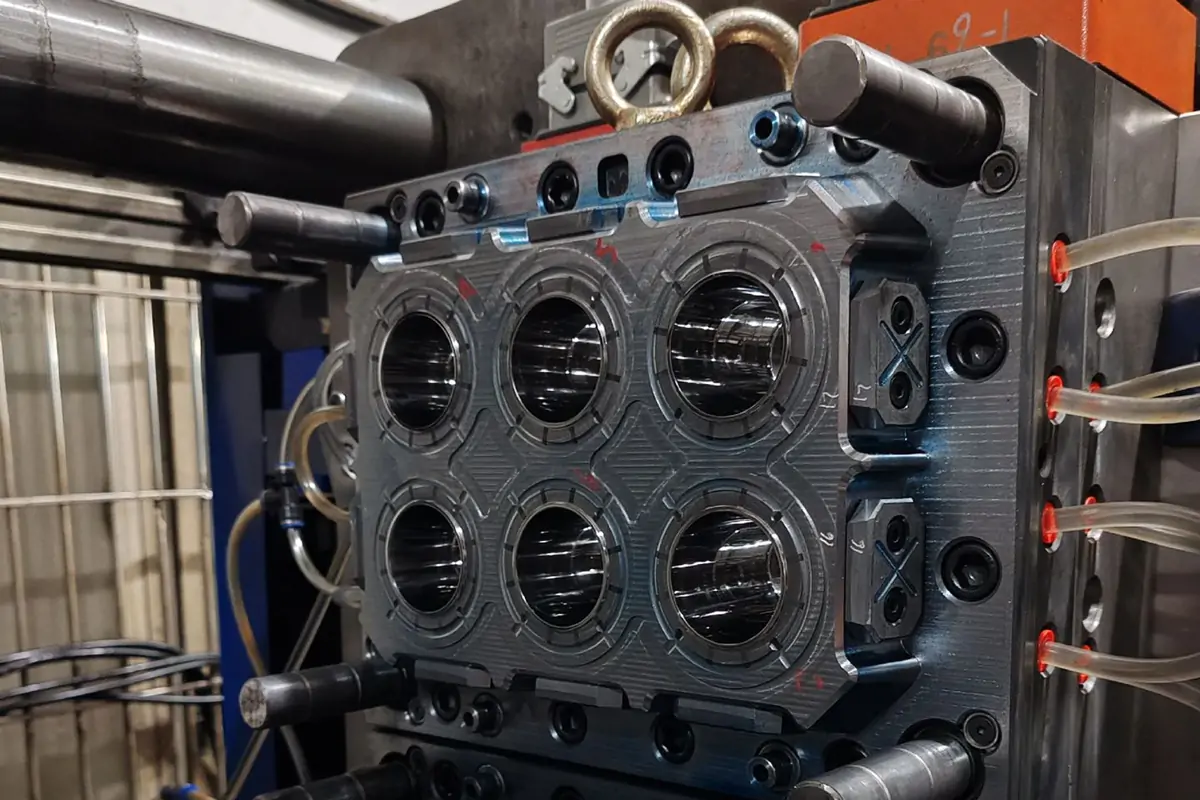
Thin wall injection molding is a specialized molding process used to manufacture plastic parts with significantly reduced wall thickness. The process requires high injection speed, optimized mold design, and precise material flow control to ensure complete filling and stable product quality.
Typical thin wall parts have wall thicknesses ranging from 0.5–1.5 mm, with flow length-to-thickness ratios often reaching 150:1 to 300:1. Thin wall molding is commonly used for lightweight packaging products that require fast production and reduced material usage.
Key Advantages of Thin Wall Injection Molding
Reduced Material Consumption
Material savings of 15–30% compared with conventional molding.
Faster Cycle Time
Typical cycle time: 3–8 seconds for higher production efficiency.
Lightweight Product Design
Thin wall structures reduce product weight while maintaining functionality.
High-Volume Manufacturing
Supports stable mass production with 8–64 cavity molds.
Improved Packaging Efficiency
Lighter products help reduce shipping and packaging costs.
Better Sustainability
Lower material usage helps reduce plastic waste.
Typical Thin Wall Injection Molding Parameters
| Capability | Specification | Description |
|---|---|---|
| Wall Thickness | 0.5–1.5 mm | Typical thin wall molding range |
| Mold Cavities | 8–64 Cavities | Suitable for high-volume production |
| Cycle Time | 3–8 s | Fast production efficiency |
| Dimensional Tolerance | ±0.05 mm | Stable precision for thin wall parts |
| Mold Life | 500,000–1,000,000 Shots | Long mold service life |
| Mold Steel | H13 / S136 | Durable mold materials |
| Surface Finish | SPI / Texture / Matte / Glossy | Multiple surface finish options |
| Supported File Formats | STEP / STP / IGES / X_T | Compatible engineering formats |
| Production Type | Automated Mass Production | Suitable for packaging industries |
| Color Customization | Pantone Matching Available | Custom brand colors supported |
Thin Wall vs Conventional Injection Molding
Thin Wall Injection Molding
Conventional Injection Molding
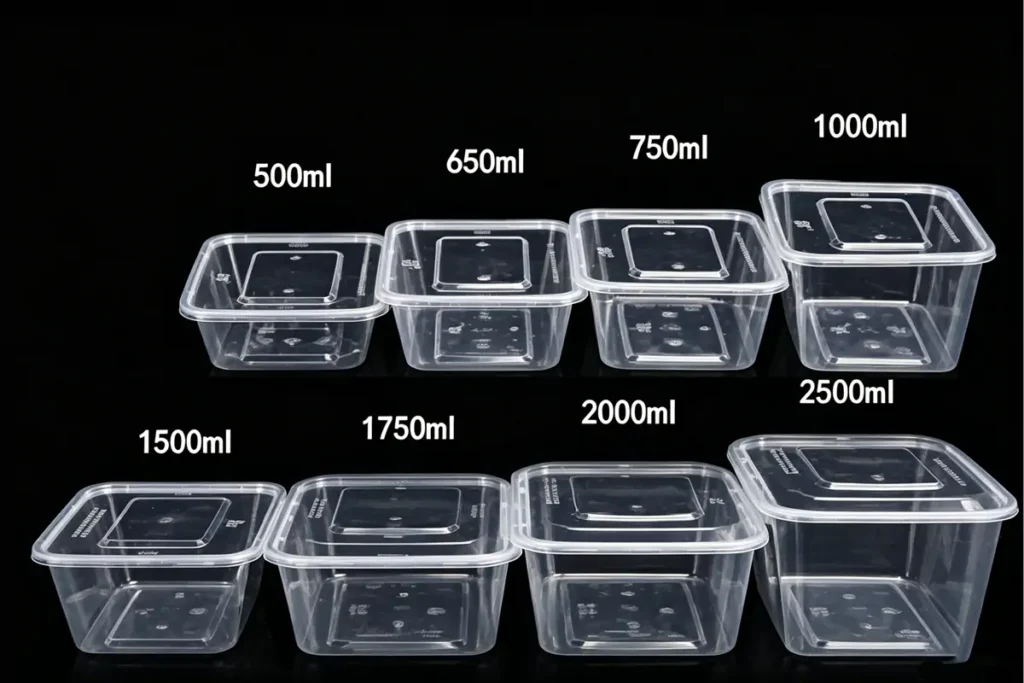

Thin wall injection molding typically uses wall thicknesses of 0.5–1.5 mm with high-speed injection systems and multi-cavity molds. The process offers faster cycle times, lower material consumption, and higher production efficiency, making it ideal for food packaging, disposable containers, and high-volume plastic products.
Common thin wall molded products include:
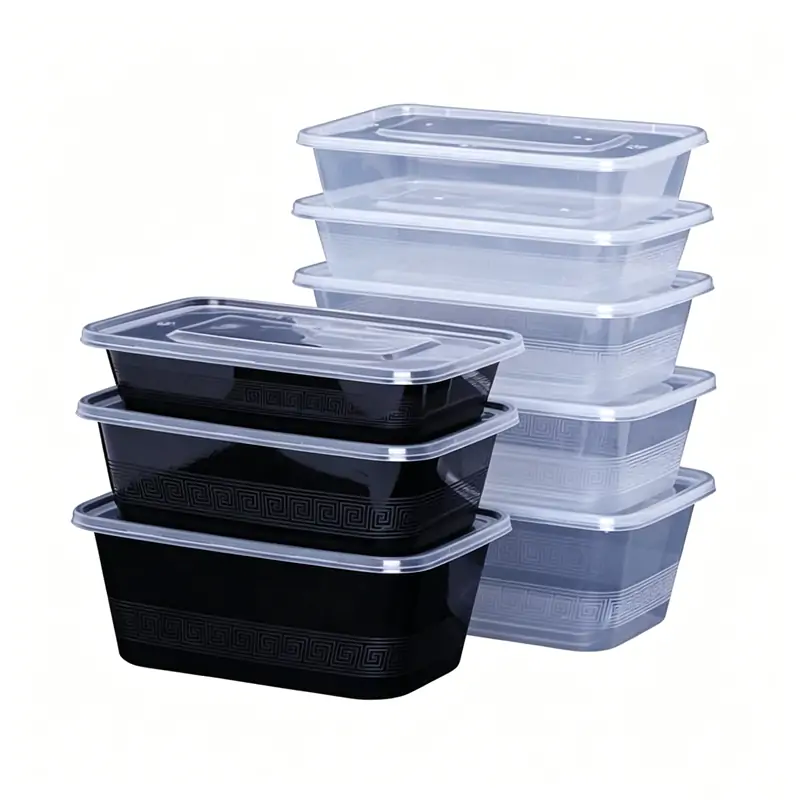
- Thin wall food containers
- Yogurt cups
- Disposable cups and lids
- Takeaway bowls
- Plastic trays
- Medical disposable packaging
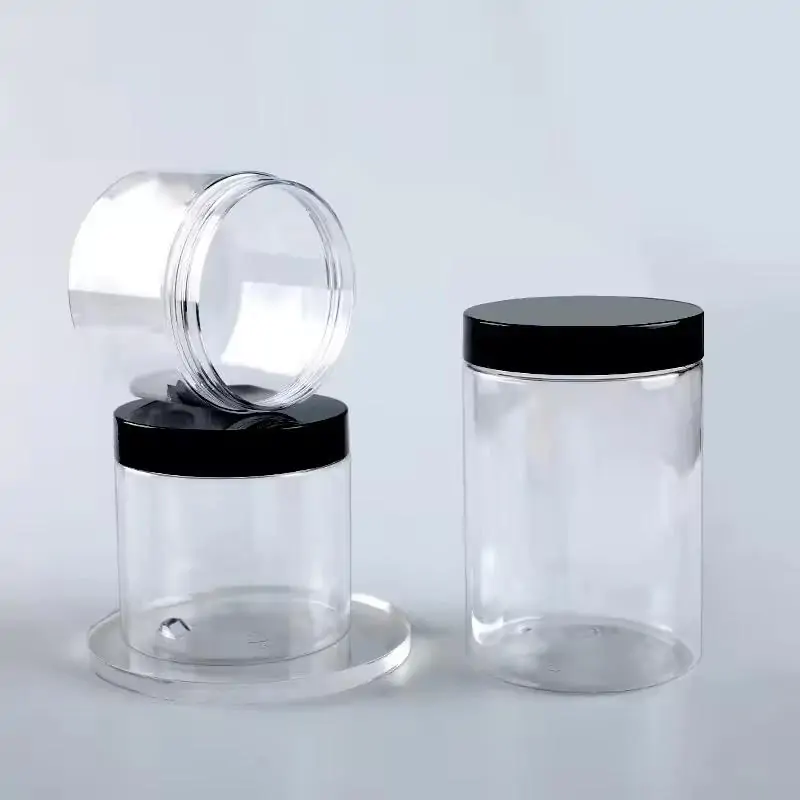
- Cosmetic packaging containers
Conventional injection molding generally uses wall thicknesses of 2–4 mm and focuses more on structural strength and versatile product designs. Compared with thin wall molding, it has higher material usage and slower production cycles, but it is suitable for thicker structural parts and general industrial applications.
Common conventional injection molded products include:
- Appliance housings
- Automotive interior parts
- Industrial plastic components
- Electronic enclosures
- Storage containers
- Structural plastic parts
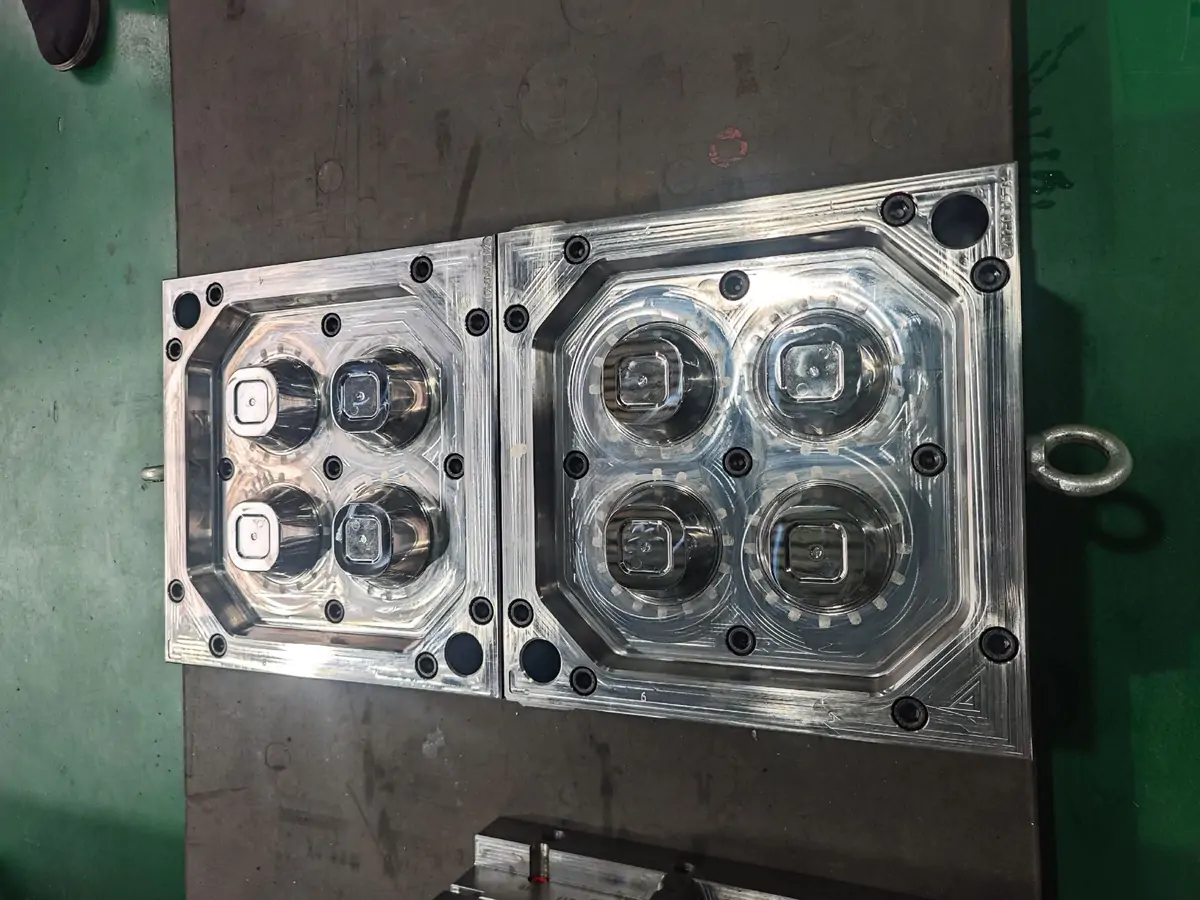
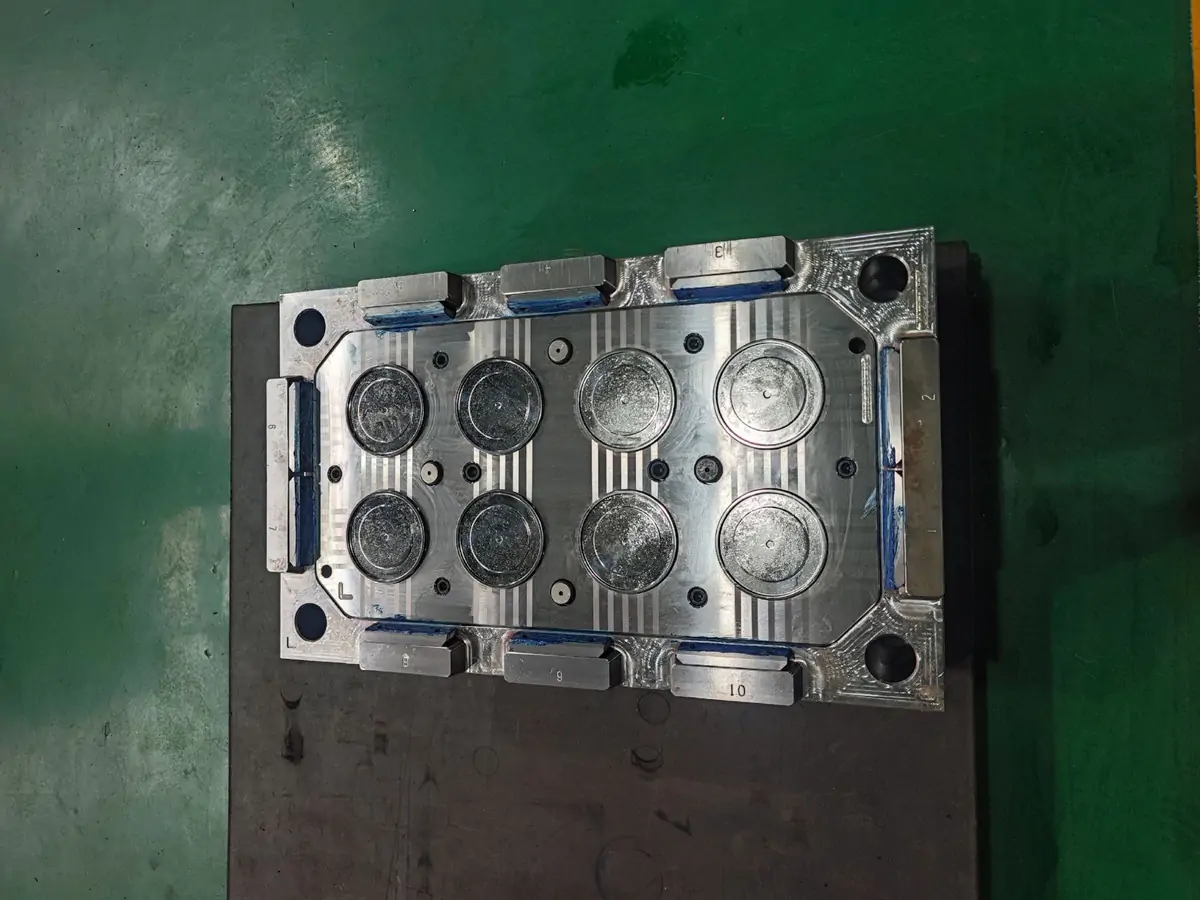
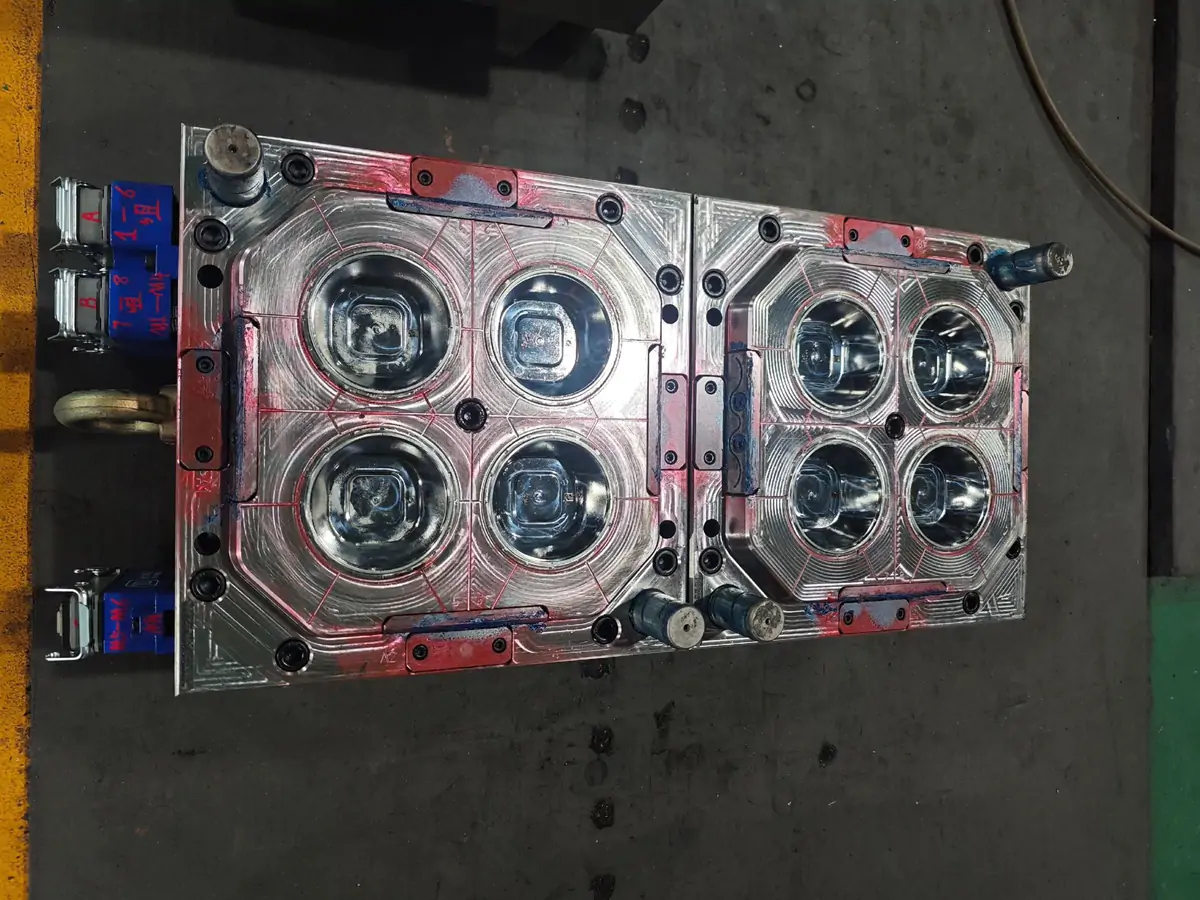
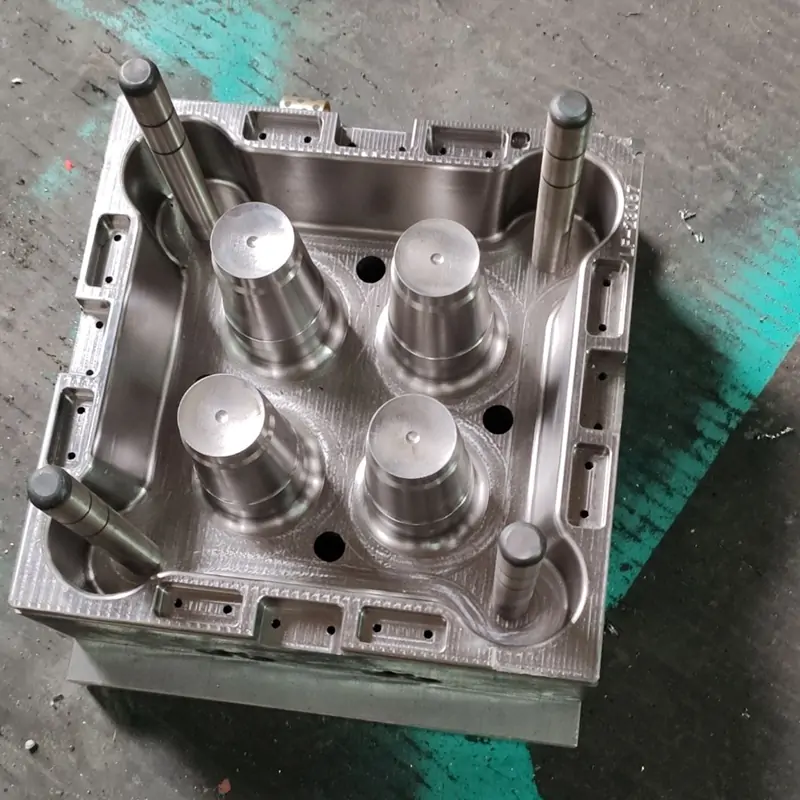
Product Display
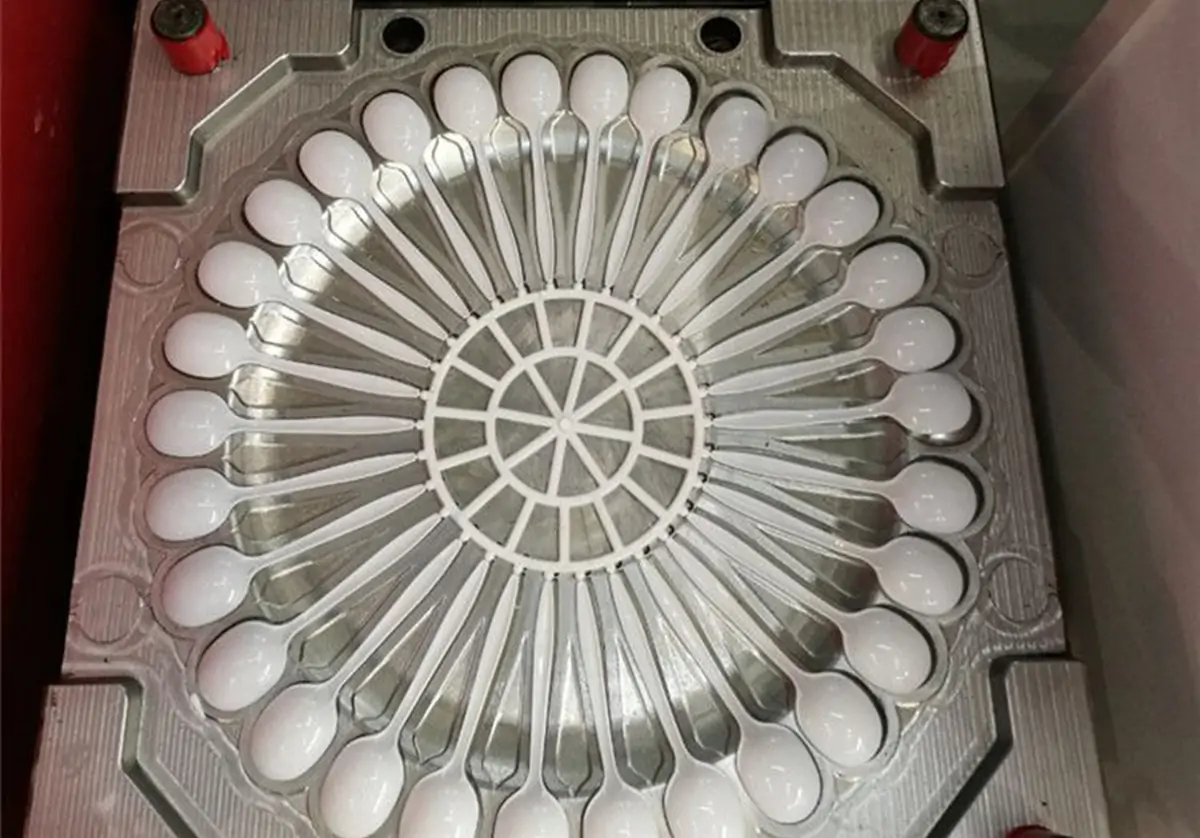
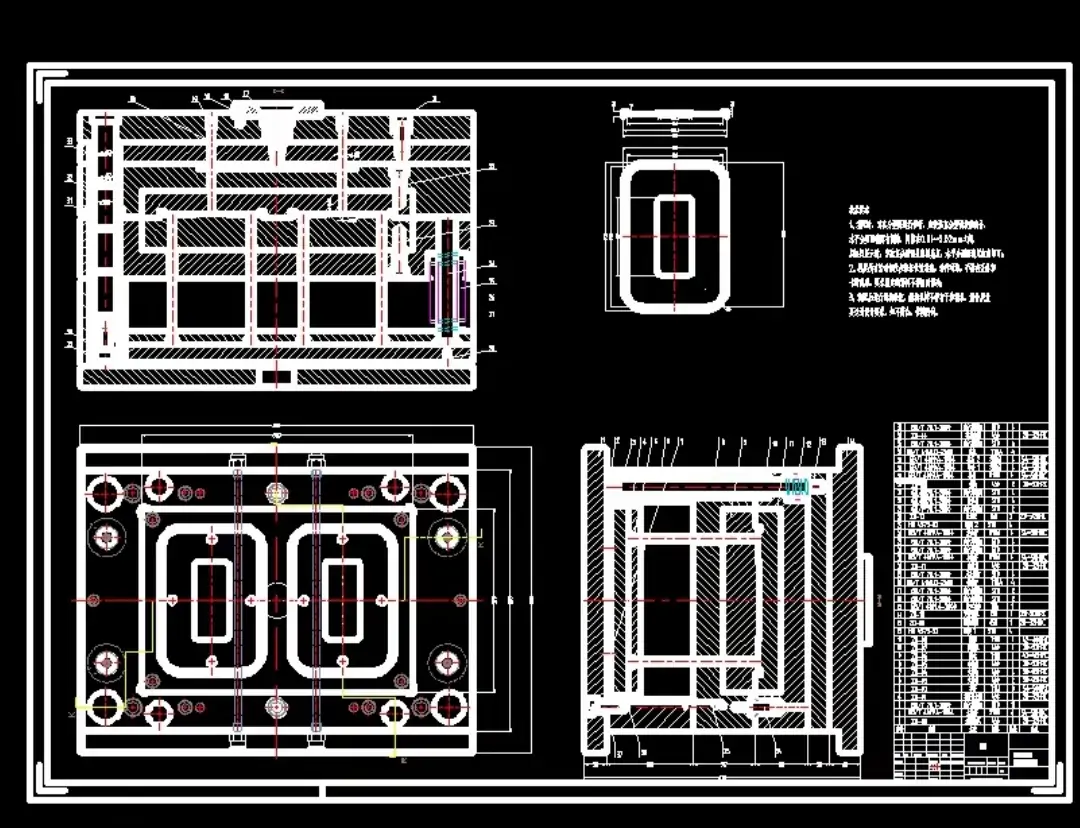
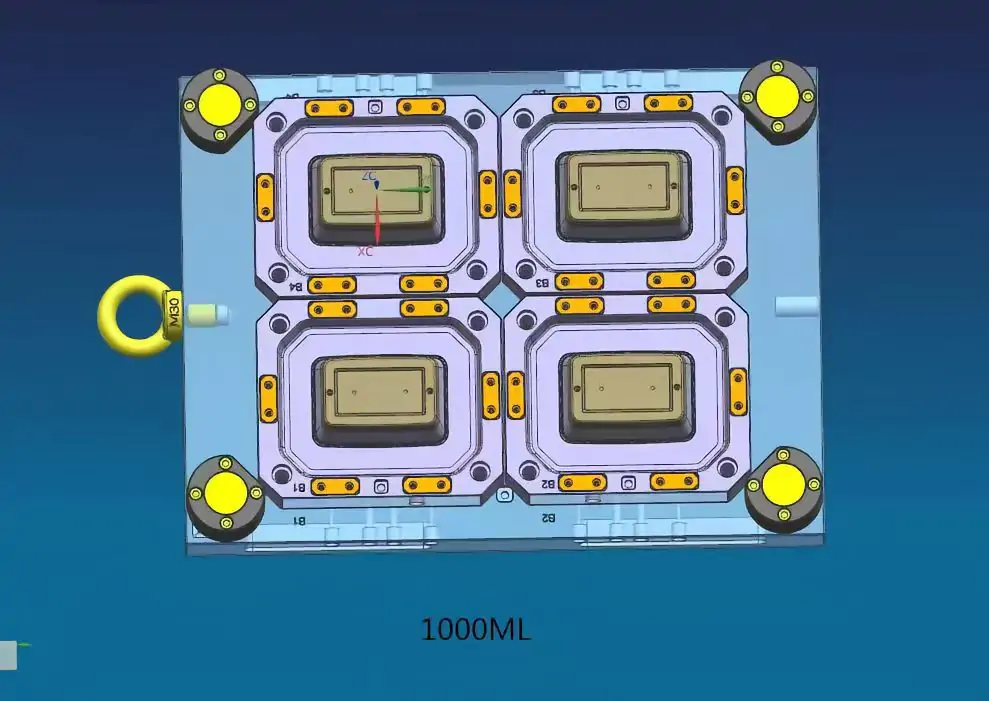
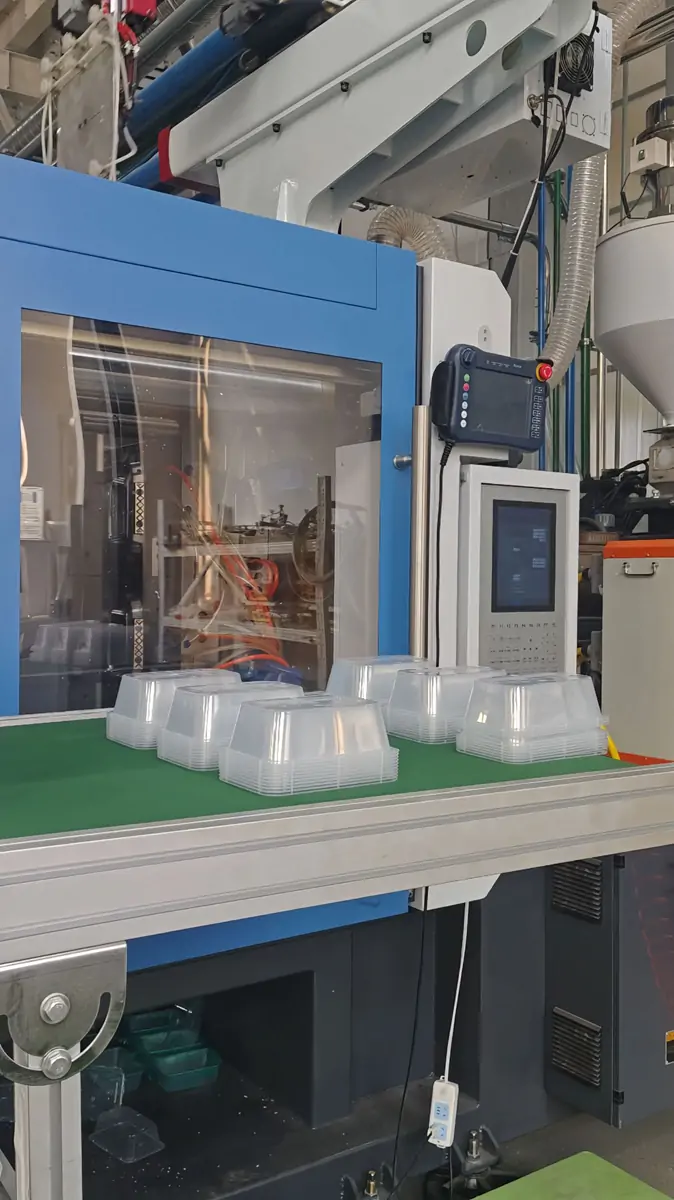
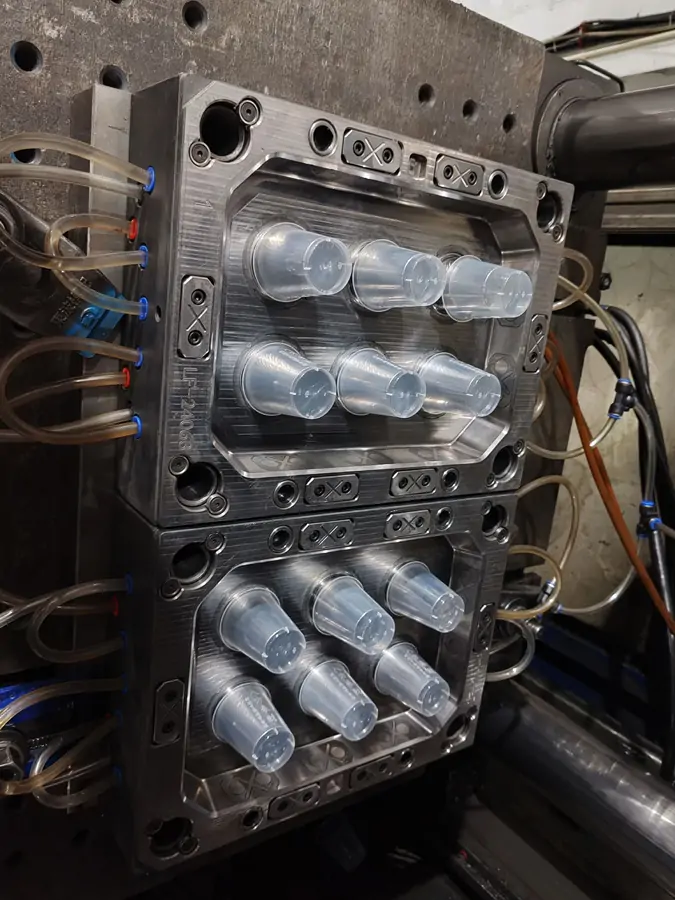
Material Selection for Thin Wall Injection Molding
| Material | Advantages | Limitations | Common Thin Wall Products |
|---|---|---|---|
| PP | High flowability, lightweight, low cost, fast cycle time, food-safe | Lower rigidity than engineering plastics | Thin wall food containers, yogurt cups, takeaway bowls, plastic lids |
| HDPE | Good impact resistance, durable, moisture and chemical resistant | Lower rigidity and transparency | Dairy containers, disposable packaging, storage containers |
| PS | High rigidity, glossy surface, cost-effective, easy processing | Brittle and lower impact resistance | Yogurt cups, dessert containers, disposable trays, drink cups |
| PET | Excellent transparency, good rigidity, premium appearance | Higher processing requirements, moisture sensitive | Clear food containers, salad bowls, transparent trays |
| ABS | Good strength, dimensional stability, high-quality appearance | Higher material cost and molding temperature | Electronic housings, cosmetic packaging, consumer product shells |
Common Thin Wall Injection Molded Products
Thin wall injection molding is widely used for high-volume production of lightweight plastic products that require fast cycle times, reduced material usage, and stable dimensional quality. HuaShuo supports a wide range of thin wall molded products for packaging and consumer markets.
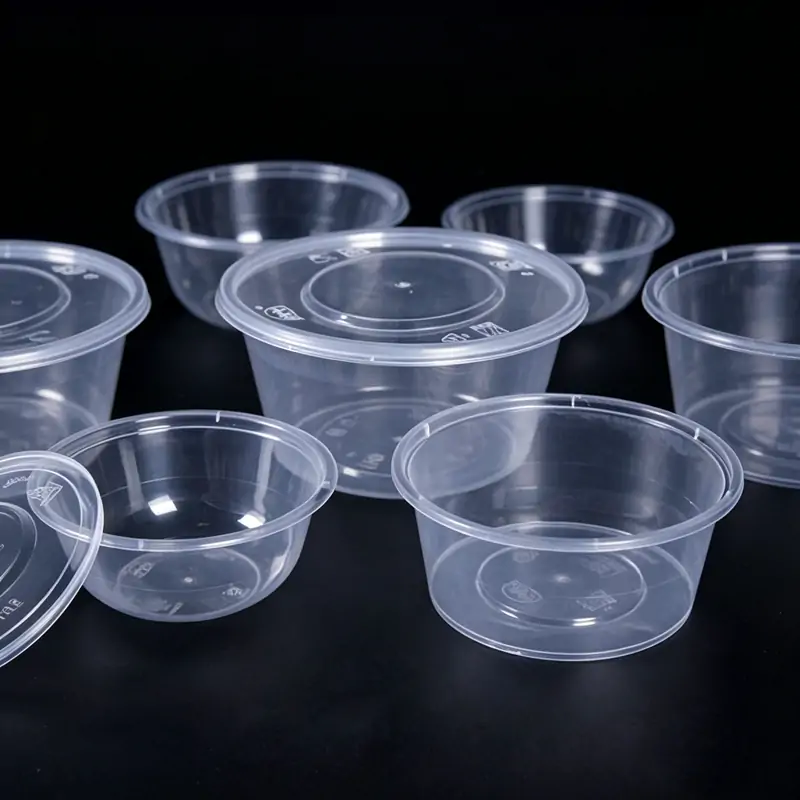
Food Containers
Thin wall food containers with typical wall thickness of 0.5–1.2 mm are designed for meal storage, takeaway packaging, and ready-to-eat food applications. They require stable sealing performance and high-speed molding efficiency.
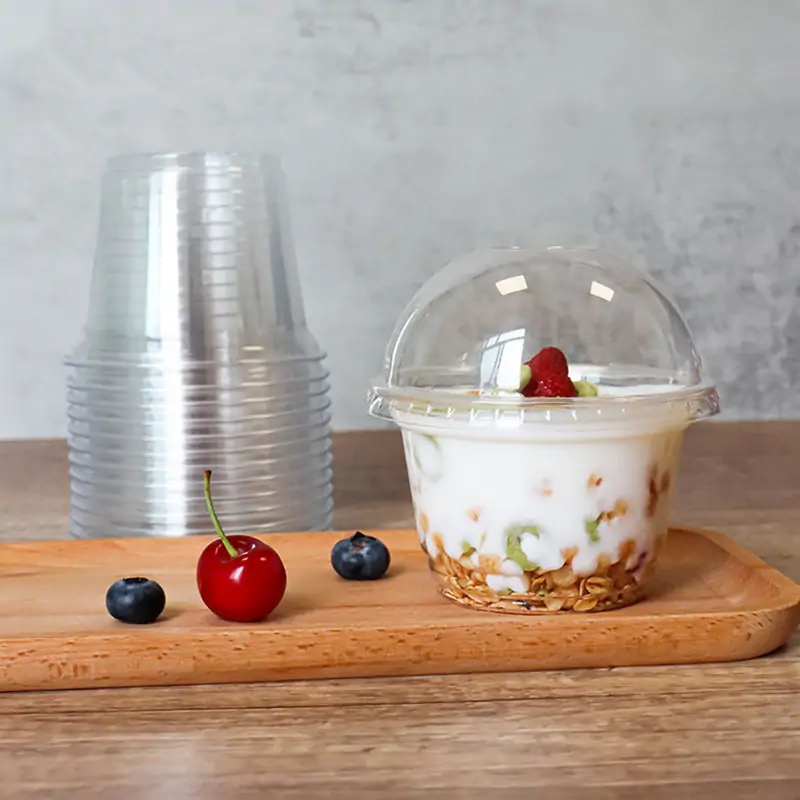
Yogurt & Dairy Cups
High-volume dairy cups typically use 8–32 cavity molds with cycle times around 3–6 seconds, ensuring consistent production for large-scale dairy packaging.

Beverage Cups
Disposable beverage cups are commonly produced with wall thickness of 0.4–1.0 mm, optimized for lightweight design and fast filling during high-speed injection molding.
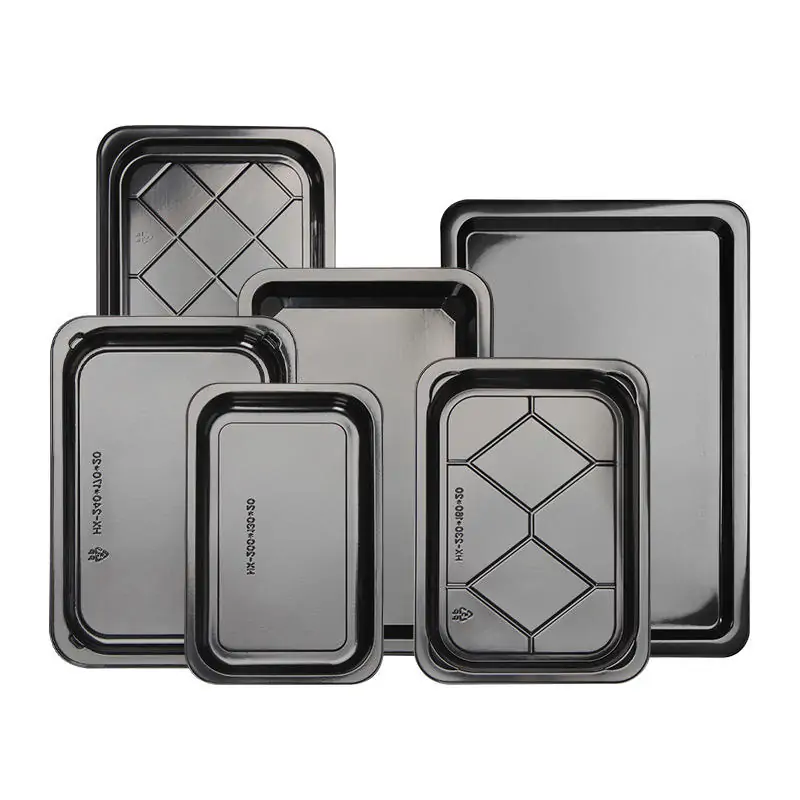
Plastic Trays
Plastic trays for food and retail packaging are produced with dimensional tolerance of around ±0.05 mm, ensuring stacking stability and consistent geometry in mass production.
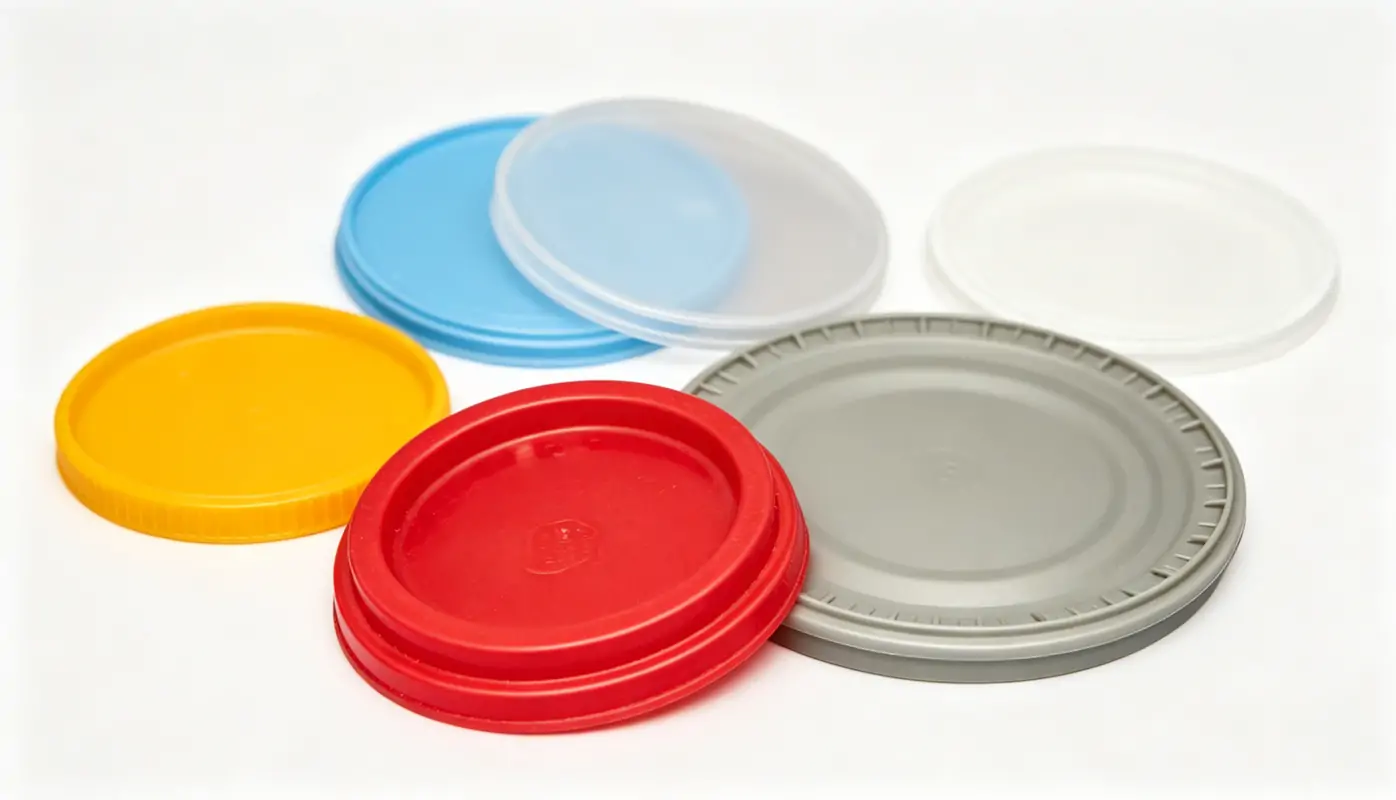
Lids & Closures
Thin wall lids require precise mold matching with shrinkage control typically within 1.5–2.5%, ensuring tight sealing performance with containers.
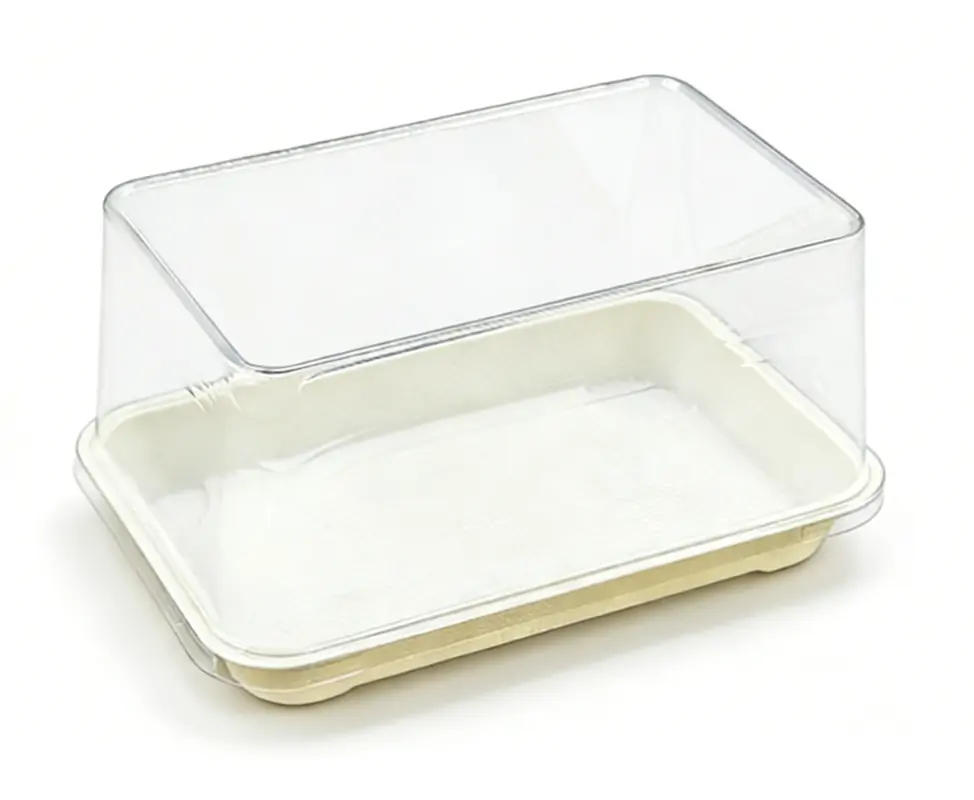
Disposable Packaging Parts
Includes portion cups and sample containers with lightweight structures, typically produced using high-flow PP or PS materials for fast cycle time and low cost.
Common Thin Wall Injection Molding Defects & Solutions
Thin wall injection molding requires precise control of mold design, material flow, cooling balance, and processing conditions. Due to the ultra-thin wall structure and high-speed filling characteristics, defects may occur if the mold or molding parameters are not properly optimized.
HuaShuo improves product consistency and production stability through optimized mold engineering and scientific injection molding control.
| Defect | Typical Causes | Mold Optimization | Processing Improvement |
|---|---|---|---|
| Short Shot | Insufficient filling caused by poor venting, low injection pressure, insufficient shot size, or overly thin wall sections | Improve venting, enlarge gate or runner, optimize wall thickness | Increase injection pressure and shot size, raise melt temperature |
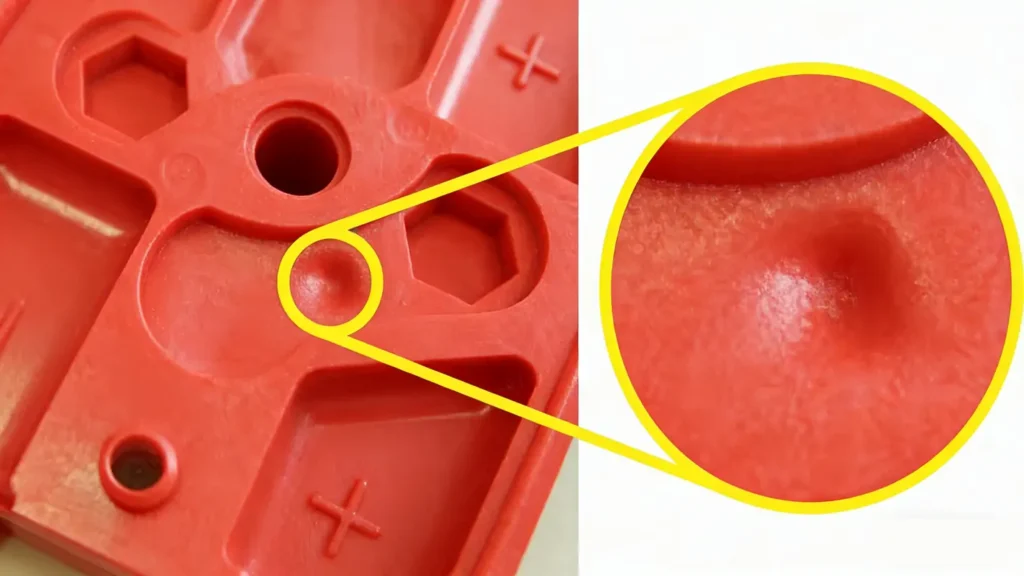
| Sink Marks | Uneven wall thickness or excessive material accumulation around ribs and bosses | Reduce thick sections, enlarge gate and runner, improve venting | Increase holding pressure and holding time, raise melt temperature |
| Flow Marks / Surface Shadows | Stress marks behind ribs or bosses caused by improper mold structure or excessive injection speed | Modify core or ejector design, apply texture or matte surface treatment | Reduce injection speed and pressure |
| Gas Marks | Air entrapment near gates due to poor gate position or excessive filling speed | Optimize gate location, enlarge cold slug well, polish runner | Increase mold temperature, lower injection speed |
| Weld Lines | Material flow fronts meet after cooling around inserts or multiple gates | Add venting grooves, redesign gate position, add cold slug wells | Increase melt and mold temperature |
| Flash | Poor mold sealing, excessive injection pressure, or insufficient clamping force | Repair mold parting surface and improve alignment | Reduce injection pressure and melt temperature, increase clamping force |
| Warping | Uneven cooling stress in large or thin wall parts | Optimize ejector layout and cooling system | Adjust mold temperature and holding pressure |
| Surface Contamination | Mold surface contamination, residue, or rough cavity finish | Polish mold surface and clean cavity regularly | Reduce mold temperature when necessary |
| Stress Whitening | Excessive demolding stress at corners or rib roots | Increase draft angle and corner radius, improve ejector layout | Reduce injection speed and holding pressure |
| Drag Marks / Scratches | Insufficient draft angle or rough mold surface during demolding | Increase draft angle and polish mold surface | Reduce holding pressure and injection pressure |
| Air Bubbles / Voids | Poor venting or moisture in transparent materials such as PC | Improve venting and enlarge gate size | Proper material drying, increase injection pressure |
| Mismatch / Step Marks | Poor alignment between mold inserts, sliders, or shut-off areas | Correct mold alignment and fitting accuracy | Recheck mold clamping condition |
| Burn Marks | Trapped gas compressed at high speed during filling | Improve venting and gate layout | Reduce injection speed and melt temperature |
| Silver Streaks | Moisture, trapped gas, or material degradation | Improve runner and venting system | Dry material thoroughly and reduce barrel temperature |
| Dimensional Instability | Improper shrinkage control or unstable molding conditions | Optimize gate size and mold cooling | Adjust holding pressure and mold temperature |
Why Choose HuaShuo for Thin Wall Injection Molding
HuaShuo focuses on stable high-volume thin wall injection molding production with controlled precision, fast cycle efficiency, and consistent quality for packaging and industrial applications.
Stable Mass Production Capability
Supports high-volume manufacturing with multi-cavity molds ranging from 8 to 64 cavities, ensuring consistent output for large-scale production projects.
Precision Mold Engineering
Mold design and manufacturing accuracy is controlled to ensure stable wall thickness and dimensional consistency, typically within ±0.05 mm tolerance.
High-Speed Production Efficiency
Optimized for thin wall molding with cycle times typically between 3–8 seconds, improving overall production efficiency and cost performance.
Consistent Quality Control
Strict process control ensures stable shrinkage rate of 1.5–2.5% and uniform product quality across mass production batches.
Applications of Thin Wall Injection Molding
Thin wall injection molding is mainly used in industries that require high production efficiency, low material consumption, and large-scale standardized manufacturing. HuaShuo supports stable mass production across multiple industries.
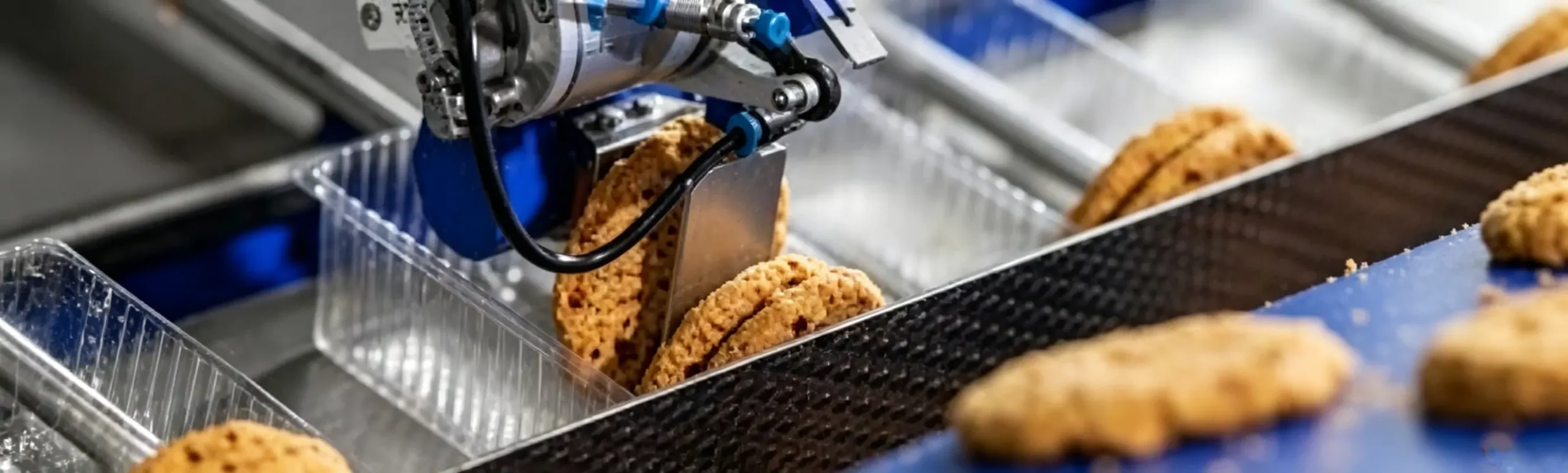
Food Packaging Industry
Used for fresh food, ready meals, dairy packaging, and takeaway food containers with strict hygiene and fast production requirements.

Beverage Industry
Widely applied in cups, lids, and lightweight beverage packaging requiring high-speed production and dimensional consistency.
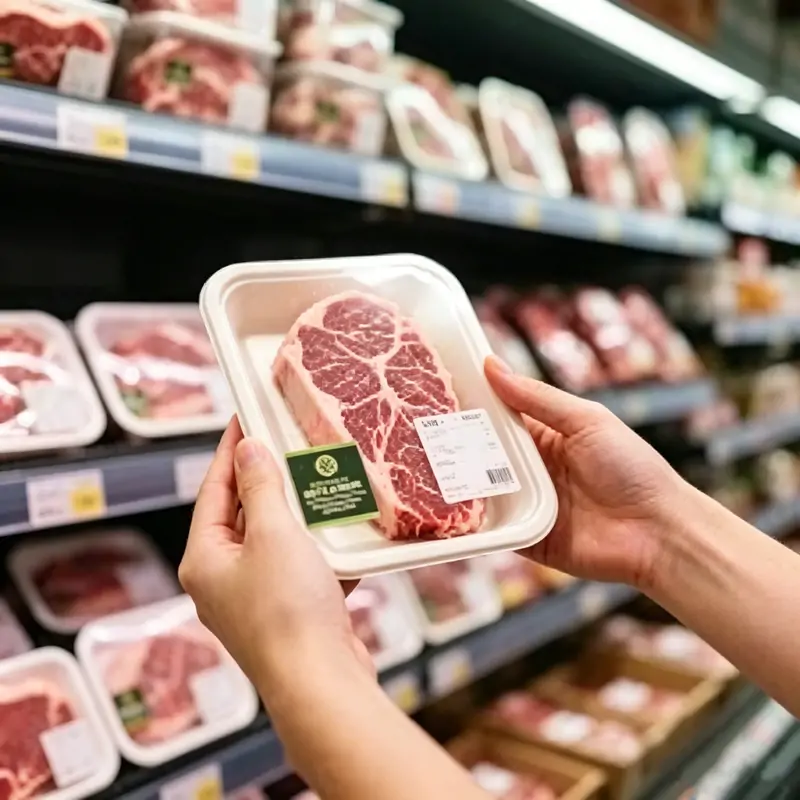
Retail & Supermarket Packaging
Used for transparent display containers and packaging trays designed for shelf presentation and product visibility.

Medical & Healthcare Packaging
Applied in disposable trays, sample containers, and hygiene packaging with stable quality requirements.
Consumer Goods Industry
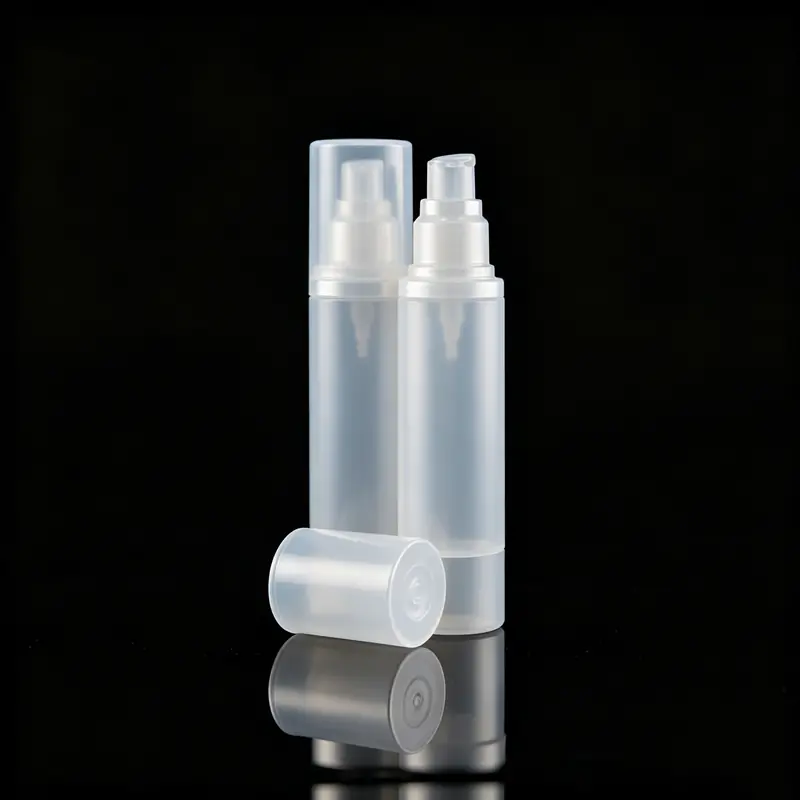
Used for cosmetic packaging, personal care containers, and lightweight daily-use plastic products.
E-commerce & Delivery Packaging
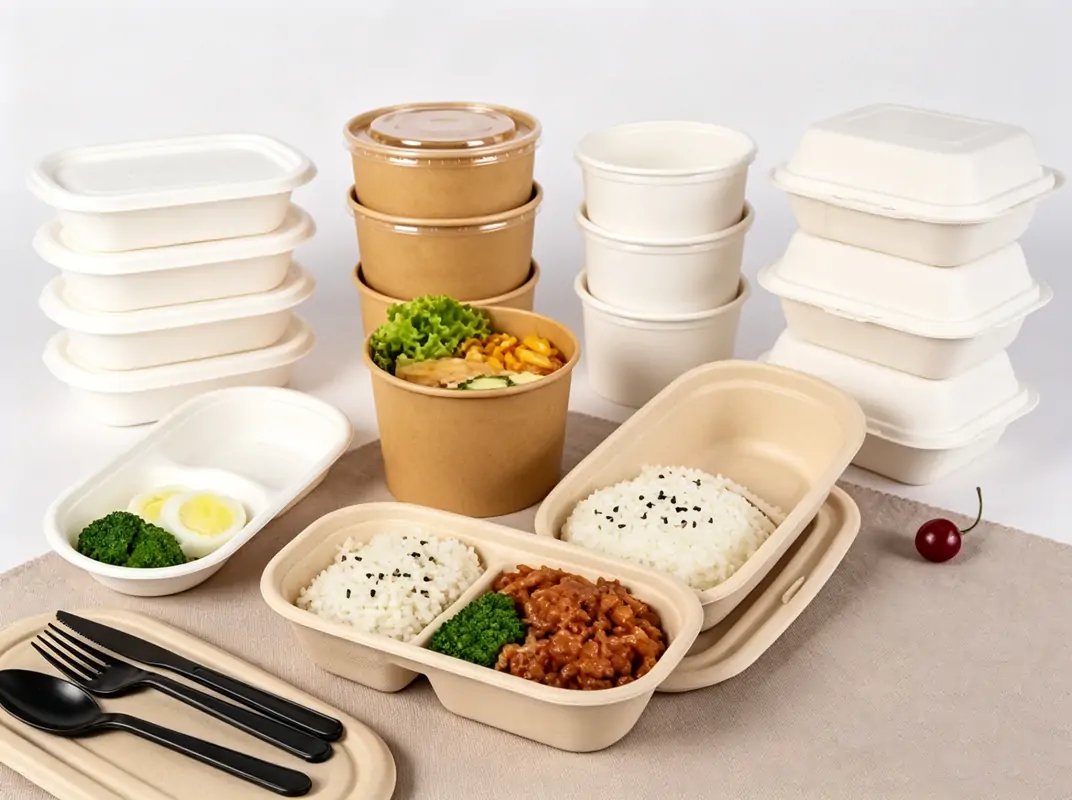
Designed for fast-moving logistics packaging, food delivery containers, and takeout systems.
FAQS
Everything You Need to Know About Our Thin Wall Injection Molding
Request a Quote
From mold design to mass production, we offer end-to-end solutions.
Tell us about your application, materials, and volume requirements. Our team will recommend the right process and deliver a tailored manufacturing solution.
More Services
Acrylic Injection Molding
Acrylic Injection Molding Acrylic injection molding is a manufacturing process…Plastic Injection Molding Materials
Plastic Materials for Injection Molding Huashuo provides a comprehensive range…PE Injection Molding
PE Injection Molding Polyethylene (PE) injection molding is widely used…PP Injection Molding
PP Injection Molding PP injection molding (polypropylene injection molding) is…

Related Articles
Types of Gates in Injection Molding: Complete Guide to Gate Design
Introduction Injection molding is a highly efficient manufacturing process used…What is Important Back Pressure in Injection Molding?
In injection molding, the pressure applied behind the screw plays…What Causes Shrinkage In Injection Molding?
Shrinkage in injection molding is one of the primary causes…How To Calculate Clamping Force In Injection Moulding?
In the injection molding process, clamping force (mold clamping force)…