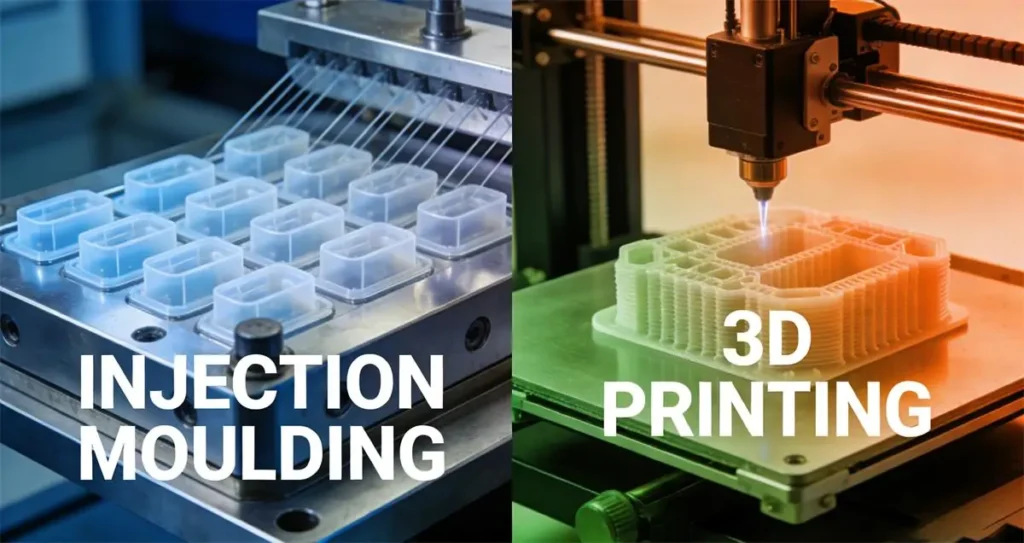
End to End Product Development Services for Injection Molded Parts
Product development is essential for turning ideas into manufacturable, cost-efficient products. At Huashuo, we provide end-to-end injection molding solutions—from design and DFM to prototyping and mass production—helping reduce risk, shorten lead times, and ensure production-ready results.
Why Develop a New Product?
In today’s competitive landscape, investing in product development services is essential to keep pace with evolving market demands. New injection molding product development is driven not only by innovation but also by the need to improve existing designs, enhance performance, and maintain competitiveness through continuous engineering optimization.
From a technical perspective, injection molding product development enables manufacturers to refine part geometry, optimize material selection, and reduce production risks before mass production. By addressing manufacturability early, companies can lower costs, improve product reliability, and respond faster to market changes with production-ready solutions.
Product Development Process
A structured development process reduces risk, shortens lead time, and ensures manufacturability. By combining engineering validation with production planning, each stage is optimized to prevent costly errors and ensure a smooth transition from concept to mass production.
1. Define the Problem
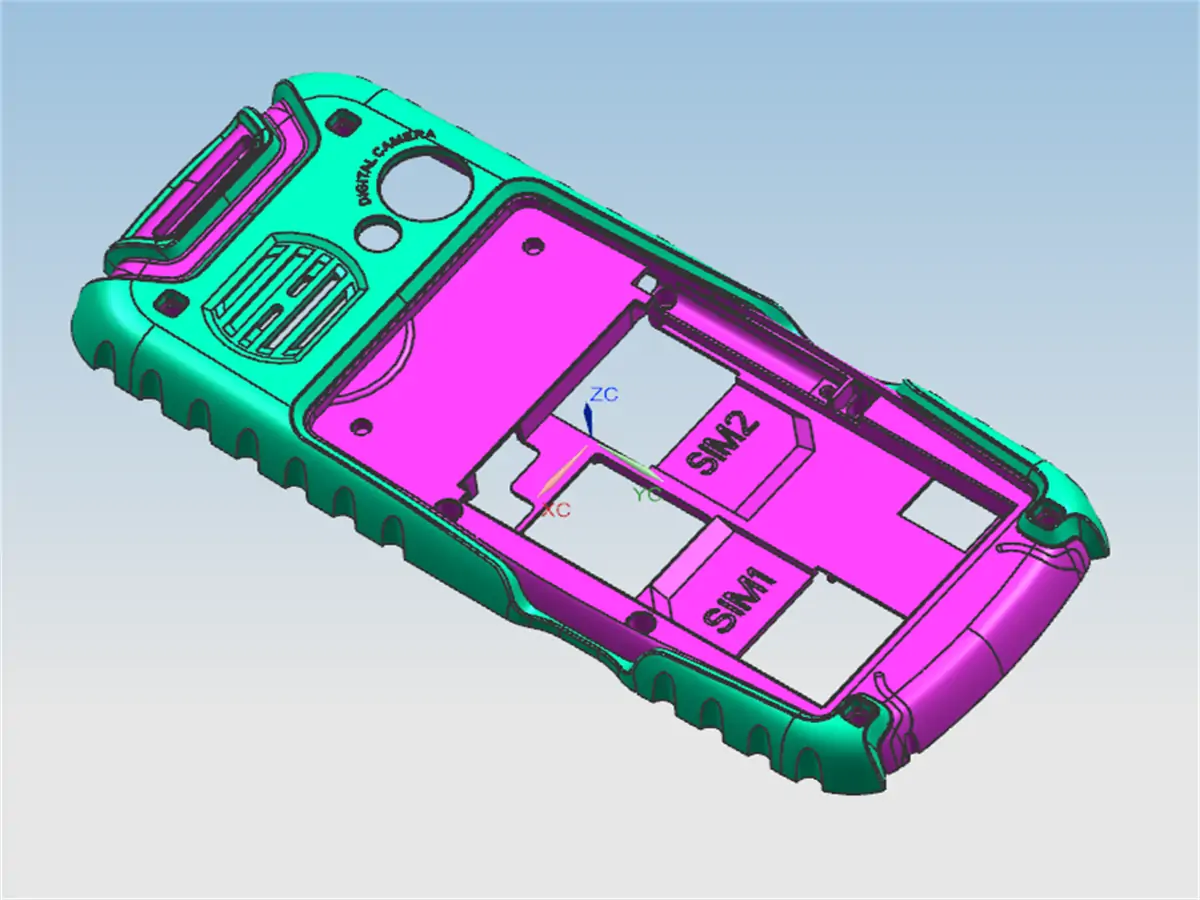
The foundation of successful product development lies in clear product requirement analysis and design input definition. This stage focuses on understanding customer needs—both functional and aesthetic—while identifying design constraints such as cost targets, material selection, and expected production volume. Early risk identification is critical, including potential structural issues, manufacturability challenges, and market feasibility. A well-defined problem ensures the entire development process moves in the right direction.
2. Generate and Validate Solutions
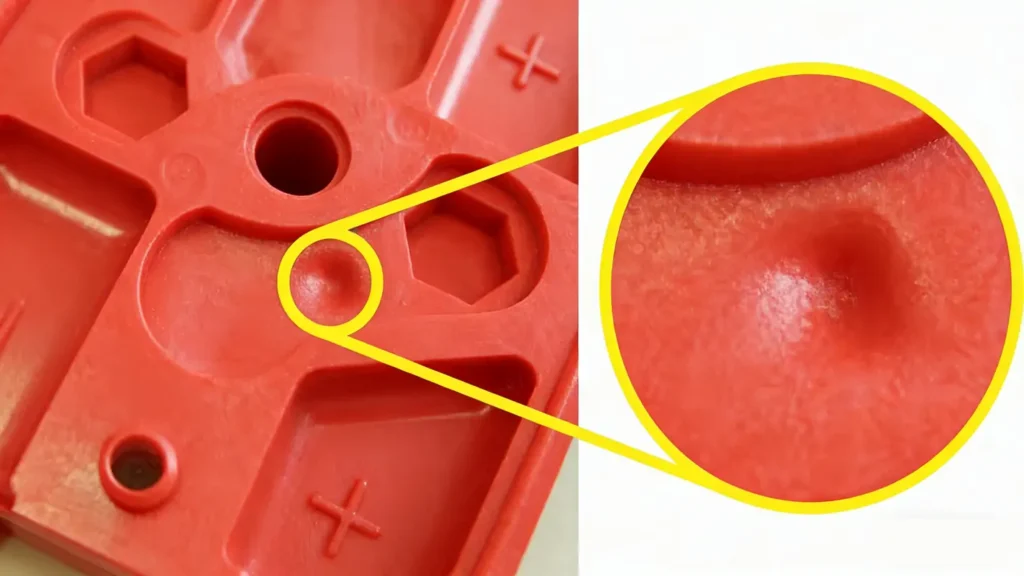
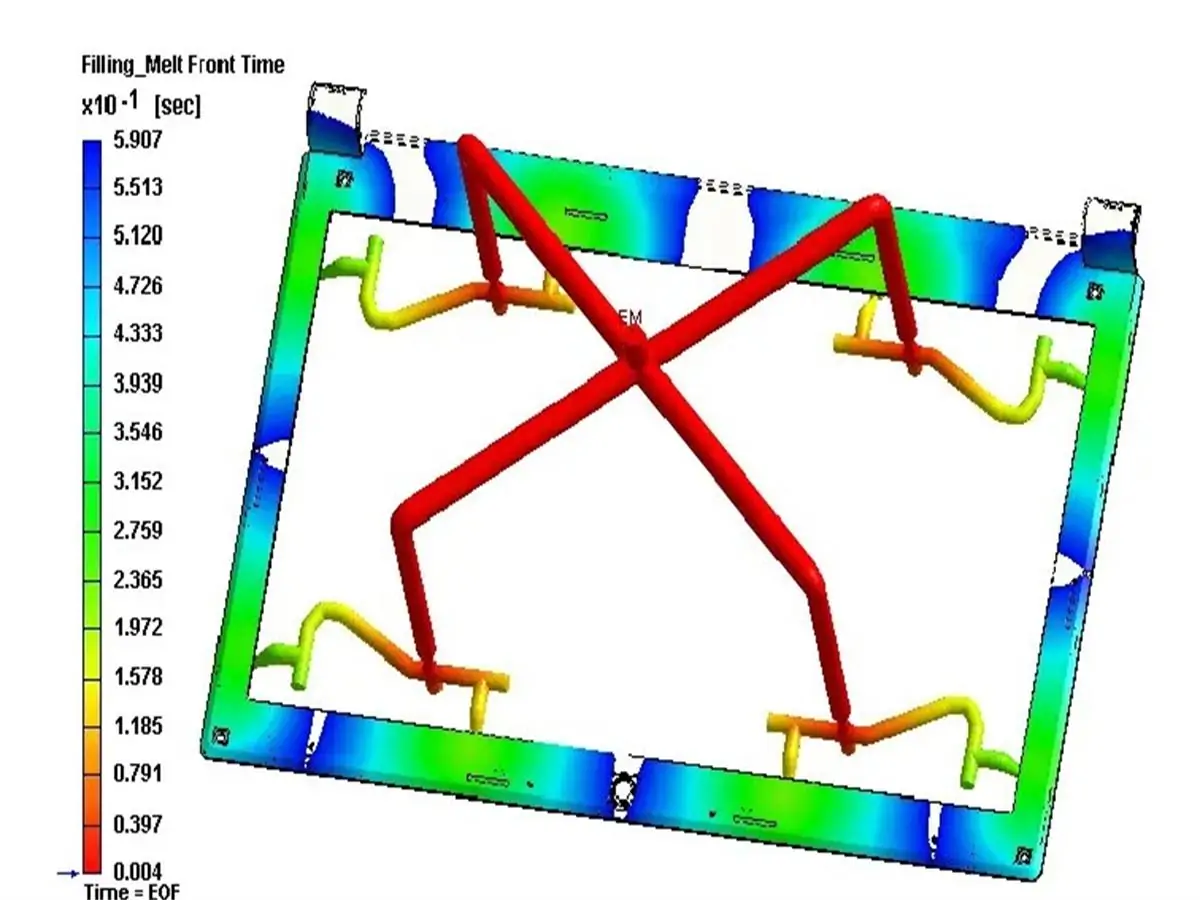
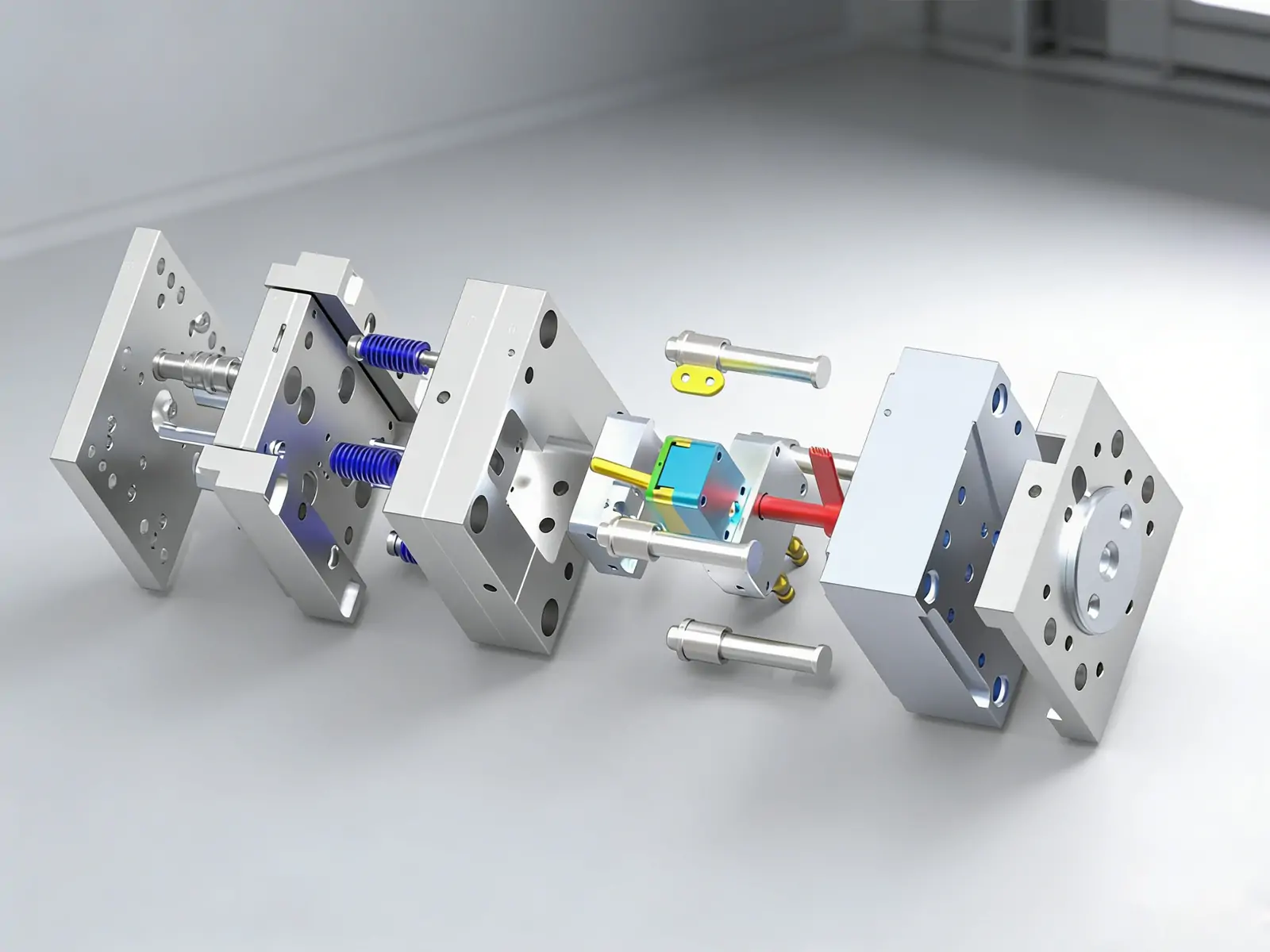
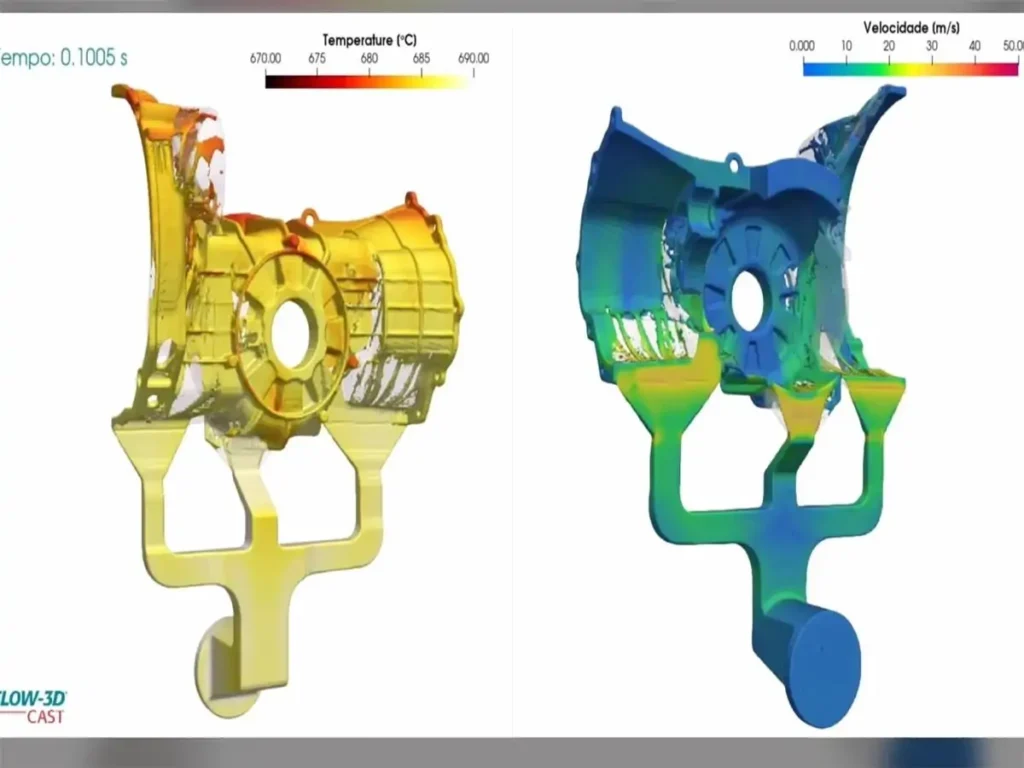
At this stage, multiple concepts are created and evaluated through CAD modeling, engineering analysis, and design iterations. Key activities include DFM (Design for Manufacturability) and mold flow analysis to predict potential defects such as warpage, sink marks, or short shots. Simulation and feasibility validation help ensure the design can be produced efficiently. Design issues are identified before tooling investment, significantly reducing downstream risks and costs.
3. Plan and Prioritize the Development
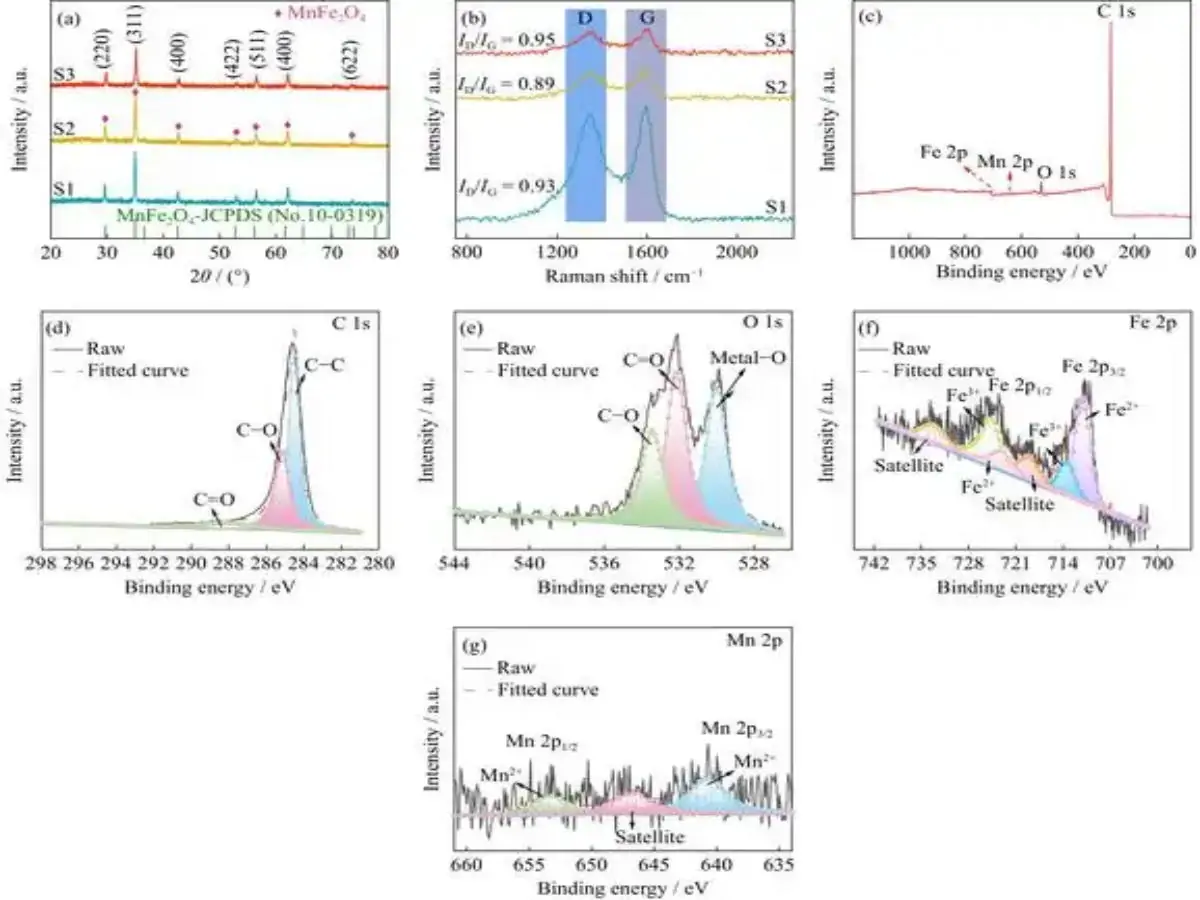
Effective planning ensures the project stays on track. This includes defining timelines, key milestones, and deliverables, along with detailed cost estimation and budgeting. Resource allocation—covering tooling, prototyping, and production—is carefully managed to avoid delays. Using a risk-based prioritization approach, critical features and tasks are addressed first, ensuring efficient progress and controlled development.
4. Building and Testing an Engineering Product
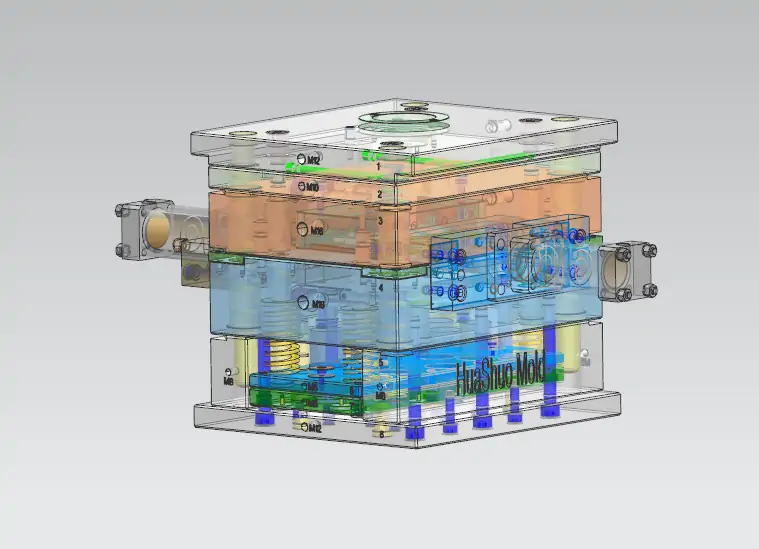
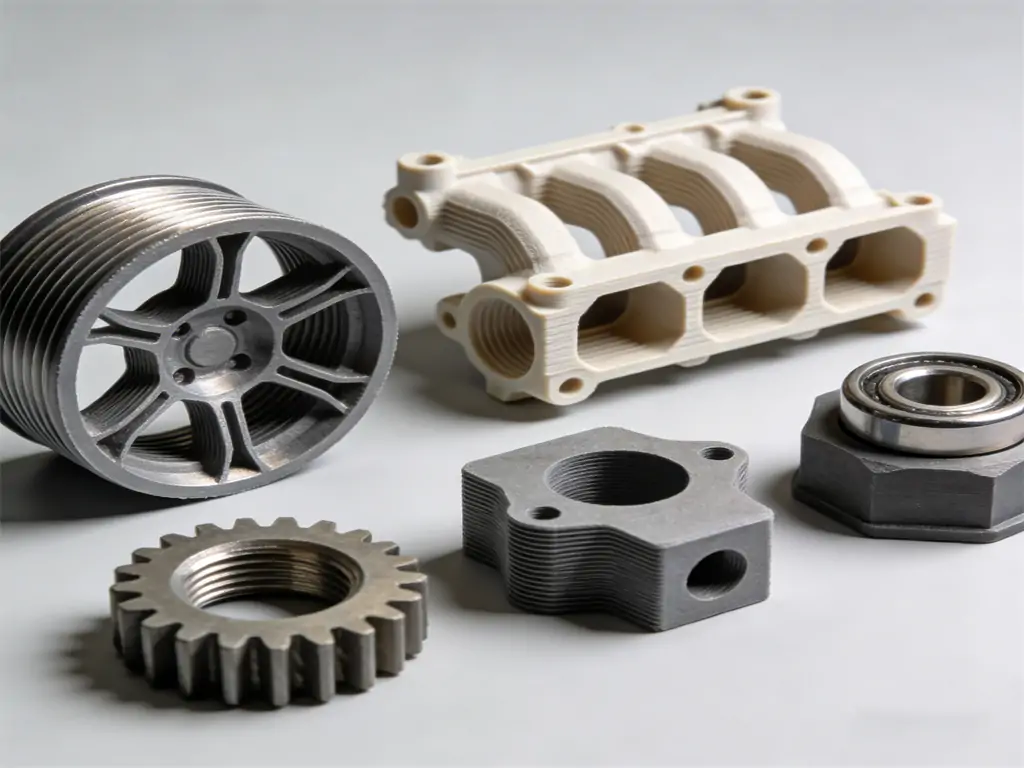
This phase transforms design into reality through rapid prototyping methods such as CNC machining and 3D printing. Functional testing is conducted to validate fit, strength, durability, and overall performance under real-world conditions. Iterative development cycles allow continuous refinement based on test results. Multiple validation loops ensure the design is ready for tooling, minimizing the risk of costly modifications later.
5. Launch and Market the Product
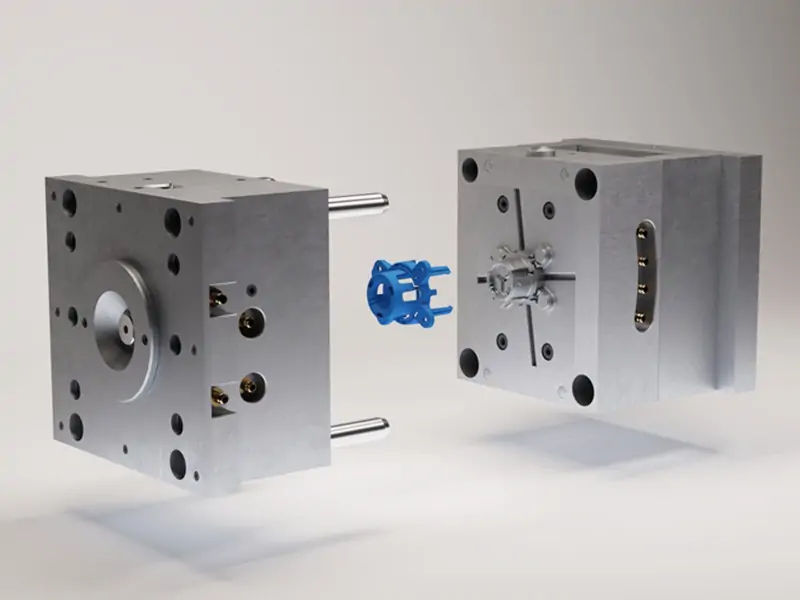
Before full-scale production, pilot runs are conducted to validate manufacturing processes and ensure consistency. This stage focuses on pilot run injection molding, process optimization, and preparing for mass production readiness. Additional considerations include packaging, logistics, and aligning production output with market demand. A well-executed launch ensures a smooth transition from development to commercialization.
6. Evaluation and Improvement
After injection molding product development launch, continuous improvement becomes essential. Production data and customer feedback are analyzed through a structured feedback loop to identify defects and root causes. Tooling and process parameters are optimized to enhance efficiency and product quality. Post-launch optimization is critical for long-term production stability, ensuring consistent performance and sustained competitiveness.
Benefits of New Engineering Product Development
New engineering product development delivers measurable results—reducing risk, accelerating timelines, and ensuring manufacturable designs. By integrating DFM, prototyping, and production planning early, companies can avoid costly errors and move efficiently from concept to mass production. Partner with Huashuo to turn ideas into reliable, production-ready solutions.
Prioritizing new product development helps companies stay ahead. Early validation identifies potential issues before mass production, reduces development risk, saves time and costs, and ensures products meet both market demands and manufacturing requirements..
Integrating engineering, prototyping, and testing accelerates the development cycle. Rapid iterations and concept testing with target users refine designs efficiently, enabling faster product launches while meeting functional, aesthetic, and performance requirements.
Optimized design, material selection, and manufacturing planning minimize tooling complexity and production waste. Early feasibility studies reduce unnecessary costs, while fostering innovation generates creative solutions aligned with customer needs and continuous improvement.
Products are engineered to scale seamlessly from prototype to mass production. Using DFM, mold flow analysis, and production planning early ensures consistent quality, reliable performance, and manufacturability, supporting growth and long-term production stability.
Future Trends of New Product Development
The landscape of product development is evolving rapidly, driven by digital tools, sustainability, and automation. Companies that adopt emerging technologies and forward-thinking engineering practices can accelerate innovation, reduce risk, and deliver higher-quality, market-ready products.
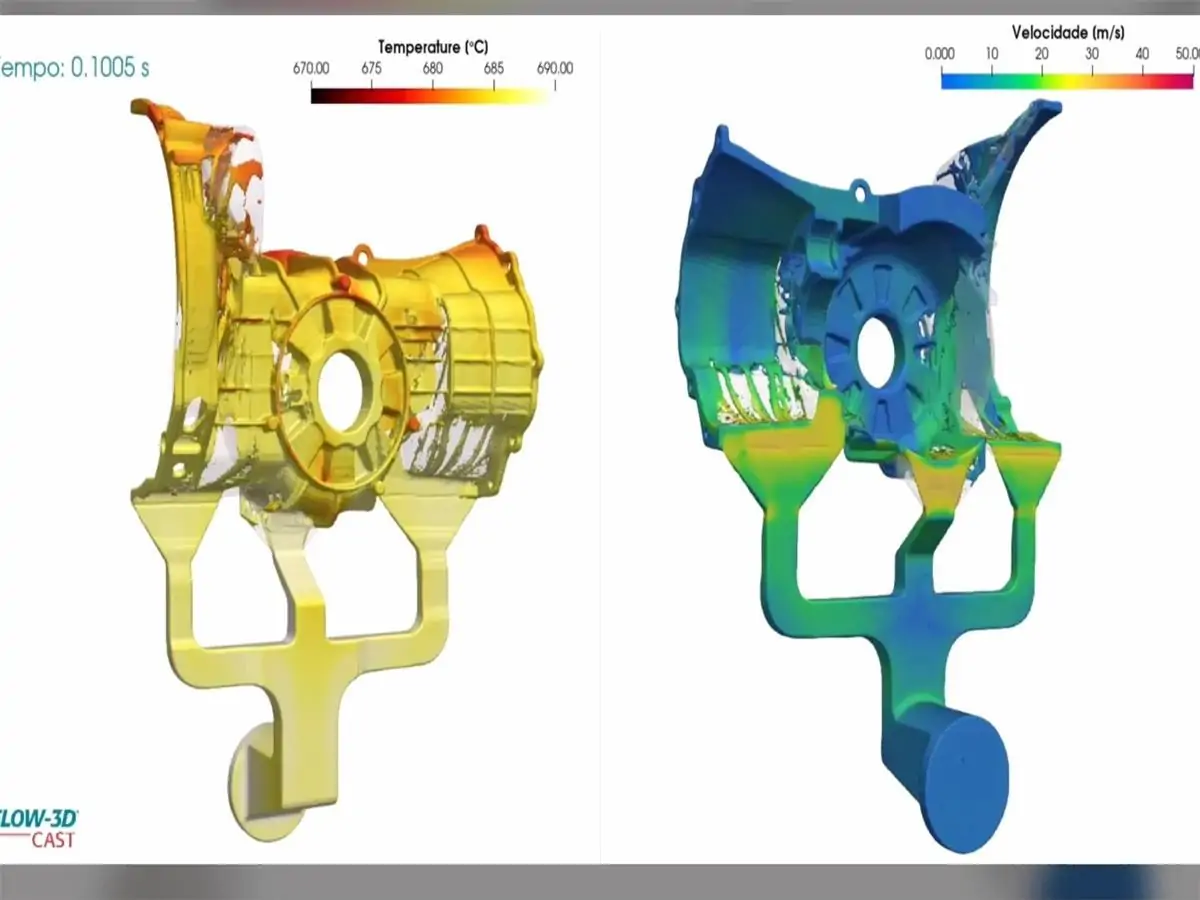
Digital Engineering & Simulation
Tools like mold flow analysis and virtual validation allow engineers to predict production outcomes, optimize designs, and identify potential defects early. Digital simulations reduce development risk and shorten time-to-market while improving product reliability.
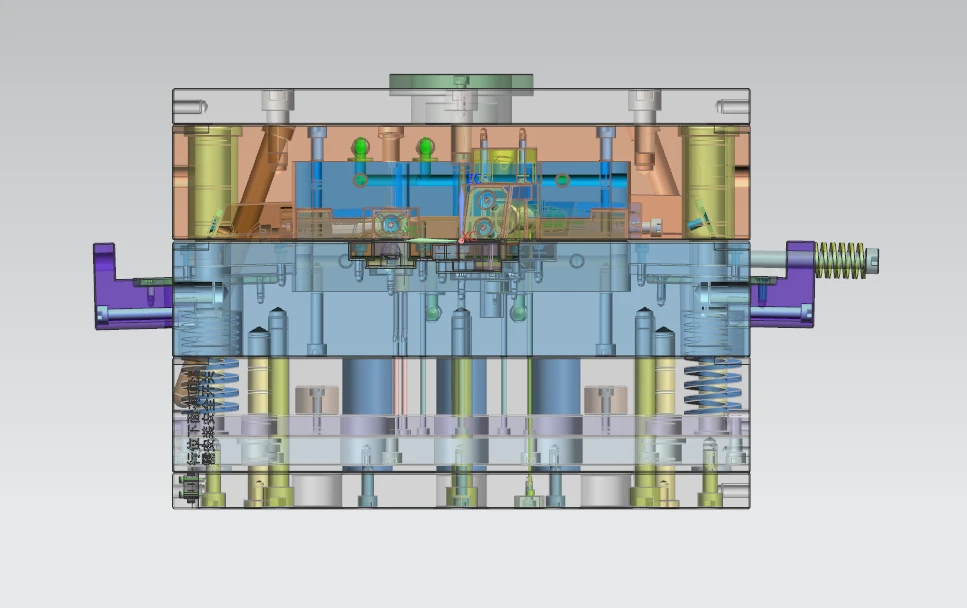
Sustainable Product Design
Future products focus on recyclable materials and lightweight structures. Designing for sustainability minimizes environmental impact, enhances material efficiency, and meets regulatory and customer expectations for eco-friendly solutions.
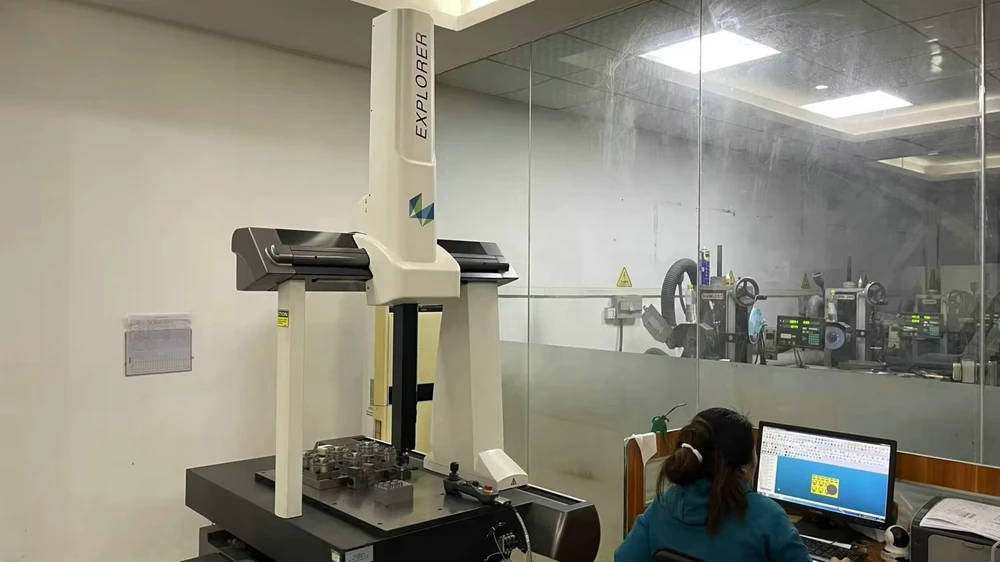
Smart Manufacturing & Automation
Data-driven production and real-time process monitoring improve precision and efficiency. Automation ensures consistent quality, reduces human error, and provides insights for optimizing tooling, workflows, and overall production performance.
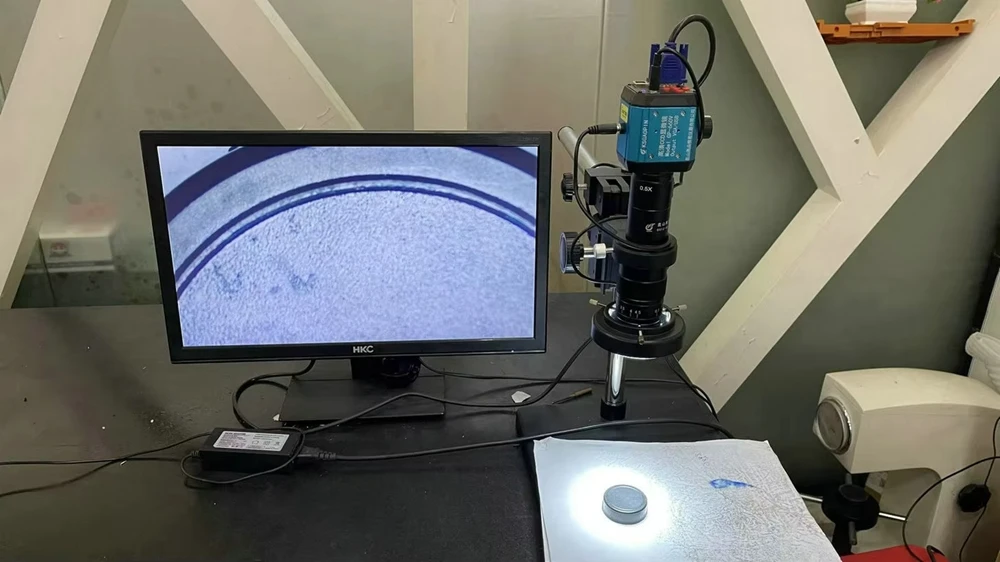
AI-Assisted Design Optimization
Artificial intelligence enhances engineering by analyzing complex datasets to suggest material choices, geometry improvements, and performance optimizations. AI-driven design accelerates iteration cycles and ensures products are manufacturable and cost-efficient.
Why Choose an Integrated Product Development Partner?
SingleResponsibility
At Huashuo, we take full ownership of the entire product development process—from initial design and DFM analysis to tooling and mass production. This single-source responsibility eliminates coordination gaps, ensures accountability, and reduces the risk of errors between different stages.
Reduced Supplier Risk
By consolidating product development services under one partner, Huashuo minimizes the risks associated with managing multiple vendors. From injection molding product development to final production, every step is aligned, validated, and controlled to ensure predictable and reliable outcomes.
Faster Communication
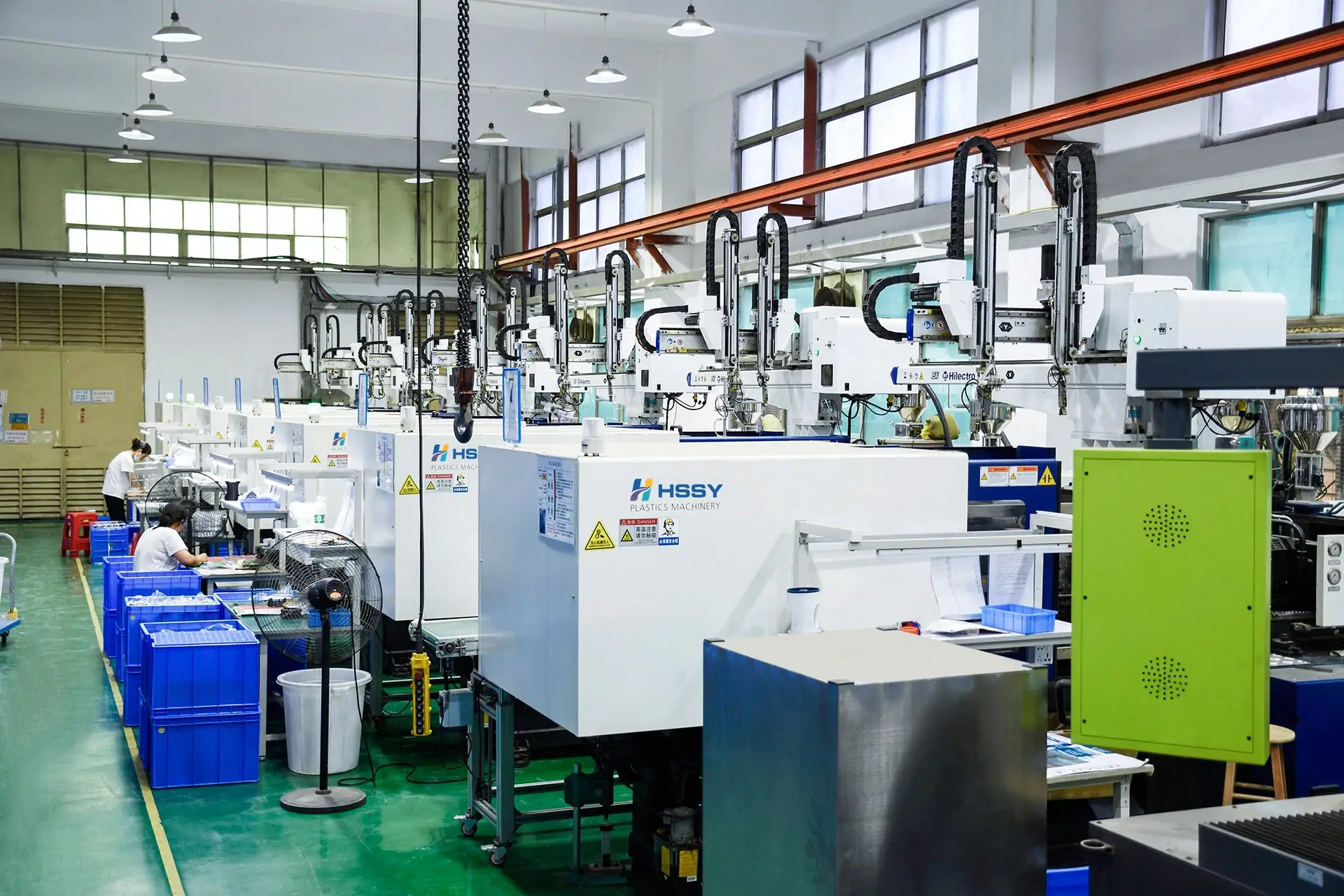
Our integrated engineering and manufacturing teams work within one system, enabling real-time communication and faster decision-making. Design feedback, technical adjustments, and production updates are handled efficiently, shortening development cycles and avoiding delays.
Consistent Quality from Design to Production
With full control over tooling, materials, and production processes, Huashuo ensures consistent quality at every stage. Our engineering-driven approach guarantees that designs are optimized for manufacturability, delivering stable, repeatable results from prototype to mass production.
FAQS
Request a Quote
From mold design to mass production, we offer end-to-end solutions.
Tell us about your application, materials, and volume requirements. Our team will recommend the right process and deliver a tailored manufacturing solution.
More Services
Mold Flow Analysis
Mold Flow Analysis Services for Injection Molding Optimization Mold flow…Double Shot Injection Molding
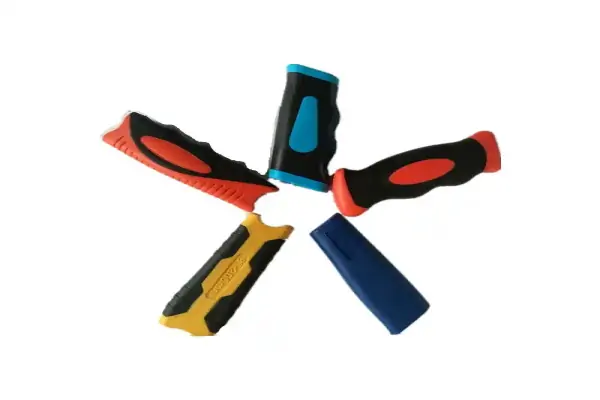
Double Shot Injection Molding Services Huashuo specializes in providing high-precision…Rapid Prototyping
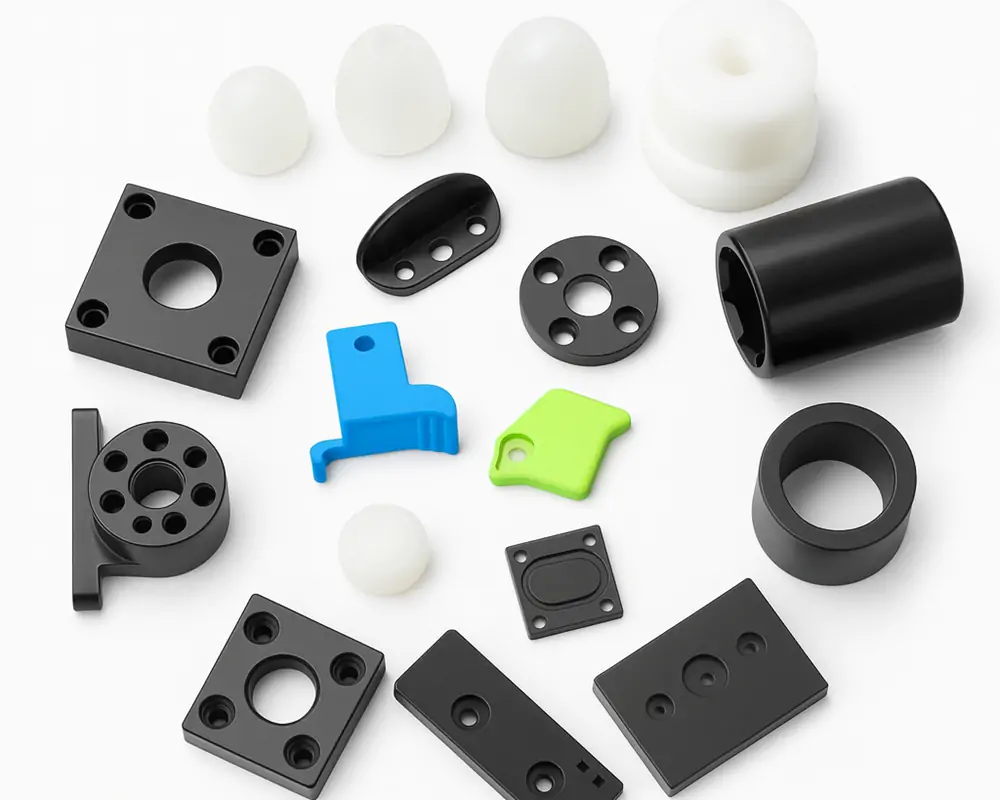
Rapid Prototyping Plastic Huashuo provides Rapid Prototyping Plastic solutions for…

Related Articles
Why Is Injection Moulding Good for Mass Production?
Injection molding stands as one of the most widely adopted…What Causes Shrinkage In Injection Molding?
Shrinkage in injection molding is one of the primary causes…Exploring the Global Plastic Injection Molding Outsourcing Service Market: Trends, Benefits, and Strategic Insights for B2B Success
Driven by various factors in manufacturing and production, an increasing…