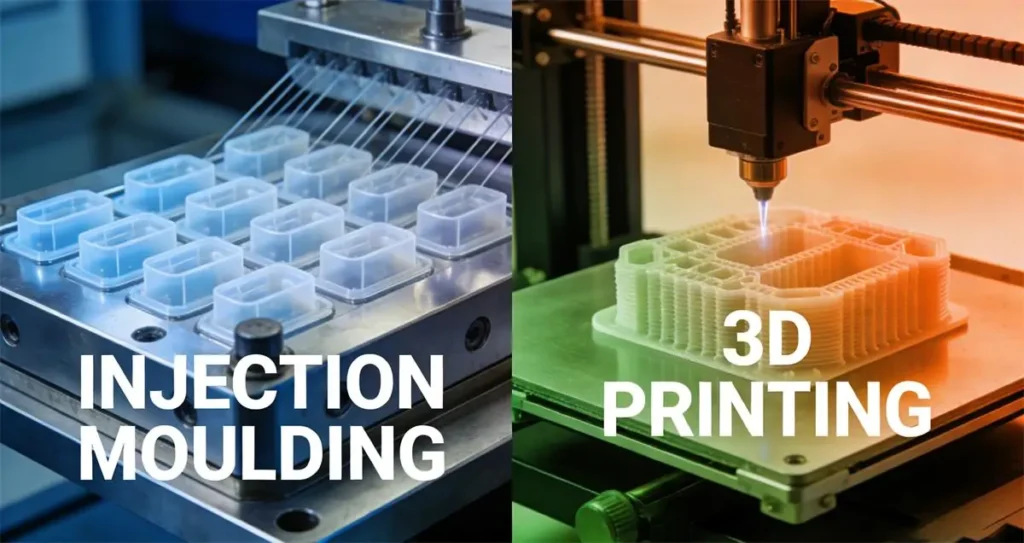
Mold Flow Analysis Services for Injection Molding Optimization
Mold flow analysis is a powerful injection molding simulation tool that predicts plastic flow behavior and identifies potential defects, enabling manufacturers to optimize part designs before production begins. By integrating Design for Manufacturing (DFM) techniques, Huashuo ensures that issues such as weld lines, voids, shrinkage, and warpage are addressed early on, thereby helping manufacturers in the automotive, medical, and electronics industries reduce trial and error costs and mold related risks.
What Is Mold Flow Analysis in Injection Molding ?
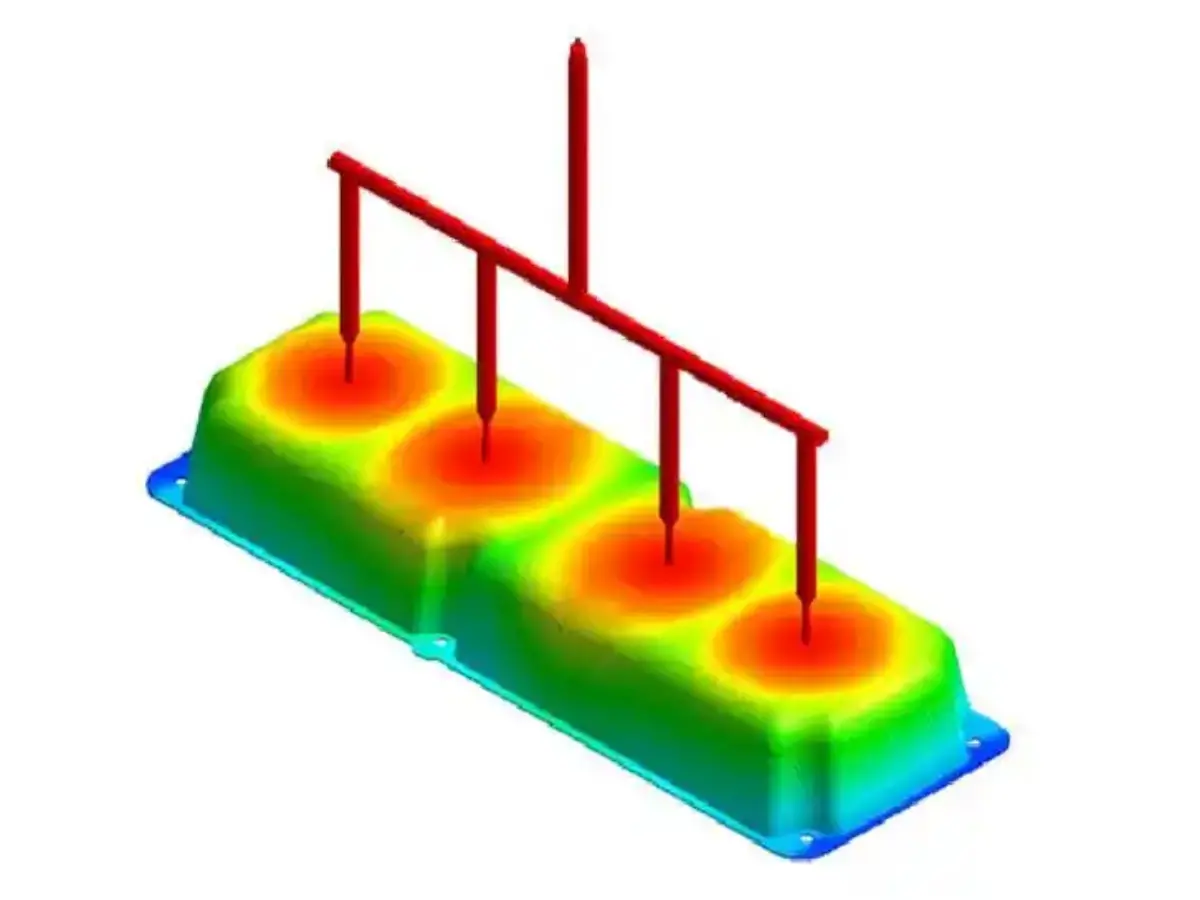
Mold flow analysis is a CAE-based injection molding simulation used to study how molten plastic flows, fills, cools, and solidifies within a mold cavity.
It helps engineers predict defects such as air traps, weld lines, and shrinkage while optimizing part design and processing parameters. Using professional moldflow analysis tools, this plastic flow analysis is widely applied in automotive, medical, and electronics industries, supporting global manufacturing with materials such as ABS, PC, and Nylon.
The Relationship Between Mold Flow Analysis and Injection Molding DFM
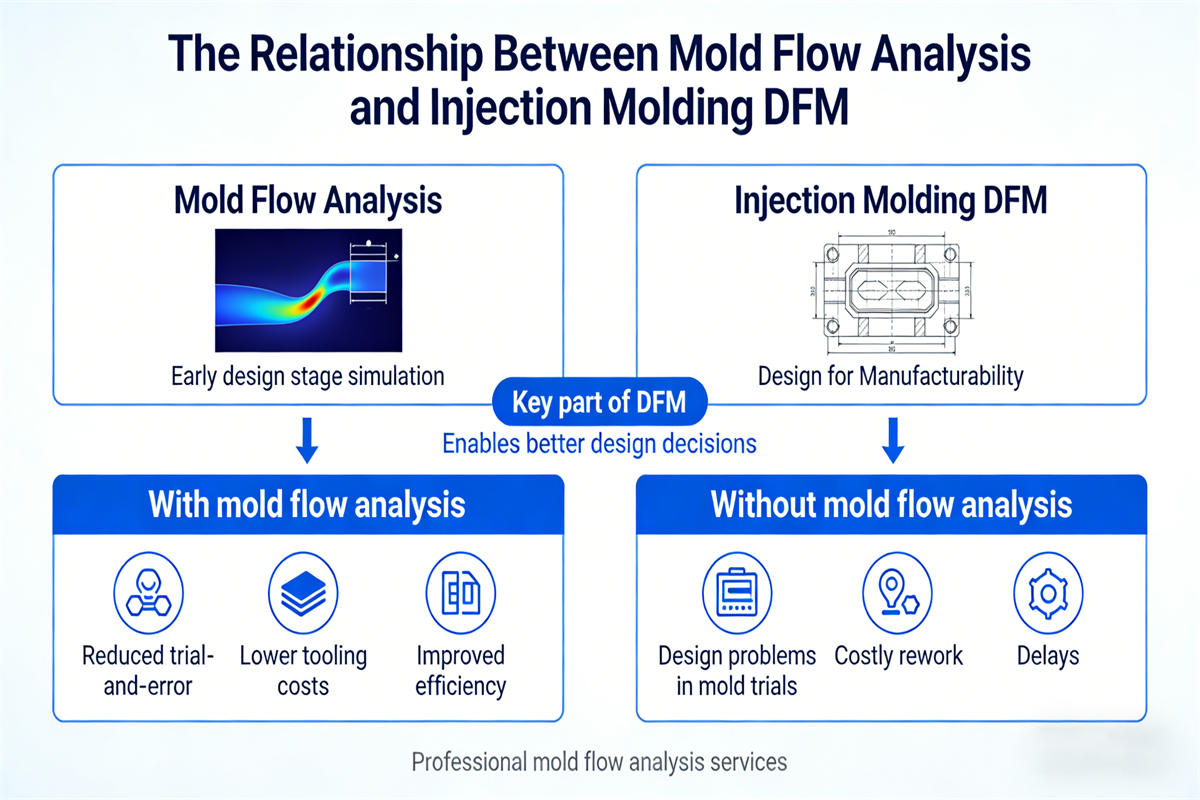
Mold flow analysis is a key part of injection molding DFM (Design for Manufacturability). By using injection molding simulation and moldflow analysis early in the design stage, engineers can identify potential issues such as uneven filling, weld lines, and shrinkage before tooling begins, enabling better design decisions and optimized plastic flow analysis.
Without mold flow analysis, design problems are often discovered during mold trials, leading to costly rework and delays. With professional mold flow analysis services, manufacturers can reduce trial-and-error, lower tooling costs, and improve efficiency in global manufacturing.
HuaShuo Mold Flow Analysis Workflow
Mold flow analysis is a systematic approach to optimize injection molding by simulating plastic flow, predicting defects, and guiding part and mold design. The process ensures accurate evaluation of manufacturability, material behavior, and processing parameters before production begins. By combining CAD based modeling, material selection, process simulation, and report generation, engineers can make informed decisions, reduce trial-and-error costs.
Supports mainstream CAD files (*.igs, *.stp, *.x_t, *.prt, *.jt, .catpart) and FEA formats (.stl, *.bdf, *.nas). Controls mesh density, element type, and uniformity for accurate simulations, balancing precision with computational efficiency. Advanced algorithms refine critical regions for reliable flow prediction.
Includes thousands of materials covering thermoplastics, thermosets, metals, and cooling media. Supports viscosity, PVT, and crystallization models along with thermal and mechanical properties. Provides accurate inputs for CAE simulations to predict flow, shrinkage, warpage, and support design validation.
CAE mode allows preliminary evaluation; injection machine mode uses real parameters for production verification. Supports filling time, multi stage flow, multi-level pressure, V/P switching, packing, and cooling. Optimized packing and cooling ensure proper cavity filling, uniform mold temperature, and minimal residual stress.
Simulation results are converted into structured reports with product info, mesh details, material properties, process parameters, and results interpretation. Supports cross-department communication, guides design adjustments, and enhances DFM and injection molding optimization decisions.
How to Interpret Mold Flow Analysis Report for Injection Molding
Mold flow analysis is an essential simulation tool in modern injection molding, enabling engineers to predict plastic flow behavior, anticipate manufacturing defects, and optimize part and mold design before production. For industries such as automotive, medical devices, and consumer electronics, understanding these reports is key to controlling shrinkage, warpage, residual stress, and surface finish. This guide provides a structured approach to interpreting mold flow analysis reports and applying actionable insights for high-precision injection molding projects.
1. Part and Process Overview
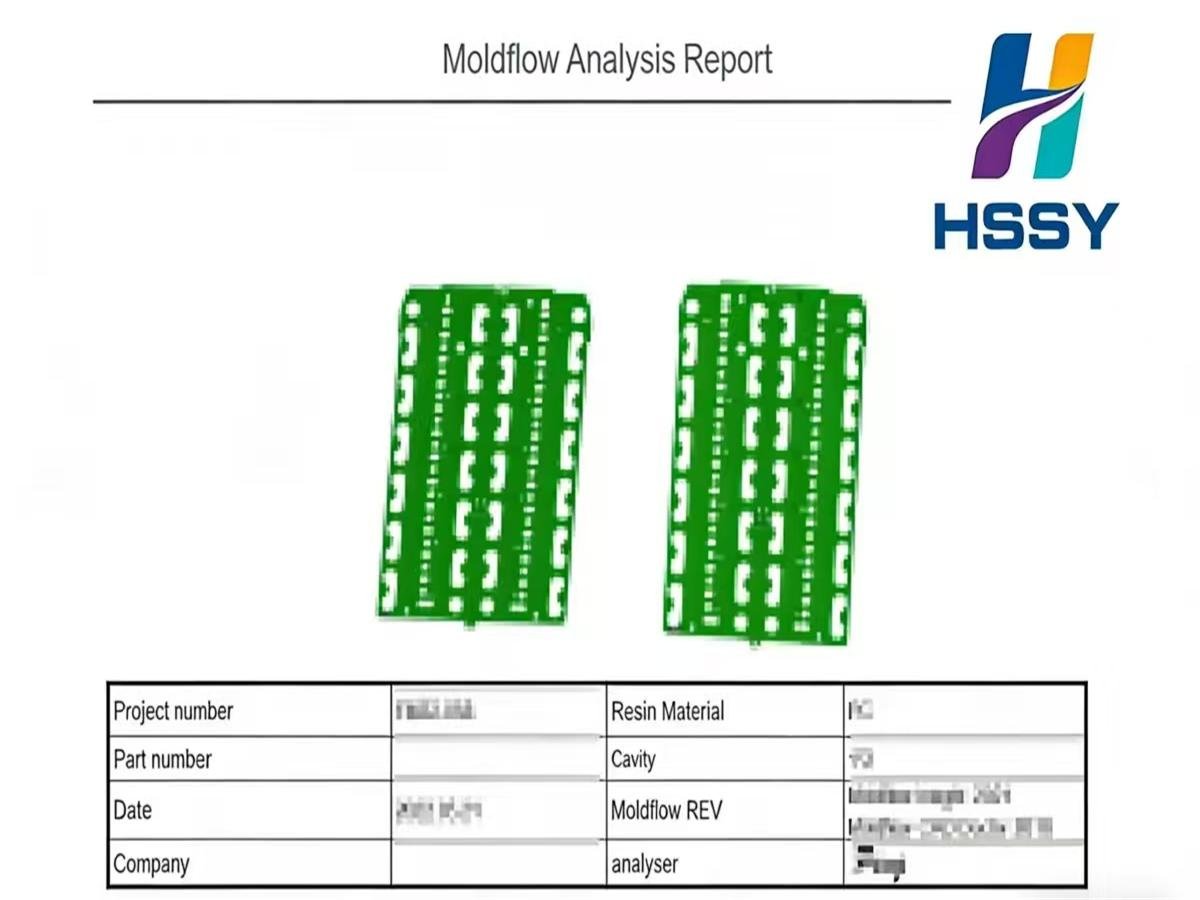
Each mold flow report begins with a complete description of the part and process context, including geometry, cavity count, projected injection pressure (typically 80–150MPa), melt temperature (220–250°C), mold temperature, and cycle time. Establishing this baseline allows engineers to align simulation results with real-world conditions, minimizing discrepancies between predicted and actual production performance.

2. Material Properties and Simulation Models
Detailed material characterization is crucial for accurate predictions. Key properties include melt viscosity, density, thermal conductivity, shrinkage rates (0.5–1.2% for ABS, PC, and PA), and crystallization behavior. Simulation models incorporate rheology, heat transfer, and crystallization kinetics to anticipate flow restrictions, uneven cooling, warpage, and residual stress.
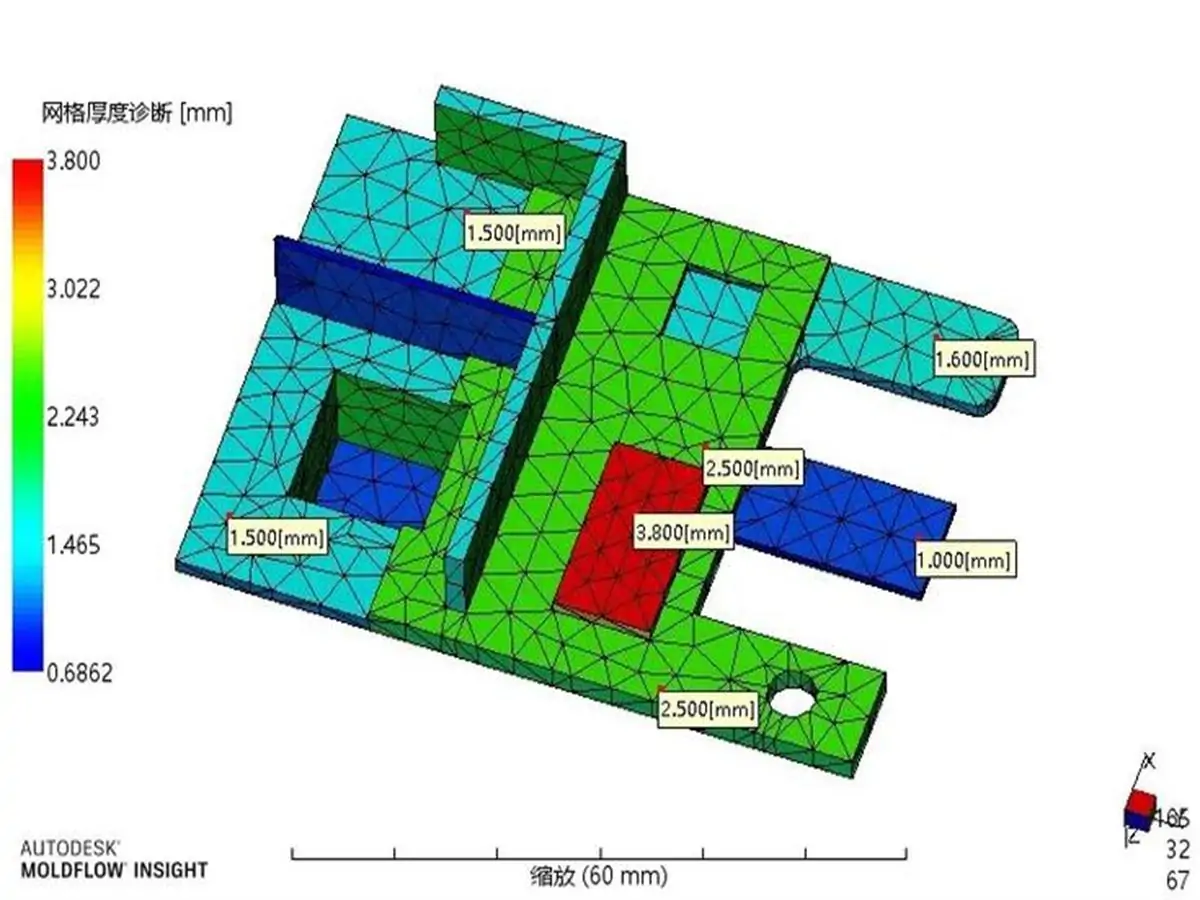
3. Mesh Quality Assessment
The accuracy of a mold flow simulation depends heavily on mesh quality. Reports detail element size, thickness distribution, and refinement in critical regions such as thin walls or rib structures. Non-uniform or overly coarse meshes may distort flow paths and pressure gradients, while excessively fine meshes increase computation time.
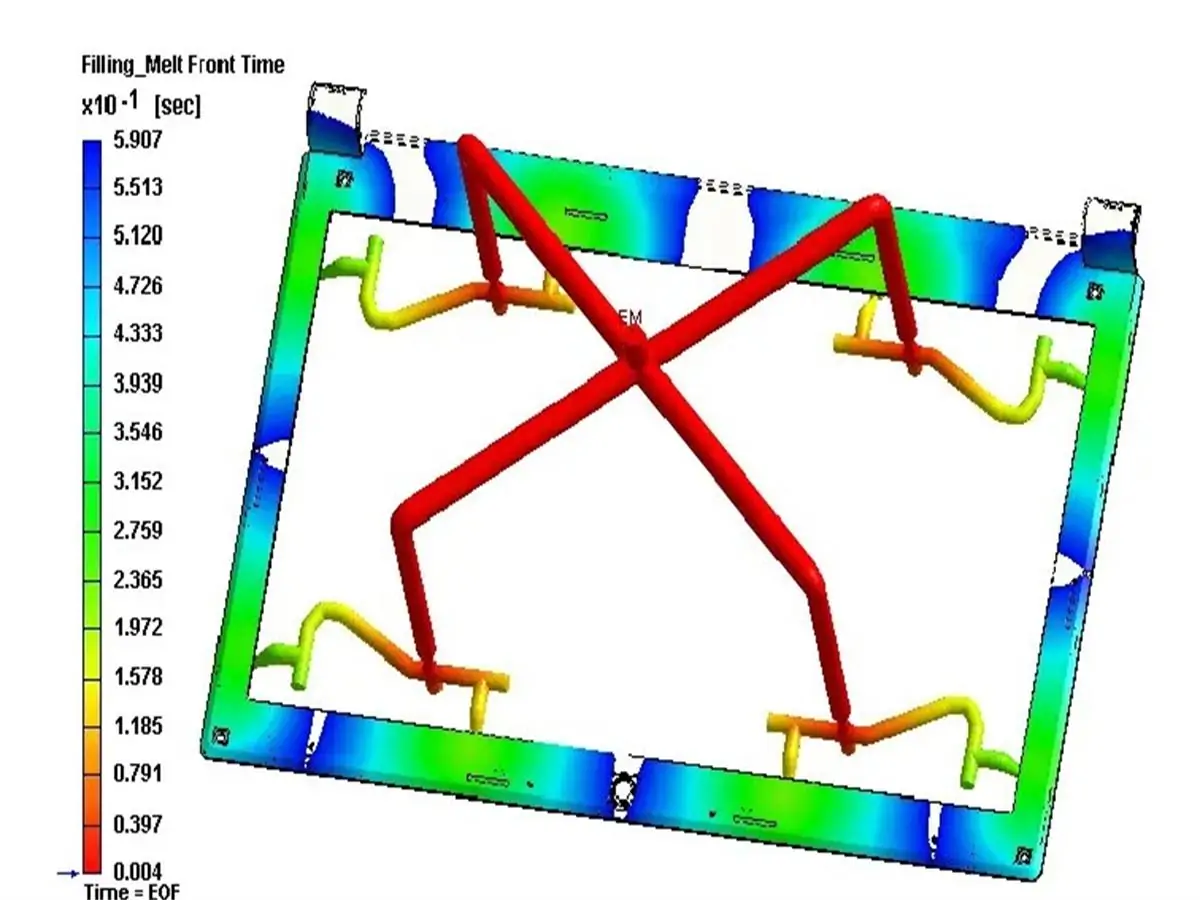
4. Gate Design and Filling Analysis
Gate location and size are critical for achieving uniform cavity filling. Mold flow simulations evaluate multiple gate configurations, considering velocity distribution, pressure drop, and cooling efficiency. Proper gate design minimizes weld lines, air traps, and short shots, while reducing shear stresses that could damage polymer chains. Iterative simulation of gate placement allows engineers to select layouts that maximize material flow, surface quality, and dimensional accuracy.
5. Clamping Force, Injection Pressure, and Filling Dynamics
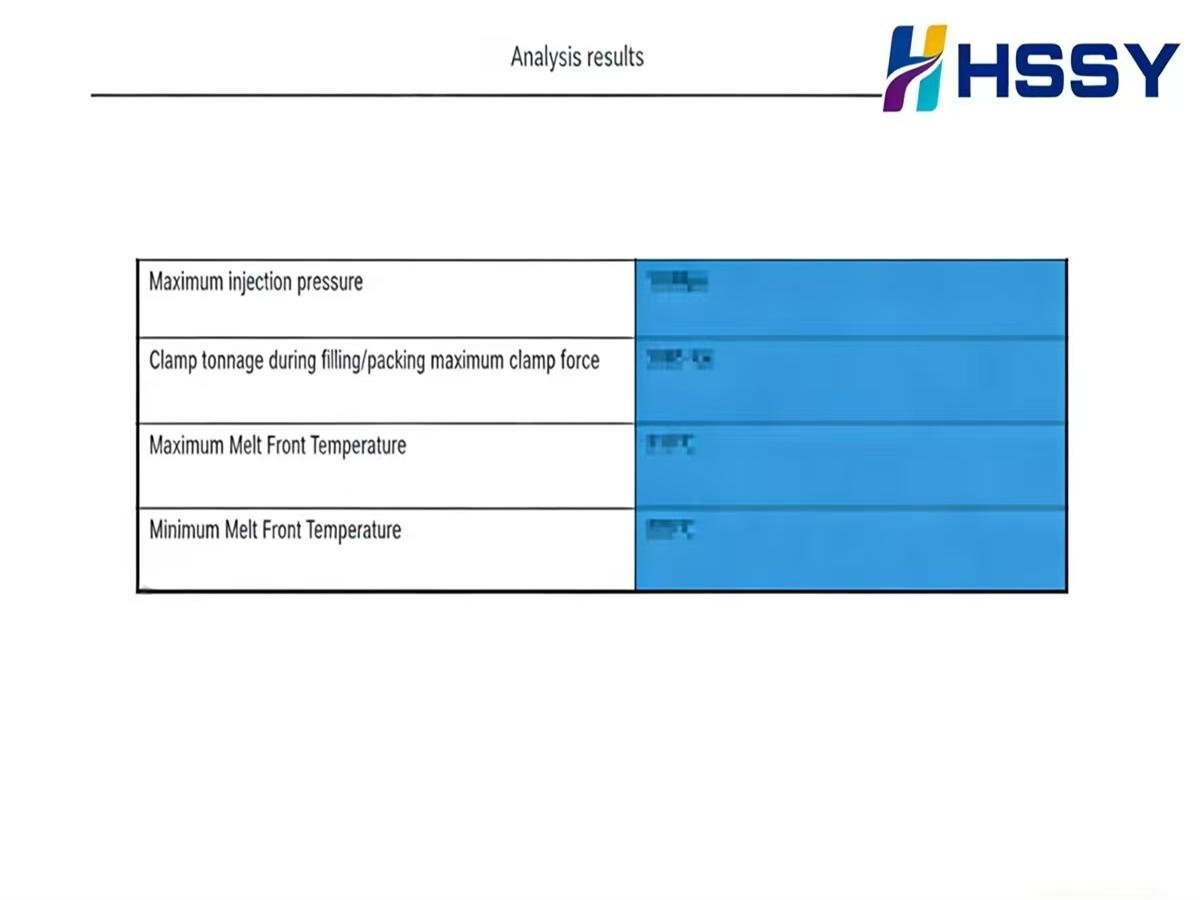
Monitoring clamping force and injection pressure during filling and packing stages is essential for process validation. Typical clamping forces may reach up to 200kN for medium-sized parts. Deviations from expected profiles indicate potential risks such as flash, incomplete filling, or overpacking. Pressure and velocity charts provide insight into shear zones and flow hesitation, enabling engineers to adjust injection speed, holding pressure, or mold design to maintain structural integrity.

6. Air Traps and Weld Lines Analysis
Simulation identifies regions prone to air entrapment and weld line formation. Air traps can cause internal voids, while weld lines reduce mechanical strength and compromise visual quality. Reports guide the implementation of venting strategies, gate relocation, and wall thickness optimization. By proactively addressing these defects in the simulation stage, manufacturers can prevent costly rework and improve first-pass yield.
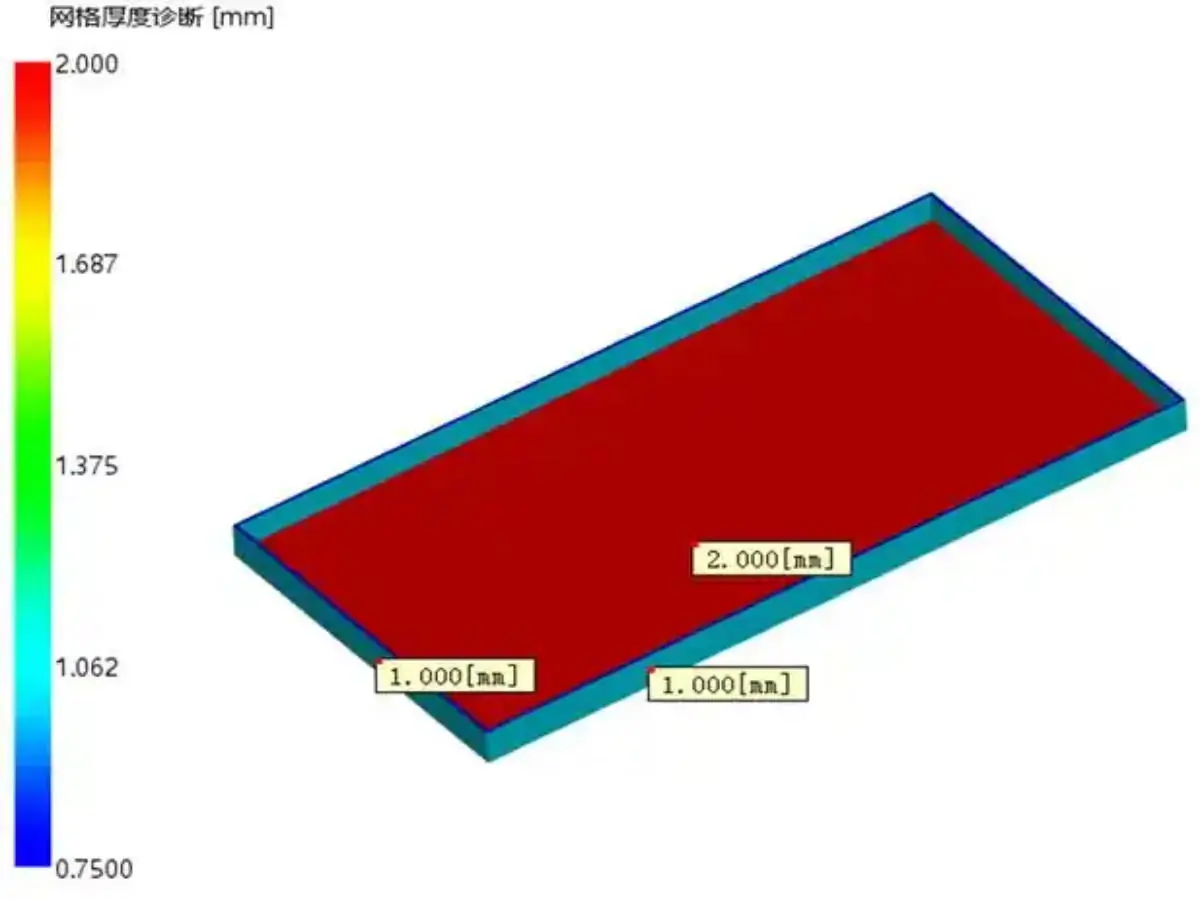
7. Shrinkage, Warpage, and Part Deflection
Mold flow analysis predicts volumetric shrinkage, localized variations, and overall warpage. Cooling gradients, polymer orientation, and wall thickness differences can cause deviations exceeding 1% shrinkage or 2mm warpage in critical components. Visualization of deflection maps allows engineers to refine cooling channels, adjust part geometry, or modify mold temperature control, ensuring dimensional stability and assembly compatibility.
8. Engineering Assessment and Recommendations
The final report consolidates findings into actionable recommendations for gate relocation, cooling system optimization, material selection, and process adjustments. This evaluation determines production readiness, highlights areas for design improvement, and ensures manufacturability, cost efficiency, and product reliability. Combining mold flow insights with Huashuo’s one-stop injection molding expertise allows engineers to deliver high-quality, precision parts while minimizing production risk.
Benefits of Mold Flow Analysis
Mold flow analysis helps manufacturers save time, reduce costs, and improve product quality by predicting defects and optimizing designs before tooling.
Reduce Trial and Error Costs
Detect design issues early with moldflow analysis, avoiding expensive mold revisions and repeated testing.
Improve Part Quality
Predict weld lines, air traps, shrinkage, and warpage to ensure consistent, high-quality parts across automotive, medical, and electronics applications.
Optimize Cycle Time
Analyze filling and cooling patterns through injection molding simulation to streamline production and maximize efficiency.
Prevent Defects Before Tooling
Use plastic flow analysis to address potential problems early, ensuring reliable performance before mass production begins.
Why Choose Our Mold Flow Analysis Services?
Choosing the right mold flow analysis partner can make a significant difference in product quality, production efficiency, and cost control. Huashuo’s mold flow analysis solutions empower B2B manufacturers in automotive, medical, and electronics fields to enhance part quality and streamline production with materials including ABS, PC, and Nylon.

Experienced Engineering Team
Our engineers have years of expertise in injection molding simulation and plastic flow analysis, ensuring accurate predictions and actionable recommendations.

Advanced Software Capabilities
We utilize industry-leading moldflow analysis software to simulate filling, cooling, and warpage, helping optimize part design and gate locations before tooling.
Seamless Integration with Tooling
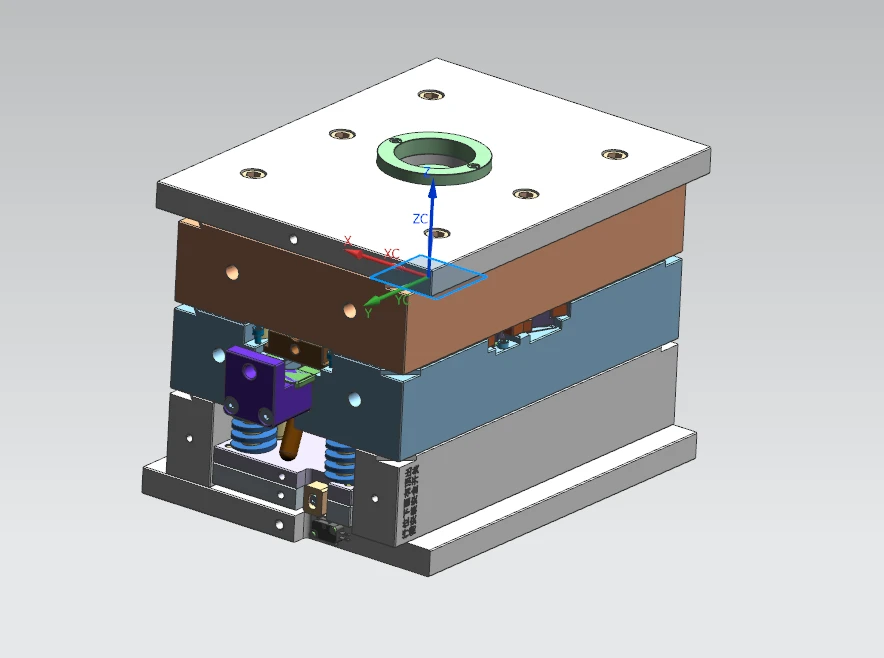
Our services are closely linked with mold manufacturing, allowing design improvements to be directly implemented in molds, reducing trial-and-error and ensuring reliable production.
Fast Feedback
We provide quick, detailed reports and expert guidance, helping clients accelerate product development and make confident decisions.
Our Mold Flow Analysis + Manufacturing Integration
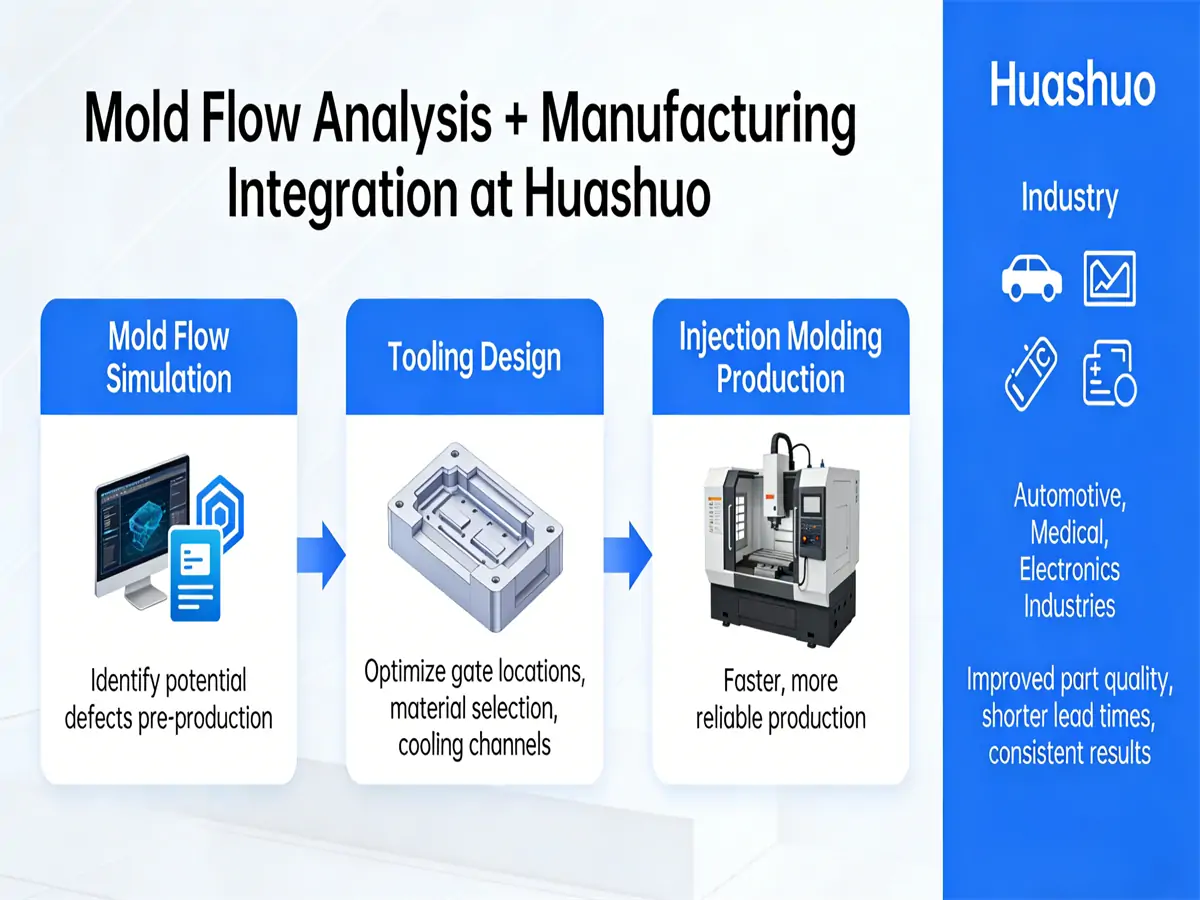
At Huashuo, mold flow analysis is seamlessly integrated with mold design and injection molding production, forming a true end to end solution. By connecting simulation insights directly to tooling design, potential defects can be addressed before molds are made, reducing trial-and-error and ensuring faster, more reliable production.
This one-stop approach allows engineers to optimize gate locations, material selection, and cooling channels while maintaining full alignment with manufacturing constraints. Clients in automotive, medical, and electronics industries benefit from improved part quality, shorter lead times, and consistent results .
About us
HuashuoMold Flow Analysis Approach
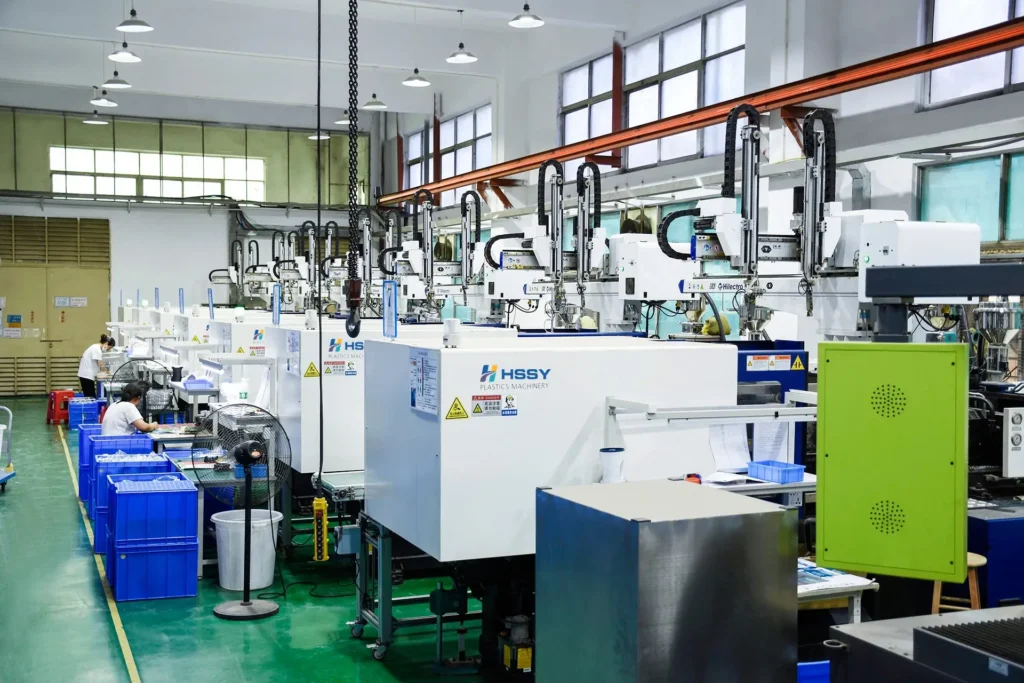
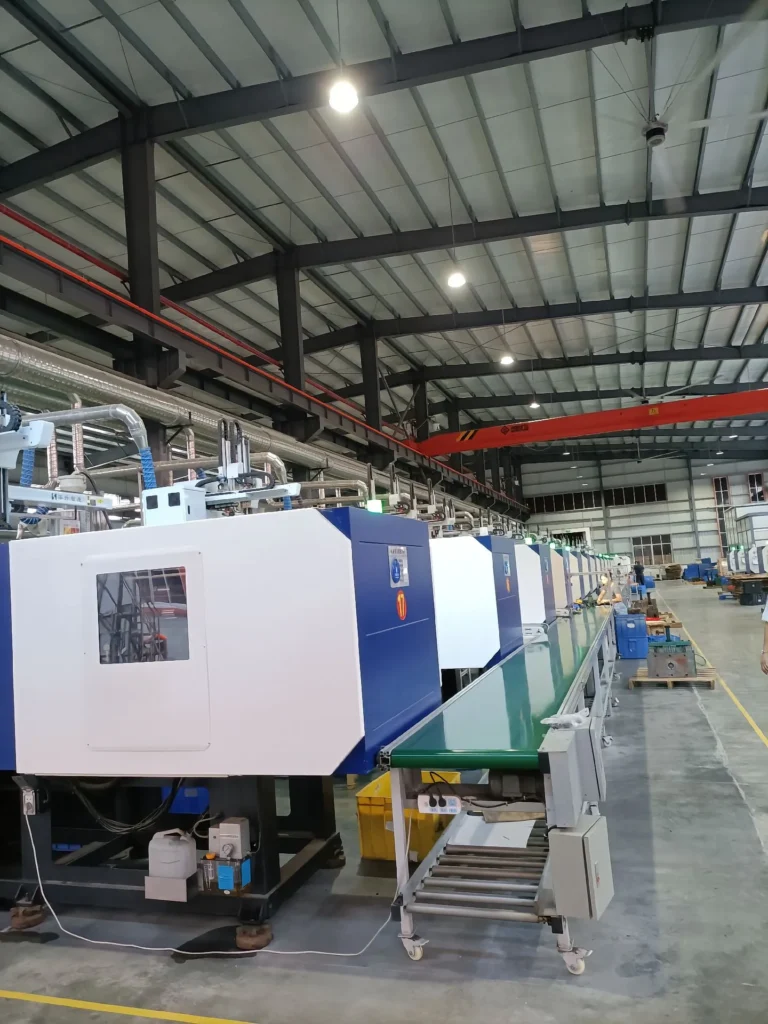
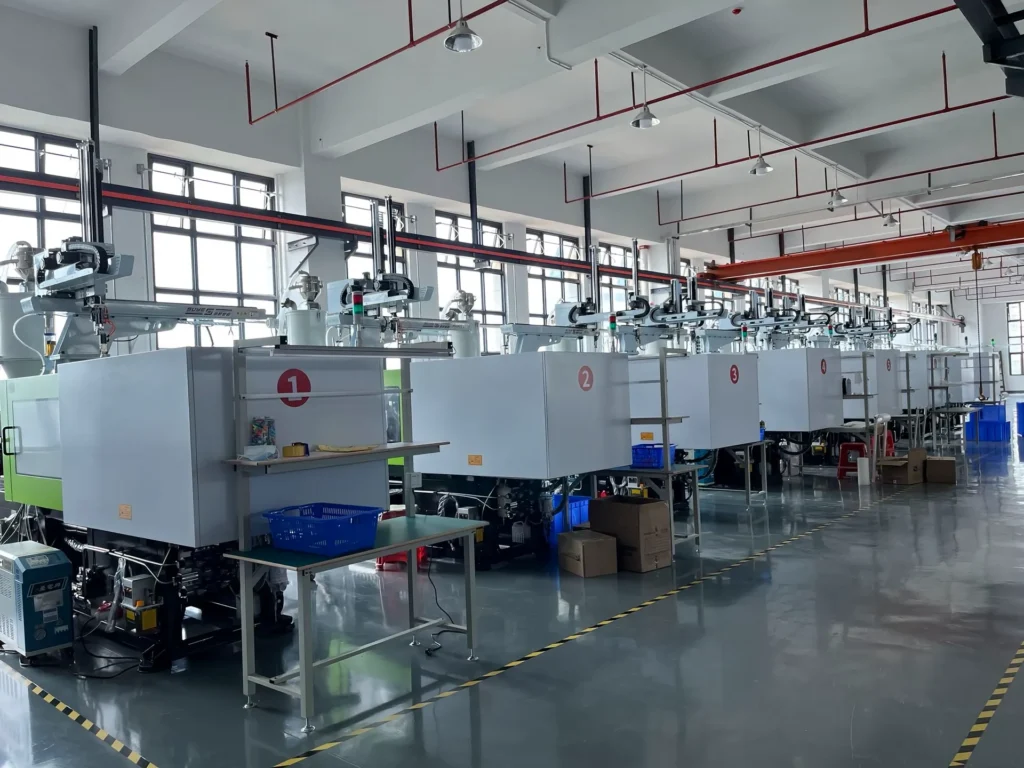
At Huashuo, mold flow analysis is a core step in our injection molding process. Our engineers perform comprehensive DFM evaluations, examining part geometry, wall thickness, gating design, and material selection to ensure manufacturability.
By balancing structural integrity, mold complexity, production stability, and tooling cost, we provide actionable recommendations that reduce development risks and improve efficiency. This data-driven, engineering focused method ensures plastic parts transition smoothly from concept to stable mass production.
FAQS
Everything You Need to Know About Our DFM for Plastic Parts
Request a Quote
From mold design to mass production, we offer end-to-end solutions.
Tell us about your application, materials, and volume requirements. Our team will recommend the right process and deliver a tailored manufacturing solution.
More Services
Double Shot Injection Molding
Double Shot Injection Molding Services Huashuo specializes in providing high-precision…Rapid Prototyping
Rapid Prototyping Plastic Huashuo provides Rapid Prototyping Plastic solutions for…CNC Routing Services
CNC Routing Services Huashuo offers bespoke precision CNC routing services,…


Related Articles
Why Is Injection Moulding Good for Mass Production?
Injection molding stands as one of the most widely adopted…What Causes Shrinkage In Injection Molding?
Shrinkage in injection molding is one of the primary causes…Exploring the Global Plastic Injection Molding Outsourcing Service Market: Trends, Benefits, and Strategic Insights for B2B Success
Driven by various factors in manufacturing and production, an increasing…