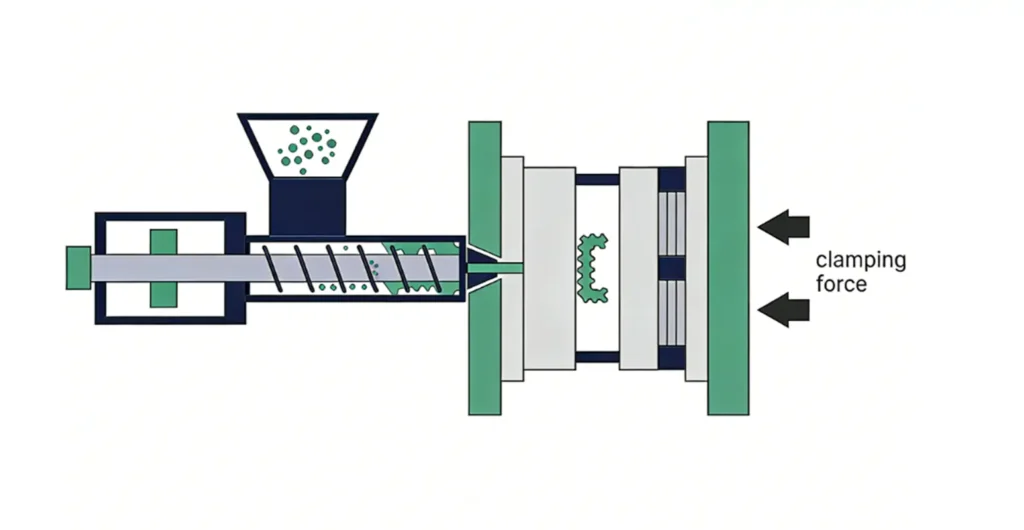
Industrial & Automation Injection Molding Solutions
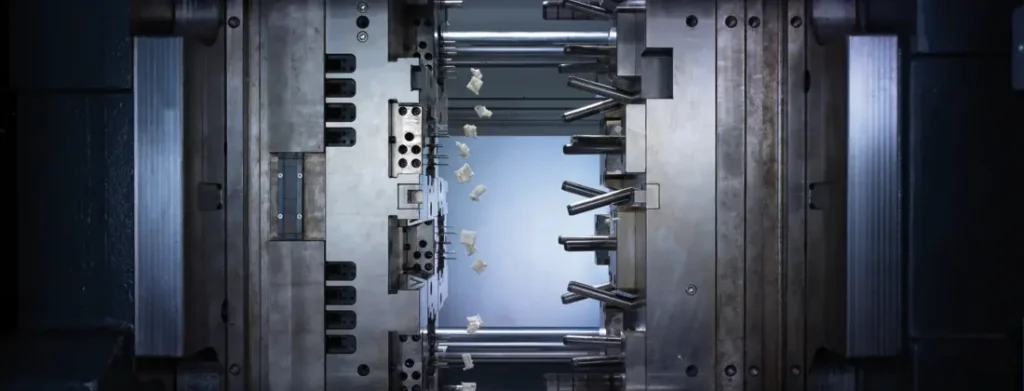
Injection molding is widely used in the industrial and automation sector to produce high-precision plastic components for machinery and automated systems. Parts such as sensor housings, cable clips, gears, brackets, and protective covers require consistent dimensions, durability, and stable performance in demanding environments. Huashuo Molding provides custom mold design and precision injection molding services to support these applications, delivering reliable plastic components for automation equipment manufacturers from prototype development to mass production.
Certification
ISO 9001:2015 | ISO 13485:2016
Industrial Injection Molding Services
Huashuo Molding delivers reliable industrial injection molding services for industrial equipment manufacturers, automation system integrators, and mechanical OEMs. We specialize in producing industrial plastic components—including pump impellers, mechanical gears, industrial handles, equipment protective covers, and structural assemblies for automation equipment—ensuring stable performance under high loads, vibration, and demanding conditions.
As an experienced industrial injection molding manufacturer, we deliver end-to-end manufacturing solutions including product design optimization, mold engineering development, and scalable high-volume production. Our engineering team collaborates closely with clients to optimize part structures, match high-performance engineering plastics, and develop durable molds suitable for long-term production, ensuring consistent quality and manufacturing efficiency.
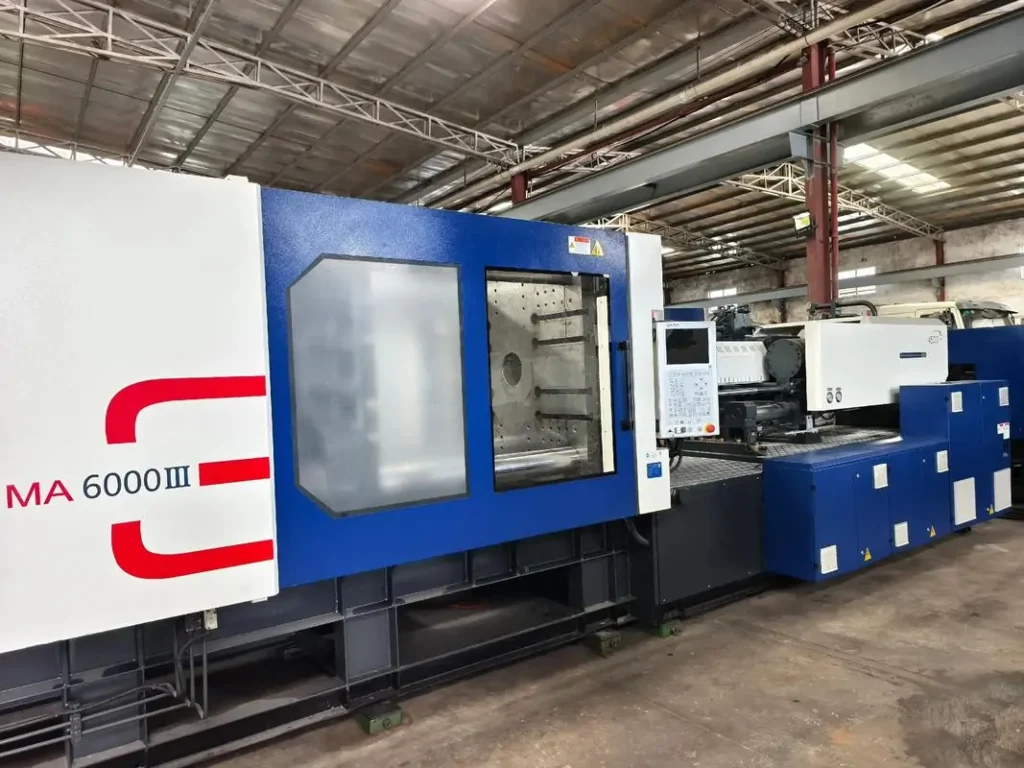
Leveraging advanced injection molding equipment and stringent quality control systems, Huashuo supports OEM and ODM production needs for industrial automation equipment and mechanical systems projects, helping clients efficiently transition from product design to scaled manufacturing. Our integrated manufacturing capabilities deliver cost-effective, reliable production solutions for industrial clients while ensuring mechanical strength, dimensional stability, and long-term durability.
Plastic Components Used in Industrial Automation Equipment
Industrial injection molding parts are widely used in automation equipment, fluid control systems, and mechanical assemblies. These components must maintain structural integrity under heavy-duty operating conditions, helping industrial manufacturers ensure the durability, precise fit, and extended service life of industrial machinery.
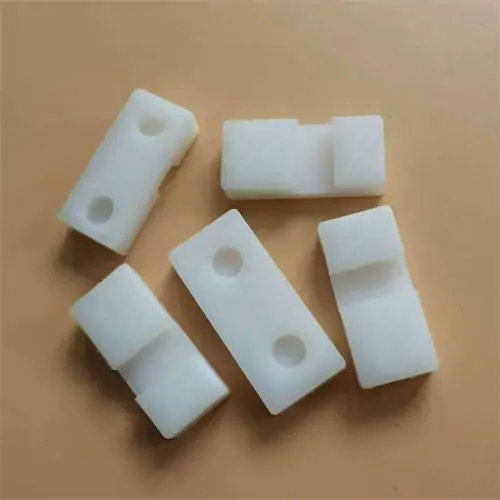
Industrial Structural Support Components
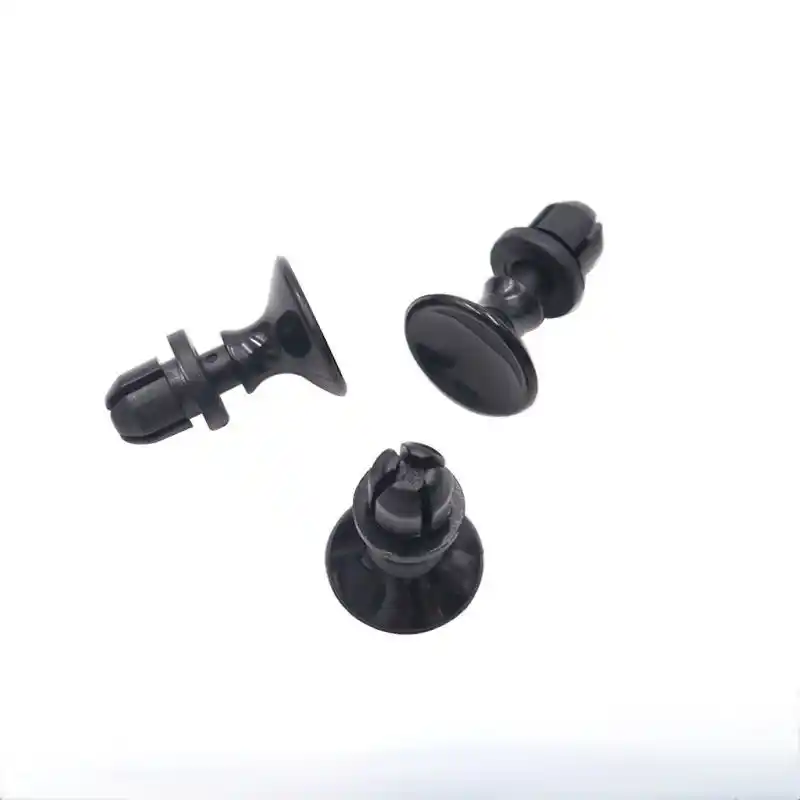
Industrial Connectors and Fasteners
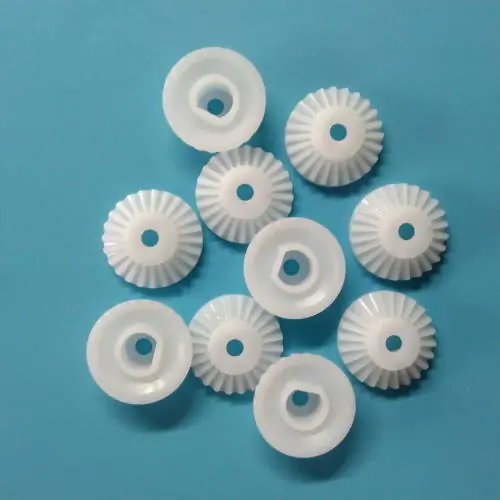
Mechanical Transmission and Motion Components
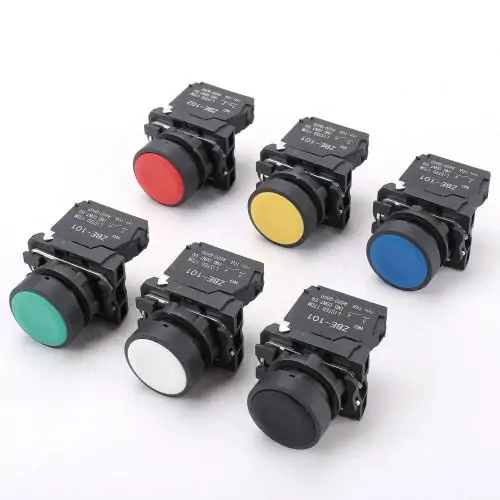
automation equipment plastic parts
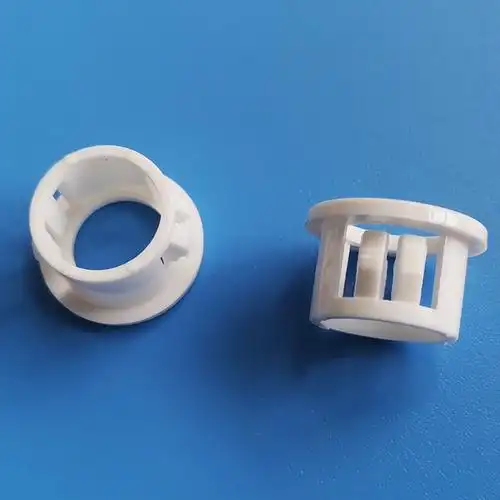
Industrial Electrical Components
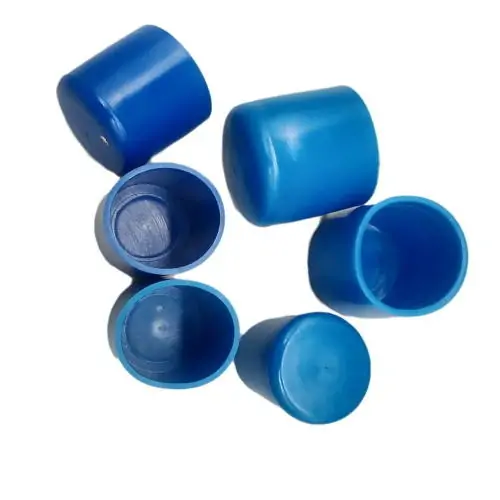
Industrial Protection and Safety Components
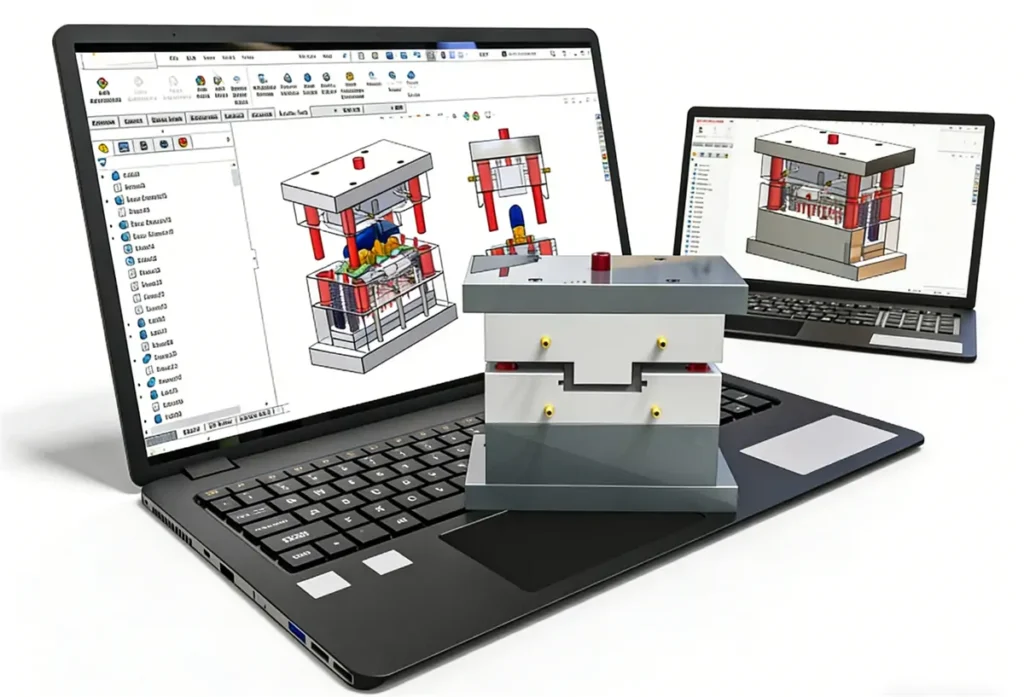
Custom Injection Molding Solutions
Huashuo is a leading one-stop injection molding manufacturer with over 16 years of industry experience, offering the fastest delivery and the widest product range to support innovative industrial companies worldwide.
Industrial Injection Molding Manufacturing Processes
Custom industrial plastic components can be manufactured using various advanced injection molding techniques based on structural complexity and functional requirements.


Precision Injection Molding
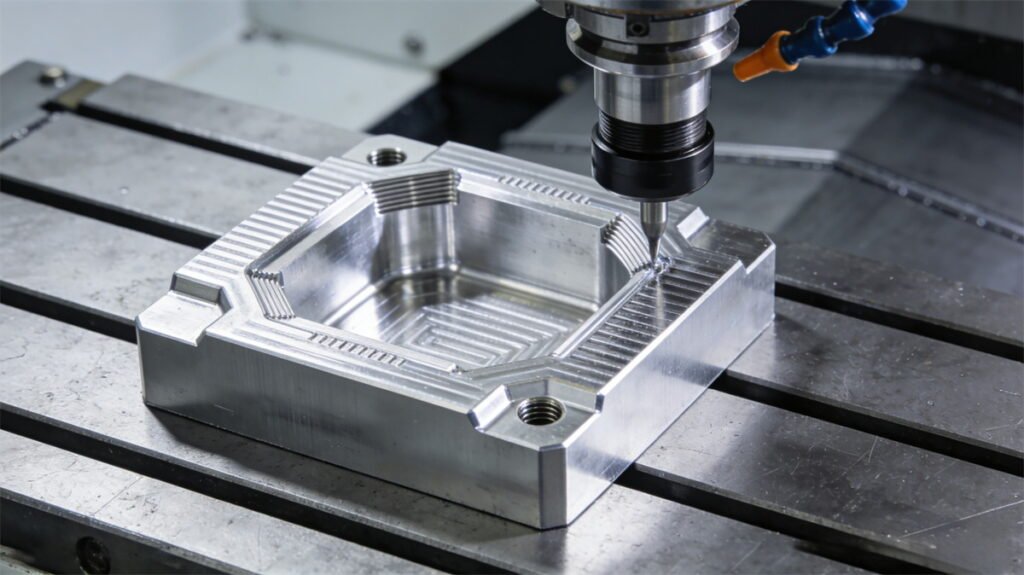
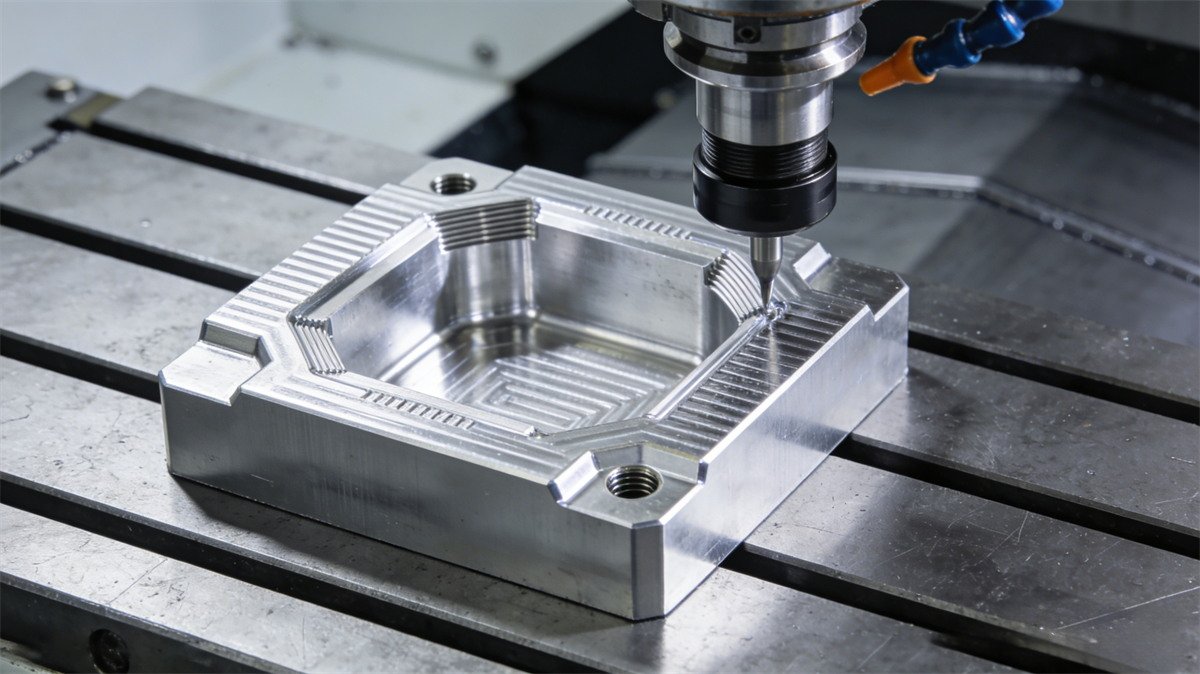
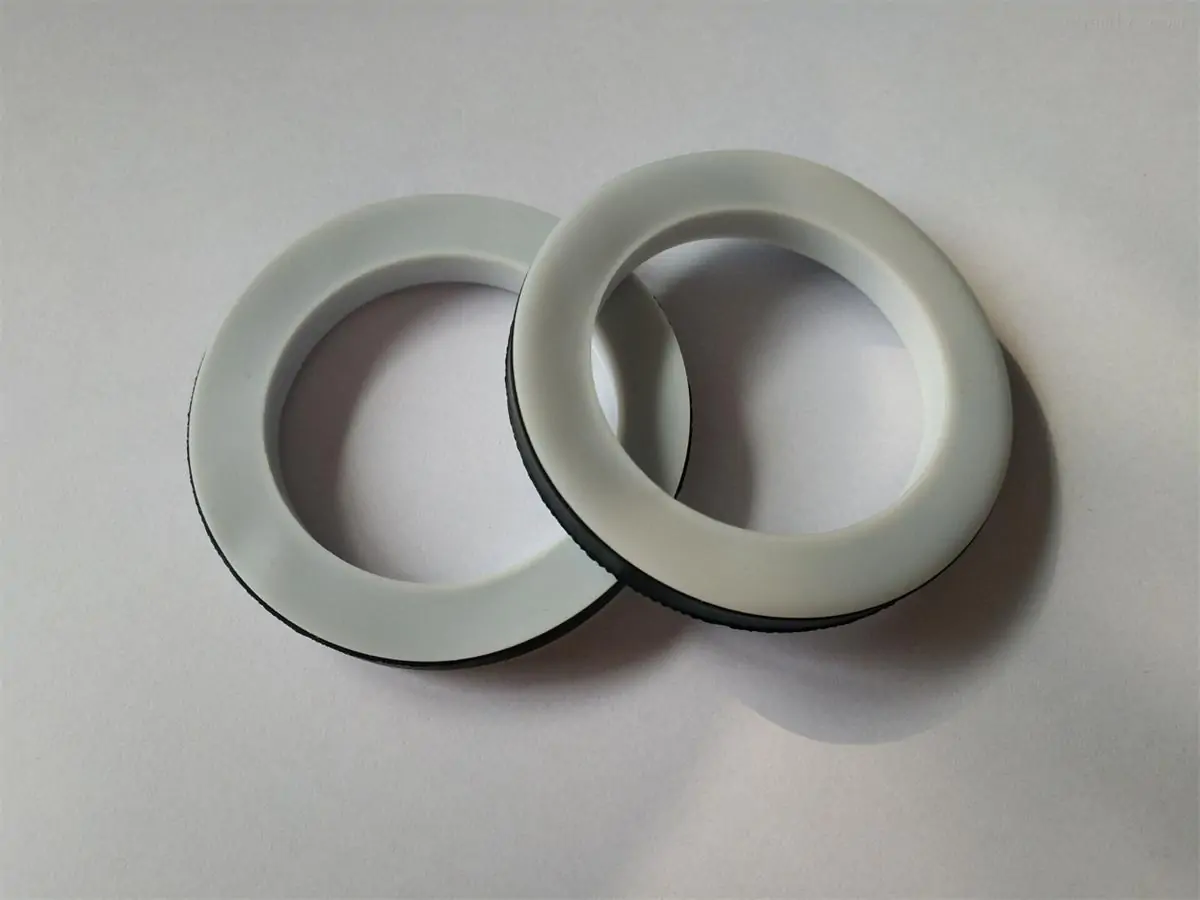
Precision injection molding technology produces complex industrial parts with tight tolerances, dimensional accuracy, and consistent quality. This process is widely used for pump components, mechanical gears, and structural plastic parts in automation equipment.
Our precision injection molding systems ensure consistent performance, dimensional accuracy, and reliable mass production of industrial mechanical components.
Insert Molding Technology
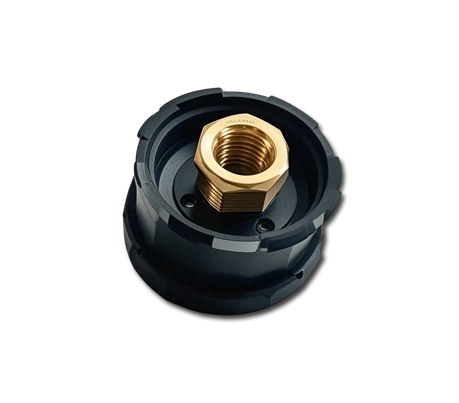
Insert molding integrates metal inserts into plastic structures to enhance mechanical strength and structural integrity. It is commonly used for manufacturing industrial handles, threaded housings, mounting brackets, and mechanical connectors.
High-precision insert positioning ensures a secure bond between metal and plastic components, enhancing durability and reducing secondary assembly requirements.
Overmolding
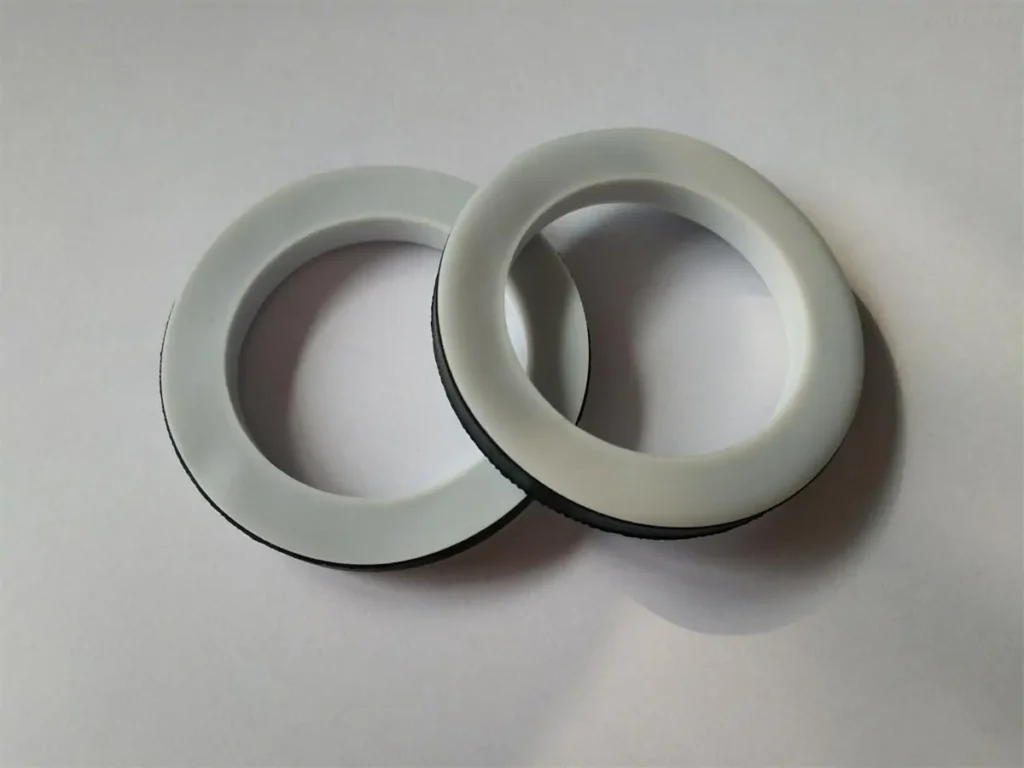
Overmolding technology combines multiple materials within a single component, enabling ergonomic grips, shock-absorbing surfaces, and sealing functions for industrial equipment.
Typical over molding applications include soft-touch control handles, protective housings, and industrial control interfaces.
Materials Used for Industrial Automation Plastic Parts
Industrial equipment components require engineering plastics with diverse properties, typically demanding high strength, wear resistance, and chemical stability. These plastics broadly fall into three categories: general-purpose industrial plastics, engineering plastics for mechanical parts, and high-performance engineering plastics.
General-Purpose Industrial Plastics
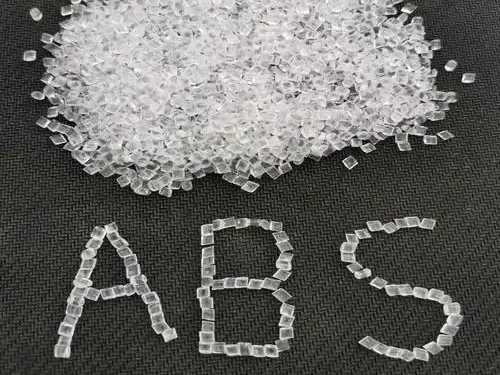
PP and ABS offer excellent impact resistance and processing stability at low cost with abundant raw materials. Suited for high-volume, efficient injection molding, they are widely used in protective covers, equipment housings, and control interfaces.If you’d like to learn more about ABS, click on this article:Can ABS Plastic Be Injection Molded?
Engineering Plastics for Mechanical Components
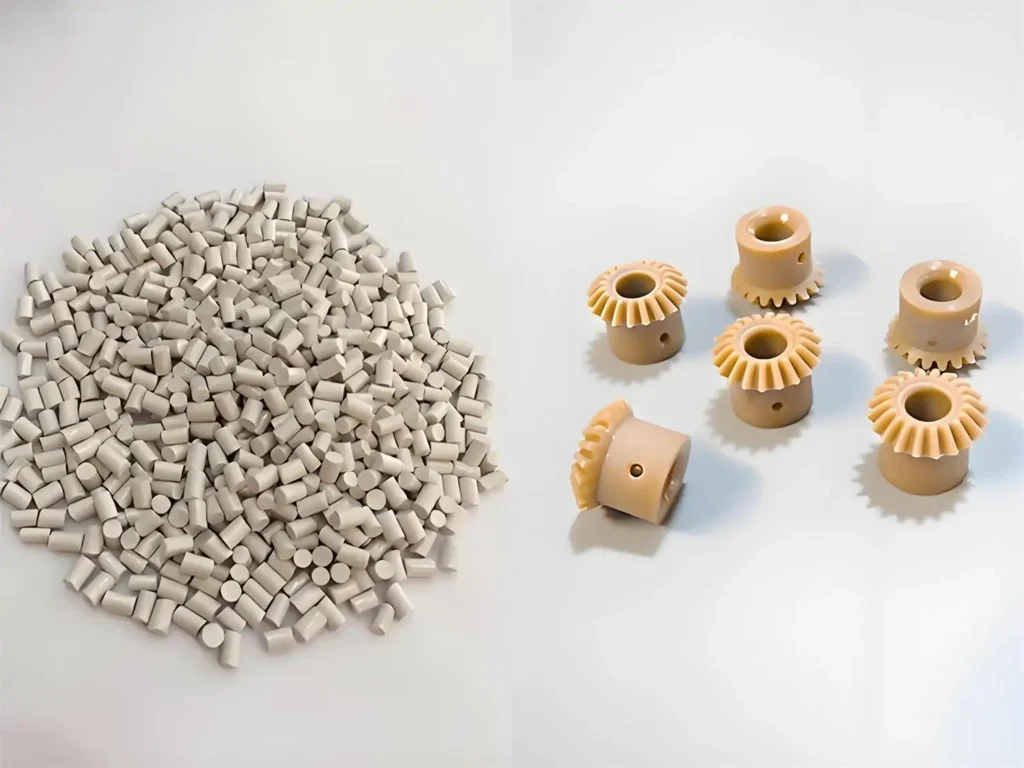
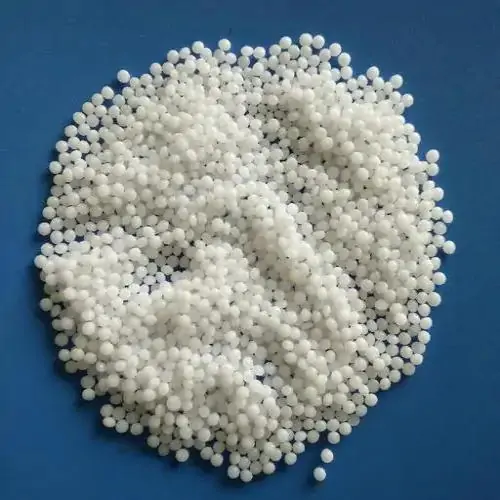
PA6, PA66, and POM are higher-cost materials with superior performance. Their excellent mechanical strength, wear resistance, and dimensional stability make them ideal for manufacturing gears, pump impellers, and mechanical components.If you’d like to learn more, click on this article:What Types of Plastic is Used in Injection Moulding?

High-Performance Engineering Plastics
PBT, PPS, and PEEK are high-performance engineering plastics with outstanding thermal stability, chemical resistance, and long-term durability. Capable of withstanding harsh industrial environments, they are commonly used in fluid systems, high-temperature equipment, and heavy-duty automation components.
Custom Mold Manufacturing Capabilities at Huashuo
Industrial plastic part applications often require components capable of withstanding continuous mechanical stress, vibration, temperature fluctuations, and chemical corrosion. Our manufacturing capabilities produce high-strength industrial plastic parts with consistent quality and reliable capacity. To learn more about customized industrial injection molding services, click the article below:How to Choose Custom Plastic Injection Moulding Services?
Strict Tolerance Control
Huashuo’s advanced industrial injection molding services ensure high dimensional accuracy for industrial components requiring precision assembly.
Multi Cavity Mold Production
Optimized mold structures support stable, high-volume production of industrial plastic parts while maintaining strict quality consistency.
Rapid Prototyping
Prototype development and design validation help industrial equipment manufacturers mitigate industrial injection molding development risks and accelerate time-to-market.
Reliable Mass Production
Our automated industrial plastic parts manufacturing systems guarantee stable production performance for long-term industrial supply plans.
Our Team Strengths

Dedicated Account Managers
Each project is managed by a dedicated client team responsible for project coordination, documentation management, and communication throughout the entire production process.
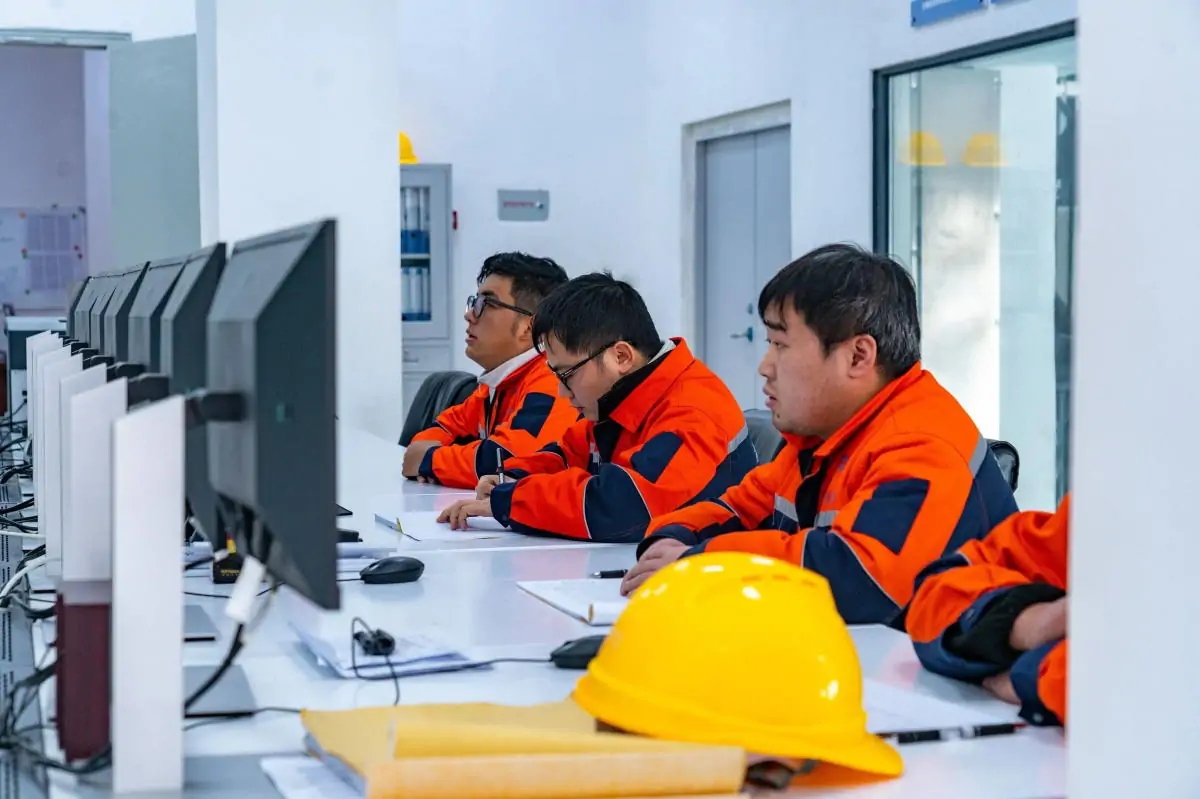
Application & Project Engineers
Our engineering team provides DFM analysis, manufacturability optimization, and design validation support to enhance product performance and production efficiency.
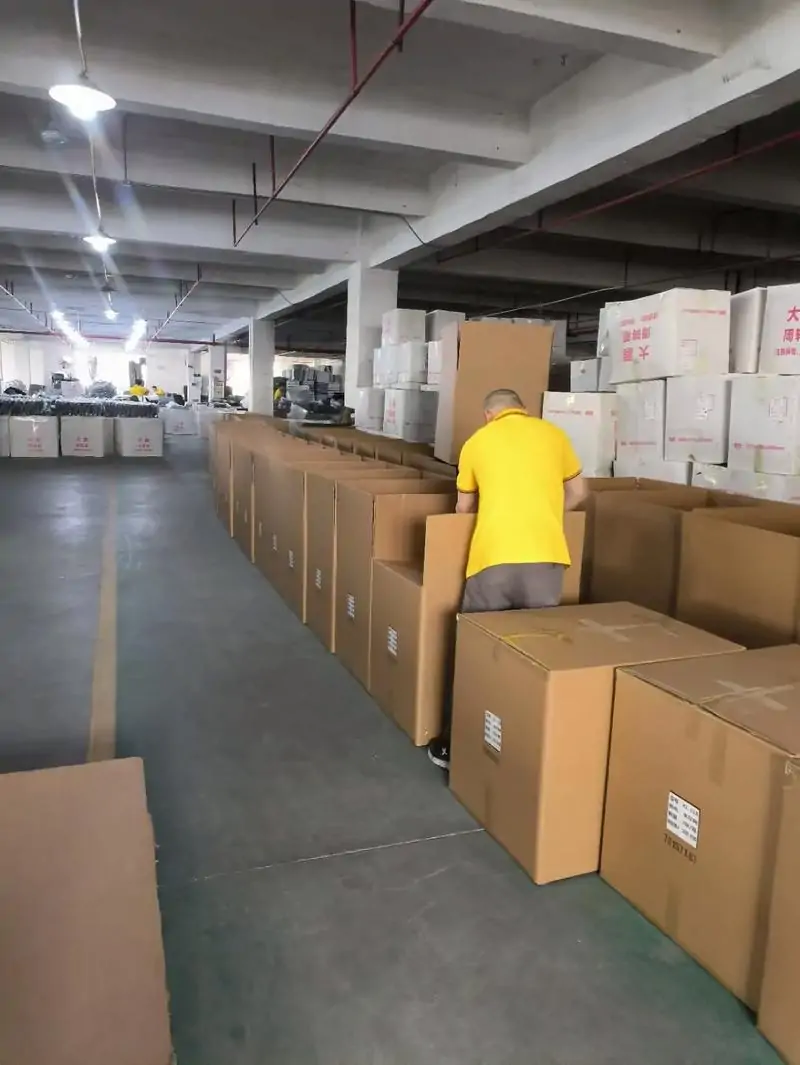
Operations and Quality Experts
Experienced operations and quality teams oversee controlled production processes, inspection systems, and documentation management to ensure stable manufacturing of industrial components.