DFM for Plastic Parts
Effective DFM ensures plastic parts are designed for stable manufacturing, cost efficiency, and long-term production reliability.
Huashuo provides engineering-driven DFM analysis to optimize plastic part design before tooling begins.
- ISO 9001:2015, CE
- T1 sample as fast as 2 weeks
- No minimums
What Is DFM for Plastic Parts?
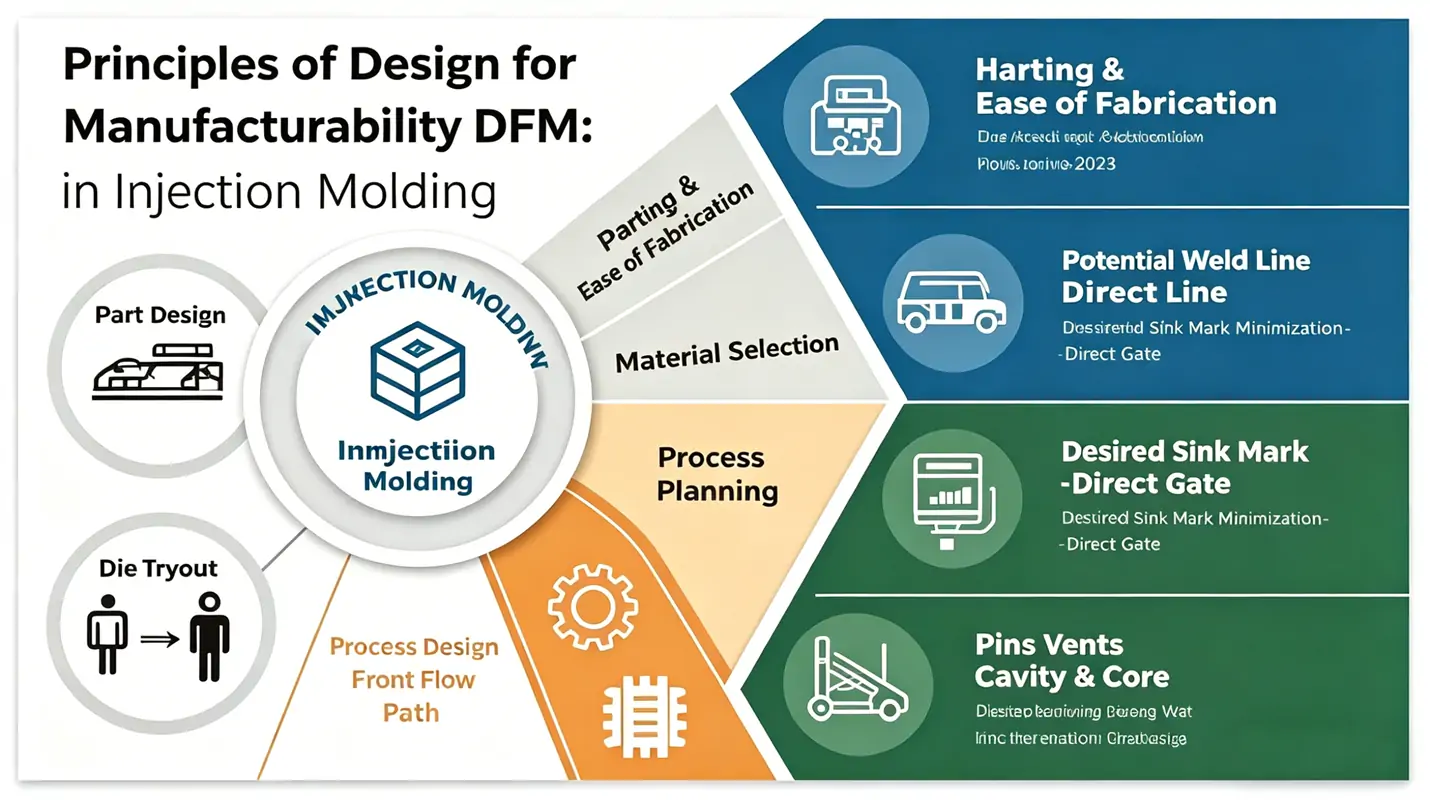
DFM (Design for Manufacturing) refers to the process of optimizing product design to ensure it can be manufactured efficiently, reliably, and at a controllable cost. In plastic injection molding, DFM focuses on evaluating part geometry, material selection, wall thickness, draft angles, and mold feasibility before mold production begins.
Injection molds require a significant investment, and design changes after mold fabrication are often costly and time-consuming; therefore, DFM is critical. By applying DFM early in the development process, manufacturers can reduce production risks, prevent defects, and improve manufacturing efficiency.
The Importance of DFM for Injection-Molded Parts
Injection molding is a highly efficient manufacturing method, but it is also sensitive to part geometry, material behavior, and mold design. Without proper DFM analysis, seemingly minor design details may result in serious production problems.
Cost Control
Design optimization reduces mold complexity, eliminates unnecessary tooling features, and improves production efficiency.
Shorter Development Cycles
By identifying potential issues before tooling starts, DFM reduces design revisions and accelerates product launch timelines.
Improved Manufacturing Stability
Parts designed with proper wall thickness, draft angles, and gating strategies are easier to mold consistently.
Better Product Quality
A well-planned design reduces cosmetic defects, dimensional variations, and internal stress.
HuaShuo DFM Analysis Workflow
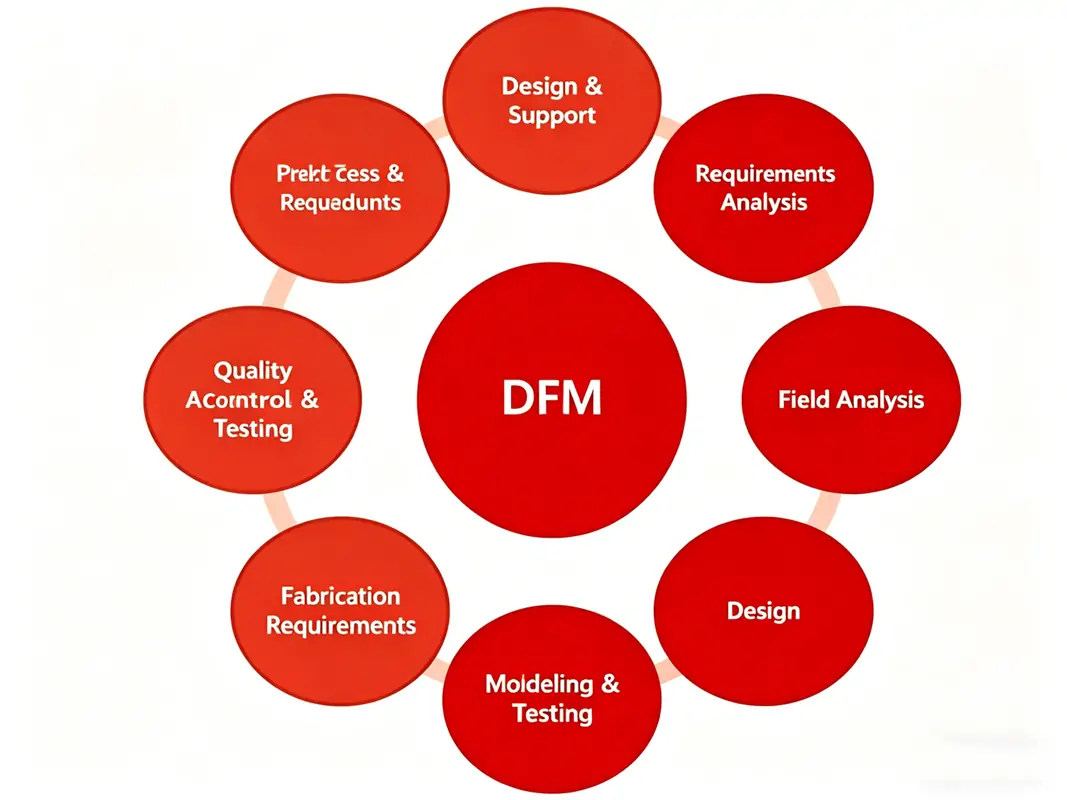
The DFM process for plastic parts involves multiple engineering analysis steps to evaluate the product structure from both design and manufacturing perspectives.
Engineers review the 3D model to analyze geometry, part complexity, and manufacturability.
Wall thickness distribution is checked to ensure uniform cooling and stable filling behavior.
Draft angles are evaluated to ensure smooth mold release and prevent damage to the part or mold.
Engineers determine the most suitable injection gate type and position based on flow direction and part geometry.
The parting line is confirmed to ensure mold feasibility and minimize cosmetic defects.
Issues such as sink marks, weld lines, and air traps are evaluated and addressed.
Key DFM Analysis and Design Guidelines for Plastic Parts
A professional DFM analysis evaluates key design parameters that directly affect mold manufacturing, molding stability, and final product quality.
Wall Thickness Analysis
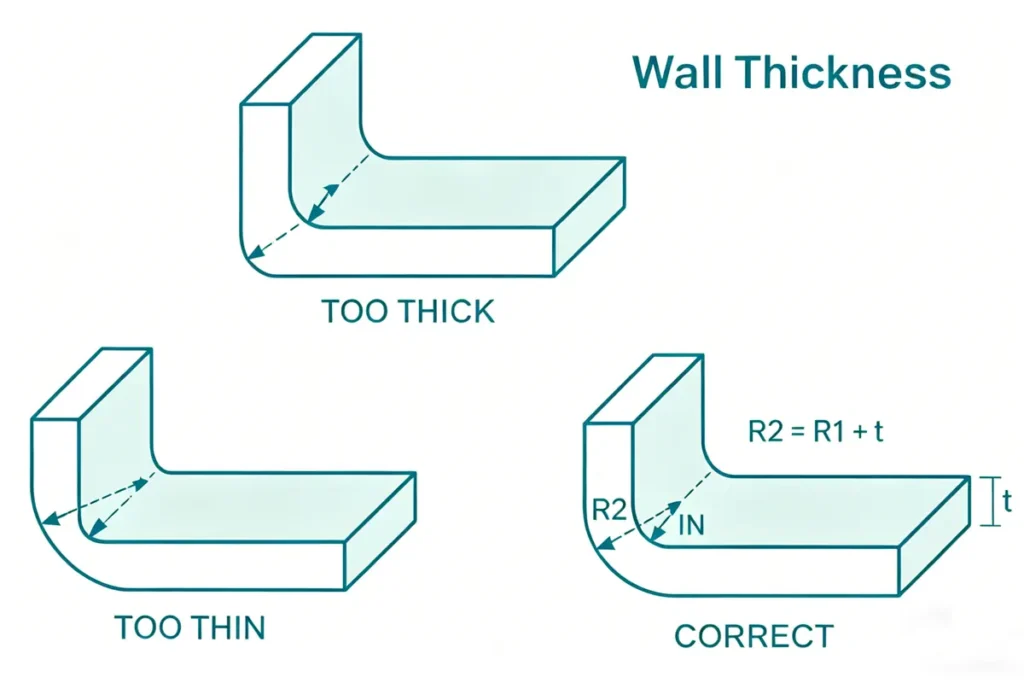
Uniform wall thickness is one of the most important principles in injection molded part design. Excessive thickness variations can cause uneven cooling, which may lead to sink marks, warpage, or internal stress.
Designers typically aim to maintain consistent wall thickness while using ribs or structural features to reinforce strength where needed.
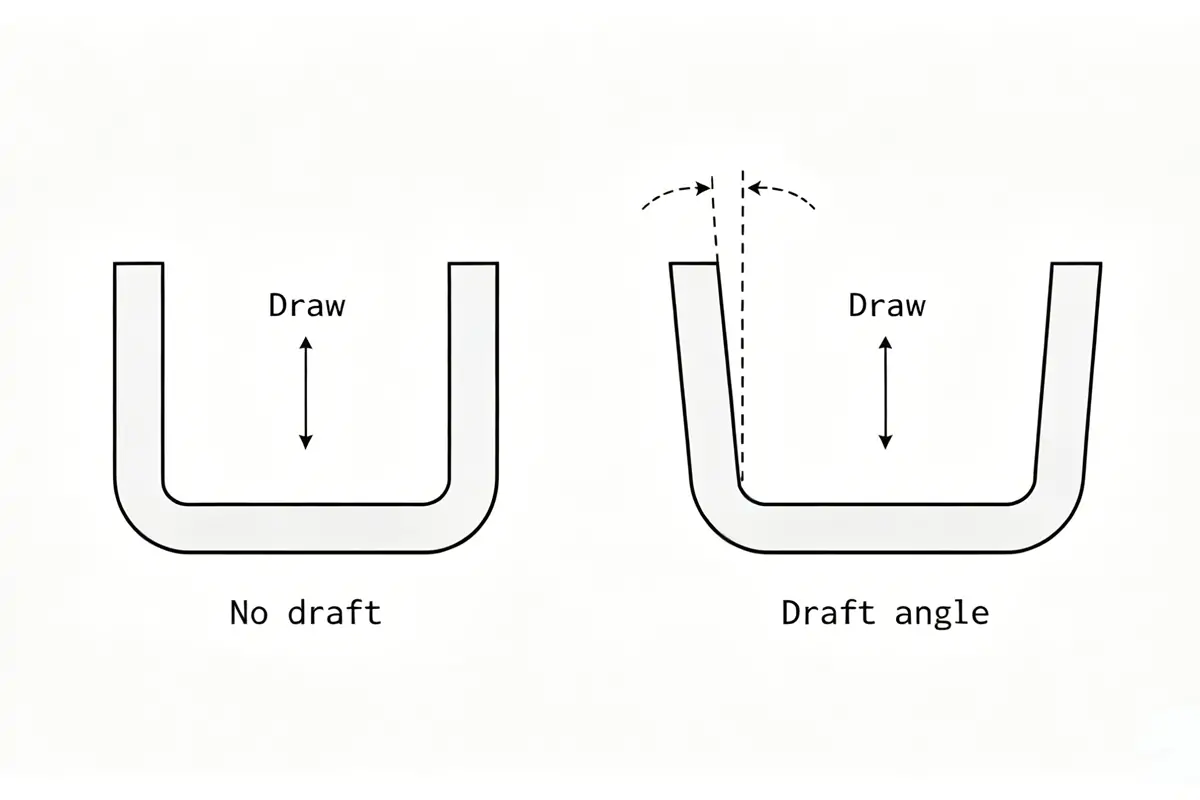
Draft Angle Design
Draft angles allow molded parts to be released smoothly from the mold cavity. Without sufficient draft, parts may stick to the mold, causing scratches or deformation during ejection.
Typical draft recommendations range from 1° to 3°, depending on material type and surface finish requirements.
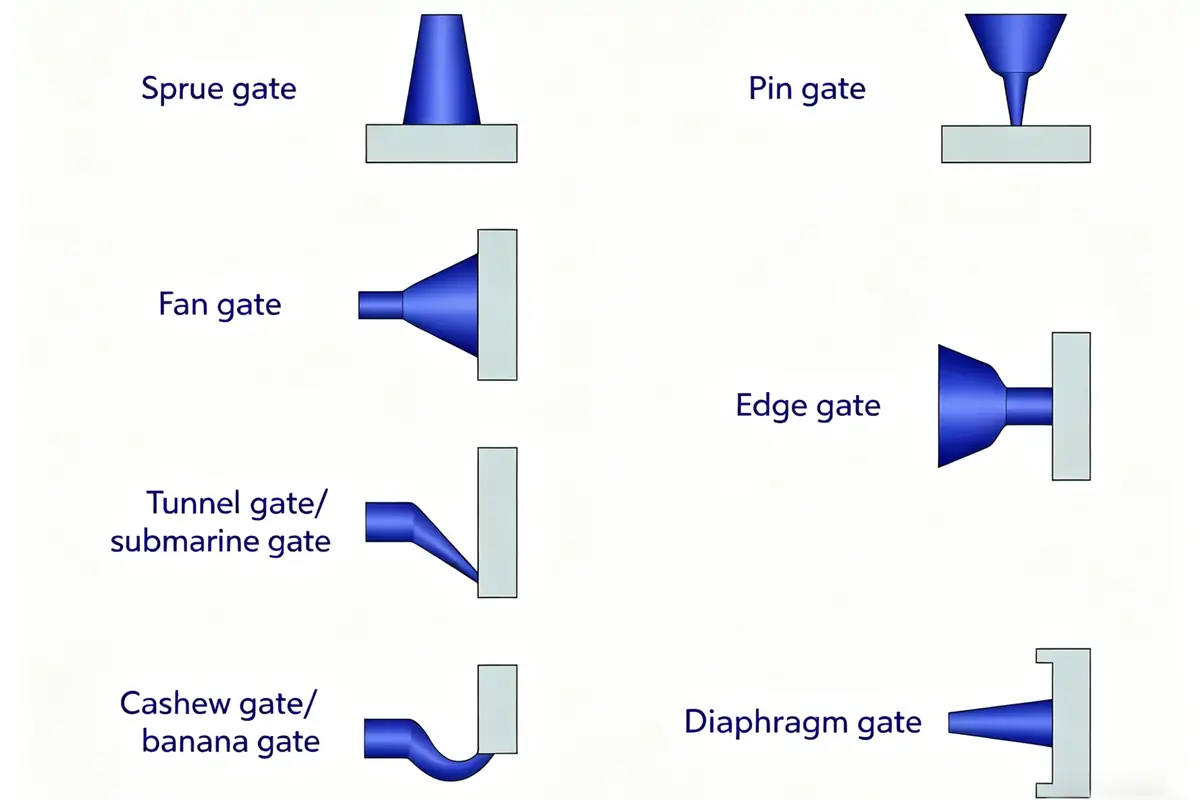
Gate Location and Injection Strategy
Gate placement determines how molten plastic flows into the cavity. Poor gate positioning may lead to uneven filling, weld lines, or trapped air.
A well-planned gate location ensures balanced filling, improved surface quality, and reduced molding stress.
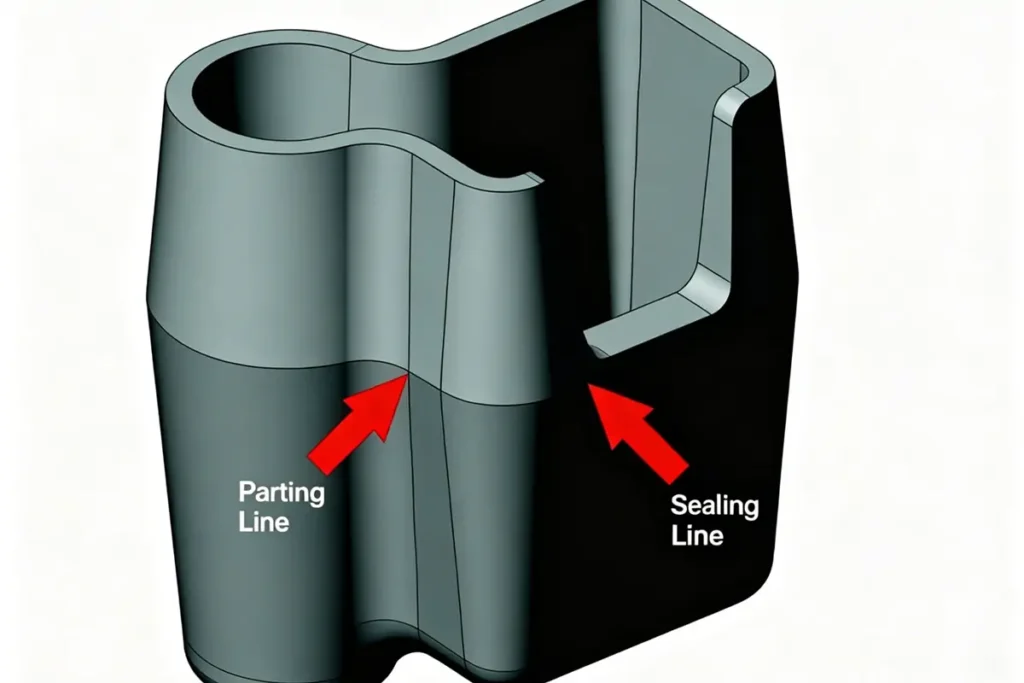
Parting Line Design
The parting line separates the two halves of the mold. Its placement affects mold complexity as well as the visual appearance of the product.
Careful parting line design helps avoid flash formation and prevents visible marks on cosmetic surfaces.
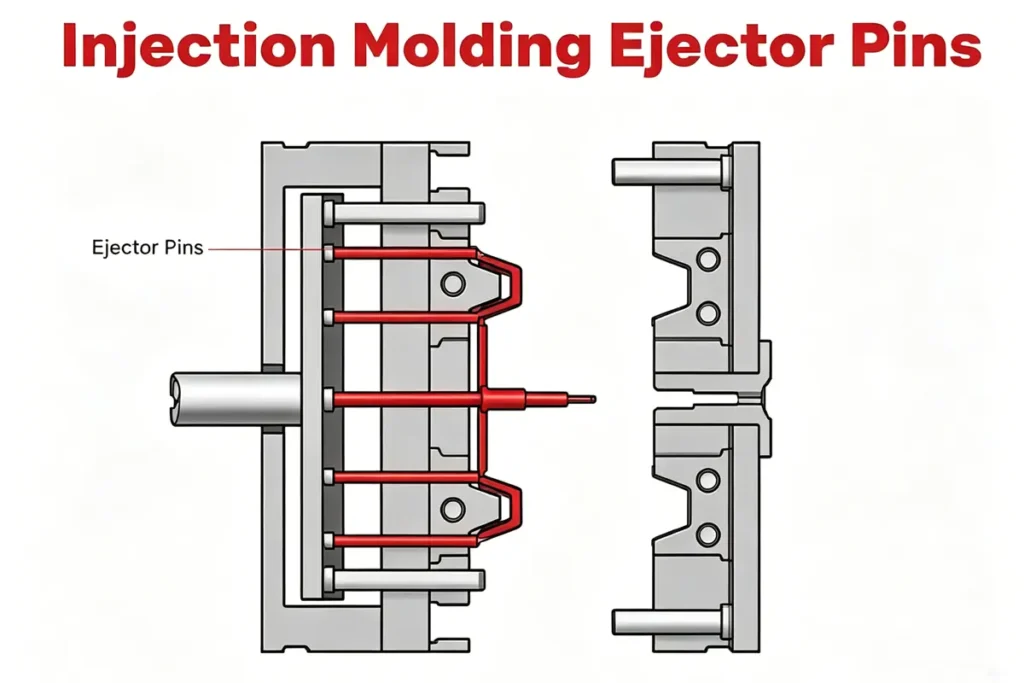
Ejection System Layout
The ejection system removes the molded part from the mold after cooling. Improper ejector placement can cause deformation or stress marks on thin or cosmetic surfaces.
Balanced ejector distribution ensures stable part removal without damaging the component.
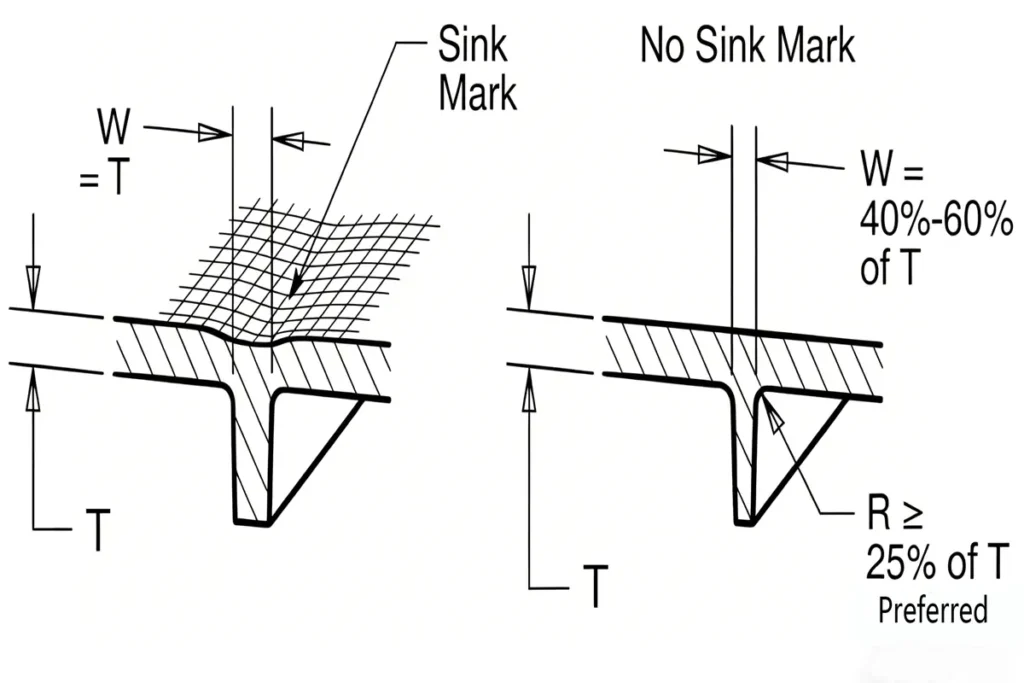
Rib and Boss Structure Optimization
Ribs and bosses are commonly used to improve structural strength and support assembly features such as screws or inserts.
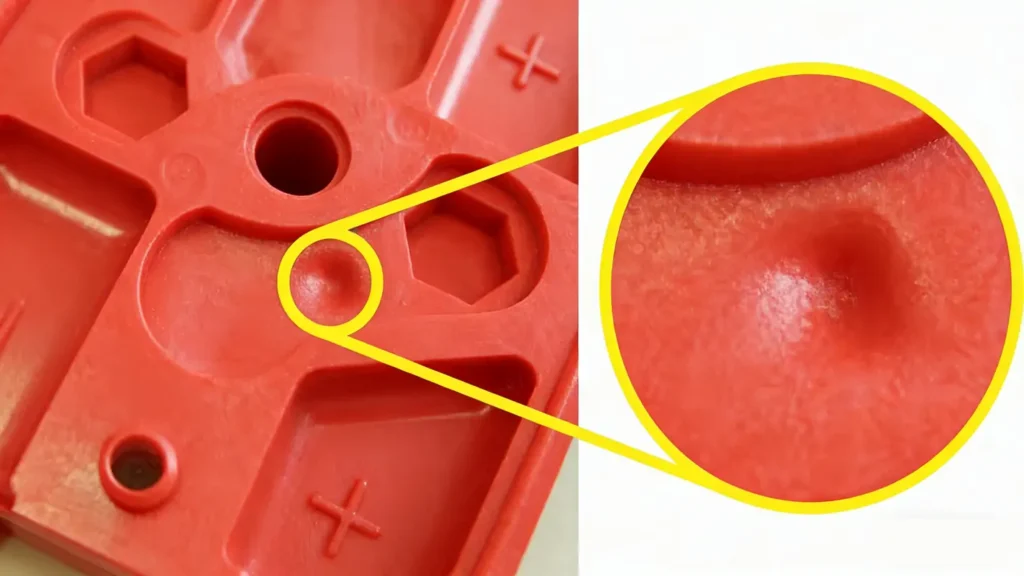
However, oversized ribs may cause sink marks on visible surfaces. Proper rib thickness and spacing help maintain both strength and appearance.
Common Manufacturing Problems Prevented by DFM
Many injection molding defects originate from structural design problems rather than process parameters. DFM analysis helps identify these risks early.
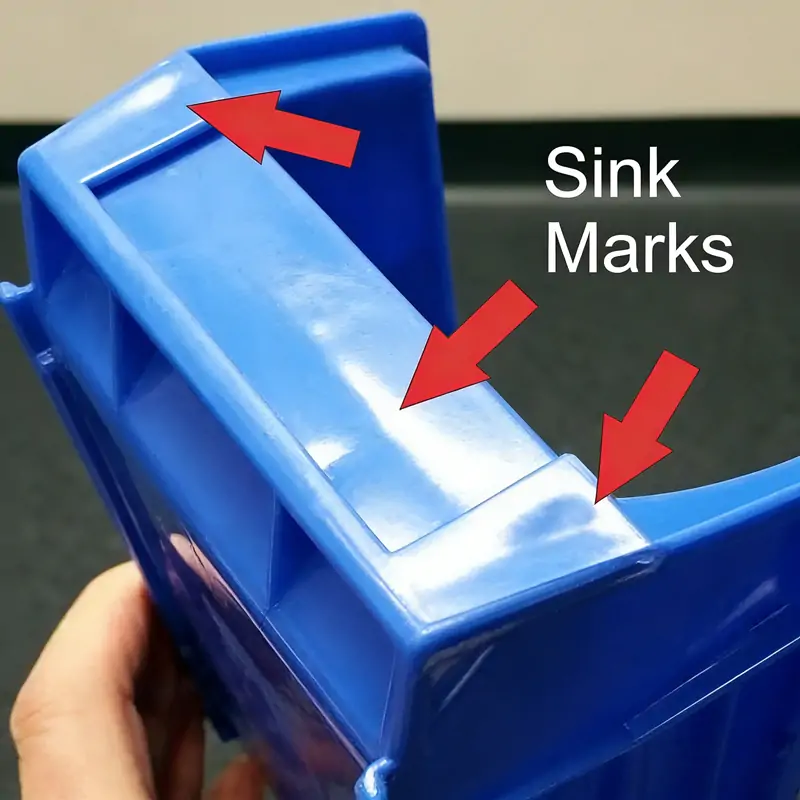
Sink Marks
Usually caused by excessive wall thickness or poorly designed ribs.
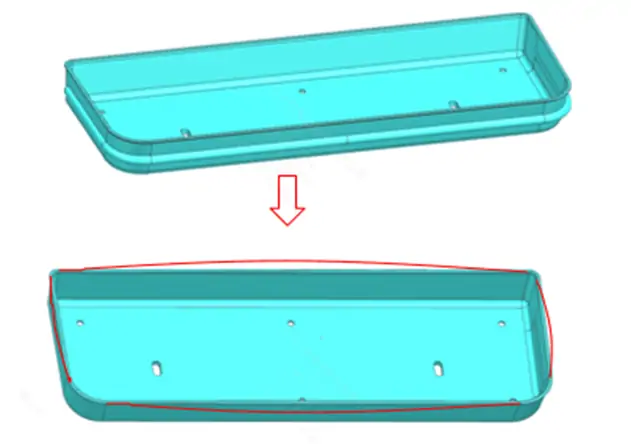
Warping and Deformation
Often related to uneven cooling or internal stress accumulation.
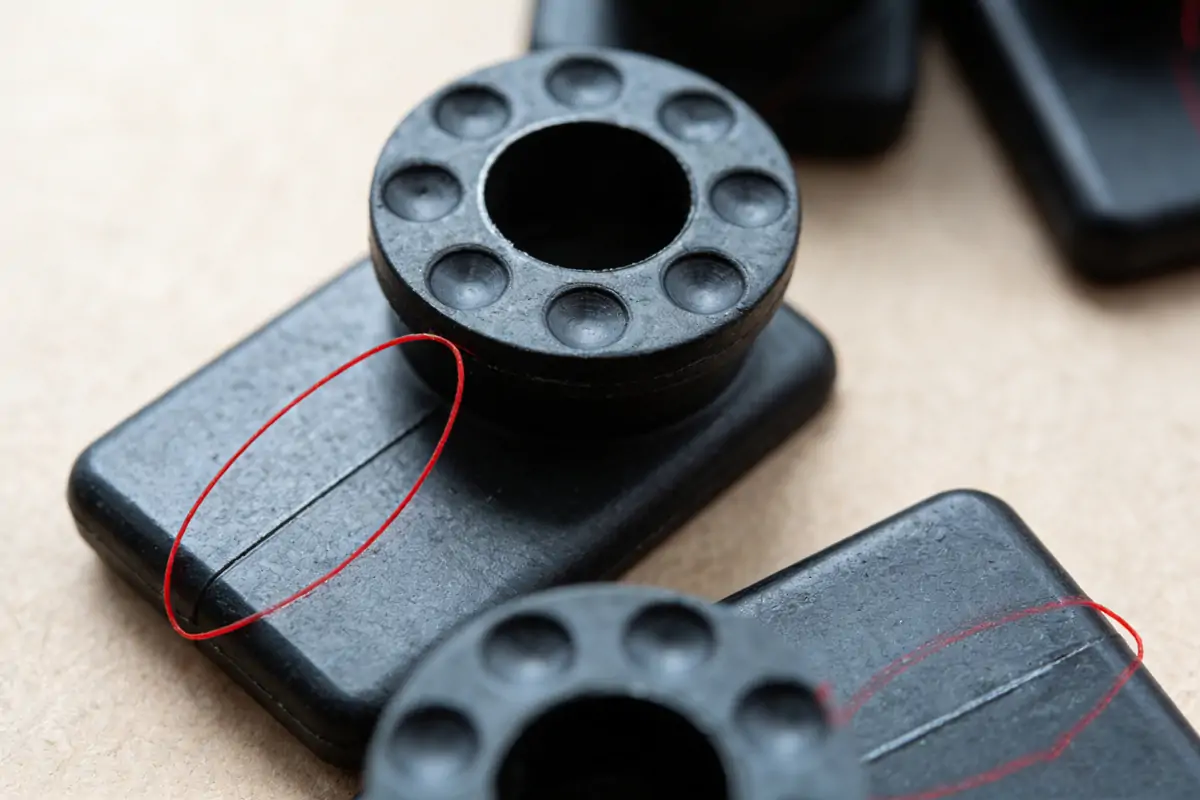
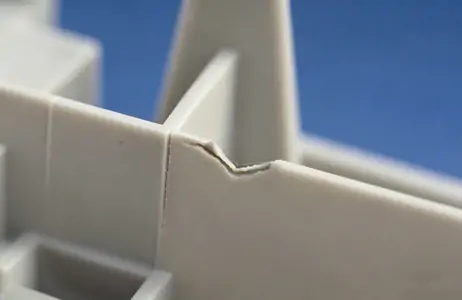
Weld Lines
Formed when two melt flow fronts meet, affecting both appearance and strength.
Air Traps and Burn Marks
Occur when trapped air cannot escape during filling.
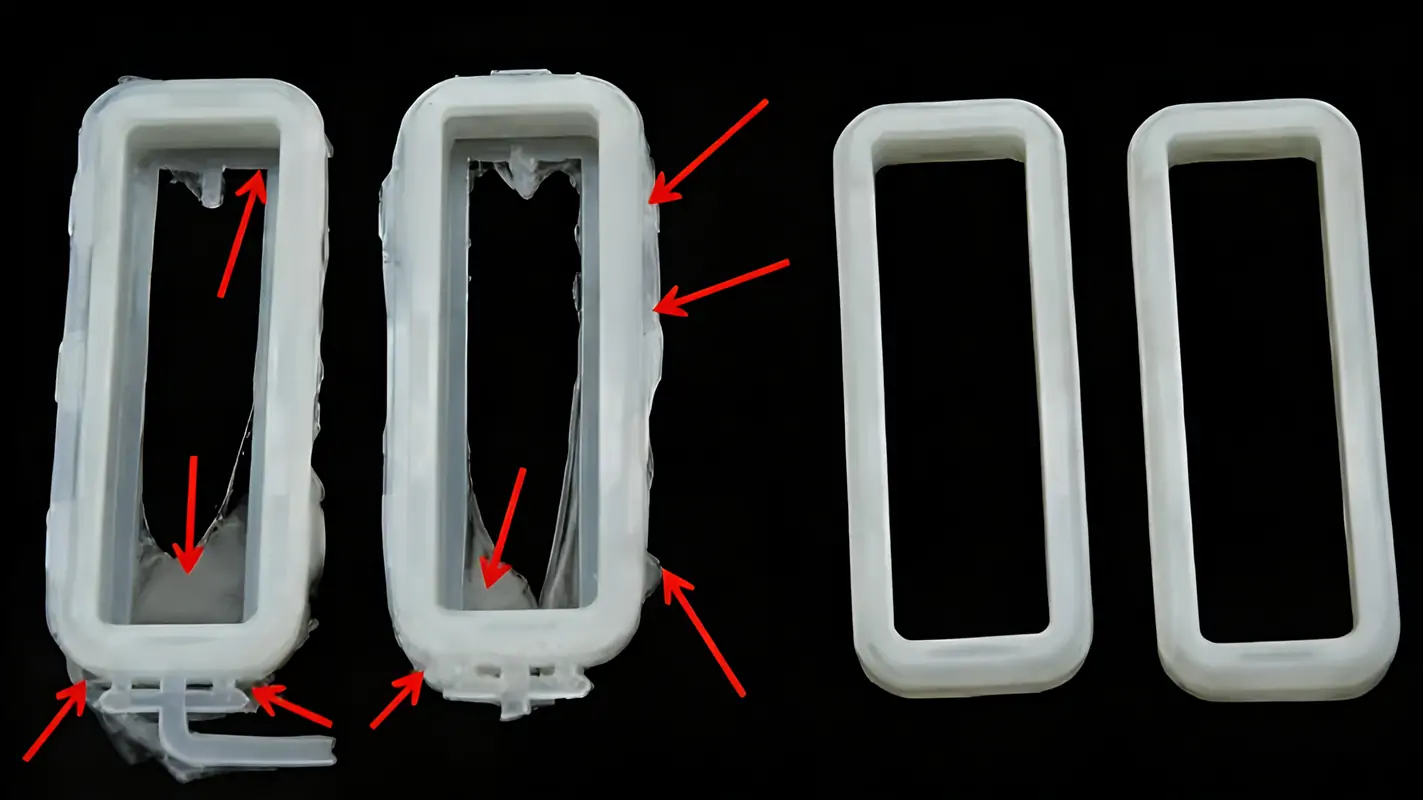
Flash Formation
Caused by improper parting line design or insufficient mold sealing.
About us
Huashuo DFM Engineering Approach
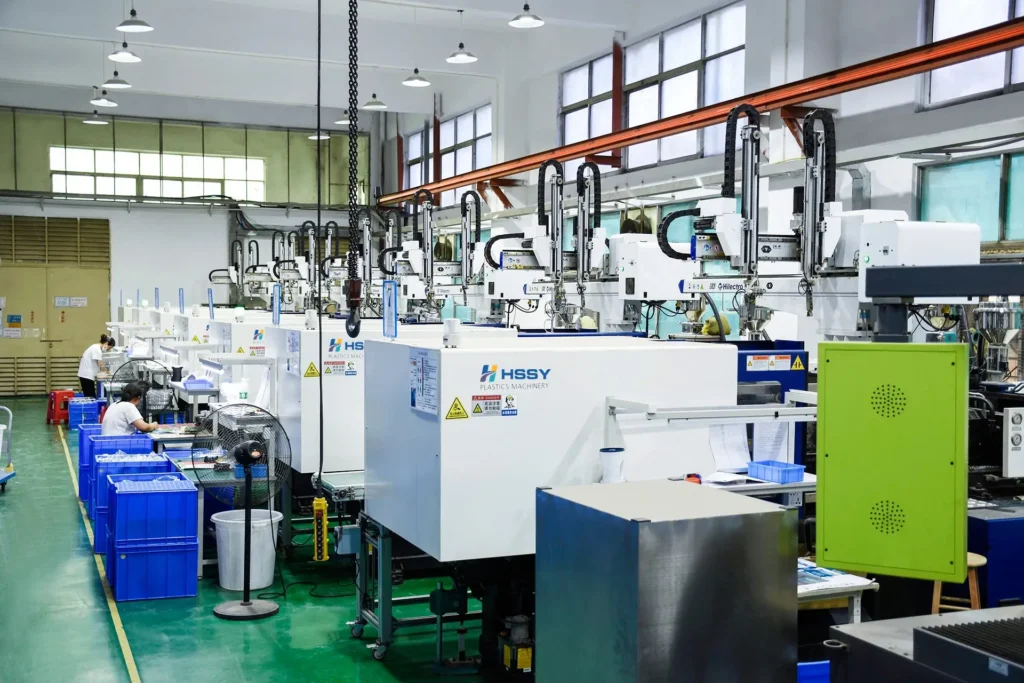
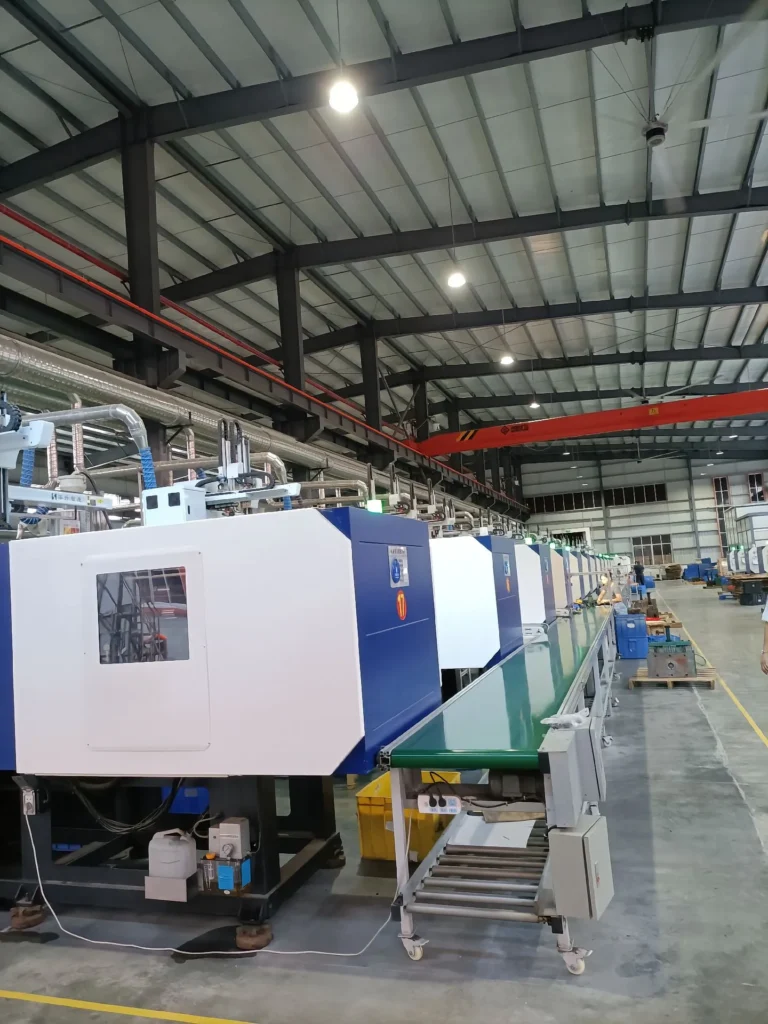
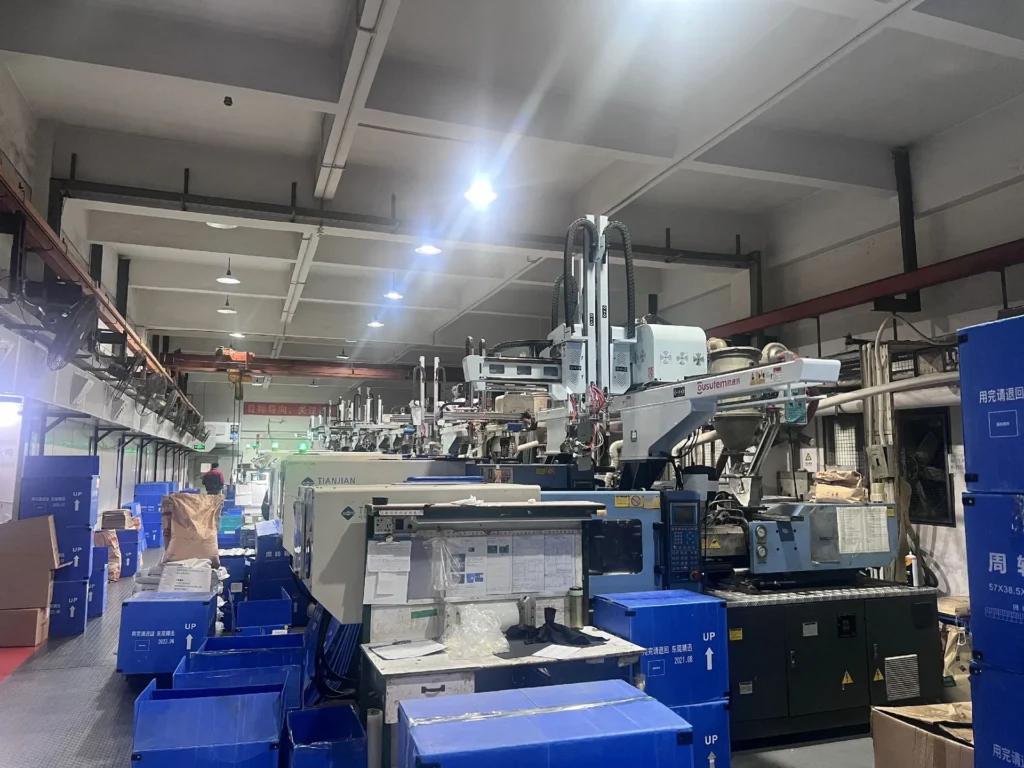
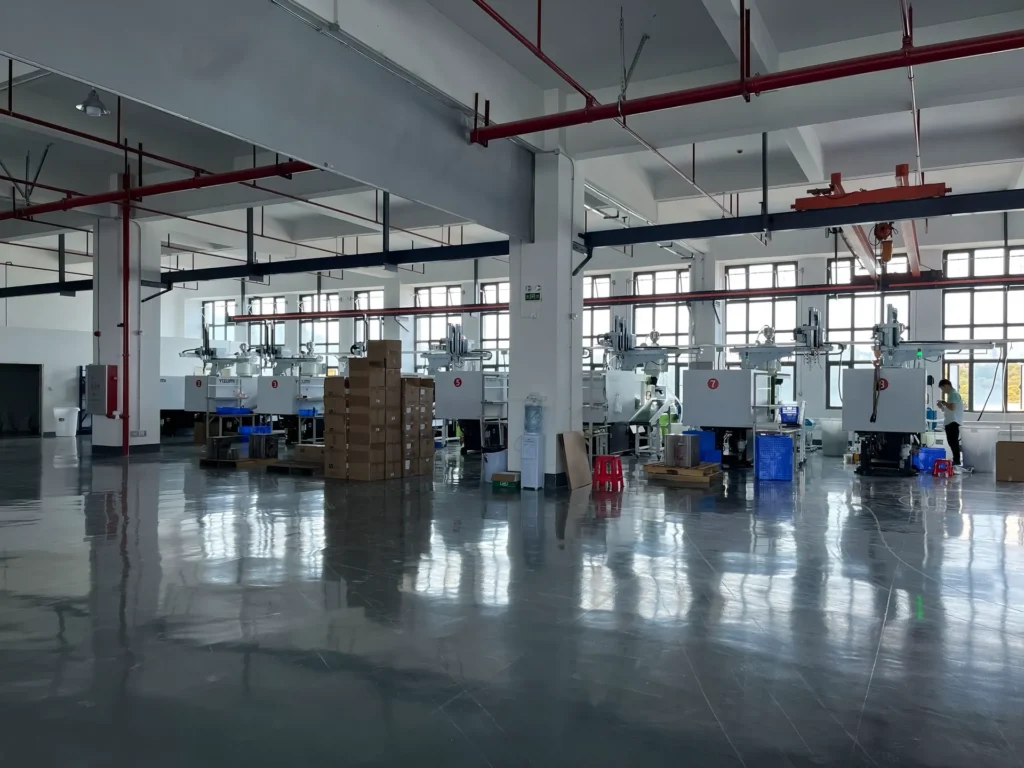
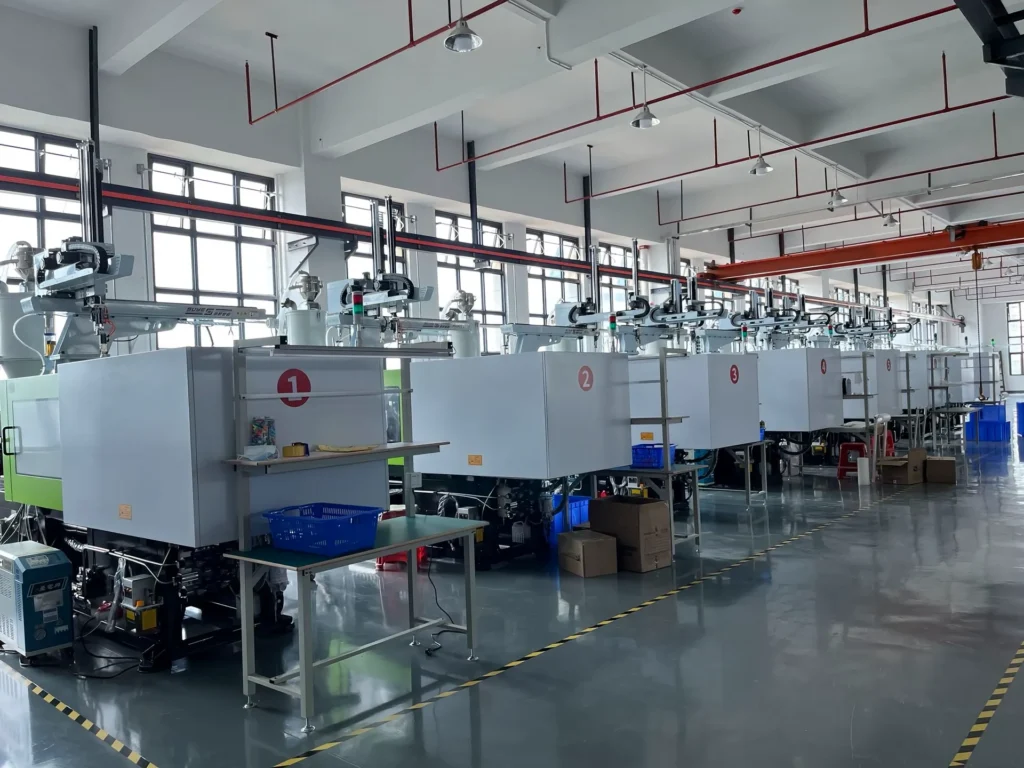
At Huashuo, DFM analysis is an important step before mold manufacturing begins. Our engineers evaluate part geometry, wall thickness, gating strategy, and material selection to ensure the design can be manufactured efficiently through injection molding.
By balancing factors such as structural strength, mold complexity, production stability, and tooling cost, we provide practical design recommendations that improve manufacturability and reduce development risks. This engineering-driven approach helps ensure plastic part designs move smoothly from concept to stable mass production.
FAQS
Everything You Need to Know About Our DFM for Plastic Parts
Request a Quote
From mold design to mass production, we offer end-to-end solutions.
Tell us about your application, materials, and volume requirements. Our team will recommend the right process and deliver a tailored manufacturing solution.
More Services
Double Shot Injection Molding
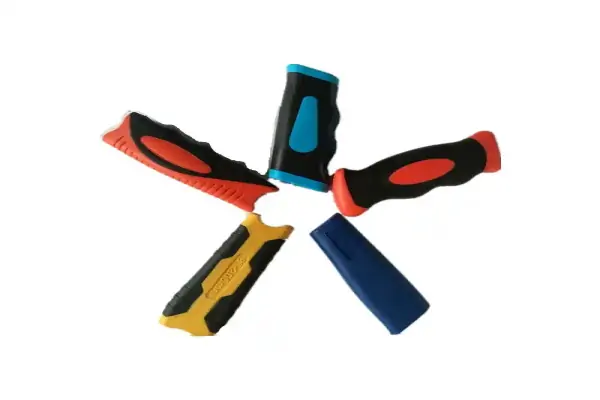
Double Shot Injection Molding Services Huashuo specializes in providing high-precision…Rapid Prototyping
Rapid Prototyping Plastic Huashuo provides Rapid Prototyping Plastic solutions for…CNC Routing Services
CNC Routing Services Huashuo offers bespoke precision CNC routing services,…

Related Articles
Why Is Injection Moulding Good for Mass Production?
Injection molding stands as one of the most widely adopted…What Causes Shrinkage In Injection Molding?
Shrinkage in injection molding is one of the primary causes…Exploring the Global Plastic Injection Molding Outsourcing Service Market: Trends, Benefits, and Strategic Insights for B2B Success
Driven by various factors in manufacturing and production, an increasing…