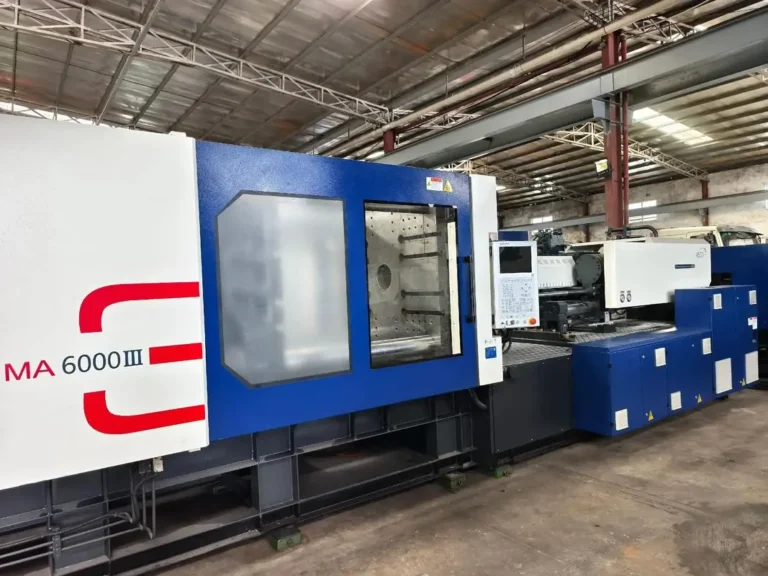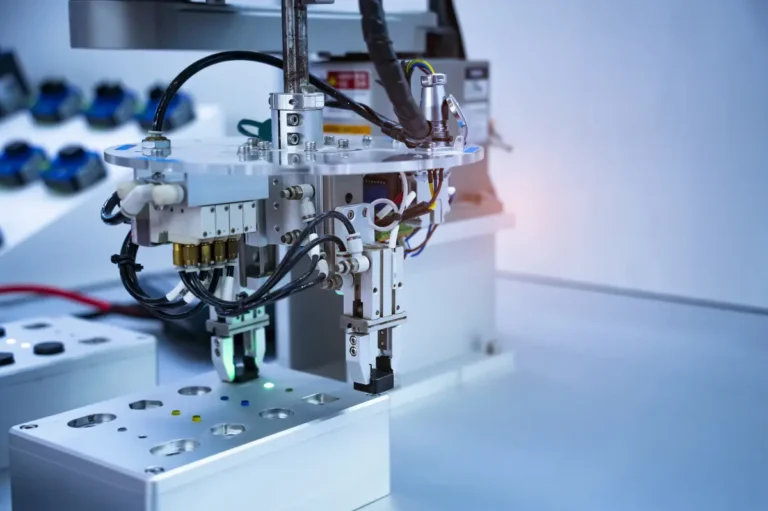
Injection molding stands as one of the most widely adopted mass production manufacturing processes today, enabling the precise and efficient production of large quantities of identical parts. Its advantages, including speed, high precision, and cost-effectiveness—make it an ideal choice for producing a wide range of plastic products, from automotive components to consumer goods.
In this article, we will delve into why injection molding is the preferred choice for mass production, analyzing its key advantages such as repeatability, scalability, and material versatility. We will also explore how injection molding helps manufacturers streamline production processes, reduce costs, and meet large-scale demand.
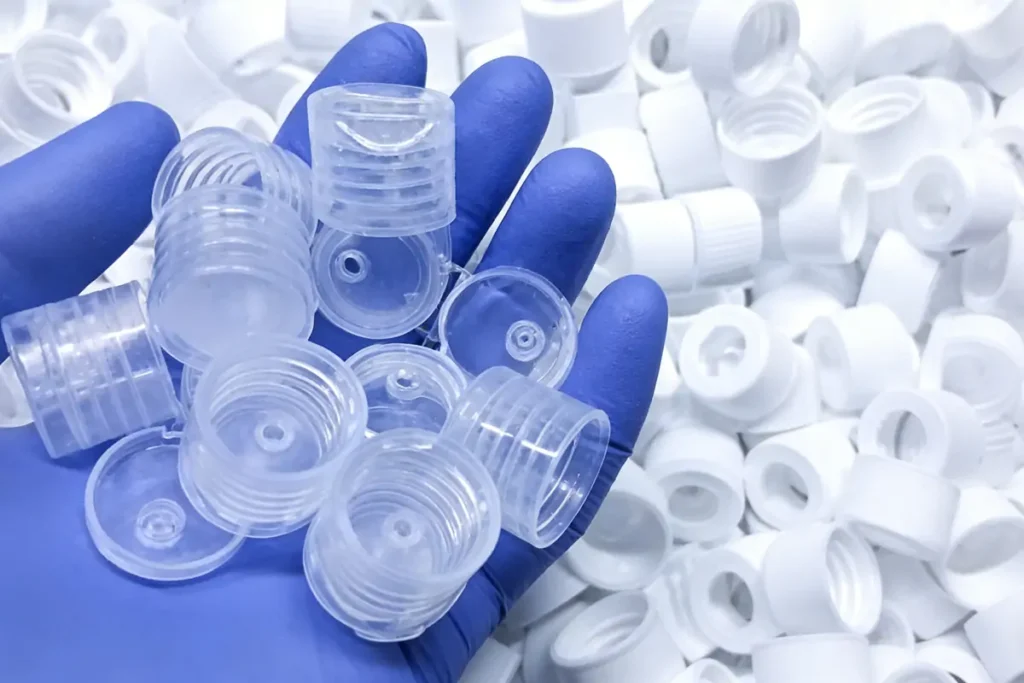
Advantages of Injection Molding
Among various molding methods, injection molding offers the following advantages:
Rapid and Efficient High-Volume Production Capabilities
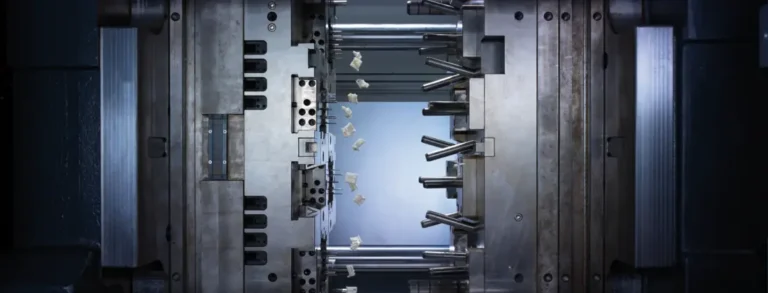
Injection molding offers high efficiency. This is reflected in its short cycle time per molding operation, enabling continuous production with a high degree of automation, making it well-suited for projects with tight deadlines.
High Precision and Minimal Production Deviation
In mass production, injection molding offers tight dimensional tolerances and high precision. It also delivers exceptional repeatability with minimal variation between batches.
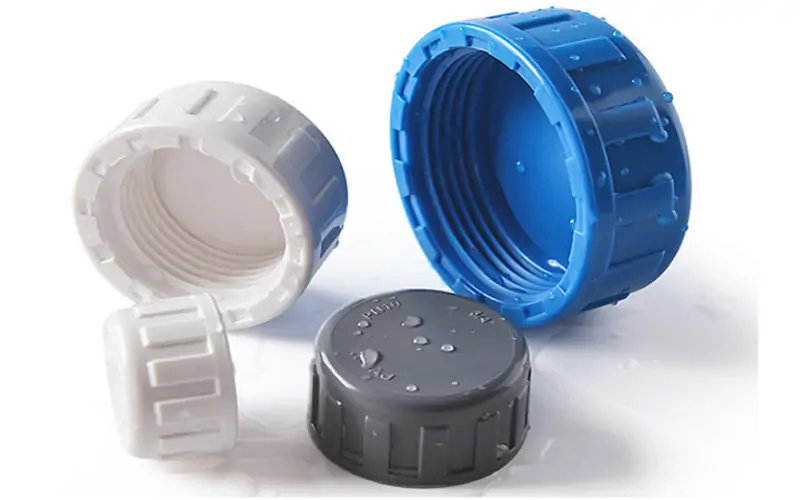
Support for Complex Part Structure Design
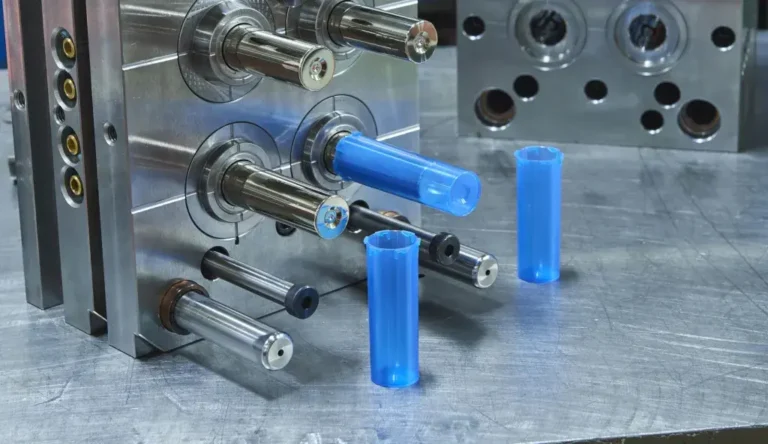
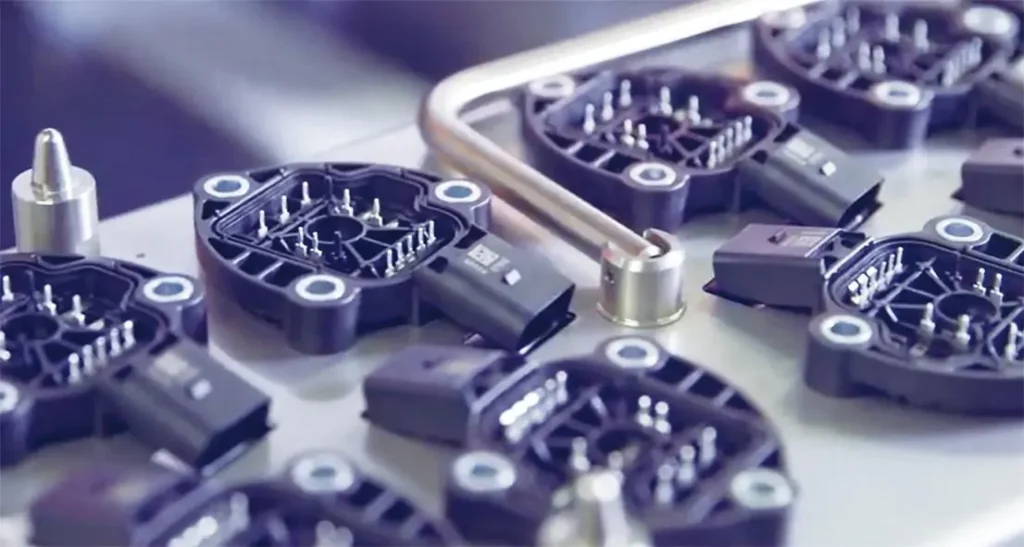
Injection molding enables the one-time formation of complex structures such as thin walls, internal ribs, snap-fit mechanisms, and pillar positions, facilitating multifunctional integrated designs and enabling more intricate, highly integrated designs.
Highly Flexible Material and Appearance Customization
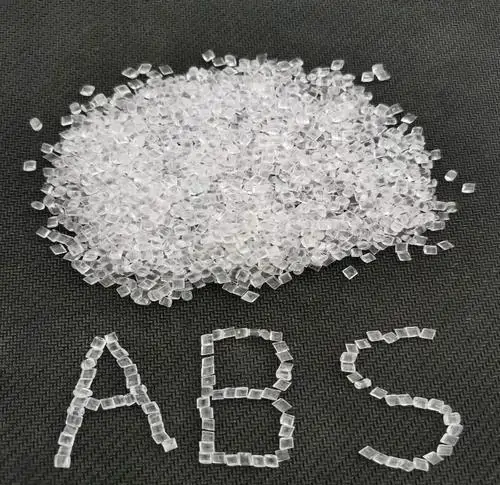
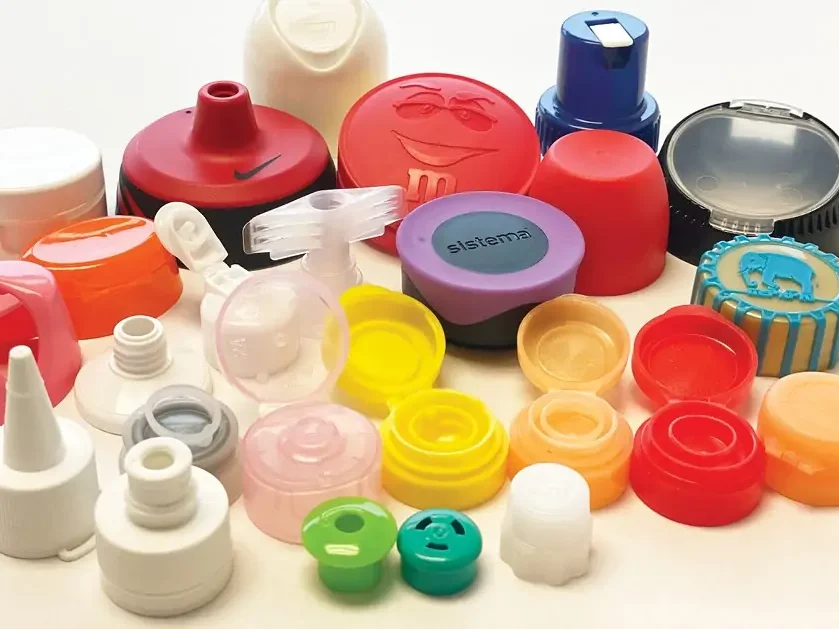
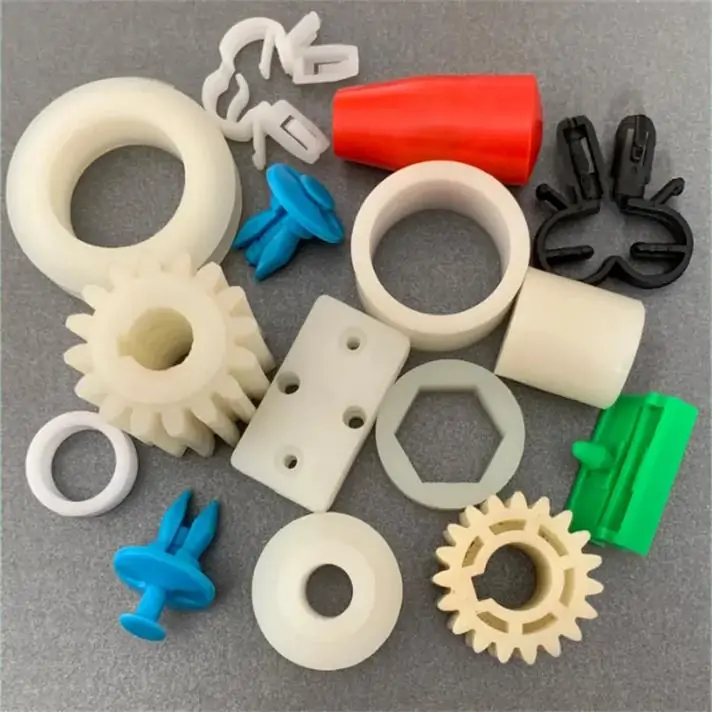
Multiple plastic materials are available for injection molding, such as ABS, PP, PC, and nylon, with variations in color and surface finishes. Composite materials and reinforced polymers can also be utilized to meet specific performance requirements.
High Strength and Impact Resistance
Injection-molded products offer excellent mechanical properties and impact resistance, making them widely used in automotive components, consumer electronics enclosures, industrial equipment, and medical devices.
High Material Utilization and Sustainability Advantages
Injection molding generates minimal material waste, with some surplus material capable of being recycled and reused. In long-term, high-volume production, this not only helps reduce costs but also aligns more closely with environmental and sustainability requirements.
Comparative Advantages of Injection molding Over Other moulding Processes
In practical projects, injection molding, CNC machining, vacuum casting, and the following methods are commonly used. Below is a comparison of the differences between various processes and injection molding.
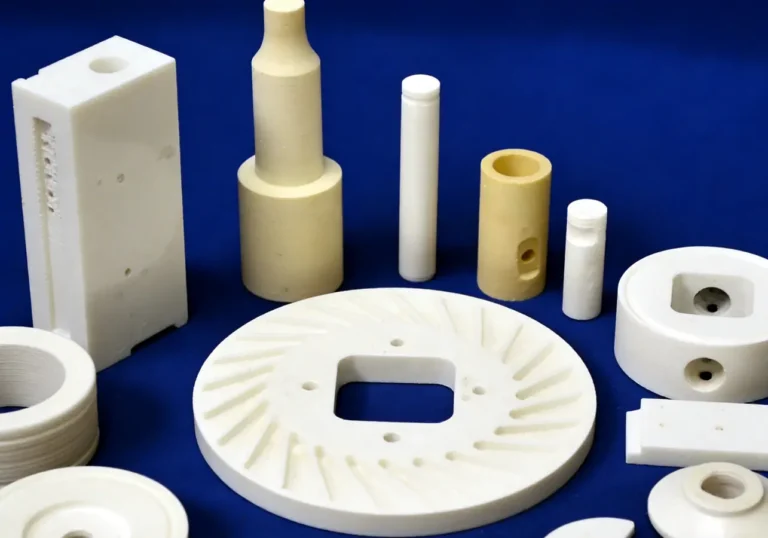
CNC Machining: A process that uses computer numerical control (CNC) machine tools to cut plastic or metal materials, progressively removing material to achieve the final shape. Suitable for high-precision parts with relatively simple structures. Characterized by low material utilization, low efficiency, and unit costs that do not decrease with increased production volume.
Vacuum Casting / Silicone Molding: Utilizes silicone molds to pour resin materials under vacuum conditions for replication. Suitable for small-batch trial production, but molds have short lifespans
and material selection is limited.
3D Printing: Directly manufactures three-dimensional solid parts from digital models by layering materials, eliminating the need for traditional molds. However, it is not suitable for mass production.
Blow Molding: Involves placing a heated, softened plastic parison into a mold cavity. Air is then blown into the cavity, causing the parison to expand and conform to the mold surface, forming a hollow product. Suitable for hollow containers but limited in structural complexity and precision.
Thermoforming: Heated, softened plastic sheet is placed over a mold. Vacuum or pressure is applied to conform the sheet to the mold surface, which is then cooled to set the shape. Suitable for thin-walled shells but offers lower strength and detail reproduction compared to injection molding.
Rotational Molding: Suitable for large hollow products. Powdered plastic is added to a mold and rotated along multiple axes while heated, allowing the material to uniformly coat the mold cavity walls and form a hollow product. Compared to injection molding, it has longer cycle times and lower precision.
Compression Molding: A measured amount of plastic material is placed into a heated mold. Clamping pressure causes the material to flow within the cavity and solidify into shape. Suitable for relatively simple structures with limited design freedom.
If you’d like to learn more about compression molding vs. injection molding, please read: Compression Molding vs. Injection Molding: Process Differences, Advantages/Disadvantages, and Selection Guide
Extrusion Molding: Suitable for continuous profiles but not complex three-dimensional structures. This process continuously extrudes molten plastic through a die with a specific shape, forming a continuous profile with a constant cross-section.
Reaction Injection Molding (RIM / RRIM): Involves injecting low-viscosity liquid resin into a mold, where it cures through a chemical reaction. Suitable for small to medium-scale production of large parts. Features a longer production cycle with lower dimensional accuracy and surface quality.
injection molding Mass production costs
Although injection molding requires upfront mold investment, its cost advantages gradually become apparent as production volume increases. Below is an approximate cost range for reference only:
| Manufacturing Method | Production Volume | Unit Cost (USD) | Key Characteristics |
| Injection Molding | 100 units | 503 | Tooling cost dominates; not cost-effective |
| Injection Molding | 10,000 units | 8 | Tooling amortized; viable for mass production |
| Injection Molding | 50,000+ units | 4 | Strong economies of scale; low unit cost |
| 3D Printing | Any volume | 10–50 | No tooling; cost remains high |
The use of automated production can further reduce labor costs and maintain a low defect rate.
If you’d like to learn more about the costs of injection molding, we recommend: How Much Does Injection Molding Cost?
Conclusion
If the product design is largely finalized, with projected production volumes exceeding tens of thousands of units, and there are requirements for consistency and per-unit cost, injection molding is typically the most practical and easily scalable option.
This article summarizes the advantages of injection molding for high-volume production while comparing it to other forming processes. If you have any questions regarding injection molding, feel free to consult us.