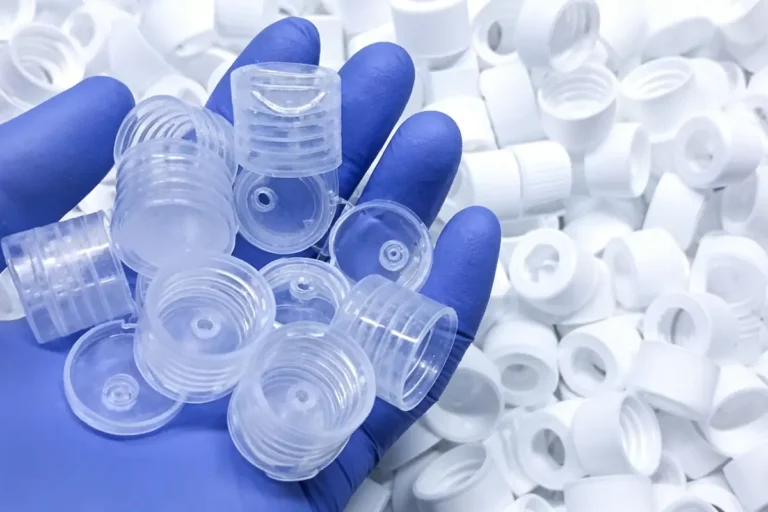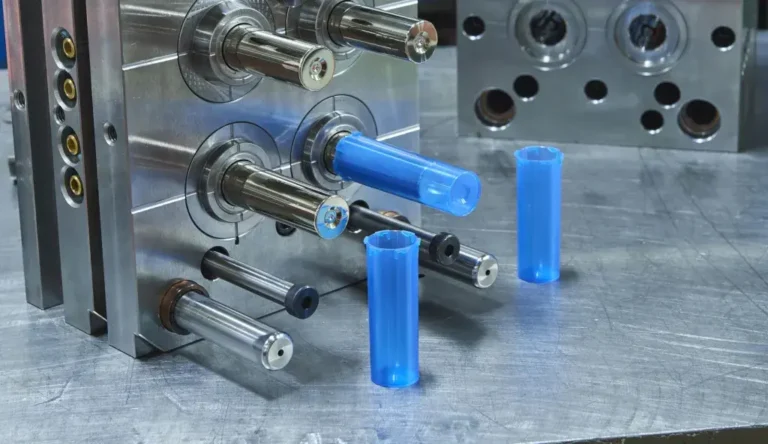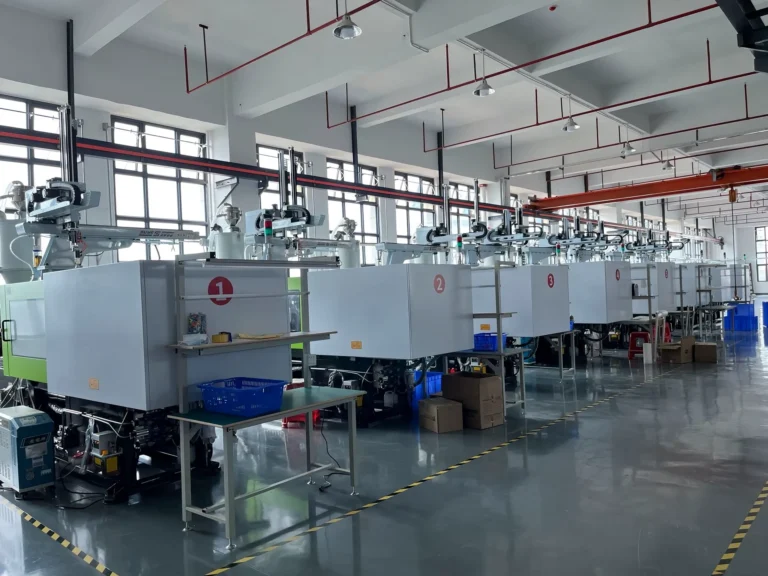
Injection molding is a high-volume production technique that injects molten plastic material into precision-machined mold cavities under high pressure. After cooling and solidifying, the mold opens to release the finished part, which requires minimal secondary processing. While the concept sounds straightforward, practical implementation involves numerous complex engineering decisions, including material selection, mold design, process parameters, and quality control, all of which can directly impact production schedules and budgets.
In this guide, we will introduce what is injection moulding, its principles, specific structure, types, advantages, suitable materials, process time and basic pricing, helping you better understand this field.
How Does Injection Moulding Work?
Injection moulding is a manufacturing process used to produce plastic parts by injecting molten thermoplastic material into a precisely engineered mould. The material is heated until it melts, then injected under controlled pressure into the mould cavity, where it cools and solidifies into the desired shape. Once the part has fully formed, the mould opens and the finished component is ejected.
This process enables high repeatability, tight tolerances, and the efficient production of complex geometries, making injection moulding ideal for both medium- and high-volume manufacturing across a wide range of industries.
Injection Moulding Process Explained Step by Step
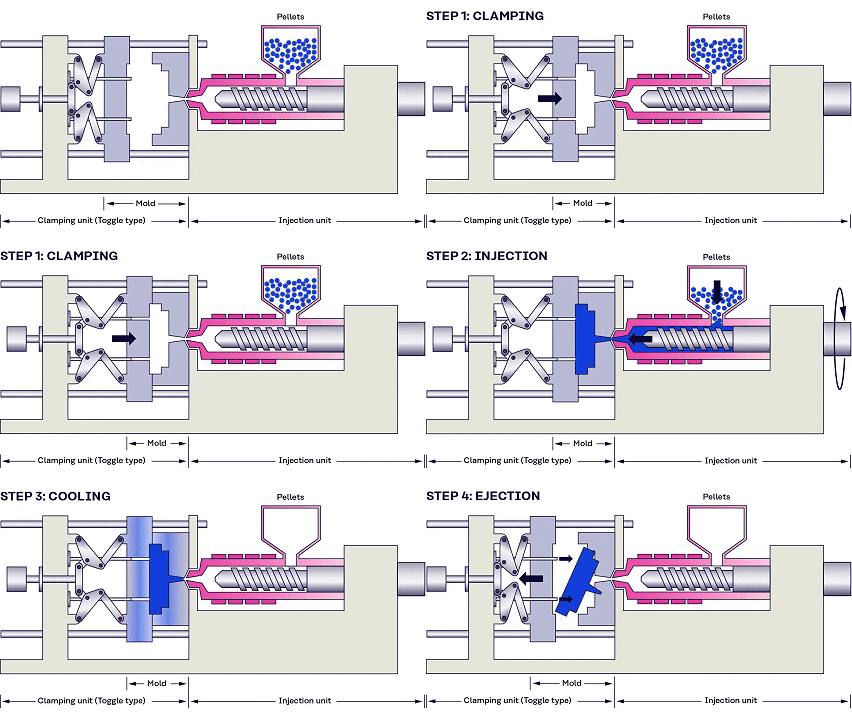
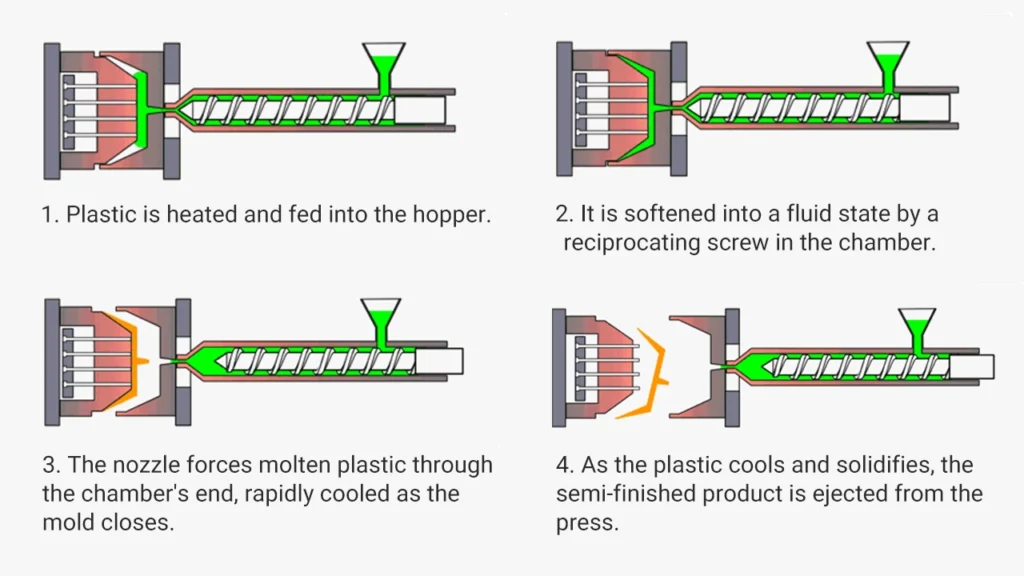
The injection molding process involves a four-step cycle: heating, injection, cooling, and demolding. Each stage can impact product quality, production efficiency, and cost control. Below, we’ll guide you through these process details to minimize scrap rates and cycle time adjustments.
- Material Heating and Plasticization
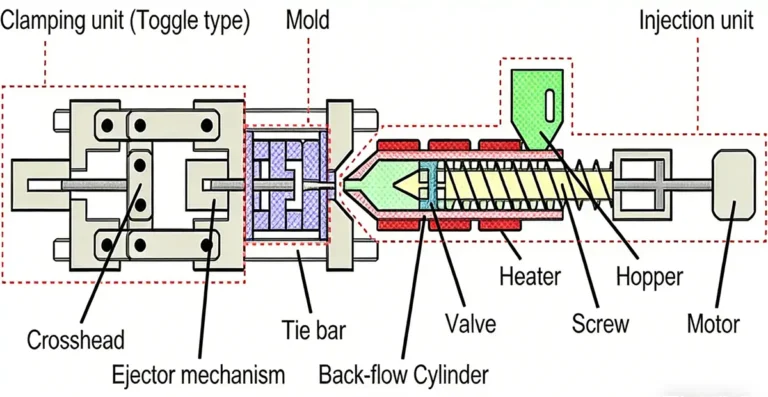
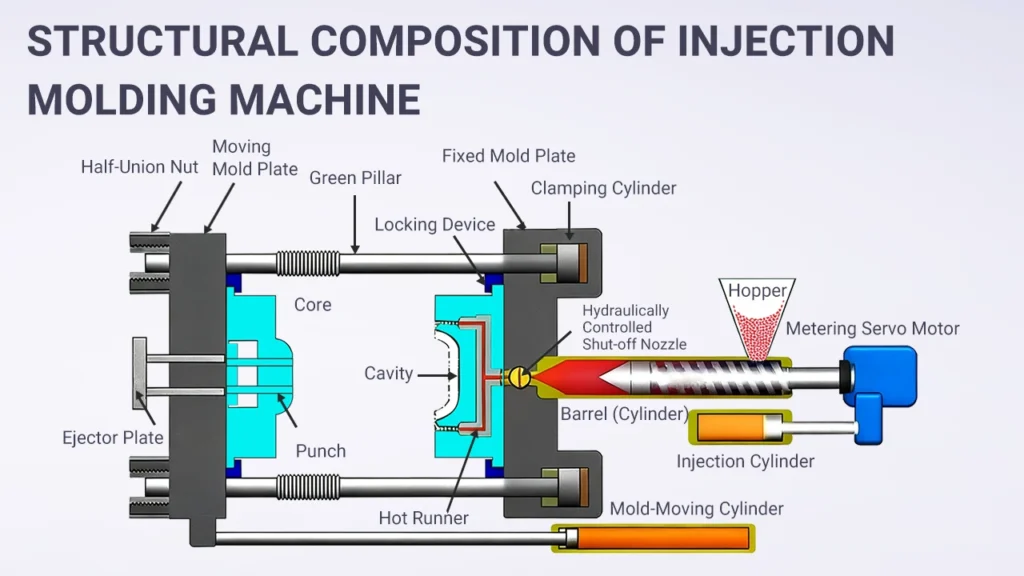
Driven by the transmission system, the screw conveys and compacts the plastic forward. Under the combined effects of external barrel heating elements, screw rotation and shear friction within the barrel, the plastic gradually melts and accumulates at the barrel’s front end. - Mold Clamping and Locking
The mold clamping mechanism drives the moving mold plate toward the fixed mold plate. Once the mold is closed, sufficient clamping force is applied to prevent flash and ensure the mold remains fully sealed during injection. - Injection and Holding Pressure
The machine nozzle injects the accumulated melt into the mold cavity. The plastic undergoes volumetric shrinkage as its temperature decreases. The holding pressure phase maintains constant pressure on the melt, ensuring the product’s density, dimensional accuracy and mechanical properties. - Mold Opening and Ejection
Once the plastic product inside the mold cavity has cooled and solidified, the clamping mechanism opens the mold and ejects the plastic part from the mold.
Key Components of Injection Moulding
Injection moulding relies on the coordinated operation of key components such as the screw, barrel, and clamping system to complete the feeding, melting, injection, and ejection of plastic parts during each production cycle.
Types of Injection Moulding
Injection moulding can be categorized into different types based on injection methods, mold structures, application requirements and automation levels.
Injection Method
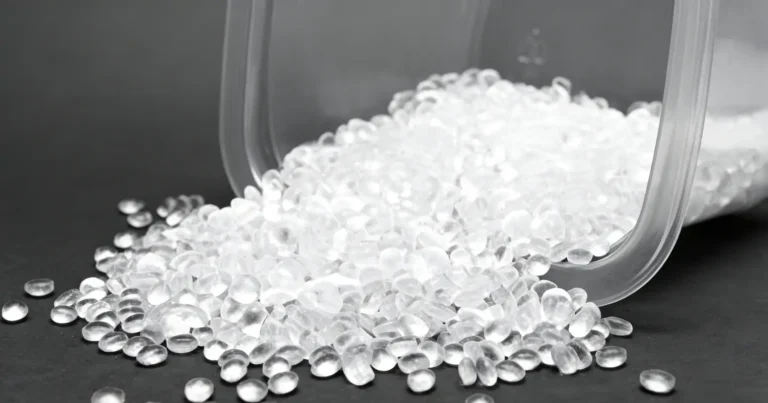
Thermoplastic Injection moulding: The most common type of injection moulding, suitable for most thermoplastics such as polyethylene, polypropylene, polystyrene, etc.
Thermosetting injection moulding: Primarily used for thermosetting plastics like phenolic resin, epoxy resin, etc. Unlike thermoplastics, thermosets cannot be softened or reshaped after curing through heating.
Mold Structure
Injection moulding can be categorized by mold structure into single-color injection moulding, two-color injection moulding, and insert injection moulding.
Product Applications
Injection moulding can be further classified by product application into consumer goods injection moulding, industrial products injection moulding, and medical supplies injection moulding.
Materials Used in Injection Moulding
Injection moulding materials vary widely, enabling precise selection based on performance, durability, and application requirements.
Commodity Thermoplastics
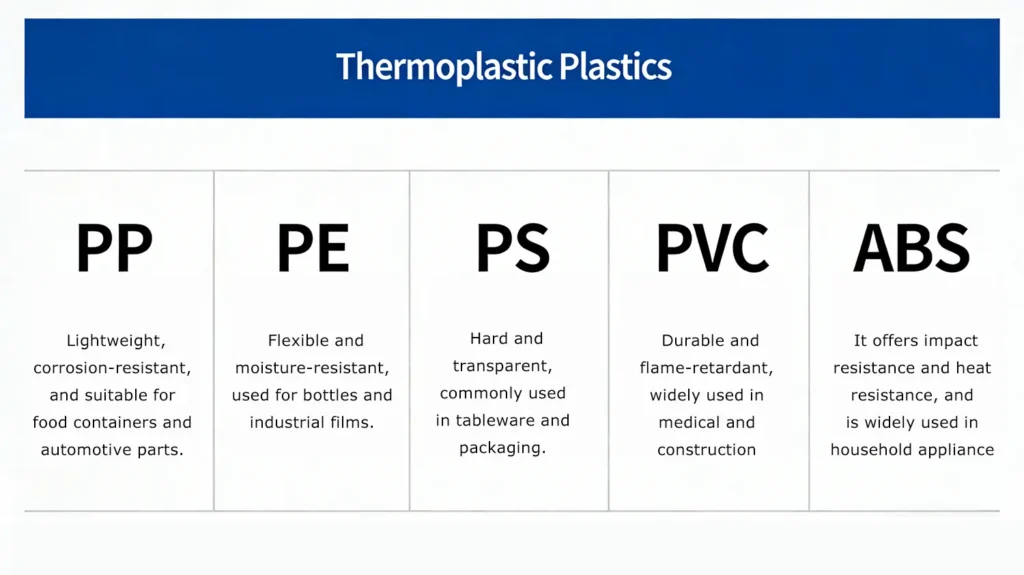
Polypropylene (PP)
Lightweight, chemically resistant, and cost-effective material ideal for automotive parts, food containers, and living hinges due to excellent fatigue resistance.
Polyethylene (PE)
Available in HDPE and LDPE variants offering flexibility, moisture resistance, and FDA approval for applications ranging from bottles to industrial films.
Polystyrene (PS)
Rigid, transparent, and economical plastic commonly used for disposable cutlery, CD cases, and consumer product packaging.
Polyvinyl Chloride (PVC)
Durable, flame-retardant material with excellent chemical resistance, widely used in medical tubing, electrical insulation, and construction profiles.
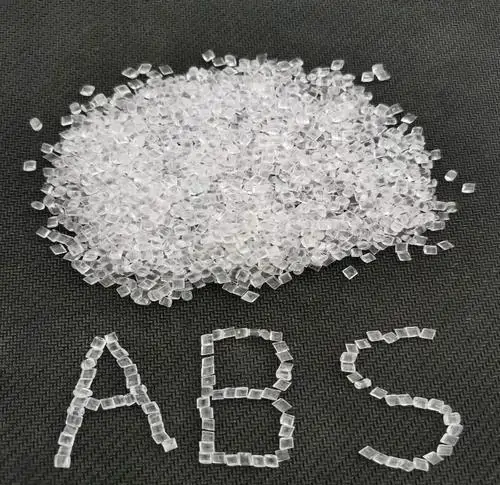
Acrylonitrile Butadiene Styrene (ABS)
Impact-resistant, dimensionally stable engineering plastic perfect for automotive dashboards, LEGO bricks, and electronic housings requiring toughness.
Engineering Thermoplastics
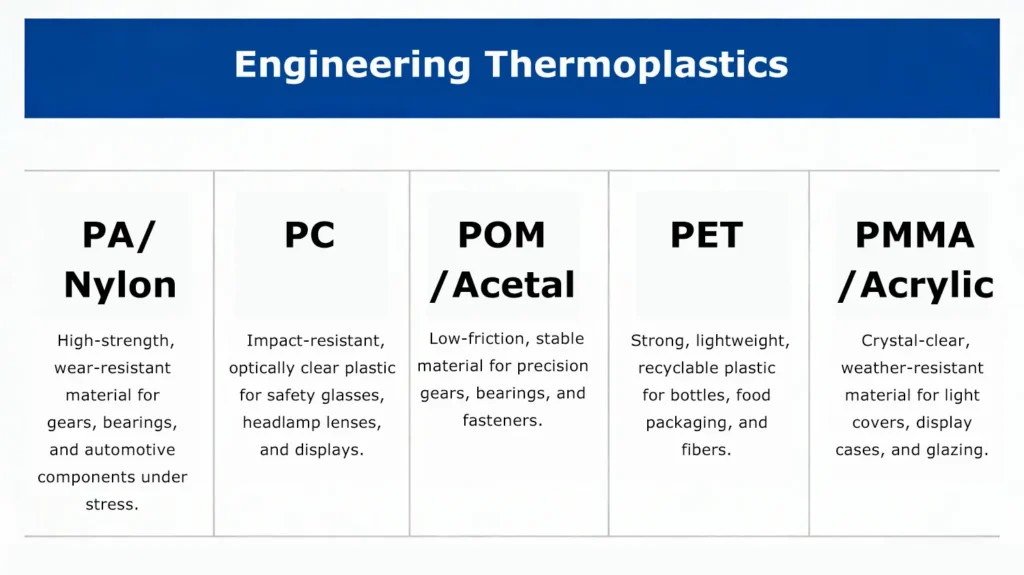
Polyamide (PA/Nylon)
High-strength, wear-resistant material with excellent thermal stability, ideal for gears, bearings, and structural automotive components operating under stress.
Polycarbonate (PC)
Optically clear, impact-resistant thermoplastic used in safety glasses, automotive headlamp lenses, and electronic displays requiring transparency and toughness.
Polyoxymethylene (POM/Acetal)
Low-friction, dimensionally stable material with excellent machinability, commonly used for precision gears, bearings, and mechanical fasteners.
Polyethylene Terephthalate
Strong, lightweight, and recyclable plastic offering excellent barrier properties for beverage bottles, food packaging, and fiber applications.
Polymethyl Methacrylate (PMMA/Acrylic)
Crystal-clear, weather-resistant material with superior optical properties, used for automotive light covers, display cases, and architectural glazing.
High-Performance Thermoplastics
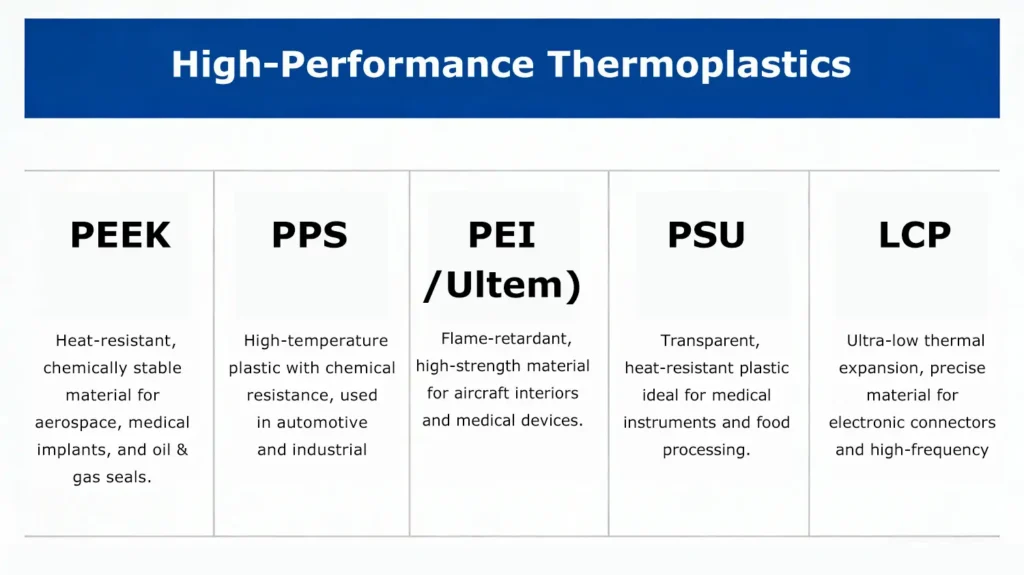
Polyetheretherketone (PEEK)
Exceptional heat resistance (up to 250°C), chemical stability, and biocompatibility make it ideal for aerospace components, medical implants, and oil & gas seals.
Polyphenylene Sulfide (PPS)
High-temperature engineering plastic with outstanding chemical resistance and dimensional stability, used in automotive electrical components and industrial pump housings.
Polyetherimide (PEI/Ultem)
Flame-retardant, high-strength material maintaining properties at elevated temperatures, commonly used in aircraft interiors and medical sterilizable devices.
Polysulfone (PSU)
Transparent, heat-resistant thermoplastic with excellent hydrolytic stability, ideal for medical instruments, food processing equipment, and aircraft components.
Liquid Crystal Polymer (LCP)
Ultra-low coefficient of thermal expansion and exceptional dimensional precision make it perfect for miniature electronic connectors and high-frequency circuit components.
Thermoplastic Elastomers
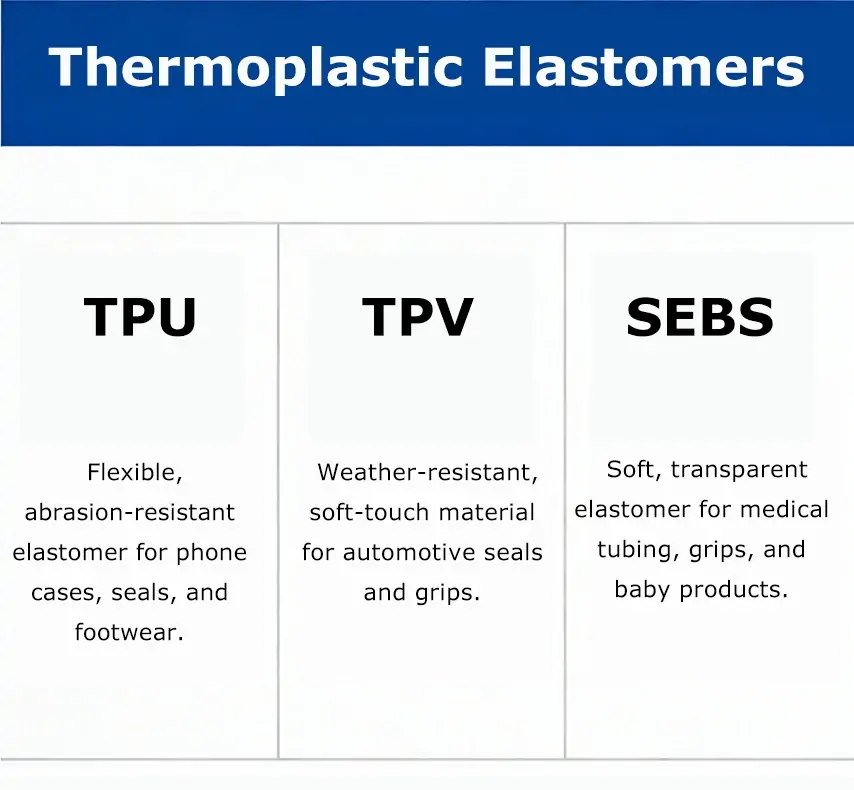
Thermoplastic Polyurethane (TPU)
Flexible, abrasion-resistant elastomer combining rubber-like properties with thermoplastic processability, used in phone cases, automotive seals, and footwear.
Thermoplastic Vulcanizate (TPV)
Weather-resistant, soft-touch material offering excellent compression set resistance for automotive weatherstrips, grips, and sealing applications.
Styrene-Ethylene-Butylene-Styrene (SEBS)
Soft, transparent elastomer with good UV resistance and non-toxic properties, commonly used in medical tubing, soft-grip handles, and baby products.
Specialty & Bio-Based Materials
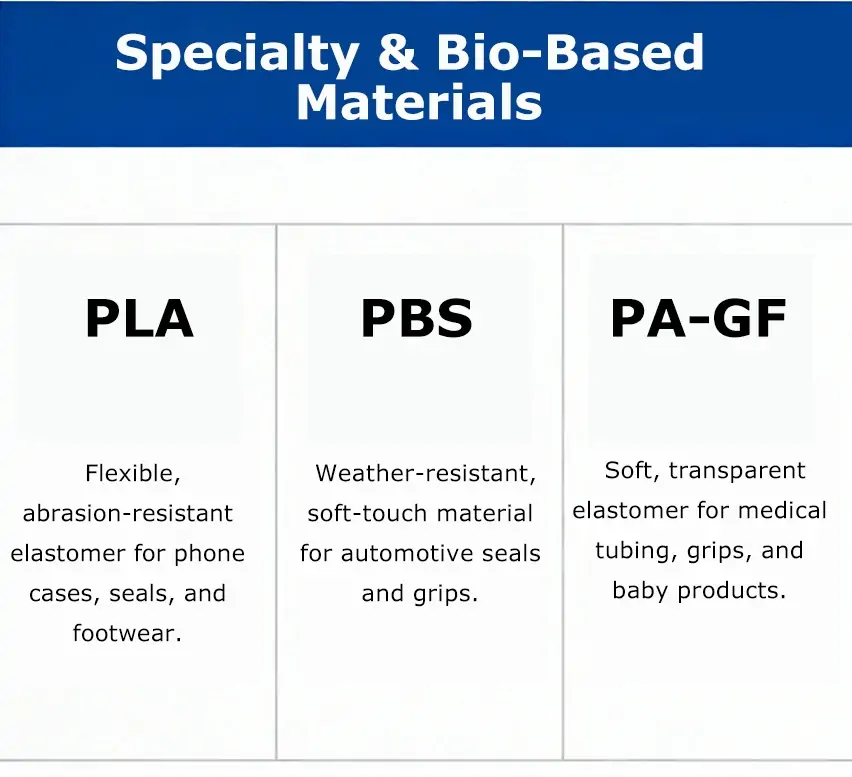
Polylactic Acid (PLA)
Biodegradable, bio-based thermoplastic derived from renewable resources like corn starch, used in compostable packaging, disposable cutlery, and medical sutures.
Polybutylene Succinate (PBS)
Compostable polymer with similar processability to PE, ideal for agricultural films, food packaging, and single-use items requiring biodegradability.
Glass-Filled Nylon (PA-GF)
Composite material combining nylon with 15-50% glass fibers for enhanced strength, stiffness, and heat resistance in automotive structural parts.
Carbon Fiber Reinforced Polymers (CFRP)
Lightweight, ultra-high-strength composites offering superior stiffness-to-weight ratio for aerospace components, sporting goods, and premium automotive parts.
Thermosets
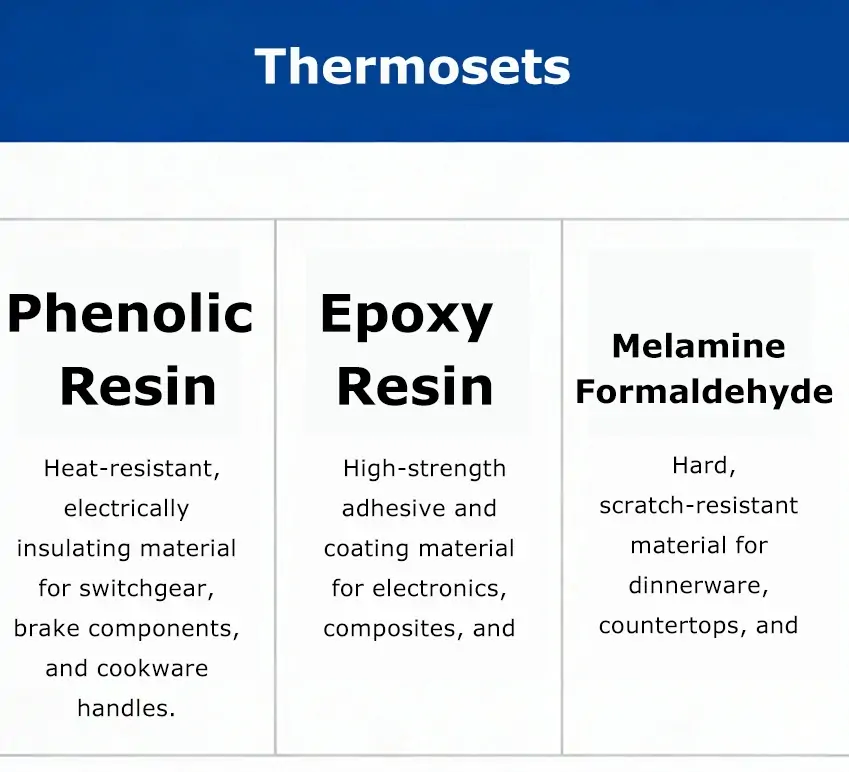
Phenolic Resin
Heat-resistant, electrically insulating material that cures irreversibly, used in electrical switchgear, automotive brake components, and cookware handles.
Epoxy Resin
High-strength adhesive and coating material with excellent chemical resistance, commonly used in electronic encapsulation, composite tooling, and structural adhesives.
Melamine Formaldehyde
Hard, scratch-resistant material with excellent heat resistance and surface finish, widely used in dinnerware, laminate countertops, and electrical components.
What Is Injection Moulding Used for?
Injection moulding, leveraging its advantages in mass production and material adaptability, has been widely adopted across the automotive, electronics, medical devices and packaging industries.
Automotive Industry
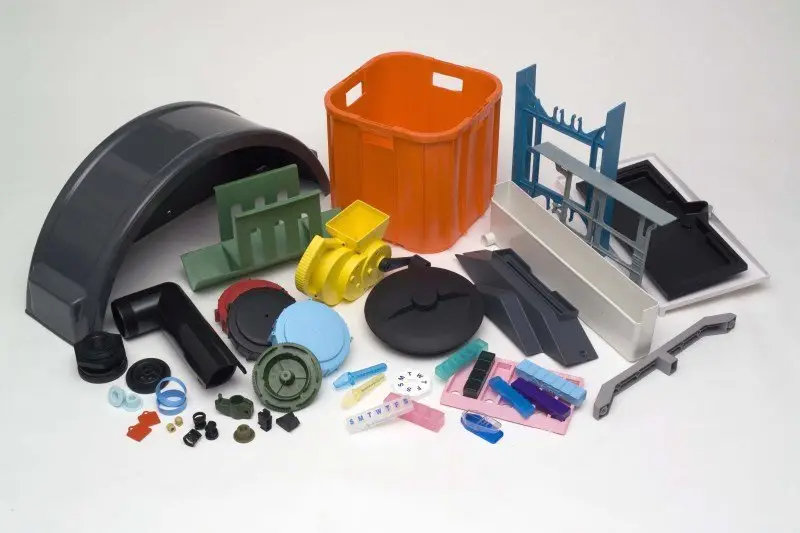
One of the largest application areas for injection moulding, over 80% of plastic components in automobiles are manufactured through this process, contributing to reduced vehicle weight and lower fuel consumption.
Electronics and Appliance Industry
Products such as mobile phone casings, computer keyboards and air conditioner housings are all produced via injection moulding. Precision injection moulding ensures dimensional accuracy and assembly compatibility for electronic components, while two-color injection moulding enhances product aesthetics.
Medical Device Industry
Products like disposable syringes, infusion sets and surgical instrument handles require biocompatible materials. Precision injection moulding and sterile production processes ensure products are non-toxic, odorless and dimensionally accurate.
Packaging Industry
The high-volume production capacity of injection moulding meets the large-scale demands of the packaging sector.
Advantages of Injection Moulding
Compared with machining or 3D printing, injection moulding has more advantageous as production volume increases, especially in terms of consistency, automation and unit cost.
- High Productivity: Once the mold is debugged, continuous production can proceed at fixed intervals, exponentially boosting efficiency.
- High Precision: Through rational mold design and stable process control, injection-molded parts can ensure dimensional accuracy within 0.05 millimeters.
- Low Unit Cost: Although initial mold investment is high, unit costs decrease substantially as production volume increases.
- Integrated Design: Parts can be molded as a single unit using plastic flow and cavity design, eliminating subsequent assembly processes.
- Wide Material Range: Virtually all thermoplastics can be processed, from common PP and ABS to engineering plastics like glass-filled compounds and even specialty plastics such as PEEK and PPS.
- High Automation: The entire process—from material feeding to injection moulding, part ejection, inspection and packaging—can be fully automated using integrated equipment.
Injection Moulding Timeline
Although injection moulding is one of the most efficient and economical methods for manufacturing plastic components, its preparatory phase still requires a certain amount of time for product mold design, modification and review. It is recommended that you consult with the manufacturer in advance to ensure the best possible collaboration experience.
| Phase Time | Time |
|---|---|
| Product Design | 4-60 hours |
| Mold Making | 2-12 weeks |
| Test Samples | 1-2 weeks |
| First Run | 1-14 days |
Injection molding is a mature process integrating precision engineering, materials science, and manufacturing expertise, widely adopted in industries demanding exceptional quality, consistency, and reliability. Truly efficient and stable injection molding production stems from rigorous mold design, appropriate material selection, and a controllable, reproducible process system. Choosing an experienced injection molding partner not only helps optimize product design and reduce overall manufacturing costs but also ensures long-term stability from development through mass production.
For further information on injection molding solutions, feel free to contact our professional team anytime. We provide full-process support for your project.