Injection molding and 3D printing are two widely used manufacturing technologies for producing plastic parts. While injection molding is known for high-volume production and consistent quality, 3D printing offers unmatched flexibility for prototyping and low-volume manufacturing. Understanding the differences between these two processes is essential for choosing the right production method. In this guide, we compare injection molding and 3D printing in terms of cost, production speed, materials, design flexibility, and typical applications.
What is Injection Moulding?
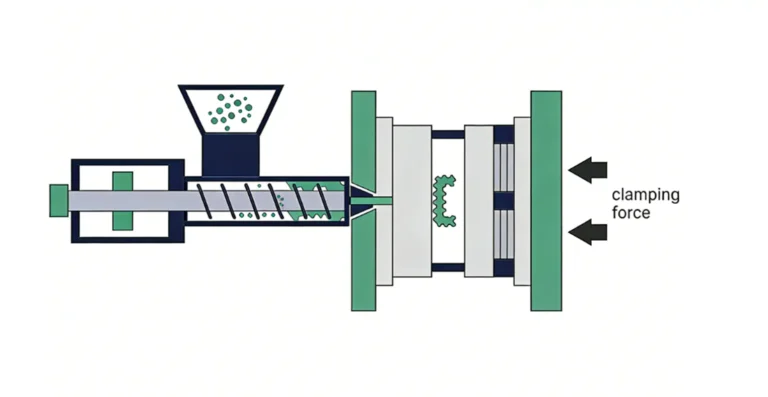
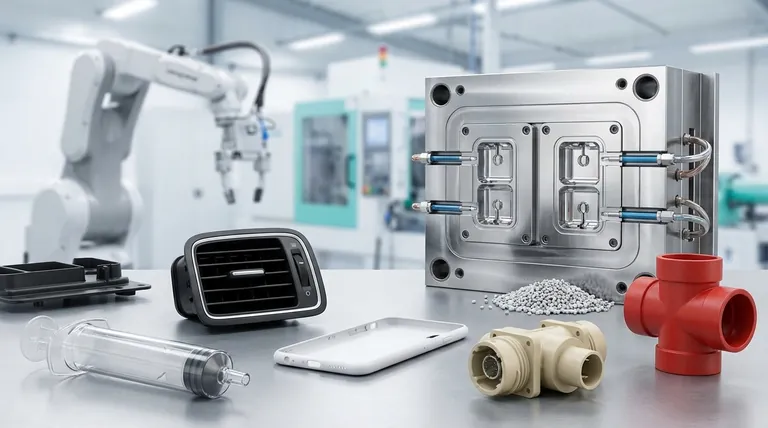
Injection molding is a manufacturing process in which molten plastic is injected into a custom mold cavity. After cooling and solidifying, the part is ejected with precise dimensions and repeatable quality. This method is widely used for large-scale production of plastic components in industries such as automotive, medical devices, electronics, and consumer products.
What is 3D Printing?
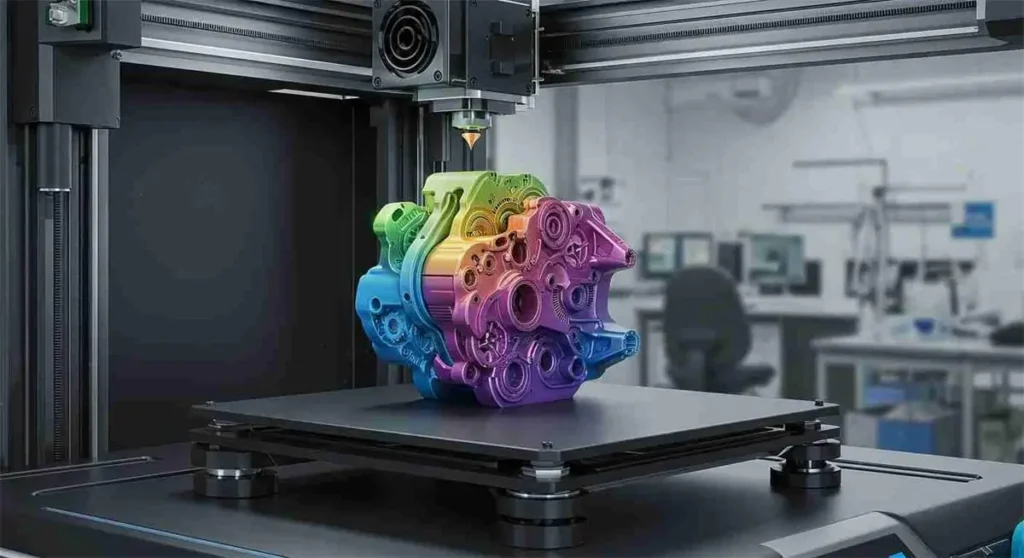
3D printing, also known as additive manufacturing, builds parts layer by layer from digital design files. Unlike injection molding, it does not require molds, making it ideal for rapid prototyping and low-volume production. Engineers often use 3D printing to test designs before committing to mass manufacturing.
Injection Molding vs 3D Printing: Key Differences
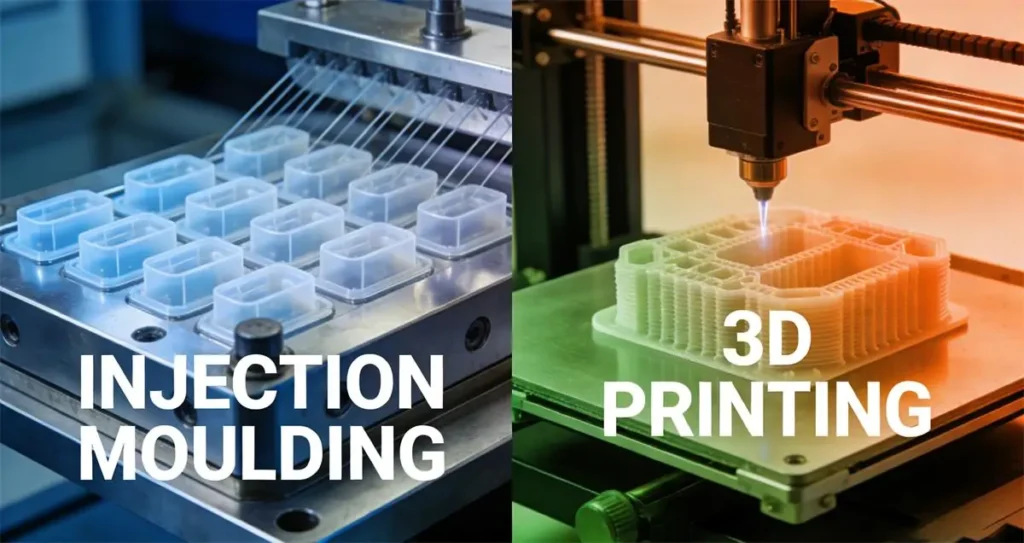
Injection molding and 3D printing are two widely used manufacturing methods for producing plastic parts, but they serve different production needs. Injection molding is a traditional mass-production process that injects molten material into a mold to create highly consistent parts at high speed and low cost per unit. In contrast, 3D printing is an additive manufacturing technology that builds objects layer by layer, making it ideal for rapid prototyping, complex geometries, and low-volume production.
Cost Comparison: Injection Molding vs 3D Printing
When evaluating injection molding vs 3D printing cost, businesses must consider several key factors, including tooling investment, production volume, and per-unit manufacturing cost. The most significant difference lies in the initial setup cost versus long-term production efficiency.
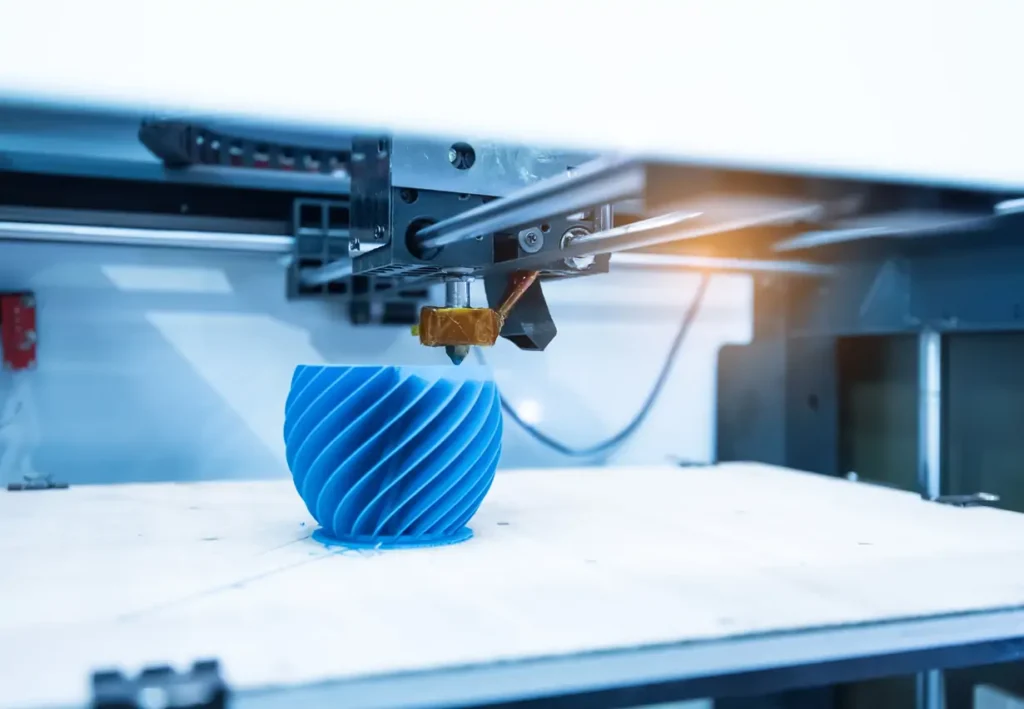
3D printing does not require molds or tooling, which means the initial investment is very low. This makes it an excellent option for rapid prototyping, product development, and small production runs. However, because each part is produced individually, the cost per unit remains relatively high, especially as production volume increases.
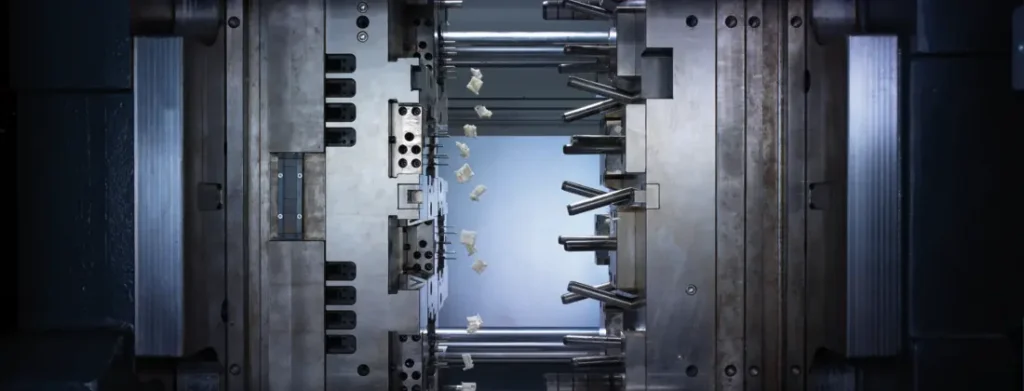
In contrast, injection molding requires a high upfront mold cost, which can range from hundreds to thousands of dollars depending on part complexity. However, once the mold is produced, the manufacturing process becomes extremely efficient, resulting in a very low per-unit cost during mass production. This makes injection molding the most cost-effective solution for large-scale manufacturing.
Injection Molding vs 3D Printing Cost Comparison
| Cost Factor | 3D Printing | Injection Molding |
|---|---|---|
| Tooling Cost | No mold required | High mold/tooling cost |
| Initial Investment | Low | High |
| Cost Per Unit | Relatively high | Very low in mass production |
| Production Volume | Best for low-volume | Best for large-scale production |
| Typical Use | Prototypes, custom parts | Mass production |
Summary:
- Small batches or prototypes → We recommend 3D printing is more cost-effective.
- Large production volumes →We recommend Injection molding provides the lowest unit cost.
Material Options Comparison
Material selection is an important factor when comparing injection molding and 3D printing, as it directly affects product performance, durability, and application range. While both manufacturing methods support a variety of materials, injection molding offers a broader selection of industrial-grade plastics, making it more suitable for high-performance and large-scale production applications.
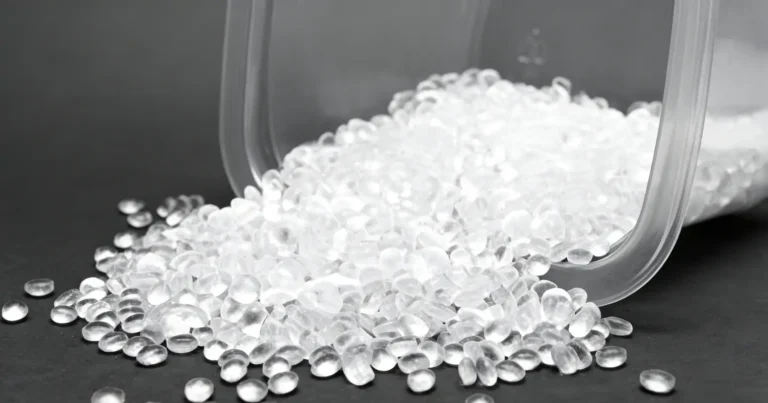
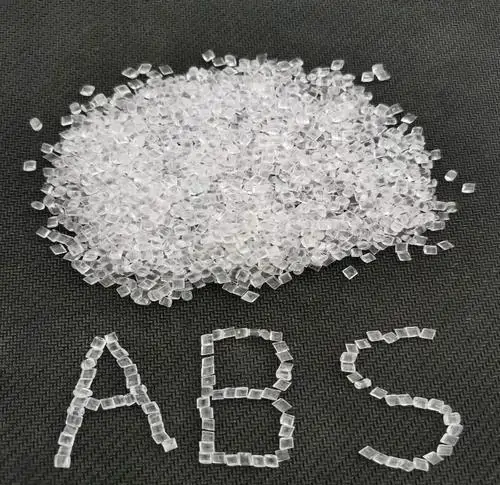
Injection molding materials include a wide range of engineering and industrial plastics commonly used in manufacturing, such as ABS, PP, PC, PA (nylon), and high-performance materials like PEEK. In addition, injection molding can process medical-grade plastics that meet strict regulatory and quality standards, making it widely used in industries such as automotive, electronics, healthcare, and industrial equipment.
 ABS
ABS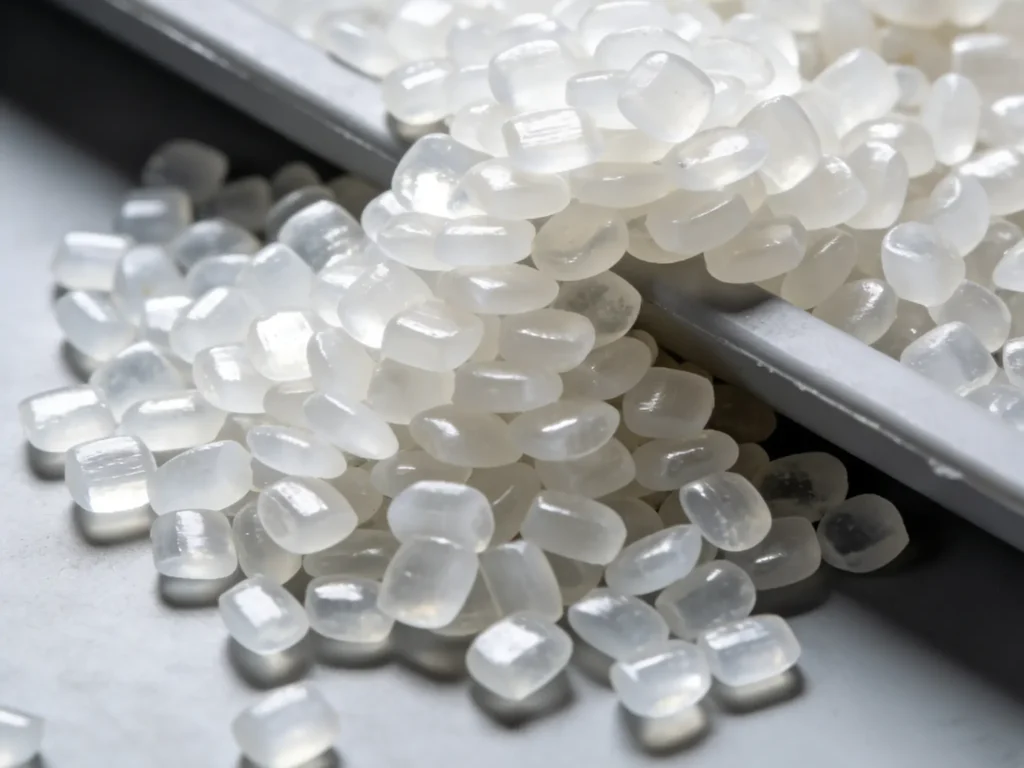 PA
PA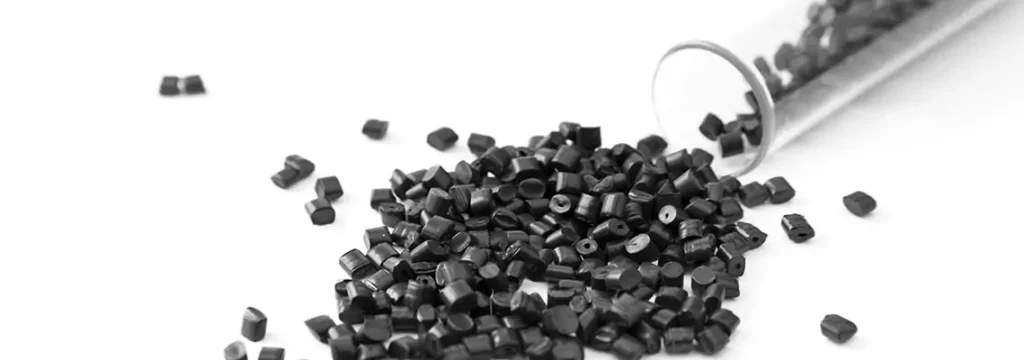 PA
PA
3D printing materials are generally more limited and are primarily designed for prototyping or small-batch production. Common options include PLA, PETG, nylon, and various photopolymer resins, which are suitable for rapid product development, design testing, and customized parts.
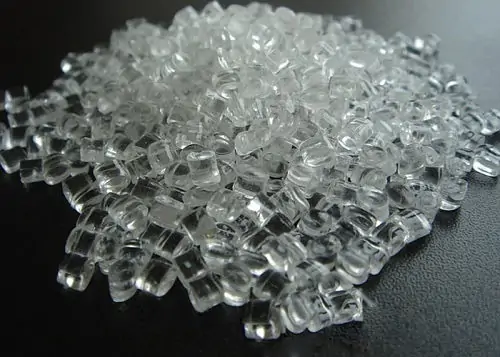 PETG
PETG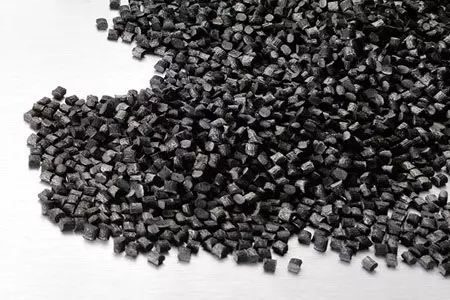 Nylon
Nylon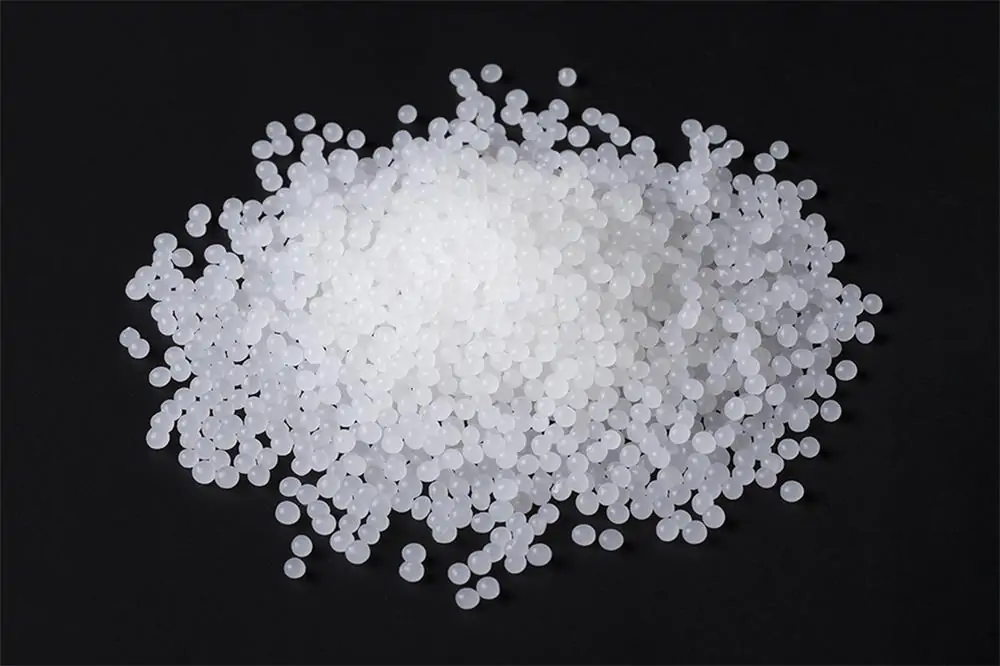 PLA
PLA
Therefore, while 3D printing provides flexibility during product development, injection molding supports a much wider range of industrial and engineering materials, making it the preferred choice for functional parts and mass production that require high mechanical strength, durability, and long-term reliability.
Application Comparison
When comparing 3D printing and injection molding applications, the two technologies serve distinct but complementary roles in product development and manufacturing. 3D printing is ideal for rapid prototyping, design validation, custom components, and low-volume production, allowing engineers and designers to quickly iterate and test complex geometries without the need for expensive molds. This flexibility makes it especially useful in industries like product design, aerospace prototypes, and personalized medical devices.
Injection molding excels in high-volume production where consistent quality, tight tolerances, and cost efficiency are critical. It is widely applied in industries such as automotive, electronics, medical devices, and industrial components, where large-scale production of durable, high-precision parts is required.
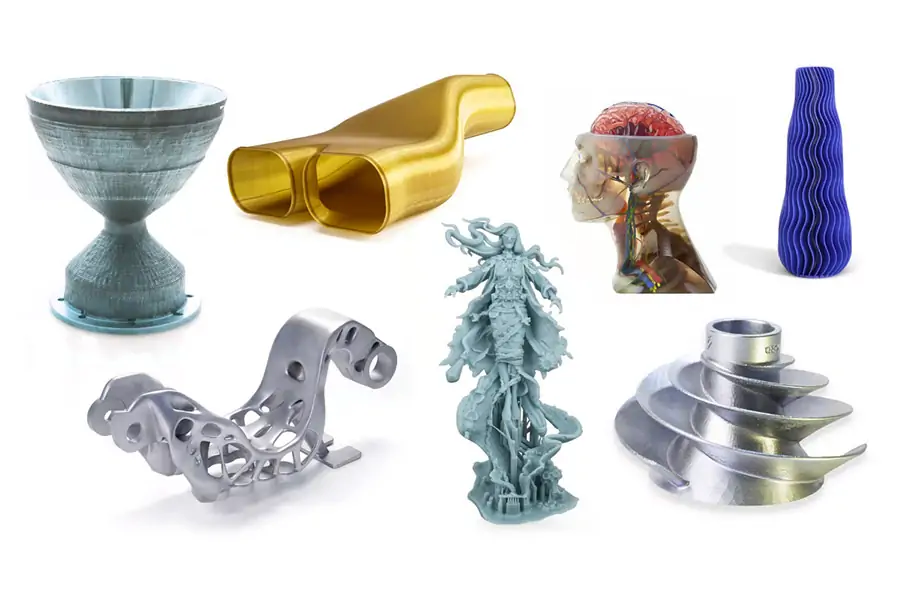
Applications of 3D printing
The flexibility and customization capabilities of 3D printing make it suitable for the production of small batches of complex products, and it is widely used in three main areas:
- Medical industry: Customized implants
- Aerospace: Lightweight complex parts
- Automotive industry: Rapid prototyping and design iteration
Applications of Injection Molding:
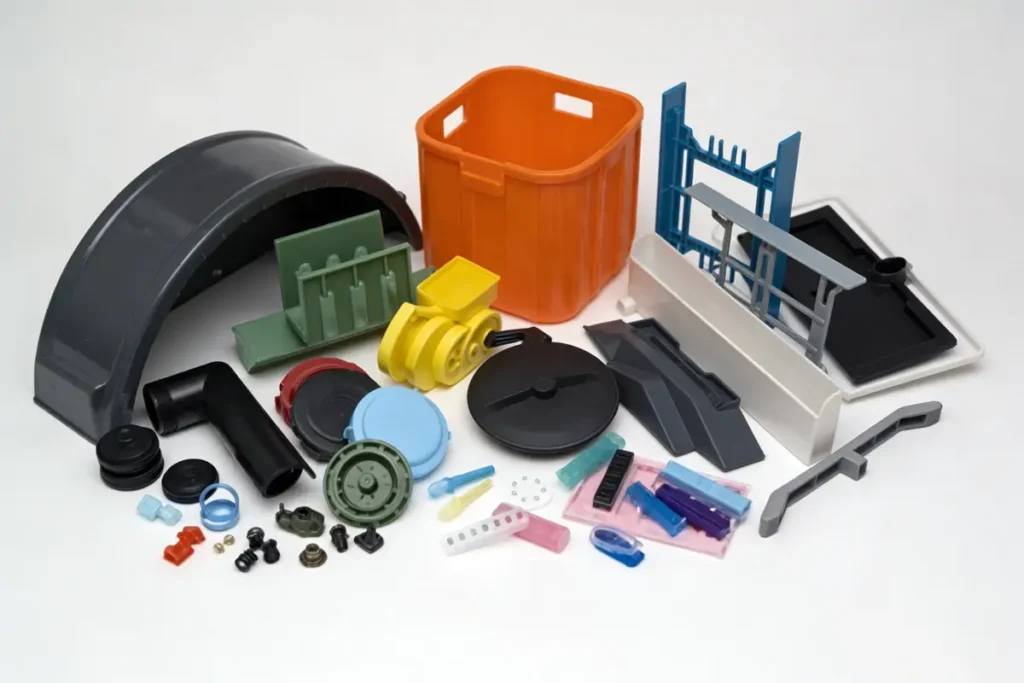
Injection molding has cost and scale advantages, making it suitable for large-volume, standardized production, and is widely used in three main areas:
- Automotive industry: Body parts, interior components
- Electronics industry: Housings, components
- Consumer goods industry: Toys, appliance housings
When to Choose Injection Molding?
Injection molding is the preferred manufacturing method when businesses require large-scale production, high precision, and consistent product quality. Although the initial tooling investment for molds can be relatively high, the process becomes highly cost-efficient once production volumes increase. For companies planning long-term manufacturing or mass production, injection molding provides stable performance, repeatability, and lower per-unit costs.
Injection molding is particularly suitable in the following scenarios:
- Large Production Volumes: Once the mold is created, injection molding can produce thousands or even millions of identical parts efficiently.
- Tight Tolerances Required: The process offers excellent dimensional accuracy, making it ideal for components that require precise specifications.
- Consistent Quality Needed: Injection molding ensures uniform material distribution and repeatable manufacturing results across large batches.
- Low Per-Unit Cost in Mass Production: While mold tooling requires upfront investment, the cost per part becomes significantly lower as production volume increases.
Because of these advantages, injection molding is widely used in industries that demand high reliability and large-scale manufacturing, including:
- Automotive – interior components, connectors, and structural plastic parts
- Electronics – housings, connectors, and precision plastic components
- Medical – disposable medical devices, surgical components, and laboratory equipment
- Industrial Components – gears, enclosures, fittings, and various engineered plastic parts
Injection molding is the best choice when production scale, precision, and long-term cost efficiency are the primary priorities.
When to Choose 3D Printing?
3D printing is the ideal manufacturing solution when flexibility, speed, and low initial investment are more important than large-scale production efficiency. It is particularly suitable in the early stages of product development or in projects that require customization. Businesses often choose 3D printing in the following scenarios:
- Product Prototyping: 3D printing enables rapid creation of prototypes, allowing engineers to quickly visualize and test product concepts before investing in expensive molds.
- Design Validation: Designers can evaluate structure, fit, and functionality through multiple design iterations, helping identify and solve potential issues early in the development process.
- Custom Parts: Because 3D printing does not require molds, it is well suited for producing customized or highly complex components that would be difficult or costly to manufacture using traditional methods.
- Low-Volume Production: For small batch orders or limited product runs, 3D printing reduces tooling costs and shortens production lead times, making it a cost-effective manufacturing option.
3D printing is best used when speed, design flexibility, and small production quantities are the primary priorities.
Can 3D Printing Replace Injection Molding?
3D printing cannot completely replace injection molding because the two technologies serve different manufacturing purposes. 3D printing excels in rapid prototyping, design validation, and low-volume production, while injection molding remains the most efficient solution for large-scale manufacturing due to its high production speed, consistent quality, and low cost per unit. In practice, the two processes are often complementary rather than competitive. For example, many companies use 3D printing to create and test prototypes during the product development stage, allowing engineers to quickly evaluate design concepts and make modifications. Once the design is finalized and demand increases, injection molding is then used for mass production, ensuring stable quality and cost efficiency. This combination helps businesses shorten development cycles while maintaining scalable manufacturing capabilities.
conclusion
3D printing and “injection molding” each possess unique advantages. The former is suitable for small-batch, customized production of complex structures, while the latter has a cost advantage in mass production.
With technological advancements, the combination of the two will further improve production efficiency and flexibility. In the future, material innovation, automation, and sustainable development will drive the manufacturing industry towards a smarter, more efficient, and environmentally friendly direction.
FAQ
Is injection molding cheaper than 3D printing?
For high-volume production, injection molding is usually more cost-effective because the mold cost is distributed across thousands or millions of parts.
Is 3D printing better for prototypes?
Yes. 3D printing allows engineers to quickly produce and test prototypes without investing in expensive molds.
What is the break-even point between injection molding and 3D printing?
The break-even point typically occurs when production reaches several hundred to a few thousand units, depending on mold cost and part complexity.
Can 3D printed parts be used for production?
In some cases, yes. However, for large-scale manufacturing requiring durability and consistency, injection molding is usually the better choice.