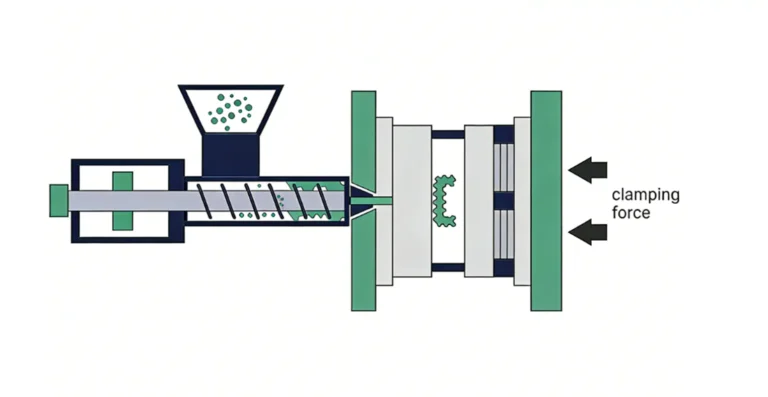
Injection moulding is a widely used modern manufacturing method for mass-producing parts. Selecting the right custom plastic injection moulding service is essential for companies targeting overseas markets that require large volumes of plastic components.
This article will explain the importance of choosing the right injection moulding service, the capabilities it should possess, how to make the selection and common pitfalls—all to help you find the ideal injection moulding supplier.
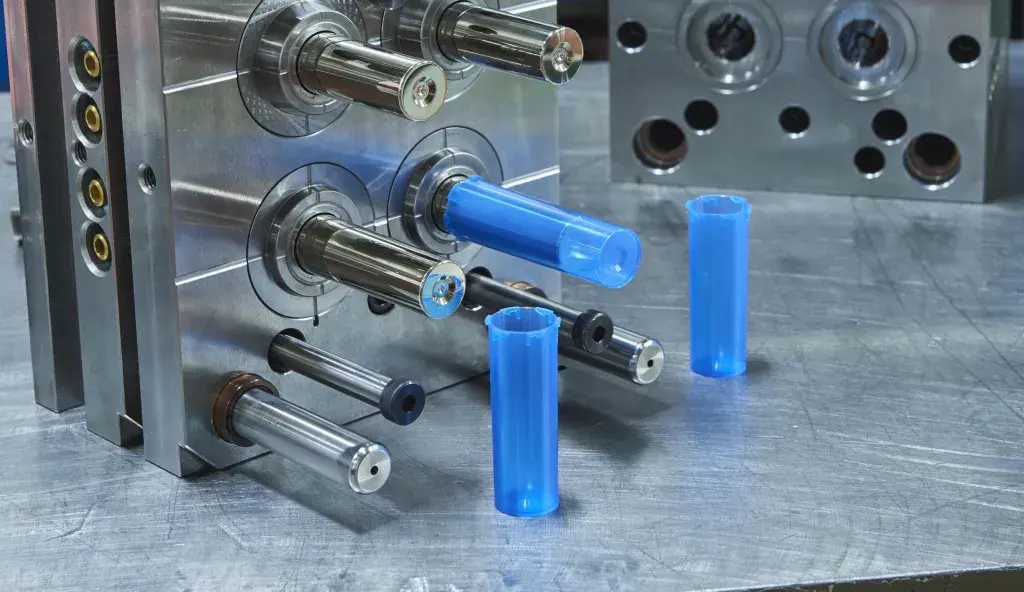
What Is Plastic Injection Moulding?
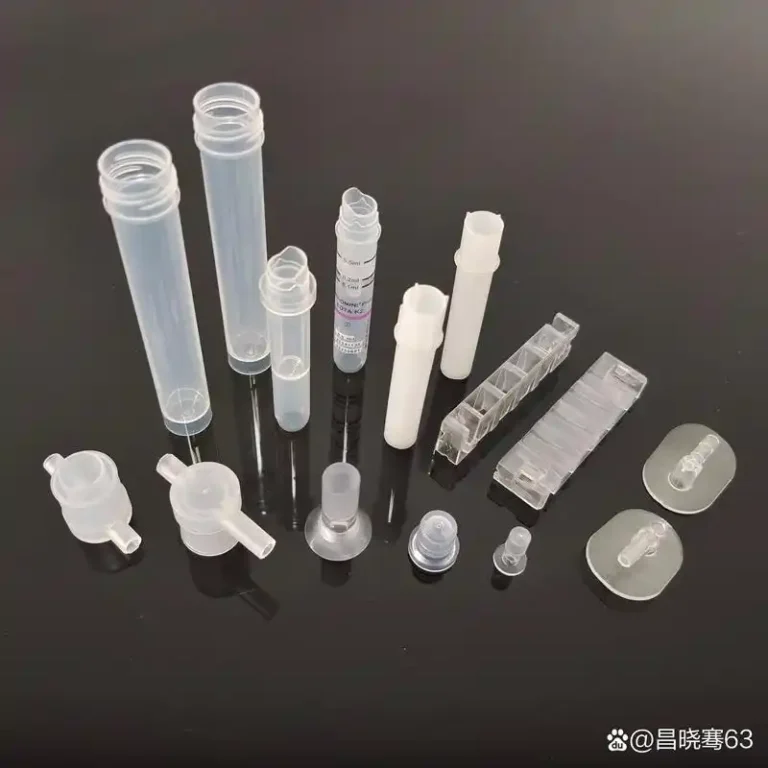
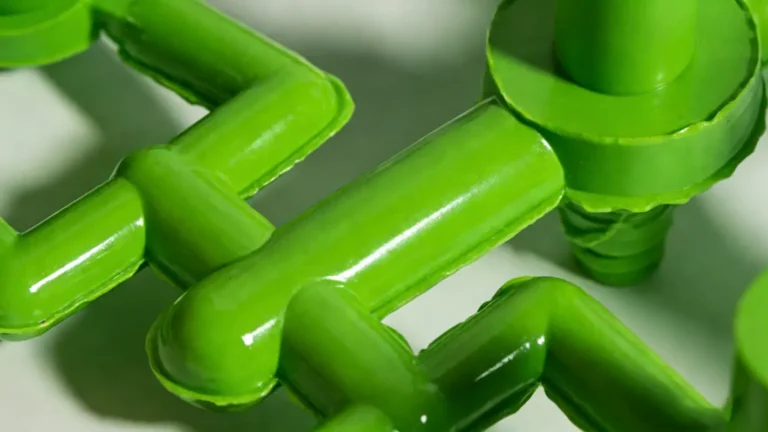
Injection molding is a precision manufacturing process that involves injecting heated, molten plastic material into a mold cavity under high pressure, followed by cooling and solidification to produce the desired shaped product.
It is ideal for high-efficiency mass production of plastic components with complex geometries, offering high dimensional accuracy (up to ±0.01-0.05mm), excellent surface quality, short production cycles, and high automation levels. This makes it the preferred manufacturing method for automotive parts, electronic enclosures, medical devices, industrial equipment, and other fields. For the definition of injection molding, please refer to this article: What Is Injection Moulding? Principles, Process, Types, Advantages, Materials
How Does Injection Moulding Work?
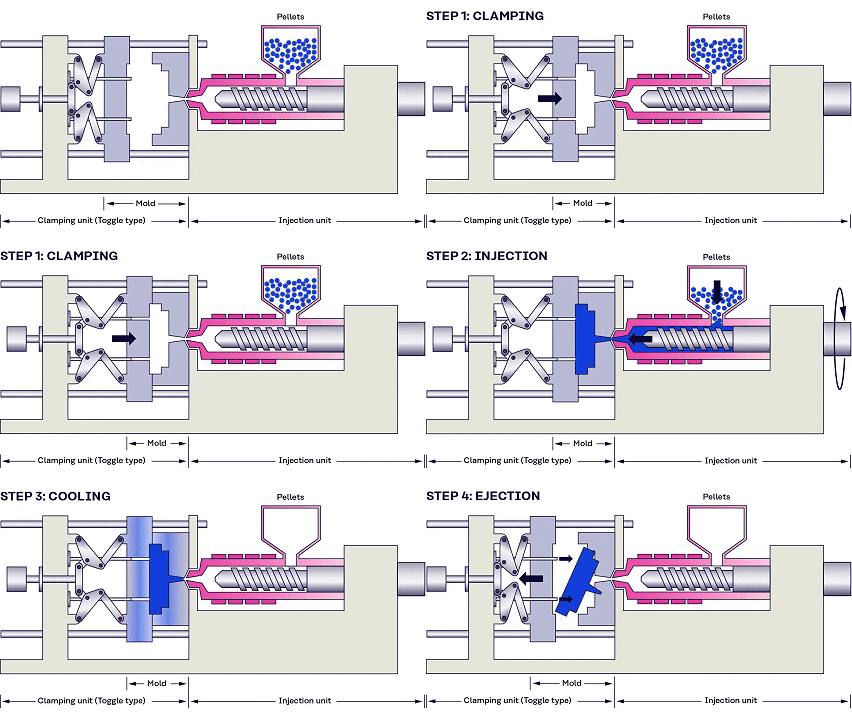
The injection moulding process consists of three steps:
- A heating device melts the plastic raw material
- The injection unit forces the molten material into the mold cavity.
- The material solidifies within the mold and is ejected after cooling.
Common Materials in Injection Moulding
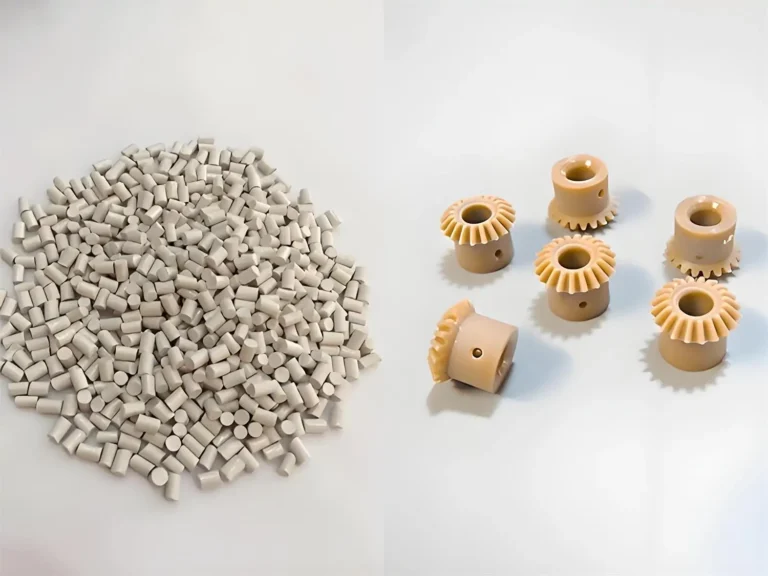
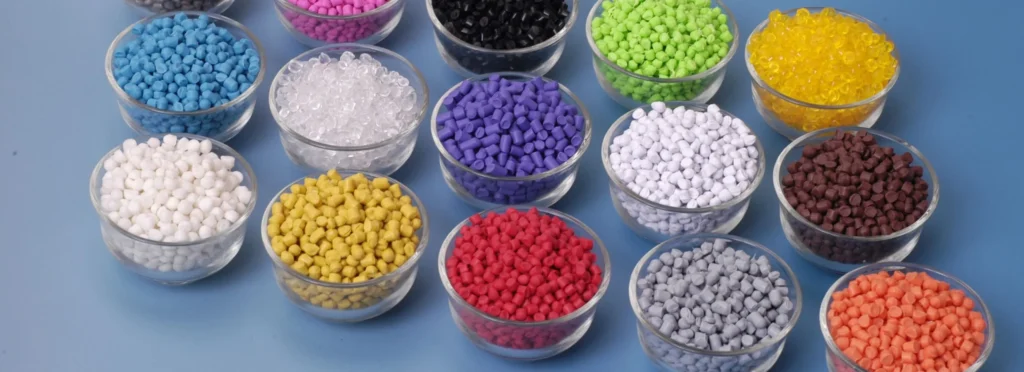
Materials used in injection moulding can be categorized by properties (thermoplastics vs. thermosets) or applications (general-purpose plastics, engineering plastics, specialty engineering plastics). Common plastics include ABS, PP, PE, PC, PA, PVC, PEEK, TPU and others.
What Does Custom Injection Moulding Service Encompass?
Custom injection moulding includes product design, mold design and fabrication, material selection and product detail refinement.
Product Design
Product design must adhere to fundamental principles of structural design and basic requirements such as plastic part wall thickness, draft angles, fillet design and rib reinforcement.
Material Selection
When selecting materials for a product, it is essential to clearly define the product’s functional positioning, analyze the usage environment conditions and benchmark against industry compliance standards.
Mold Design and Manufacturing
Mold design and manufacturing must be based on product drawings and technical requirements, plastic material properties and injection moulding machine parameters. This ensures the mold can stably produce qualified products while being easy to process and maintain.
Product Finishing
Post-moulding surface treatment and finishing must align with design specifications.
Surface modification employs physical or chemical methods to alter appearance, texture, or Properties as Required.
Post-processing is critical for defect removal, performance enhancement and stability. It comprises three core steps: stress relief through annealing or humidity conditioning; surface finishing via painting or plating and quality control through inspection and sorting.
Why is selecting the right injection moulding manufacturer so critical?
Choosing the appropriate injection moulding manufacturer significantly impacts part quality, production cycle, long-term costs and market access.
Impact on Part Quality
Injection moulding is a manufacturing process highly dependent on process control. Significant variations among manufacturers in mold design capabilities, equipment precision, process parameter control and quality management systems directly affect part dimensional consistency, surface quality and structural stability.
Impact on Production Cycle
Production cycles depend on a manufacturer’s equipment capacity, project management capabilities and production stability. Factors like whether the manufacturer has a rational scheduling system, mature mold maintenance protocols and rapid anomaly response capabilities directly affect delivery timelines.
Impact on Long-Term Costs
Injection moulding costs represent a long-term, comprehensive expense. If a manufacturer lacks cost optimization awareness or experiences unstable yield rates, hidden costs such as rework, scrap, mold modifications, or even retooling often arise later.
Impact on Market Access
For regulated industries like medical, automotive and electronics, the manufacturer’s relevant quality system certifications and compliance experience directly determine whether products can enter target markets.
In summary, selecting the right injection moulding manufacturer is a systematic decision involving quality, delivery cycle, cost and compliance. A trusted partner can reduce risks and enhance product sales success throughout the entire process from design to mass production.
Key Considerations When Selecting an Injection Molding Service Provider
Process Capabilities and Technical Expertise
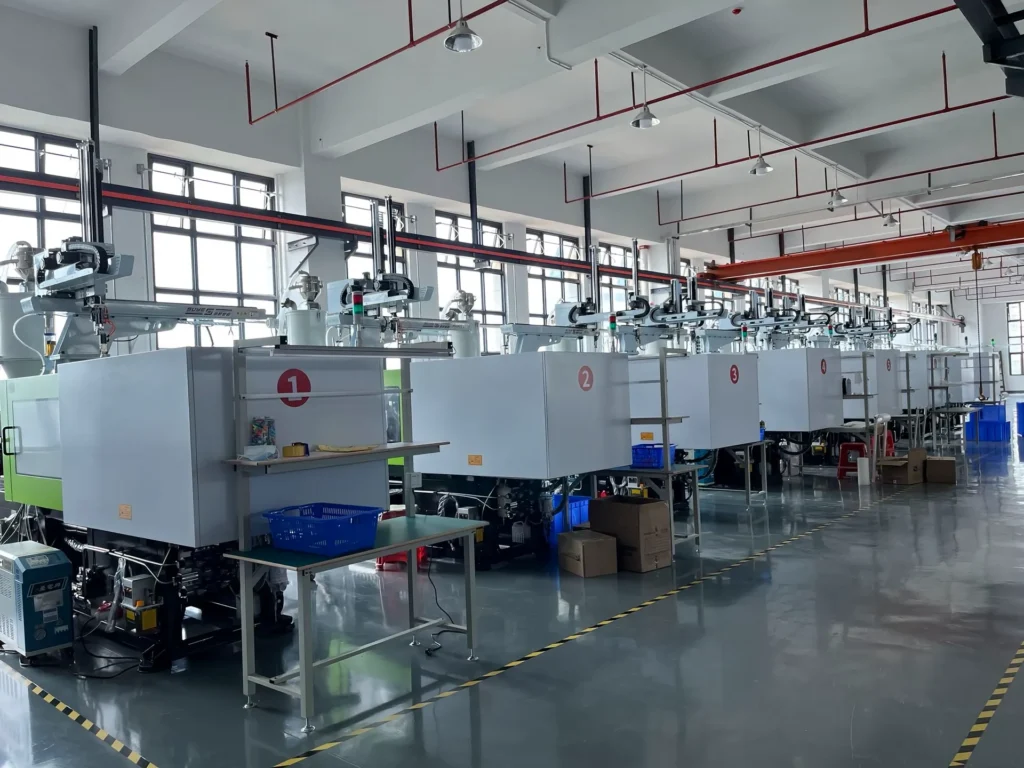
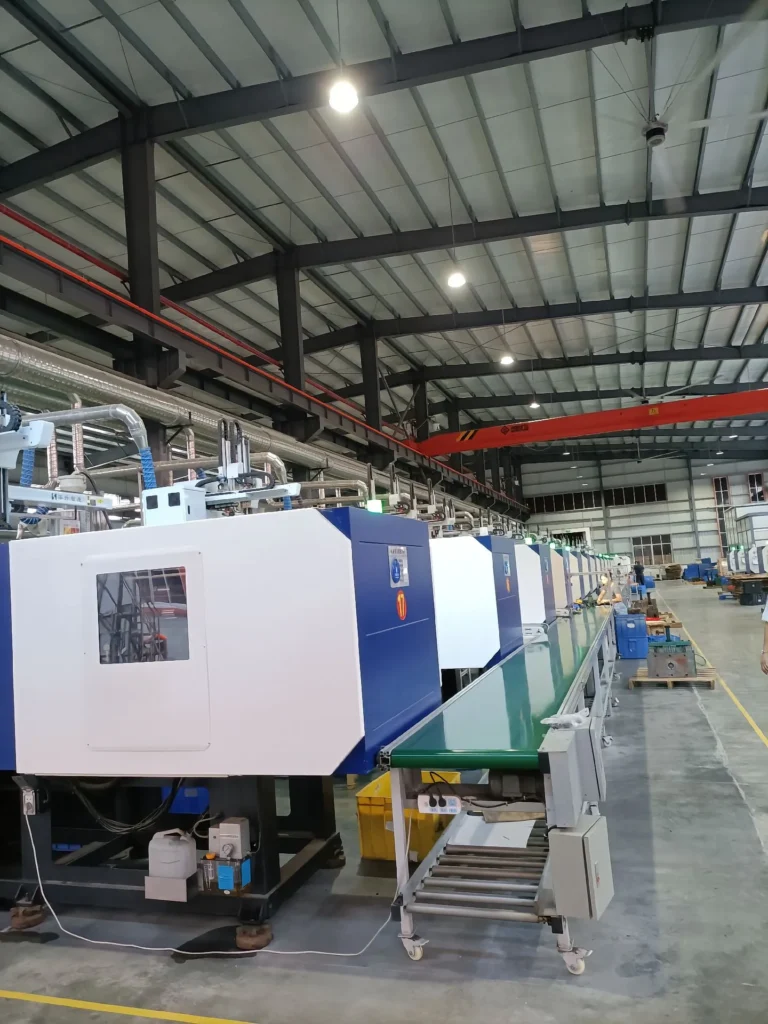
A quality supplier should master multiple injection molding processes, including standard injection molding, precision injection molding (suitable for high tolerance requirements), thin-wall injection molding (enabling lightweight designs), multi-color/multi-material injection molding (reducing assembly steps), and insert molding (integrating metal and plastic components). They should recommend the optimal process solution based on your product characteristics, batch requirements, and cost budget.
Material Expertise
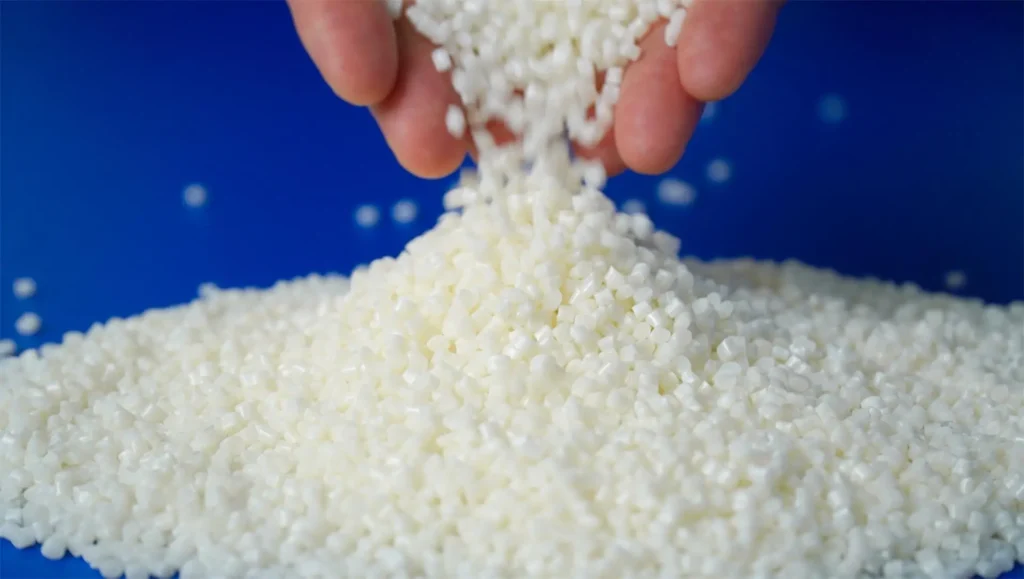
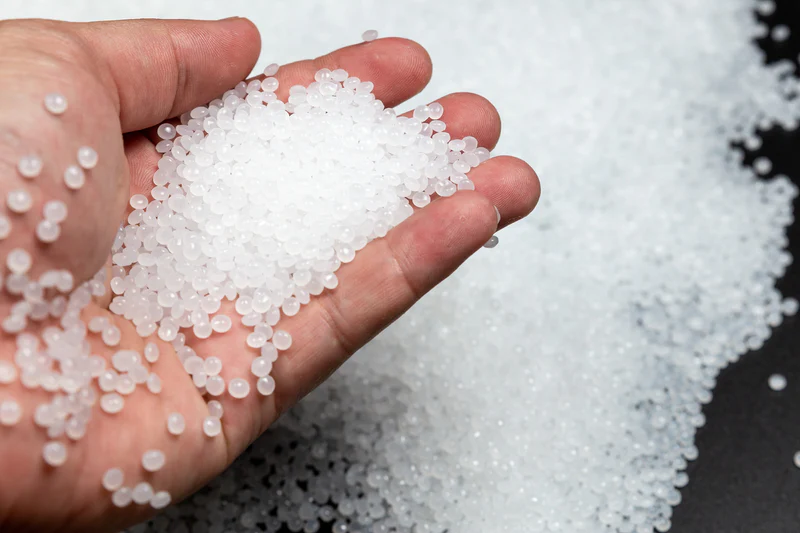
Suppliers should be well-versed in the properties of diverse plastic materials, including engineering plastics (PC, PA, POM, PBT, etc.), general-purpose plastics (PP, ABS, PS, etc.), specialty high-performance materials (PEEK, PPS, LCP, etc.), and eco-friendly recyclable materials. They should provide professional material selection advice based on your product’s requirements for mechanical strength, temperature resistance, chemical stability, flame retardancy, FDA certification, and other specifications.
Mold Design and Manufacturing Capabilities
Mold quality directly impacts product quality and production efficiency. Reliable suppliers must possess independent mold design and manufacturing capabilities. They should utilize CAE mold flow analysis technology during the design phase to predict and resolve potential molding defects such as warpage, sink marks, and bubbles, ensuring mold longevity and product consistency. Additionally, they must be able to flexibly handle different development stages from prototype molds to mass-production molds based on project requirements.

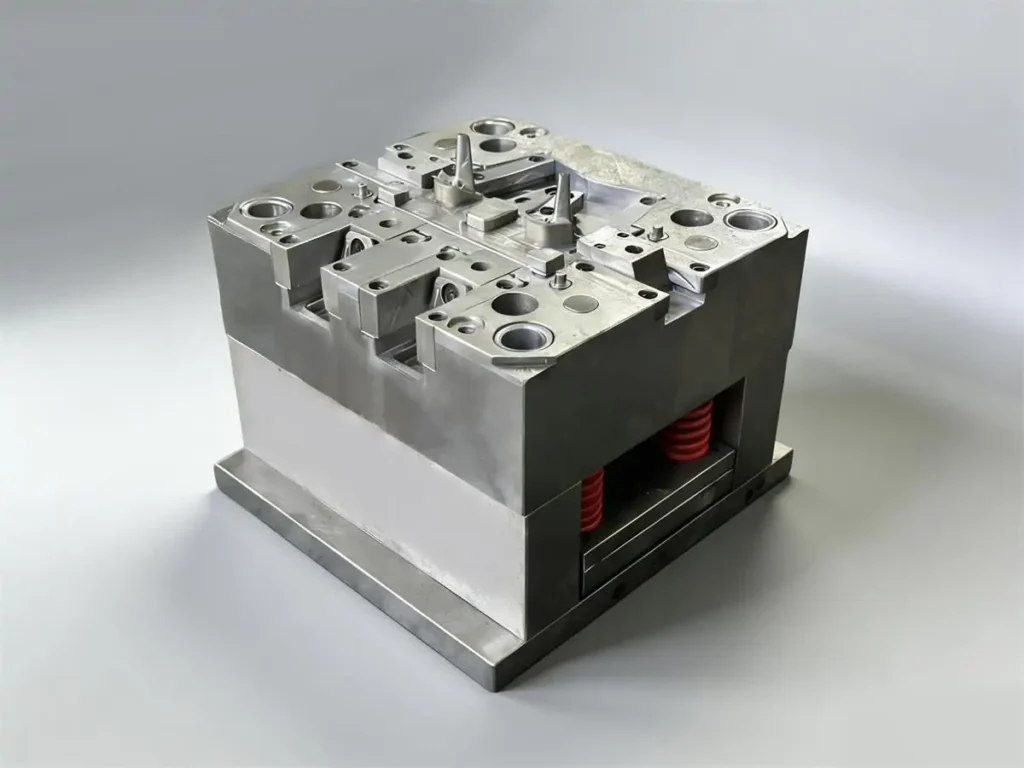
Quality Management System
Evaluate whether suppliers hold relevant certifications such as ISO 9001, IATF 16949 (automotive industry), and ISO 13485 (medical industry). Verify their possession of inspection equipment including coordinate measuring machines, projectors, and hardness testers. Confirm the establishment of a comprehensive quality traceability system, from first article inspection and process control to final shipment inspection, ensuring every batch meets drawing specifications and industry standards.
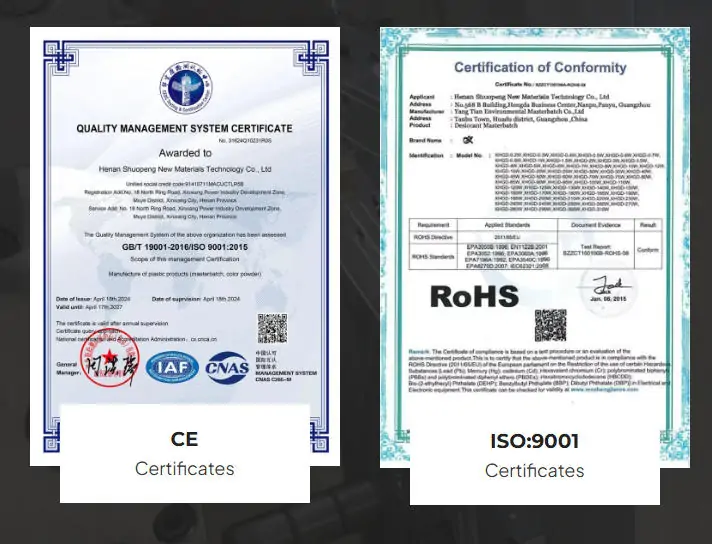
Project Collaboration and Technical Support
A professional supplier should provide DFM (Design for Manufacturing) analysis early in the project to optimize product structure for enhanced manufacturability and cost reduction. They should offer sample prototyping and small-batch validation services to assist with product verification and market testing, while maintaining ongoing technical communication and process optimization during mass production.
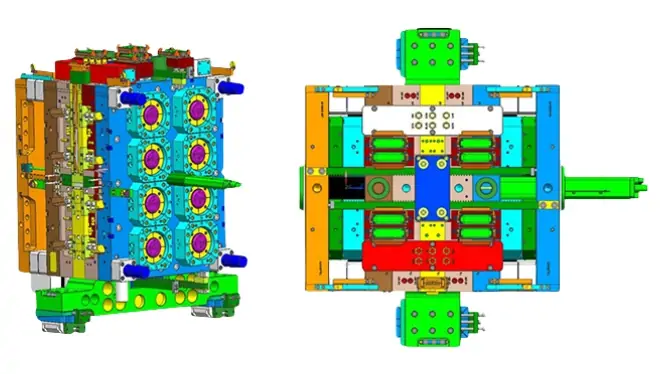
Production Capacity and Delivery Capability
Evaluate the supplier’s equipment count, tonnage range, annual production capacity, and flexibility in scheduling to ensure they can meet your needs across small-batch to large-scale production phases. Simultaneously, assess their supply chain management and on-time delivery track record.
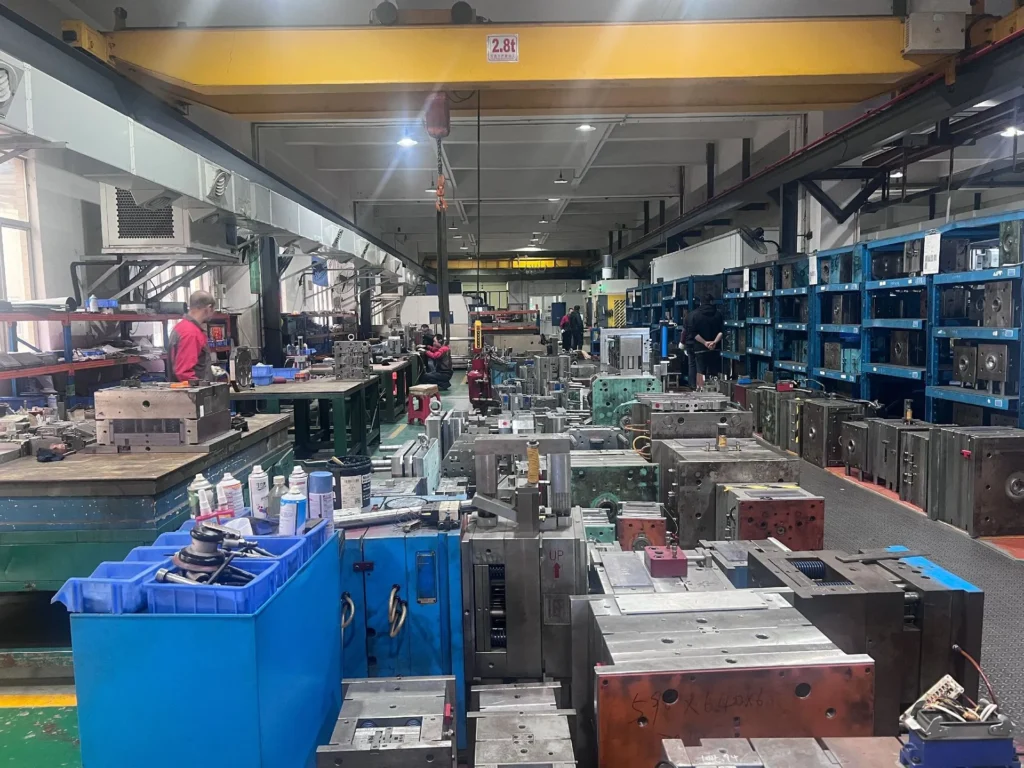
Cost Competitiveness
While ensuring quality, comprehensively evaluate factors such as mold costs, unit costs, minimum order quantity requirements, and payment terms to select the most cost-effective partner. Experienced suppliers can help reduce your total cost of ownership through process optimization, material substitution, and mold design improvements.
Huashuo Molding specializes in providing customized injection molding solutions, backed by comprehensive process expertise, material specialization, mold capabilities, and a robust quality assurance system. We understand each project’s unique requirements and are committed to being your trusted manufacturing partner, supporting your product’s success from concept to mass production. Contact our technical team to discuss your project needs.
What Questions Should You Ask A Custom Injection Moulding Manufacturer?
When communicating with custom injection mold manufacturers, you can ask the following questions to help evaluate their production capabilities, reliability, and potential for collaboration:
1. What is the tonnage of your injection molding machines?
Understanding the tonnage of injection molding machines helps assess the supplier’s production capacity and scale, evaluating whether they can meet your product’s manufacturing requirements.
2. Does your company possess in-house mold design and manufacturing capabilities?
Suppliers with independent design and manufacturing capabilities offer greater flexibility, enabling swift adjustments and improvements based on product requirements.
3. What quality certifications do you hold?
Quality certifications are crucial for evaluating product quality and company credibility. The number and types of certifications provide insight into the supplier’s adherence to industry standards and management practices.
4. How are design changes handled?
Understanding how suppliers manage design modifications—particularly whether additional fees apply—helps minimize disputes and uncertainties during later adjustments.
5. How is consistency across production batches ensured?
Inquire about measures implemented to guarantee product consistency and quality stability between batches, which is vital for long-term collaboration and product reliability.
What Factors Determine the Cost of Custom Injection Moulding?
The cost of injection moulding is primarily influenced by factors such as molds, materials, production cycle, output volume and post-processing.
Molds
The upfront cost of injection moulding mainly involves mold design and fabrication, with typical mold costs ranging from $700 to $70,000.
Materials
Material costs for injection moulding require specific analysis based on the product’s application requirements and production volume.
Production Volume
Volume-related costs primarily involve labor and machinery expenses during part production, which are significantly reduced when allocated per unit.
Post-Processing
Post-processing costs include part inspection and optimization. Parts entering the market require multiple certifications, with some also necessitating grinding, polishing, or similar finishing steps.
What Are Common Mistakes When Selecting Injection Moulding Services?
Some companies make the following common errors when choosing customized injection moulding services:
- Selecting solely based on price
- Overlooking mold ownership and maintenance terms
- Neglecting quality certification systems
- Underestimating engineering support
- Lacking relevant industry experience
These mistakes may lead to substandard molds, unstable production cycles for injection-molded products, no after-sales support, or even non-compliant finished goods.
How to Find the Right Custom Plastic Injection Moulding Partner?
For companies requiring high-volume plastic parts for overseas markets, identifying suitable custom injection moulding suppliers should begin with capability alignment screening. Review the supplier’s past projects and certifications to assess production quality.
Subsequently, initiate trial production to evaluate whether the supplier’s production quality, cycle times and after-sales support meet your requirements. Finally, determine based on trial production results whether to establish a long-term partnership. Following these steps should help you identify a partner that meets your expectations.
Why Choose Us as Your Custom Injection Moulding Partner?
1. Pricing and Lead Times
As a direct injection moulding manufacturer serving global markets, we offer transparent pricing based on mold complexity, material selection and production volume. Our in-house mold design and manufacturing capabilities ensure predictable delivery cycles from mold development to mass production.
2. Engineering and DFM Support
Our experienced engineering team provides design-for-manufacturing analysis, mold structure optimization and process feasibility assessments from the initial design phase, identifying potential production risks before mold fabrication.
3. Robust Quality System
Our factory implements a structured quality management system with strict controls over raw materials, moulding parameters and process inspections. From incoming material checks to finished product verification, we ensure repeatable quality, dimensional stability and reliable performance.
4. One-Stop Service
Our comprehensive process offers clients end-to-end injection moulding services, encompassing mold design, mold manufacturing, injection moulding, post-processing and after-sales support.
Conclusion
Selecting a reliable custom injection moulding service provider is crucial for ensuring part quality, production cycle, long-term cost efficiency and market competitiveness—all vital factors for the sale and application of injection-molded components.
Evaluating a supplier’s mold manufacturing capabilities, production capacity, material selection expertise, quality systems and delivery reliability is a sound approach to securing a dependable partner. For more information about our company, please click the link below.