The cost of injection molding is the most frequently asked—and most misunderstood—question by product developers, engineers, and procurement managers when evaluating plastic manufacturing solutions. Injection molding costs encompass four components: mold costs, material costs, equipment costs, and labor costs. Expenses range from $100 to $100,000, with specific figures depending on project scale and complexity.
This article provides a detailed breakdown of injection molding cost components and methods for cost reduction, aiming to help you accurately estimate expenses and make informed production decisions.
Is injection molding expensive?
The answer is not necessarily. Injection molding costs primarily depend on mold expenses and production volume, not the quoted price.
For most overseas injection molding clients, costs are divided into upfront mold design and manufacturing expenses and the unit cost allocated per product. Based on our industry experience, cost levels typically depend on whether the process aligns with your product and production volume plans. It suits medium-to-high volume, long-term mass production for automotive, toy, and consumer goods components, but is unsuitable for small-batch trial production projects.
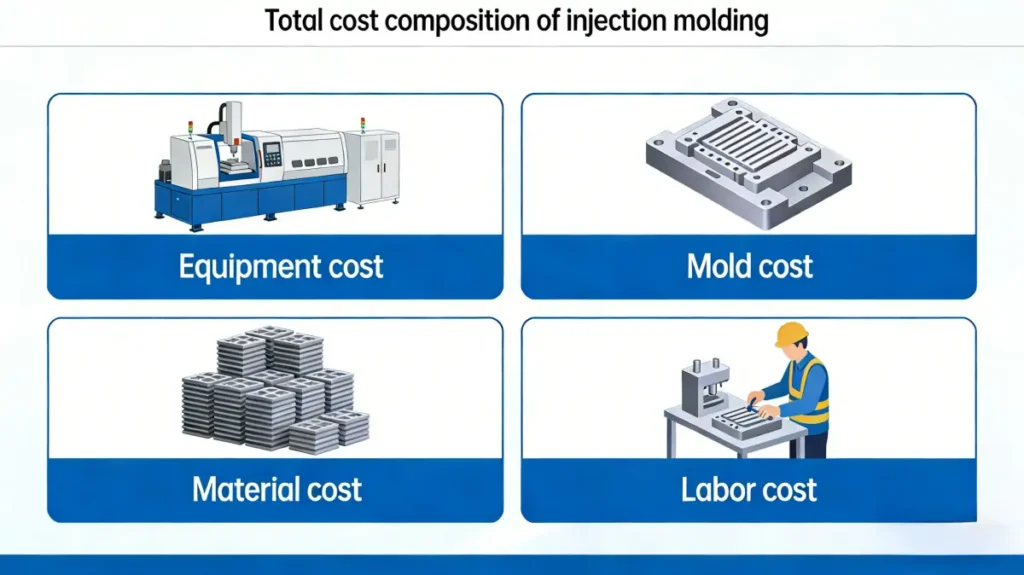
Cost Structure of Injection Molding
For overseas clients procuring injection molding services, the total cost of injection molding can be categorized into four components: equipment cost, mold cost, material cost, and labor cost. Multiple factors influence these costs.
Equipment Cost
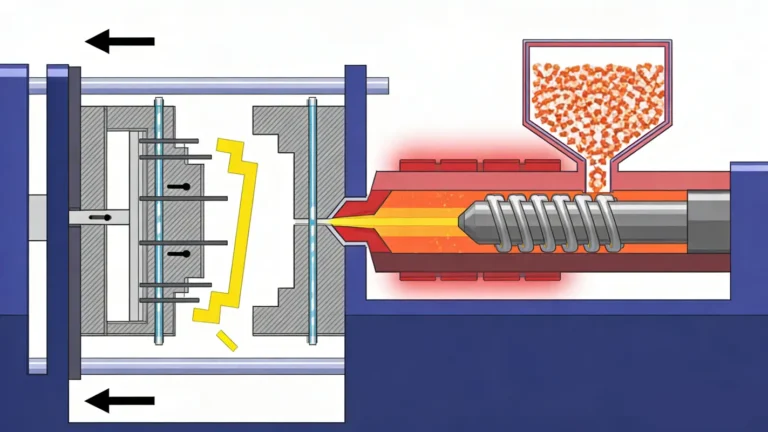
Within injection molding costs, equipment cost refers to the comprehensive operating cost of the injection molding machine. This represents the amortized expense of the machine over its entire production lifecycle, not merely the purchase price.
Injection molding machine prices are categorized by clamping force tonnage:
Small injection molding machines (50–100 tons): Approximately $15,000–40,000
Medium injection molding machines (150–300 tons): Approximately $40,000–100,000
Large injection molding machines (400+ tons): Approximately $100,000–$300,000 or higher
Machine operating costs must also include depreciation expenses, electricity and energy consumption, routine maintenance and repairs, as well as labor costs for operation and monitoring. Therefore, actual operating costs require a specific assessment based on individual circumstances.
Mold Costs
As mentioned earlier, mold costs represent the largest upfront expense in injection molding manufacturing. Injection molds are typically produced via CNC machining, EDM (electrical discharge machining), or 3D printing. They are categorized by complexity into single-cavity molds, moderately complex industrial molds, multi-cavity complex structure molds, and automated mass-production molds.
Single-cavity molds range from $2,000 to $5,000, medium-complexity industrial molds cost $5,000 to $15,000, multi-cavity complex structure molds cost $20,000 to $50,000, and automated mass-production molds can exceed $100,000.

Material Costs
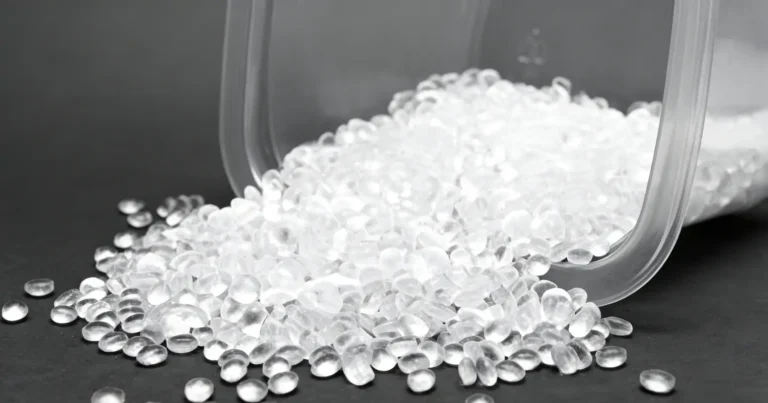
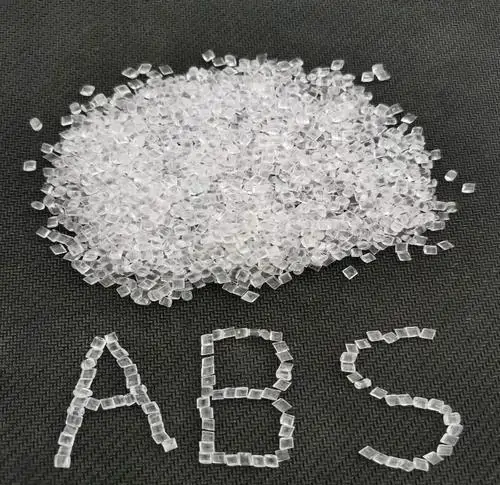
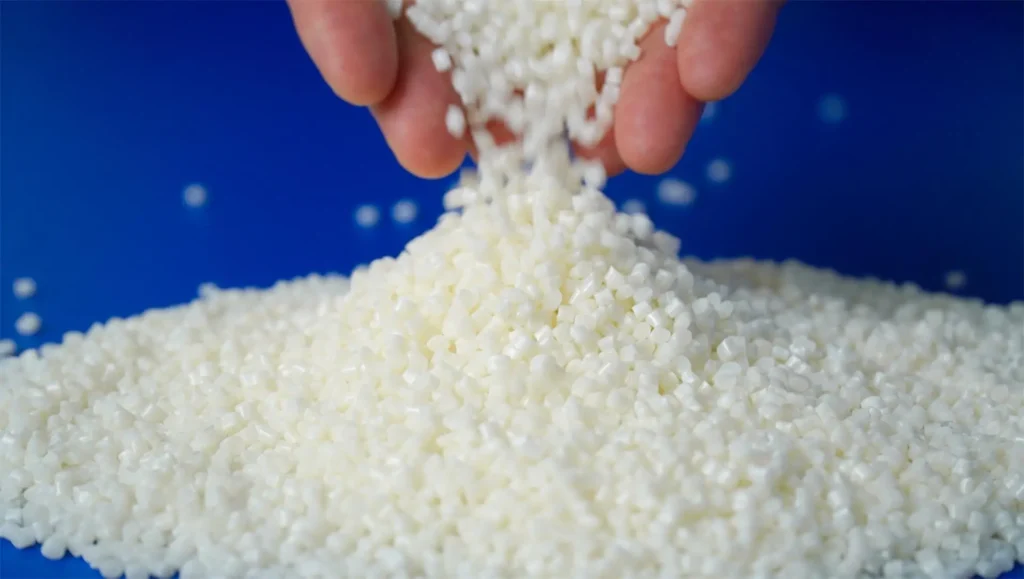
Materials should be selected based on the quality, stability, and application scenarios of injection-molded products. Material costs constitute a significant portion of the per-unit production cost in injection molding. For more information on injection molding materials, please click on this article:What Types of Plastic is Used in Injection Moulding?
Below is a comparison of common injection molding materials:
| Material Type | Common Applications | Processing Difficulty | Price per Pound |
| ABS | Housings, electronic products | Low | $0.8–2.0 |
| PP | Packaging, containers | Low | $1.3–2.6 |
| PC | Medical devices, lamp shades | Medium | $2.8–3.2 |
| PA | Gears, structural parts | High | $2.5 |
| POM | Precision parts | Medium | $3.29 |
Labor Costs
In injection molding, labor costs are categorized based on production volume: small batches, medium-volume production, and large-scale production.
Labor costs account for a high proportion of small-batch production, constituting the primary component of production expenses. In medium-volume production, labor costs gradually decrease. In large-scale, automated production, labor costs represent the lowest proportion, with most manufacturing relying on automated equipment.
Service Fees and Other Expenses
The injection molding cost structure also includes service fees and other expenses, such as DFM analysis, mold flow analysis, prototyping costs, logistics, and packaging fees. These expenses constitute a smaller proportion but enable verification of mold or product quality, reduce production risks, and facilitate part inspection and optimization.
Overview of Injection Molding Costs by Production Volume
Total injection molding costs can be broadly categorized based on production volume. This approach enables direct and efficient assessment of cost composition and specifics at fixed production levels.
| Production Scale | Mold Type | Equipment | Material Cost | Overall Cost |
| Small Batch | Simple Mold | Small-tonnage Machine | High | High Unit Cost |
| Medium Batch | Steel Mold | Medium-tonnage Machine | Medium | Balanced |
| Large Batch | Multi-cavity Steel Mold | Large-tonnage Machine | Low | Extremely Low Unit Cost |
Factors Affecting Injection Molding Costs
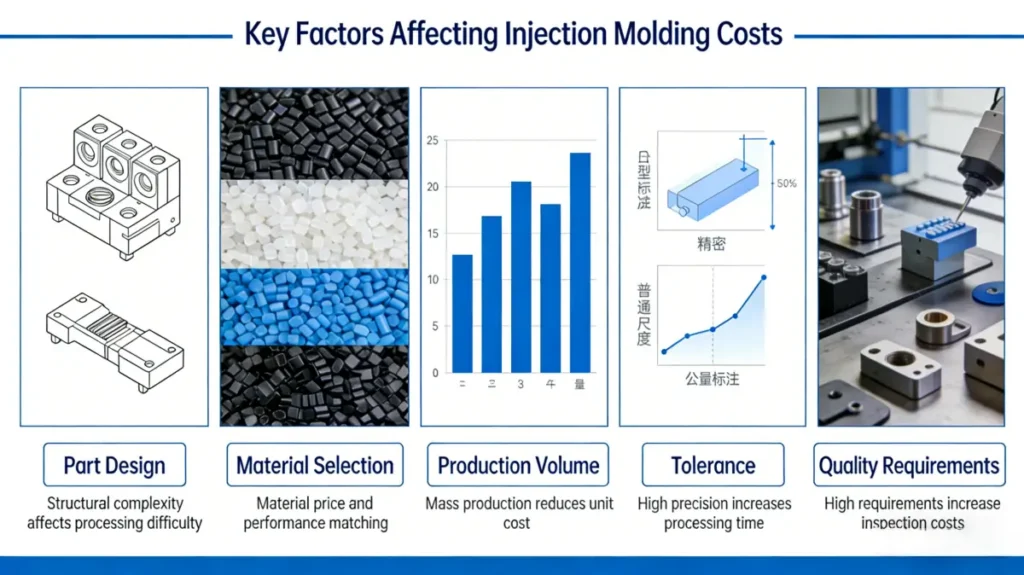
The key factors influencing injection molding costs are part design, material selection, production volume, tolerances, and quality requirements.
Part Design
Part design is the primary factor determining injection molding costs, directly impacting mold complexity, machining difficulty, production cycle time, and subsequent defect rates.
1. Part wall thickness design impacts internal stress, cooling time, and filling process during injection.
2. Structural complexity influences mold design complexity and increases mold costs.
3. Surface finish requirements necessitate additional post-processing, incurring extra expenses.
Material
Material selection determines not only the per-unit material cost but also affects processing stability, mold lifespan, and molding efficiency.
Different material types entail varying injection molding costs and processing requirements. Material properties such as shrinkage rate and stability directly affect product quality and injection molding cycle times.
Production Volume
While mold costs represent a one-time fixed investment in the injection molding process, higher production volumes allow these costs to be spread across more units. Consequently, the unit cost per part decreases progressively with increased production volume.
Quality Requirements
Different application fields demand varying tolerances and quality standards, directly driving up or down injection molding costs.
High-standard industries like automotive, electronics, and medical require higher mold costs alongside increased labor and inspection expenses. Conversely, consumer goods and daily necessities tolerate looser tolerances, with consumers prioritizing appearance over cost, resulting in lower overall expenses.
How to Reduce Injection Molding Costs
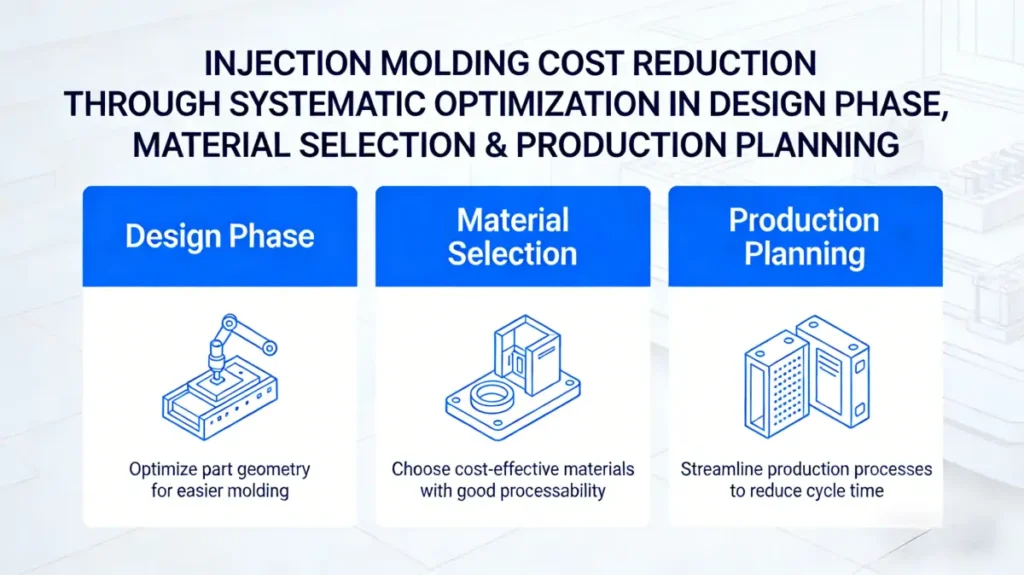
In actual production, injection molding costs can be systematically optimized and reduced during the design phase, material selection, and production planning. The following are key measures to reduce costs in these areas.
Part Design
1. Simplify part design by eliminating unnecessary features and functions, reducing mold manufacturing costs and molding complexity at the source.
2. Minimize complex structures, avoiding features like side holes, undercuts, and internal threads to lower mold complexity and maintenance expenses.
3. Standardize wall thickness for uniformity, reducing warpage, shrinkage, and cycle time increases caused by uneven cooling while improving molding stability.
Material Utilization
1. Optimize material usage by reducing material volume through structural improvements to increase material efficiency.
2. Select materials appropriately based on application requirements, avoiding unnecessary high-performance or high-cost plastics.
Production Scale
1. Increase production volume to spread mold, machinery, and management costs across a larger output, lowering unit costs.
2. Consolidate batches to reduce mold changeovers and machine adjustments, improving equipment utilization and minimizing unnecessary time costs.
Manufacturing Level
1. Utilize multi-cavity molds when demand is stable to increase output per cycle and lower unit costs.
2. Implement automated production with auxiliary equipment to reduce labor costs while enhancing production efficiency and product quality consistency.
Comparison of Injection Molding and Other Manufacturing Methods
Beyond injection molding—the most widely used technique in industrial manufacturing—other processes include 3D printing, CNC machining, and blow molding. Comparing injection molding with these methods effectively highlights each process’s advantages and suitable applications, helping manufacturers select appropriate techniques to reduce production costs.
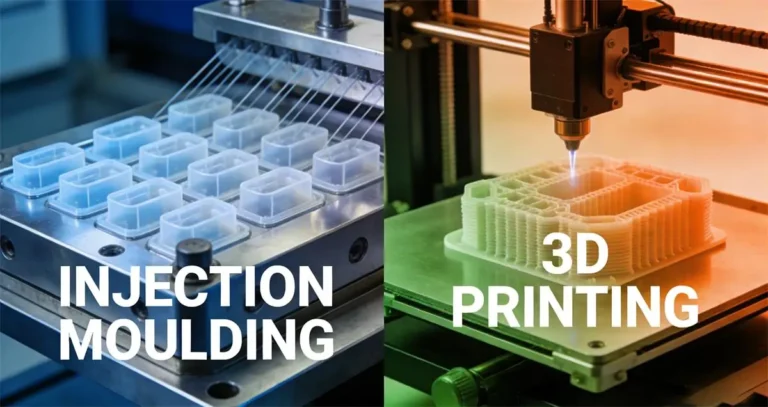
Injection Molding VS 3D Printing
1. Cost
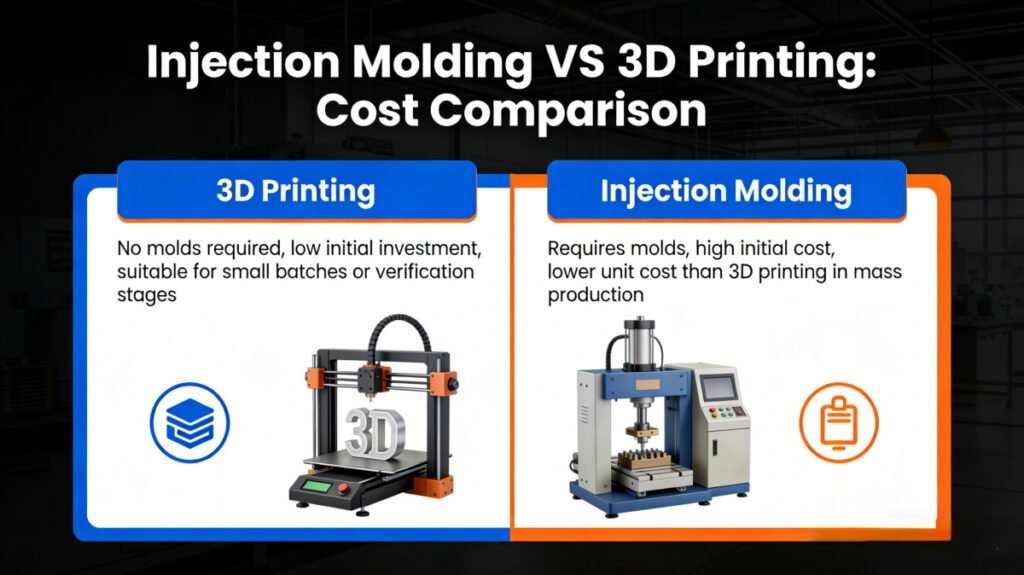
3D printing requires no molds, resulting in low upfront investment and suitability for small batches or prototyping. Injection molding necessitates molds, leading to higher initial costs, but achieves lower unit costs than 3D printing during mass production.
2. Production Volume
3D printing operates at low efficiency and cannot meet high-volume demands. Injection molding enables continuous high-volume production, making it ideal for medium to large batches.
3. Precision
3D printing facilitates complex internal structures but offers inconsistent product quality and dimensional accuracy; injection molding delivers stable dimensions and aesthetically pleasing surfaces, better suited for products with stringent appearance and tolerance requirements.
Injection Molding vs. CNC Machining
1. Molds
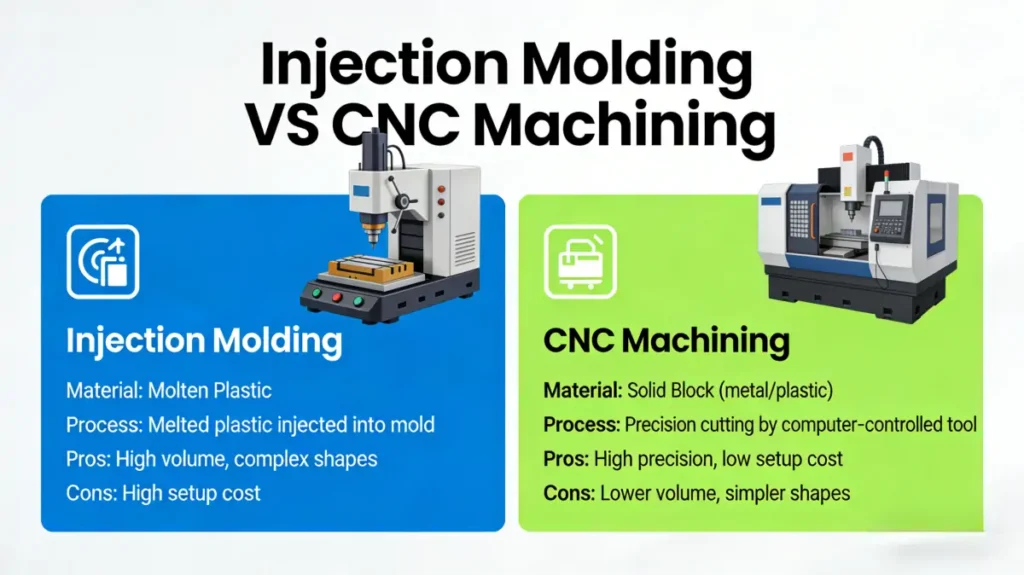
CNC machining requires no molds, making it suitable for small-batch, high-variety production; injection molding relies on molds, ideal for medium-to-large-volume production with high efficiency.
2. Cost
CNC machining is cost-effective for small-batch production, but increased output raises per-unit costs. Injection molding’s large-scale production spreads mold costs, reducing unit expenses and offering economies of scale.
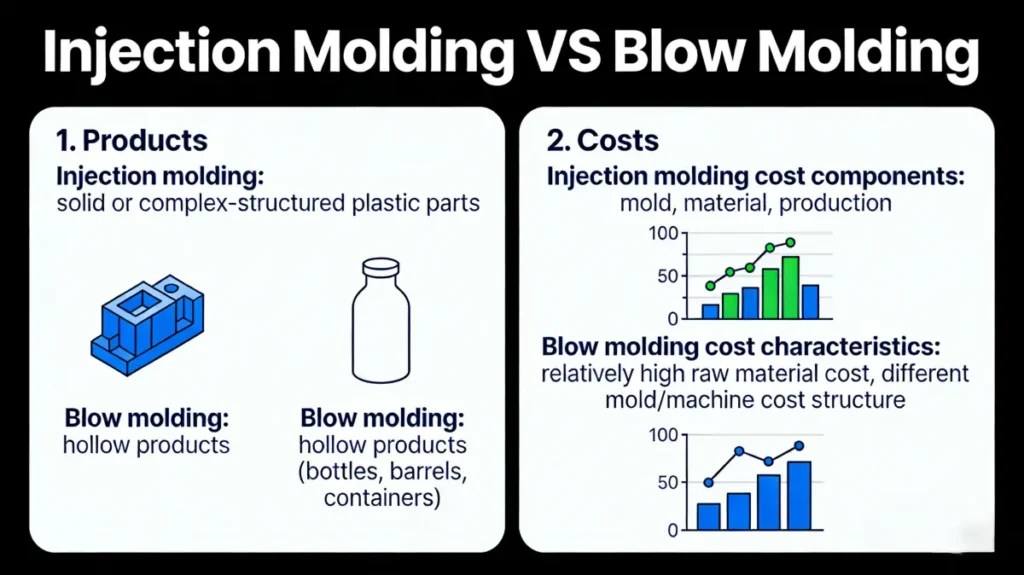
Injection Molding vs. Blow Molding
1. Applications
Injection molding produces solid or structurally complex plastic parts. Blow molding creates hollow products like bottles, barrels, and containers—distinctly different product characteristics.
2. Cost
Injection molding costs typically comprise mold, material, and production expenses. Blow molding involves higher raw material costs, with distinct mold and machinery cost structures compared to injection molding, resulting in markedly different cost compositions.
How to Choose the Right Injection Molding Partner
Selecting the appropriate injection molding manufacturer is a systematic decision involving quality, delivery cycles, costs, and compliance. Successfully choosing the right injection molding partner reduces risks throughout the entire process from product design to mass production and enhances product sales success rates. A reliable custom injection molding service provider should possess the following capabilities: flexible production capacity, mold design and manufacturing capabilities, engineering and design support, and a transparent pricing structure. For more insights on selecting customized injection molding services, click here: How to Choose Custom Plastic Injection Moulding Services?
Flexible Production Capabilities
1. The supplier should possess both small-batch production and large-scale manufacturing capabilities to meet diverse client requirements.
2. The supplier’s injection molding machines should have clamping forces ranging from 50 tons to 800 tons or higher to produce everything from micro precision parts to large structural components.
Mold Design and Manufacturing Capabilities
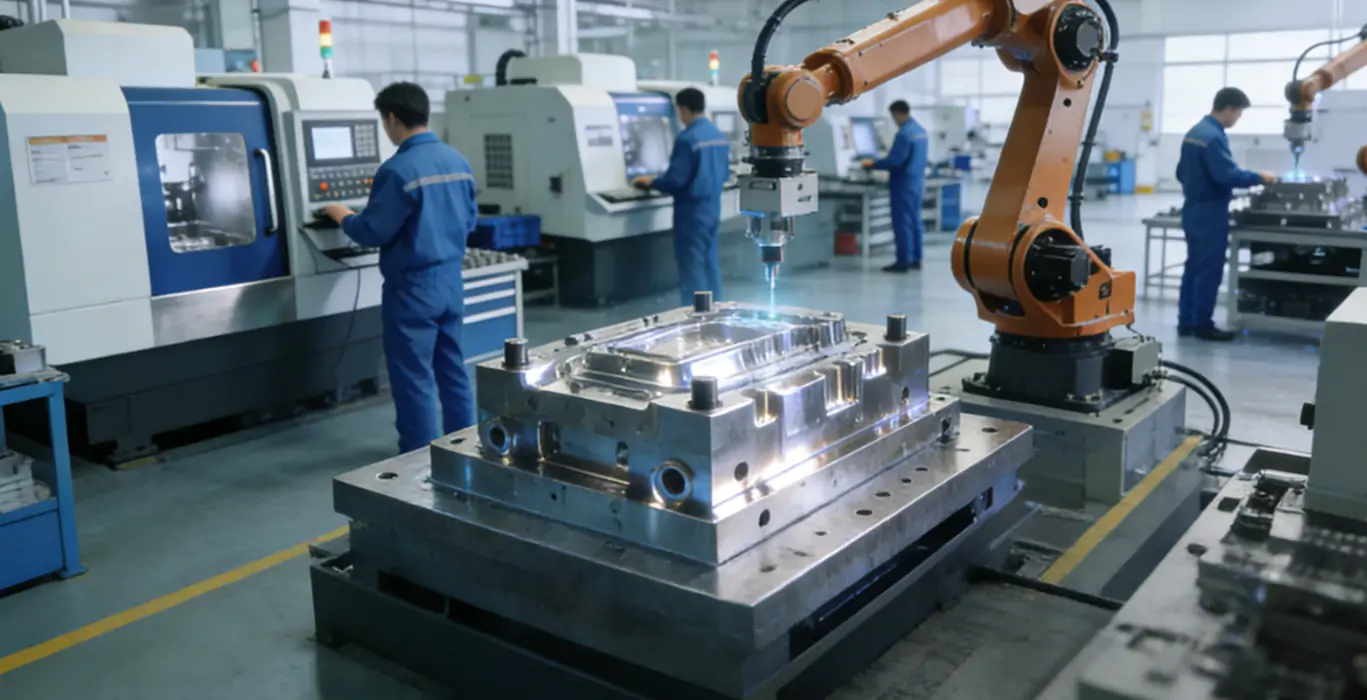
Suppliers with in-house mold design and manufacturing capabilities significantly reduce the steps required for customers to modify mold details. This ensures mold precision and longevity while facilitating post-production mold maintenance.
Engineering and Design Support
1. DFM analysis confirms design suitability for injection molding, enabling pre-mold modification suggestions to avoid frequent mold revisions later.
2. Moldflow simulation predicts molten plastic behavior within cavities, identifying injection defects early to enhance product quality and stability.
3. During the engineering support phase, experienced manufacturers also offer design optimization suggestions from cost control and mass production efficiency perspectives, helping customers achieve more efficient and cost-effective injection molding production.
Transparent Pricing Structure
Reliable suppliers have their own unit pricing logic and standards, clearly listing different cost categories. This helps avoid project disputes and attracts customers with genuine needs.
Conclusion
Injection molding differs from other manufacturing processes in terms of product characteristics and cost structure. Its primary costs lie in molds, materials, equipment, and labor. Manufacturers seeking to reduce injection molding costs can achieve this by selecting appropriate production methods, machinery, molds, materials, and production scale based on actual product requirements. Additionally, choosing the right injection molding manufacturer can help reduce costs, shorten production cycles, and deliver cost-controlled manufacturing solutions. For detailed product injection molding solutions, click the link below. We provide comprehensive injection molding services.