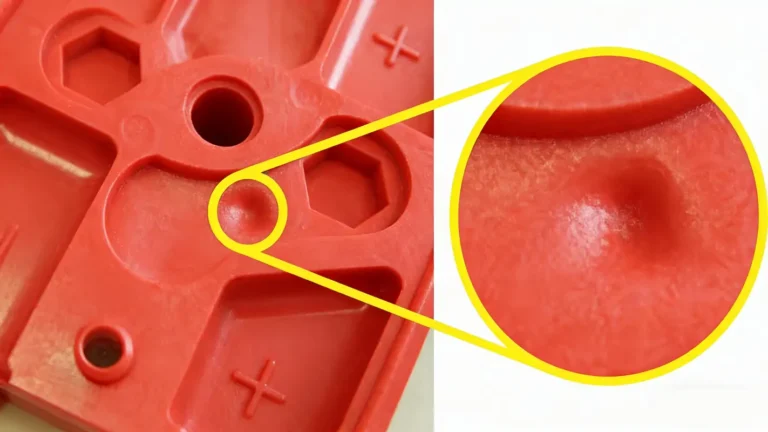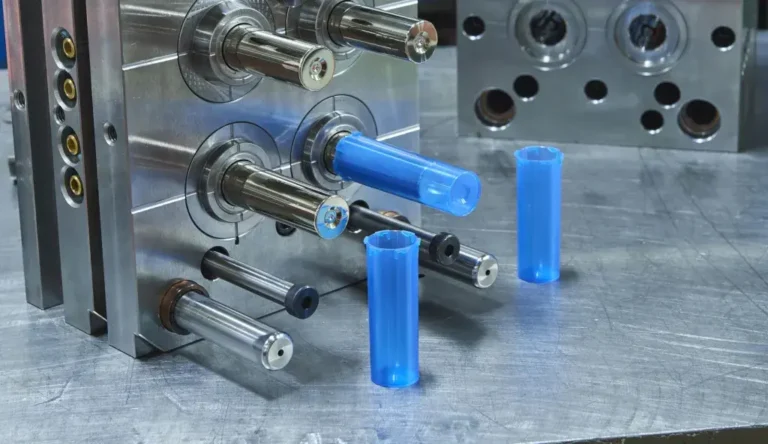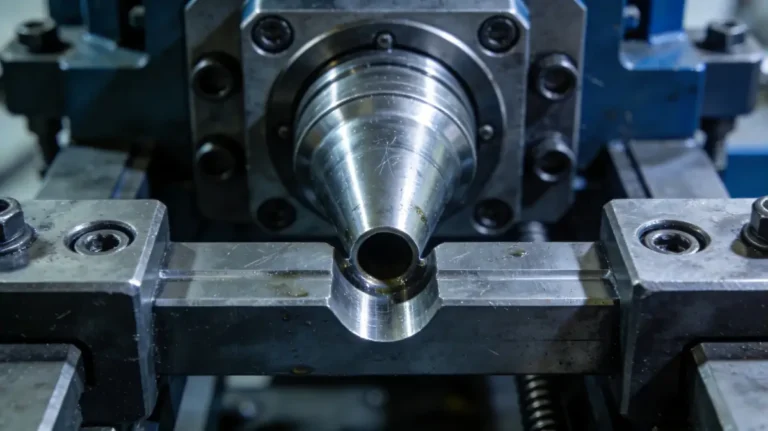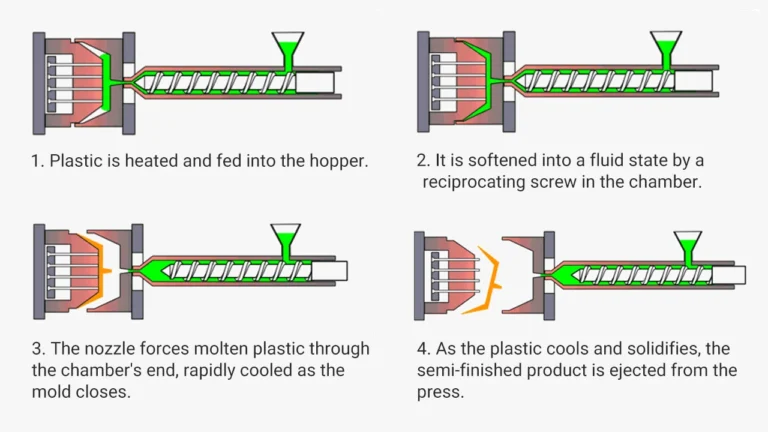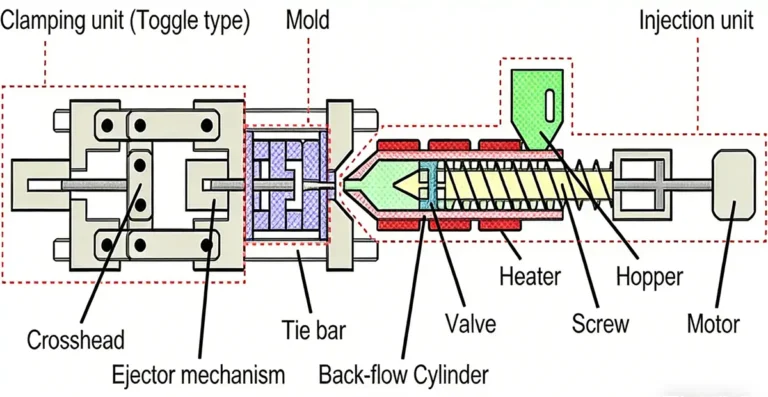
Plastic Injection molding is a process in which molten plastic is injected into a mold and solidified by cooling to form the desired shape. It offers advantages such as high precision and high efficiency, and is widely applied in industries including automotive, electronics, consumer goods, medical, industrial, and aerospace. It is suitable for complex shapes, low cost, and diverse materials. Below is a detailed introduction to the applications of plastic injection molding technology.
Why is choosing a reliable plastic injection molding service crucial?
Choosing a reliable Plastic Injection moulding service allows you to fully leverage the supplier’s advantages, ensuring on-time delivery, reducing production risks, guaranteeing high-quality products, and establishing long-term cooperative relationships.
Reduced production risks:By choosing an experienced Plastic molding company, you can reduce technical issues such as material shrinkage or mold precision challenges, lowering production risks.
On-time delivery: Strict delivery timelines are essential in injection molding. A trusted Plastic Injection moulding service will ensure on-time delivery, prev enting delays in your production process.
Long-term cooperative relationship: A reliable supplier can provide you with long-term support and cooperation, helping you obtain higher-quality services in the future, while reducing production costs and enjoying more preferential treatment and technical support.
Ensuring high-quality products: A reliable supplier will have a comprehensive quality control system to ensure that every injection molded product meets the customer’s high standards, avoiding rework and quality problems.
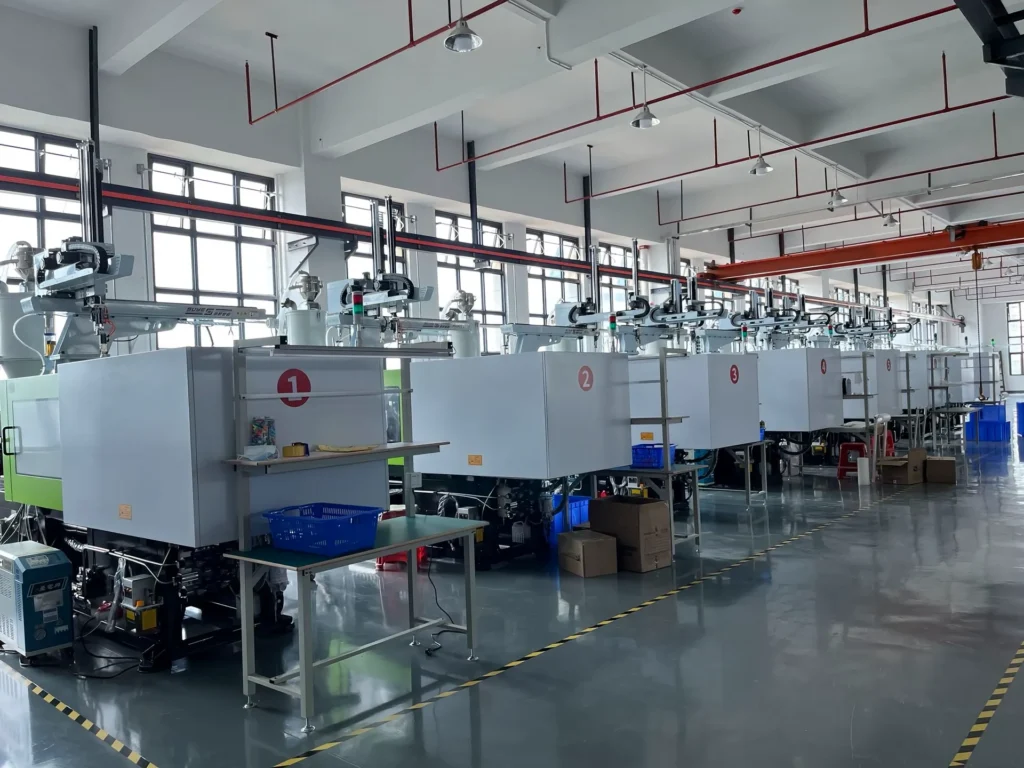
Key Factors to Consider When Choosing an Injection Molding Service Supplier
When selecting a Plastic Injection moulding service provider, there are several important factors to consider to ensure you choose the best supplier.
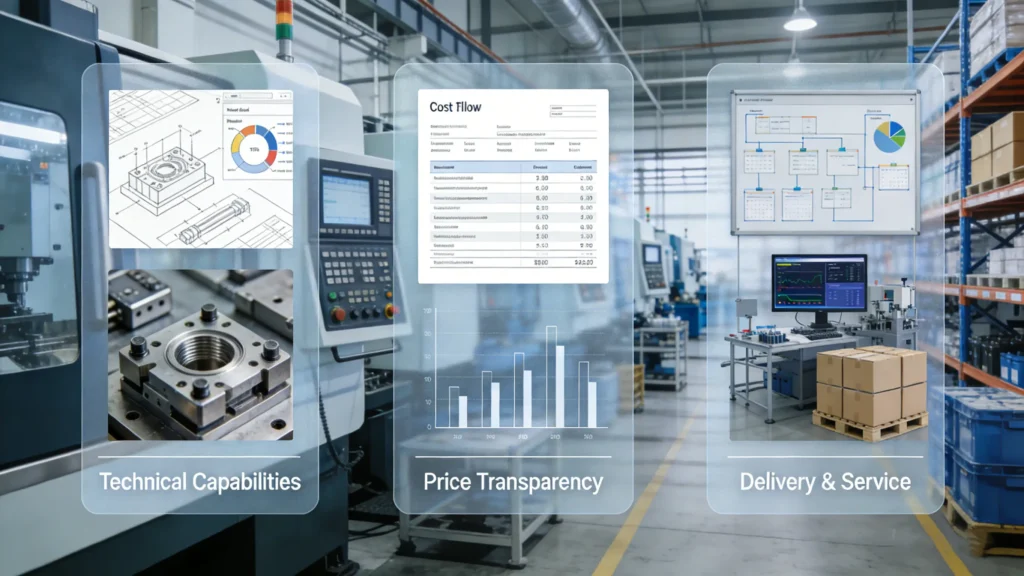
Technical capabilities and equipment capacity:It is important to ensure that the Plastic molding company has the necessary equipment and technology to meet your production needs. This includes advanced mold manufacturing and mold flow analysis.
Price transparency: A reputable Plastic molding company should be able to meet deadlines and deliver your products on time. Review their production cycle and emergency handling capabilities to ensure timely delivery
Delivery capability and timeliness: A reputable Plastic molding company should be able to meet deadlines and deliver your products on time. Review their production cycle and emergency handling capabilities to ensure timely delivery.
Customer service and technical support: Good customer service and technical support are key for smooth production. Ensure that the Plastic Injection moulding serviceprovides efficient communication channels and strong after-sales support for handling issues like repairs, returns, or exchanges.
How to ensure the quality and compliance of injection molding services?
Ensuring that the products meet industry standards is a crucial aspect of choosing a Plastic Injection moulding service Here’s how to verify their compliance:
Certification Systems and Standards: UnderstandPlastic molding company with international quality management system certifications These certifications ensure product quality in industries such as medical and automotive.
Material Selection and Control: Reliable Plastic molding company select raw materials that comply with industry standards and provide certifications for these materials.
Production Process Monitoring: Does the supplier implement full-process monitoring, including raw material inspection, in-process inspection, and finished product inspection? This ensures that every step meets quality standards and prevents defective products from entering the market.


Quality Traceability Mechanism: Good suppliers have a complete quality traceability system, such as PPAP (Production Part Approval Process), FAIR (First Article Inspection Report), etc., providing customers with complete production records and quality control documents.
How to balance quality and cost in injection molding?
Balancing quality and cost is a dynamic process. Both suppliers and customers need to continuously adjust their strategies based on product characteristics, production scale, and market demand. Achieving maximum cost-effectiveness requires the following strategies:
From the perspective of the injection molding service provider:
1. Clarify Quality Requirements
Clearly define your quality standards with the Plastic Injection Moulding Service, especially for precision and durable materials. Non-negotiable quality must be outlined up front, while other factors like processes can be adjusted based on cost.
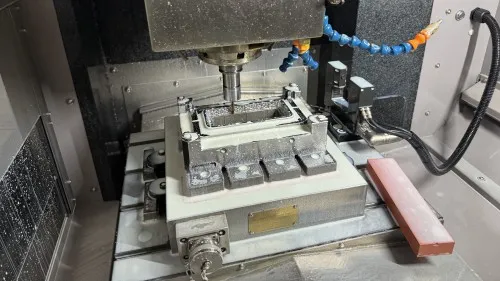
2. Optimize Production Processes
Mold design optimization: Simplify mold design, reducing unnecessary complexity while ensuring production efficiency and quality. Simplifying molds not only reduces initial investment but also improves production efficiency.
Production process optimization: Optimizing process technology improves product quality while also increasing production efficiency, reducing waste and resource consumption, thereby lowering the cost per unit.
3. Cost Control Strategies
Adopt efficient production lines: Increase automation and introduce modern equipment to improve production efficiency, reduce labor costs, and shorten production time. Reducing Waste and Rework: Through strict quality control and precise mold design, reduce waste and rework during the production process, lowering material loss and labor costs.
Bulk Purchasing of Materials: Negotiate with suppliers to purchase raw materials in larger quantities, enjoying lower procurement costs.
From the Perspective of Injection Molding Customers:
1. Balancing Mass Production and Small-Batch Customization
Choosing the appropriate production volume: Small-batch production reduces mold costs. However, as product sales gradually increase, mass production can be used to amortize mold costs, thereby reducing the cost per unit.
Modular Design: If the product requires multiple models or configurations, modular design can be used to reduce the complexity of the mold and production costs, while maintaining high output and product quality.
2. Price Negotiation with Suppliers
Long-term Cooperation Agreements: Establish long-term cooperative relationships with suppliers through bulk purchasing and stable orders to obtain more favorable prices.
Regular Cost Evaluation and Adjustment: As market changes and raw material costs fluctuate, suppliers evaluate the cost structure and dynamically adjust costs to continuously obtain competitive prices.
conclusion
Choosing a reliable plastic injection molding service supplier is crucial for ensuring high-quality products, on-time delivery, and reduced production costs. By considering factors such as technical strength, price transparency, and quality control systems,you can identify the best Plastic molding company for your needs and achieve a balance between quality and cost.to achieve a balance between quality and cost. Ensuring that the supplier has relevant certification systems, strict production process monitoring, and efficient customer service can greatly reduce production risks.。If you want to know how to choose custom plastic injection molding services?