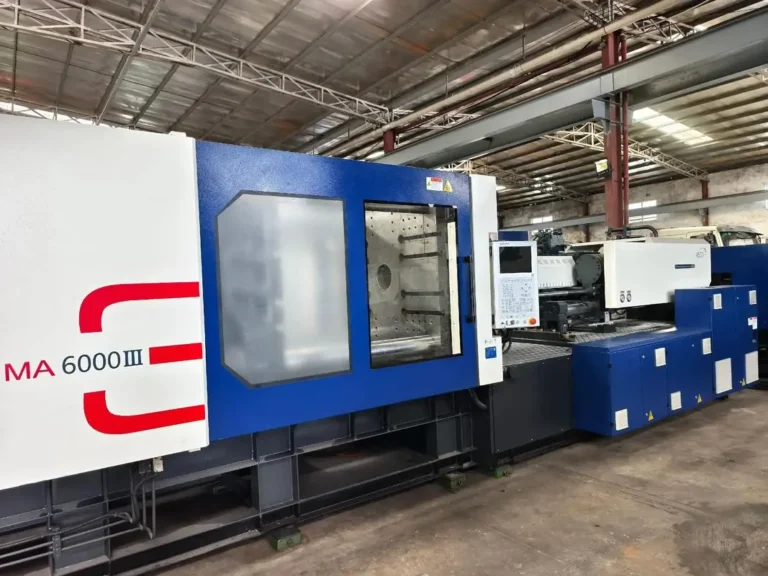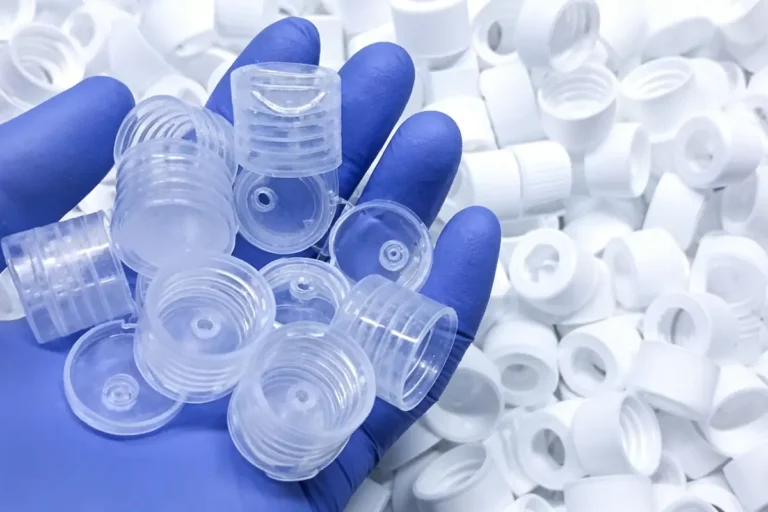
Injection molding and compression molding are currently the two most popular forming processes. This article will compare the advantages and disadvantages of compression molding vs injection molding, helping you choose the process that best suits your needs.
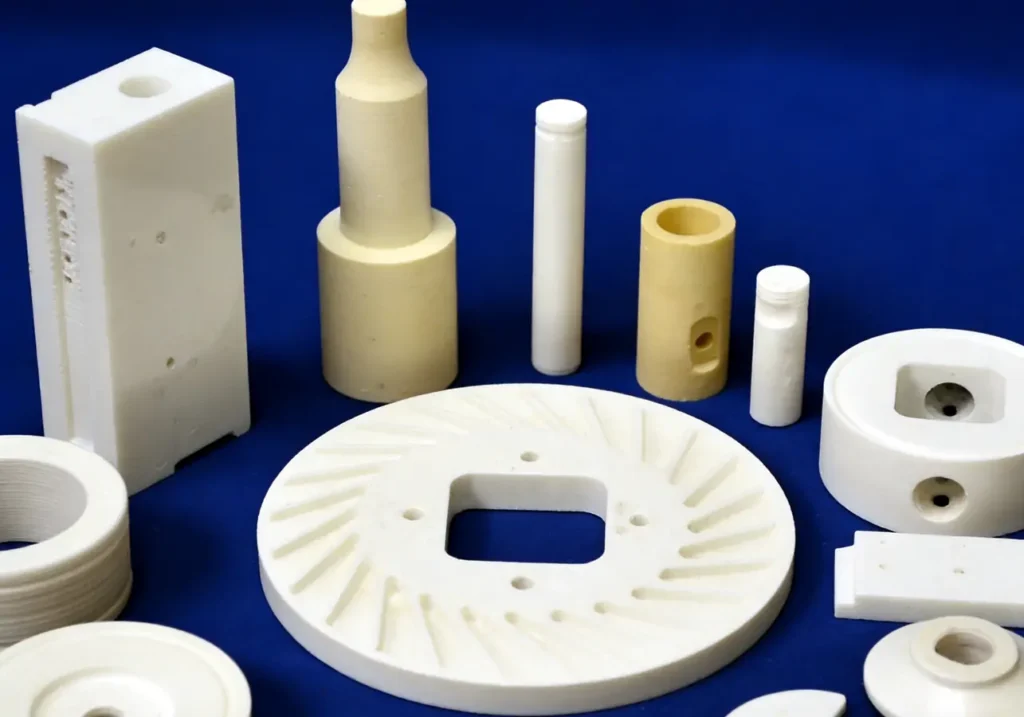
Definition of Injection Molding and Comparison with Compression Molding
What is Injection Molding?
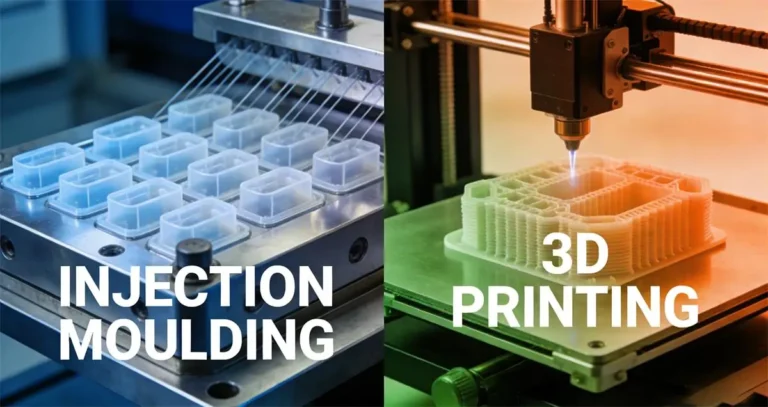
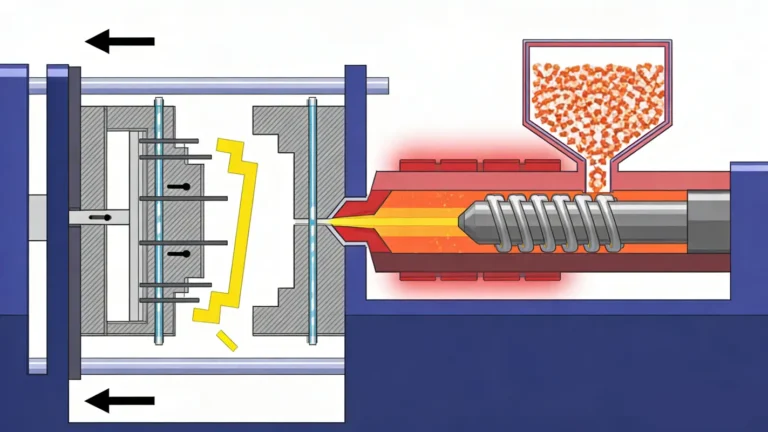
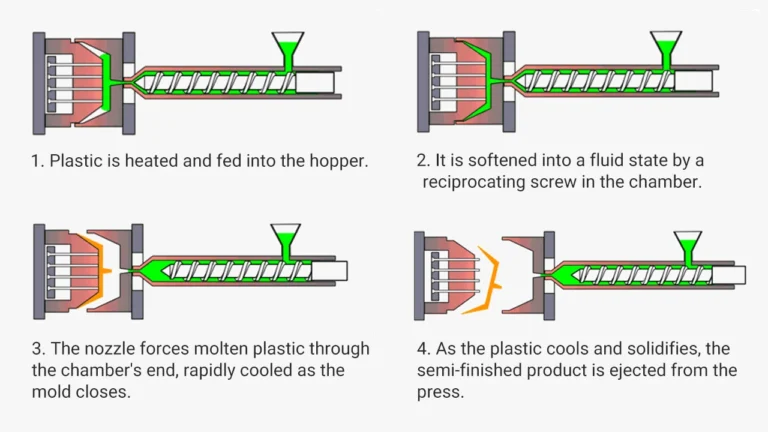
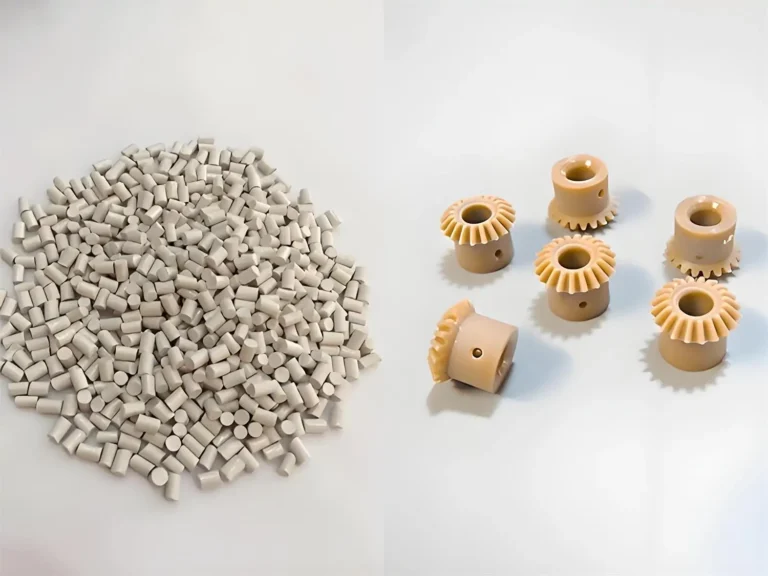
Injection molding is a forming process that melts plastic raw materials, injects the molten material into a mold cavity under high pressure, and then cools and solidifies it to mass-produce high-precision plastic parts.
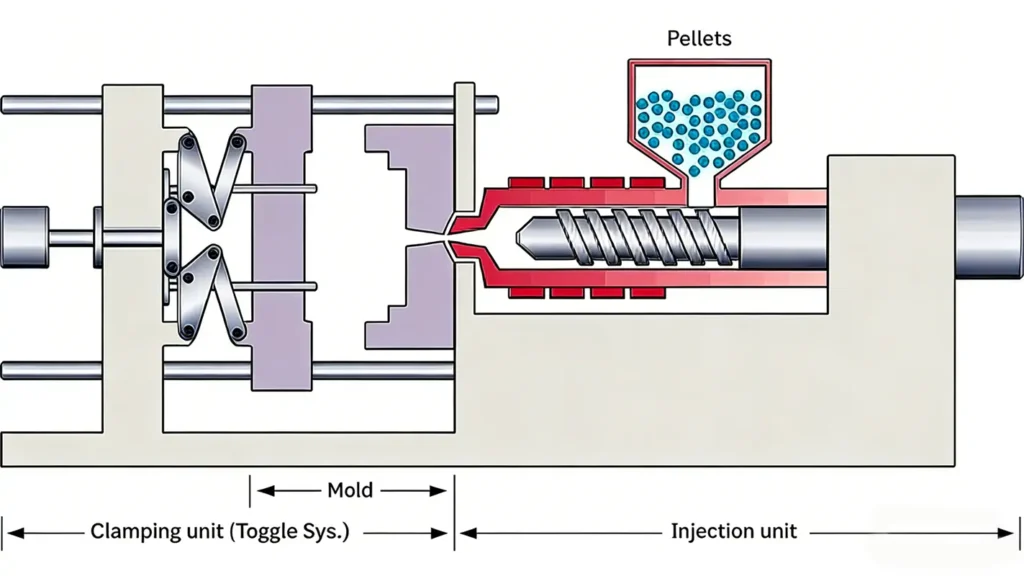
If you’d like to learn more about injection molding, check out this article :What Is Injection Moulding? Principles, Process, Types, Advantages, Materials
Advantages of Injection Molding
• Injection molding can produce complex parts with high machining precision and quality, achieving tolerances as tight as ±0.05mm.
• Injection molding offers lower per-unit costs for large production runs, as mold costs can be spread across individual products.
• The injection molding process achieves higher material utilization and enables the production of lightweight components.
• Injection molding enables highly automated production with short cycles, minimal labor requirements, and rapid speed—sometimes completing a single part in seconds.
• Multiple parts can be produced simultaneously through mold design, such as using multi-cavity molds.
Disadvantages of Injection Molding
• Requires high-pressure processing, demanding higher-quality molds and incurring higher costs for low-volume production.
• Unsuitable for large components like automotive panels; optimized for small, precision parts.
• Slightly lower durability and strength compared to compression molding.
• Higher costs associated with design modifications.
Definition of Compression Molding and Comparison with Injection Molding
What is Compression Molding?
Compression molding is a forming process where a measured quantity of plastic material is placed into a heated mold cavity. By closing the mold and applying pressure, the material flows within the cavity and solidifies into shape.
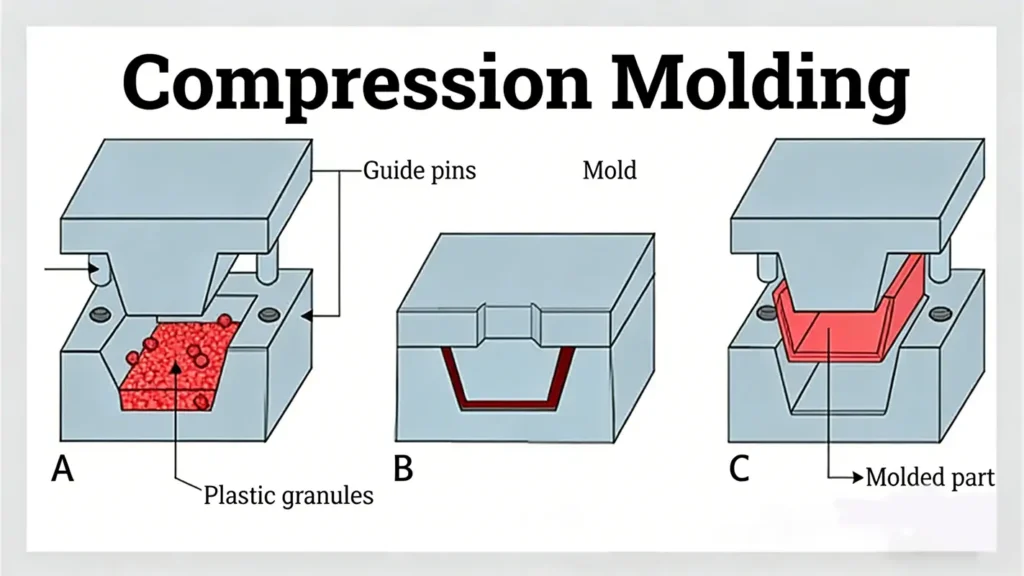
Advantages of Compression Molding
• The high pressure and temperature required during compression molding produce finished products with greater strength and density, resulting in enhanced durability and rigidity.
• It handles large material volumes, making it suitable for producing simple, large-scale components like automotive hoods.
• Molds require no gates, resulting in smooth surfaces without gate marks.
Disadvantages of Compression Molding
• Requires higher labor intensity and longer production cycles, with individual parts taking several to over ten minutes.
• High pressures during molding can deform intricate structures, making it unsuitable for complex parts.
• Compression molding generates significant material waste during production, resulting in lower material utilization and sustainability compared to injection molding.
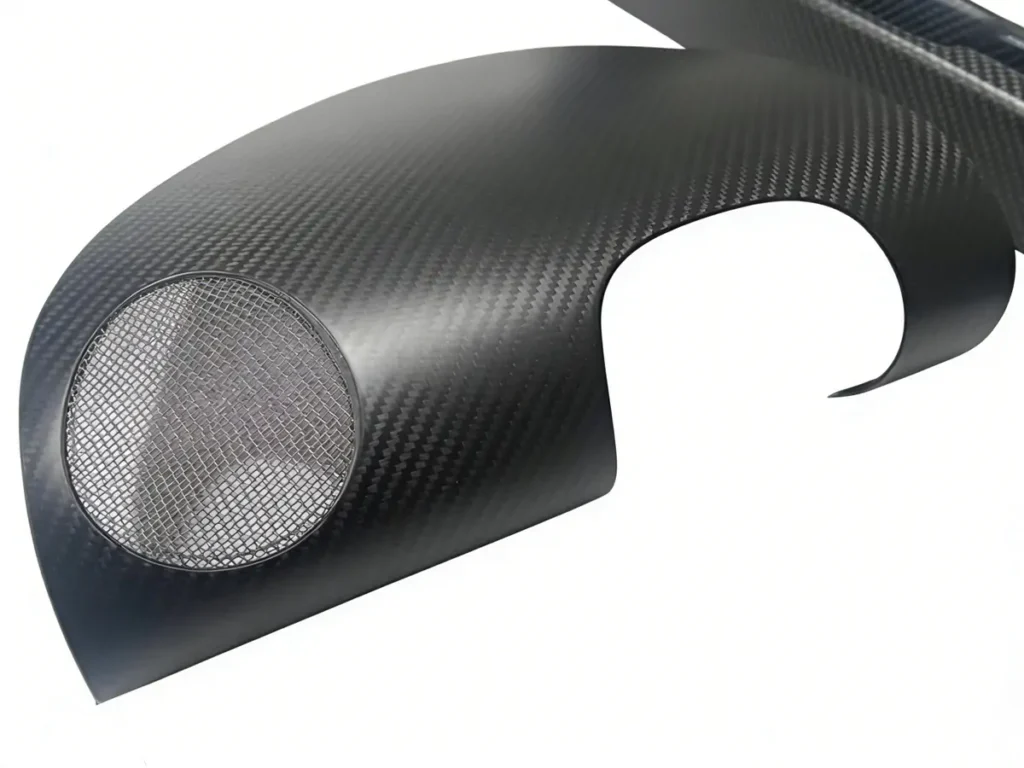
• Compression molding utilizes materials like SMC and BMC to manufacture composite panels, which cannot be produced via injection molding.
Compression Molding vs. Injection Molding Comparison Table
| Attribute | Injection Molding | Compression Molding |
| Suitable Order Volume | Medium to very large production runs | Small to medium production runs |
| Unit Cost (High Volume) | Low | Medium |
| Unit Cost (Low Volume) | High | Low |
| Compatible Materials | Thermosetting plastics, thermoplastics (including fiber- or metal-filled), thermoplastic elastomers (TPE) | Thermoset materials, some thermoplastics, silicone, uncured rubber, butyl rubber, SMC |
| Tooling Cost | High | Low |
| Part Structural Complexity | High (supports snaps, ribs, bosses, and other complex features) | Low (structure must remain relatively simple) |
| Dimensional Accuracy | High | Medium |
| Batch Consistency | Excellent | Moderate |
| Surface Finish | High | Medium |
| Suitable for Appearance Parts | Yes | Generally not recommended |
| Capability for Large Thin-Wall Panels | No | Yes |
| Molding Cycle Time | Short (seconds to minutes) | Longer (typically minutes) |
| Post-Processing Required | Yes | Yes |
For complex structures, high aesthetic requirements, and large production runs, injection molding is recommended.
For simple structures, sheet-like components, small batches, and lower budgets, compression molding is recommended.
Compression Molding vs. Injection Molding: Key Customer Concerns
Below are several key issues customers focus on during actual production.

Which process has higher upfront costs: injection molding or compression molding?
Due to the higher precision and process requirements of injection molding, mold quality standards are stricter than for compression molding, resulting in higher costs. However, for high-volume production, the per-unit cost of injection molding is lower.
Which process offers greater design flexibility: injection molding or compression molding?
Injection molding provides superior design flexibility, enabling intricate features like complex snap-fits and achieving multi-functional integration within limited spaces. Compression molding is limited to simpler part designs.
Which process is faster: injection molding or compression molding?
Injection molding is significantly faster than compression molding. Compression molding requires curing before demolding, so injection-molded parts have production cycles of just seconds, while compression-molded parts often take several minutes.
Which process has higher production output?
Injection molding features high automation, with continuous processing from material feeding to part removal and short cycle times. Compression molding relies on manual loading/unloading and post-processing, resulting in low automation, longer cycle times, and significantly lower overall output compared to injection molding.
What materials are used in injection molding versus compression molding?
Injection molding offers a broader material selection, better suited for products requiring multiple materials or diverse performance characteristics. Compression molding excels at forming rubber, silicone, and composite materials, particularly for simple-structured components with well-defined performance requirements.
If you’d like to learn more about injection molding materials, please refer to this article: What Types of Plastic is Used in Injection Moulding?
Conclusion
This article outlines the advantages and disadvantages of injection molding and compression molding, comparing key considerations for customers.
Neither process is inherently superior; selection depends on your product requirements. We provide global customers with customized injection molding services, offering full-cycle support from product design evaluation and mold development to mass production. If you have questions about molding processes, contact us for the most effective guidance.