PMMA Injection Molding
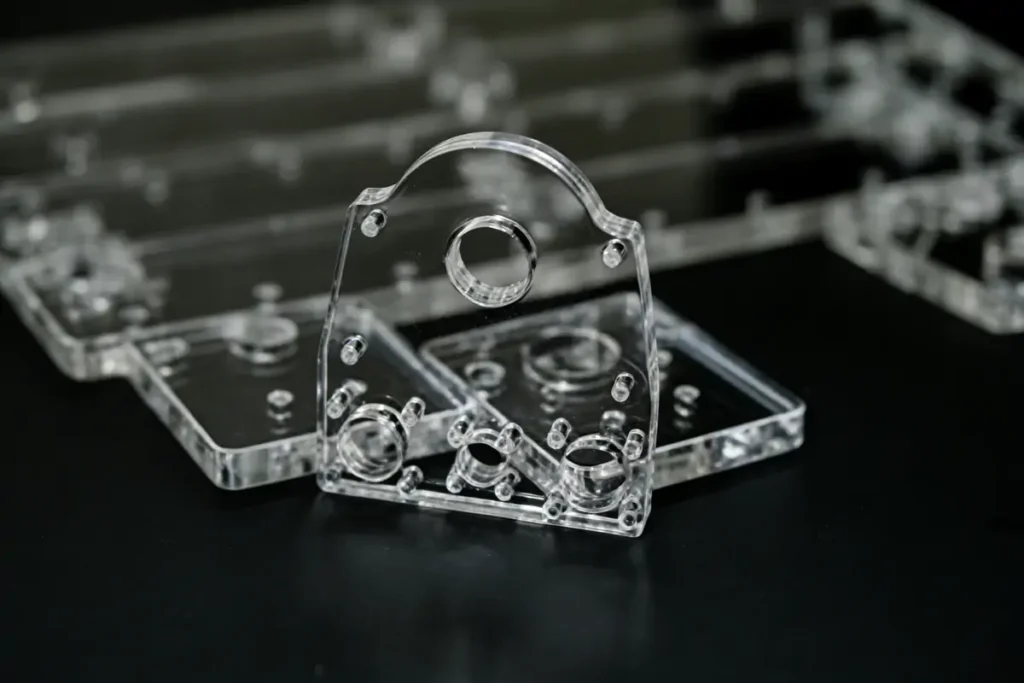
PMMA injection molding is widely used to manufacture high-precision transparent plastic parts with excellent optical clarity and surface quality. PMMA, also known as acrylic, offers glass-like transparency while being significantly lighter and easier to process through injection molding. This makes it a preferred material for products that require clear appearance, dimensional accuracy, and good weather resistance.
At HuaShuo, we provide professional PMMA injection molding and acrylic injection molding services for global B2B customers. Our engineering team supports custom PMMA parts design, precision tooling, and stable production of transparent injection molded parts used in lighting, electronics, automotive, and consumer products.
- ISO 9001:2015, CE
- T1 sample as fast as 2 weeks
- No minimums
What Is PMMA Injection Molding?
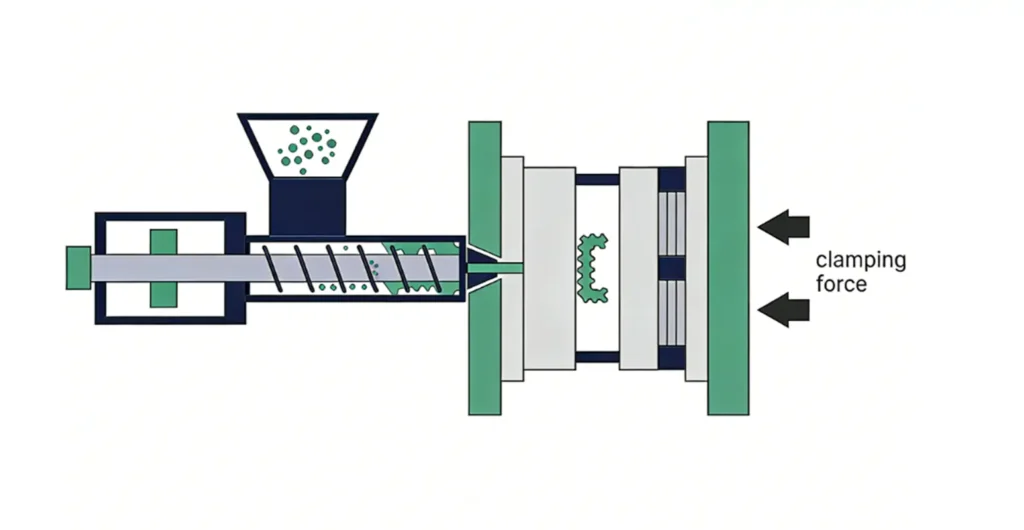
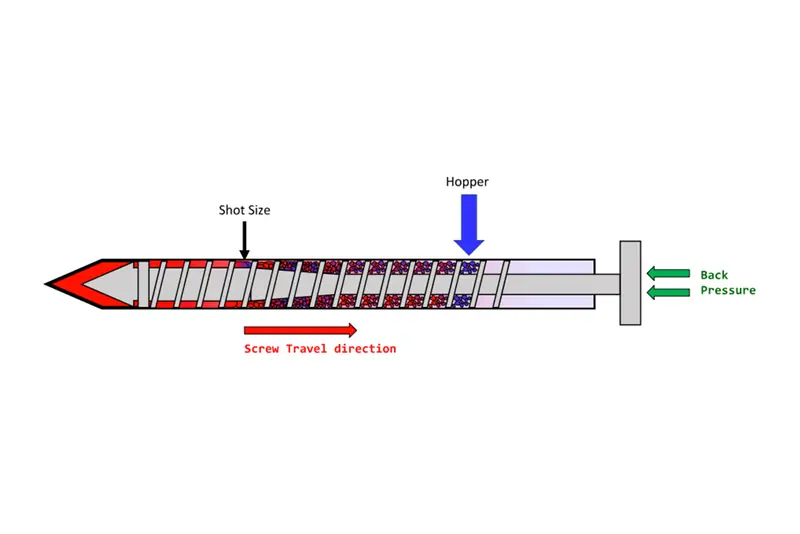
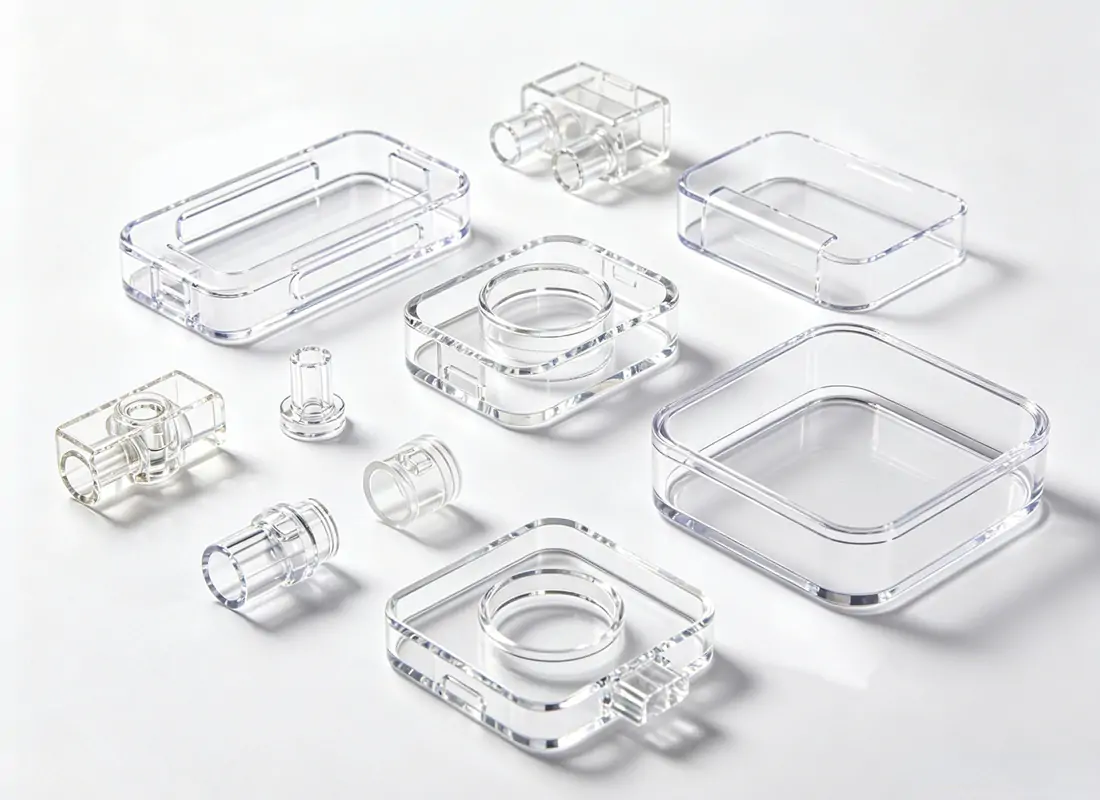
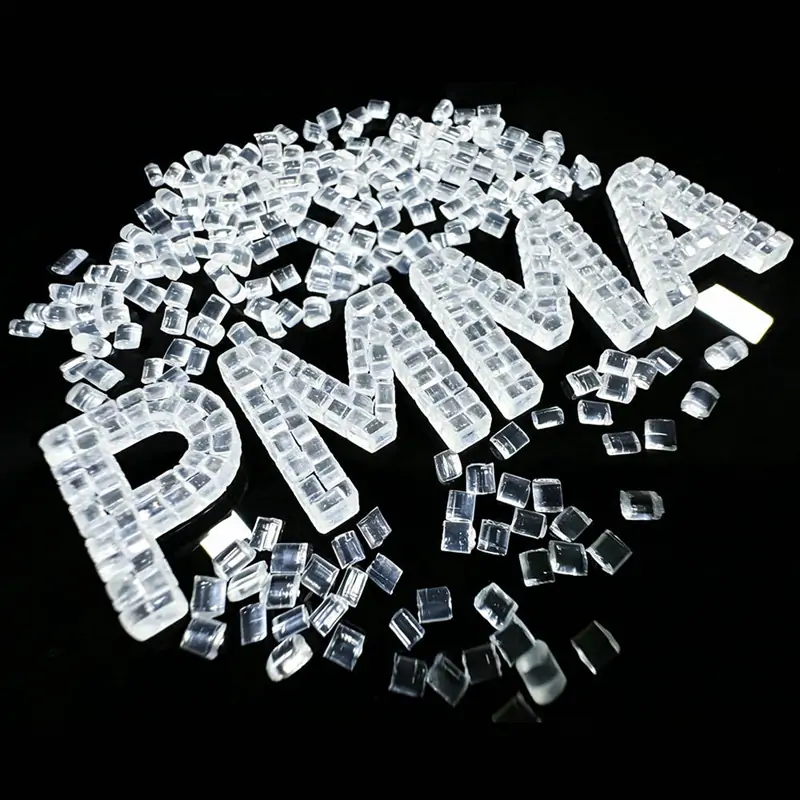
PMMA injection molding is a plastic manufacturing process where polymethyl methacrylate material is heated to a molten state and injected into a precision mold cavity to form transparent plastic components. Through controlled cooling and molding conditions, manufacturers can produce transparent injection molded parts with excellent clarity, dimensional accuracy, and smooth surfaces. This process is commonly used to create acrylic lenses, covers, and other optical-grade plastic parts.
Compared with traditional glass, PMMA provides similar optical clarity while offering advantages such as lighter weight, better impact resistance, and easier mass production through acrylic injection molding. These characteristics make PMMA plastic molding a popular solution for transparent industrial and consumer components.
Types of PMMA Materials
HuaShuo typically offers the following three types of PMMA materials for injection molding.
Standard PMMA
- Excellent transparency and gloss
- Good weather resistance
- Stable molding performance
- Cost-effective for mass production
Typical products:
- lamp covers
- display panels
- transparent housings
- protective covers
│
│
│
Optical Grade PMMA
- Extremely high optical clarity
- Low optical distortion
- Excellent light transmission
- Suitable for precision optical components
Typical products:
- optical lenses
- LED light lenses
- instrument windows
- optical covers
│
│
│
Impact Modified PMMA
- Improved impact resistance
- Better toughness than standard PMMA
- Maintains good transparency
- More durable in mechanical environments
Typical products:
- automotive light lenses
- lighting covers
- protective transparent panels
- durable transparent housings
Key Properties of PMMA Plastic
High Transparency
PMMA provides up to 92% light transmission, making it one of the clearest thermoplastics available.
Excellent Surface Finish
PMMA molded parts can achieve smooth, glossy surfaces directly from the mold.
UV Resistance
PMMA maintains clarity and color stability even under long-term UV exposure.
Weather Resistance
This material performs well in outdoor environments and resists environmental aging.
Good Dimensional Stability
PMMA molded components maintain precise shapes and dimensions.
Lightweight Alternative to Glass
PMMA offers glass-like transparency with significantly lower weight.
Processing Challenges in PMMA Injection Molding
Brittleness
PMMA is relatively brittle compared with some engineering plastics and requires careful part design.
Moisture Sensitivity
PMMA must be properly dried before molding to avoid bubbles and surface defects.
Surface Defects
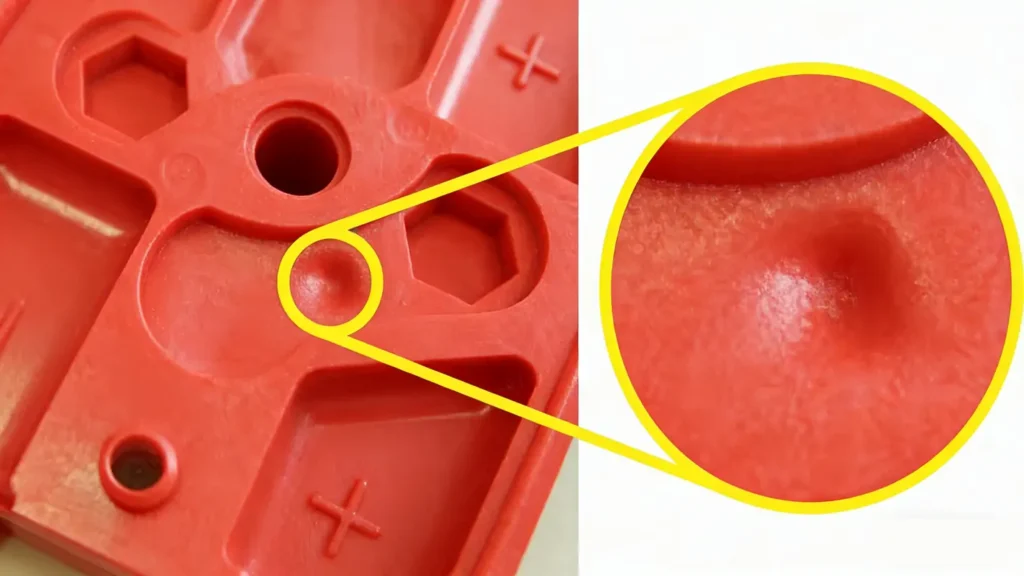
Flow marks or stress whitening may occur if molding parameters are not optimized.
Mold Temperature Control
Stable mold temperature is critical to achieve high optical clarity and surface quality.
HuaShuo has experience in PMMA injection molding process control to ensure stable production quality.
Industries and Typical PMMA Injection Molded Parts
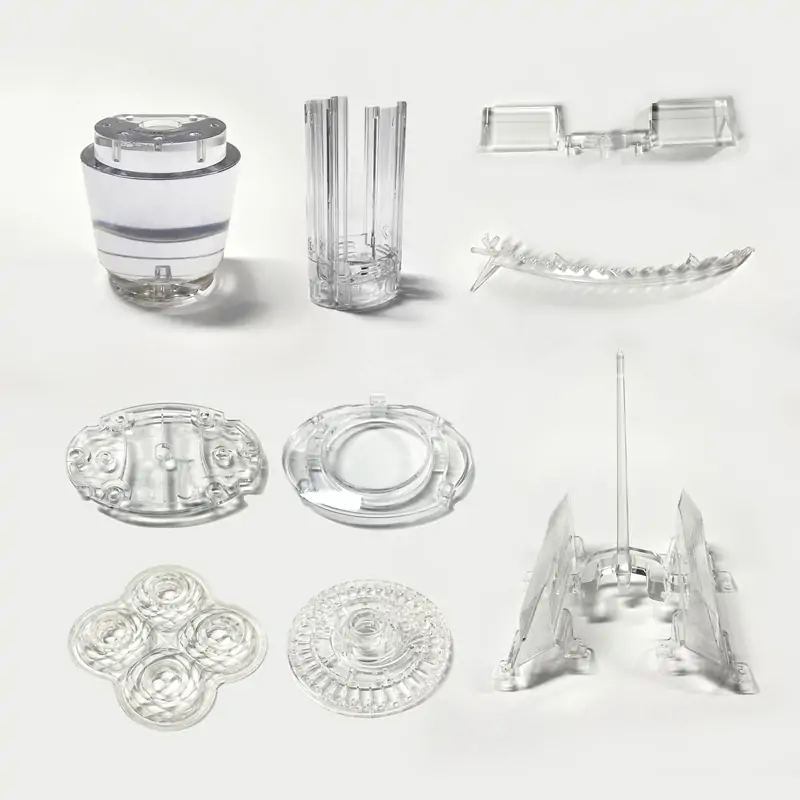
PMMA is widely used in a variety of industries due to its high transparency.
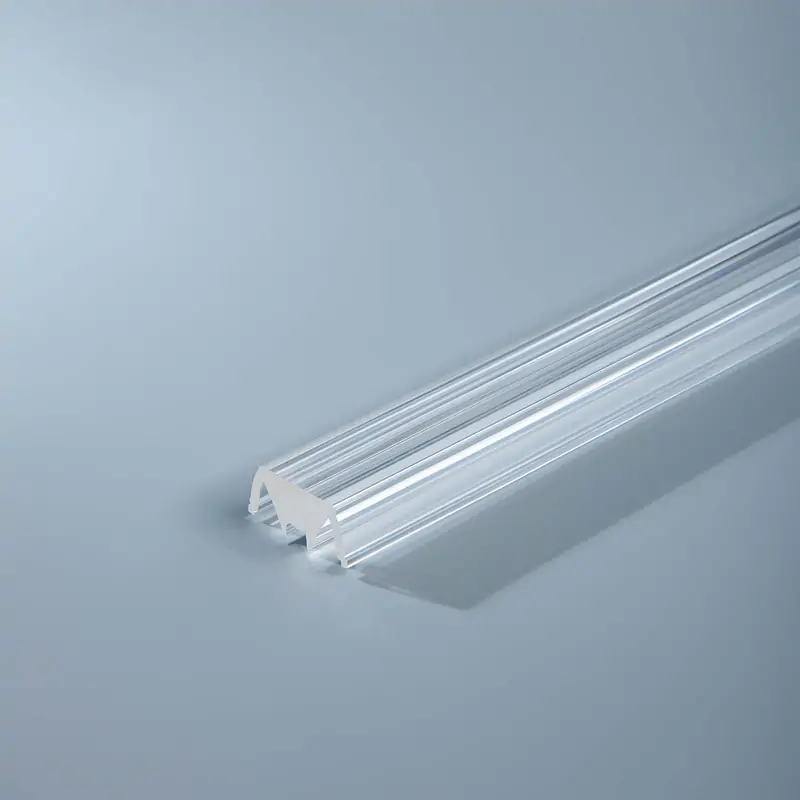
Lighting Industry
- lamp covers
- LED lenses
- light diffusers
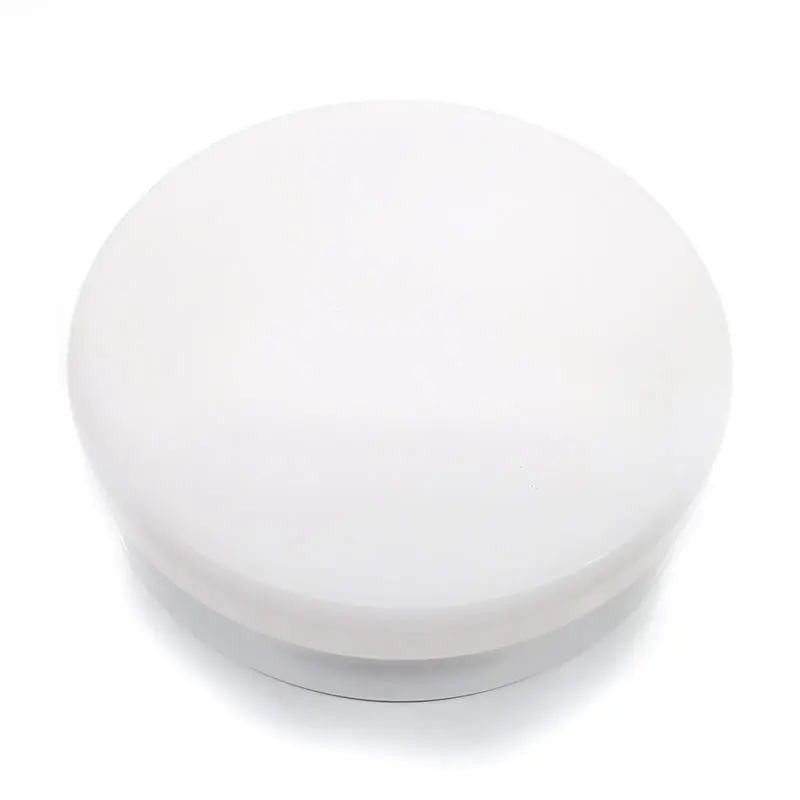
Electronics Industry
- display windows
- instrument panels
- optical covers
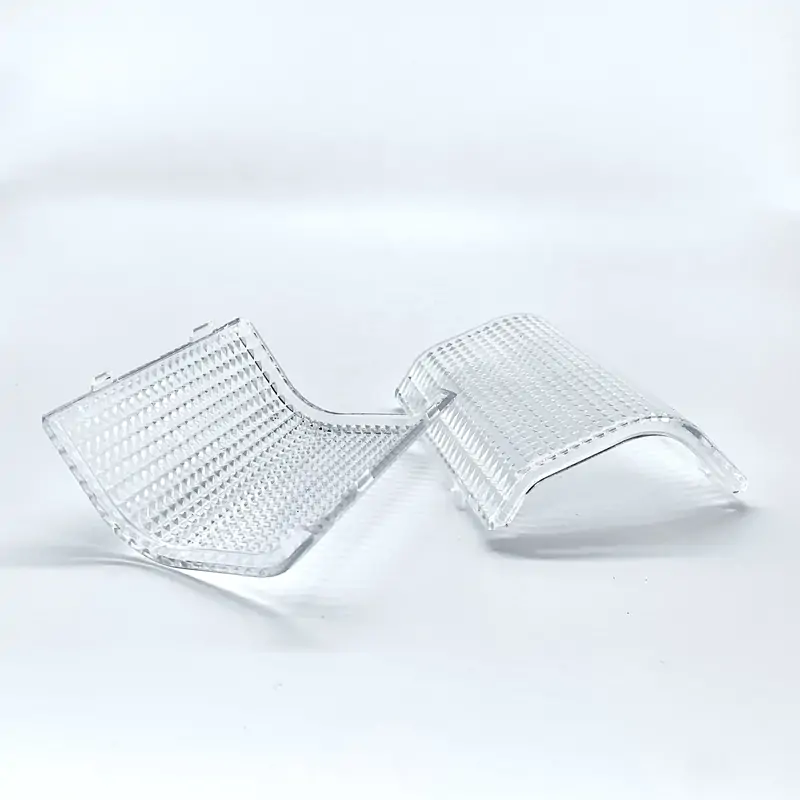
Automotive Industry
- light lenses
- interior light covers
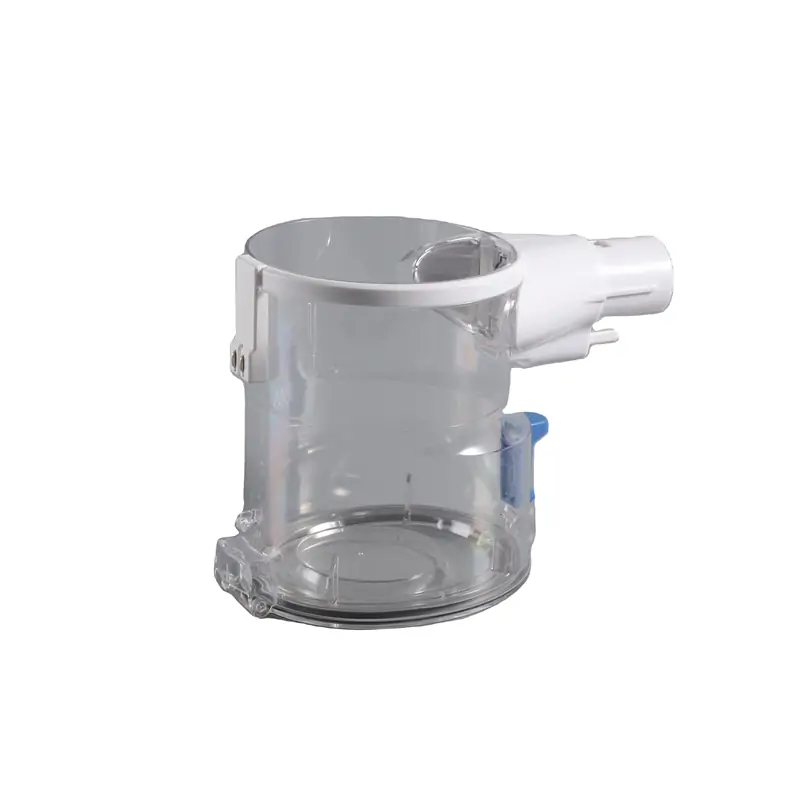
Consumer Products
- cosmetic containers
- transparent housings
HuaShuo PMMA Injection Molding Capabilities
Leveraging HuaShuo’s years of experience and expertise in injection molding, we are committed to providing you with products of the highest quality.
We design high-precision molds optimized for transparent PMMA injection molded parts.
Advanced mold polishing technology ensures excellent optical surface quality.
Our molding process ensures consistent clarity for acrylic injection molded components.
HuaShuo supports both low-volume prototyping and large-scale production.
We provide polishing, coating, and other finishing processes for PMMA parts.
Custom PMMA parts manufacturing based on customer drawings and specifications.
FAQS
Everything You Need to Know About Our PMMA Injection Molding
Request a Quote
From mold design to mass production, we offer end-to-end solutions.
Tell us about your application, materials, and volume requirements. Our team will recommend the right process and deliver a tailored manufacturing solution.
More Services
Acrylic Injection Molding
Acrylic Injection Molding Acrylic injection molding is a manufacturing process…Custom Plastic Car Parts Manufacturing Solutions
Custom Plastic Car Parts Manufacturing Solutions Custom Plastic Car Parts…PVC Injection Molding
PVC Injection Molding PVC injection molding is widely used to…

Related Articles
Top Plastic Injection Molding Services in 2026: A Comprehensive Guide to the Best Manufacturers and Solution
Introduction Over the past few years, injection molding has become…What Causes Shrinkage In Injection Molding?
Shrinkage in injection molding is one of the primary causes…How to Calculate Injection Volume in Injection Molding?
In injection molding, injection volume refers to the volume of…