Materials for CNC Machining: Complete Guide to Metals & Plastics
Materials for CNC machining affect part performance, precision, and cost. From aluminum to engineering plastics, choosing the right material is essential. At Huashuo, we provide expert support and DFM analysis to help you select the best solution for your project.
- ISO 9001:2015, CE
- T1 sample as fast as 2 weeks
- No minimums
What Are Materials for CNC Machining?
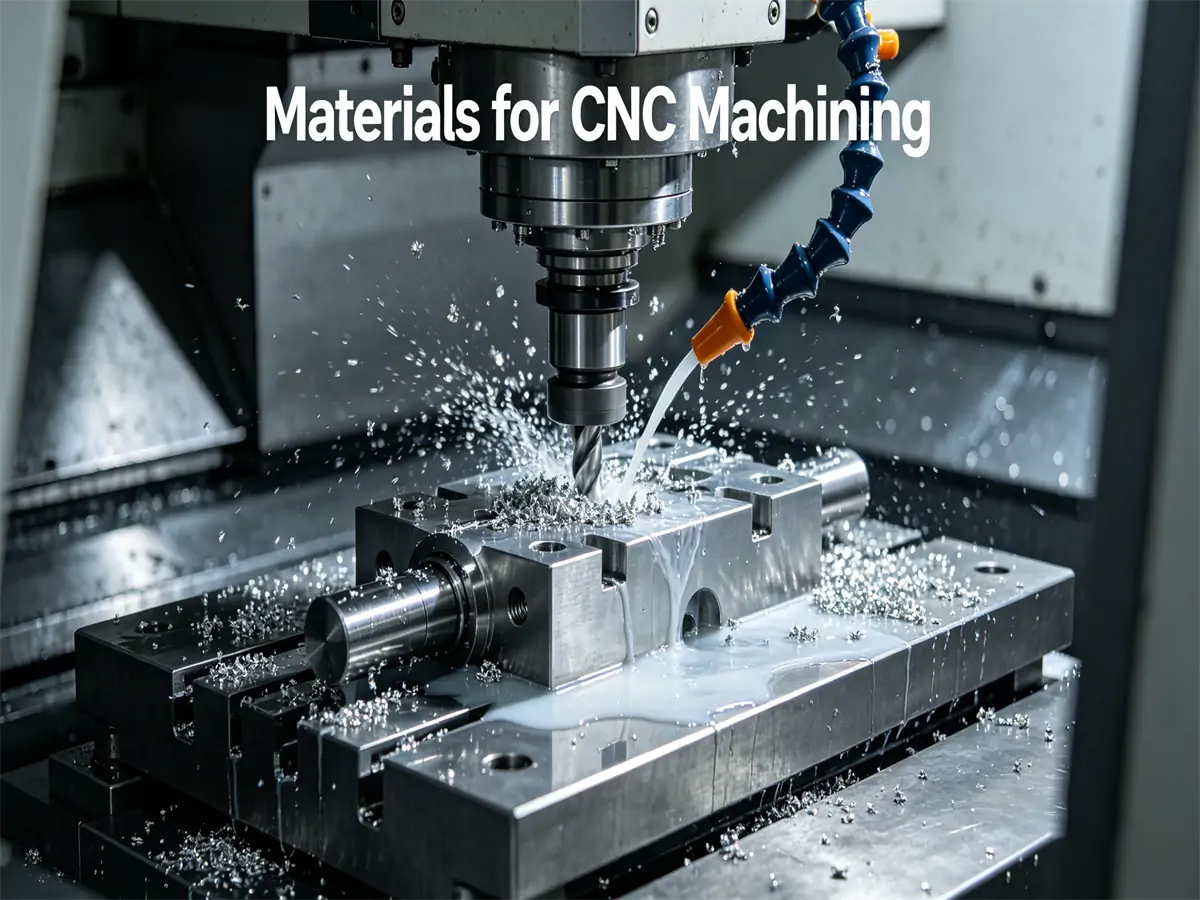
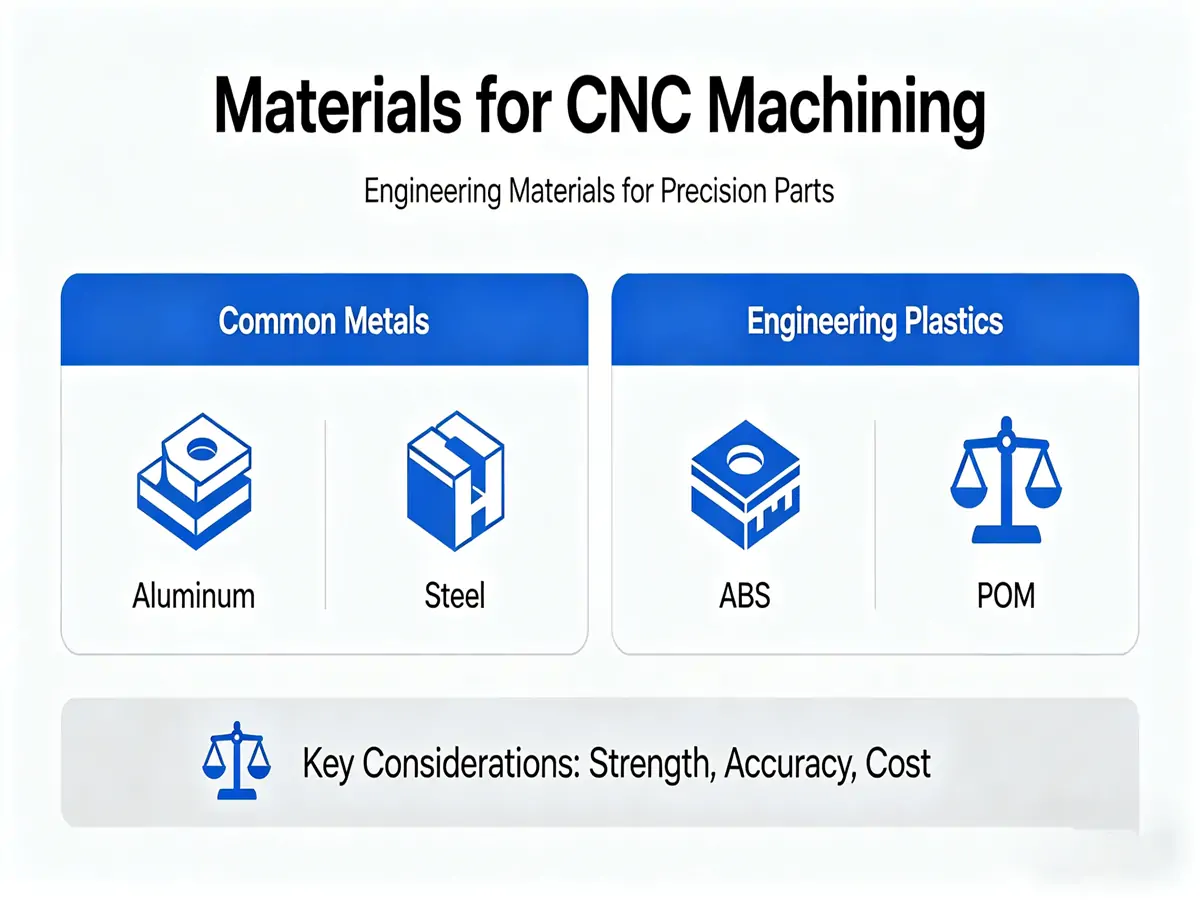
Engineering materials for CNC are the metals and plastics used to produce precise, high-quality parts through computer-controlled machining processes. Common materials used in CNC machining include aluminum, stainless steel, carbon steel, brass, copper, and engineering plastics such as ABS, Nylon (PA), and POM (Delrin). Each material offers different levels of strength, machinability, cost, and performance. Choosing the right material directly affects part strength, dimensional accuracy, durability, and overall manufacturing cost, making material selection a critical step for achieving optimal CNC machining results.
Types of Materials for CNC Machining
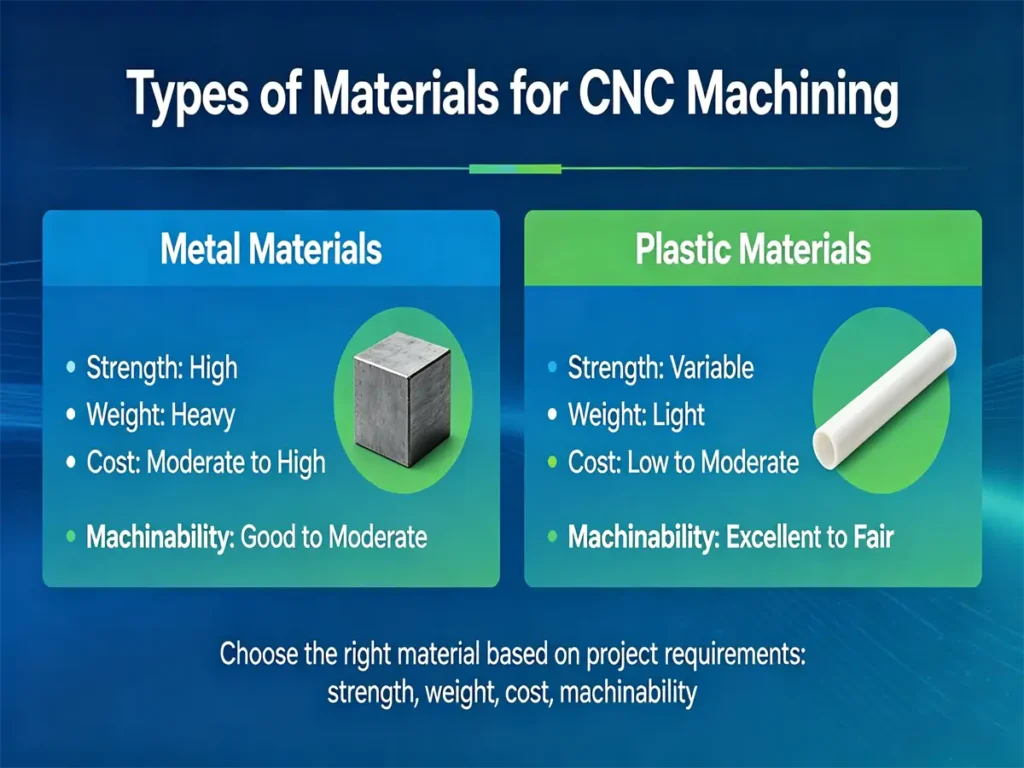
Materials for CNC machining are primarily categorized into metal materials and plastic materials, each offering distinct performance advantages for different industrial applications. CNC machining metals and plastics vary significantly in strength, weight, cost, thermal resistance, and machinability, making them suitable for different functional requirements. Metals are typically used for high-strength, load-bearing, and durable components, while plastics are ideal for lightweight, cost-effective, and corrosion-resistant parts. Below, we will explore each category in detail to help you better understand their characteristics and choose the most suitable option for your CNC machining project.If you’d like to learn more about CNC machining, please click on the article : Precision Custom CNC Machining Services for Metal & Plastic Parts
Metal Materials for CNC Machining
Metal materials for CNC machining are widely used in industrial applications due to their strength, durability, and excellent mechanical performance. Common CNC machining metals include aluminum, stainless steel, carbon steel, brass, copper, and titanium, each offering different advantages in strength, weight, machinability, and cost. Below are the most commonly used metal materials for precision CNC parts.
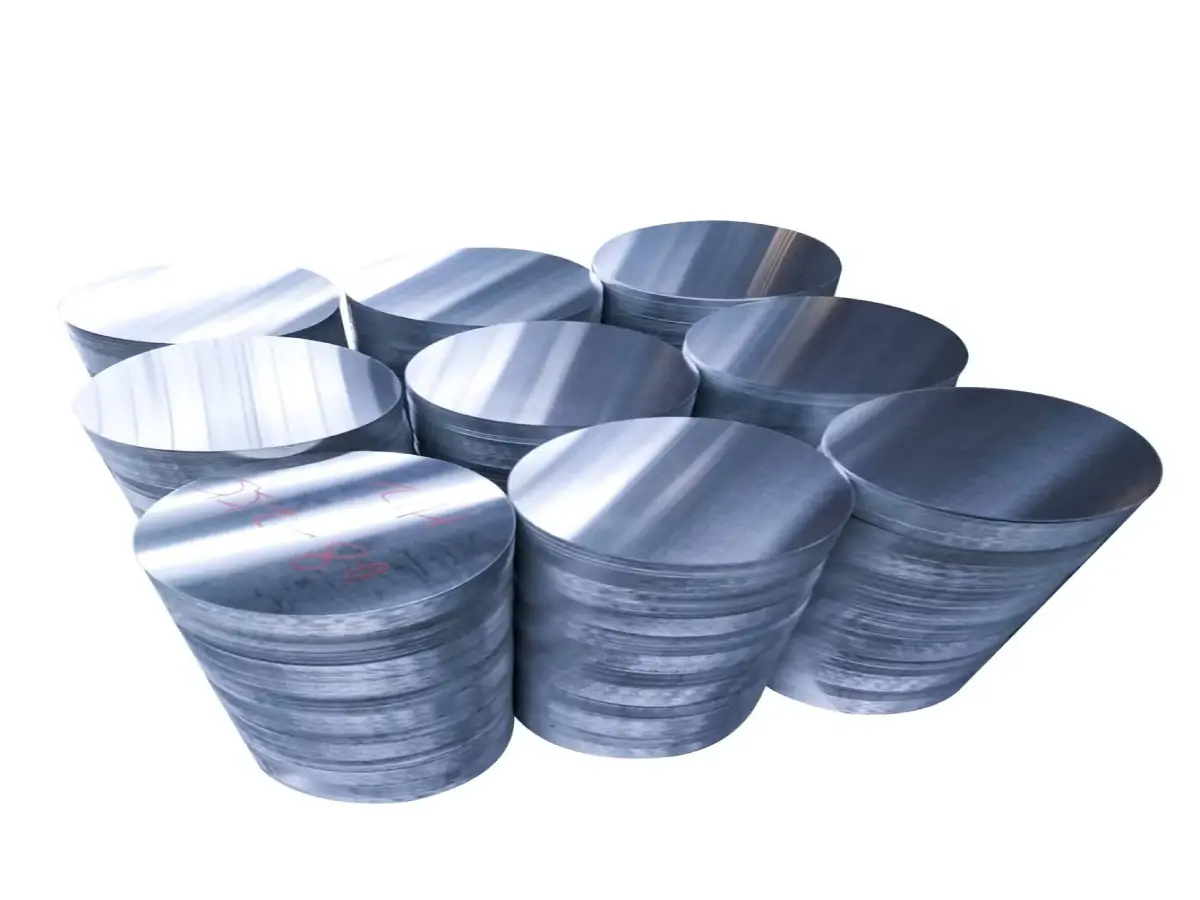
Aluminum for CNC Machining
Advantages & Applications:
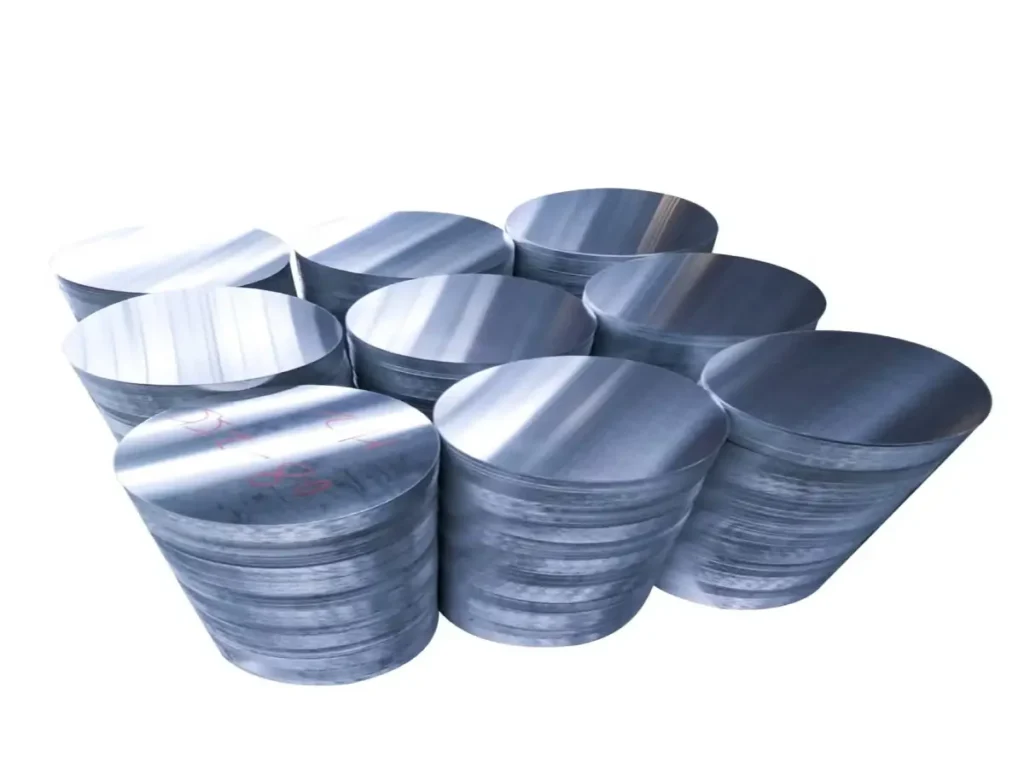
Aluminum for CNC machining is lightweight, strong, easy to machine, and cost-effective, with good corrosion resistance. It is widely used in automotive parts, electronics housings, structural components, and other precision industrial applications where weight reduction and accuracy are important.
Challenges:
It can produce long, stringy chips that reduce machining efficiency, requires proper lubrication to avoid chip welding, and may develop built-up edge at low cutting speeds.
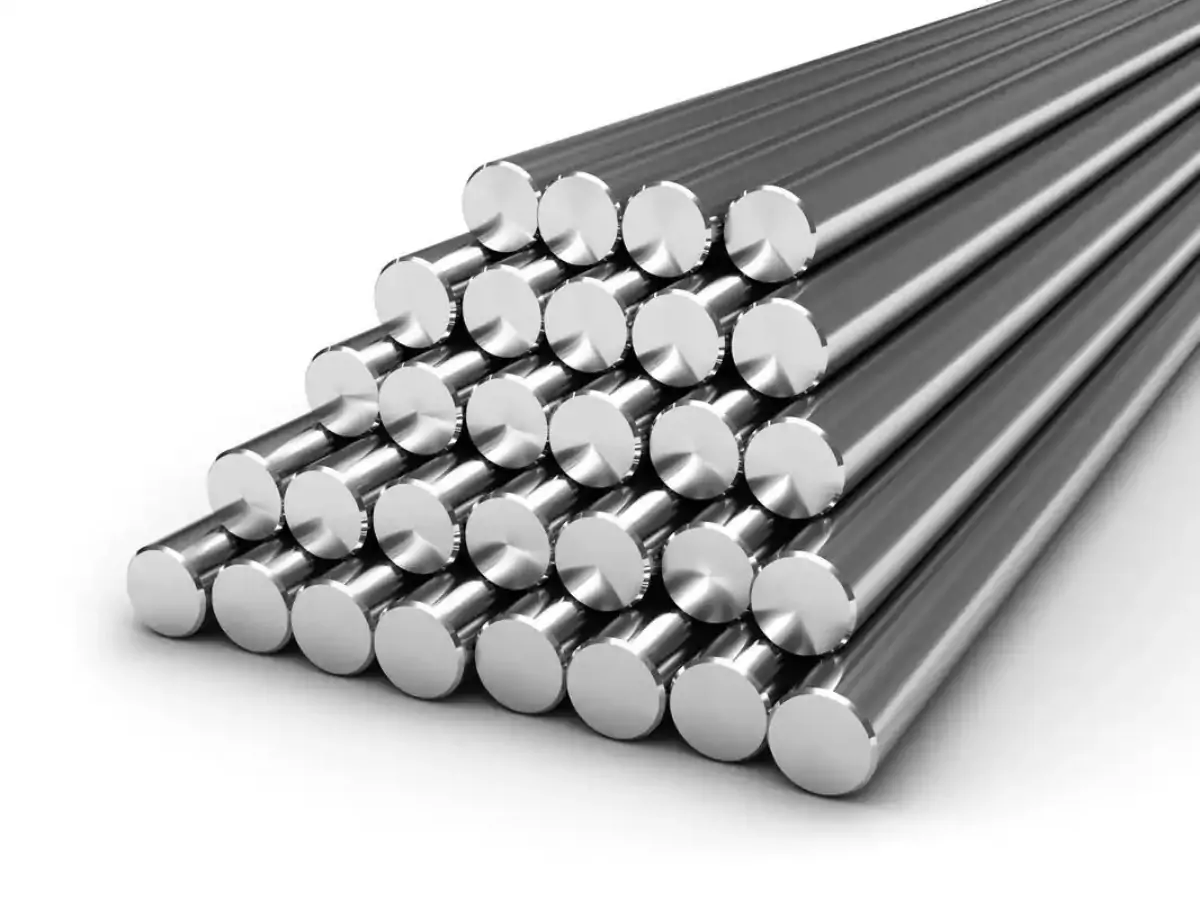
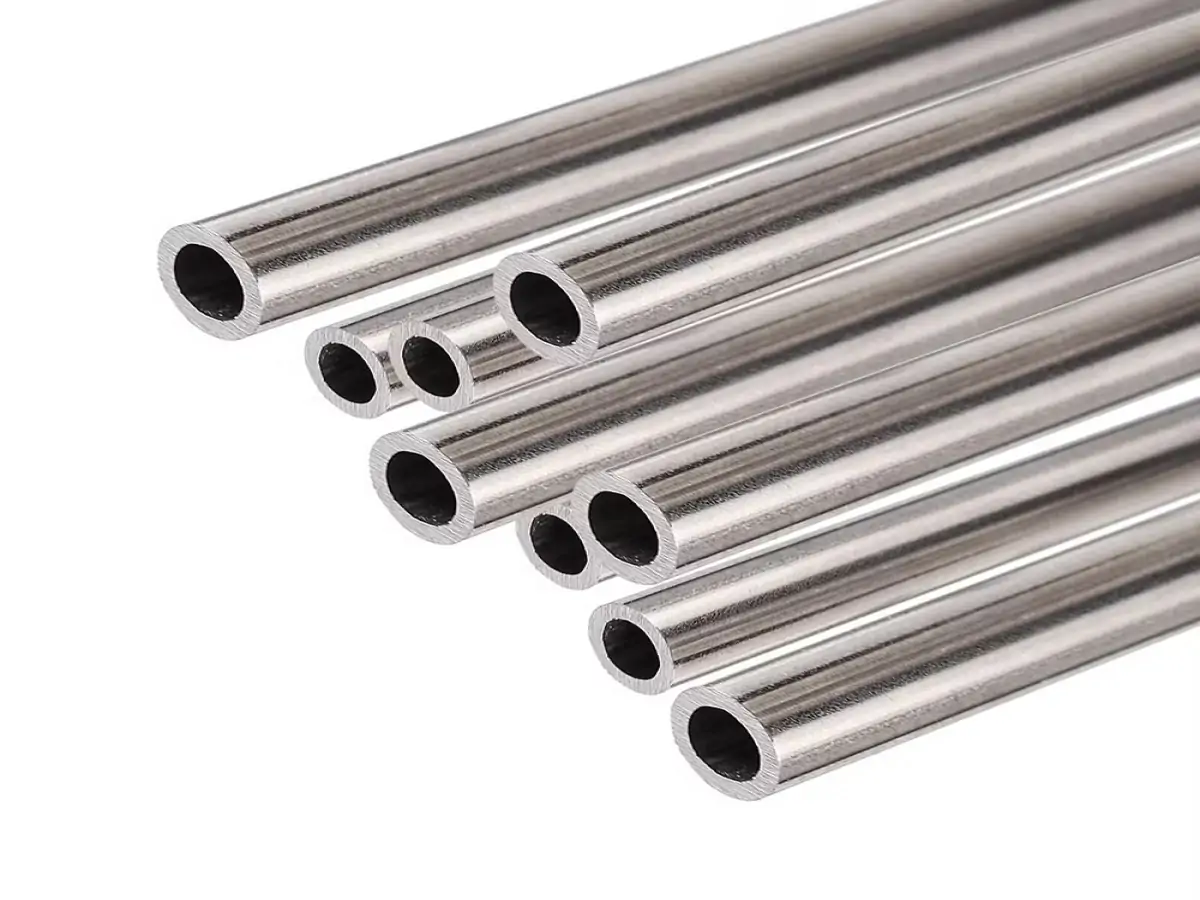
Stainless Steel for CNC Machining
Advantages & Applications:
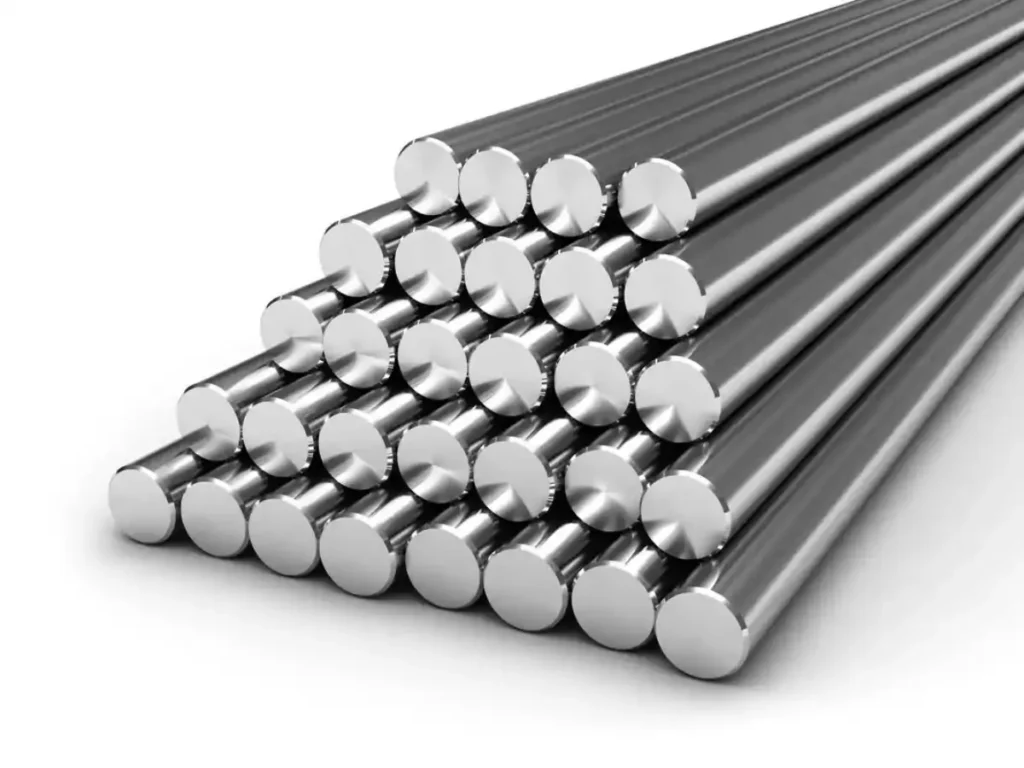
Stainless steel CNC machining offers high strength, wear resistance, and excellent corrosion resistance, widely used in medical devices, food equipment, machinery, and structural parts.
Challenges:
It requires higher cutting forces, causes faster tool wear, and needs effective cooling and sharp tools to ensure stable machining quality.
Carbon Steel for CNC Machining
Advantages & Applications:
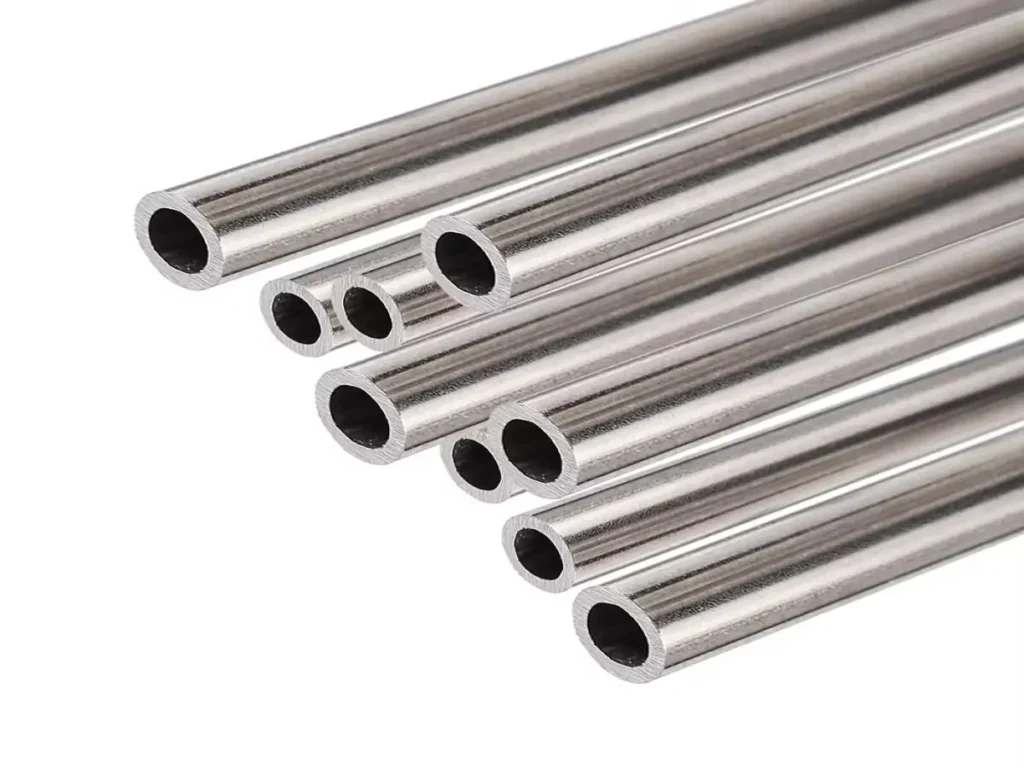
Carbon steel CNC machining offers high strength, toughness, and good wear resistance at low cost, used in mechanical parts, tooling, and load-bearing components.
Challenges:
It is prone to rust, often requires heat treatment, and generates higher cutting forces during machining.
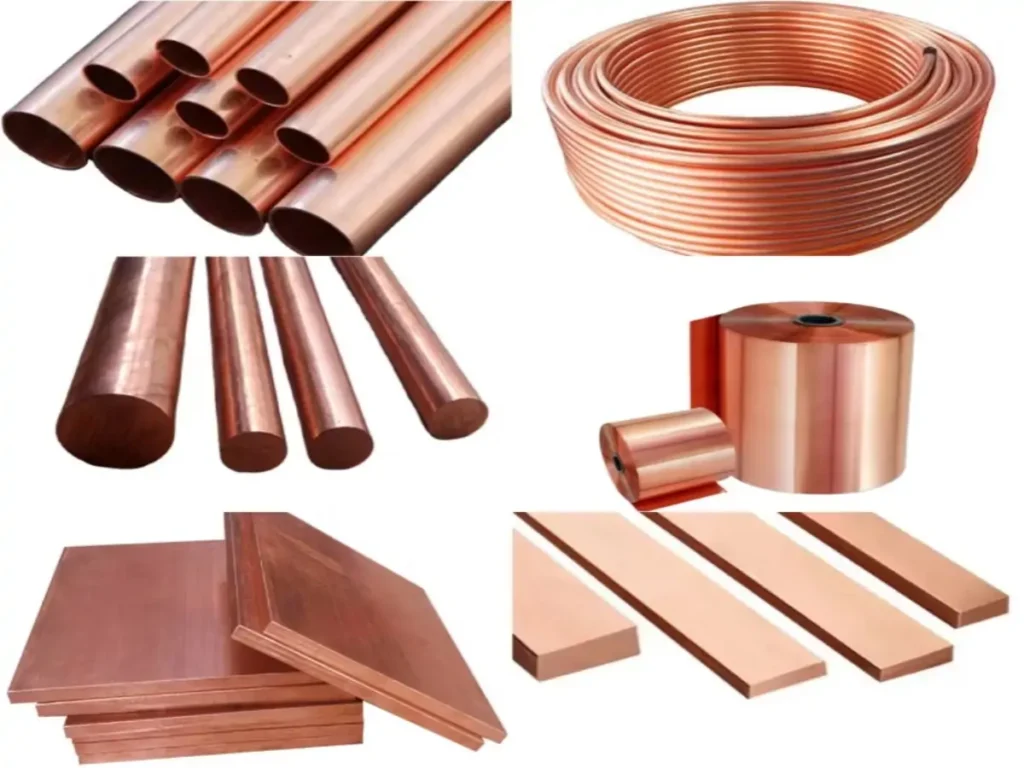
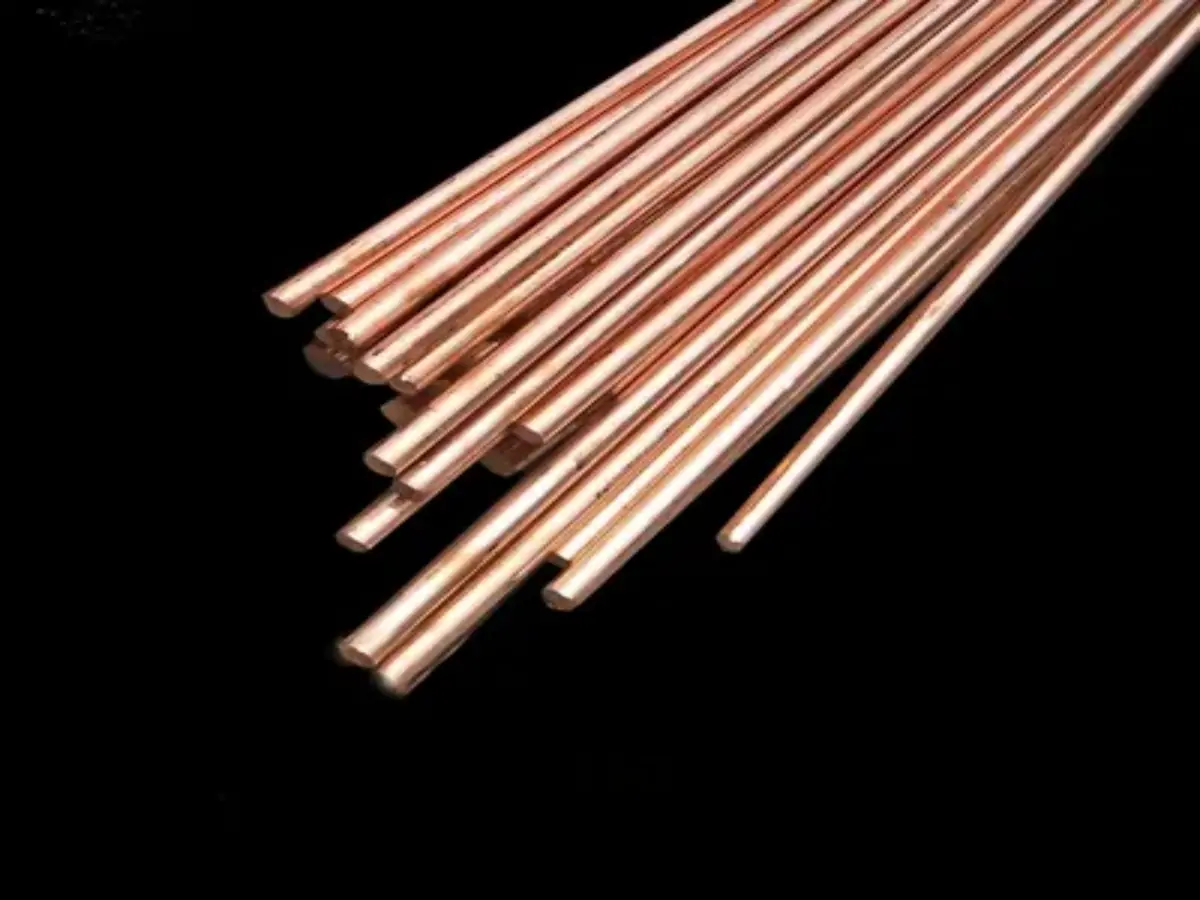
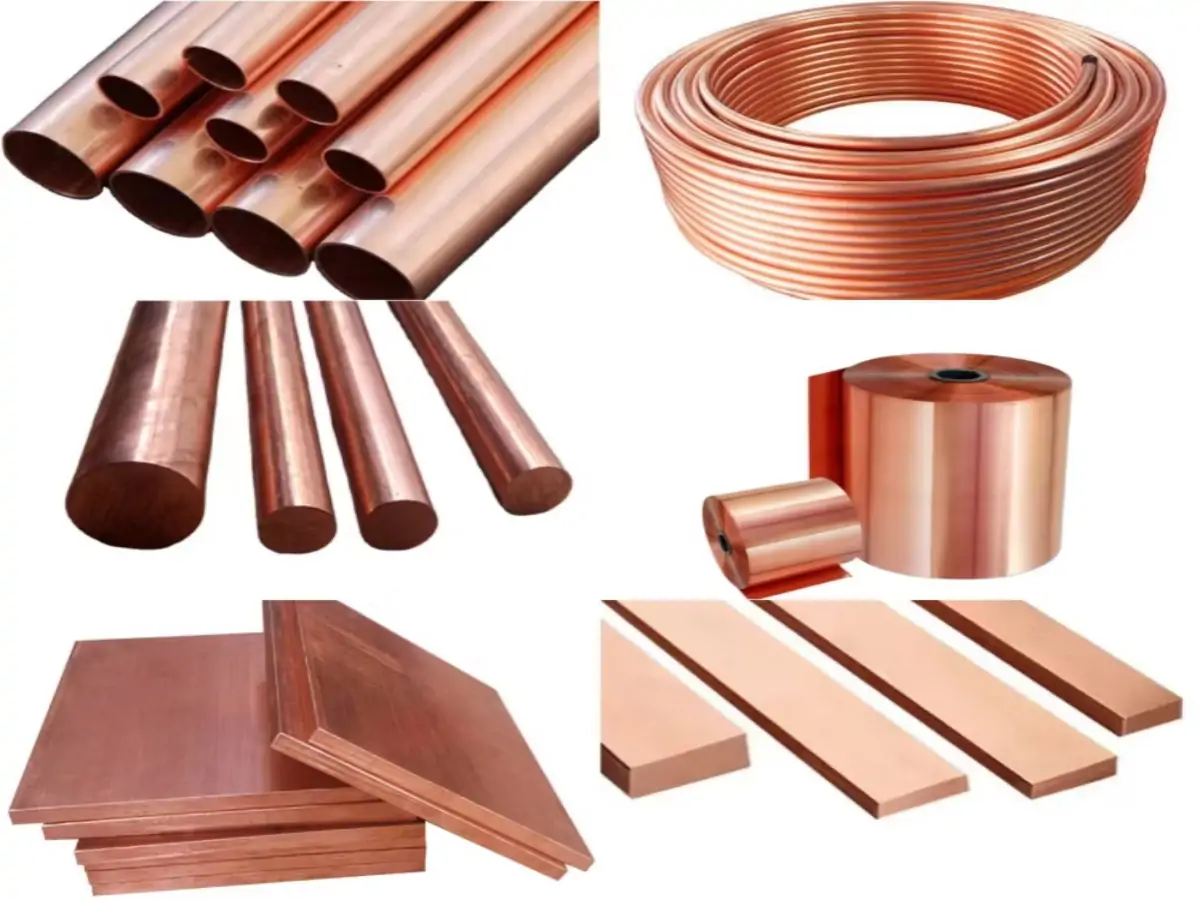
Brass & Copper for CNC Machining
Advantages & Applications:
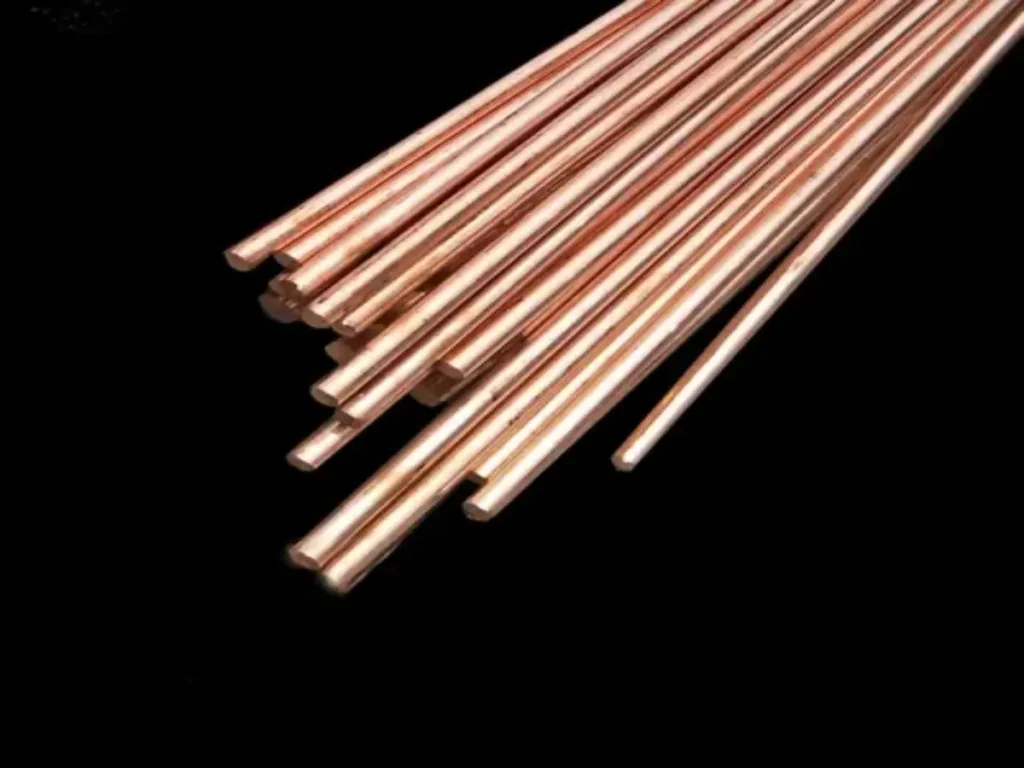
Brass and copper CNC machining offers excellent conductivity, good machinability, and smooth finishes, used in electrical connectors, plumbing parts, and decorative components.
Challenges:
They are soft materials that can deform easily, requiring careful tool control for precision machining.
Plastic Materials for CNC Machining
Plastic materials for CNC machining include ABS, Nylon (PA), POM (Delrin), PTFE, and PEEK, each offering different balances of strength, weight, cost, and performance. These engineering plastics are widely used for prototypes and functional parts, and the following section introduces each material in detail to help you choose the right option.
ABS for CNC Machining
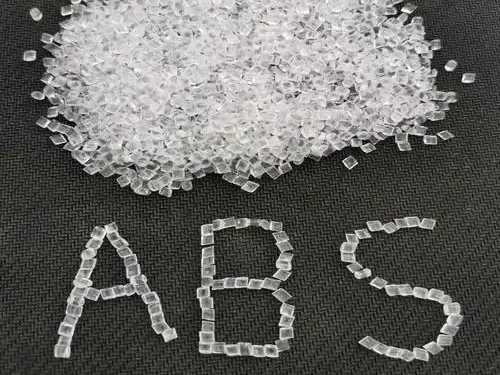
ABS offers good impact resistance, toughness, and excellent machinability at a low cost, making it ideal for rapid prototyping and general-purpose parts such as housings and enclosures. However, it has limited heat and chemical resistance, which restricts its use in high-temperature or harsh environments
Nylon (PA) for CNC Machining
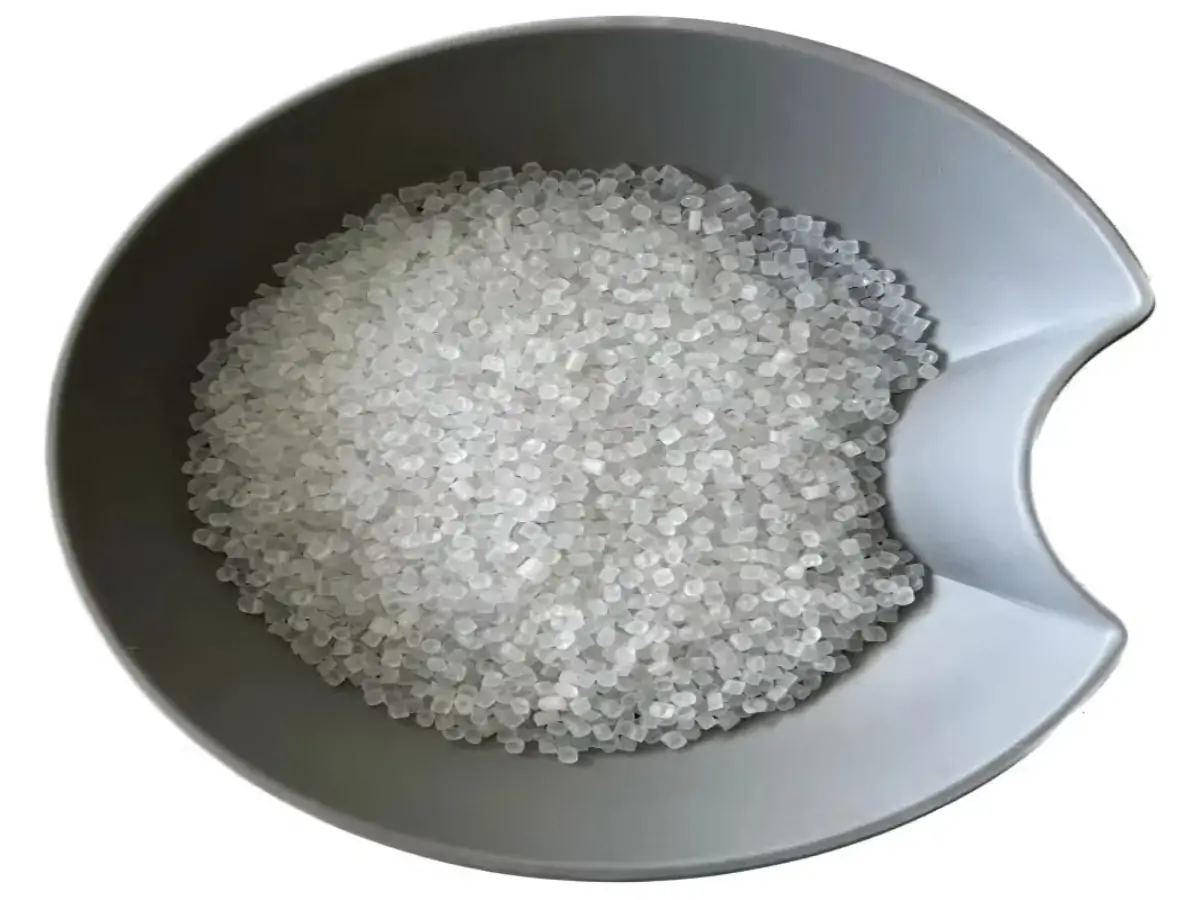
Nylon provides high wear resistance, strength, and flexibility, making it suitable for gears, bushings, and moving mechanical parts. Its main drawback is moisture absorption, which can affect dimensional stability over time in humid environments.
POM (Delrin) for CNC Machining
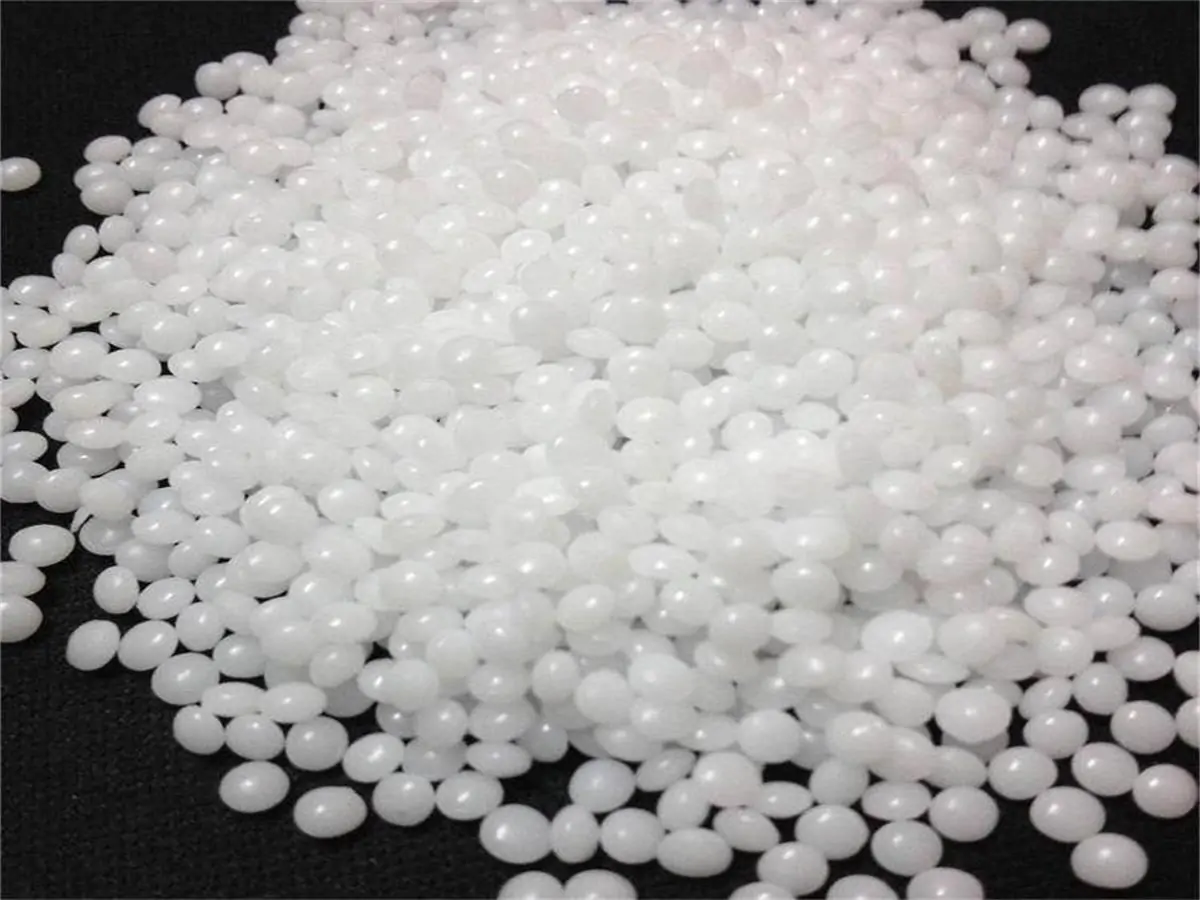
POM offers excellent stiffness, low friction, and outstanding dimensional stability, making it ideal for precision components like bearings and sliding parts. However, it can be sensitive to high temperatures and may release formaldehyde fumes during machining.
PTFE for CNC Machining
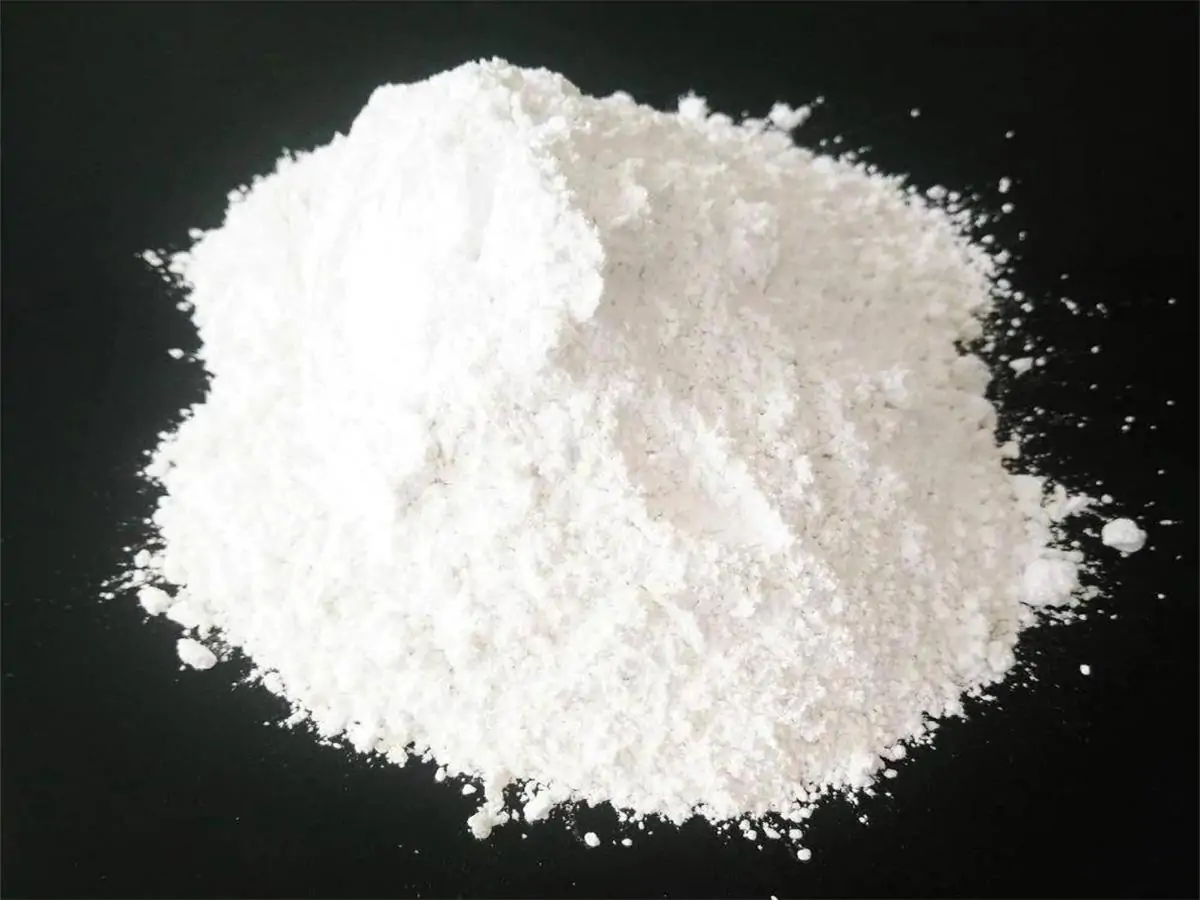
PTFE features exceptional chemical resistance and extremely low friction, widely used in seals, gaskets, and chemical-resistant components. Its disadvantages include low mechanical strength and difficulty in maintaining tight tolerances during machining.
CNC Material Selection Guide
Choosing the right CNC machining material is essential to balance performance, cost, and manufacturability. A structured selection process helps ensure part reliability and production efficiency. At Huashuo, our engineers provide DFM support to help customers quickly select the most suitable material for each project.
Application Requirements
Define the part’s function, load level, and precision needs. Structural, functional, or cosmetic parts require different materials to ensure proper performance and manufacturability in real use conditions.
Mechanical Properties
Evaluate strength, hardness, stiffness, and wear resistance. High-load or high-stress parts often require metals, while low-stress or lightweight parts can use engineering plastics effectively.
Environmental Conditions
Consider temperature, humidity, chemical exposure, and corrosion risk. Harsh environments require resistant materials like stainless steel or high-performance plastics such as PEEK for stability.
Cost Considerations
Balance performance requirements with total manufacturing cost. Aluminum and ABS are cost-efficient choices, while titanium and PEEK are used for high-performance applications with higher budgets.
Metal vs Plastic CNC Machining Materials
The choice between metals and plastics in CNC machining depends on performance requirements, cost constraints, and application environment. Metals generally provide higher strength and durability, while plastics offer lightweight, cost-effective, and easier-to-machine solutions. The comparison below helps you quickly evaluate the most suitable option for your project.
| Dimension | Metal | Plastic |
| Strength | High strength and rigidity suitable for load-bearing and structural parts. | Moderate strength, ideal for non-structural or lightweight components. |
| Cost | Generally higher due to material cost and machining effort. | More cost-effective, especially for prototypes and low-volume production. |
| Weight | Heavier, suitable for applications requiring structural stability. | Lightweight, ideal for weight-sensitive applications. |
| Machinability | Medium difficulty, often requires stronger tooling and slower cutting speeds. | Easier to machine, but requires care to avoid melting or deformation. |
Surface Finishing for CNC Materials
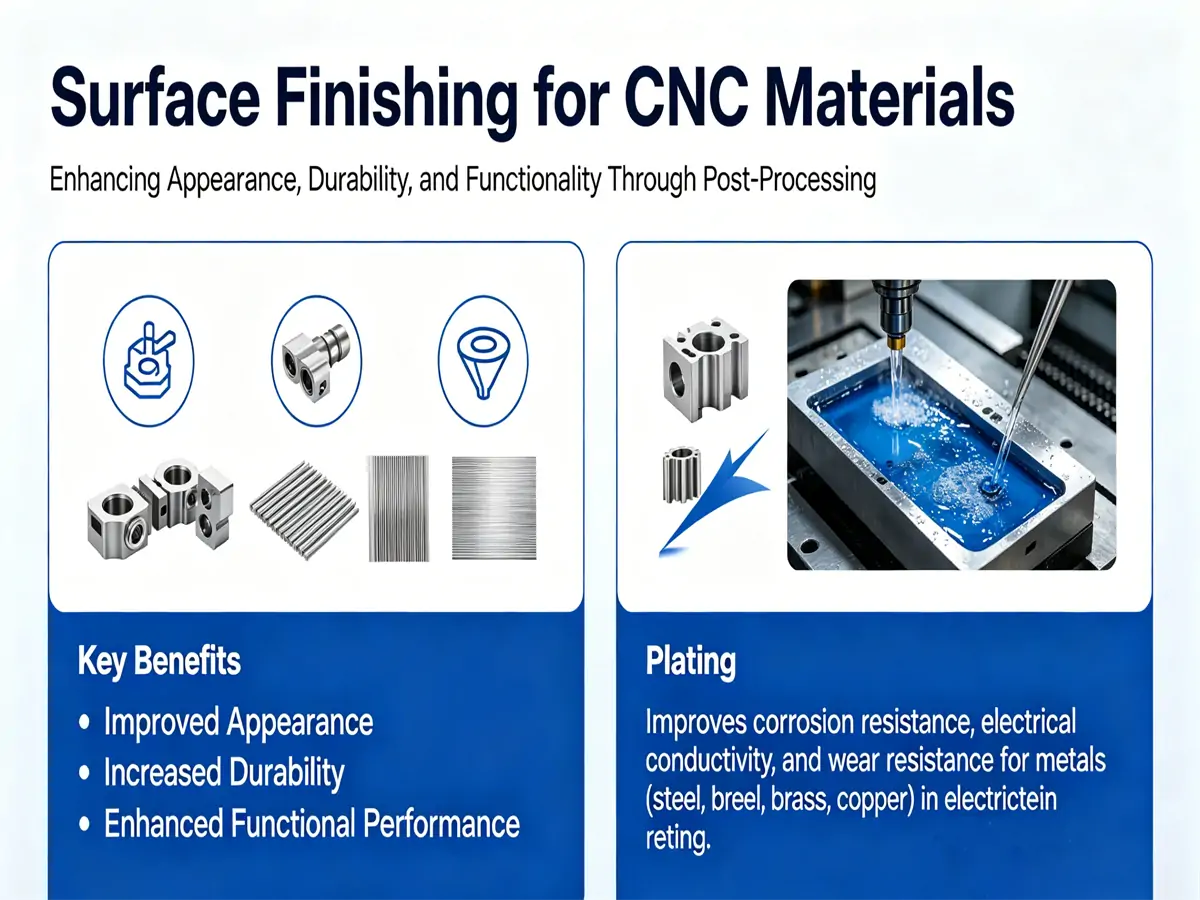
Surface finishing for CNC materials improves appearance, durability, and functional performance by applying different post-processing methods based on material type and application requirements. This stage of post processing CNC ensures parts achieve optimal corrosion resistance, wear resistance, and surface quality.
Anodizing (Aluminum): Enhances corrosion resistance, surface hardness, and aesthetic appearance, widely used for aluminum parts in electronics, automotive, and industrial applications.
Plating: Improves corrosion resistance, electrical conductivity, and wear resistance for metals such as steel, brass, and copper in electrical and precision industrial components.
Powder Coating: Provides a durable protective layer with excellent weather, corrosion, and impact resistance, commonly used for machinery housings and outdoor structural parts.
Polishing: Creates a smooth, reflective surface finish that enhances visual quality, ideal for decorative components and precision parts requiring high aesthetic standards.
Why Choose Our CNC Machining Services ?
Choosing Huashuo CNC machining services means partnering with a manufacturer that combines engineering expertise, advanced machining capability, and strict quality control to deliver reliable precision parts. With over 10+ years of experience, we support clients from prototyping to mass production with consistent quality and fast turnaround.
Wide material expertise
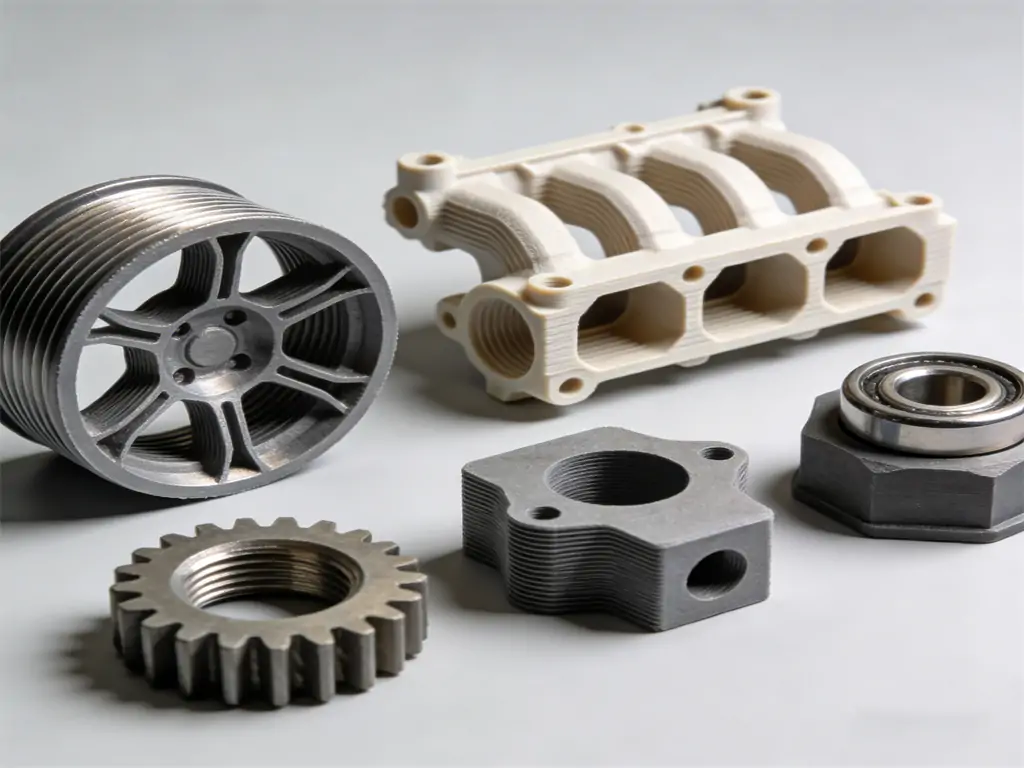
We machine a full range of CNC machining materials, including aluminum, stainless steel, engineering plastics, and high-performance materials to meet diverse application requirements.
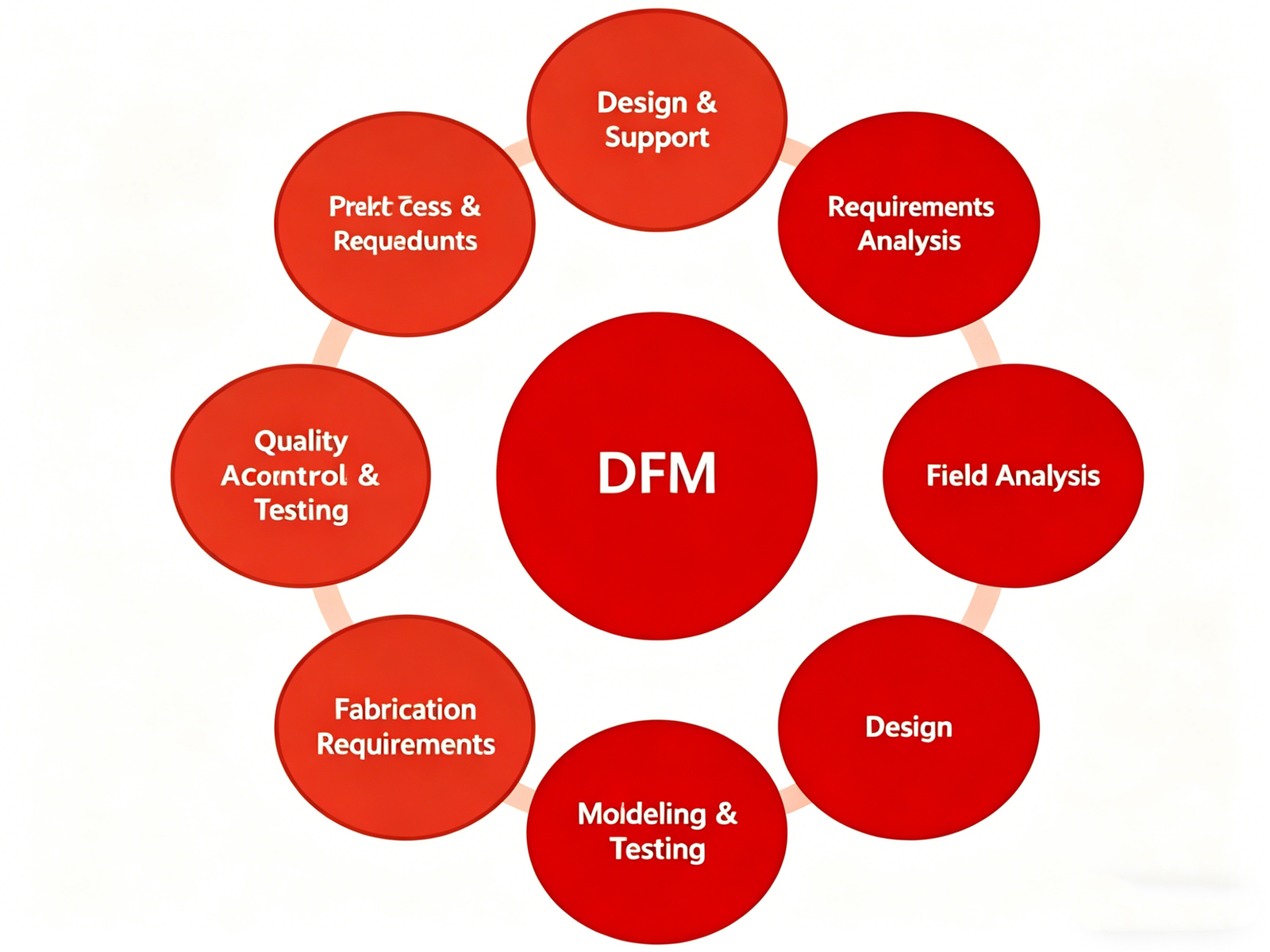
Engineering & DFM support
Our engineers provide professional DFM analysis to optimize design, reduce machining risks, and improve manufacturability before production starts.
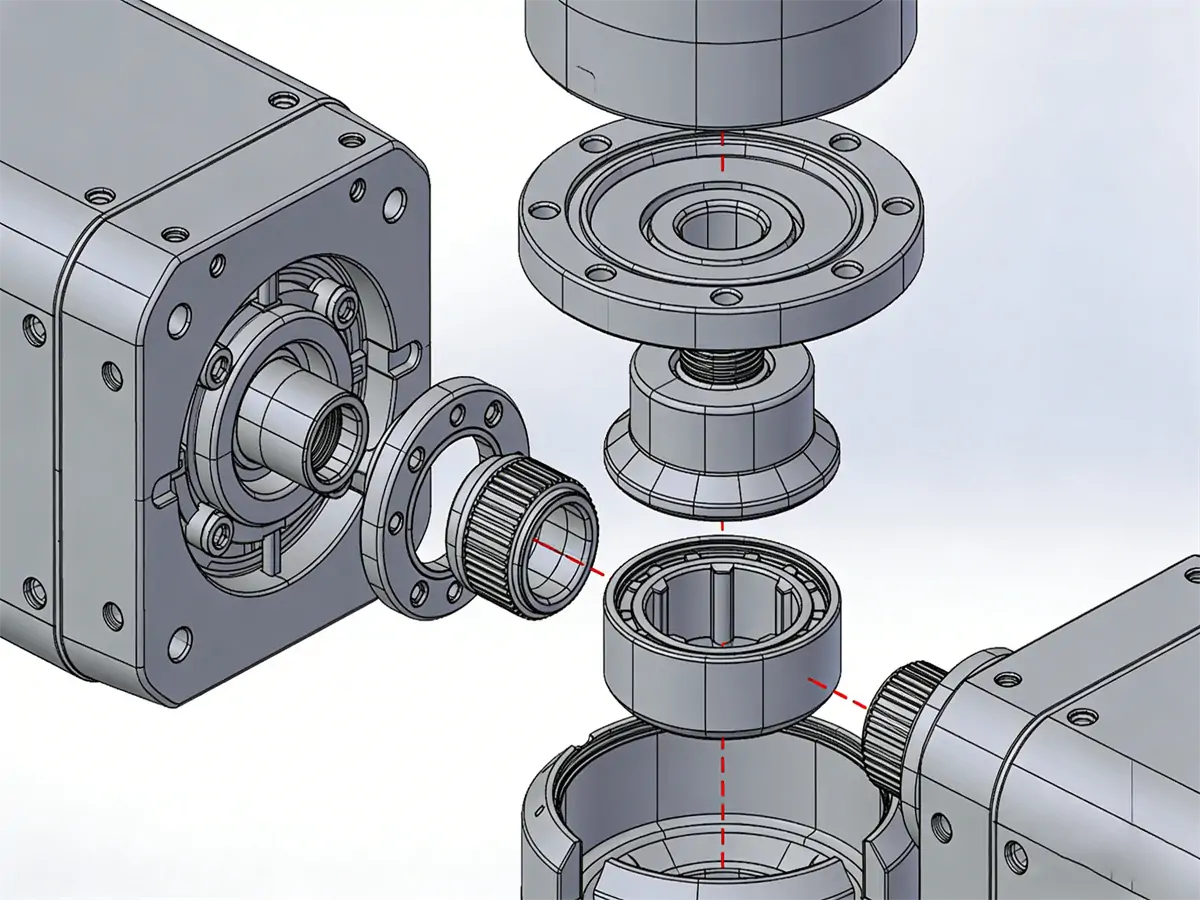
High precision capability
We achieve tight tolerances up to
±0.01mm, ensuring consistent dimensional accuracy for demanding industrial and functional components
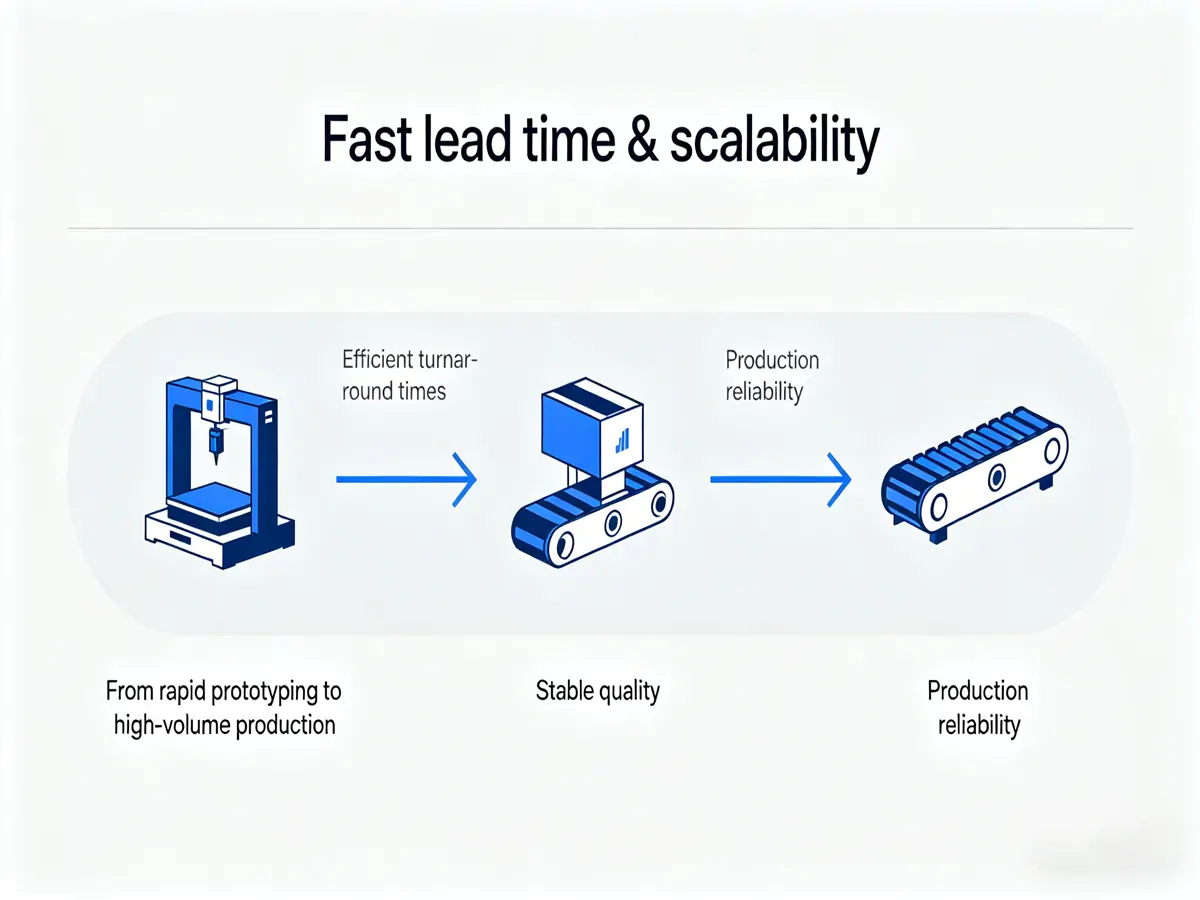
Fast lead time & scalability
From rapid prototyping to high-volume production, we ensure efficient turnaround times while maintaining stable quality and production reliability.
FAQS
More Services
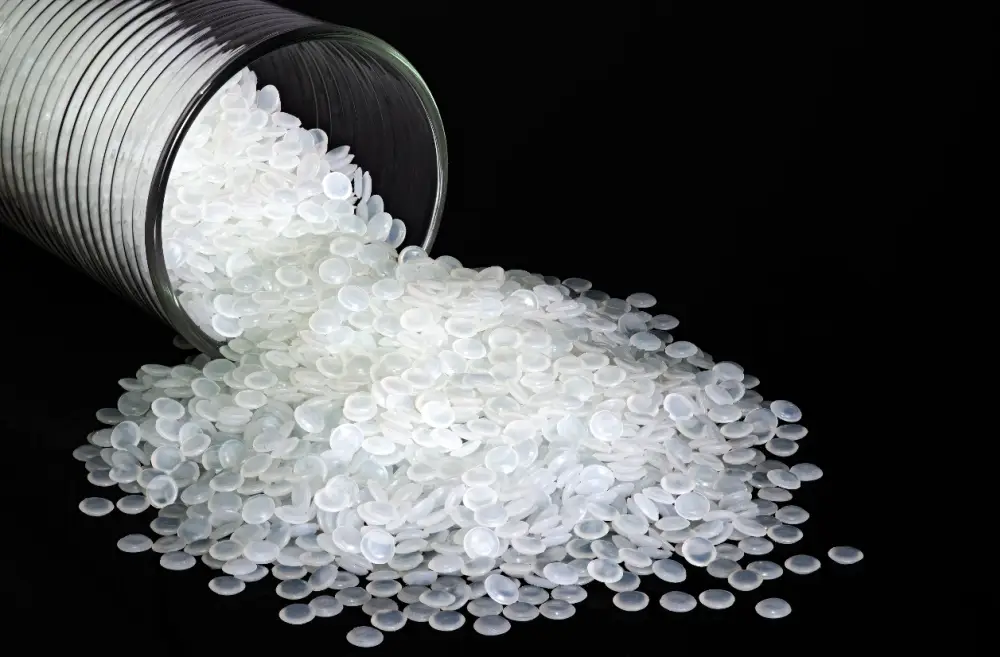
Mold Material for Injection Molding
Mold Material for Injection Molding: Types, Selection & Guide Mold…Plastic Injection Molding Materials
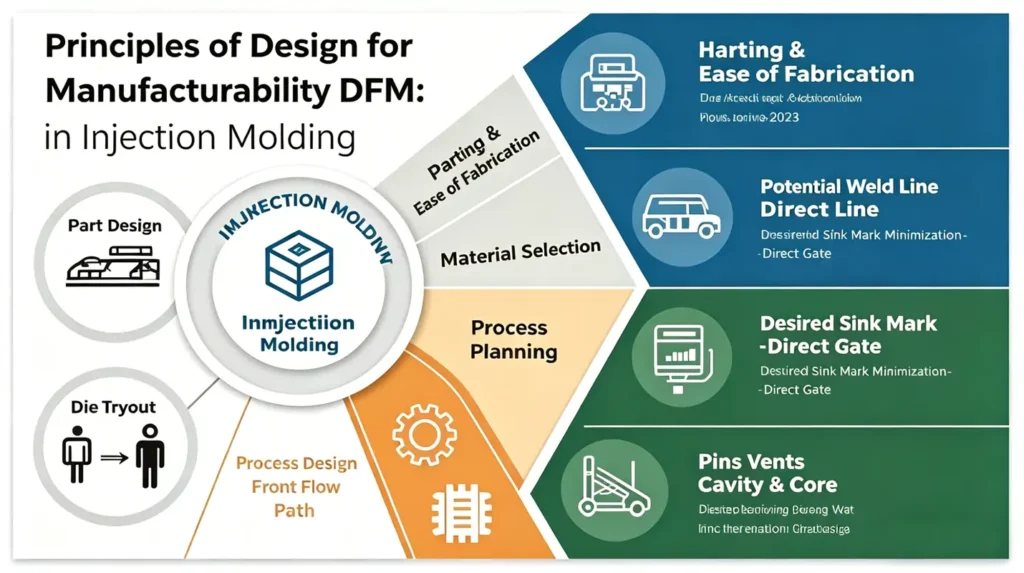
Plastic Materials for Injection Molding Huashuo provides a comprehensive range…DFM for Plastic Parts
DFM for Plastic Parts Effective DFM ensures plastic parts are…
Related Articles
Why Is Injection Moulding Good for Mass Production?
Injection molding stands as one of the most widely adopted…What Causes Shrinkage In Injection Molding?
Shrinkage in injection molding is one of the primary causes…Exploring the Global Plastic Injection Molding Outsourcing Service Market: Trends, Benefits, and Strategic Insights for B2B Success
Driven by various factors in manufacturing and production, an increasing…