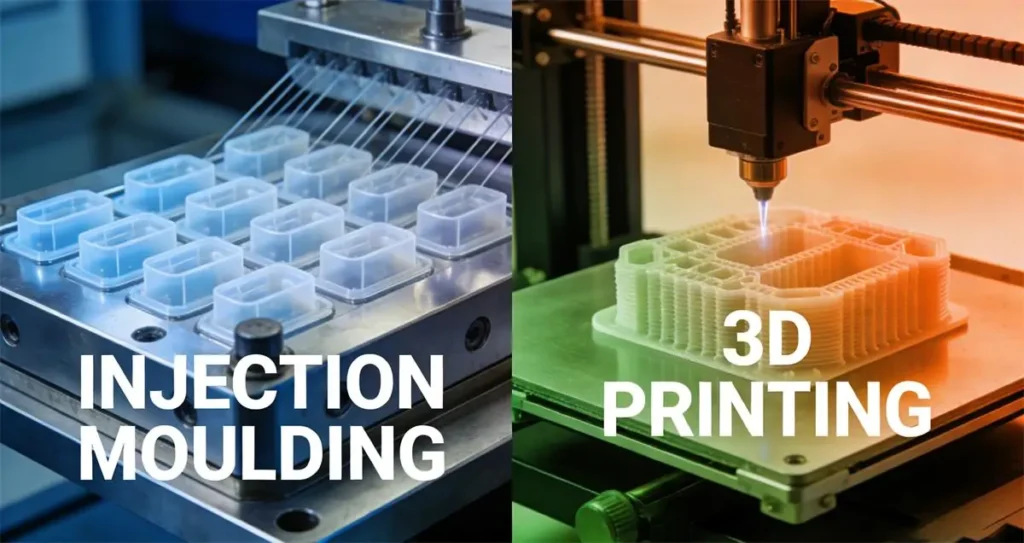
Mold Material for Injection Molding: Types, Selection & Guide
Mold material for injection molding, including tool steels like P20, H13, and S136, directly impact mold life, surface quality, and production cost. This page provides a clear overview of material types, key differences, and selection guidelines to help you choose the right option.
Huashuo offers a one-stop solution from DFM analysis and material selection to mold manufacturing and mass production, ensuring optimal performance and cost efficiency.
- ISO 9001:2015, CE
- T1 sample as fast as 2 weeks
- No minimums
What Are Injection Mold Materials?
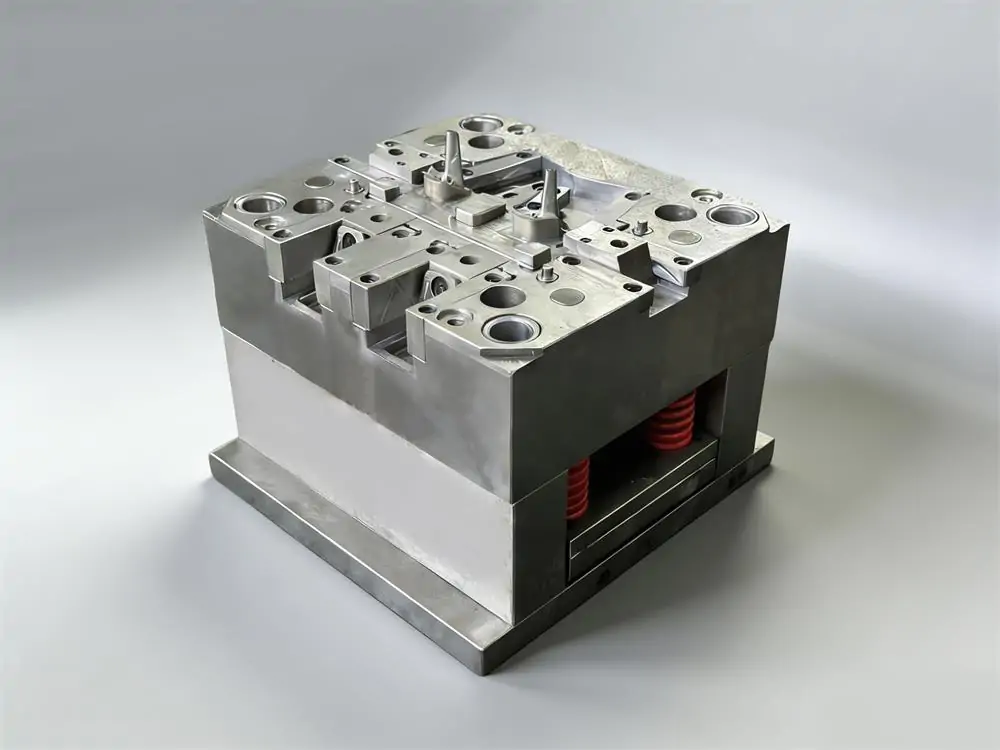
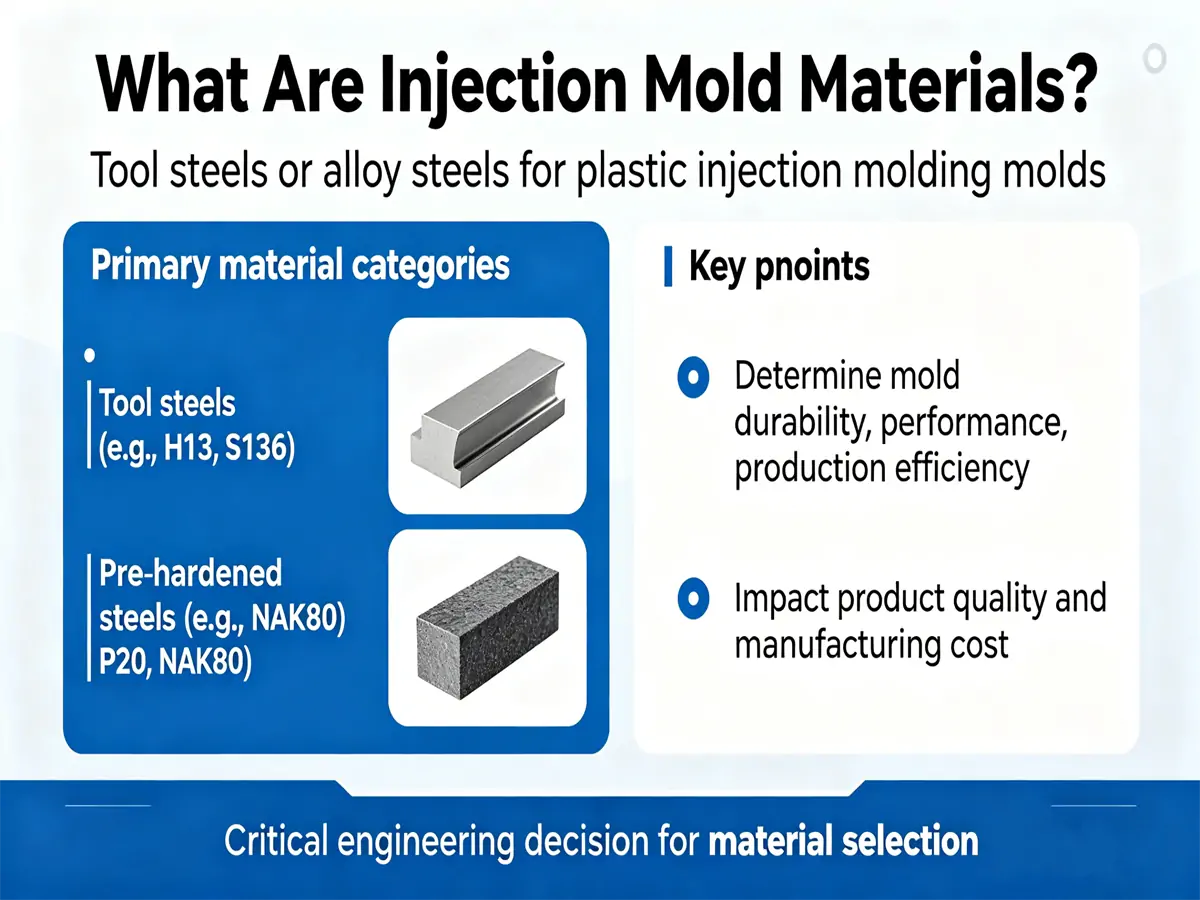
Mold material for injection molding to the tool steels or alloy steels used to manufacture molds for plastic injection molding. These materials directly determine the mold’s durability, performance, and overall production efficiency. Selecting the right mold material is a critical engineering decision that impacts both product quality and manufacturing cost.
In most industrial applications, mold materials are primarily categorized as:
Tool steels (e.g., H13, S136) for high durability and wear resistance
Pre-hardened steels (e.g., P20, NAK80) for faster machining and lower cost
Key Factors That Influence Mold Material Selection
Mold Life
Different tool steel for injection molding offer varying levels of hardness and wear resistance. High-volume production typically requires hardened tool steels (e.g., H13) to ensure long mold life and reduced maintenance.
Surface Finish Requirements
For parts requiring high gloss or optical clarity, materials with excellent polishability (such as S136 or NAK80) are preferred.
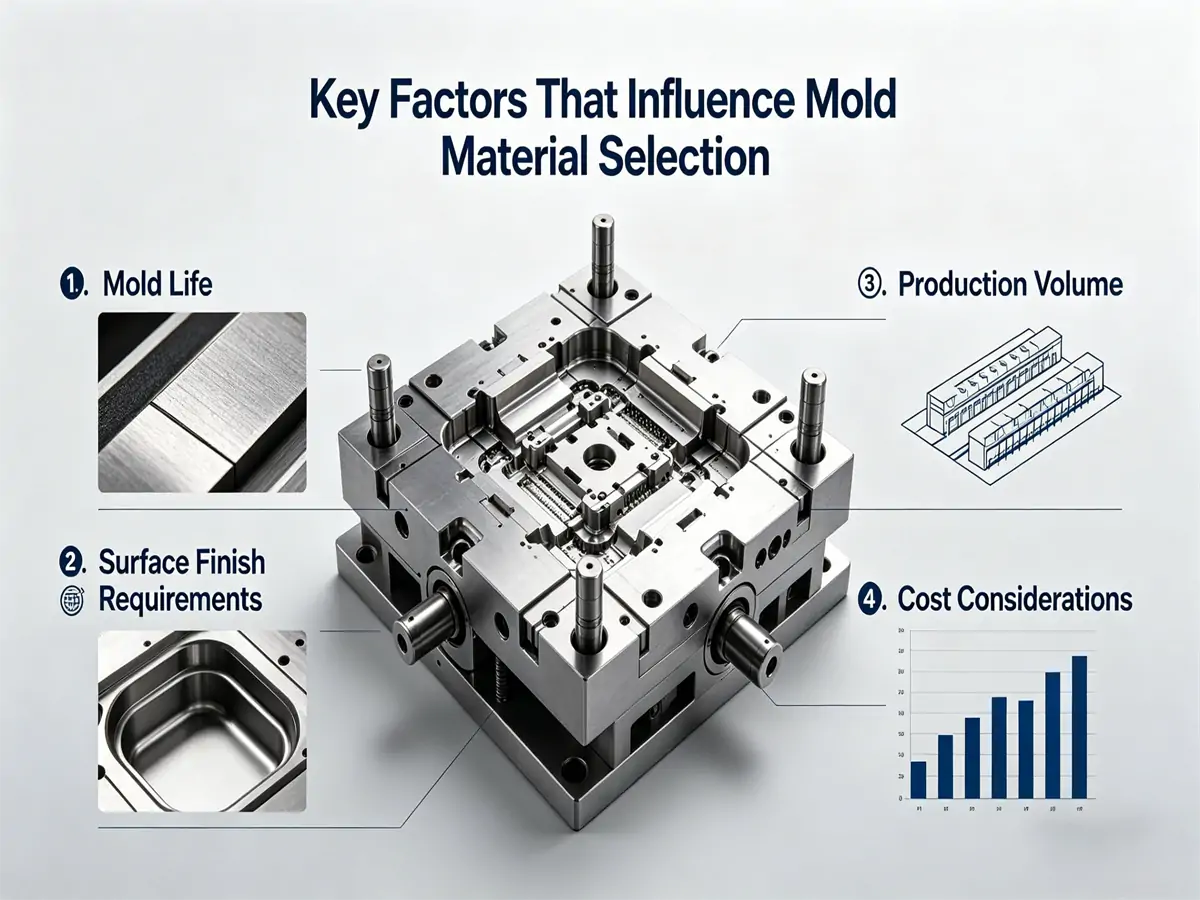
Cost Considerations
Material cost, machining difficulty, and heat treatment requirements all affect the total tooling cost. Balancing performance and budget is essential for optimal material selection.
Production Volume
Low-volume production→Pre-hardened steels like P20
Mass production→Hardened steels like H13
Common Injection Mold Steel Types
Selecting the right mold material for injection molding is essential for achieving the desired balance between performance, cost, and production efficiency. Different materials offer unique advantages in terms of durability, heat resistance, corrosion resistance, and surface finish. Below are the most commonly used injection mold steels, along with their key properties and typical applications, to help you quickly identify the best option for your project.
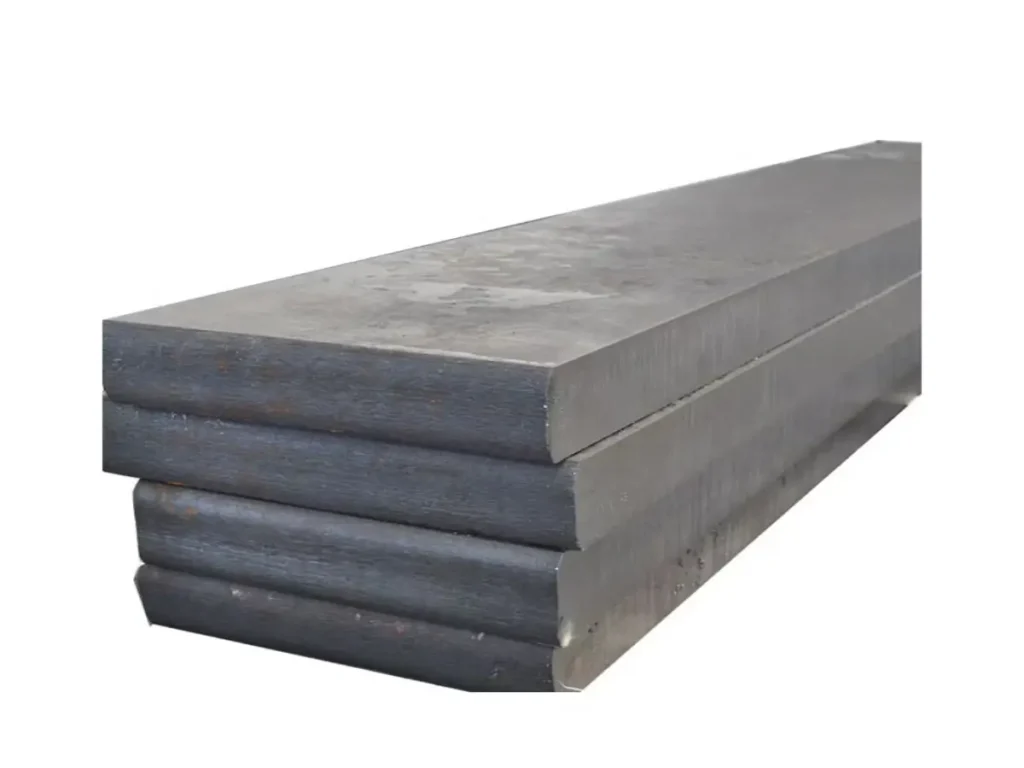
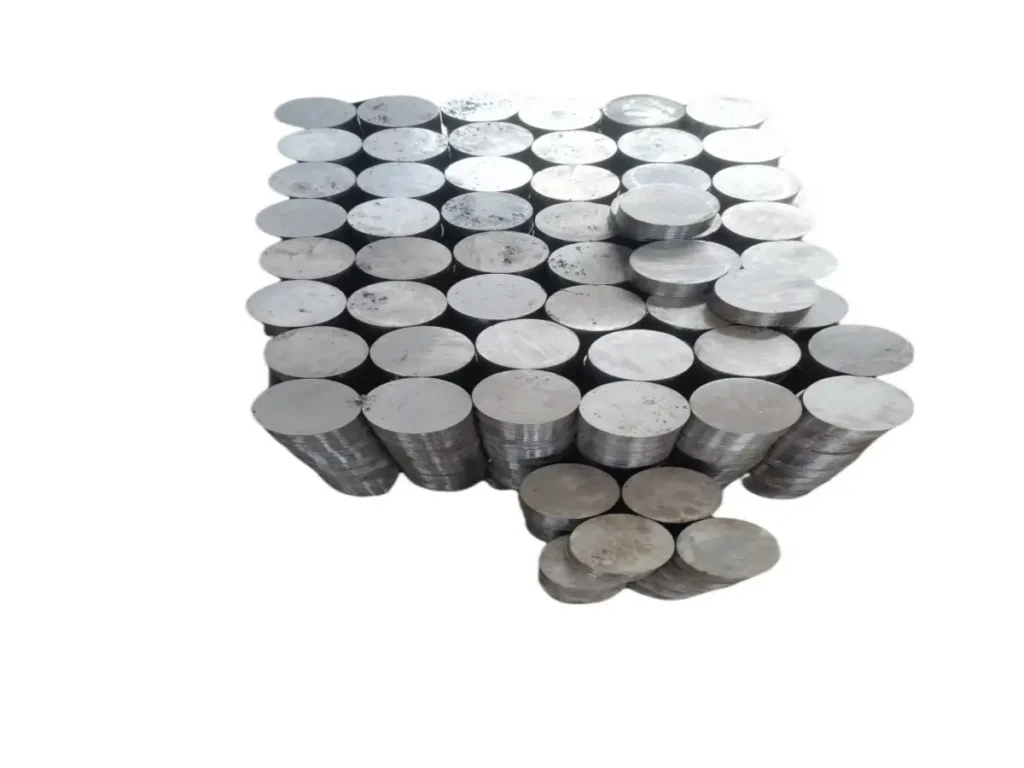
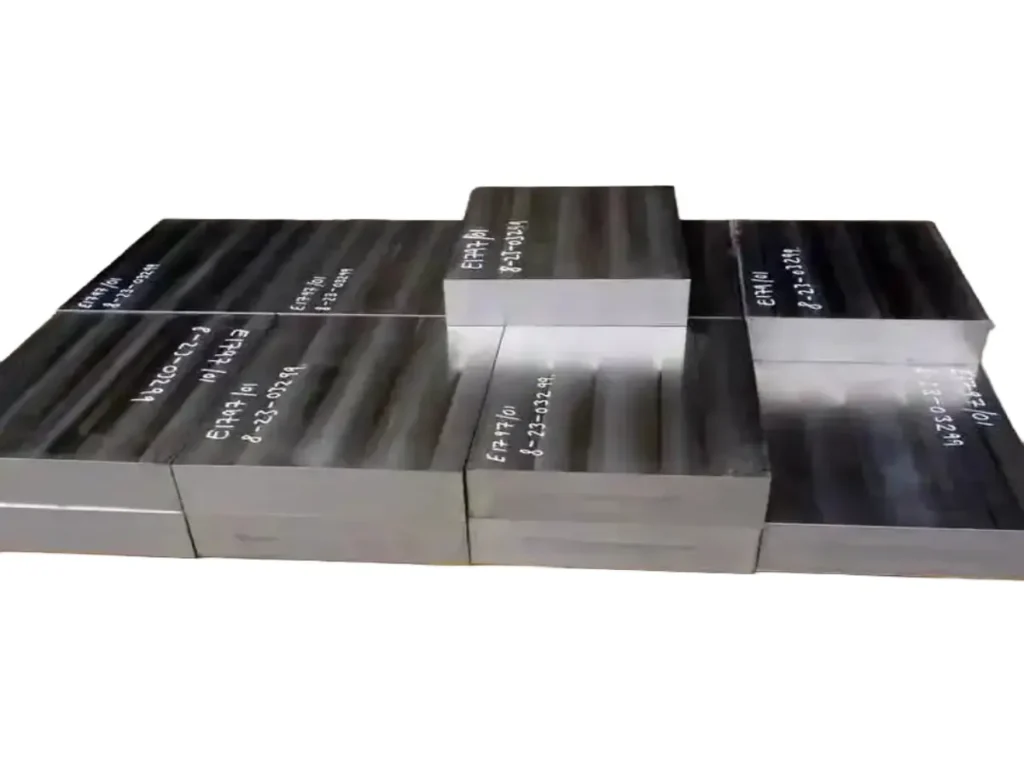
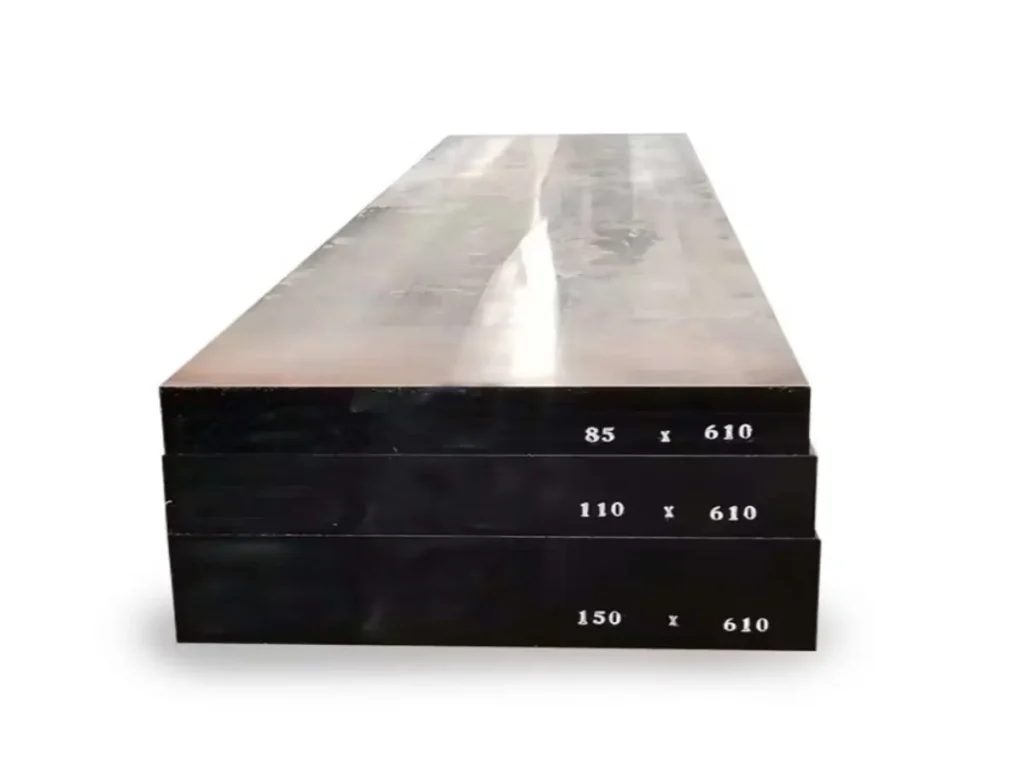
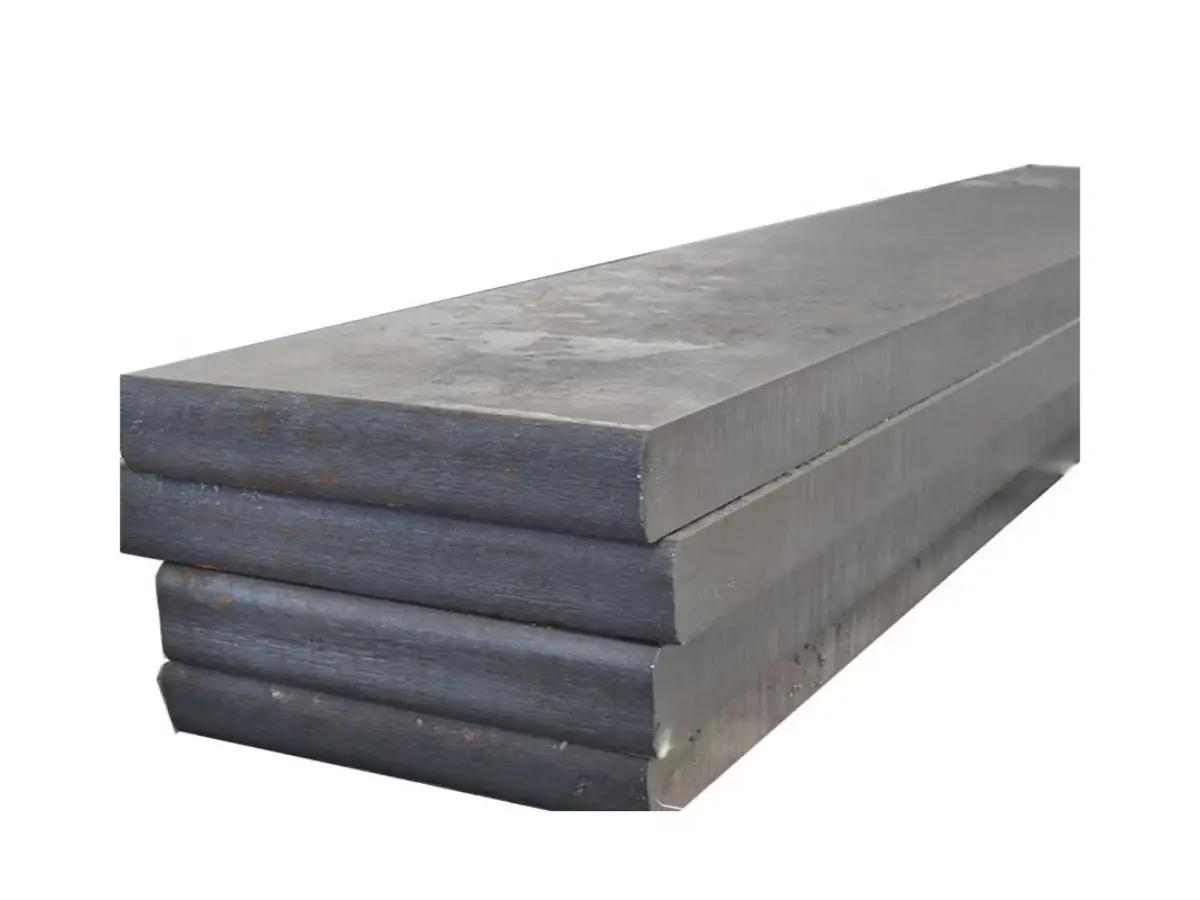
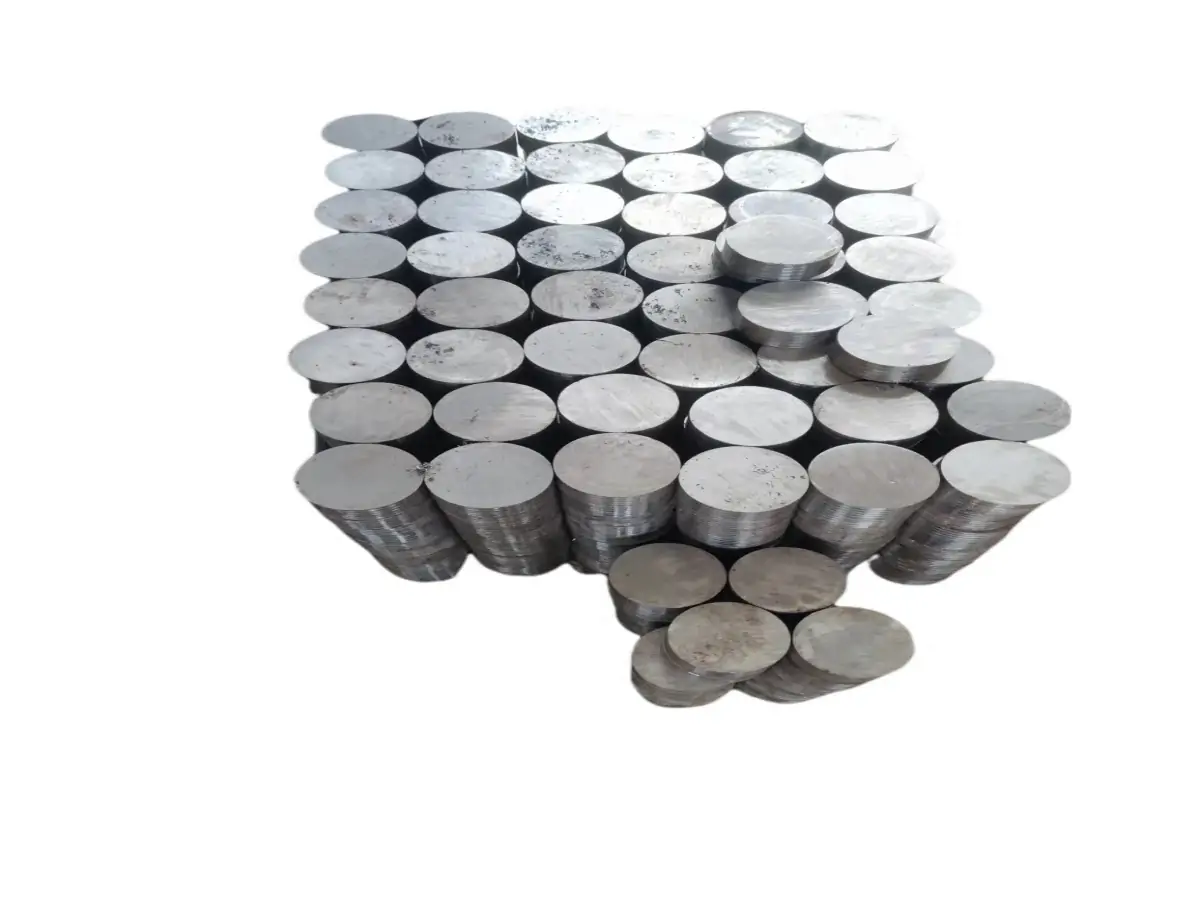
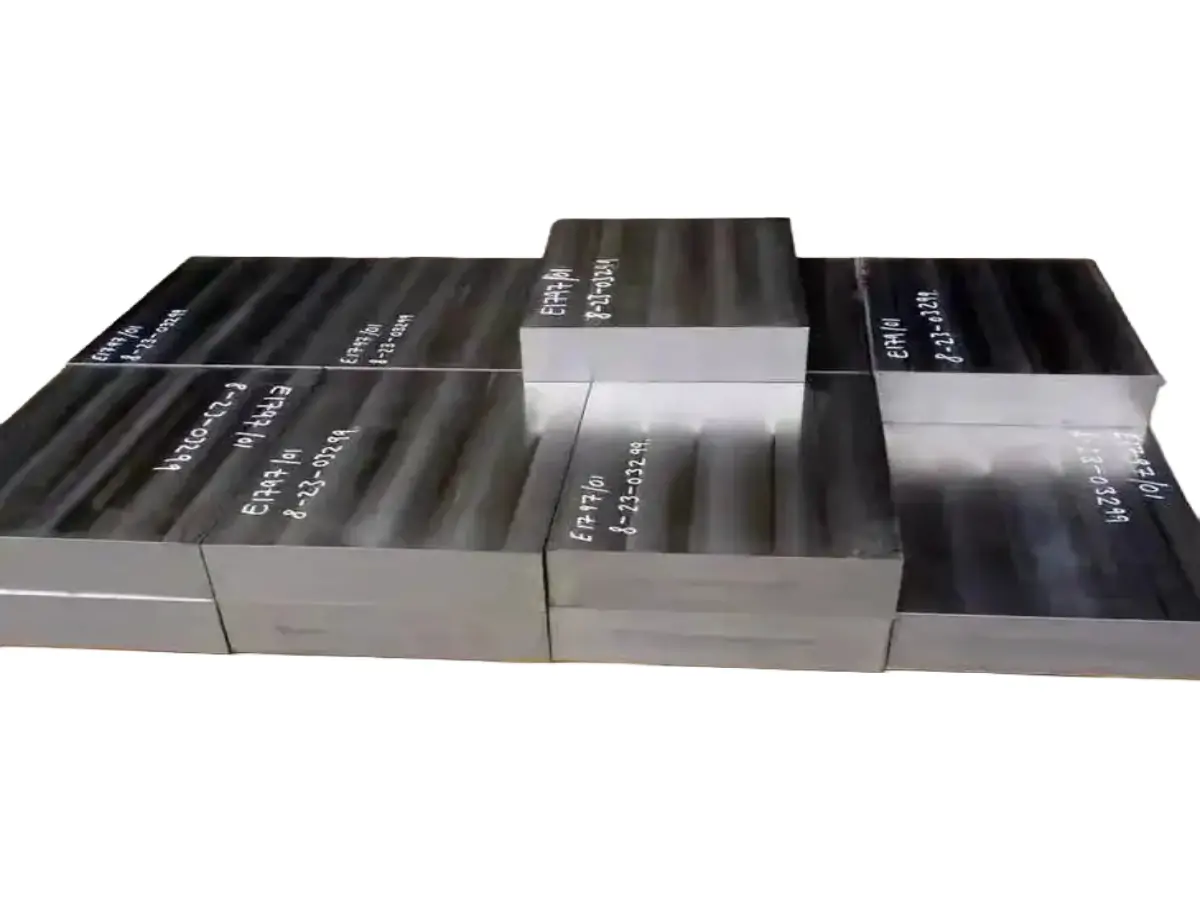
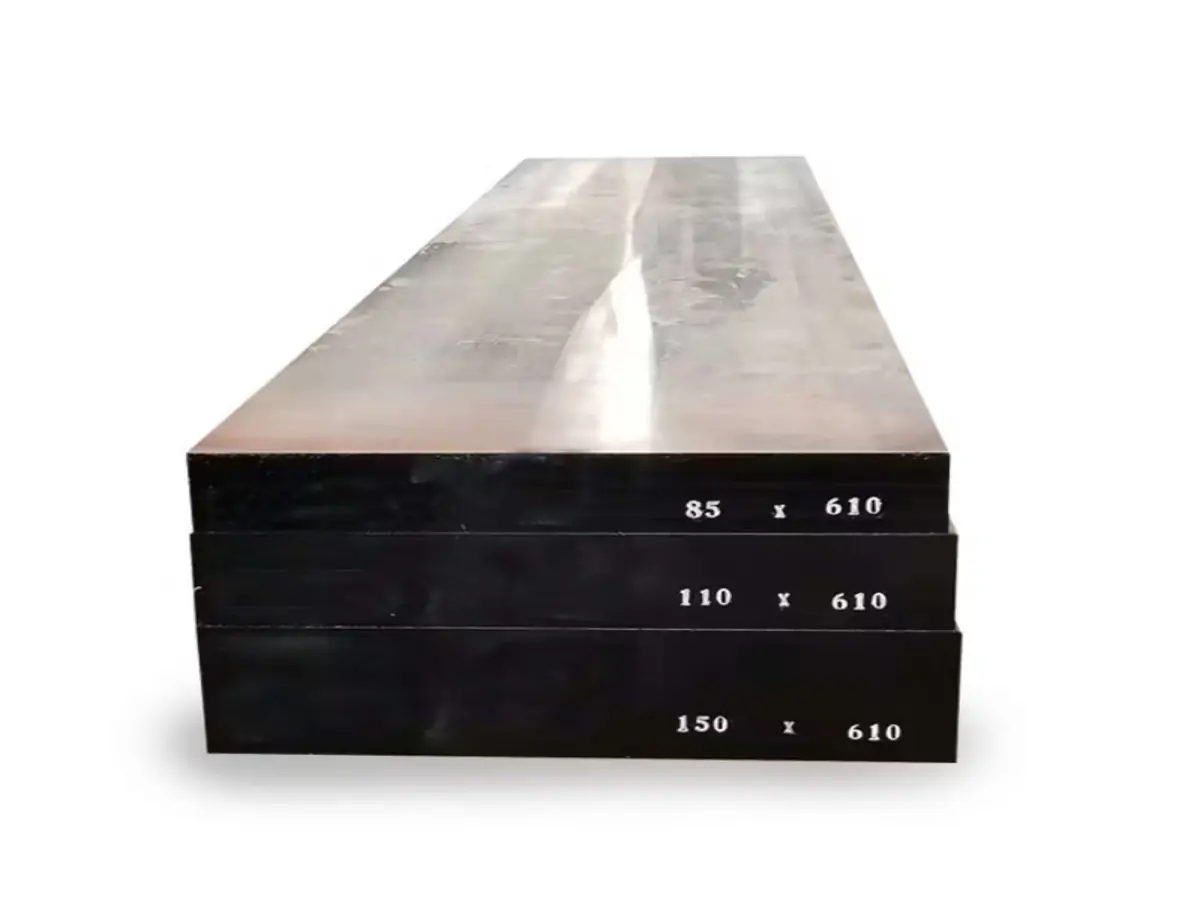
P20 Mold Steel (1.2311)
FP20 is a widely used pre-hardened mold steel, ideal for general-purpose injection molds. It offers a good balance between cost, machinability, and performance.
Application: Medium-volume production molds
Suitable Materials: PP, PE, PS, ABS
Machinability: Excellent, supports polishing, welding, and nitriding
Cost Level: Medium
Mold Life: 50,000 – 500,000 cycles
H13 Tool Steel (1.2344)
H13 is a high-performance hot mold material for injection molding known for its excellent heat resistance and wear resistance, making it suitable for demanding applications.
Application: High-temperature molds, die casting molds
Suitable Materials: Engineering plastics (PC, PA), high temp resins
Machinability: Moderate, excellent thermal stability and wear resistance
Cost Level: Medium to High
Mold Life: 100,000 – 500,000 cycles (high-temp conditions)
S136 Stainless Mold Steel
S136 is a corrosion-resistant stainless mold steel with outstanding polishability, making it ideal for high-precision and hygienic applications.
Application: Medical, food-grade, and optical molds
Suitable Materials: PVC, POM, transparent plastics
Machinability: Good, excellent mirror polishing capability
Cost Level: High
Mold Life: Up to 1,000,000+ cycles with proper treatment
NAK80 Mold Steel
NAK80 is a pre-hardened high-precision mold steel with excellent surface finish capability, commonly used for aesthetic plastic parts.
Application: Cosmetic parts, complex molds
Suitable Materials: ABS, PS, PC
Machinability: Excellent, no heat treatment required
Cost Level: Medium to High
Mold Life: 200,000 – 800,000 cycles
Mold Material for injection molding Comparison Table
| Material | Type | Key Advantage | Cost | Mold Life | Typical Use |
| P20 | Pre-hardened | Low cost, easy machining | Medium | 50K–500K | General parts |
| H13 | Tool steel | Heat & wear resistance | Med–High | 100K–500K | High-temp molds |
| S136 | Stainless steel | Corrosion & mirror polish | High | 500K–1M+ | Medical/optical |
| NAK80 | Pre-hardened | High precision finish | Med–High | 200K–800K | Appearance parts |
Videos Show
Custom Injection Mold Tooling
At Huashuo, we leverage comprehensive capabilities—from custom R&D to finished product realization—to craft bespoke injection molds tailored to your requirements. Our team manages all challenges throughout mold production, helping you optimize manufacturing and adapt to market demands. Our in-house factory’s high-efficiency production enables us to develop and manufacture your molds at competitive prices with stable quality. Huashuo is ready to provide you with precision, efficient, and reliable manufacturing injection mold tooling services.
How to Choose the Right Mold Material ?
Based on Production Volume
For low-volume production, P20 is a cost-effective option with good machinability and shorter lead time. For mass production, H13 is more suitable due to its higher hardness, better wear resistance, and longer mold life, ensuring stable performance over extended production cycles.
Based on Plastic Material
Material selection should match the plastic used. For corrosive plastics such as PVC or POM, S136 is recommended because of its excellent corrosion resistance. For glass-filled or engineering plastics, H13 performs better due to its superior wear resistance and durability.
Based on Surface Finish Requirements
If the product requires high surface quality, such as glossy or transparent parts, S136 and NAK80 are ideal choices. Both materials offer excellent polishability, allowing for mirror-like finishes and consistent appearance in high-end or cosmetic applications.
Based on Budget
Budget is a key factor in mold material selection. P20 is widely used for its lower material and processing cost, making it suitable for cost-sensitive projects. Higher-grade steels like H13 or S136 require higher investment but offer better performance and longer service life.
Mold Material Selection for Different Industries
Different industries have specific requirements for mold performance, durability, surface quality, and compliance standards. Selecting the right tool steel for injection molding based on industry applications helps ensure product quality, production efficiency, and long-term cost control.
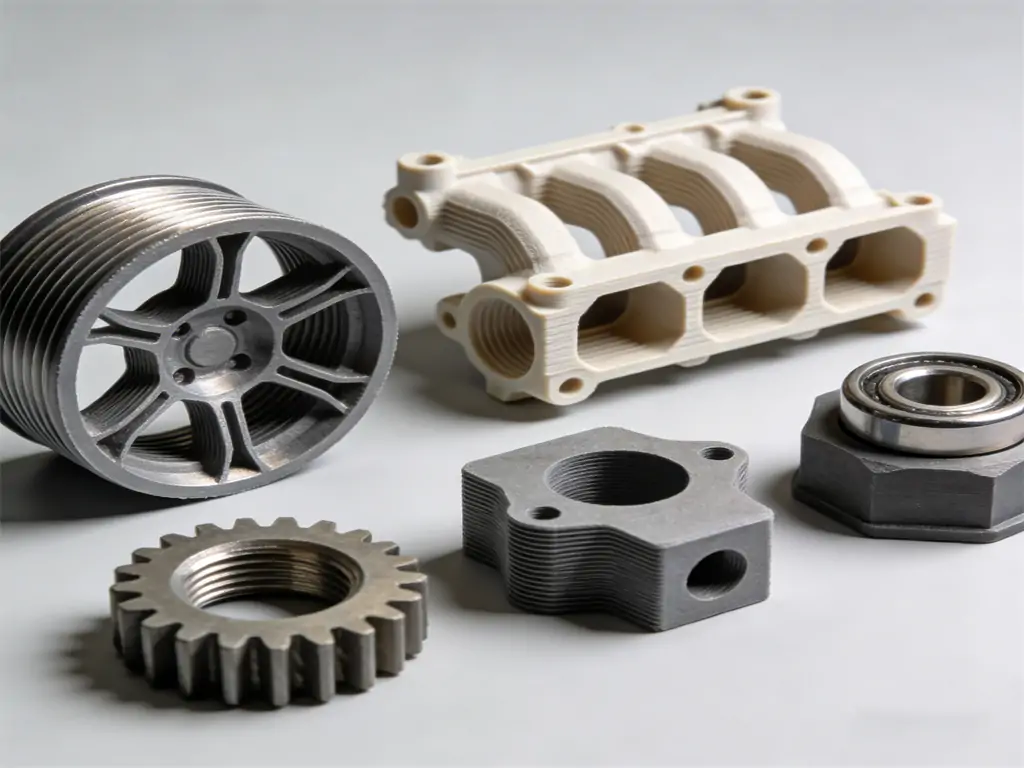
Automotive Industry → H13
Automotive parts often require high strength and durability. H13 is suitable for high-volume production and engineering plastics, offering excellent wear resistance and thermal stability for demanding applications.
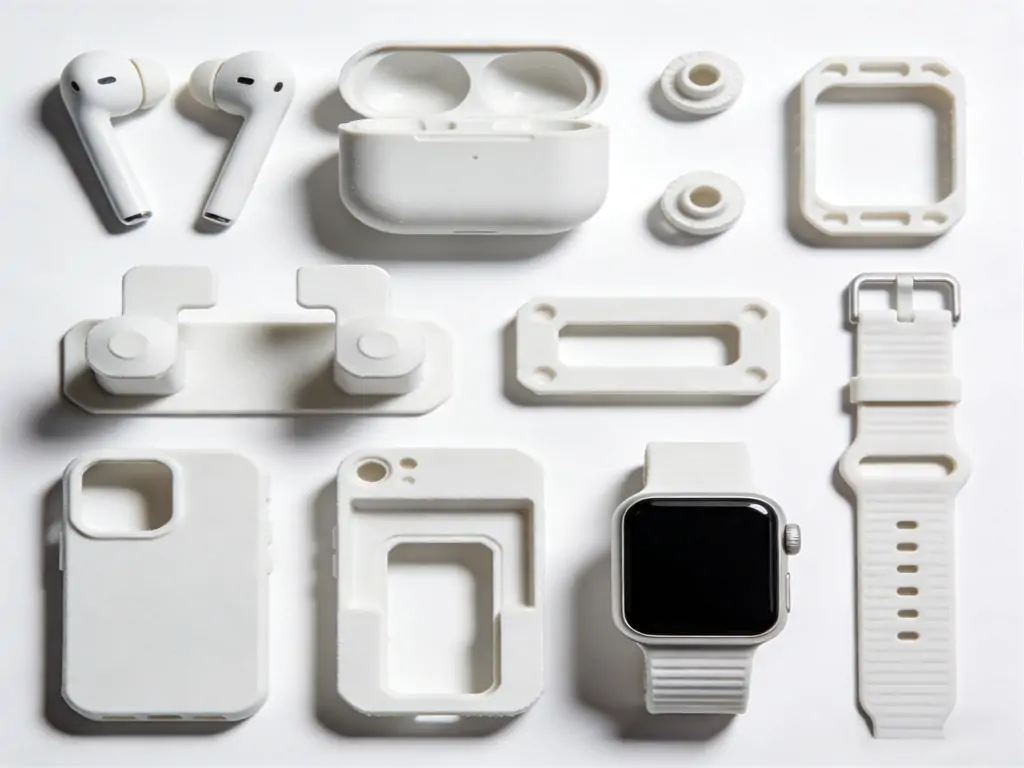
Consumer Electronics → NAK80
Consumer electronic products focus on appearance and precision. NAK80 provides excellent polishability and dimensional stability, making it suitable for high-gloss and complex cosmetic parts.
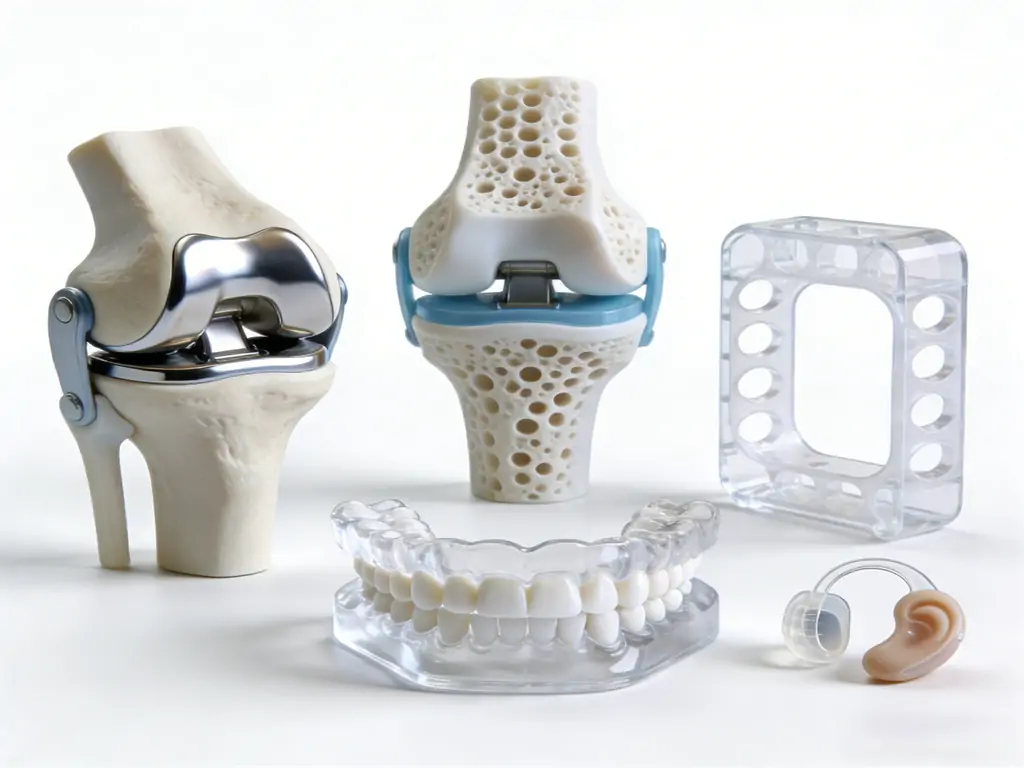
Medical Industry → S136
Medical components require high cleanliness and corrosion resistance. S136 is ideal due to its stainless properties, making it suitable for molds used with PVC and other materials under strict hygiene standards.
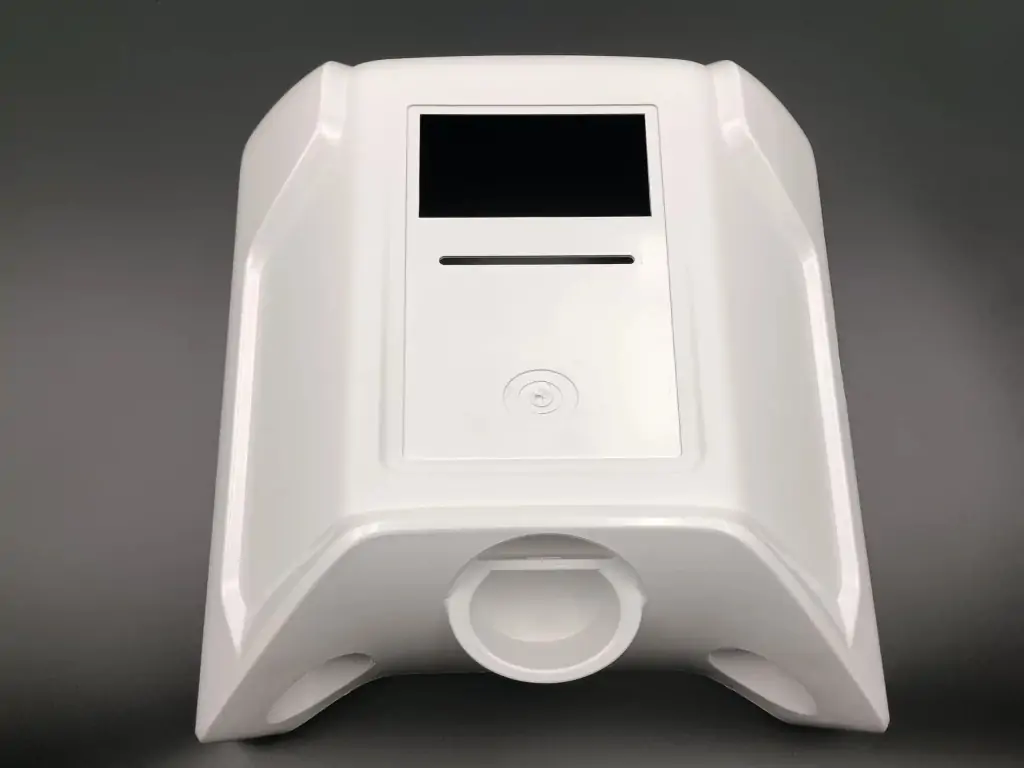
Packaging Industry → P20
Packaging products typically require fast production and cost efficiency. P20 is a practical choice due to its good machinability, lower cost, and suitability for general-purpose plastics in medium-volume production.
Common Problems Caused by Wrong Mold Material
Choosing the wrong mold material can lead to serious production issues, increased costs, and reduced product quality. Proper material selection is essential to ensure stable manufacturing and long-term tooling performance.
Using low-grade or unsuitable steel can result in rapid wear and early failure. This leads to frequent mold replacement and higher long-term production costs.
Molds exposed to corrosive plastics like PVC may rust or degrade if the material lacks corrosion resistance. This can damage the mold surface and affect part quality.
Incorrect material selection can limit polishing performance, resulting in defects such as rough surfaces, flow marks, or inconsistent appearance, especially for high-gloss parts.
Low durability or improper material choice can cause frequent breakdowns and repairs. This increases downtime, reduces production efficiency, and raises maintenance costs.
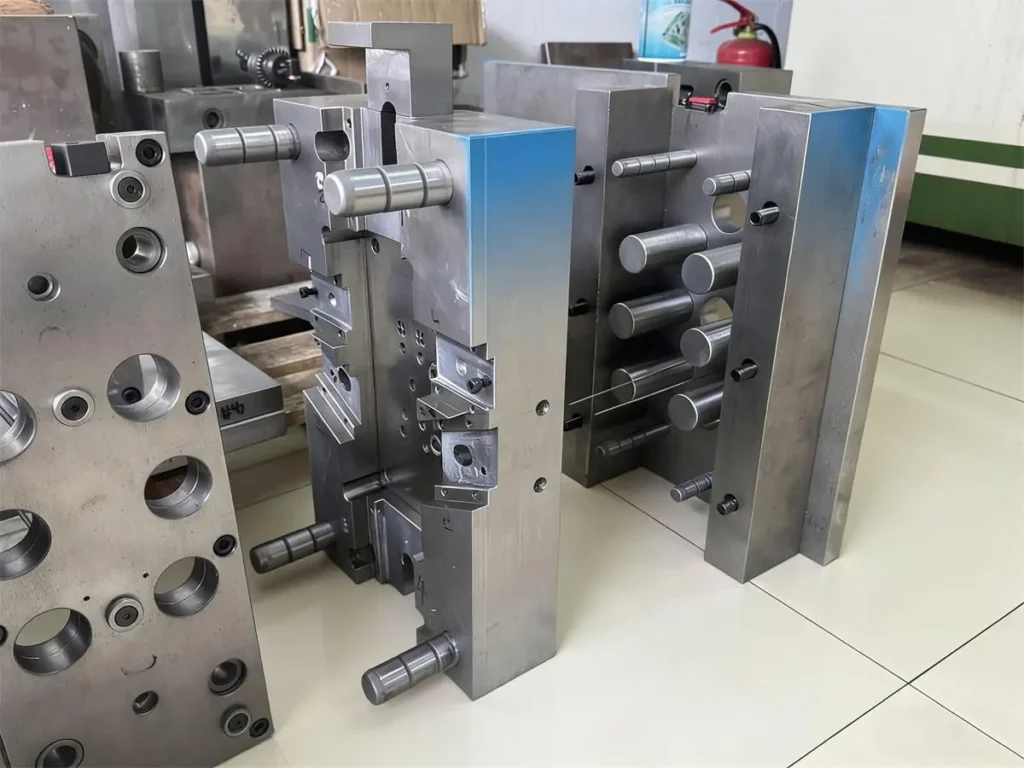
Why Choose Our Mold Manufacturing Service ?
At Huashuo, we provide a one-stop mold manufacturing solution that combines engineering expertise with practical experience to ensure high-quality, cost-effective molds.
DFM & Material Recommendation : Our engineers evaluate your part design and production needs to recommend the optimal mold material for performance and durability.
Cost Optimization : We balance material selection, machining, and heat treatment to reduce tooling costs without compromising quality.
Long Mold Life Design : Using advanced steel selection and precision manufacturing, we maximize mold durability and reduce maintenance frequency.
One-Stop Solution : From DFM analysis to mold manufacturing and mass production, we handle the entire process, simplifying your workflow and ensuring reliable results.
FAQS
More Services
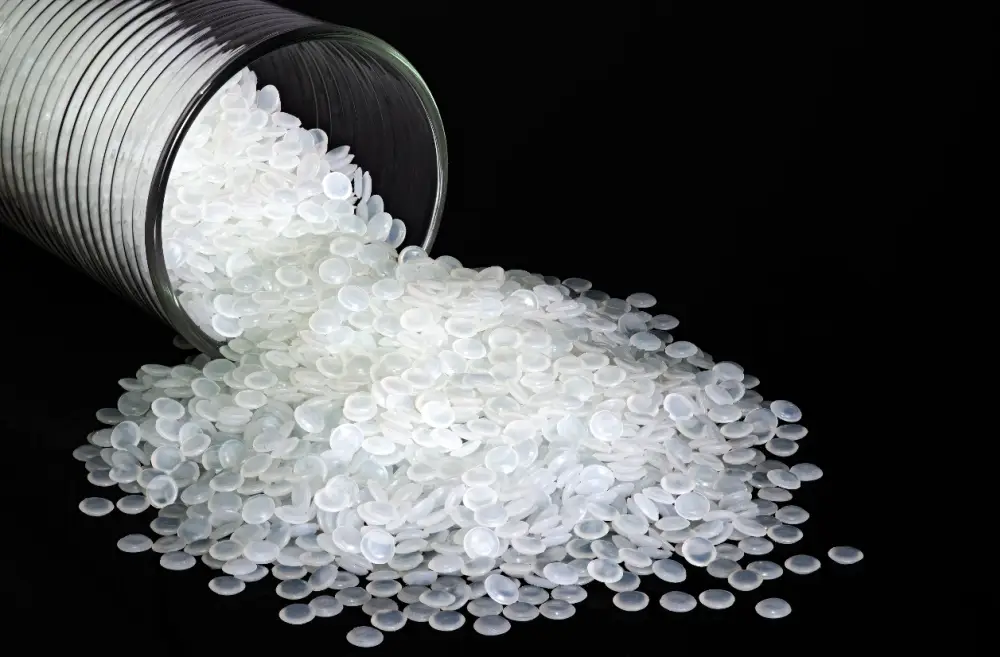
Plastic Injection Molding Materials
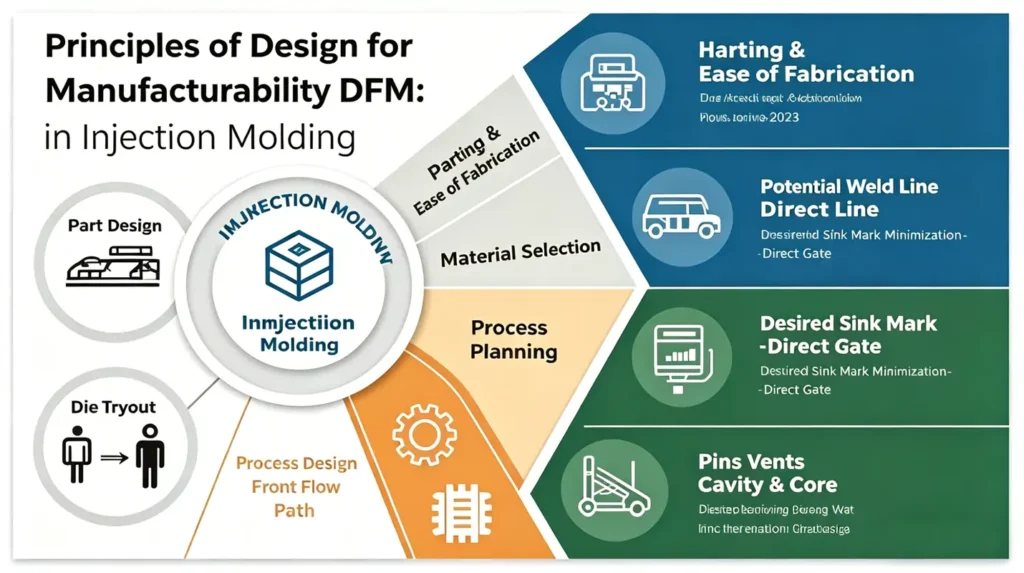
Plastic Materials for Injection Molding Huashuo provides a comprehensive range…DFM for Plastic Parts
DFM for Plastic Parts Effective DFM ensures plastic parts are…Mold Flow Analysis
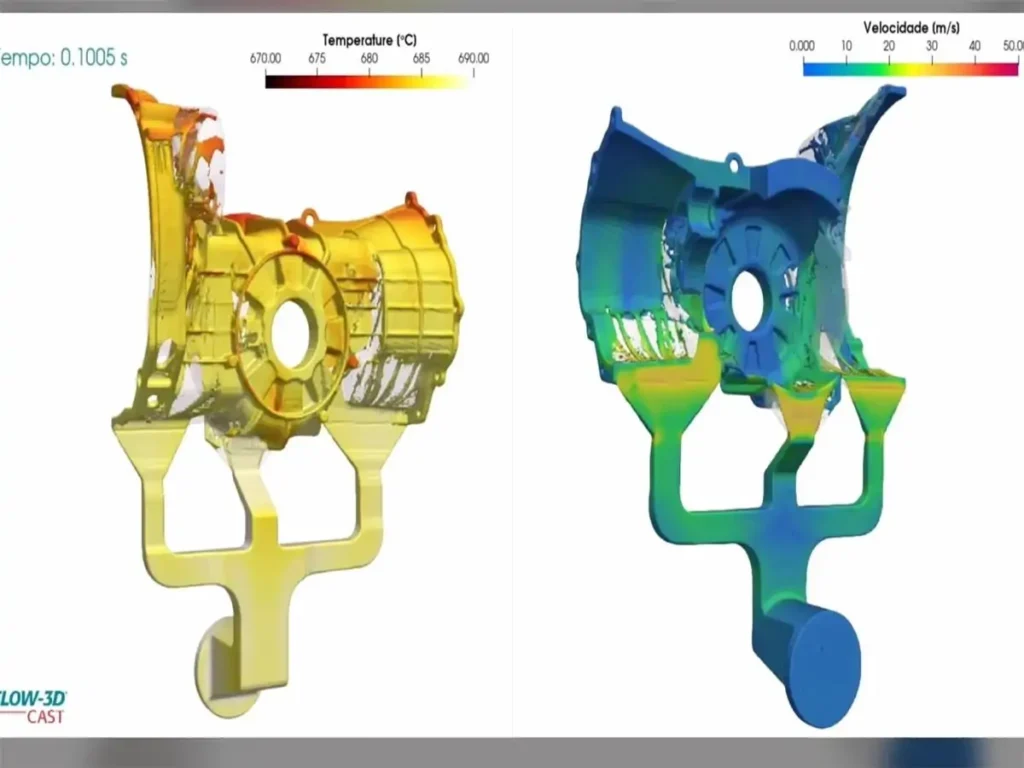
Mold Flow Analysis Services for Injection Molding Optimization Mold flow…

Related Articles
Why Is Injection Moulding Good for Mass Production?
Injection molding stands as one of the most widely adopted…What Causes Shrinkage In Injection Molding?
Shrinkage in injection molding is one of the primary causes…Exploring the Global Plastic Injection Molding Outsourcing Service Market: Trends, Benefits, and Strategic Insights for B2B Success
Driven by various factors in manufacturing and production, an increasing…