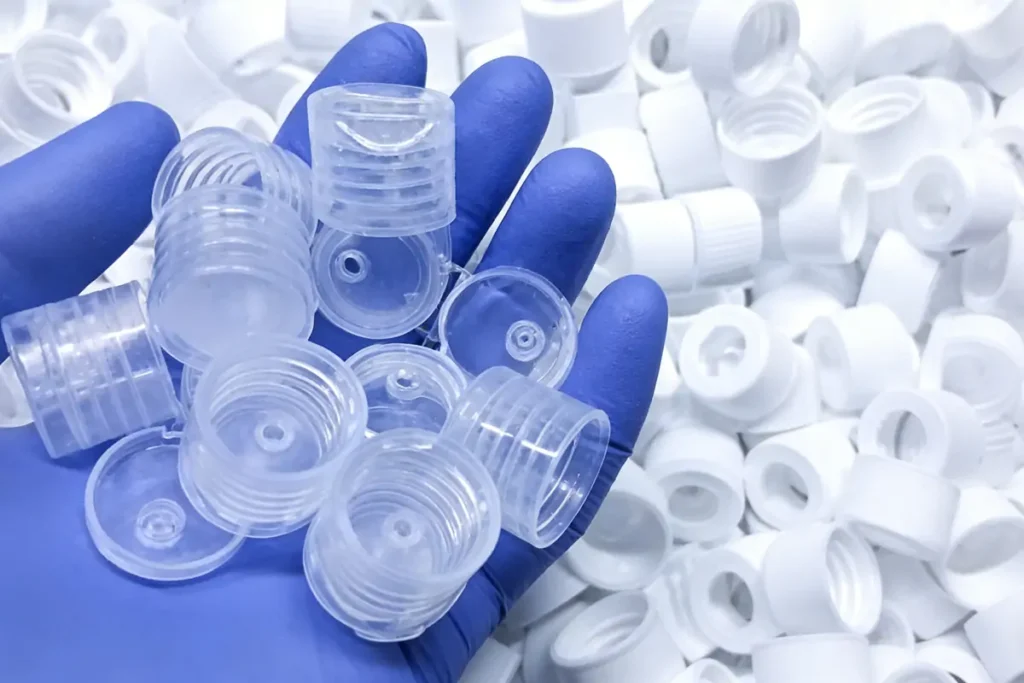
PE Injection Molding
Polyethylene (PE) injection molding is widely used for manufacturing durable and chemical-resistant plastic parts. At Huashuo, we provide PE injection molding services for small-to-medium plastic components, supporting both prototype and mass production. Based on your material requirements, part geometry, and production volume, our engineering team can recommend suitable PE grades and optimize the molding process.
- ISO 9001:2015, CE
- T1 sample as fast as 2 weeks
- No minimums
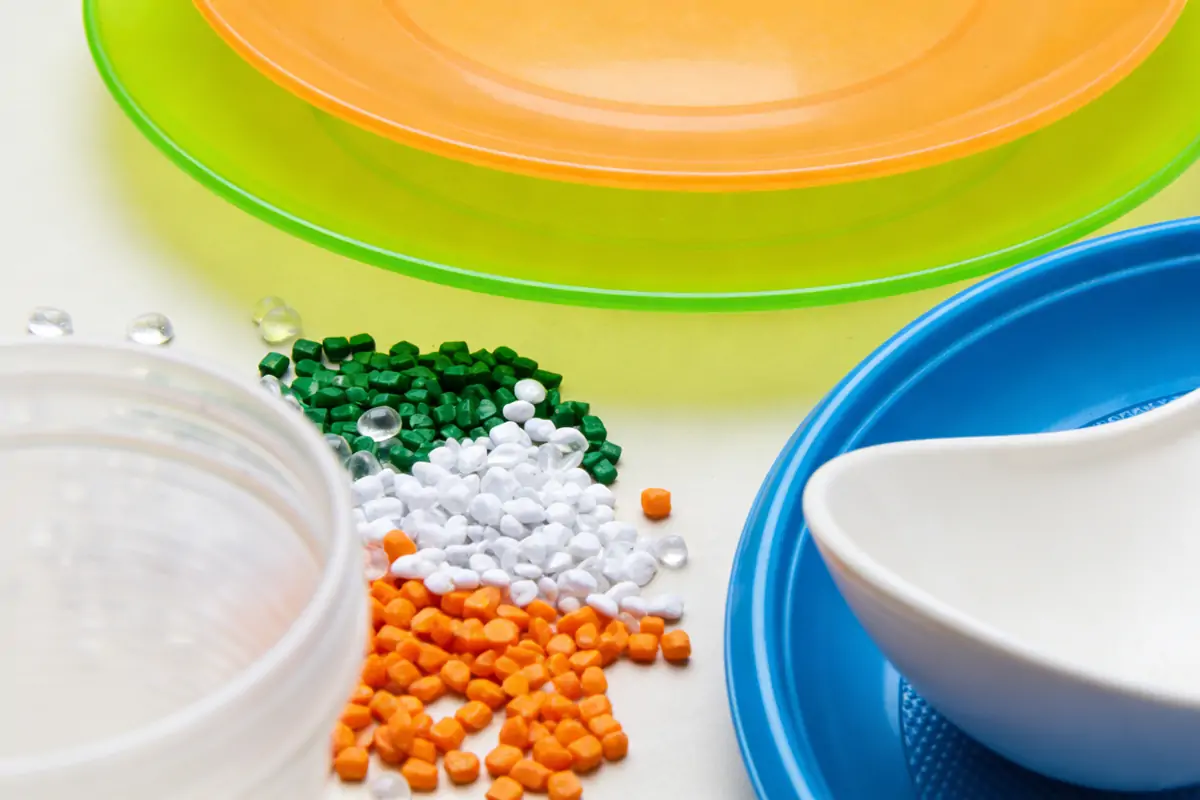
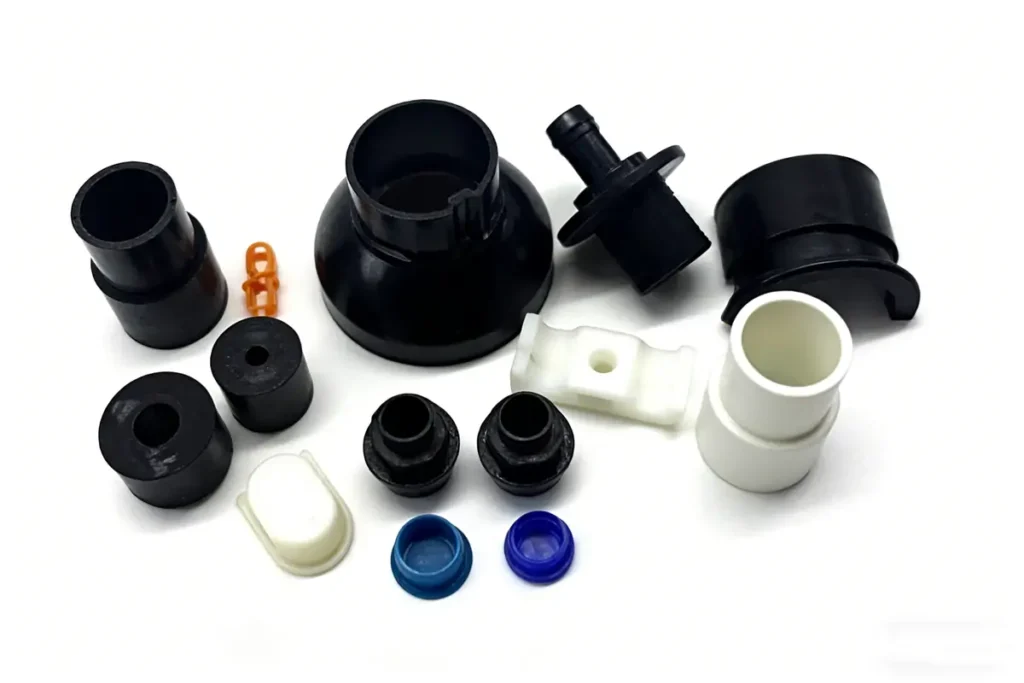
What Is PE Injection Molding?
PE injection molding refers to the process of heating polyethylene resin until molten and injecting it into a mold cavity to form plastic components. Because polyethylene has excellent chemical resistance, flexibility, and impact strength, it is widely used for parts that require durability and cost efficiency.
In industrial manufacturing, PE injection molding is often selected for products exposed to moisture, chemicals, or outdoor environments. The material’s low density and stable processing characteristics also make it suitable for large-volume production.
Types of PE Used in Injection Molding
Different grades of polyethylene offer different balances of strength, flexibility, and density. Selecting the correct type of PE depends on the product’s mechanical requirements and application environment.
HDPE Injection Molding
HDPE is a high-density polyethylene known for its excellent stiffness, chemical resistance, and structural strength. It is widely used for industrial parts and containers that require durability.
Typical Properties
- Density: ~0.94–0.97 g/cm³
- High stiffness and strength
- Excellent chemical resistance
- Good impact performance
Common Applications
- Industrial containers
- Pipe fittings
- Chemical tanks
- Automotive components
LDPE Injection Molding
LDPE has a lower density and higher flexibility compared with HDPE. It is commonly used for products that require softness, flexibility, or impact absorption.
Typical Properties
- Density: ~0.91–0.93 g/cm³
- High flexibility
- Good impact resistance
- Smooth surface finish
Common Applications
- Packaging products
- Flexible plastic components
- Household products
LLDPE Injection Molding
LLDPE combines the flexibility of LDPE with improved strength and tear resistance. It is often used for applications requiring durability and sealing performance.
Typical Properties
- Improved tensile strength
- Good flexibility
- Strong tear resistance
Common Applications
- Sealing components
- Industrial packaging
- Containers and lids
Properties of PE Materials
Understanding the mechanical and chemical properties of polyethylene helps engineers determine whether PE is suitable for a specific application.
Chemical Resistance
Polyethylene resists many chemicals and solvents, making it suitable for industrial and chemical containers.
Impact Resistance
PE materials remain tough and resistant to cracking even under mechanical stress.
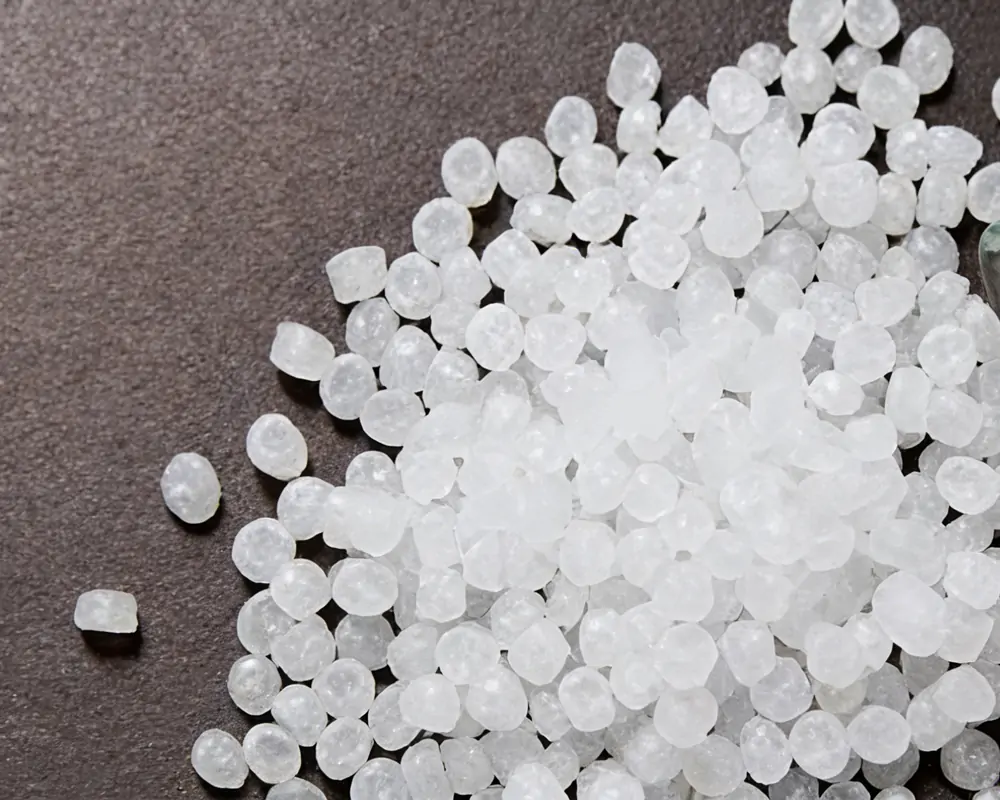
Lightweight Material
PE has relatively low density, allowing lightweight product design.
Process Stability
The material flows well during injection molding, supporting consistent production.
PE Material Comparison Table
| Material | Density | Flexibility | Strength | Typical Applications |
|---|---|---|---|---|
| HDPE | High | Medium | High | Industrial parts, containers |
| LDPE | Low | High | Medium | Packaging, flexible parts |
| LLDPE | Medium | High | Medium | Sealing components |
Applications of polyethylene injection molding
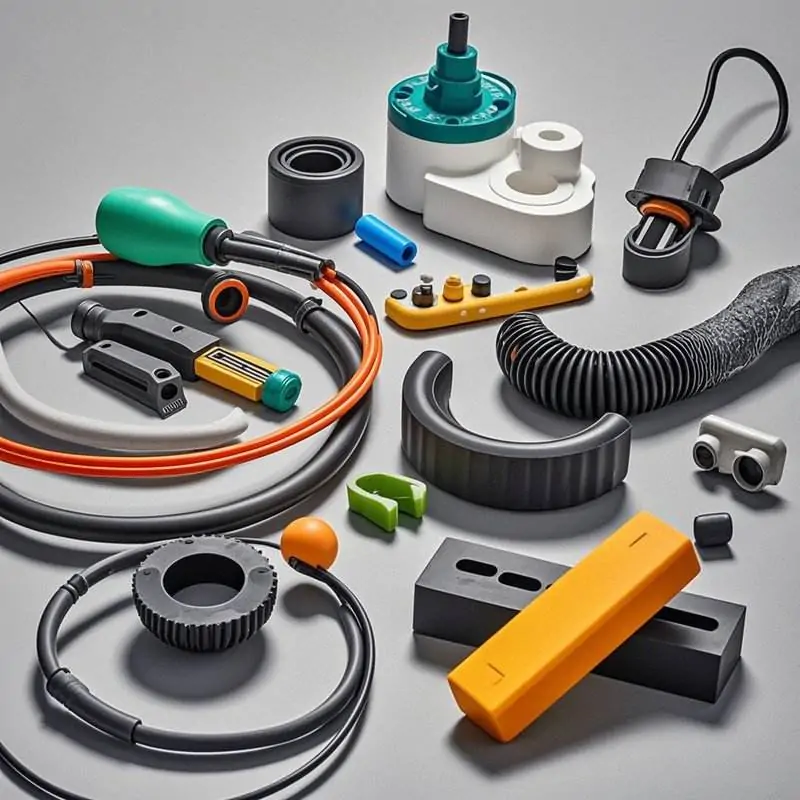
PE injection molded components are widely used across multiple industries because of their durability and chemical resistance.
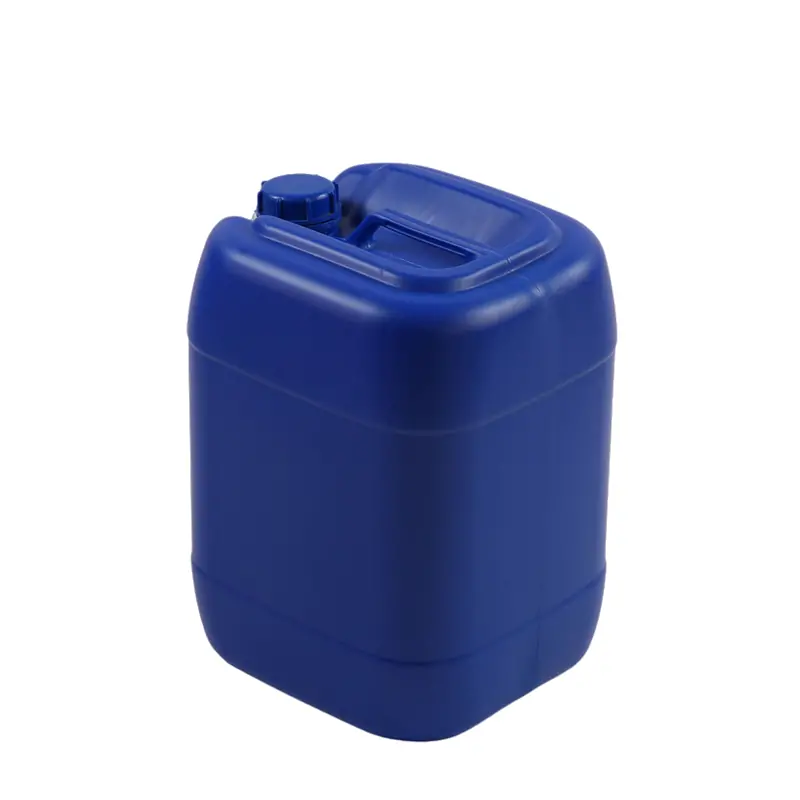
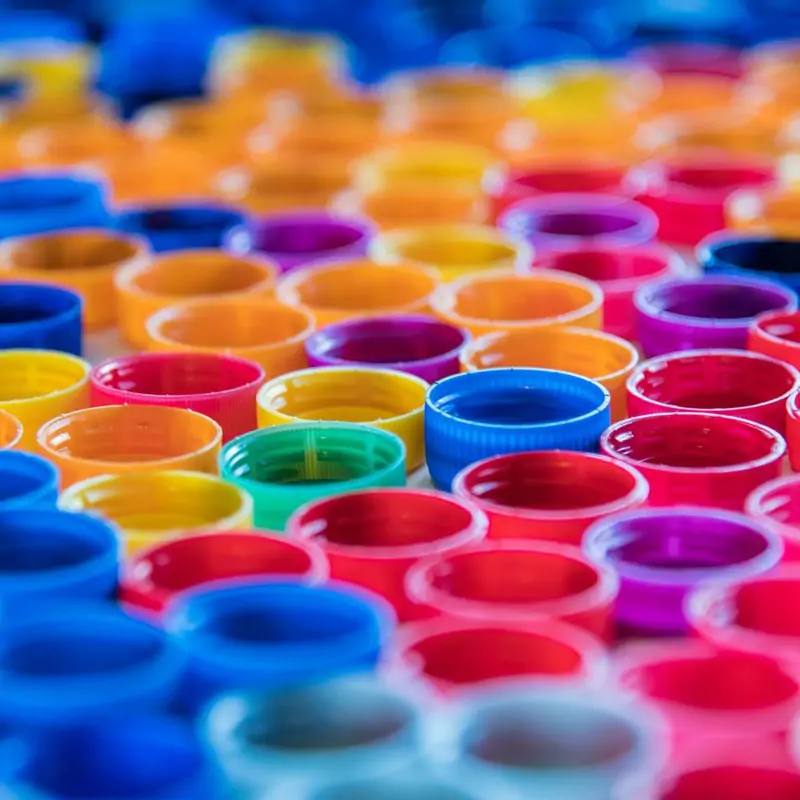
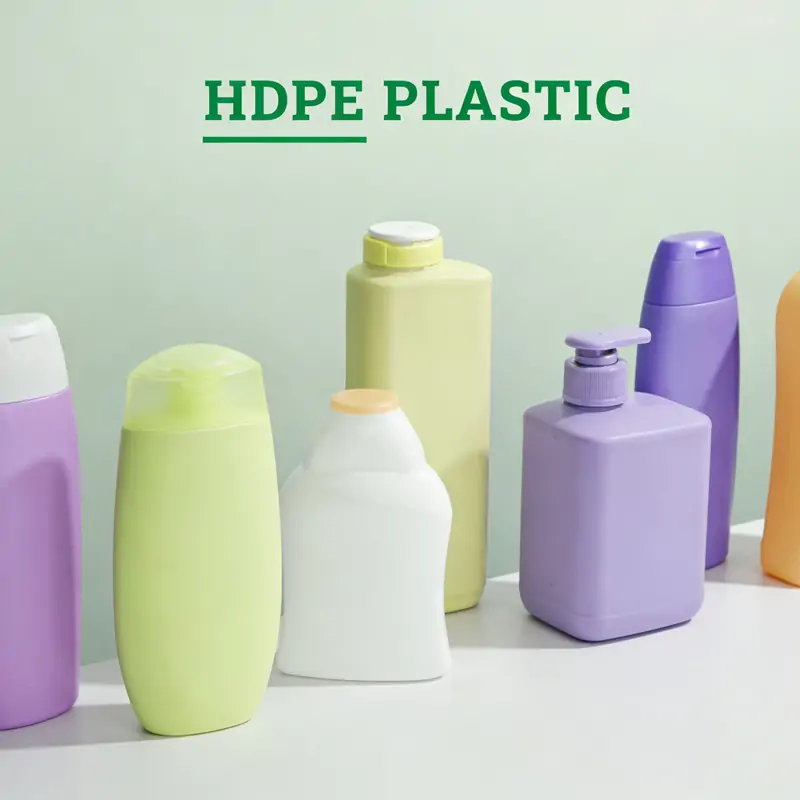
Consumer Goods
Household products and everyday plastic components.
PE Plastic Molding Capabilities at Huashuo
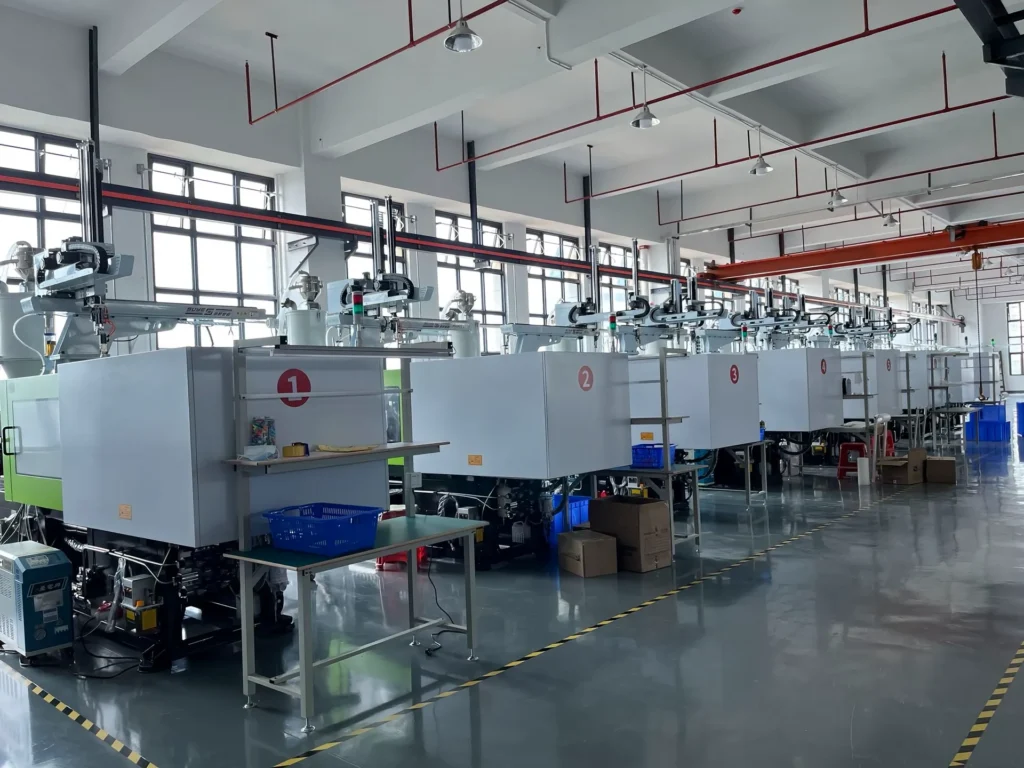
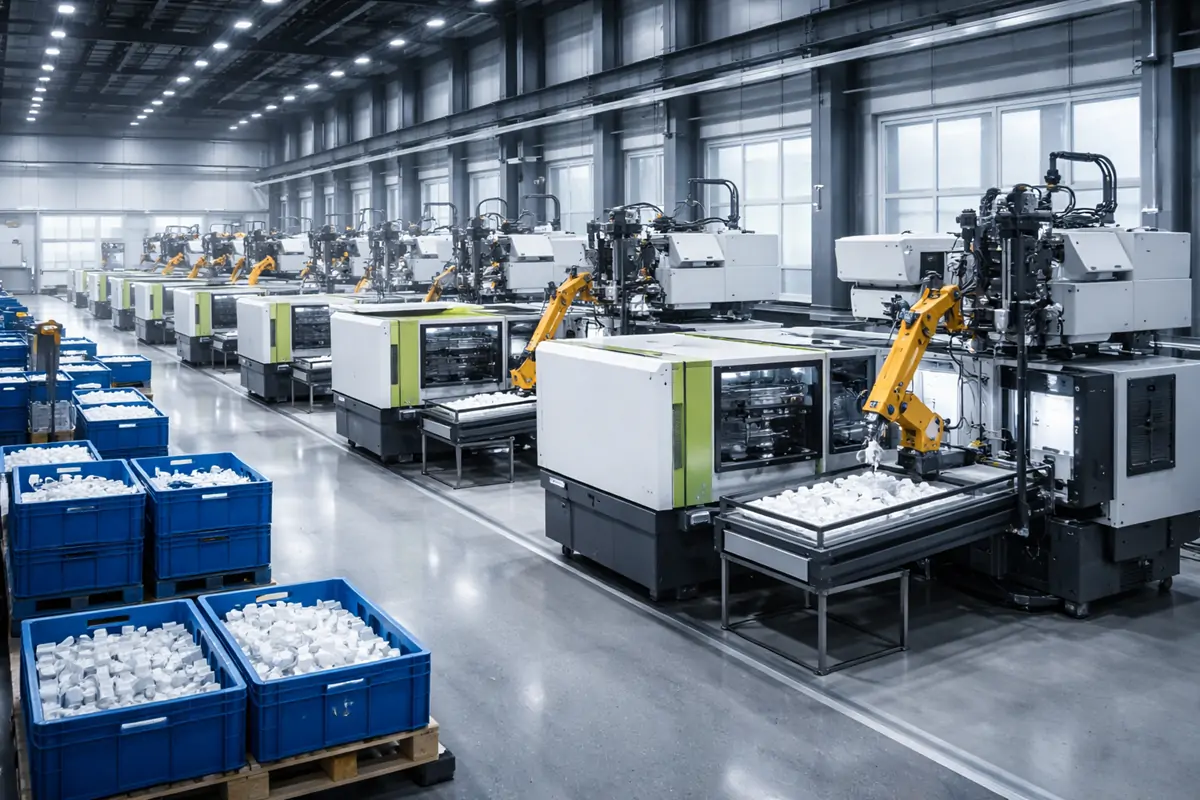
At Huashuo, PE injection molding is supported by integrated mold manufacturing and production processes. This allows us to control quality and production stability across prototype and volume manufacturing.
We can make all your ideas a reality.Contact us today to bring your ideas to life.
FAQS
Everything You Need to Know About Our PE Injection Molding
Request a Quote
From mold design to mass production, we offer end-to-end solutions.
Tell us about your application, materials, and volume requirements. Our team will recommend the right process and deliver a tailored manufacturing solution.
More Services
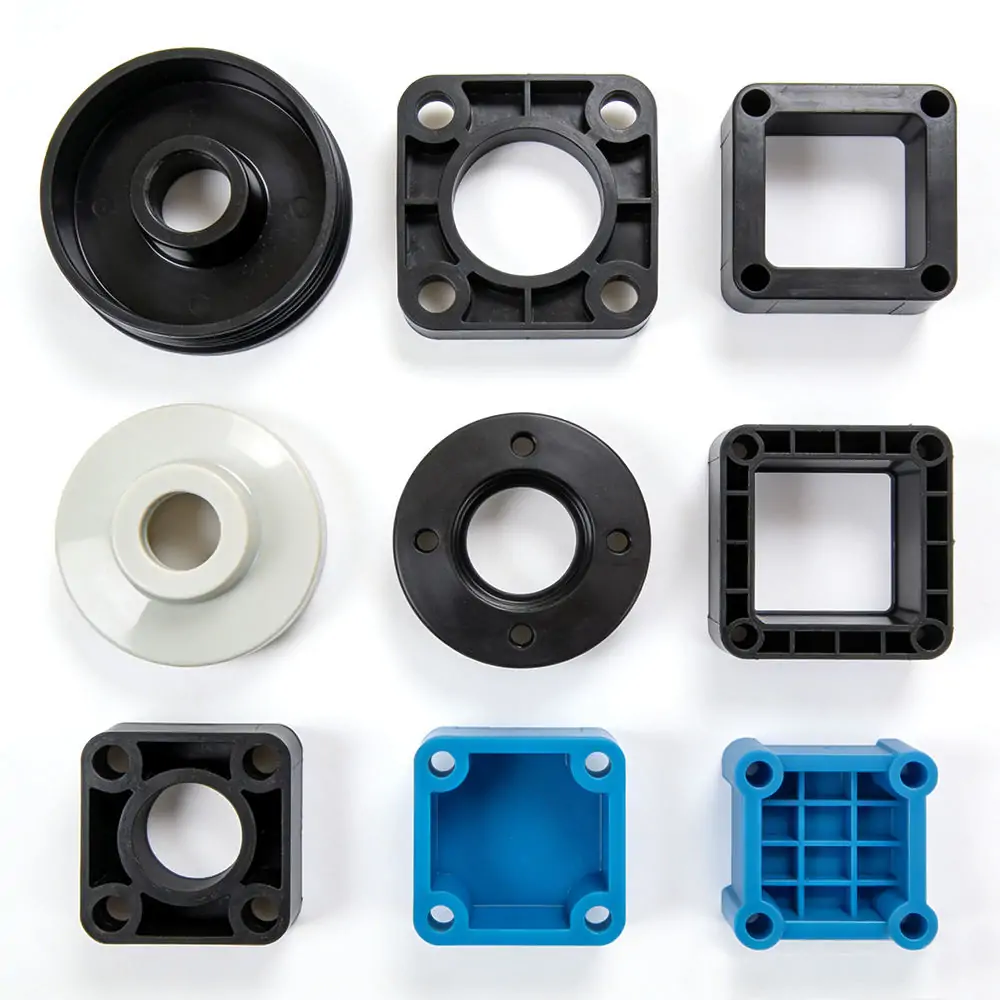
PS Injection Molding
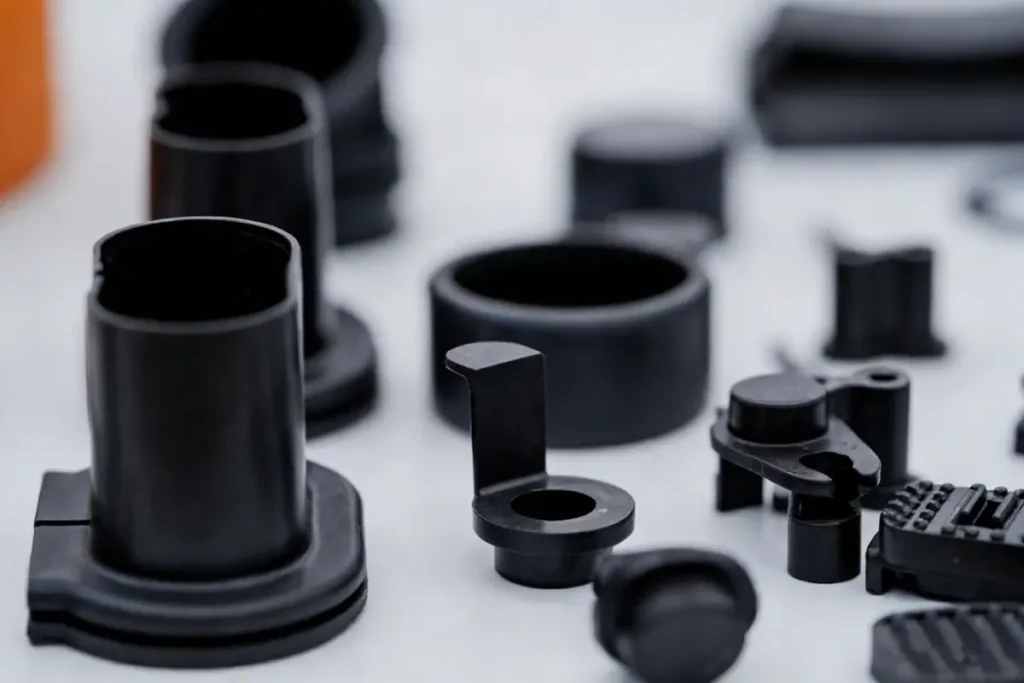
PS Injection Molding Custom PS injection molded parts that balance…PP Injection Molding
PP Injection Molding PP injection molding (polypropylene injection molding) is…3D Printing
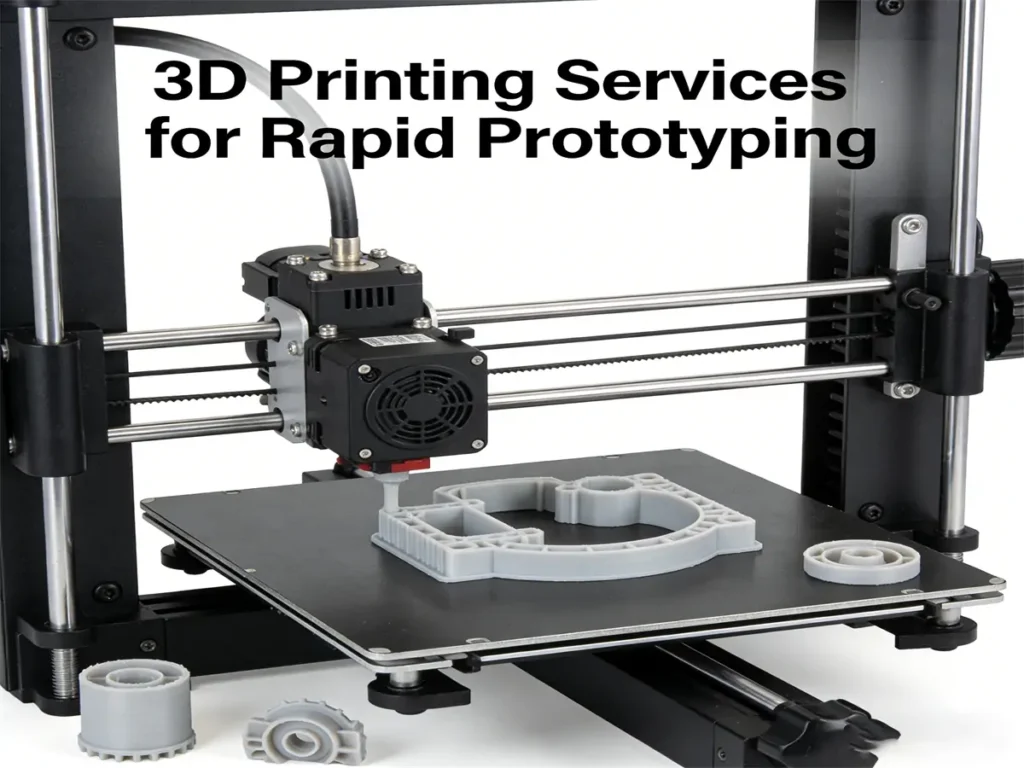
Plastic 3D Printing Services for Rapid Prototyping Plastic 3D printing…
Related Articles
How Much Does Injection Molding Cost?
The cost of injection molding is the most frequently asked—and…How to Find Plastic Injection Moulding Service:4 Success Factors
Introduction Plastic Injection molding is a process in which molten…Top Plastic Injection Molding Services in 2026: A Comprehensive Guide to the Best Manufacturers and Solution
Introduction Over the past few years, injection molding has become…