Plastic Materials for Injection Molding
Huashuo provides a comprehensive range of plastic injection molding materials, CNC machining, and rapid prototyping. Material selection directly impacts part performance, manufacturability, cost, and surface finishing quality. These plastic materials are selected based on mechanical properties, environmental conditions, and surface finishing compatibility, supporting reliable decisions for injection molded parts.
- ISO 9001:2015, CE
- T1 sample as fast as 2 weeks
- No minimums
What Is Injection Molding Material?
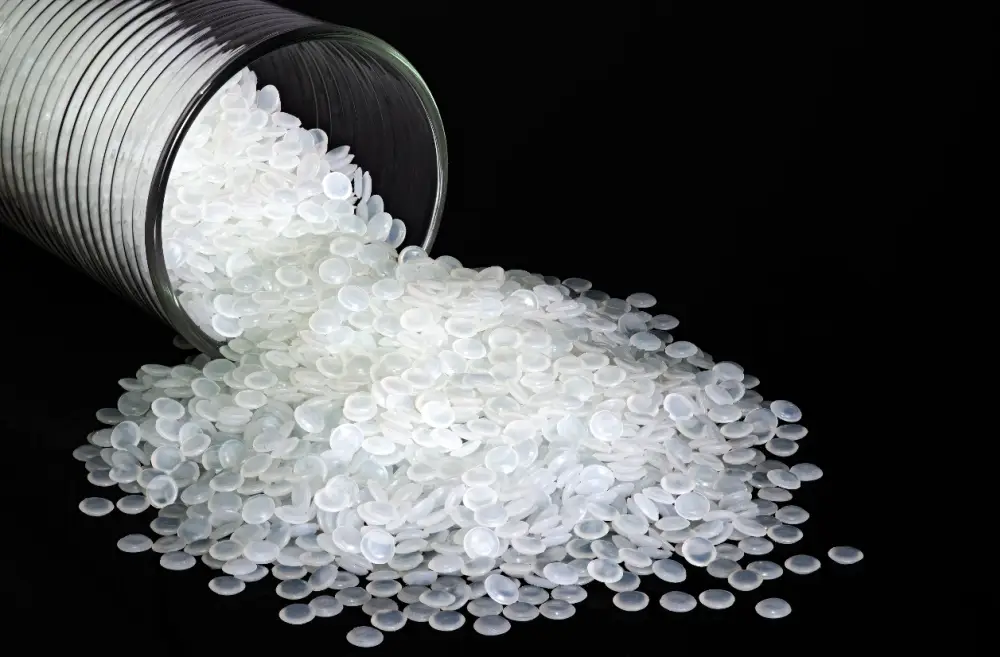
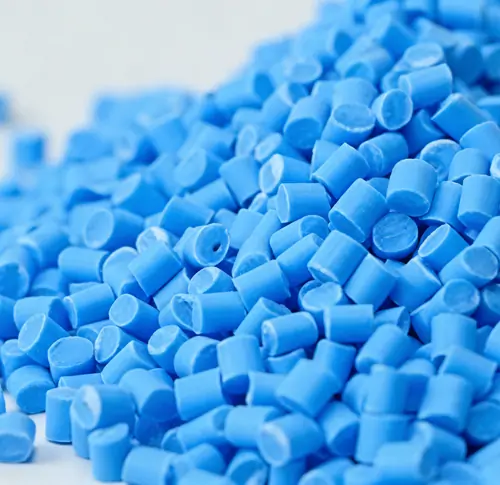
Injection molding materials are thermoplastics selected based on mechanical properties, environmental conditions, and surface treatment requirements. Material selection is not determined solely by chemical composition, but rather by how the material performs in actual product applications.
Material selection directly affects a part’s strength, dimensional stability, and cost, as well as its compatibility with surface treatment processes such as painting, polishing, or embossing. In practice, engineers typically evaluate materials based on manufacturability, appearance, and performance.
HuaShuo offers a wide range of material options and provides customized injection molding services. Contact us to begin your product development.
Types of Plastic Material for Injection Molding
Plastic materials are grouped based on performance, cost, and application requirements to support engineering selection. The following is common injection molding materials:
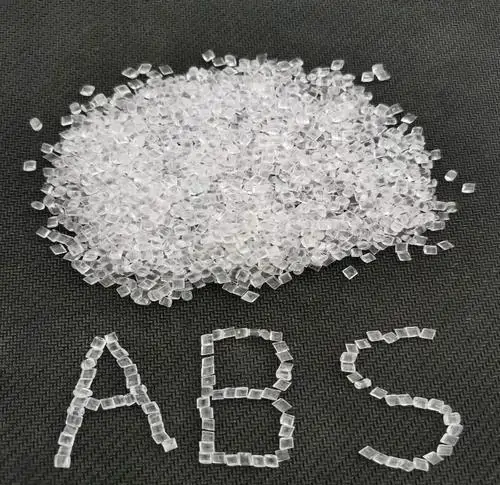
ABS
ABS provides a balance between mechanical strength, cost, and surface finishing performance, making it one of the most widely used plastics.
- Applications: housings, appliance panels, electronics enclosures
- Key Traits: impact resistance, good surface finish
- Surface Finish: painting, electroplating, texture
PP
PP is a lightweight material with strong chemical resistance and flexibility, commonly used for functional components.
- Applications: containers, automotive parts, hinges
- Key Traits: fatigue resistance, chemical resistance
- Surface Finish: molded texture
PE (HDPE / LDPE)
PE is known for its flexibility and chemical resistance, often used in industrial and packaging applications.
- Applications: containers, pipes
- Key Traits: soft, corrosion-resistant
PS (GPPS / HIPS)
PS offers rigidity and ease of processing at a low cost.
- Applications: packaging, housings
- Key Traits: rigid, easy to mold
PVC
PVC provides durability and flame resistance, especially in construction and electrical applications.
- Applications: pipes, cable housings
- Key Traits: flame retardant, durable
PMMA (Acrylic)
PMMA is a transparent plastic offering excellent optical clarity and surface gloss at a relatively low cost.
- Applications: display panels, light covers
- Key Traits: high transparency, glossy surface
- Surface Finish: polishing
PC (Polycarbonate)
PC offers high impact strength and transparency, suitable for structural and optical parts.
- Applications: covers, lenses
- Key Traits: impact resistance
- Surface Finish: polishing
Nylon (PA6 / PA66)
Nylon is widely used in mechanical components due to its durability and wear resistance.
- Applications: gears, bearings
- Key Traits: high strength, wear resistance
POM (Acetal)
POM provides low friction and high dimensional stability, making it ideal for precision parts.
- Applications: gears, sliding parts
- Key Traits: precision, low friction
PBT
PBT is commonly used in electrical and automotive applications.
- Applications: connectors
- Key Traits: heat resistance
PET
PET provides strength and chemical resistance in both consumer and industrial products.
- Applications: packaging, structural parts
SAN
SAN offers transparency with improved chemical resistance compared to standard PS.
- Applications: cosmetic packaging
Glass-Filled Nylon (GF PA)
Enhanced nylon with higher strength and rigidity.
- Applications: automotive, structural parts
Glass-Filled PP
Improves stiffness while maintaining cost advantages.
- Applications: automotive interiors
PC+ABS
Combines strength and surface quality.
- Applications: electronic housings
Flame-Retardant ABS / PC
Designed for safety-critical applications.
- Applications: electronics
PMMA (Acrylic)
PMMA provides excellent optical clarity and high surface gloss, making it one of the most widely used transparent plastics.
- Applications: display panels, light guides, covers
- Key Traits: high transparency, glossy surface
- Surface Finish: polishing
PC (Optical Grade)
PC offers transparency combined with high impact resistance, suitable for structural transparent components.
- Applications: protective covers, lenses
- Key Traits: impact resistance, durability
- Surface Finish: polishing, coating
GPPS (General Purpose Polystyrene)
GPPS is a cost-effective transparent material with good clarity but limited mechanical strength.
- Applications: packaging, disposable clear parts
- Key Traits: clarity, rigidity
SAN (Styrene Acrylonitrile)
SAN provides better chemical resistance and clarity than standard PS, often used in consumer products.
- Applications: cosmetic packaging, containers
- Key Traits: clarity, chemical resistance
PET (Transparent Grade)
PET offers good transparency with improved strength and chemical resistance compared to PS-based materials.
- Applications: packaging, containers, structural clear parts
- Key Traits: strength, chemical resistance
COC / COP (Cyclic Olefin Polymer)
COC/COP materials provide high optical performance and low moisture absorption, often used in precision optical applications.
- Applications: optical lenses, medical devices
- Key Traits: high clarity, dimensional stability
PEEK
PEEK is a high-performance thermoplastic offering exceptional mechanical strength, thermal stability, and chemical resistance, often used as a metal replacement in demanding applications.
- Applications: aerospace components, medical devices, high-load mechanical parts
- Key Traits: high temperature resistance (up to ~250°C), excellent strength, chemical resistance
- Surface Finish: machining preferred, limited decorative finishing
PPS
PPS provides excellent chemical resistance and thermal stability, making it suitable for harsh industrial environments.
- Applications: automotive components, pump parts, electrical housings
- Key Traits: heat resistance, chemical stability, dimensional stability
- Surface Finish: matte or textured
PEI (Ultem)
PEI is a high-performance plastic combining heat resistance, strength, and inherent flame retardancy, often used in electrical and medical applications.
- Applications: medical devices, electrical components, aerospace interiors
- Key Traits: high heat resistance, flame retardant, good strength
- Surface Finish: matte, coating possible
LCP
LCP is designed for precision injection molding, offering excellent flowability and dimensional stability for thin-wall components.
- Applications: connectors, micro electronic components
- Key Traits: high precision, low warpage, excellent flow
- Surface Finish: fine texture
TPE / TPR
TPE and TPR are flexible materials that combine rubber-like elasticity with thermoplastic processing advantages, making them suitable for soft-touch applications.
- Applications: grips, seals, consumer product housings
- Key Traits: flexibility, soft touch, good processing compatibility
- Surface Finish: molded texture
TPU
TPU is a durable elastomer offering higher strength and wear resistance compared to standard TPE materials.
- Applications: protective covers, wearable parts, industrial components
- Key Traits: elasticity, abrasion resistance, toughness
- Surface Finish: matte or semi-gloss
Injection Molding Material Comparison
Material selection involves balancing cost, strength, and surface finish requirements.
| Material | Strength | Temperature | Cost | Surface Finish |
|---|---|---|---|---|
| ABS | Medium | Medium | Low | Excellent |
| PC | High | High | High | Polishing |
| Nylon | High | Medium | Medium | Texture |
| POM | High | Medium | Medium | Matte |
| PP | Low | Medium | Low | Texture |
| PMMA | Medium | Low | Medium | High Gloss |

Choosing the Right Injection Molding Material
Initiate a consultation to receive expert material recommendations and enhance the quality and market competitiveness of your plastic products.
Injection molding material selection guide
In injection molding, selecting the right material is critical to ensuring product performance, durability, and cost-effectiveness. Material selection should be based on application requirements, such as mechanical strength, heat resistance, chemical resistance, and surface finish.
For structural or load-bearing parts, engineering plastics such as ABS, PC, and nylon offer excellent strength and impact resistance. For high-temperature environments, materials like PEEK and PPS provide superior thermal stability. When chemical resistance is required, PP and PE are economical and reliable choices. For products with high aesthetic or transparency requirements, PMMA and PC are ideal.
Huashuo offers one-stop mold design, manufacturing, and injection molding services to meet both small-batch and high-volume injection molding needs. Our engineering team will evaluate your product requirements, application scenarios, and budget to recommend the most suitable materials for your project.
Not sure which material is right for your application? Contact us today for expert guidance and
Quick Selection Guide
Material Selection Comparison Table
| Requirement | Recommended Materials | Processing | Surface Finish | Notes |
|---|---|---|---|---|
| Good appearance | ABS, PMMA, PC | Injection | Painting, polishing | Best for visible parts |
| High strength | PC, Nylon, POM | Injection / CNC | Texture | Structural components |
| Low cost | PP, PE, PS | Injection | Limited | High-volume production |
| High precision | POM, LCP | CNC / Injection | Matte | Tight tolerance parts |
| High temperature | PEEK, PPS, PEI | Injection / CNC | Limited | Harsh environments |
| Chemical resistance | PP, PE, PPS | Injection | Texture | Industrial use |
| Transparency | PMMA, PC, SAN | Injection | Polishing | Optical applications |
| Wear resistance | Nylon, POM, TPU | Injection / CNC | Matte | Moving parts |
Huashuo Material Selection Process
Material selection at Huashuo is based on a structured engineering workflow rather than trial-and-error. Each project is evaluated by aligning functional requirements, manufacturing feasibility, and cost constraints to ensure reliable production outcomes.
Evaluate load, environment, and durability to define the material direction.
Review color, texture, and compatibility with painting, polishing, or texturing.
Align material with injection molding or CNC to ensure stable production.
Compare options to achieve optimal performance without over-specification.
Optimize design and validate material performance, finish, and tolerances.
Confirm material based on consistency, supply stability, and production needs.
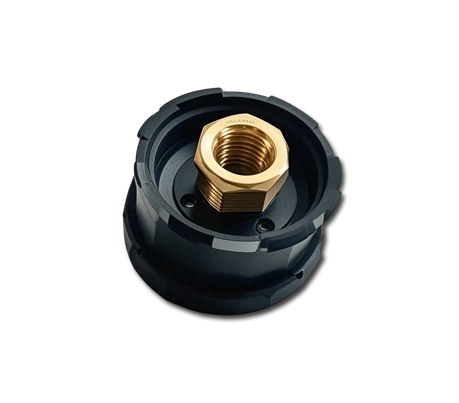
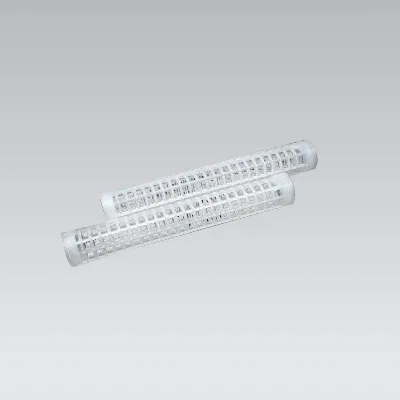
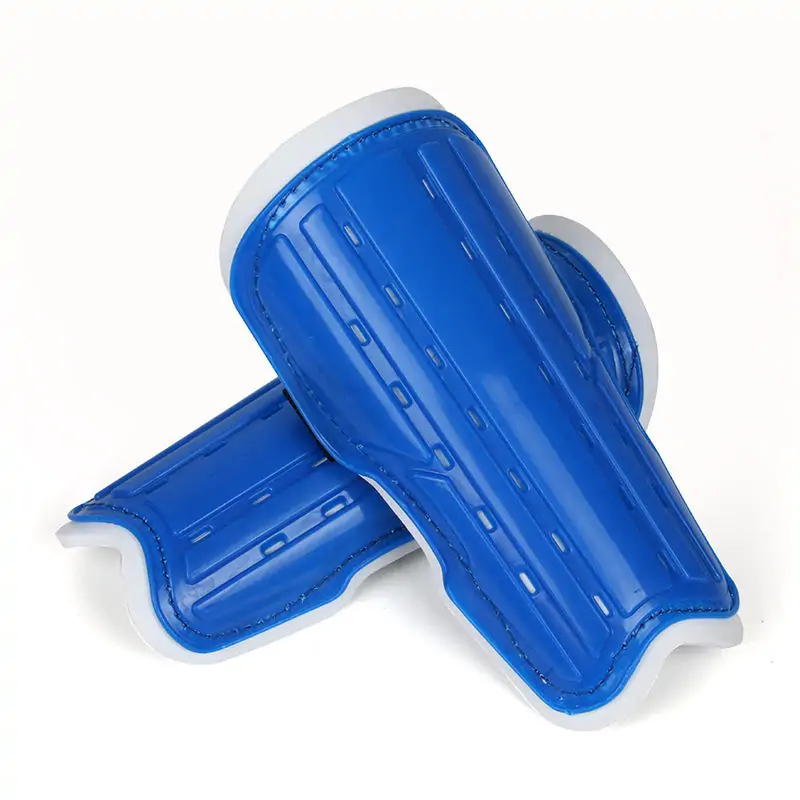
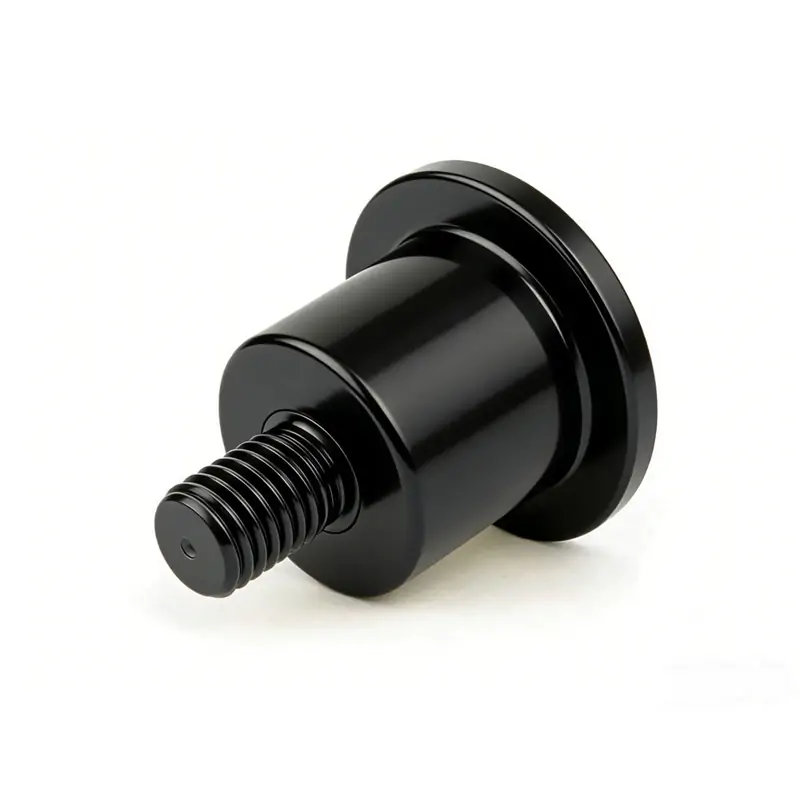
Huashuo Material Application Examples
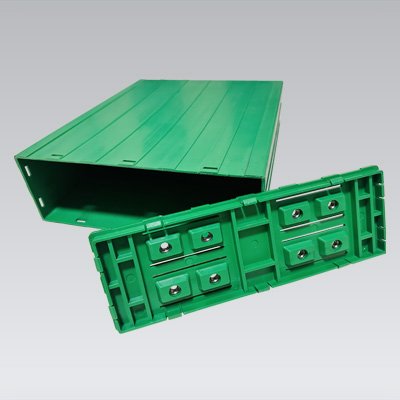
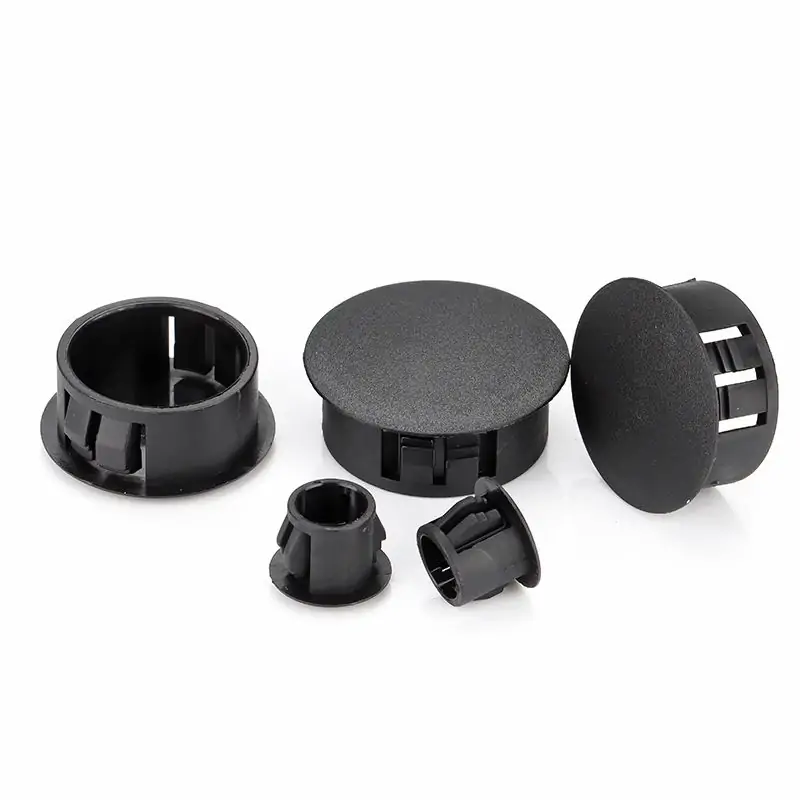
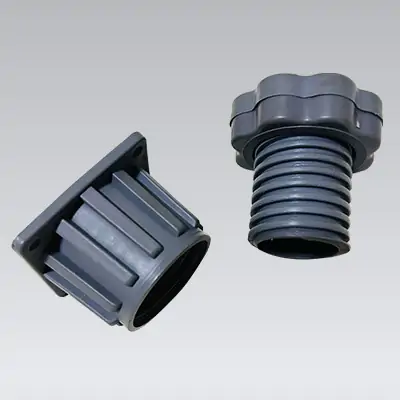
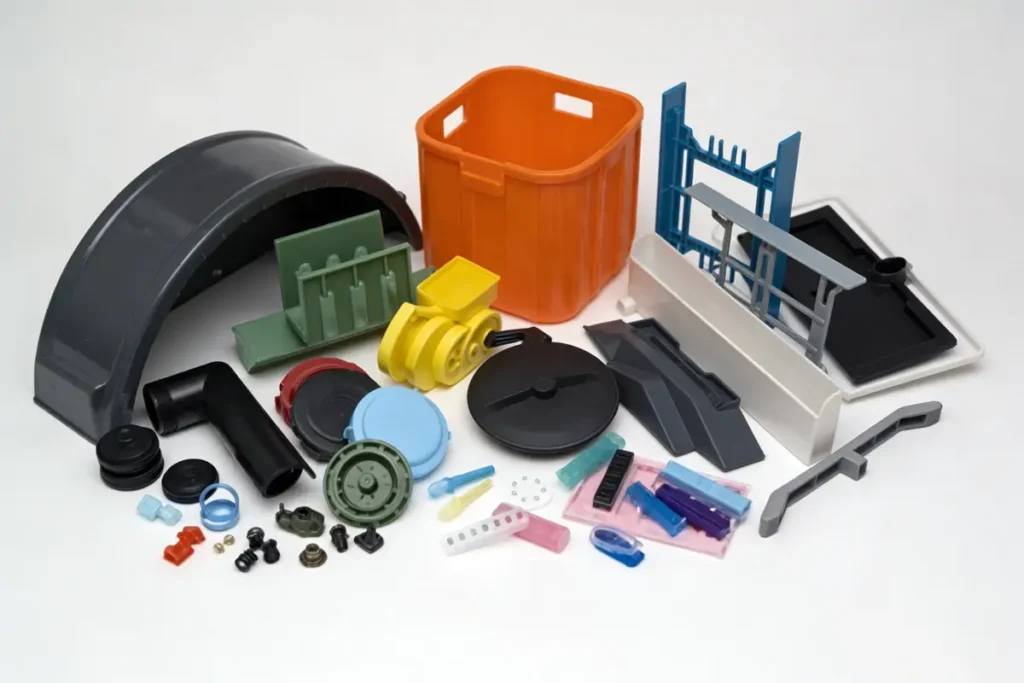
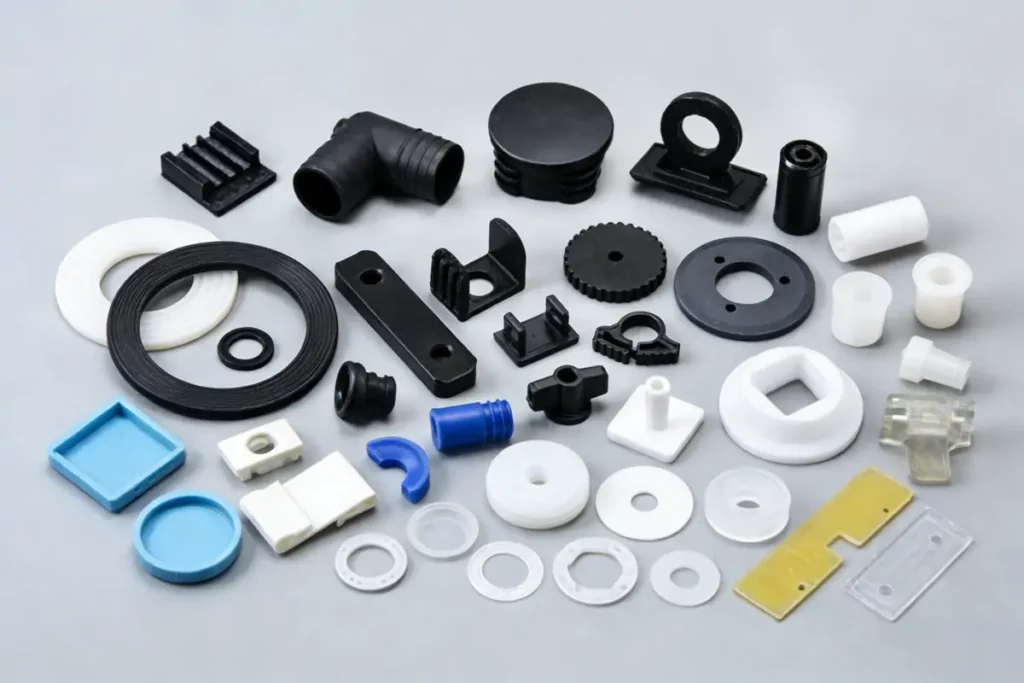
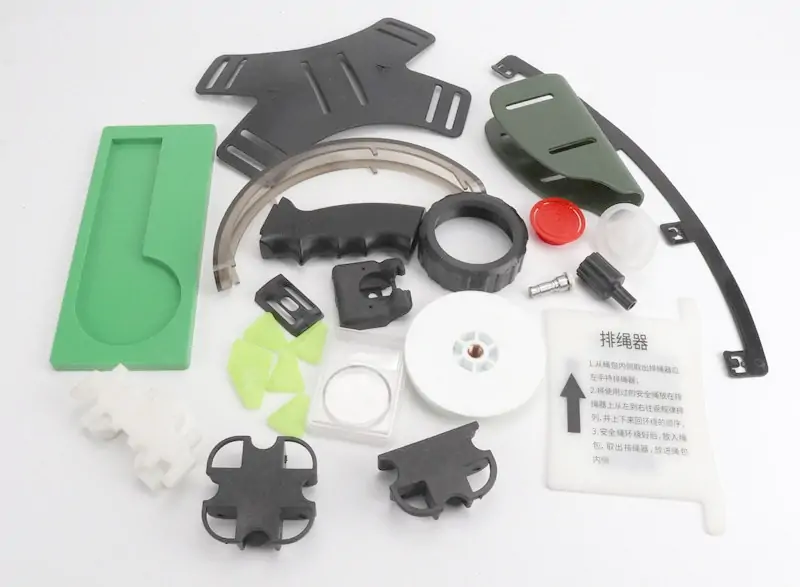
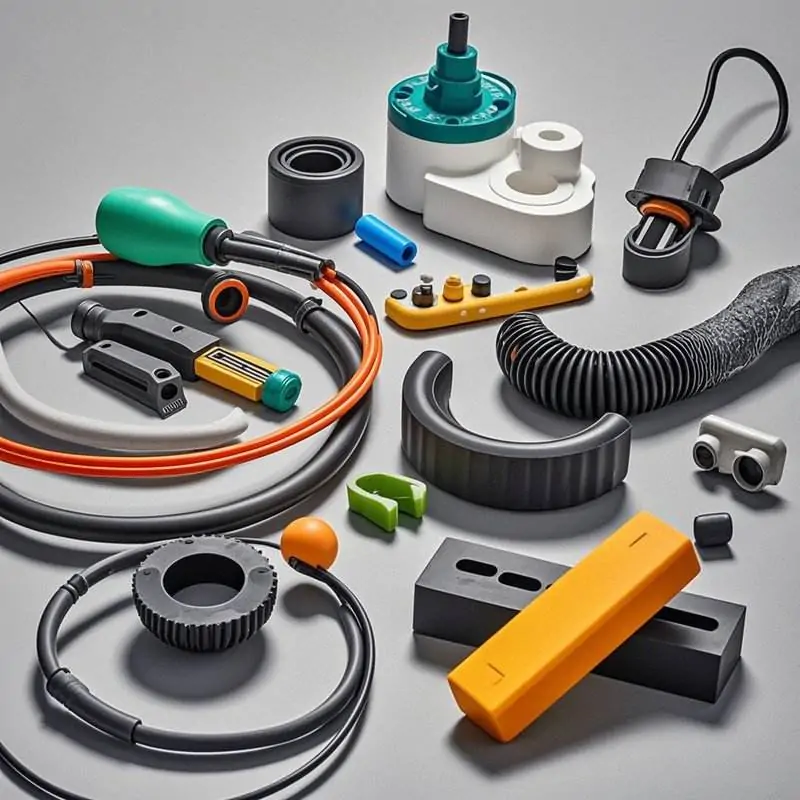
At HuaShuo, the best way to understand material selection is through real-world applications, rather than just looking at specifications. Here are some examples.
About us
Custom Plastic Parts & Injection Mold Manufacturer
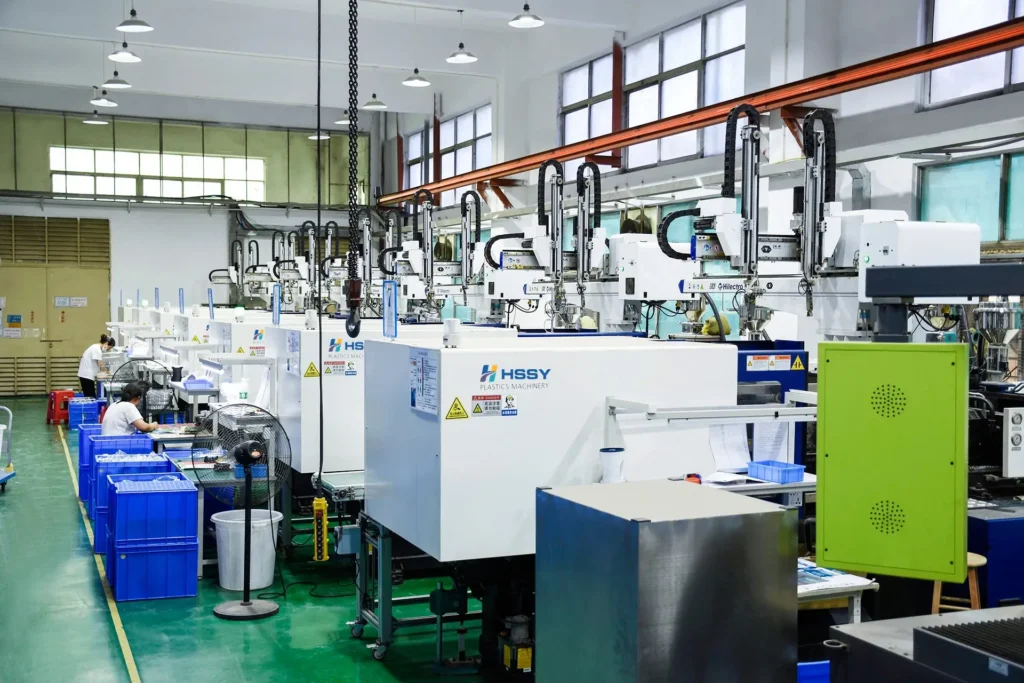
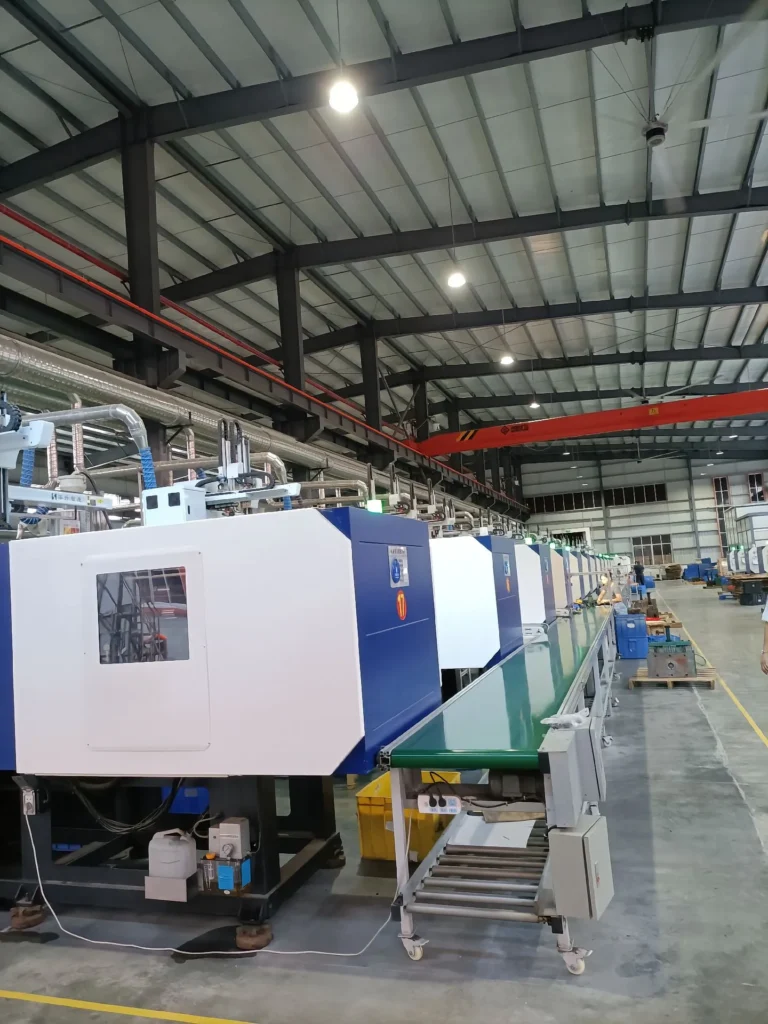
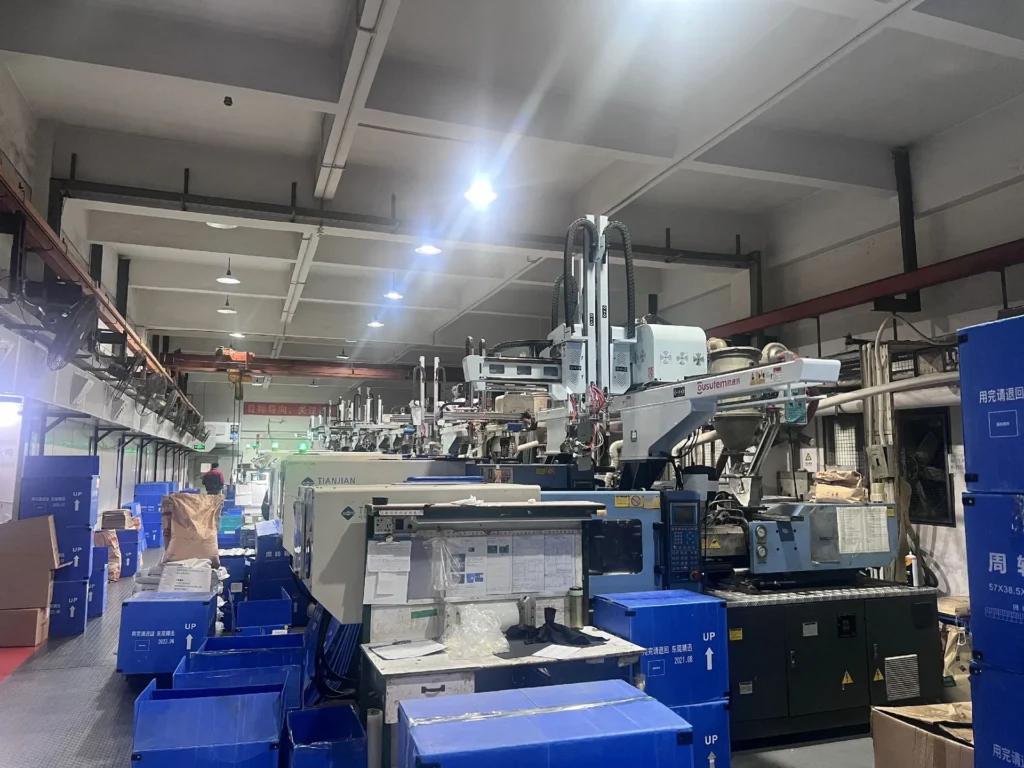
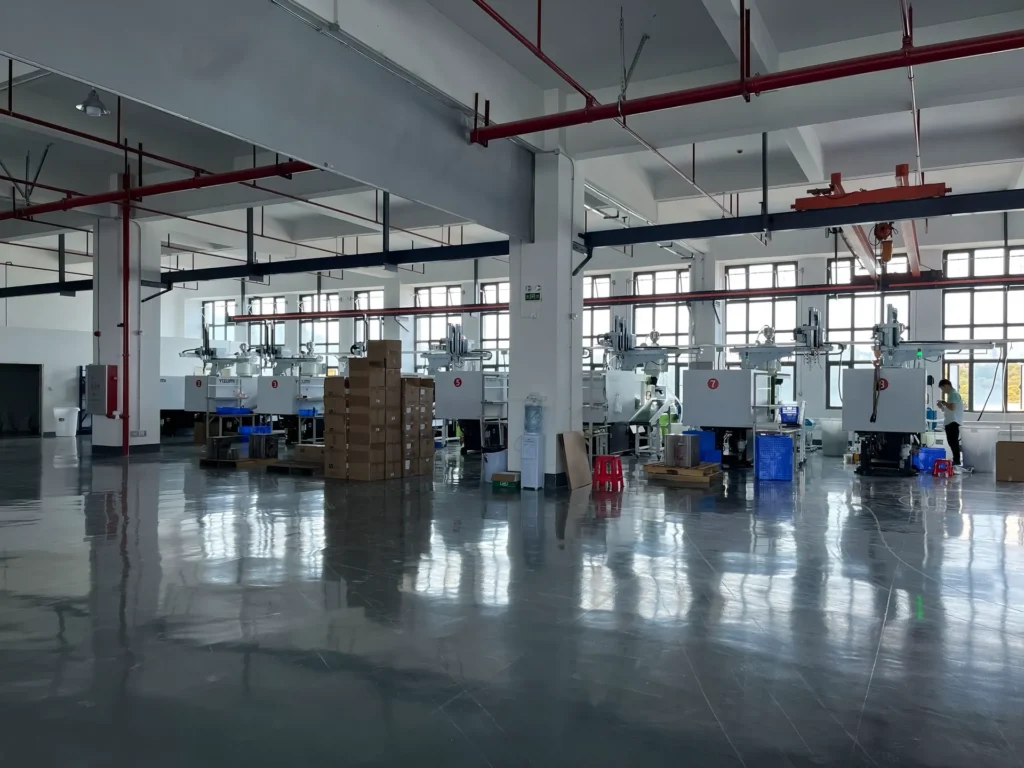
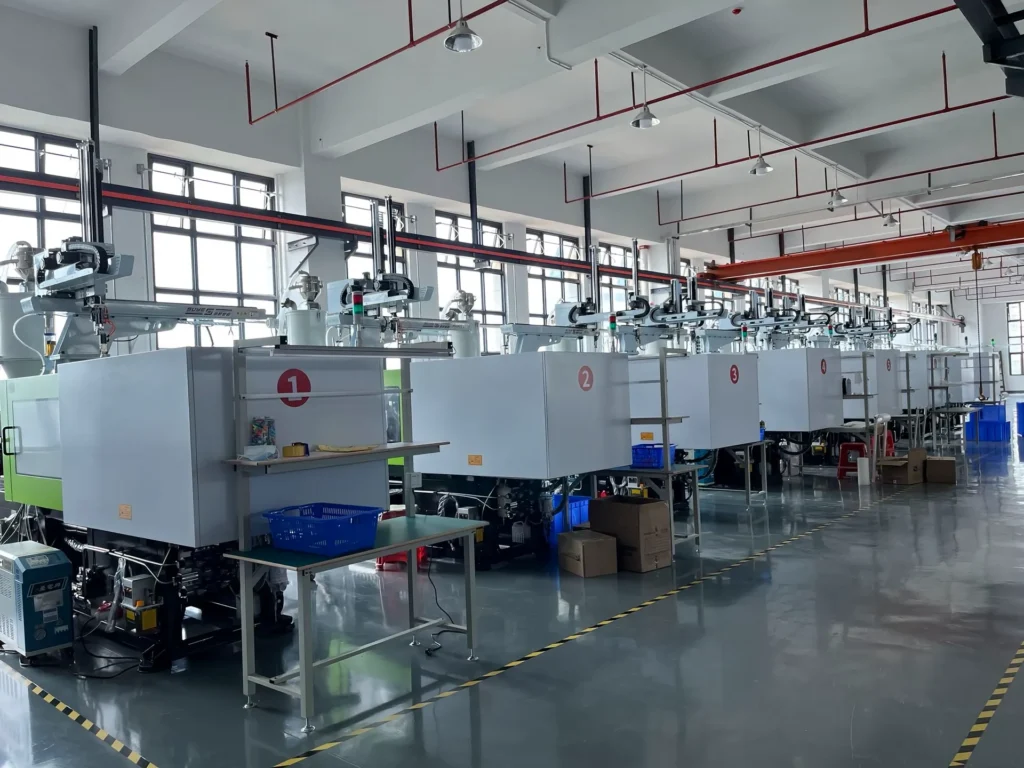
Huashuo Plastics focuses on small to medium-sized plastic components, offering integrated services from design support and mold manufacturing to part production and post-processing.
We support customized material selection and prototyping, enabling efficient solutions for both custom plastic parts and standard component manufacturing.
FAQS
Everything You Need to Know About Our Plastic Materials for Injection Molding
Request a Quote
From mold design to mass production, we offer end-to-end solutions.
Tell us about your application, materials, and volume requirements. Our team will recommend the right process and deliver a tailored manufacturing solution.
More Services
Custom Injection Molded Plastic Parts
Custom Injection Molded Plastic Parts Custom injection molded plastic parts…Small Plastic Parts Manufacturing
Small Plastic Parts Manufacturing Small plastic parts manufacturing is ideal…

Related Articles
What are the advantages and disadvantages of injection molding?
Injection molding is one of the most widely used processes…Why Is Injection Moulding Good for Mass Production?
Injection molding stands as one of the most widely adopted…How To Reduce Flash In Injection Moulding?
Flash in injection molding is one of the most common…