Surface Finishing for Plastic Parts
Huashuo provides injection molding surface finishing services for injection-molded and machined parts, covering polishing, texturing, coating, and marking processes. These solutions are selected based on your material, tolerance, and finish requirements, ensuring a consistent injection-molding surface finish from prototype to production.
- ISO 9001:2015, CE
- T1 sample as fast as 2 weeks
- No minimums
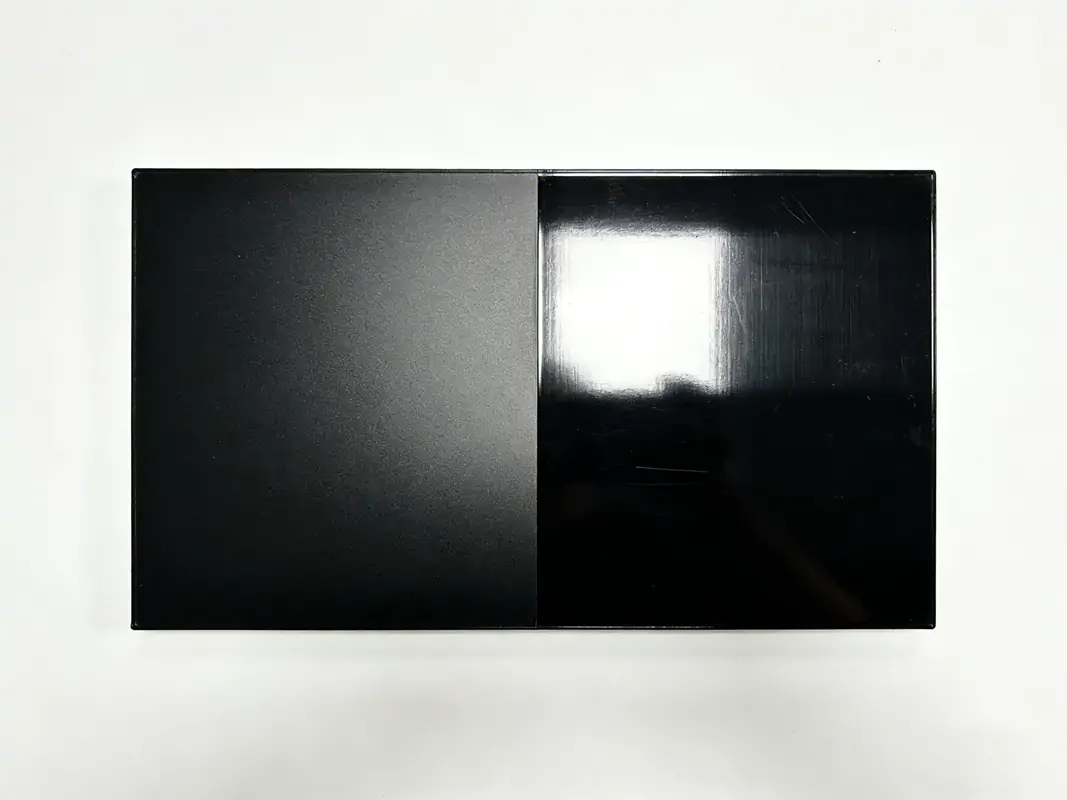
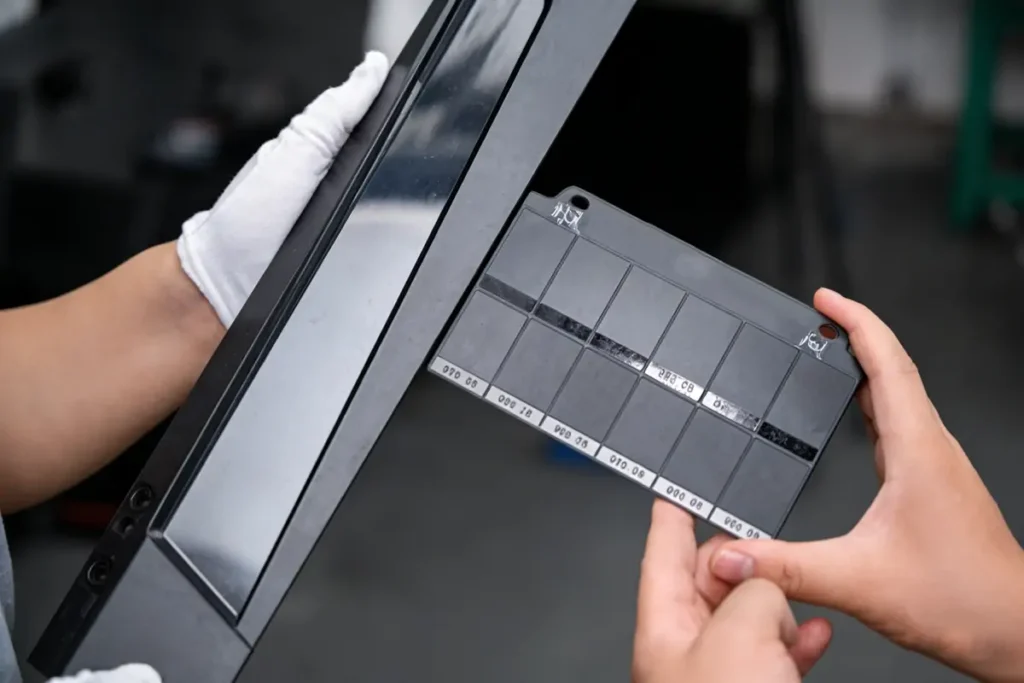
What is surface finish?
Injection molding surface finishing for plastic parts is a set of processes used to control surface appearance, roughness, and functional performance. It improves wear resistance, durability, and visual consistency, and is commonly applied to injection molded and machined parts requiring defined texture, gloss, or branding features.
At Huashuo, surface finishing options are selected based on your material, tolerance, and end-use requirements. You can submit your drawings or samples to receive a finishing recommendation with manufacturability and cost considerations.
Injection Molding Surface Finishing Options We Offer
At Huashuo, different types of surface finishing methods are selected depending on whether the priority is appearance, durability, or production efficiency.
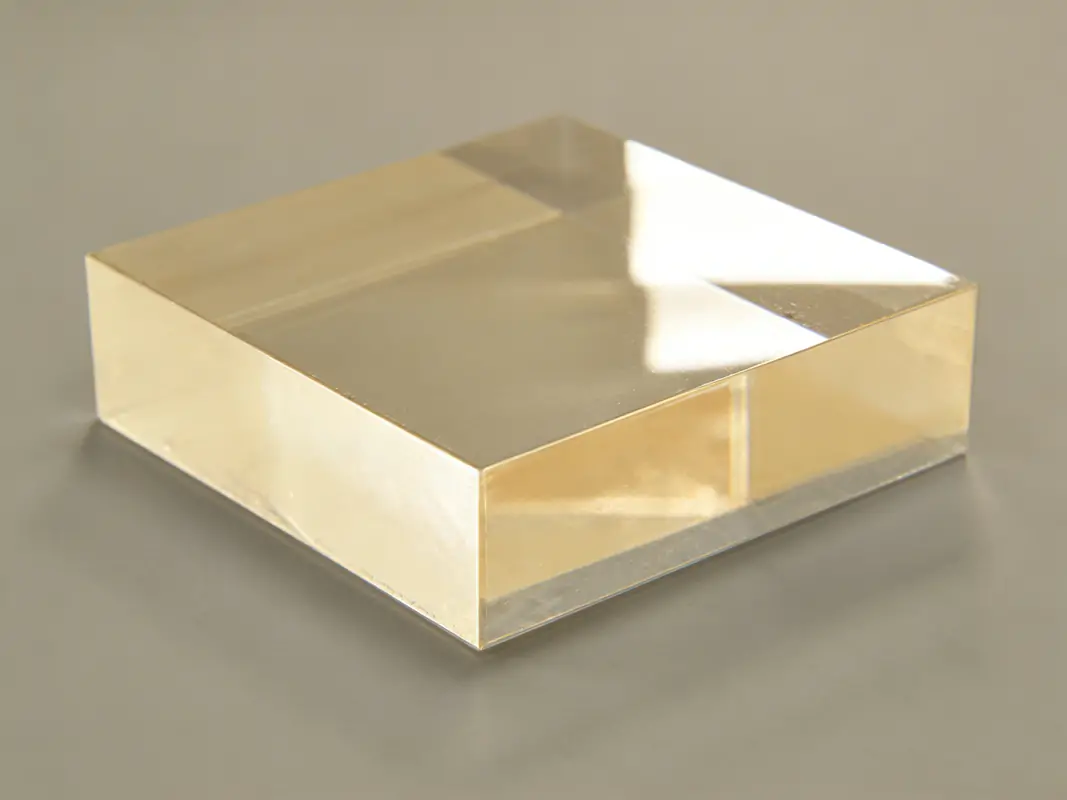
Polishing
Polishing is used to create a smooth or mirror-like surface, often required for transparent or high-end visible parts.
- Standard: SPI A1–A3
- Roughness: Ra ≤ 0.05–0.2 μm
- Materials: PMMA, PC
- Best For: optical components, display covers
- Limitation: sensitive to mold quality and increases cost
Typically selected when visual clarity or premium appearance is critical.
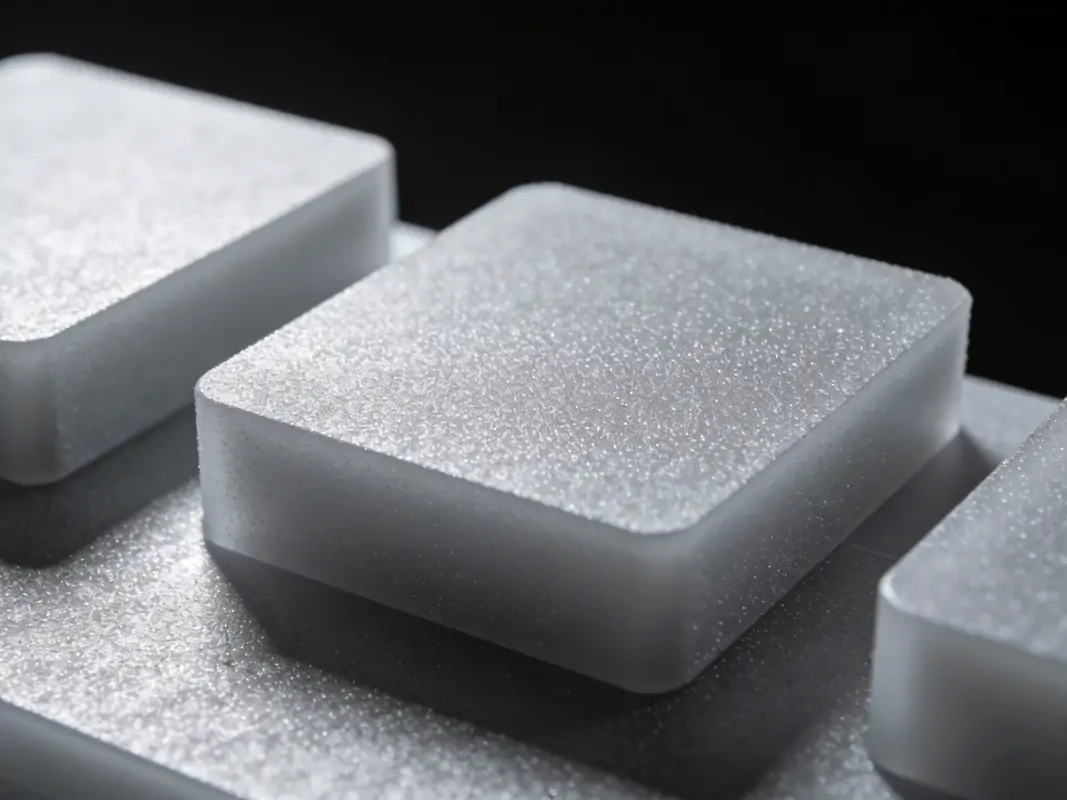
Sandblasting
Sandblasting creates a uniform matte surface that reduces reflections and improves visual consistency across parts.
- Roughness: Ra 1.6–3.2 μm
- Materials: ABS, Nylon
- Best For: industrial housings
- Advantage: hides flow marks and minor defects
- Limitation: cannot achieve glossy finishes
Commonly used for functional parts where a non-reflective surface is preferred.
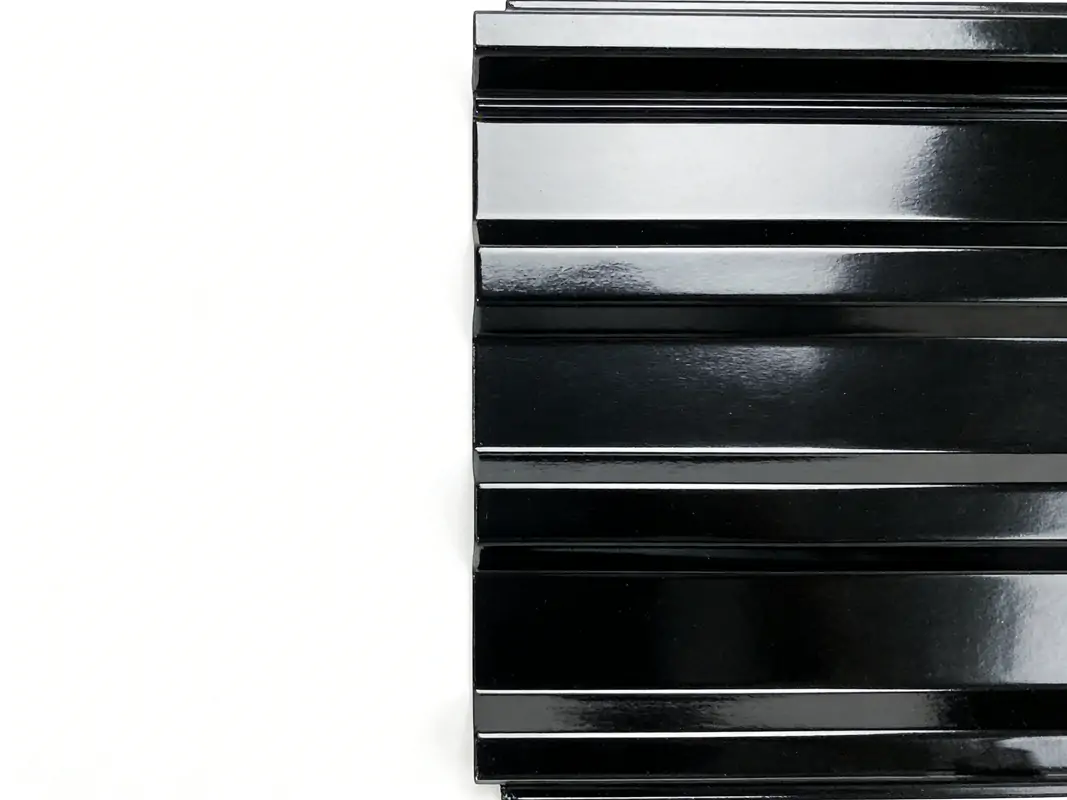
Painting
Painting allows flexible color control and adds protective layers, especially for consumer-facing products.
- Options: UV / rubber / metallic coatings
- Materials: ABS, PC
- Best For: branded products and appliance panels
- Function: visual + protective coating
- Limitation: adds process steps and cost
Best suited for products requiring consistent color and brand appearance.
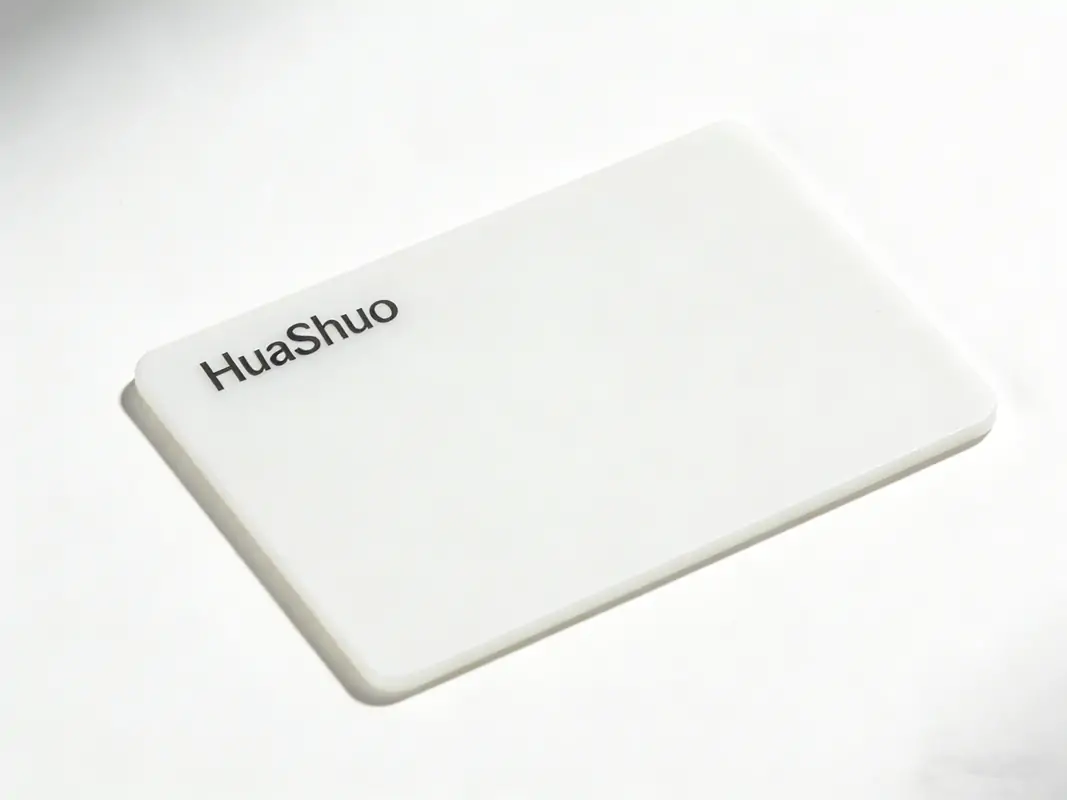
Silk Screen Printing
Silk screen printing is used to apply logos, icons, or interface markings with high positional accuracy.
- Materials: ABS, PC
- Best For: UI panels and branding
- Advantage: precise and repeatable
- Limitation: limited to relatively flat areas
Typically applied when functional markings or branding are required.
Electroplating
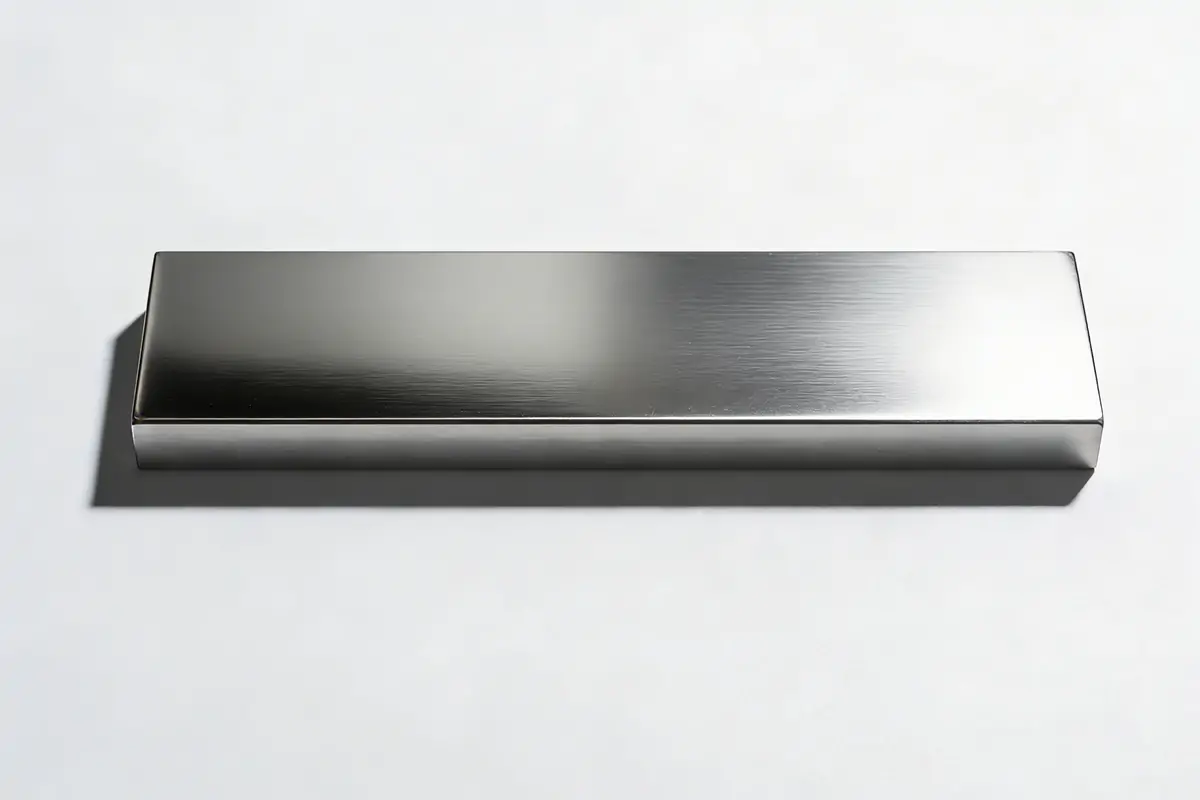
Electroplating gives plastic parts a metallic appearance and can add functional properties like EMI shielding.
- Materials: ABS, PC+ABS
- Finish: chrome, nickel
- Best For: decorative + functional parts
- Advantage: premium metallic look
- Limitation: requires strict surface preparation
Used when both aesthetics and functionality need to mimic metal.
Mold Texturing
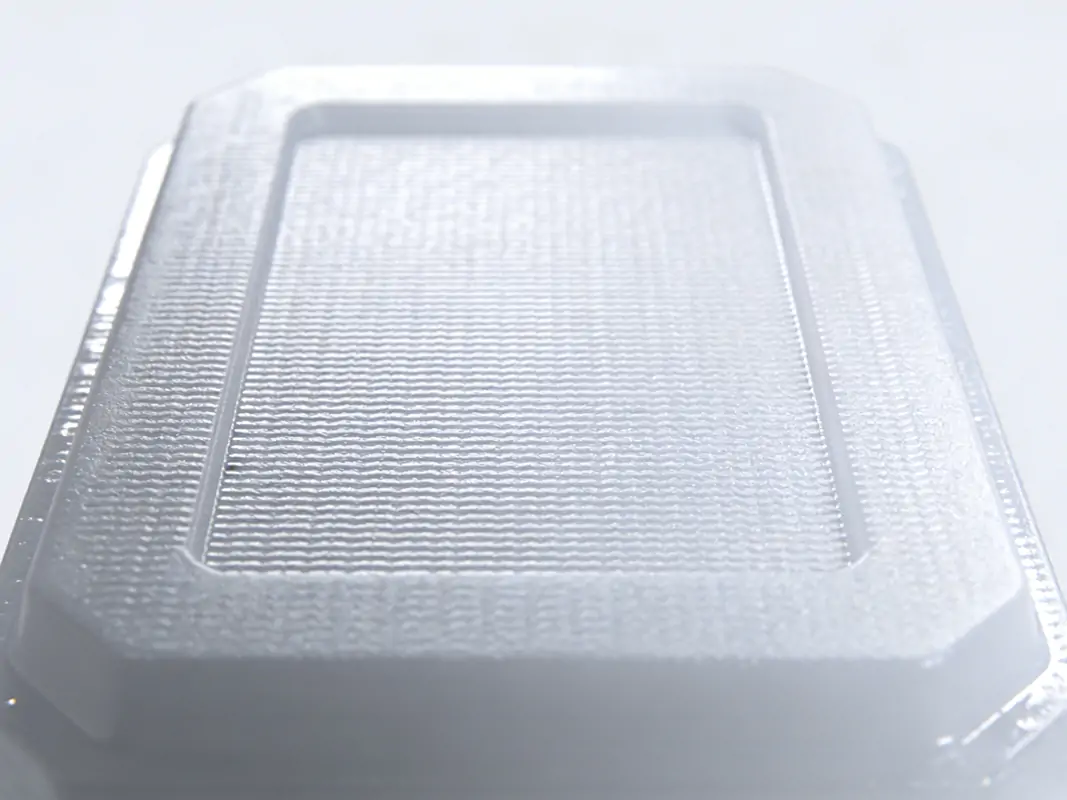
Mold texturing creates surface patterns directly during molding, ensuring consistency across large production volumes.
- Standard: VDI 12–45
- Roughness: Ra 0.8–6.3 μm
- Materials: ABS, PP
- Best For: grip surfaces, anti-scratch parts
- Advantage: no secondary processing required
Ideal for mass production where consistency and cost control are priorities.
Surface Finish Comparison Table
Different processes vary significantly in cost, appearance, and production suitability, so comparing them helps narrow down options quickly.
| Process | Finish | Roughness / Standard | Cost | Best For |
|---|---|---|---|---|
| Polishing | Gloss | SPI A1–A3 (≤0.2 μm) | High | Optical parts |
| Sandblasting | Matte | Ra 1.6–3.2 μm | Low | Industrial |
| Painting | Color | Coating-based | Mid–High | Consumer |
| Silk Printing | Marking | — | Low | Branding |
| Electroplating | Metallic | Smooth | High | Decorative |
| Mold Texture | Textured | VDI 12–45 | Low (mass) | Grip |
Surface Finish Standards
In practice, engineers select surface finishes based on both visual standards and roughness values.
| Type | Standard | Roughness (Ra) | Effect |
|---|---|---|---|
| Mirror | SPI A1 | ≤0.05 μm | Optical clarity |
| Gloss | SPI A2–A3 | ≤0.2 μm | Smooth surface |
| Fine Texture | VDI 12 | ~0.8 μm | Soft matte |
| Medium Texture | VDI 24 | ~2.0 μm | Matte |
| Rough Texture | VDI 33–45 | 4.5–6.3 μm | Strong texture |
Huashuo Surface Finishing Capabilities
Integrated Manufacturing
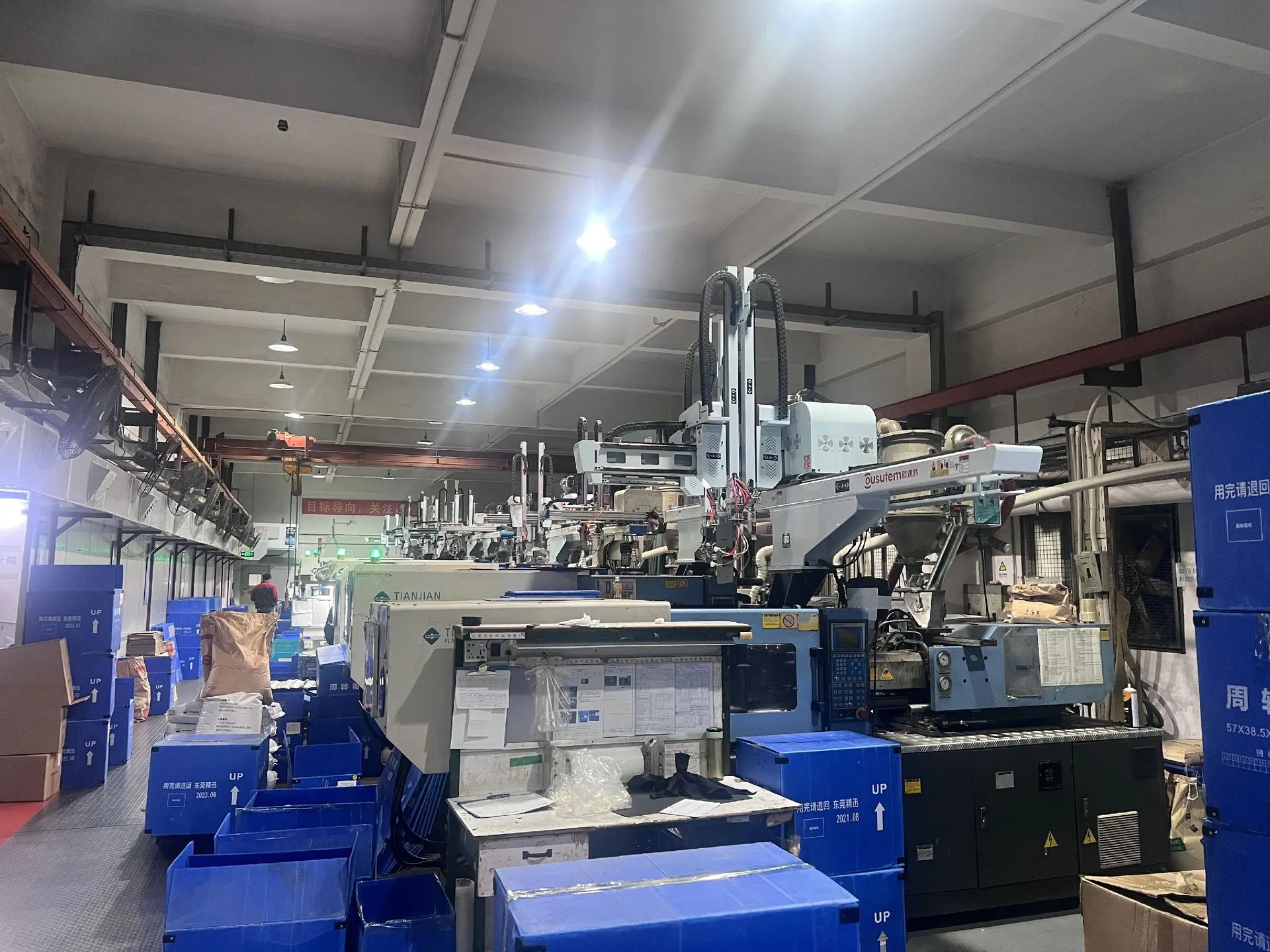
Injection molding and finishing combined for dimensional stability.
Consistent Quality
Batch-level control ensures uniform surface appearance.
Wide Process Range
Polishing, sandblasting, painting, silk printing, electroplating, mold texturing.
Engineering Guidance
Finish selected based on material, tolerance, and function.
Prototype to Mass Production
Support from small prototypes to high-volume parts.
Cost vs Performance
Optimized balance between finish quality, cost, and efficiency.
FAQS
Everything You Need to Know About Surface Finishing
Request a Quote
From mold design to mass production, we offer end-to-end solutions.
Tell us about your application, materials, and volume requirements. Our team will recommend the right process and deliver a tailored manufacturing solution.
Related Articles
How to Find Plastic Injection Moulding Service:4 Success Factors
Introduction Plastic Injection molding is a process in which molten…How Much Does Injection Molding Cost?
The cost of injection molding is the most frequently asked—and…Can HDPE be Injection Moulded?
Introduction Can High-Density Polyethylene Be Injection Molded? The answer is…