CNC Routing Services
Huashuo offers bespoke precision CNC routing services, handling complex structural machining, strict tolerance requirements, and diverse material selections. Our proven routing capabilities ensure consistent product quality, short delivery cycles, and reliable manufacturing capacity, empowering teams to complete the entire process from design to production.
Upload your drawings to receive expert feedback and a quick quote, and discover how professional CNC routing can streamline your next project.
Why Choose Our CNC Routing Services
Huashuo provides CNC routing services, injection molding, and manufacturing expertise, Huashuo delivers one-stop precision CNC part production.
• Over 16 years of manufacturing experience supporting end-to-end mold design, fabrication, and part machining.
• Engineering-driven approach integrating Design for Manufacturing (DFM) feedback to optimize design-to-production capabilities.
• Rapid batch machining capability, scalable from small to large production runs
What is CNC Routing?
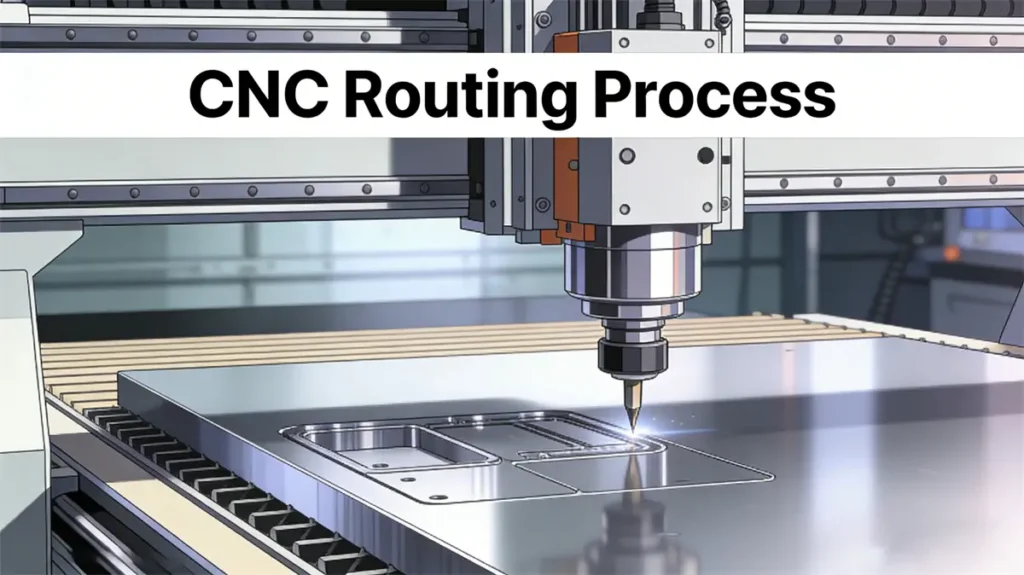
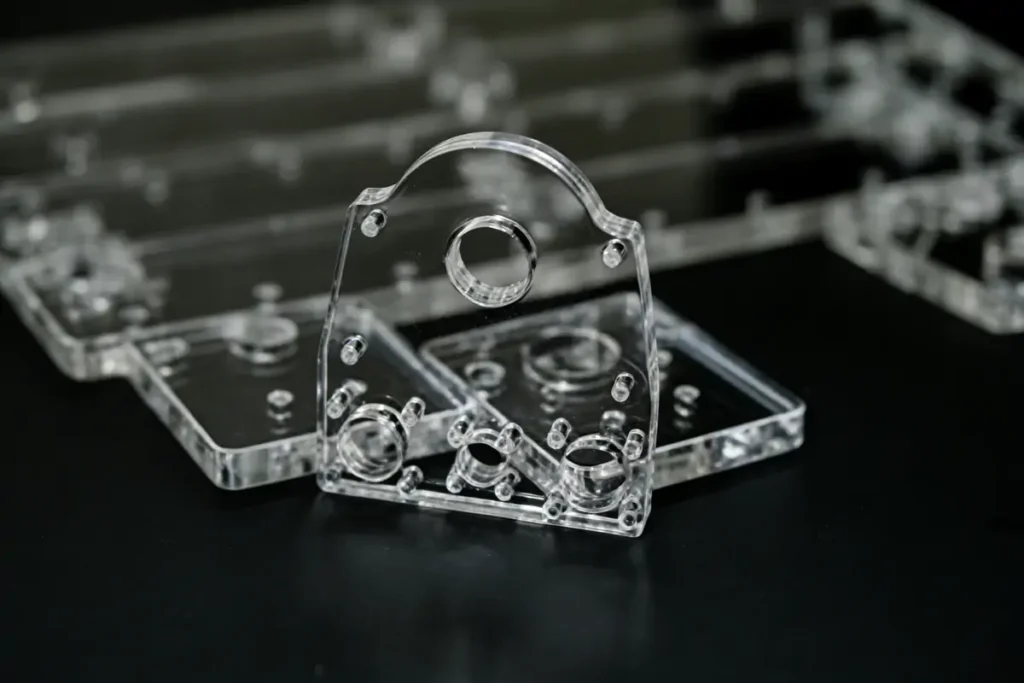
CNC routing services enable direct part production from plastic sheets and lightweight materials, balancing rapid prototyping, small-to-medium batch manufacturing, high repeatability, and premium edge finish.
This versatile manufacturing method accelerates the transition from design validation to production across diverse industrial applications.
CNC Routing services Workflow
Our plastic and composite CNC routing services follows a structured workflow: file review, DFM feedback, high-precision CNC machining, inspection, and delivery. This ensures manufacturability, accuracy, and production quality at every stage.
File Review
We meticulously examine your CAD files and specifications to confirm feasibility, tolerances, and material suitability for production.
Inspection and Delivery
Each part undergoes dimensional and visual inspection after production, followed by secure packaging and transportation to ensure repeatability.
CNC Engraving Capabilities
Huashuo’s custom CNC routing services enable high-precision machining of plastic and composite components, ensuring material-specific accuracy, surface finish, and quality.
Machining Capabilities
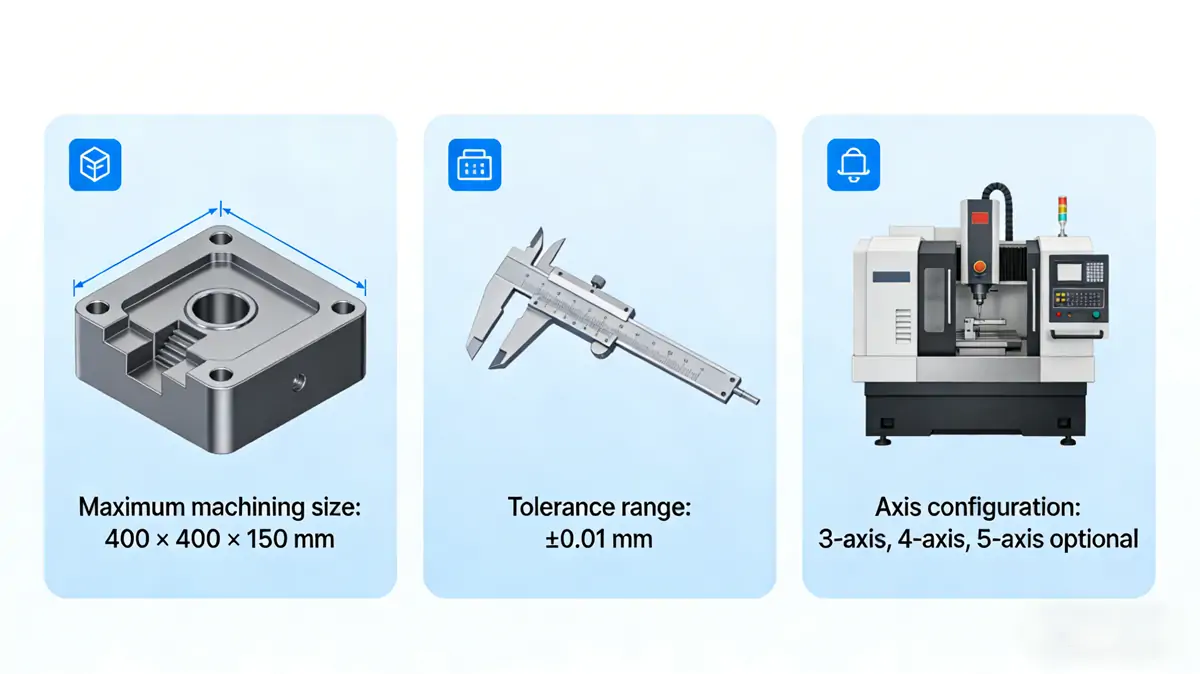
Our facility supports engraving operations up to 400 × 400 × 150 mm, efficiently customizing components with consistent dimensional control.
Precision machining achieves tolerances as tight as ±0.05 mm, suitable for assembly-critical and performance-driven applications.
Choose from 3-axis, 4-axis, and 5-axis CNC machining to realize complex geometries, multi-surface processing, and enhanced production flexibility.
Machining Operations
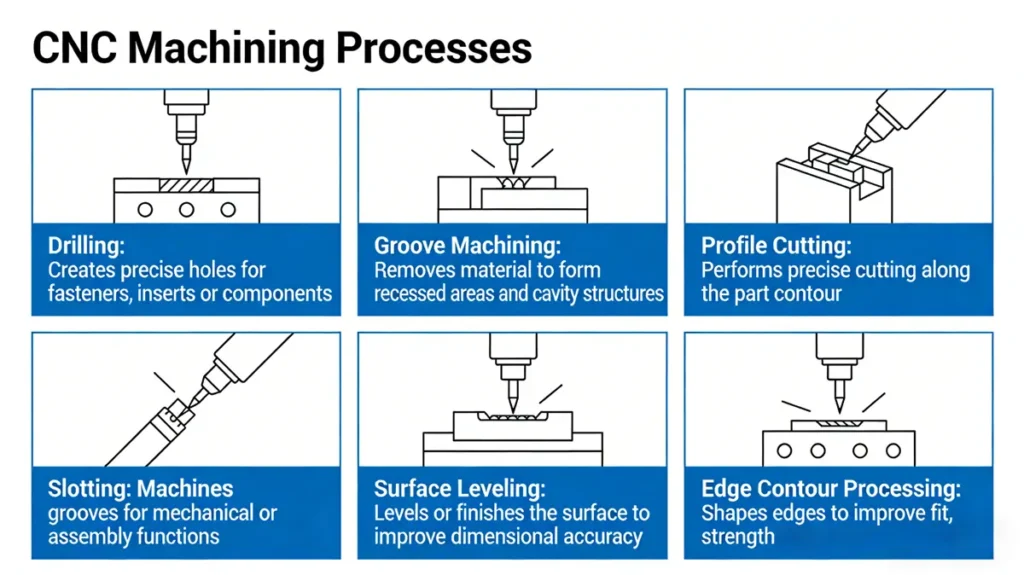
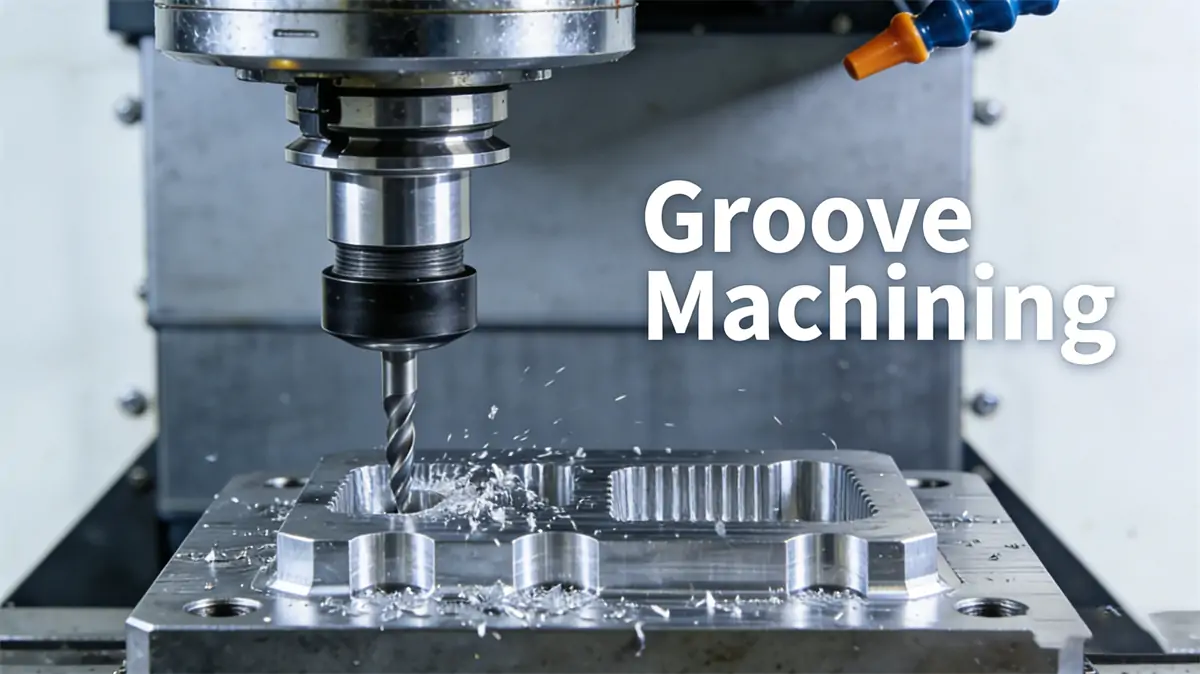
Our CNC machining processes encompass drilling, grooving, contour cutting, and other precision operations:
Drilling: Creates precise holes for fasteners, inserts, or assemblies.
Grooving: Removes material to form recessed areas or cavity structures.
Slotting: Machines slots for mechanical or assembly functions.
Edge Profiling: Shapes edges to improve fit, strength, or appearance.
Secondary Processing
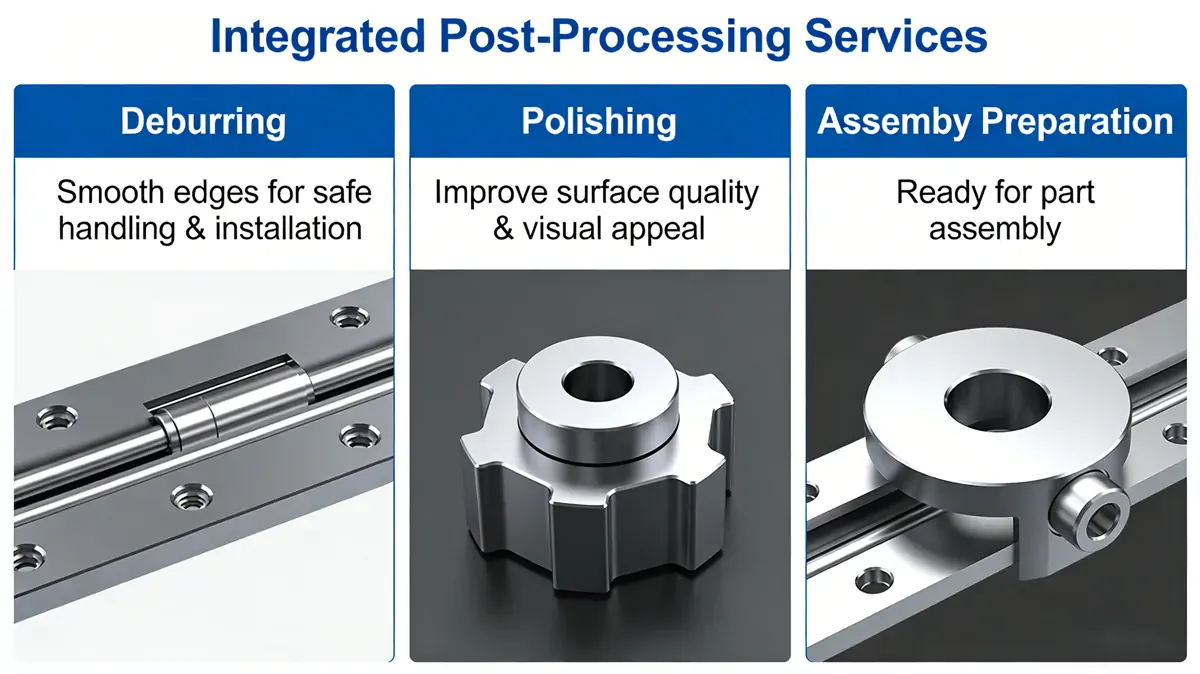
To deliver parts ready for production, we offer integrated post-processing services:
Deburring: Smooths edges for safe handling and installation.
Polishing: Improves surface quality and visual appeal.
Assembly Preparation: Parts are prepped for assembly.
Comparing CNC Routing vs Other Machining Methods
CNC Routing vs CNC Milling vs CNC Turning
Different CNC precision machining methods suit distinct material properties, part structures, and production requirements. Understanding their differences helps CNC routing service providers select more efficient, cost-effective manufacturing solutions that meet design specifications.
| Comparison Dimensions | CNC Engraving | CNC Milling | CNC Turning |
| Typical Materials | Plastics, Composites, Light Metals | Metals, Engineering Plastics | Metals, Bar Stock |
| Suitable Structures | Sheet Metal, Contoured Parts, PanelsMetal, Contoured Parts, Panels | Complex 3D Parts | Cylindrical/Shaft Components |
| Machining Precision | High | Very High | Very High |
| Machining Cost | Low | Medium-High | Medium |
| Batch Efficiency | Excellent | Good | Excellent |
| Typical Applications | Panels, enclosures, fixtures | Precision mechanical components | Shaft assemblies |
Materials for CNC Routing
CNC engraving can accommodate various engineering plastics and composite materials during part production.
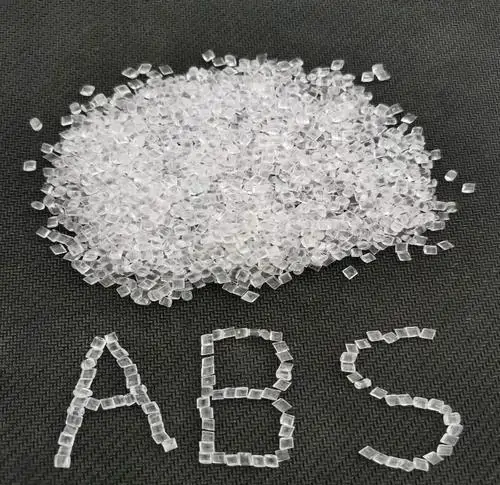
ABS
Offers a good balance of strength and toughness, with stable machining properties and low susceptibility to cracking. Commonly used for enclosures, structural components, and functional prototypes.
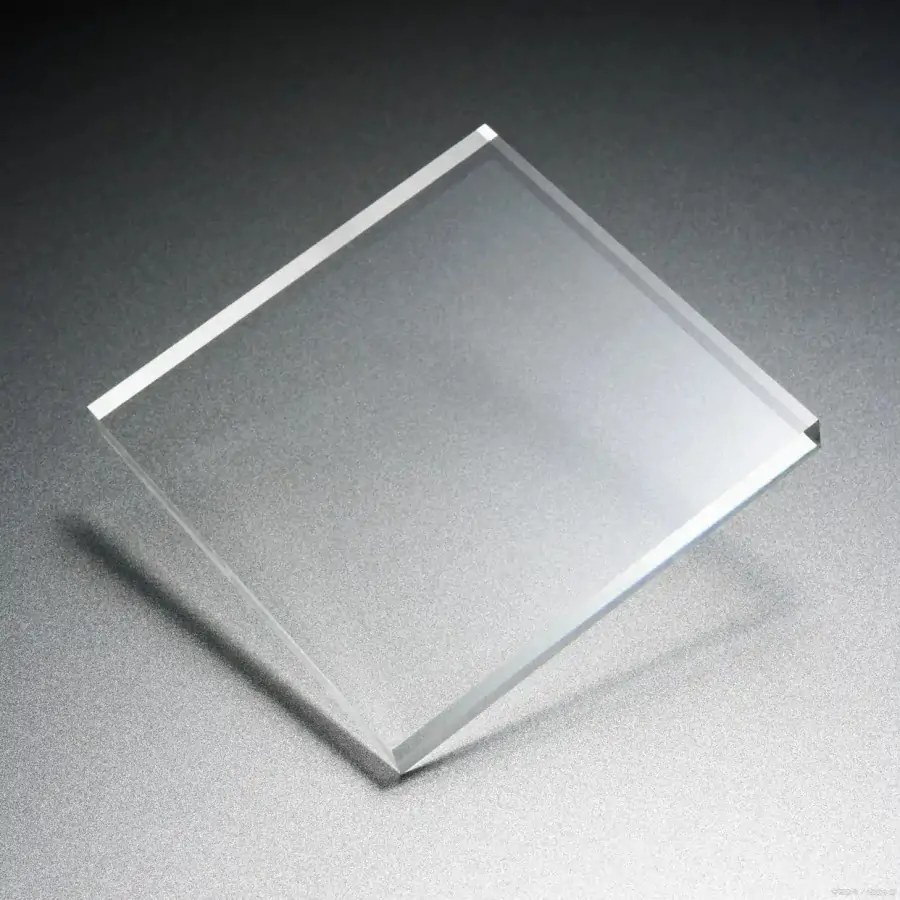
Acrylic
Features high transparency, excellent surface finish, and superior edge processing results. Frequently employed for display panels, lampshades, signage, and transparent structural components.
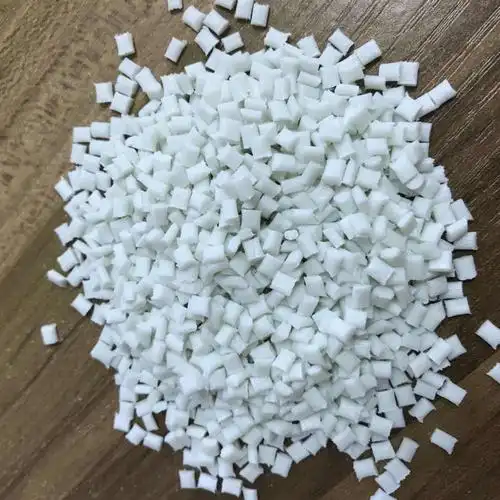
Nylon
Offers high abrasion resistance and impact strength, suitable for mechanically stressed environments. Commonly used for gears, slides, fixtures, and moving parts.
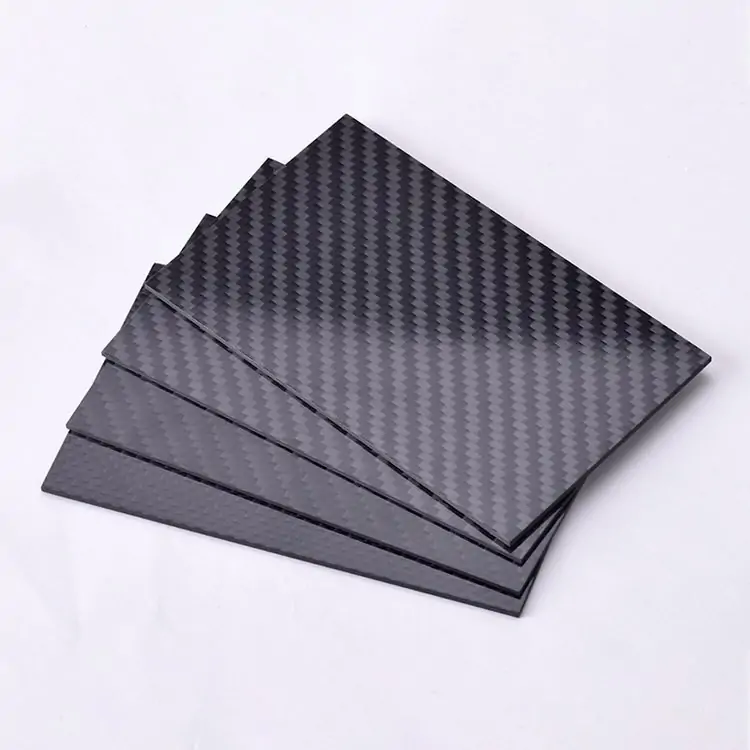
Carbon Fiber
Lightweight with high strength, outstanding rigidity, and fatigue resistance. Commonly used in aerospace model components, high-performance structural parts, and lightweight assemblies.
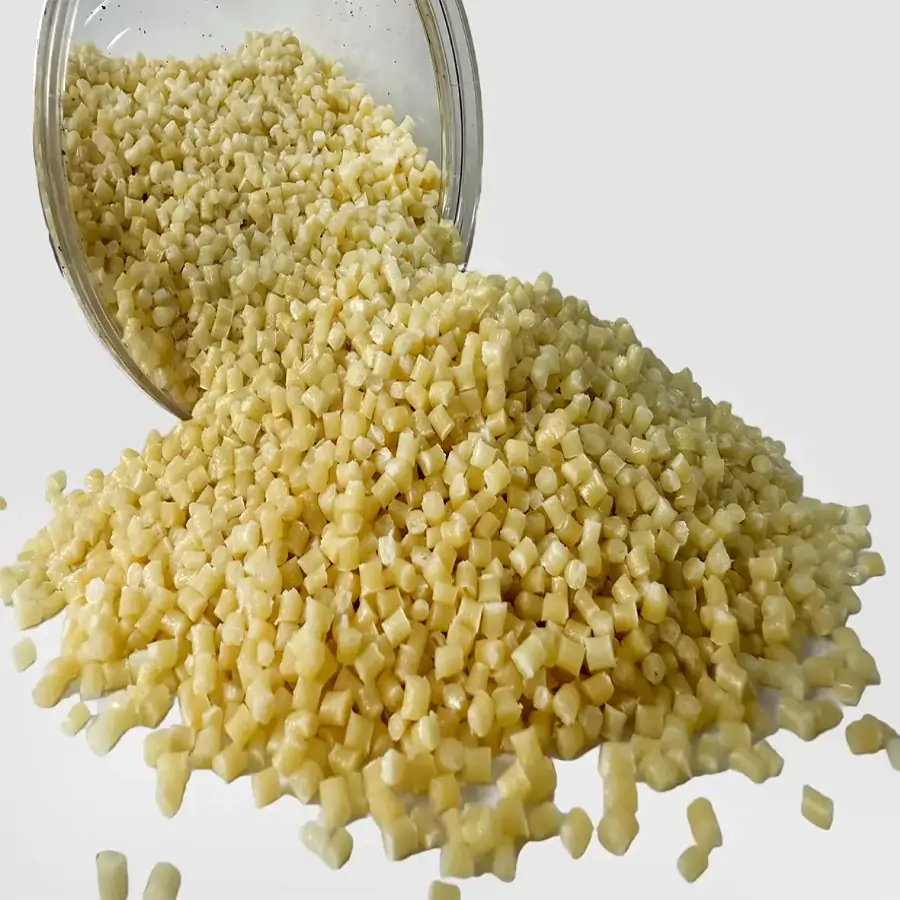
PVC
Resistant to corrosion and chemicals with low processing costs. Used in industrial panels, protective components, and chemical equipment parts.
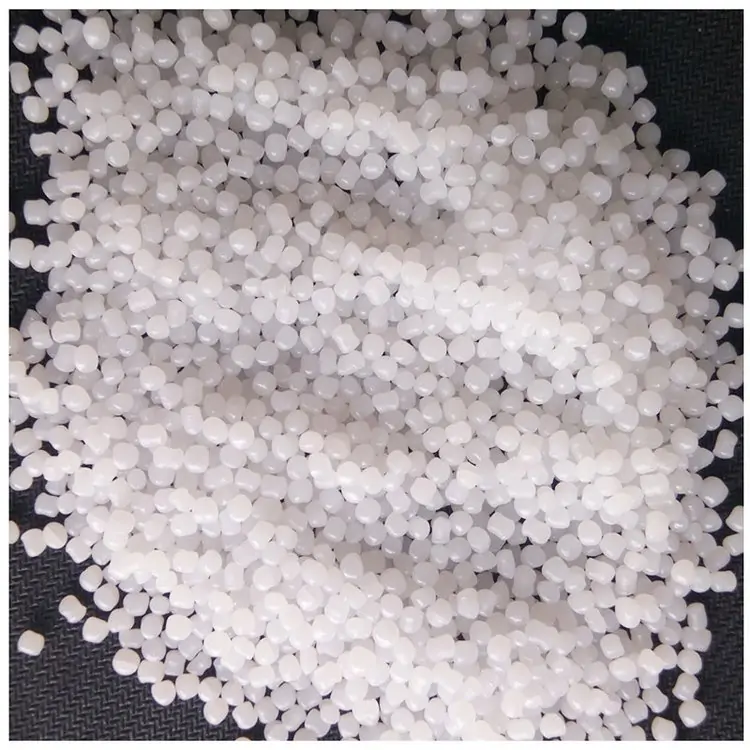
HDPE
High impact resistance, moisture-resistant, and chemically durable. Commonly used for protective panels, container components, and durable structural parts.
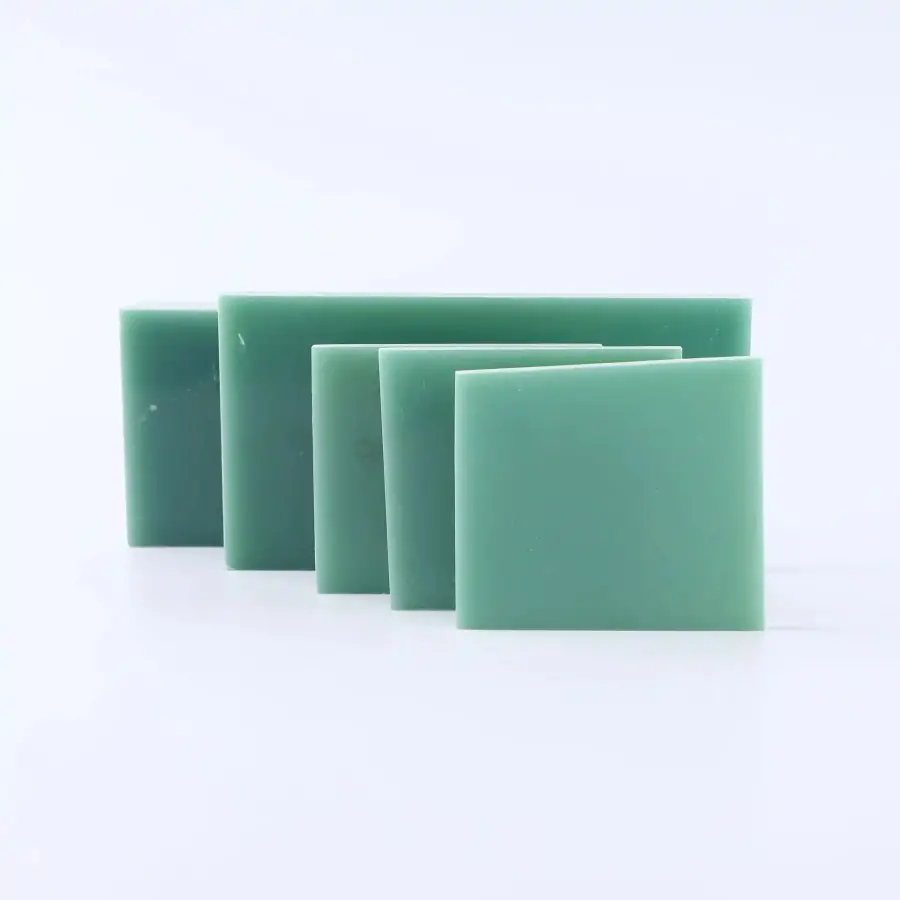
FR4
Excellent electrical insulation and dimensional stability. Applications: Electronic panels, insulating brackets, and electrical components.

G10
High strength, excellent rigidity, and superior heat resistance. Applications: Industrial structural components, insulating parts, high-strength support elements.
Applications
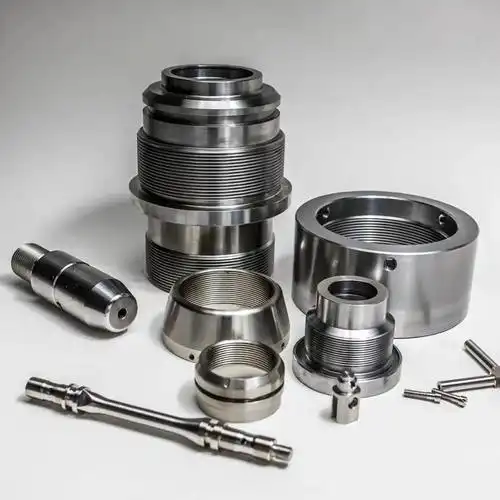
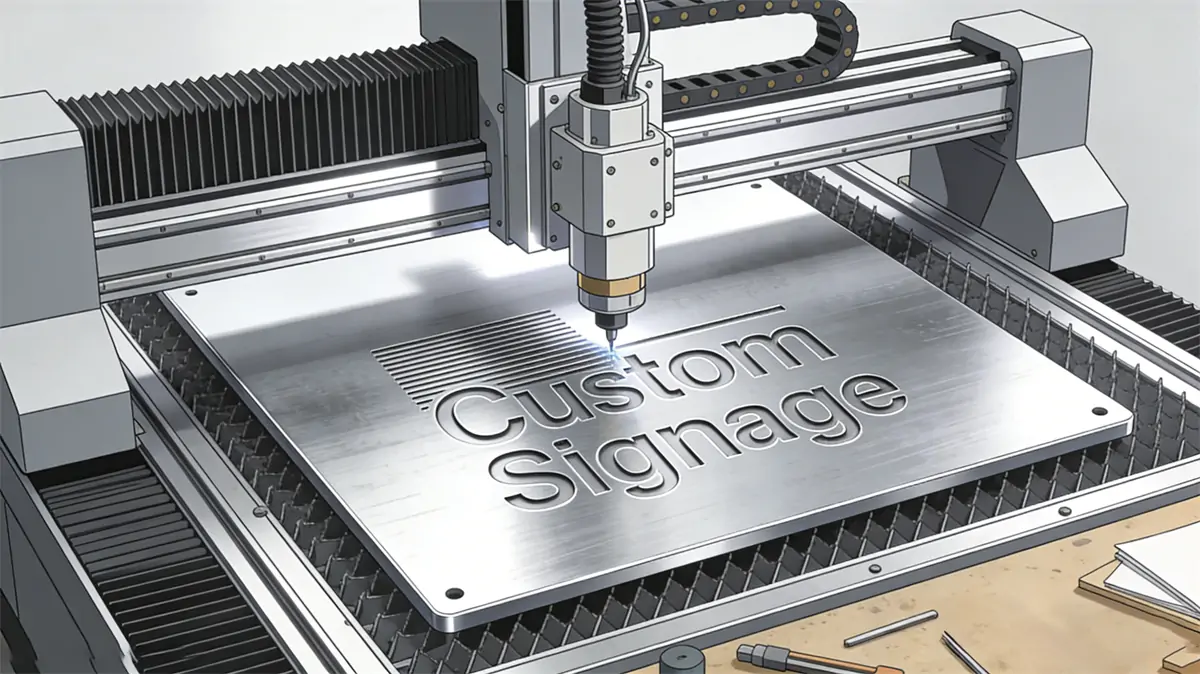
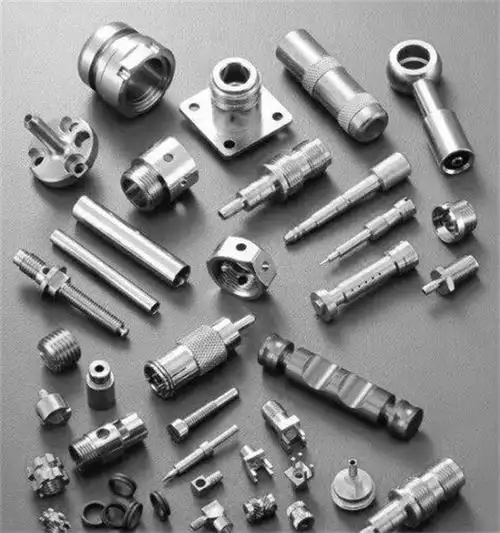
CNC engraving services are widely applied in manufacturing sectors demanding precision, repeatability, and surface quality, such as signage production, electronic panel interfaces, equipment enclosures, structural component machining, and industrial functional parts.
FAQS
Request a Quote
From mold design to mass production, we offer end-to-end solutions.
Tell us about your application, materials, and volume requirements. Our team will recommend the right process and deliver a tailored manufacturing solution.
More Services
Custom CNC Milling Service
Custom CNC milling service HuaShuo’s online custom milling service provides…CNC Routing Services
CNC Routing Services Huashuo offers bespoke precision CNC routing services,…Plastic Injection Molding Service
Custom Plastic Injection Molding Service We provide comprehensive custom plastic…


Related Articles
How to Choose Custom Plastic Injection Moulding Services?
Custom plastic injection moulding service is a widely used modern manufacturing method…How Much Does Injection Molding Cost?
The cost of injection molding is the most frequently asked—and…Top Plastic Injection Molding Services in 2026: A Comprehensive Guide to the Best Manufacturers and Solution
Introduction Over the past few years, injection molding has become…