FAQ

Clear Answers to Your Injection Molding Questions. From Tooling and Materials to Lead Time and Production Capacity.

Injection molding is ideal for projects that require consistent quality, tight tolerances, and medium-to-high production volumes. If your part has complex geometry, requires durable thermoplastic materials, or needs cost efficiency at scale, plastic injection molding may be the best solution. Our engineering team can evaluate your design, annual demand, and budget to determine feasibility.

To provide an accurate mold and production quote, we typically need:

  • 2D drawings or 3D CAD files (STEP/IGES preferred)
  • Annual production volume
  • Material specification (or performance requirements)
  • Target market and product application
  • Surface finish or tolerance requirements
  • Estimated timeline for tooling and mass production

Providing detailed information helps reduce lead time and avoids design revisions.

Our standard minimum order quantity starts at 1,000 pieces for small-batch production. Injection molding becomes more cost-efficient as volume increases, since tooling and setup costs are distributed across more units. Higher order quantities typically result in a lower average unit price.

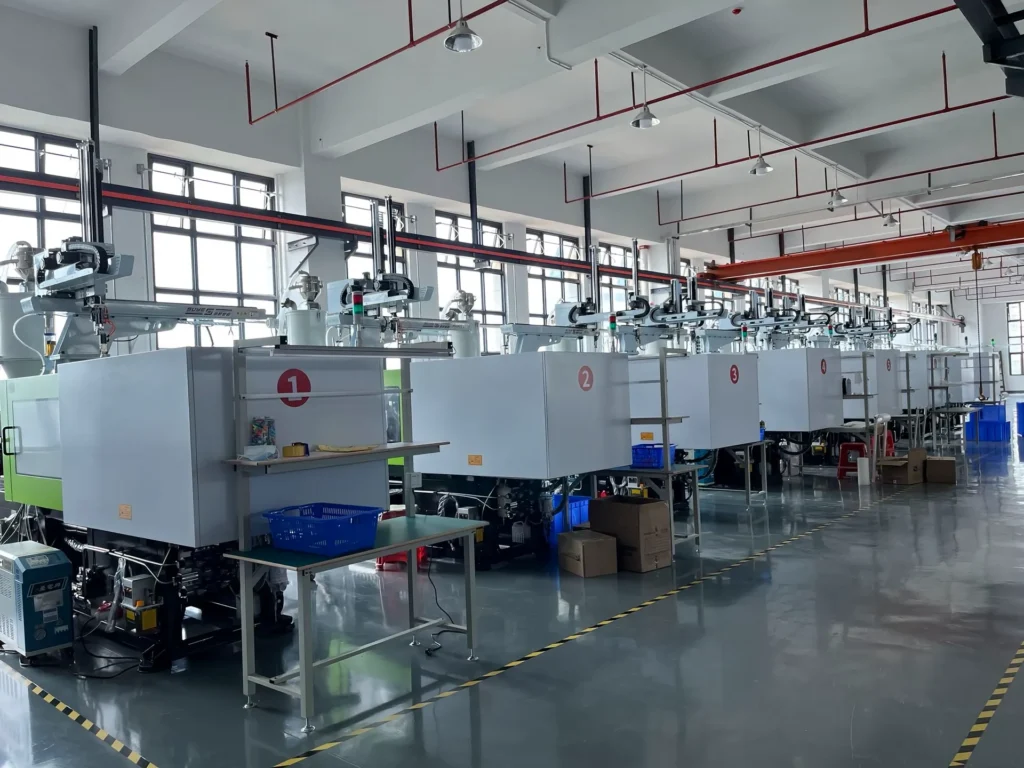
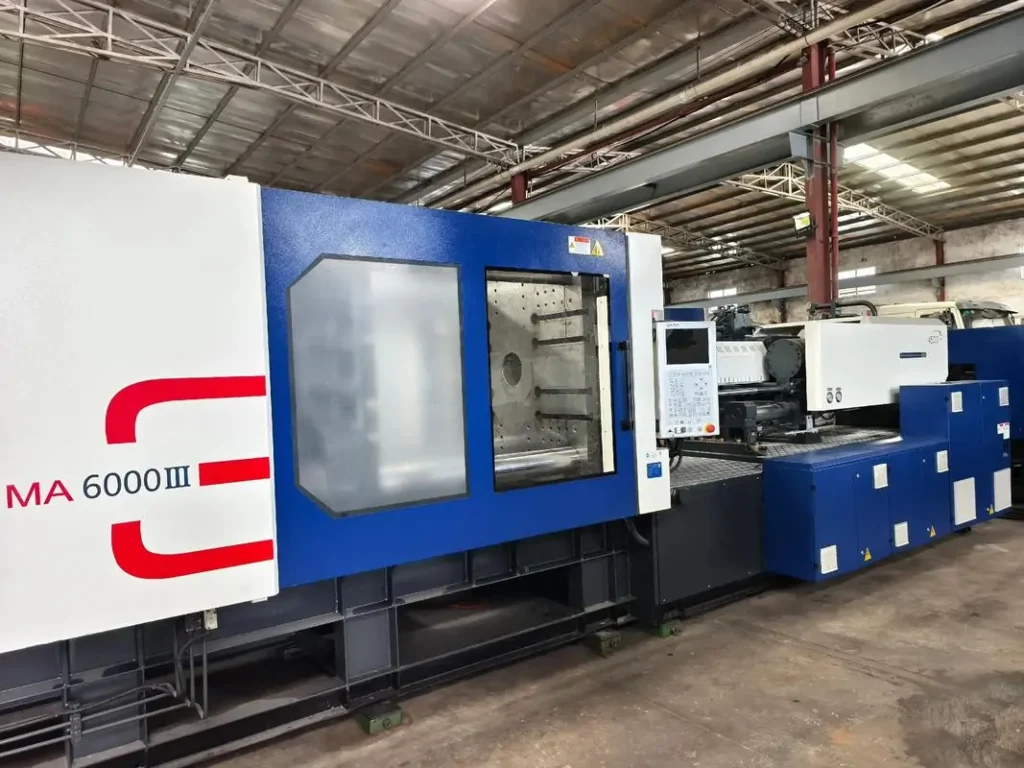
Our standard injection molding capacity supports parts up to 400 mm × 400 mm × 150 mm (15.75″ × 15.75″ × 5.91″). Components exceeding these dimensions may require customized tooling, higher-tonnage machines, or alternative manufacturing methods.

If your design falls outside this range, our engineering team can evaluate the specifications and recommend the most efficient production solution based on structure, material, and volume requirements.

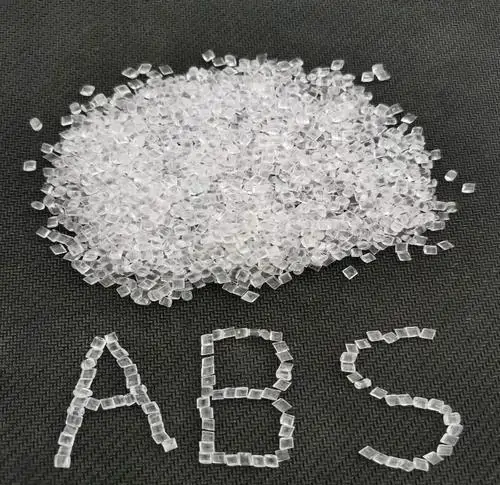
Material selection depends on the part’s mechanical strength, heat resistance, chemical exposure, regulatory requirements, and application environment. Common materials include ABS, PP, PC, PA, and medical-grade resins. If you are unsure, we provide technical guidance and material comparison to ensure optimal performance before mass production.

Huashuo standard project follows these steps:

  • Design review and manufacturability analysis (DFM)
  • Mold design and engineering optimization
  • Tool fabrication and mold testing (T1 sampling)
  • Sample approval
  • Mass production and quality inspection
  • Packaging and shipment

Tooling lead time depends on part complexity and mold structure.

Simple molds: approximately 2–4 weeks

Complex multi-cavity or precision molds: 6–12+ weeks

High-precision molds designed for long production cycles require additional engineering and testing time.

We provide functional prototype samples to validate design and fit before production tooling is finalized. However, we focus on production tooling rather than low-volume prototype molds. For early-stage design verification, we may suggest alternative rapid prototyping methods when appropriate.

We offer basic printing and protective packaging. For specialized assembly, decoration, or custom retail packaging, we coordinate with certified partner suppliers to ensure quality compliance.

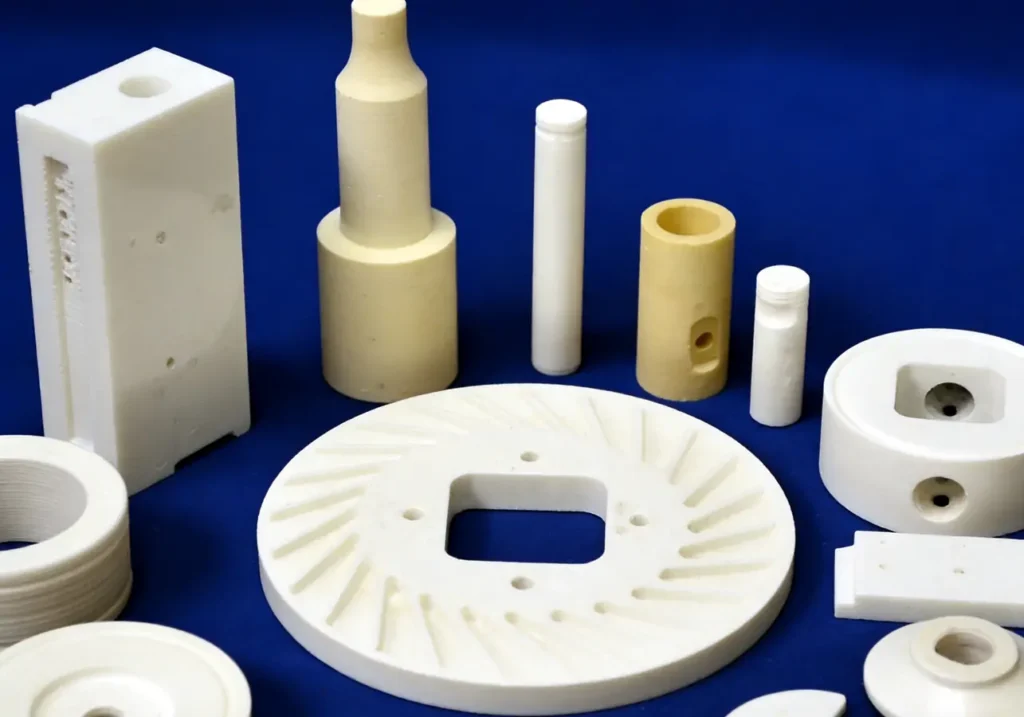
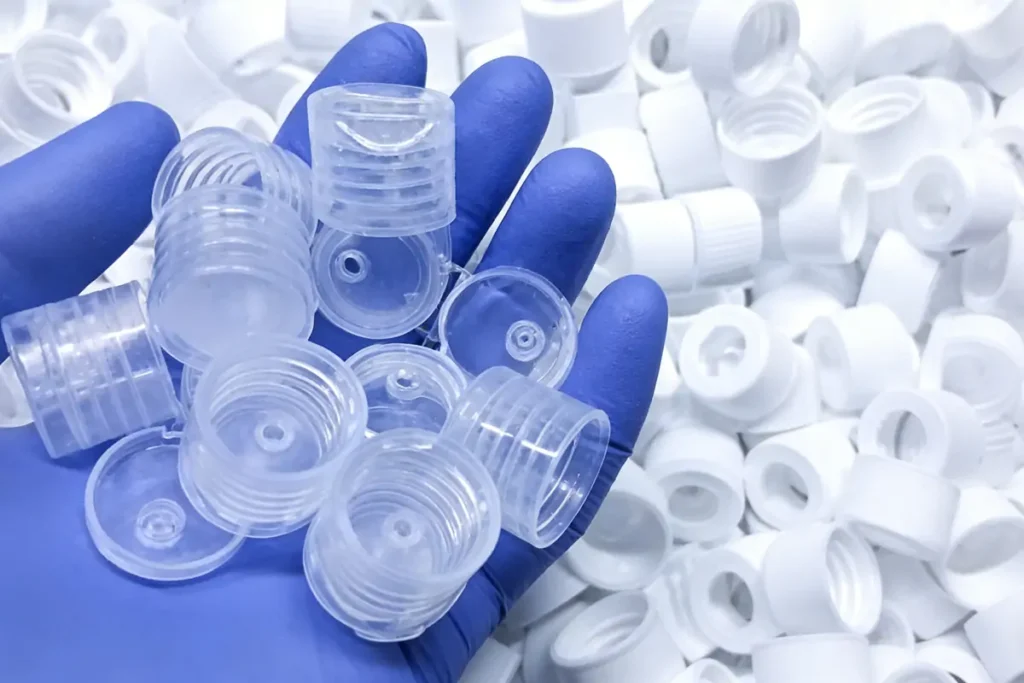
Yes, we manufacture a range of standard molded parts including caps, plugs, and fasteners. Custom injection molding services are also available for industry-specific applications, including automotive, medical, electronics, and industrial equipment.

Start Your Injection Molding Project

Related Articles