
Precision CNC Machining
Precision CNC machining services for metal & plastic parts are widely used for prototyping, functional verification in injection molding, and small-to-medium batch production. This manufacturing process utilizes computer-controlled machine tools to produce customized parts. Leveraging 16 years of industrial manufacturing experience and a full suite of CNC machining equipment, Huashuo can produce precision complex parts that meet your exact requirements.
Precision CNC Machining Capabilities
Custom precision CNC machining services for metal & plastic parts depend on the synergy of equipment, engineering expertise, process control, and quality systems. Ourhigh precision CNC machining capabilities encompass three key aspects: precision, batch size, and engineering support, ensuring every component meets dimensional, functional, and quality requirements.
Precision
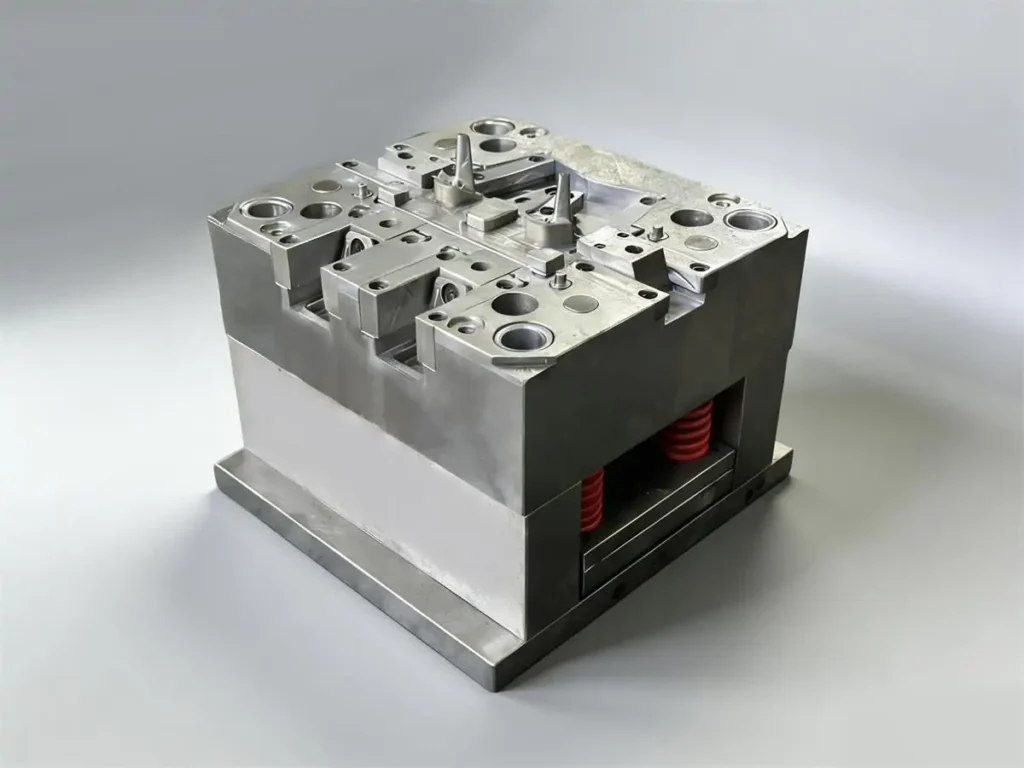
For standard CNC machining projects, Huashuo consistently achieves ±0.01 mm tolerance control, suitable for most industrial components and assembly structures.
Through optimized toolpaths and machining strategies, we maintain dimensional consistency in batch production, minimizing assembly risks.
Machine Capacity
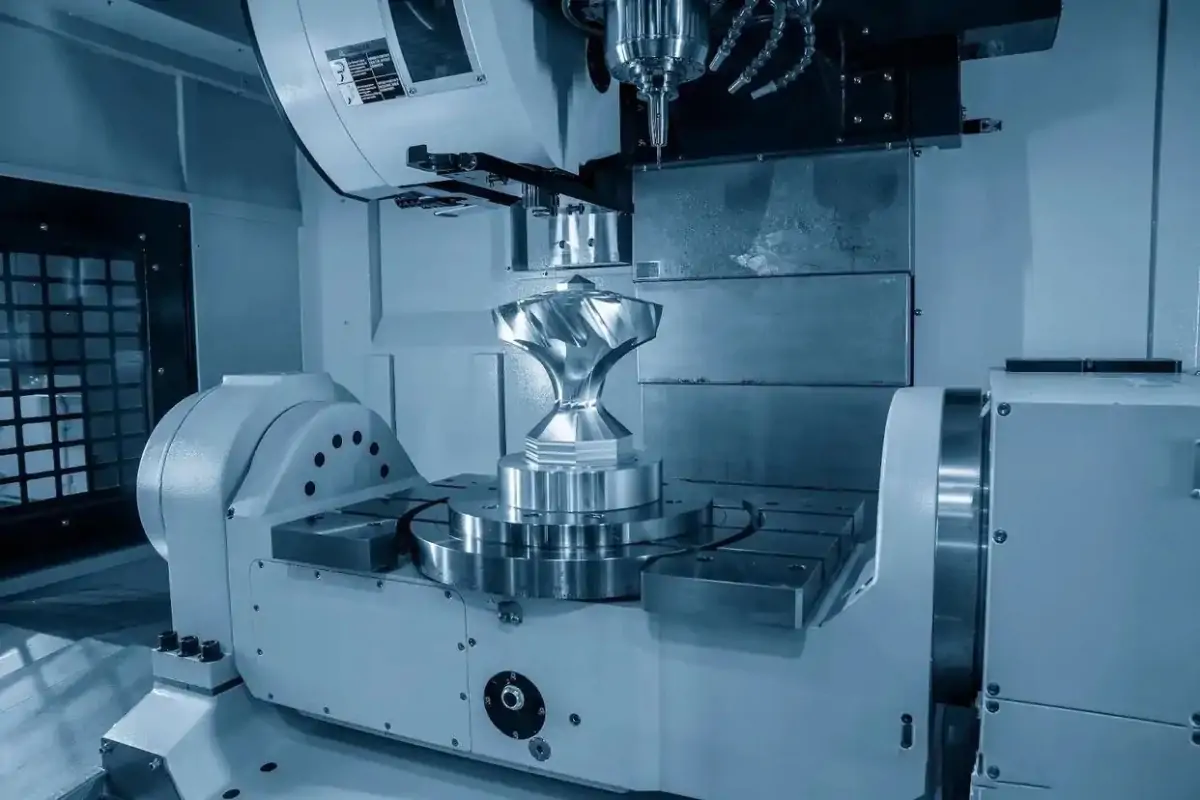
Our multi-axis CNC machining centers minimize re-clamping, boost precision and efficiency, and support continuous processing from rapid prototyping to medium-batch production. This covers machining needs ranging from simple structures to complex spatial surfaces.
Engineering Support
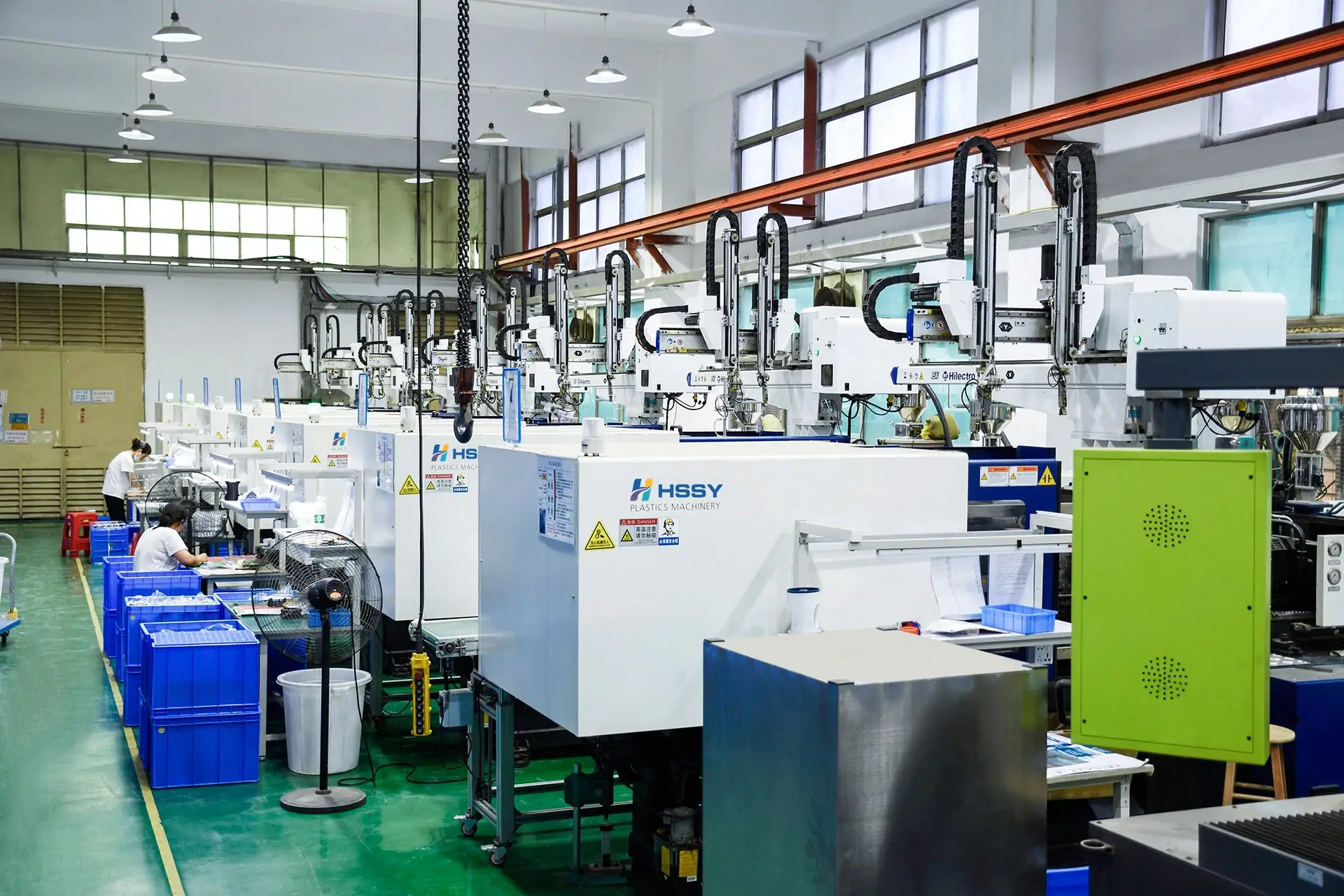
Huashuo provides DFM recommendations, process optimization, manufacturability assessments, quality control systems, ISO-compliant processes, and first article inspections. We help clients optimize structural designs, reduce machining complexity, minimize trial-and-error costs, mitigate deviation risks, and enhance efficiency and quality stability.
What is Precision CNC Machining?
Precision custom CNC machining services for metal & plastic parts leverage technology to manufacture complex components with high accuracy. This process differs from traditional machining and injection molding in operation, output capacity, and precision.
In engineering applications, high precision CNC machiningexcels through high precision, consistent quality, and adaptability to intricate geometries, establishing it as an irreplaceable core process in modern manufacturing systems.
CNC machining materials
Huashuo can match suitable material solutions based on part structural requirements and operating environments, supporting Precision custom CNC machining services for metal & plastic parts of various metals and engineering plastics.
| Material | Characteristics | Color Options | Surface Treatments |
|---|---|---|---|
| Aluminum (6061) | Lightweight, excellent machinability, good corrosion resistance, versatile | Silver, Matte Black | Anodizing, Polishing, Powder Coating |
| Steel (304 Stainless) | High strength, corrosion-resistant, ideal for heavy-duty applications | Silver, Gray | Polishing, Passivation, Electroplating |
| Steel (4140 Alloy) | High tensile strength, wear-resistant, durable under high-stress conditions | Gray, Silver | Heat Treatment, Black Oxide, Chrome Plating |
| Brass | Excellent machinability, good corrosion resistance, smooth finish | Gold, Yellow, Red | Polishing, Electroplating, Satin Finish |
| Copper | Excellent thermal conductivity, good electrical properties, soft material | Red, Orange | Polishing, Electroplating, Satin Finish |
| Acrylic (PMMA) | Transparent, lightweight, good optical properties, easy to machine | Clear, Transparent | Polishing, UV Coating, Sandblasting |
| Nylon (PA) | Strong, flexible, wear-resistant, good chemical resistance | Natural (Translucent), Black | Surface Texturing, Chemical Coating |
| Polycarbonate (PC) | Impact-resistant, transparent, good heat resistance | Transparent, Clear, Amber | UV Coating, Polishing, Texturing |
| POM (Acetal) | High rigidity, low friction, excellent dimensional stability | White, Natural, Black | Surface Texturing, Lubricating Coating |
| ABS (Acrylonitrile Butadiene Styrene) | Strong, impact-resistant, good machinability, cost-effective | Natural, Black, White | Texturing, Painting, Plating |
| PEEK (Polyether Ether Ketone) | High mechanical strength, chemical resistance, high temperature tolerance | Natural, Black | Polishing, Surface Coating, Texturing |
| Polypropylene (PP) | Lightweight, chemical-resistant, flexible, low friction | Natural, White, Blue | Surface Texturing, UV Coating |
surface treatments of CNC machining
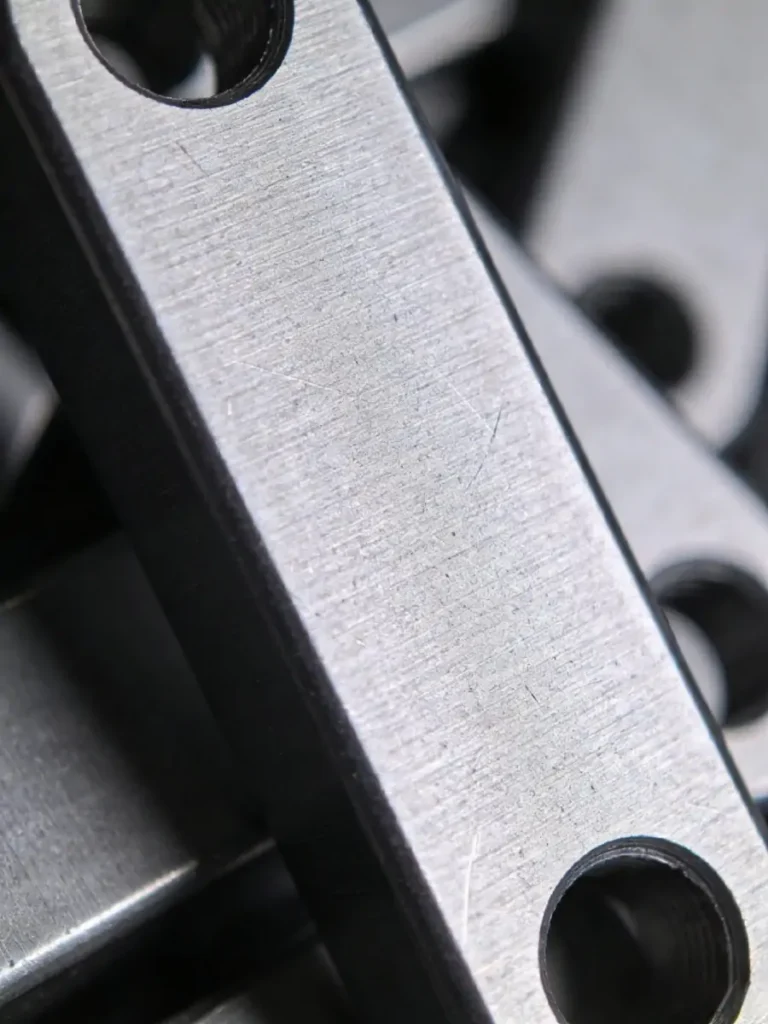
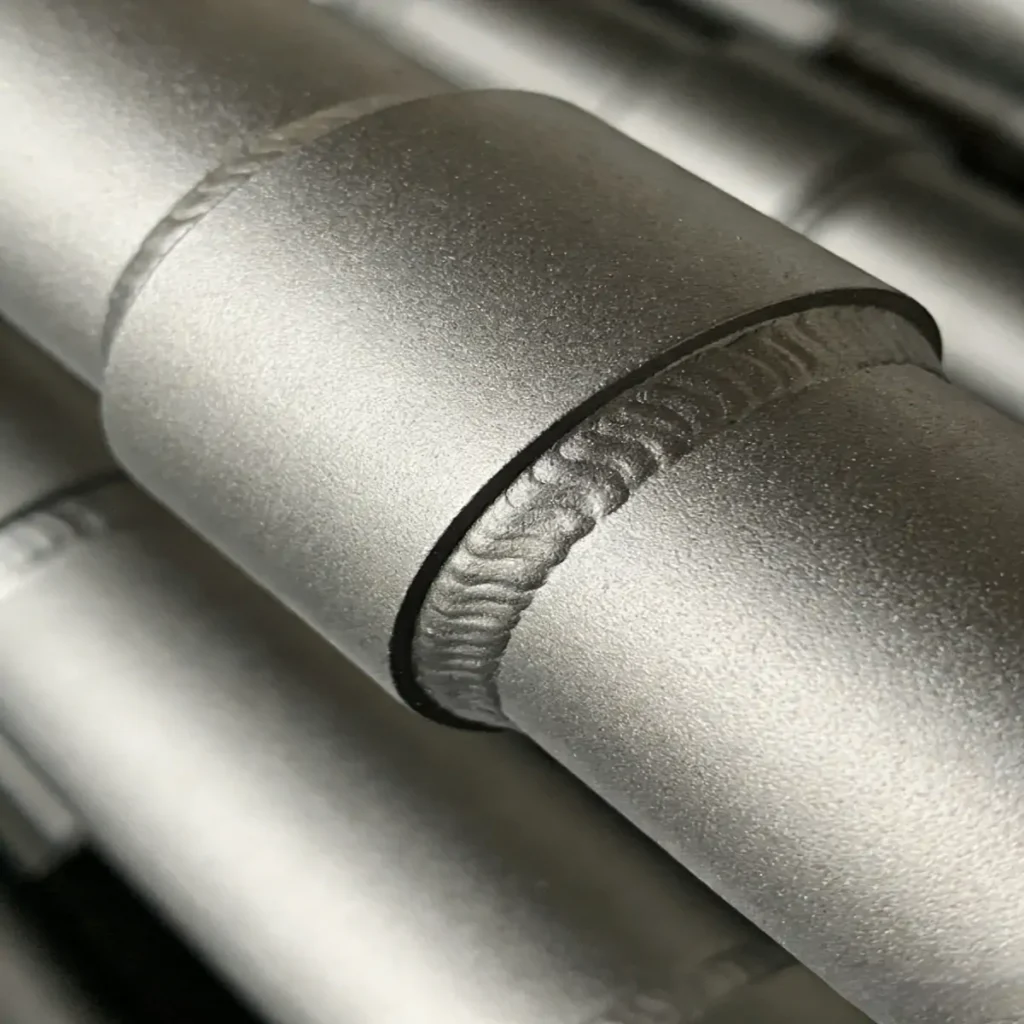
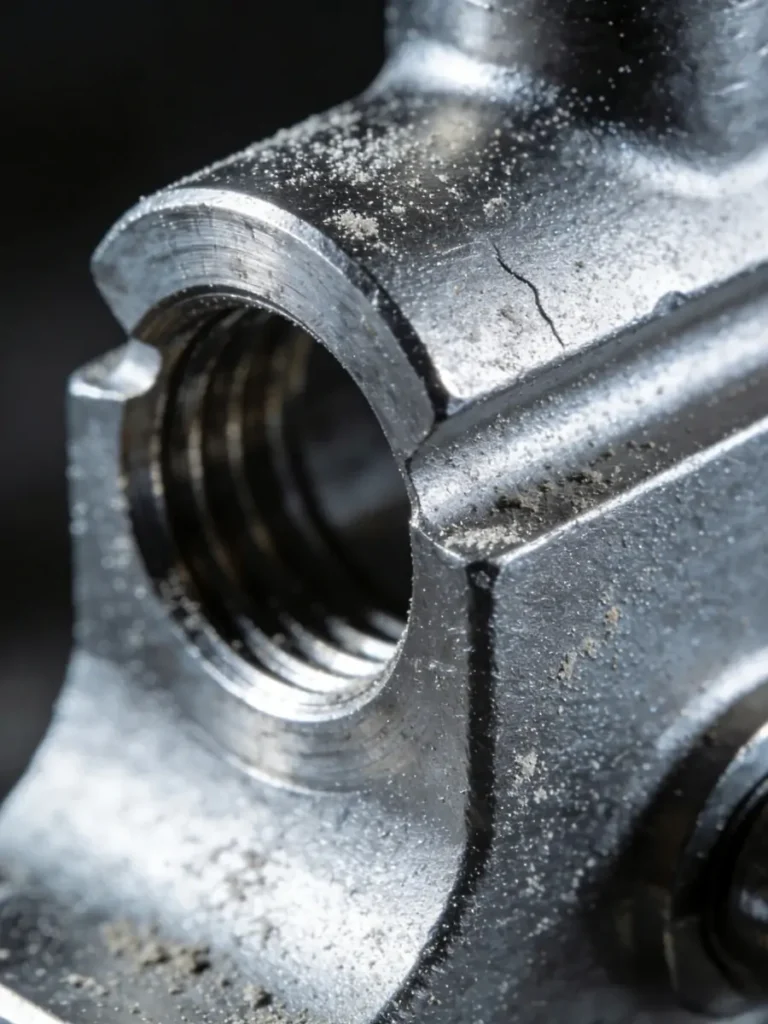
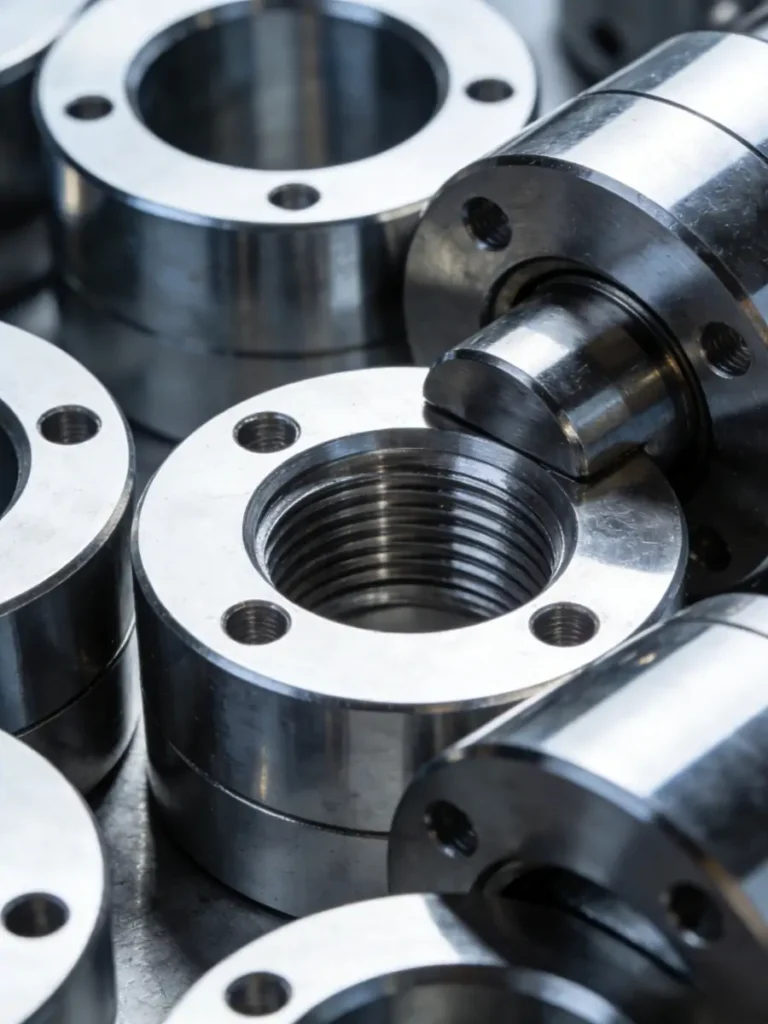
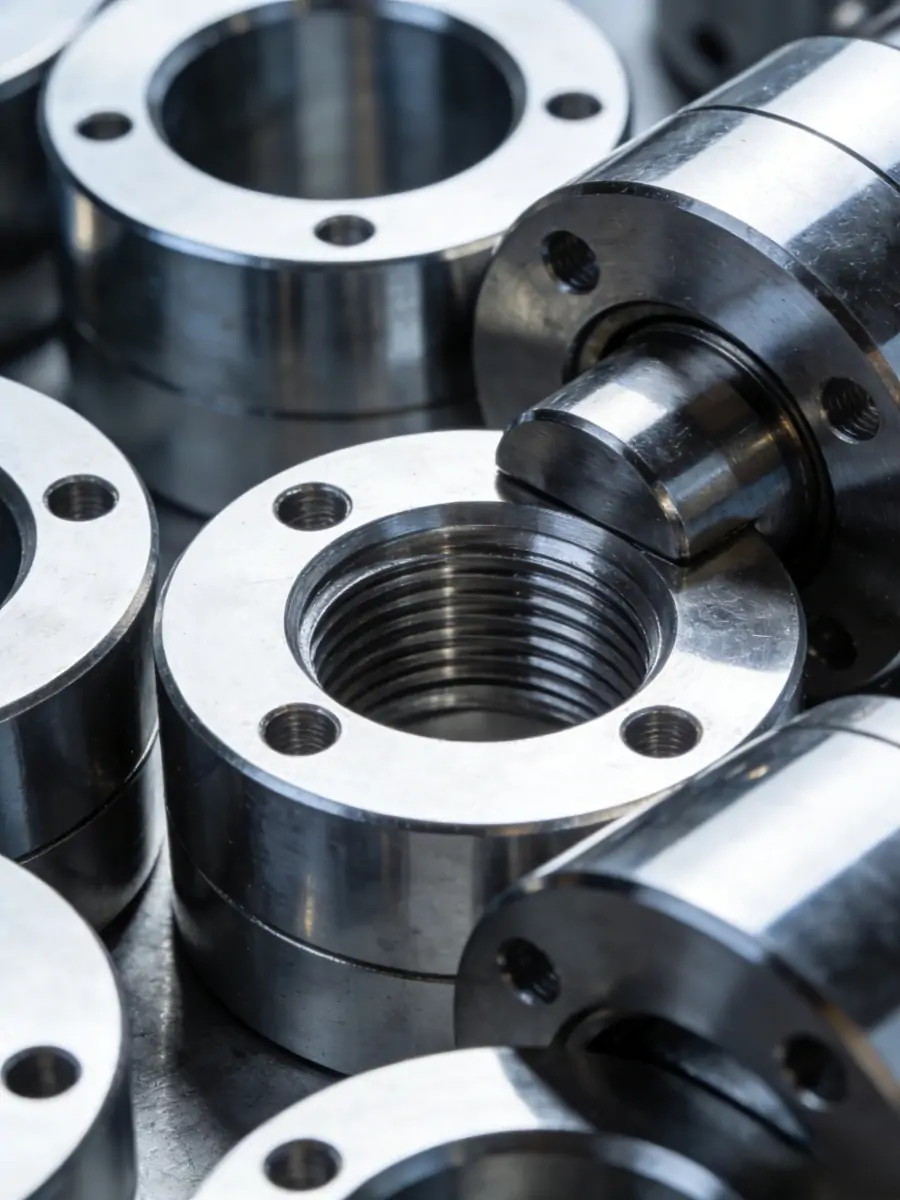
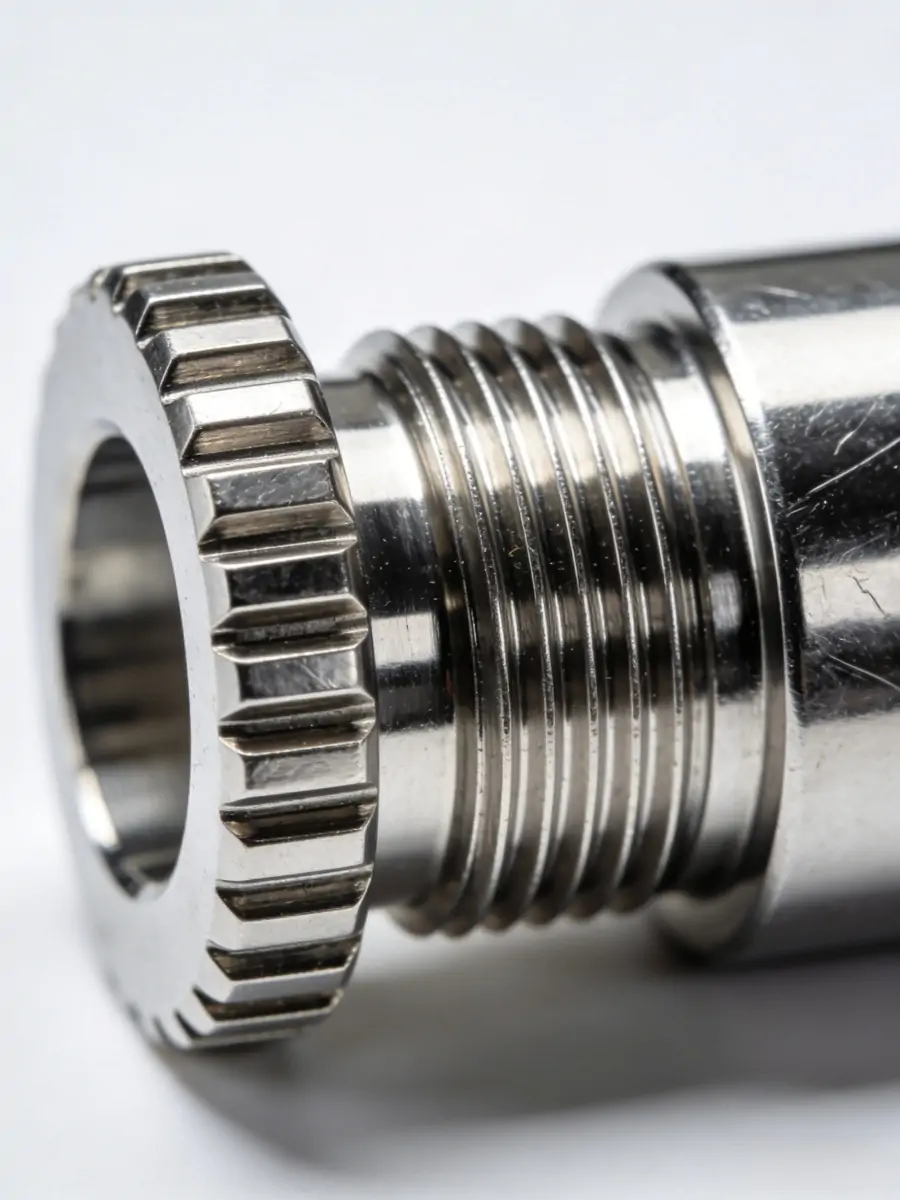
Anodizing
Forms a dense oxide layer on aluminum surfaces via electrochemistry, enhancing corrosion resistance, wear resistance, and insulation properties. Suitable for electronic enclosures and precision structural components.
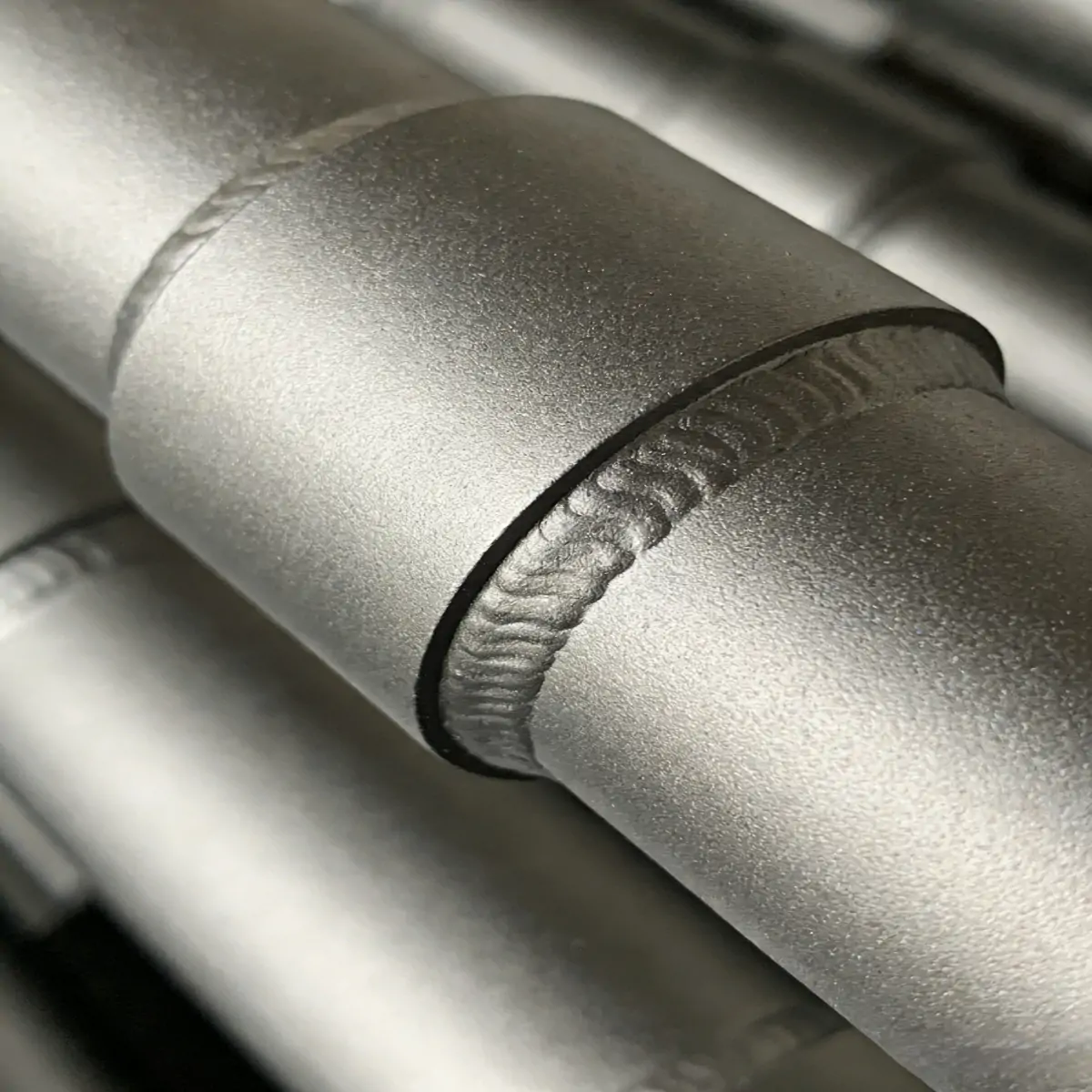
Powder Coating
Creates a durable protective layer on metal surfaces with excellent impact resistance and environmental durability. Ideal for industrial enclosures and heavy-duty structural parts.
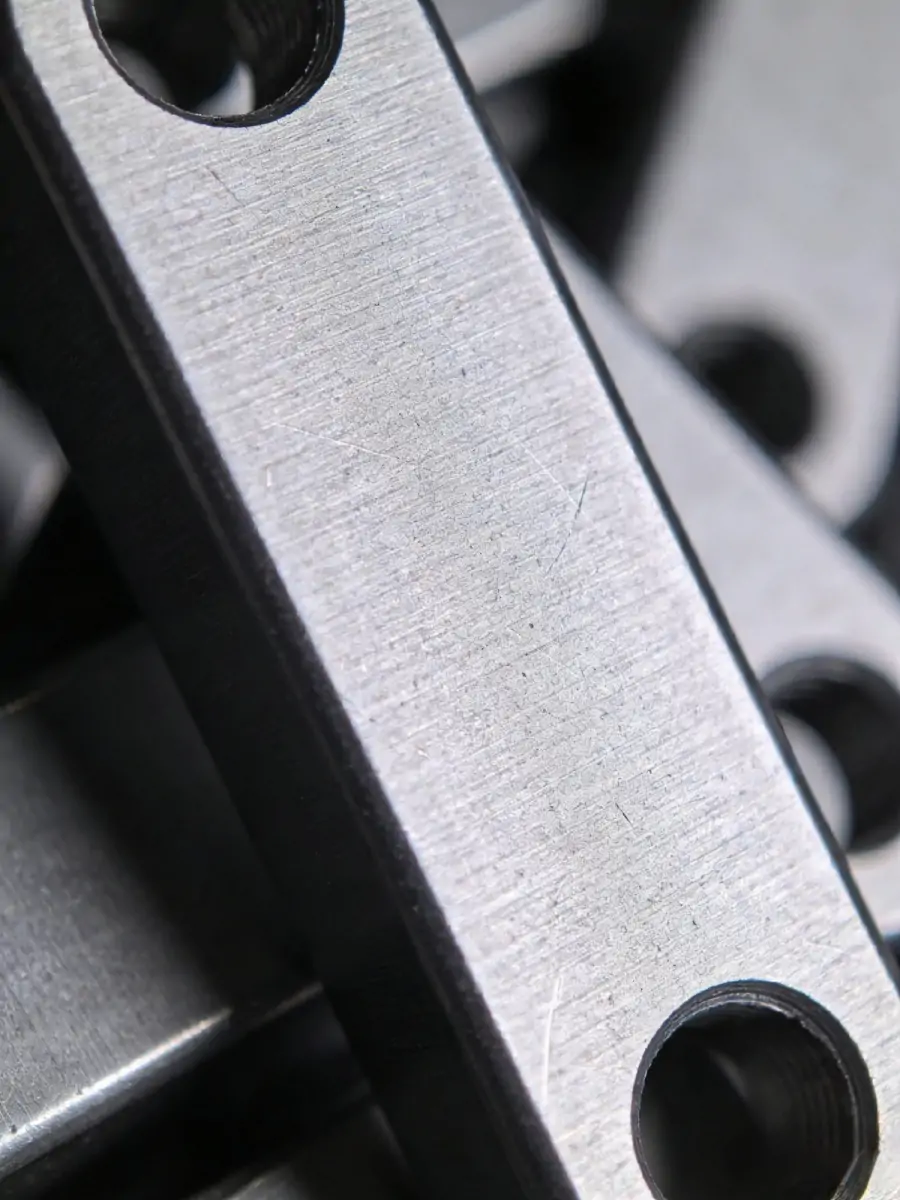
Sandblasting
Commonly used for pre-treatment or aesthetic enhancement, it creates surface textures and uniform matte finishes while improving adhesion for subsequent coatings.
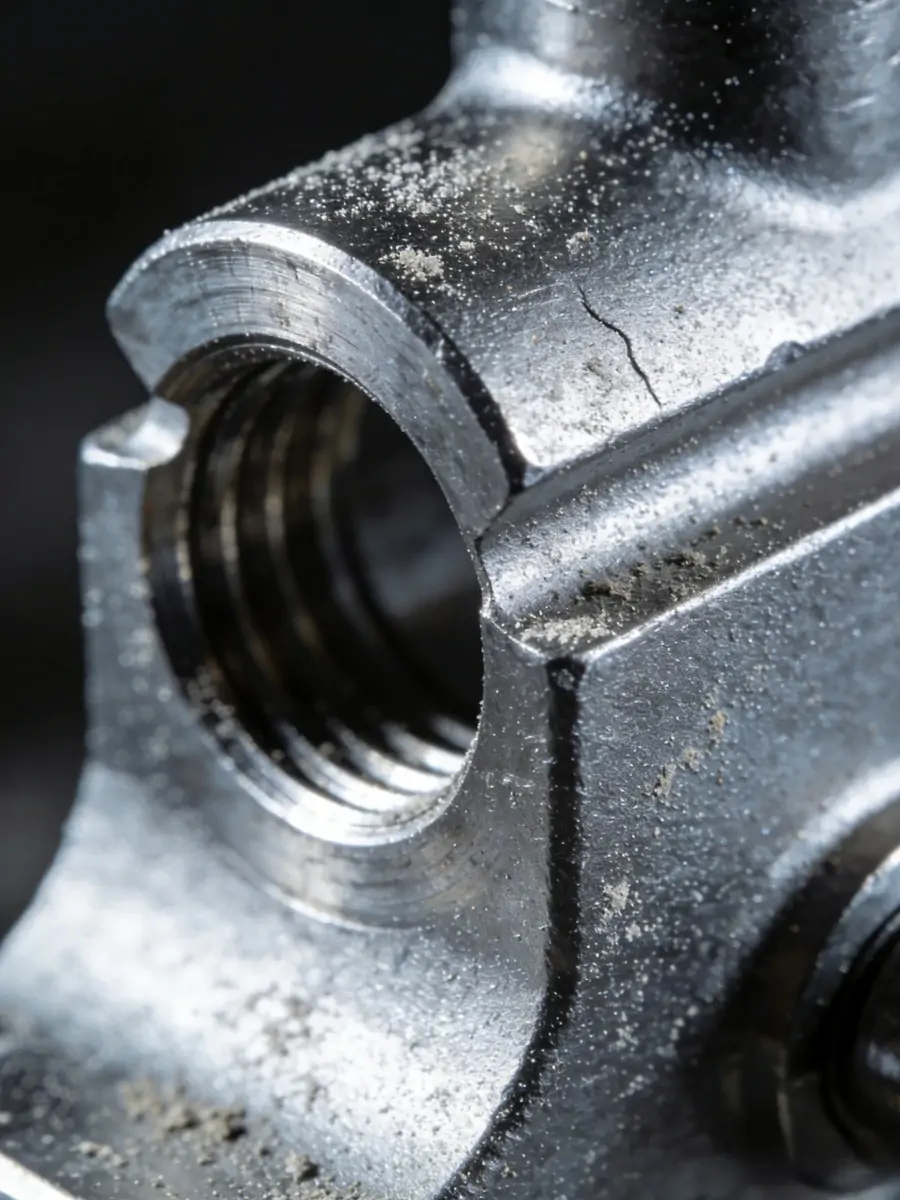
Polishing
Reduces friction and contamination buildup, enhances surface finish and dimensional accuracy, suitable for optical components and high-precision assemblies.
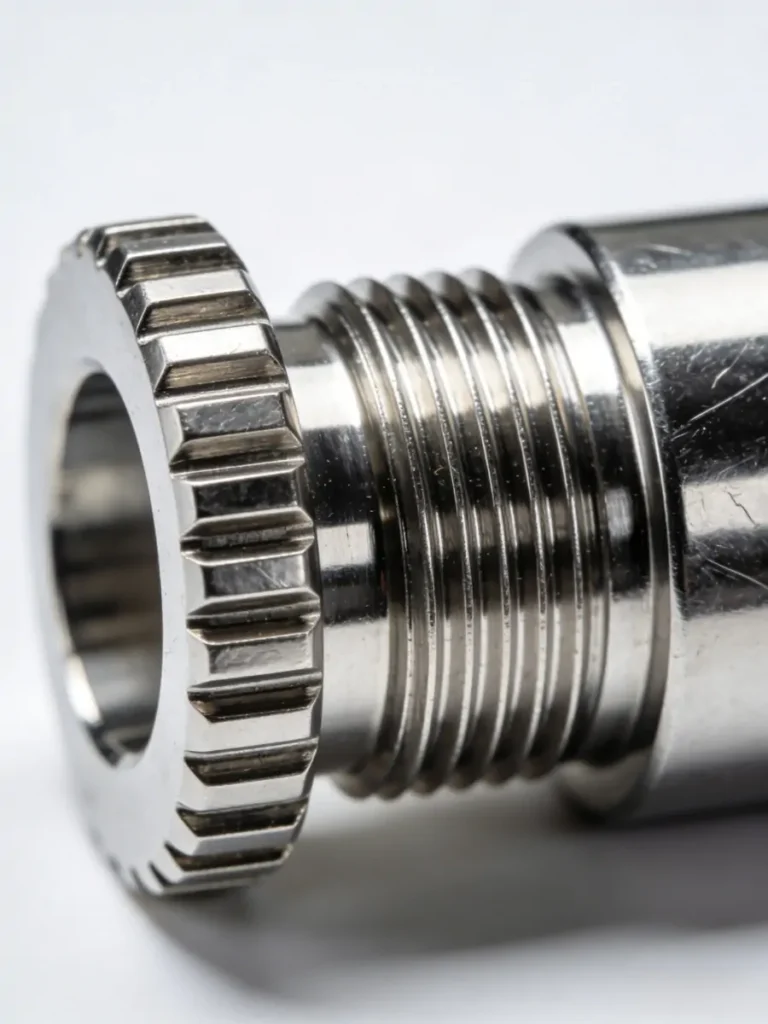
Electroplating
Deposits metallic coatings on part surfaces to improve conductivity, wear resistance, and corrosion resistance. Commonly used for functional connectors and precision mechanical components.
Application
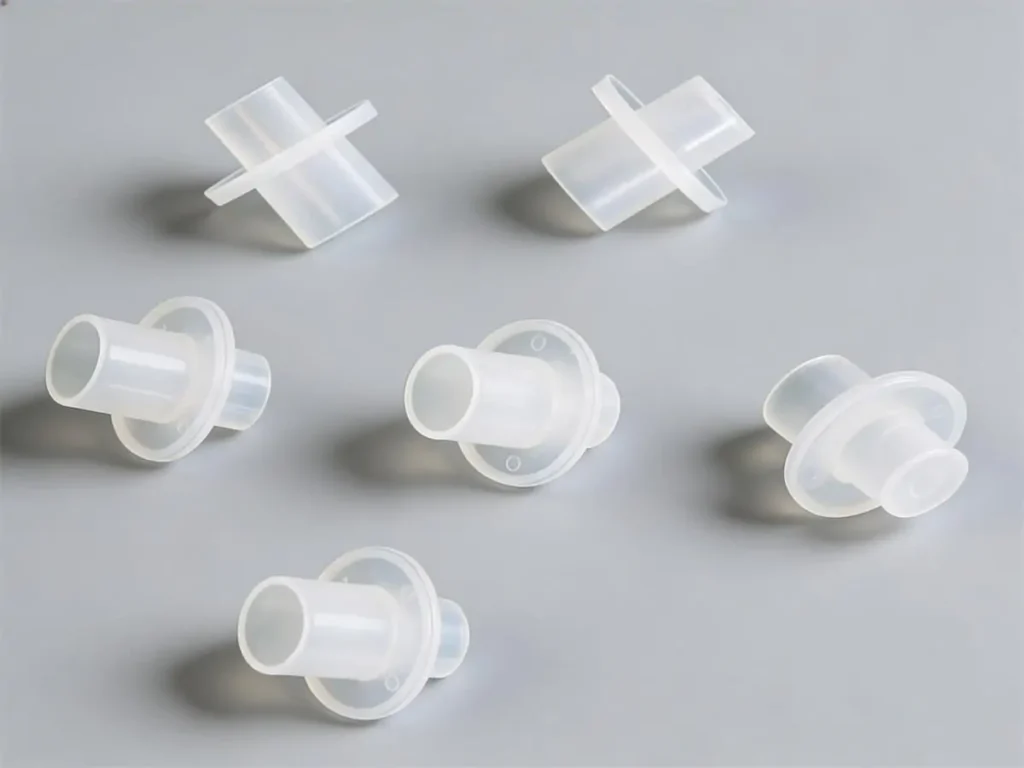
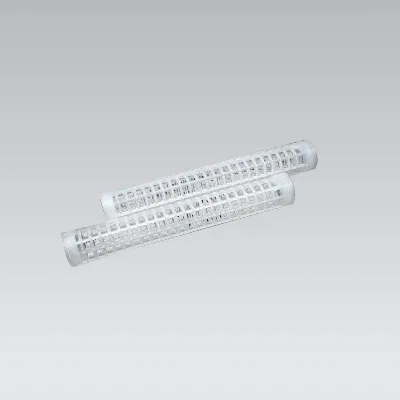
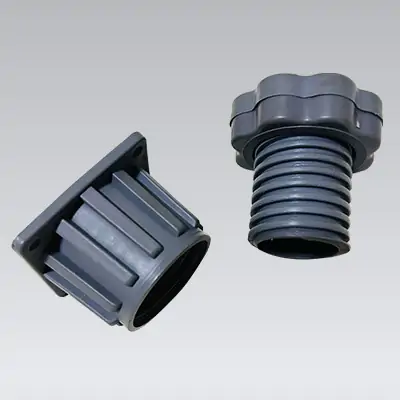
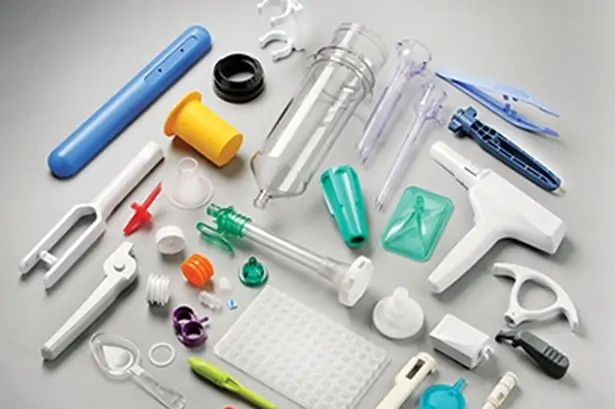
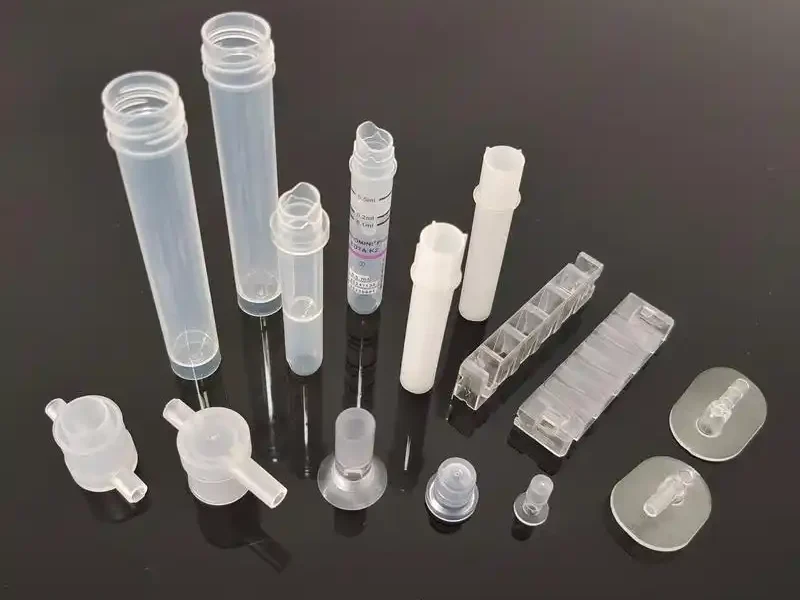
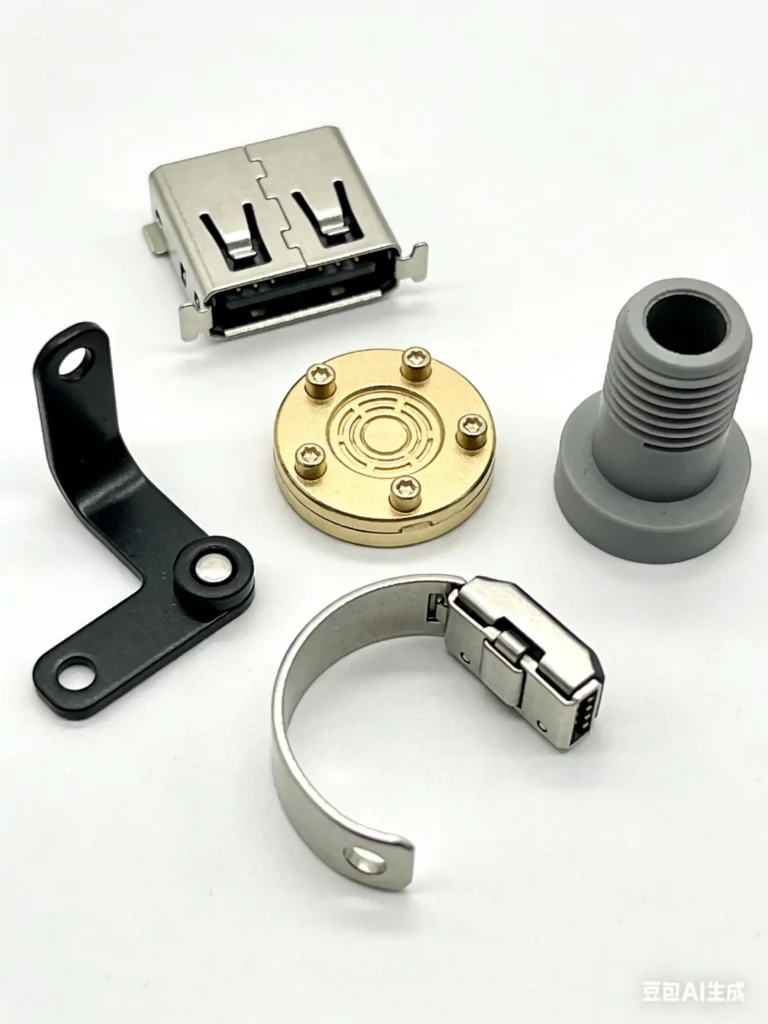
Precision custom CNC machining services for metal & plastic parts are widely used in industries demanding high dimensional accuracy, material properties, and assembly consistency. With stable machining capabilities and quality control systems, we support the manufacturing of critical components across multiple sectors with varying engineering requirements, such as automotive parts, medical devices, the mold industry, electronic enclosures, and aerospace precision components.
CNC Machining vS Other Manufacturing Methods
In practical engineering projects, selecting the appropriate machining method depends on part complexity, precision requirements, production volume, and cost objectives. Understanding the differences between CNC machining and other processes enables high tolerance CNC machining supplier to make more efficient production decisions during the design phase.
CNC Machining vS Custom Plastic Injection Molding Service
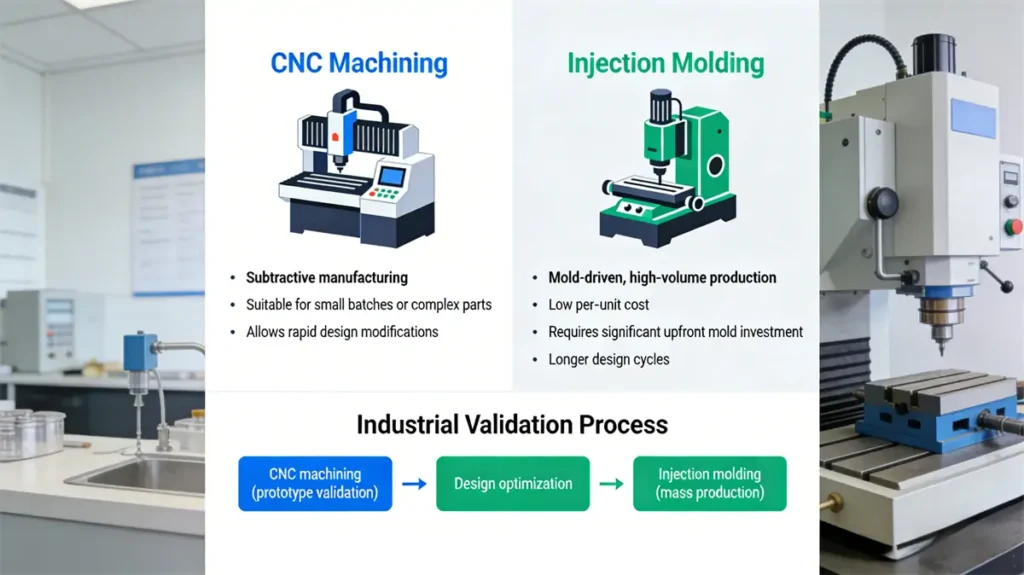
CNC machining is a subtractive manufacturing process ideal for the direct production of low-volume CNC machining parts, allowing rapid design modifications.
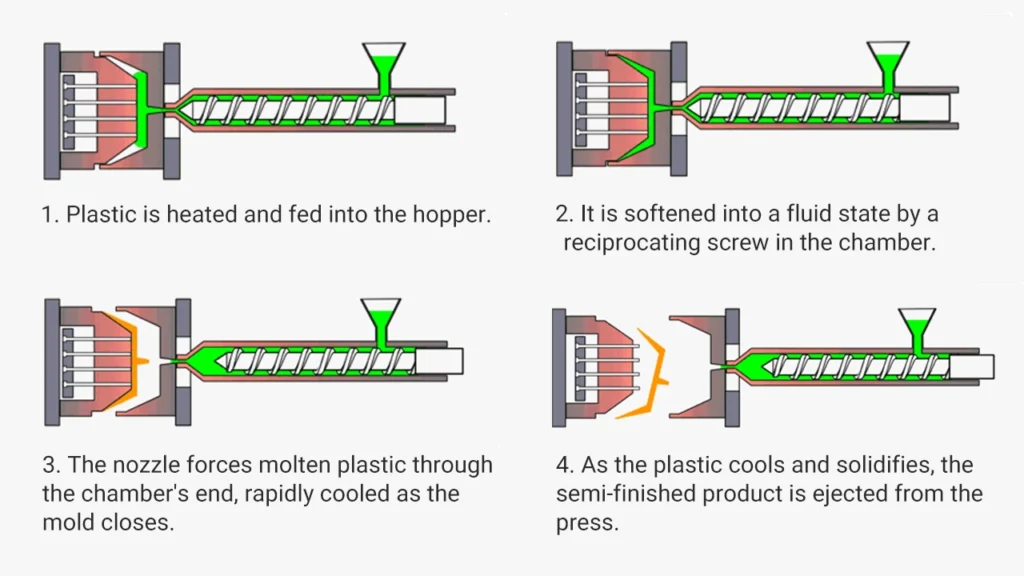
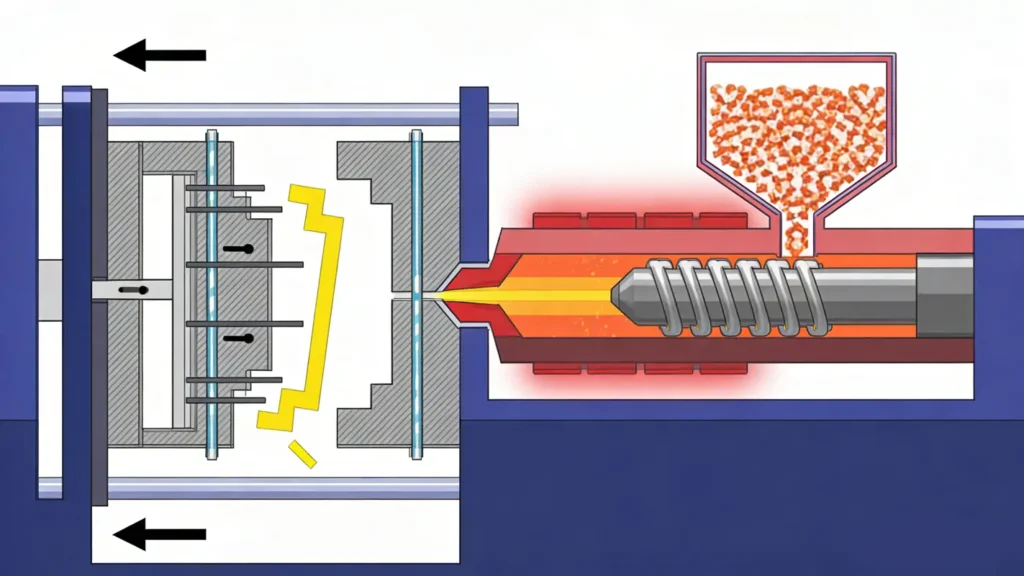
In contrast, injection molding is a mold-driven, high-volume production method at a low per-unit cost. However, it requires significant upfront mold investment and longer design cycles.
Many industrial projects first validate the structure through CNC machining before transitioning to mass production.
CNC Machining vS Casting
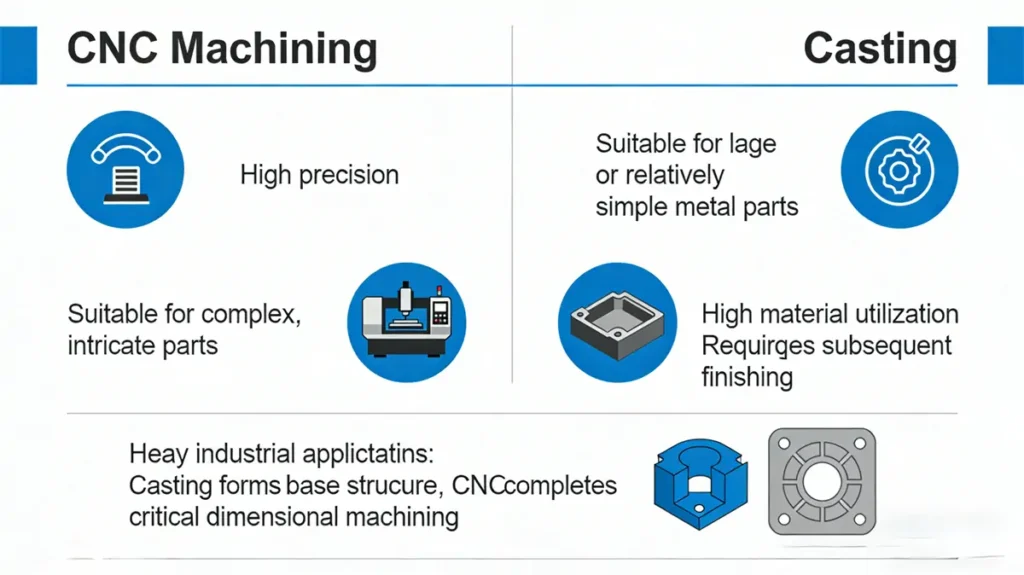
Casting is suitable for producing large or relatively simple metal parts with high material utilization. However, castings typically require subsequent finishing to meet assembly precision requirements.
Precision custom CNC machining services for metal & plastic parts offer high precision and are often used for complex, intricate parts.
In many heavy industrial applications, casting forms the base structure while CNC completes critical dimensional machining.
CNC Machining vS 3D Printing
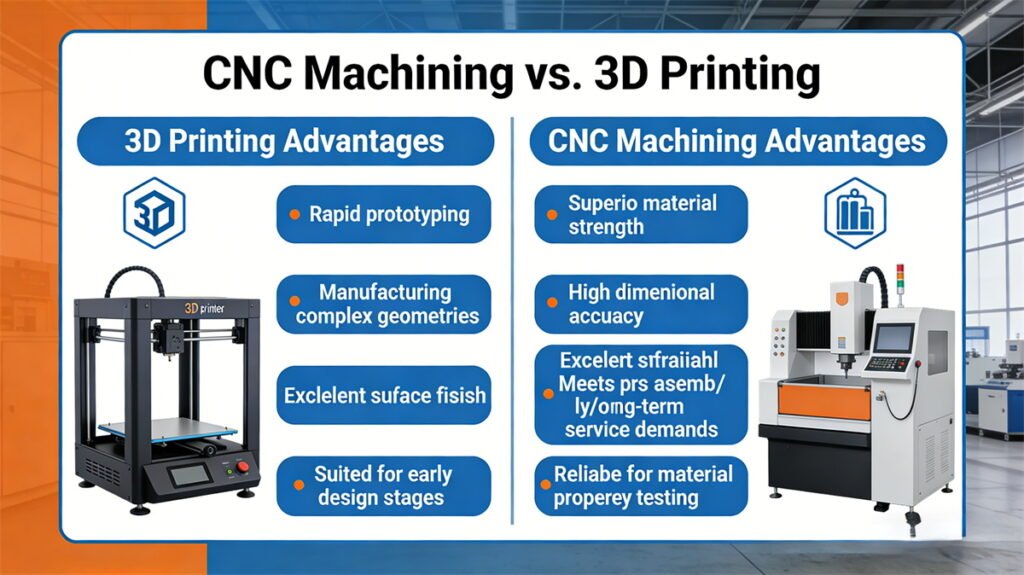
3D printing holds unique advantages for rapid prototyping and manufacturing complex geometries, particularly suited for early design stages.
CNC machining delivers superior material strength, dimensional accuracy, and surface finish to meet practical assembly and long-term service demands. For components requiring authentic material property testing, high-precision CNC machining is generally the more reliable choice.
Advantages of CNC Machining
Production Volume
In engineering practice, many projects first validate part structure and performance through CNC machining before transitioning to high-volume injection molding production.
Precision custom CNC machining for metal and plastic parts, requiring no mold investment, is typically used for rapid prototyping, small-batch production, or manufacturing high-precision functional components.
Accuracy
Precision custom CNC machining services for metal & plastic parts demand higher precision because it enables strict dimensional control through scientific techniques, capable of processing complex internal structures or high-precision products. Injection molding, however, prioritizes batch consistency and production efficiency and is unable to meet overly stringent accuracy requirements.
CNC machining tolerances
In precision custom CNC machining services for metal & plastic parts, tolerances determine part assembly accuracy and impact processing costs, production cycles, and batch stability. As an industrial CNC machining provider, Huashuo provides high-precision machining capabilities and processes compliant with international quality standards based on part functional requirements and application environments.
General Machining Tolerances
For most industrial applications, we provide machining precision within industry-standard tolerance ranges suitable for structural components, housings, and functional assemblies.
Typical general tolerance ranges:
Metal parts: ±0.05 mm to ±0.10 mm
Plastic parts: ±0.10 mm to ±0.20 mm
Precision Tolerances
For high-precision assemblies, precision mechanical components, medical devices, and electronic parts, we provide enhanced dimensional control to meet stricter engineering requirements.
High precision CNC machining capability:
±0.005 mm to ±0.01 mm
depending on material properties and part geometry
FAQS
More Services
3D Printing
Plastic 3D Printing Services for Rapid Prototyping Plastic 3D printing…Custom Plastic Parts for Sports & Fitness Equipment
Custom Plastic Parts for Sports & Fitness Equipment HuaShuo provides…Double Shot Injection Molding
Double Shot Injection Molding Services Huashuo specializes in providing high-precision…


Related Articles
What Is Injection Moulding? Principles, Process, Types, Advantages, Materials
Introduction Injection molding is a high-volume production technique that injects…What Types of Plastic is Used in Injection Moulding?
Introduction Injection molding utilizes a variety of different plastics, and…How Does Injection Moulding Work?
Injection molding is a manufacturing process widely used across various…

Request a Quote
From mold design to mass production, we offer end-to-end solutions.
Tell us about your application, materials, and volume requirements. Our team will recommend the right process and deliver a tailored manufacturing solution.