
Plastic 3D Printing Services for Rapid Prototyping
Plastic 3D printing service, also known as additive manufacturing, is a process of creating three-dimensional parts layer by layer from digital models.As an industrial grade custom plastic 3D printing services supplier, Huashuo provides end-to-end additive manufacturing solutions for businesses seeking high-quality prototypes and low-volume production parts.
Why Choose Plastic 3D Printing Services for Your Production Needs
Custom plastic 3D printing services offer a flexible, cost-effective, and fast solution for modern manufacturing, enabling businesses to quickly produce prototypes, low-volume production parts, and highly complex designs that are difficult or impossible with traditional methods.
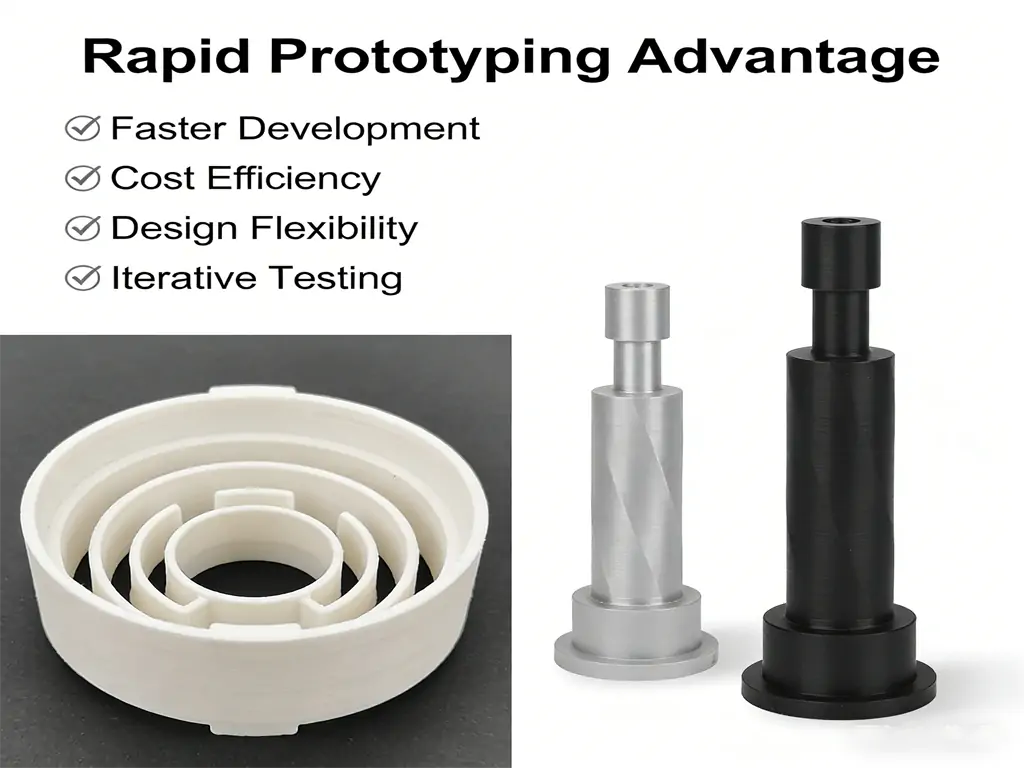
Rapid Prototyping Advantage
3D printing services transform digital designs into physical prototypes in a matter of days, significantly reducing product development cycles. It allows for rapid iteration, early testing, and design validation without the expense of molds or tooling.
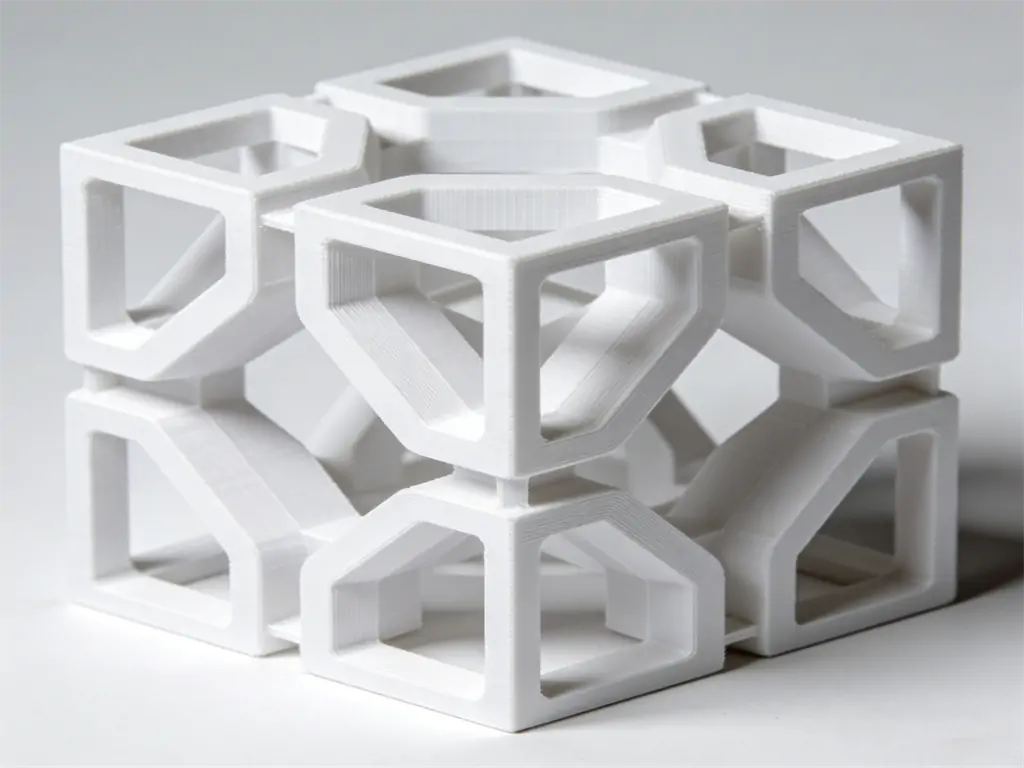
Complex Geometries & Design Freedom
With rapid prototyping 3D printing, manufacturers can produce intricate geometries, internal structures, and lightweight lattice designs that are challenging for injection molding or CNC machining. This flexibility enables optimized performance and innovative product designs.
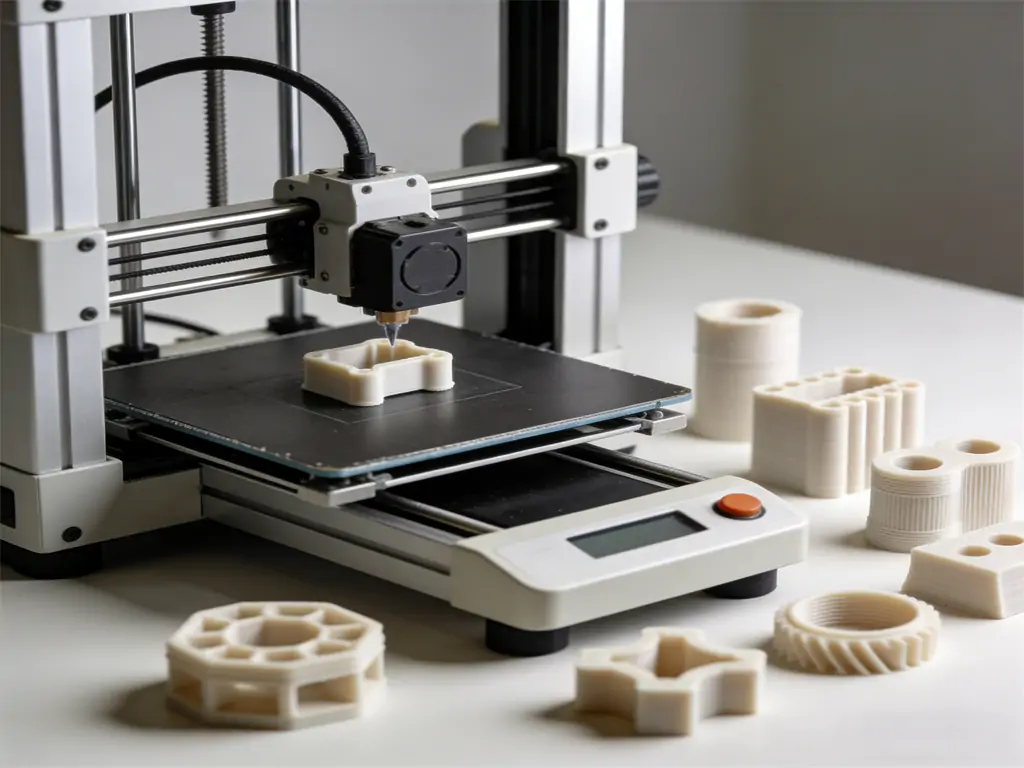
Cost Efficiency for Low Volume Production
Eliminating the need for molds and minimizing material waste, custom 3D printing services are cost-effective for small to medium batch production, custom parts, and pilot runs where traditional manufacturing would be inefficient or prohibitively expensive.
Plastic 3D Printing vs Traditional Manufacturing Methods
Custom 3D plastic printing services is an additive manufacturing process that enables the production of complex, customized parts directly from digital designs. It offers significant advantages in rapid prototyping, design flexibility, and low-volume production by eliminating the need for tooling and reducing material waste.
Compared to traditional manufacturing methods, rapid prototyping 3D printing allows faster iteration, shorter lead times, and greater freedom in part design, making it an ideal solution for product development and specialized applications.
3D Plastic Printing vs Injection Molding vs CNC Machining
For projects requiring fast iteration, complex geometries, and low volume production, custom 3D printing is often the most efficient manufacturing solution.The table below compares 3D printing, injection molding, and CNC machining across key manufacturing factors such as cost, lead time, and design flexibility.
| Criteria | 3D Printing | Injection Molding | CNC Machining |
| Production Volume | Low to medium volume | High volume mass production | Low to medium volume |
| Tooling Requirement | No tooling required | Requires molds (high upfront cost) | No molds, but requires fixtures/tools |
| Lead Time | Days | Weeks (mold fabrication needed) | Days to weeks |
| Design Complexity | Excellent (complex geometries, internal structures) | Limited by mold design | Limited by tool access |
| Material Options | Wide range (plastics, resins, some metals) | Mostly thermoplastics | Metals and engineering plastics |
| Precision & Tolerance | Medium to high (depends on process) | High consistency in mass production | Very high precision |
| Cost Efficiency | Best for prototypes & small batches | Best for large scale production | Cost increases with complexity |
| Design Iteration | Fast and flexible | Slow and costly (mold changes) | Moderate |
| Typical Use Cases | Prototyping, custom parts, complex designs | Mass production of plastic parts | High-precision functional components |
Our 3D Printing Workflow
Our custom 3D printing for industrial parts workflow is designed to ensure efficiency, accuracy, and consistent quality from initial concept to final delivery. By combining engineering expertise with advanced additive manufacturing technologies, we help clients accelerate product development and achieve reliable production results.
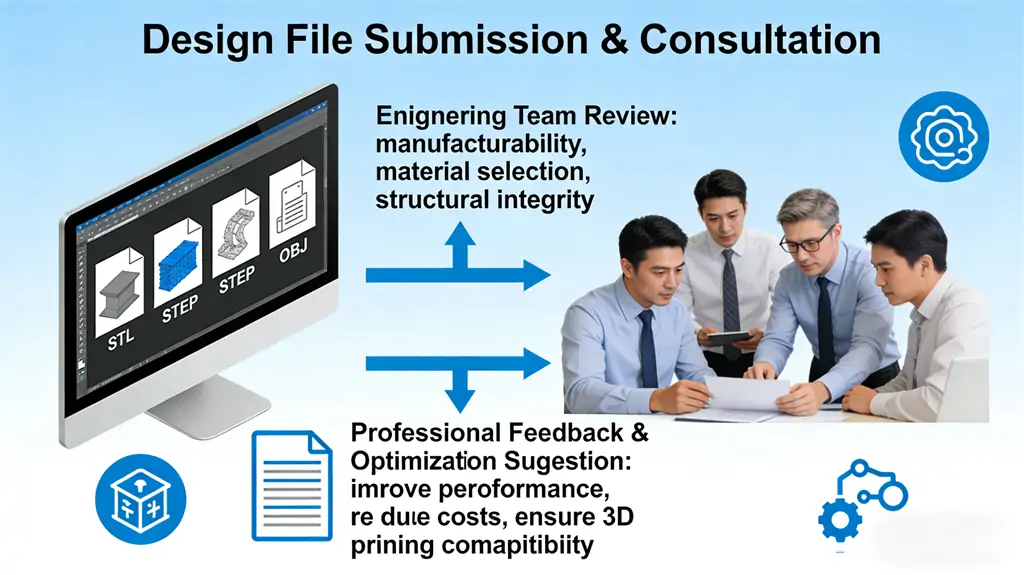
Design File Submission & Consultation
The process begins with submitting your 3D design files, typically in formats such as STL, STEP, or OBJ. Our engineering team reviews the design for manufacturability, material selection, and structural integrity.
We provide professional feedback and optimization suggestions to improve performance, reduce costs, and ensure the design is fully compatible with the selected 3D printing process.
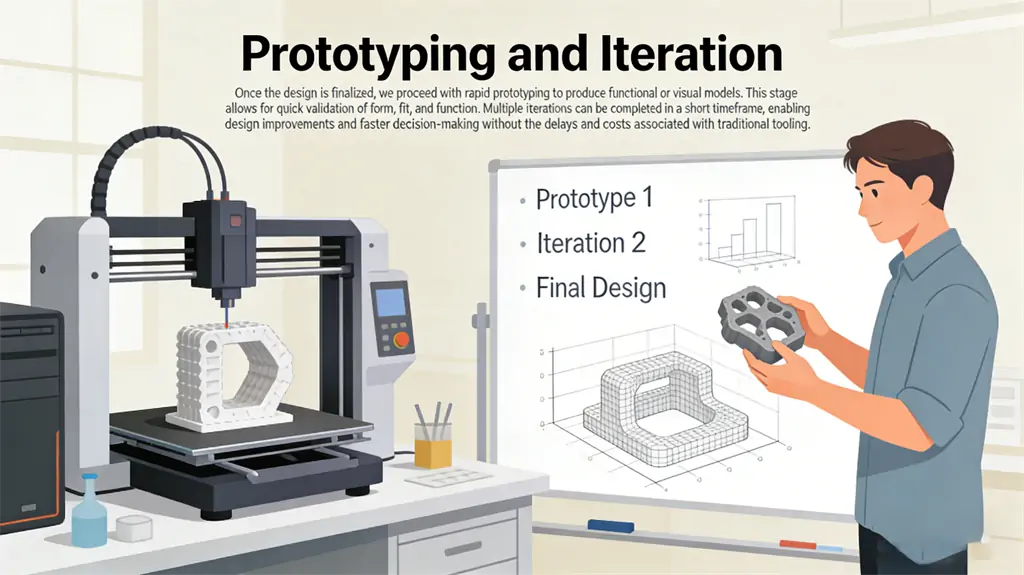
Prototyping and Iteration
Once the design is finalized, we proceed with rapid prototyping to produce functional or visual models. This stage allows for quick validation of form, fit, and function.
Multiple iterations can be completed in a short timeframe, enabling design improvements and faster decision-making without the delays and costs associated with traditional tooling.
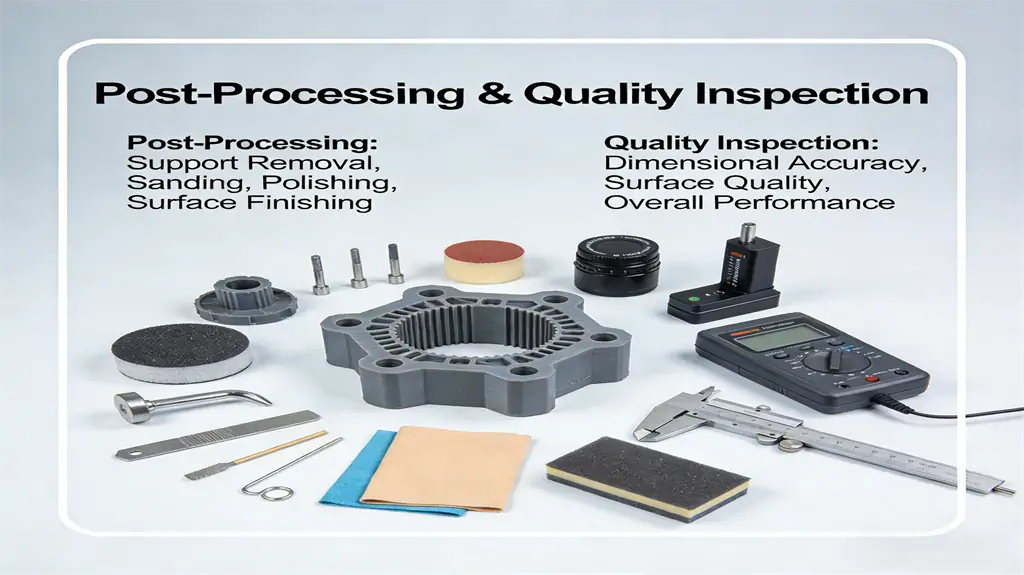
Post-Processing & Quality Inspection
After printing, parts undergo necessary post processing such as support removal, sanding, polishing, or surface finishing to meet aesthetic and functional requirements.
Each component is then inspected for dimensional accuracy, surface quality, and overall performance to ensure it meets specified tolerances and project standards.
Custom Injection Mold Tooling
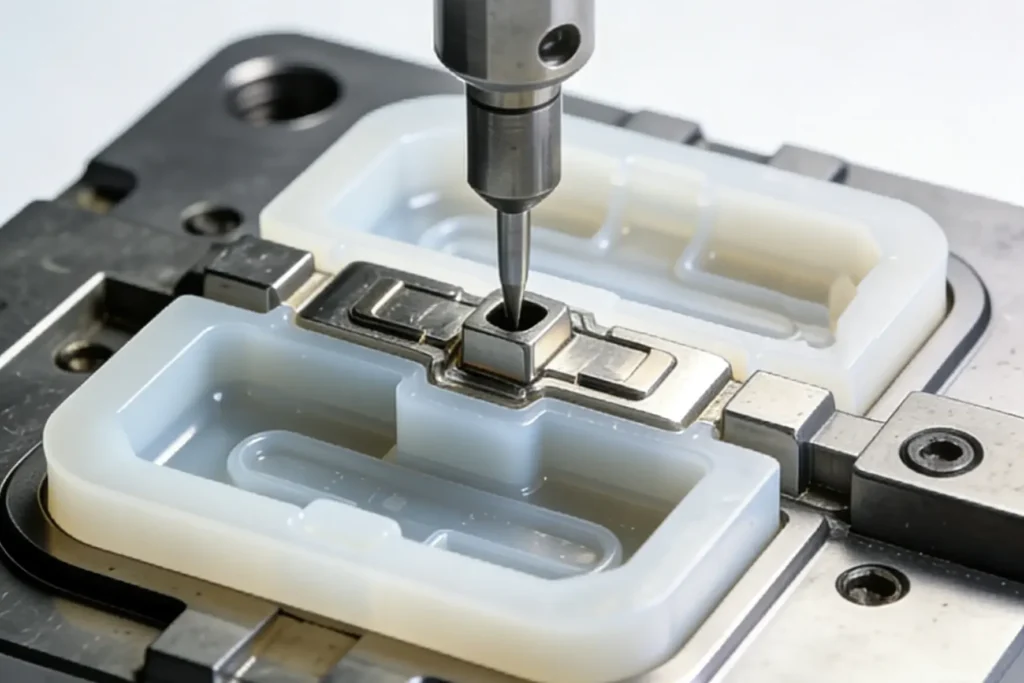
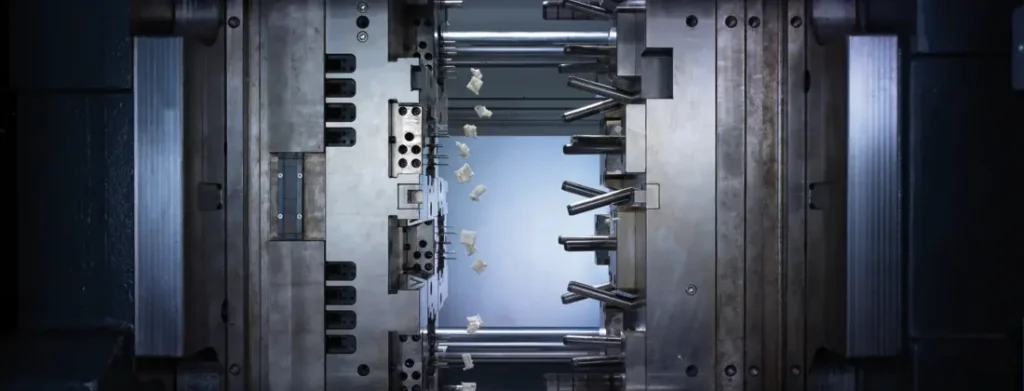
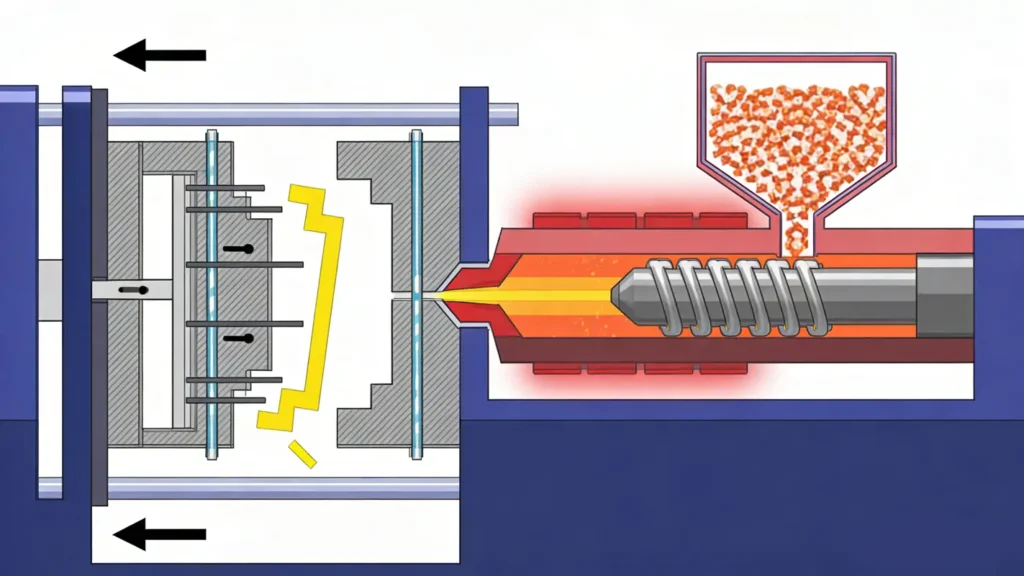
At Huashuo, we leverage comprehensive capabilities—from custom R&D to finished product realization—to craft bespoke injection molds tailored to your requirements. Our team manages all challenges throughout mold production, helping you optimize manufacturing and adapt to market demands. Our in-house factory’s high-efficiency production enables us to develop and manufacture your molds at competitive prices with stable quality. Huashuo is ready to provide you with precision, efficient, and reliable manufacturing injection mold tooling services.
Plastic 3D Printing Materials for Industrial Applications
Huashuo offers a wide variety of industrial grade 3D printing materials to meet the needs of various industrial applications, ensuring performance, durability, and precision for everything from prototypes to functional parts.
PLA / ABS
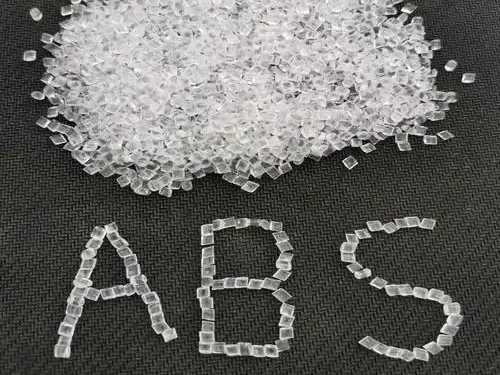
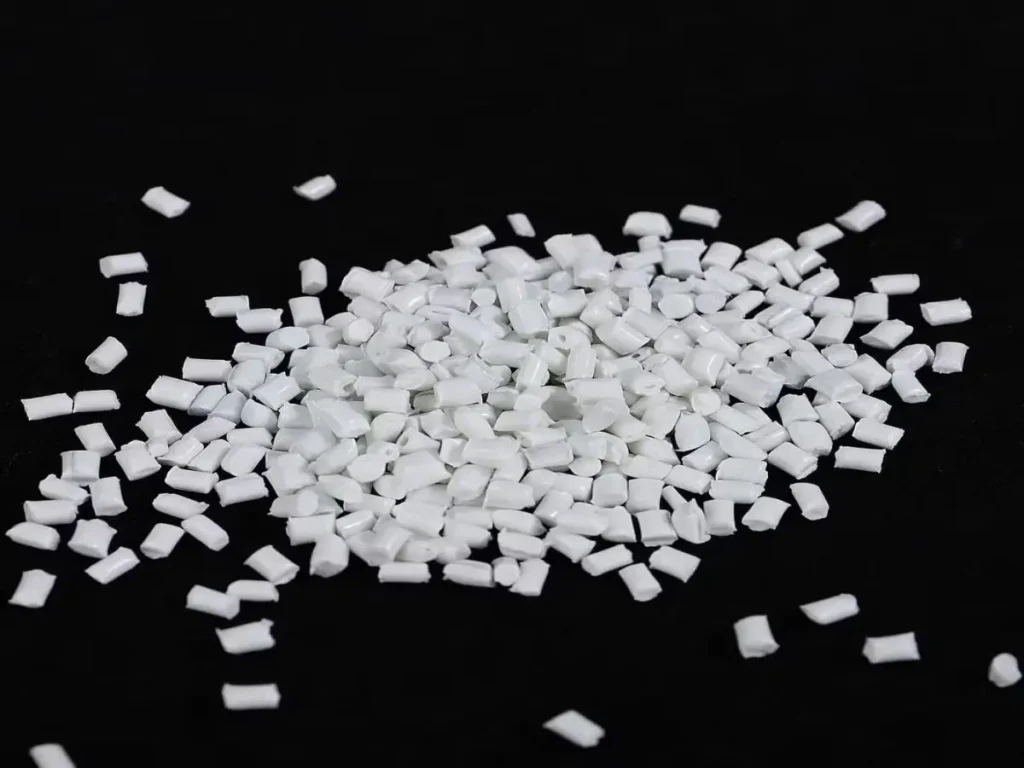
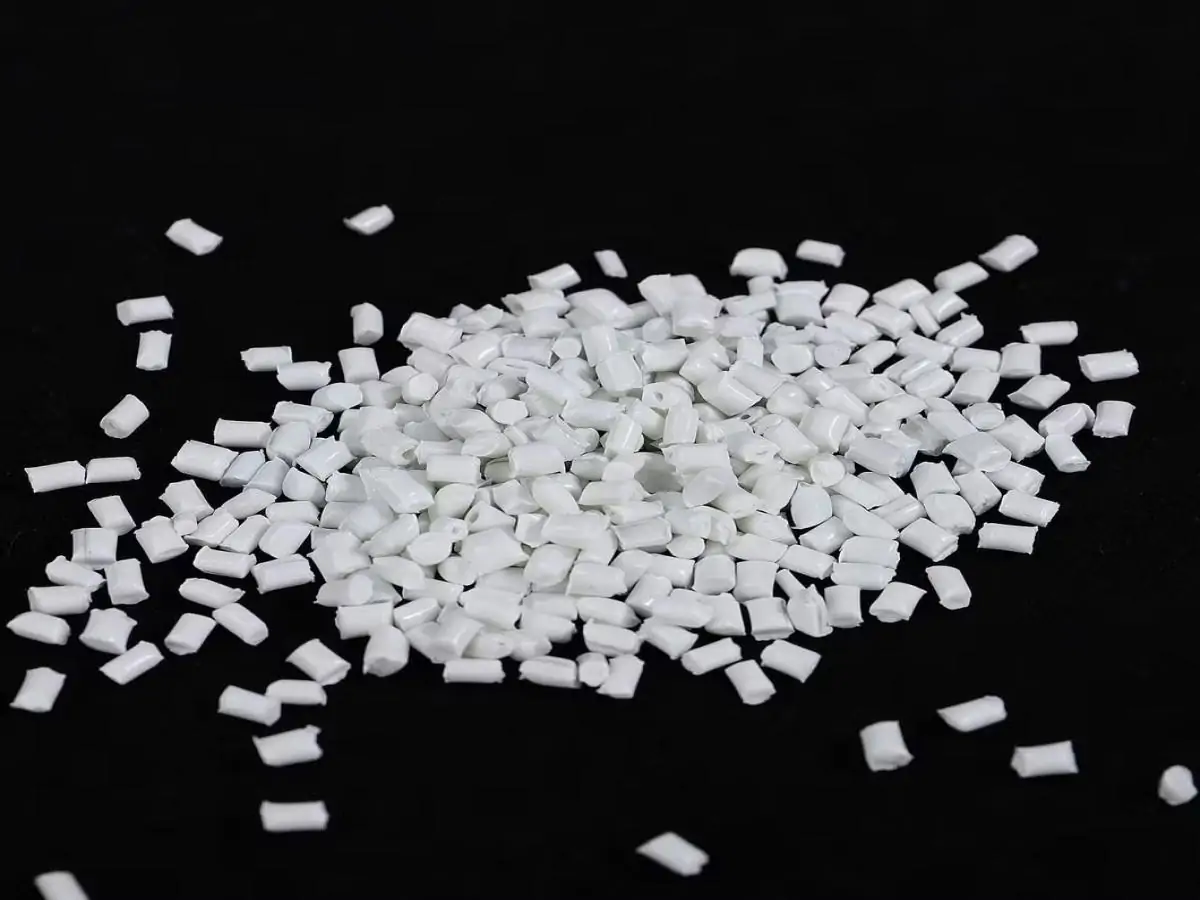
PLA and ABS are cost-effective and easy to print, making them ideal for rapid prototyping and proof of concept applications. However, their strength and heat resistance are limited, so they are not suitable for high temperature or load bearing parts. They are commonly used for display models, concept prototypes, or consumer product casings, and are well suited for education, consumer electronics, and early stage product development.
Nylon / PA
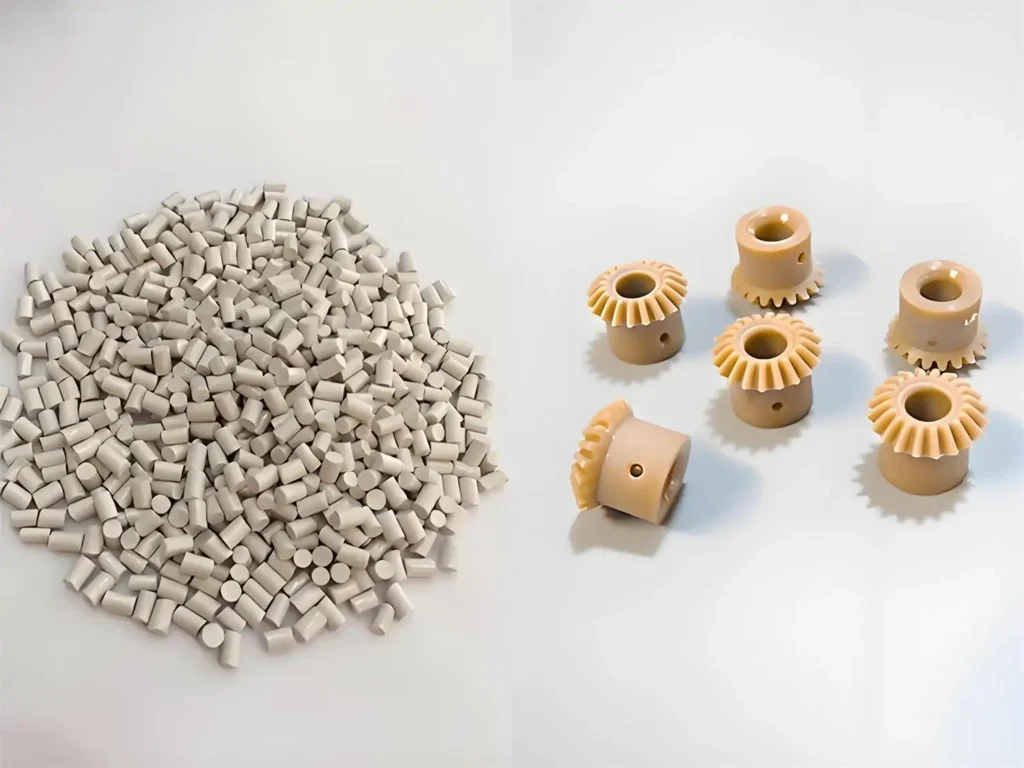
Nylon and PA materials are strong and wear-resistant, with some chemical resistance. However, they are sensitive to humidity and require drying during printing, and they have a lower surface finish. They are suitable for gears, fasteners, and wear resistant industrial parts, and are commonly found in industrial machinery, robotics components, and functional prototypes.
TPU / TPE
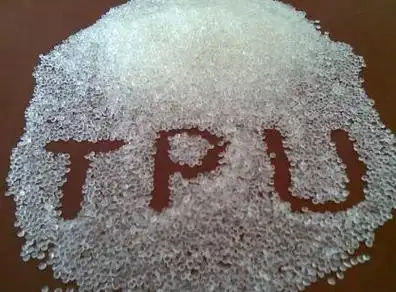
TPU and TPE offer flexibility and impact resistance, making them ideal for parts requiring elasticity or wear resistance. Their drawbacks include limited precision and slower print speeds. They are typically used for seals, handles, or cushioning pads, though their applications extend beyond automotive seals to include protective cases for consumer electronics and wearable devices.
Photopolymer Resins
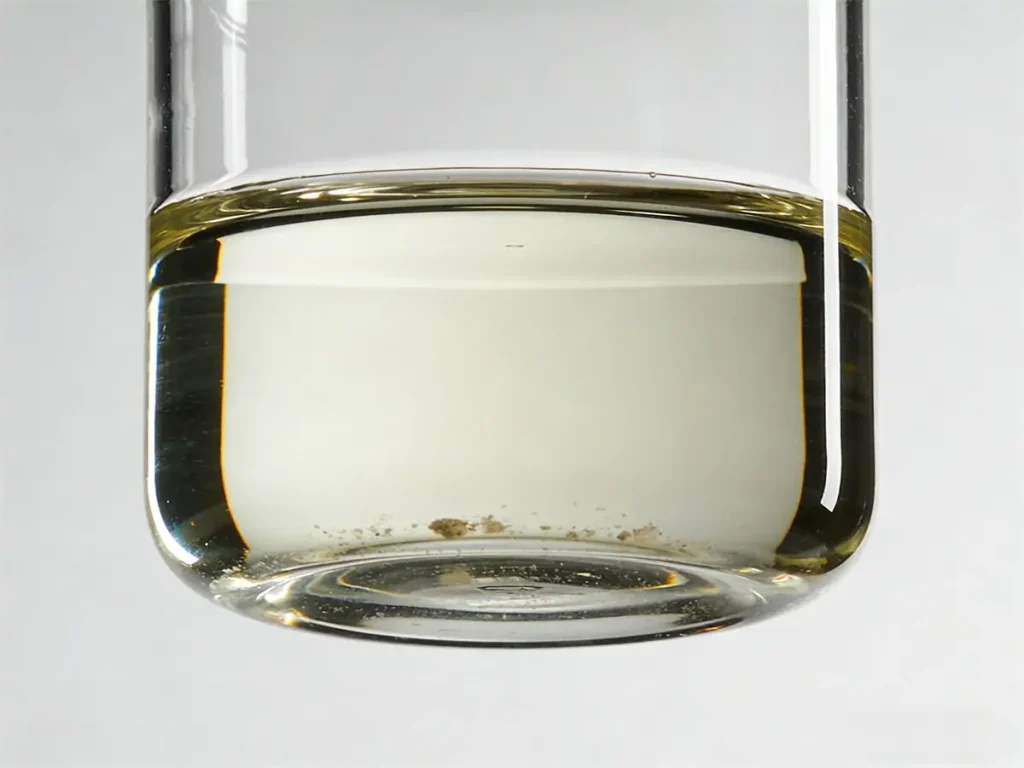
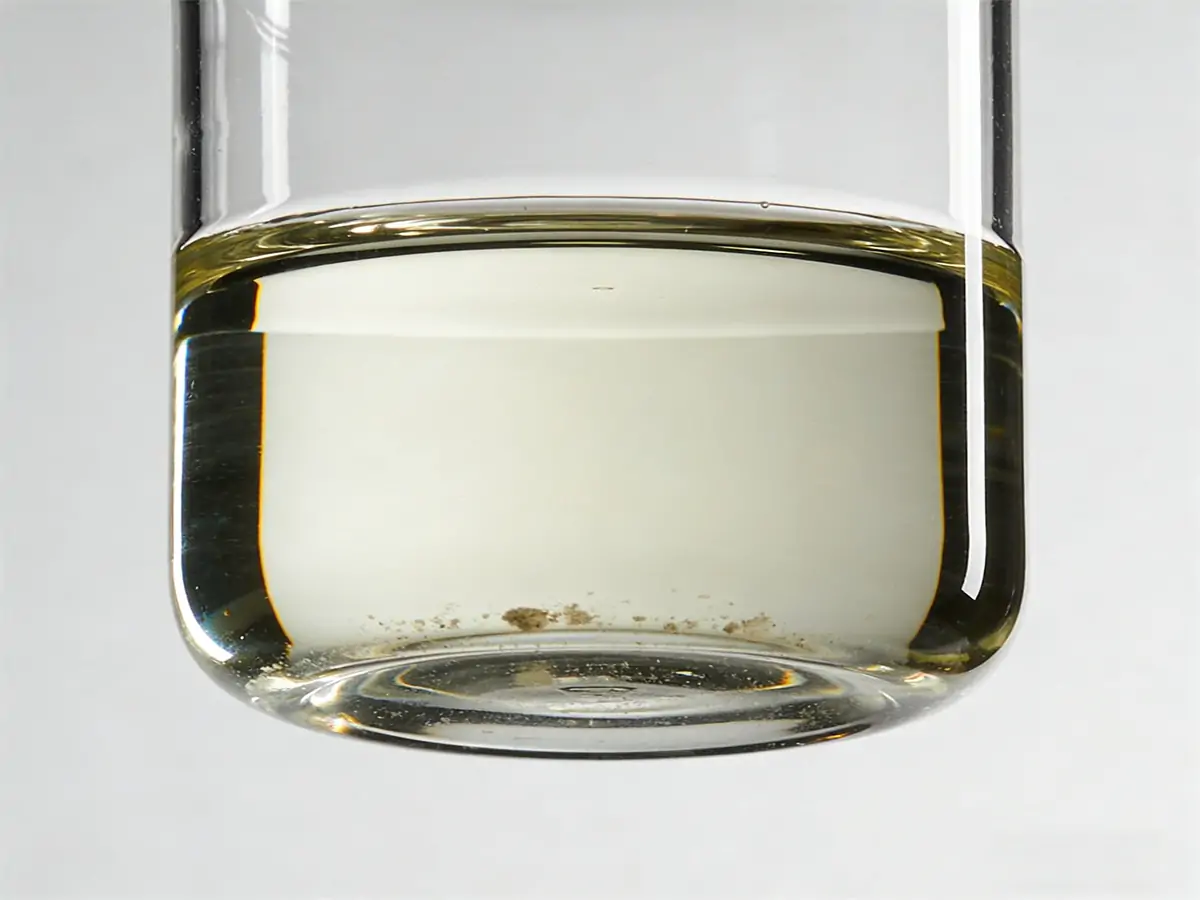
Photopolymer resins produce high-detail, smooth surfaces, making them ideal for small, complex parts. However, they are relatively brittle and have limited strength and heat resistance. They are commonly used for medical models, electronic enclosures, and jewelry or precision prototypes, with applications spanning medical devices, electronic casings, and precision industrial models.
Metals
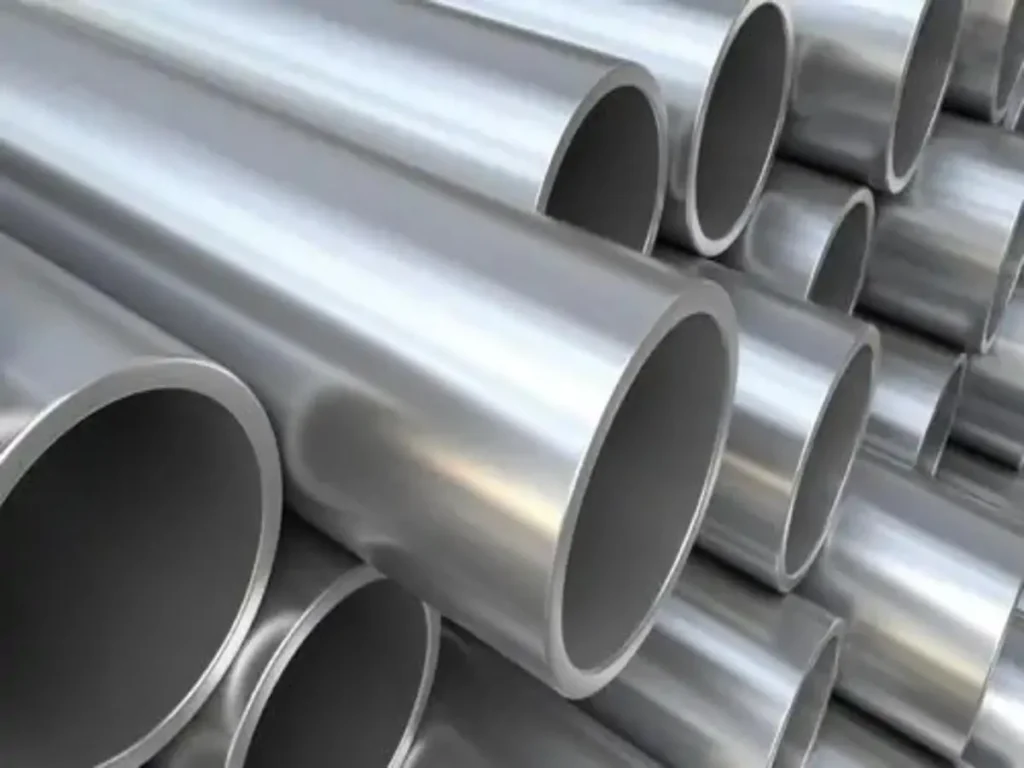
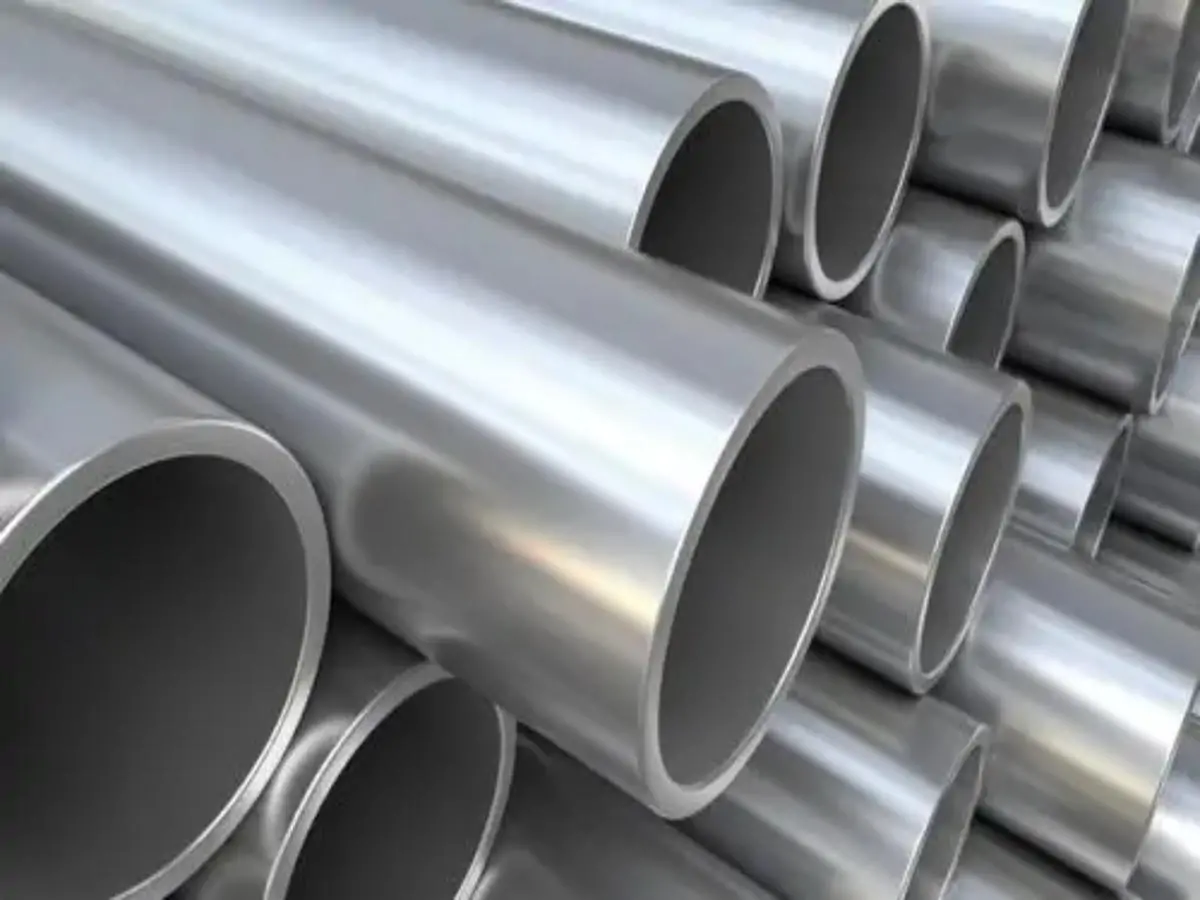
Metals such as stainless steel and aluminum offer high strength, heat resistance, and wear resistance, making them ideal for parts with high functional requirements. However, they are relatively expensive and typically require post-processing. They are suitable for aerospace components, automotive functional parts, and tools and fixtures, and are widely used in the aerospace and automotive industries, as well as for high-strength mechanical parts.
3D Printing Cost Considerations
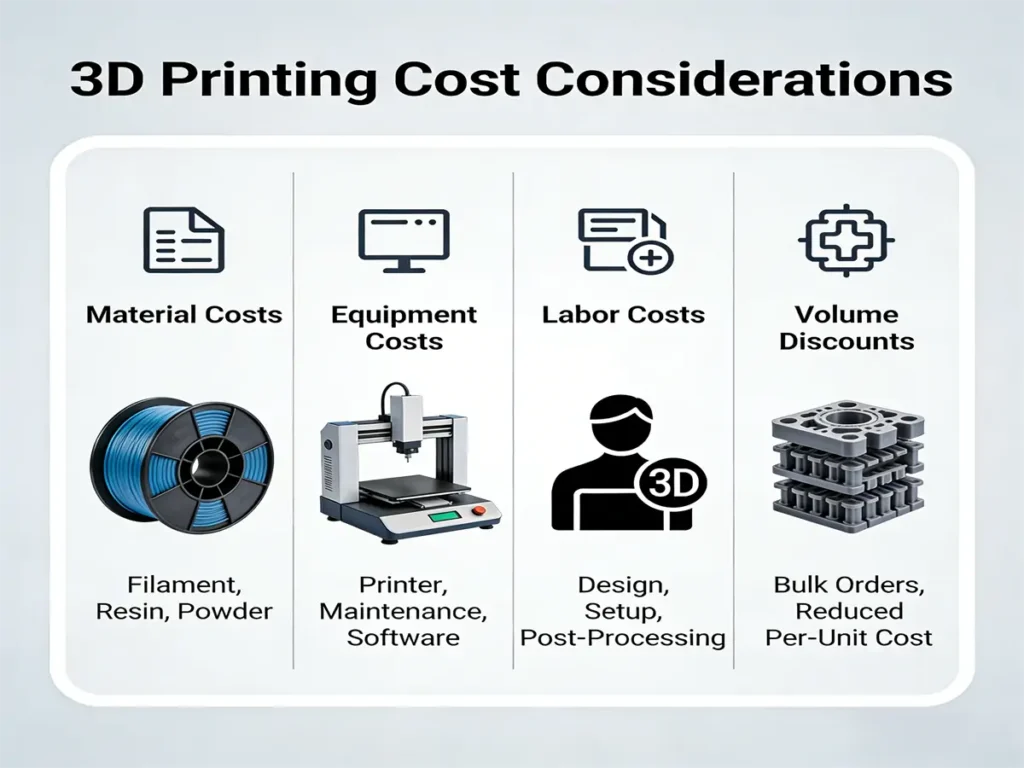
The custom 3D printing for industrial parts cost depends on several key factors, including the type of material used plastics, resins, or metals the size and complexity of the part, the production volume and number of design iterations, and any necessary post processing such as sanding, painting, or heat treatment. For example, small plastic prototypes typically incur lower costs, functional nylon parts are moderately priced, and high strength metal components tend to be the most expensive. To optimize costs, it is important to select the right material for your application, streamline designs to reduce support structures, and consider batch production or modular part designs to lower the per piece cost. By understanding these factors, businesses can better plan budgets and make informed decisions for rapid prototyping or low volume production.
Industries We Serve
Our 3D printing services support diverse industries that demand speed, precision, and design flexibility across prototyping and low volume production.
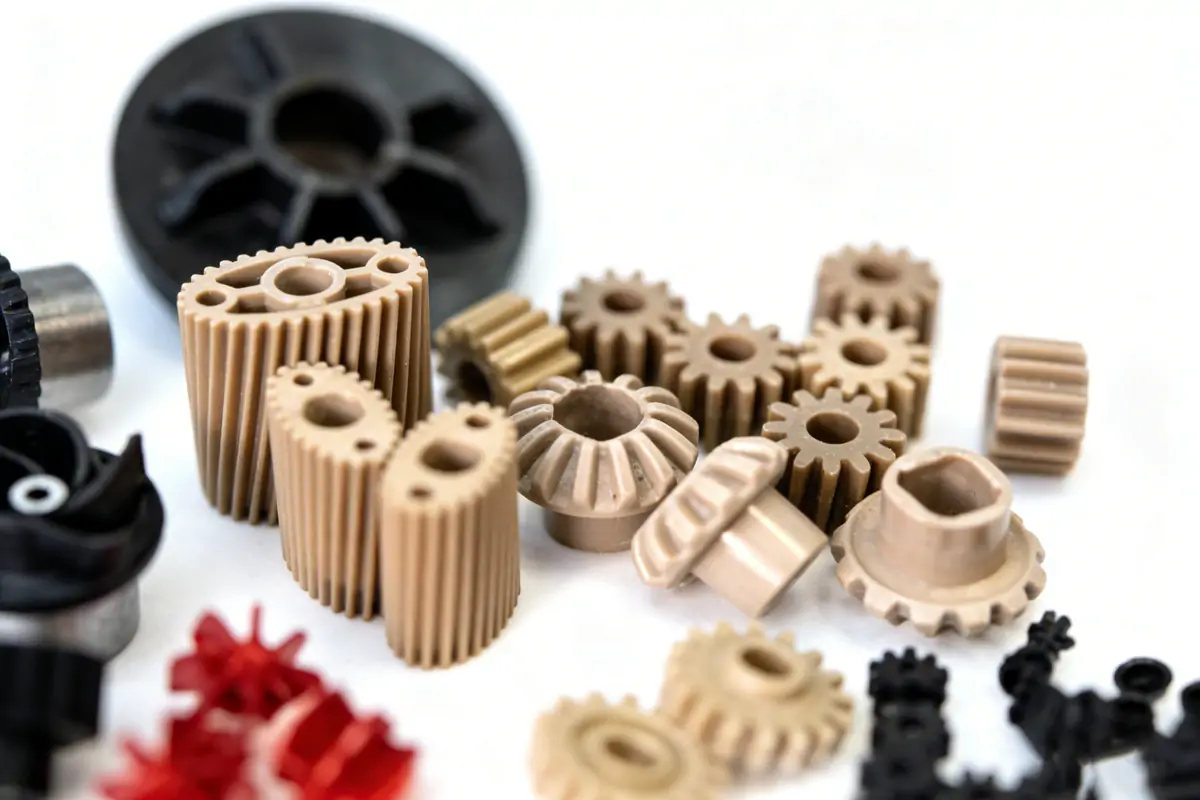
Automotive & Industrial Components
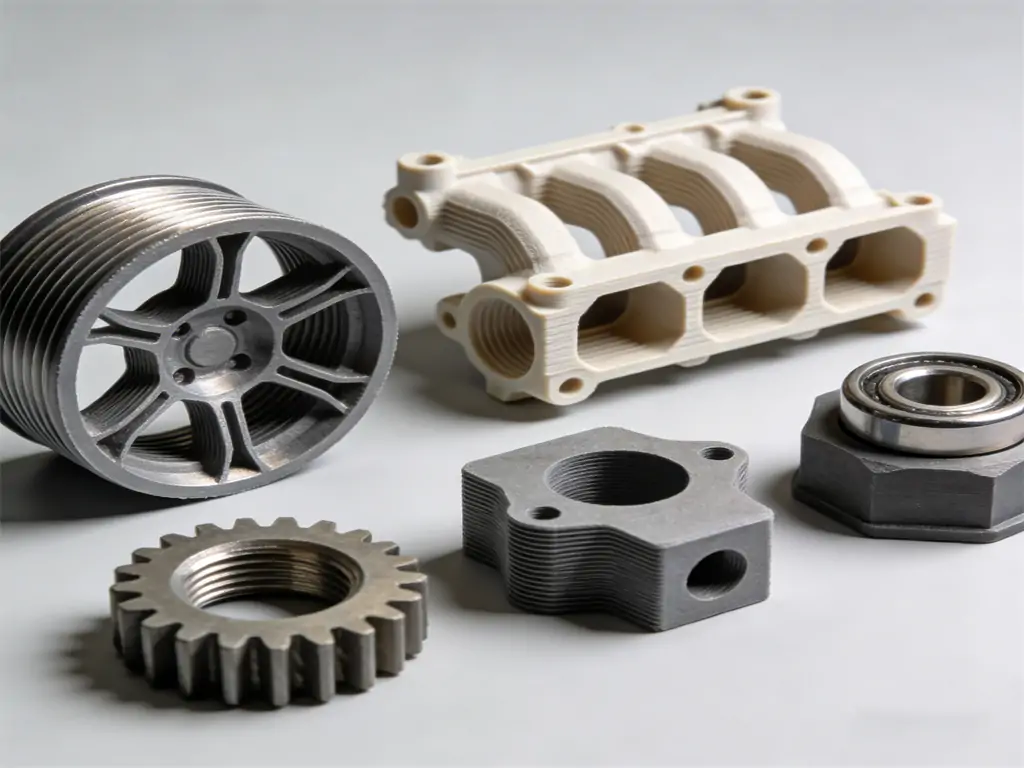
It is widely used in automotive and industrial applications to enable rapid development of functional prototypes and complex components.
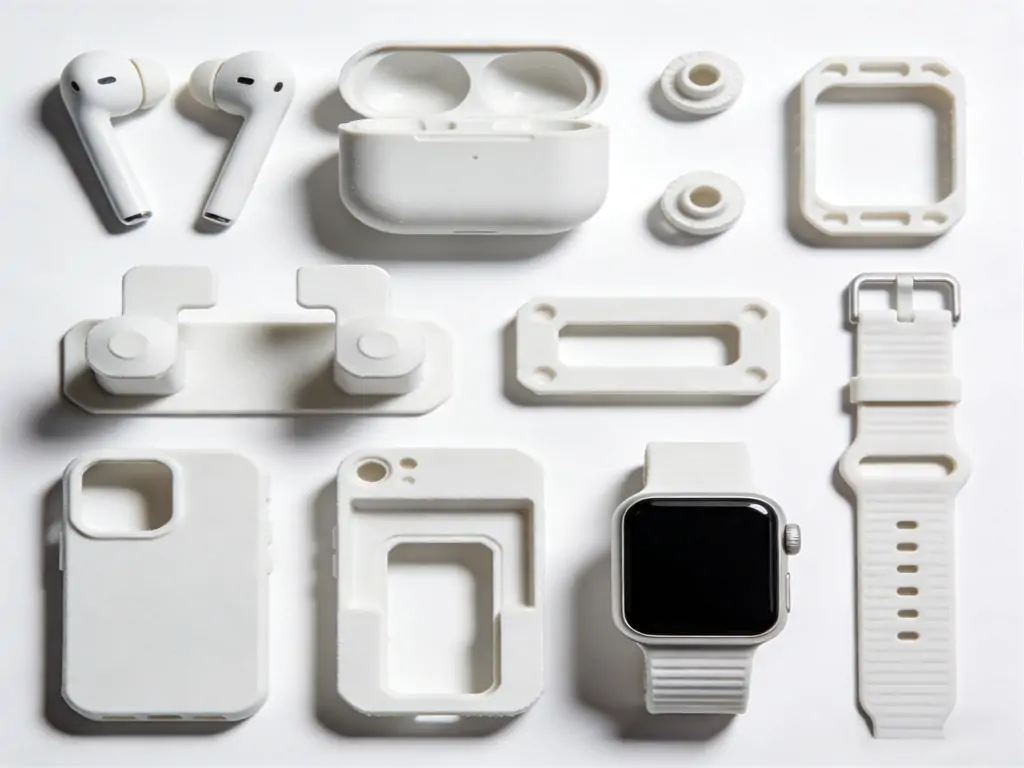
Consumer Electronics & Accessories
Supports fast design validation and high precision prototyping for enclosures and accessories, accelerating product launch cycles.
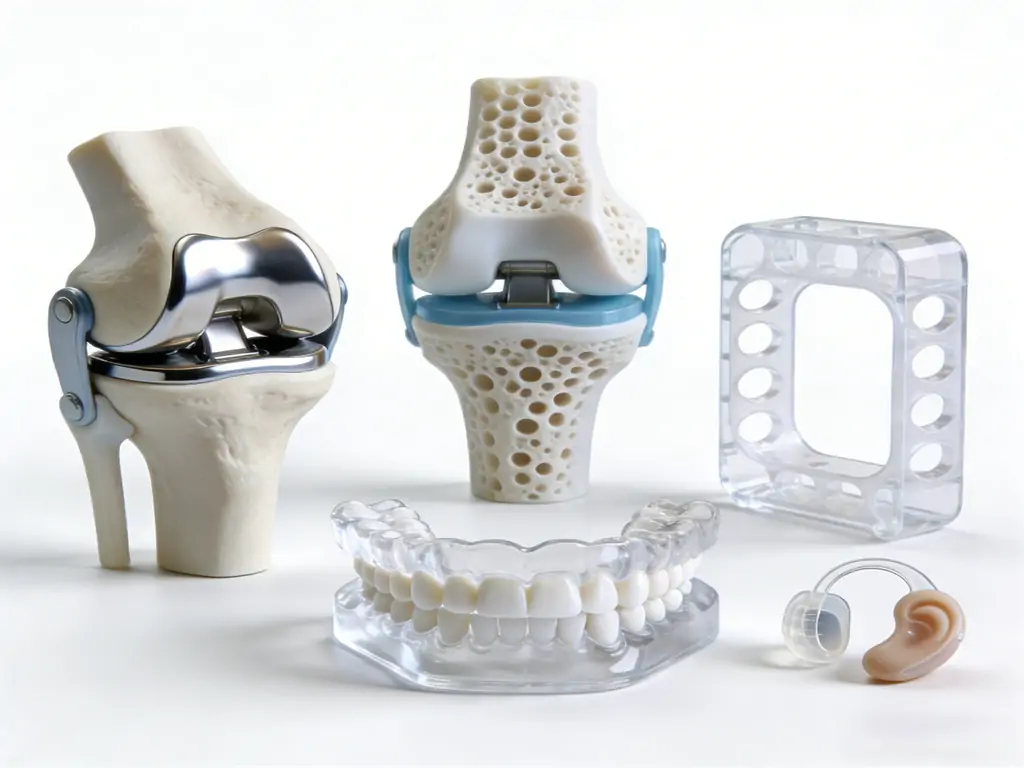
Medical & Healthcare Devices
Delivers highly customized and precise components, ideal for medical prototyping and complex, application specific designs.
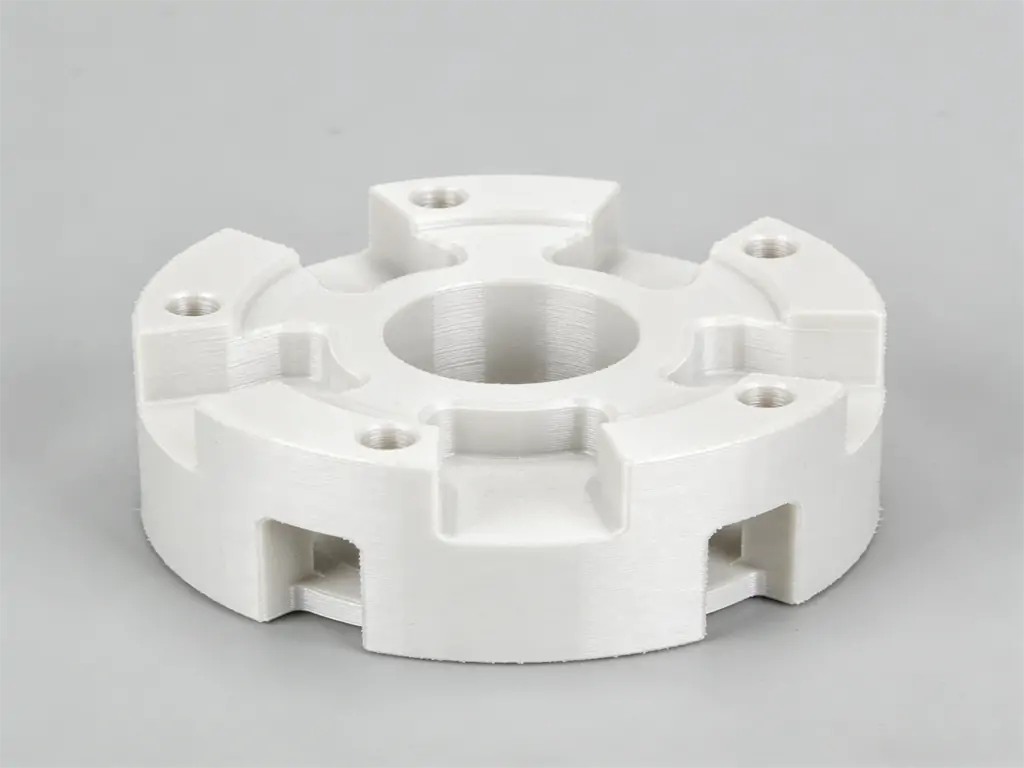
High Precision Engineering
Facilitates lightweight, high performance parts with complex geometries, meeting strict engineering and performance requirements.
Why Partner With Us
From initial concept and design optimization to prototyping and final production, we provide an end to end manufacturing solution that simplifies the entire development process. Our experienced engineering team works closely with you to offer professional support on material selection, design optimization, and manufacturability, helping ensure every project is efficient, cost effective, and production ready.
With advanced 3D printing technologies, we deliver high precision, tight tolerances, and consistent repeatability across both prototypes and production parts. At the same time, we prioritize fast turnaround and reliable delivery, ensuring high quality components are produced within short lead times to help you accelerate development and meet critical project deadlines.
FAQS
More Services
Double Shot Injection Molding
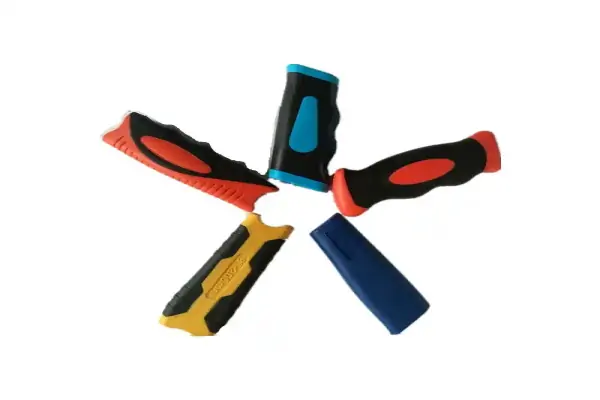
Double Shot Injection Molding Services Huashuo specializes in providing high-precision…Rapid Prototyping
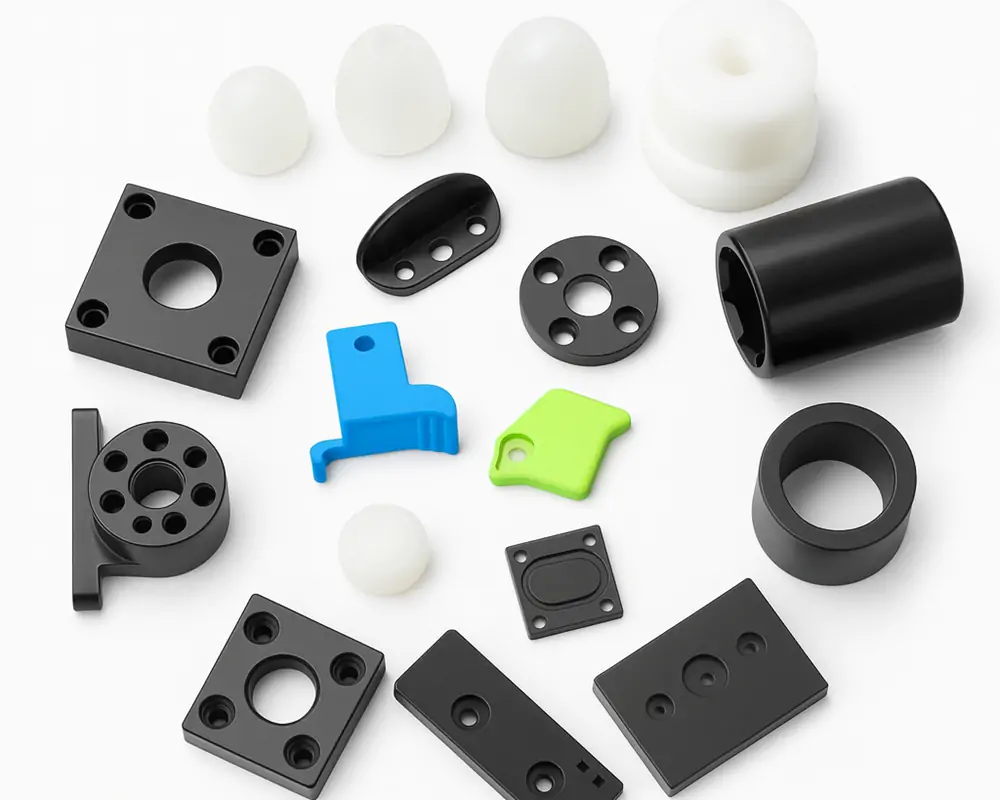
Rapid Prototyping Plastic Huashuo provides Rapid Prototyping Plastic solutions for…CNC Routing Services
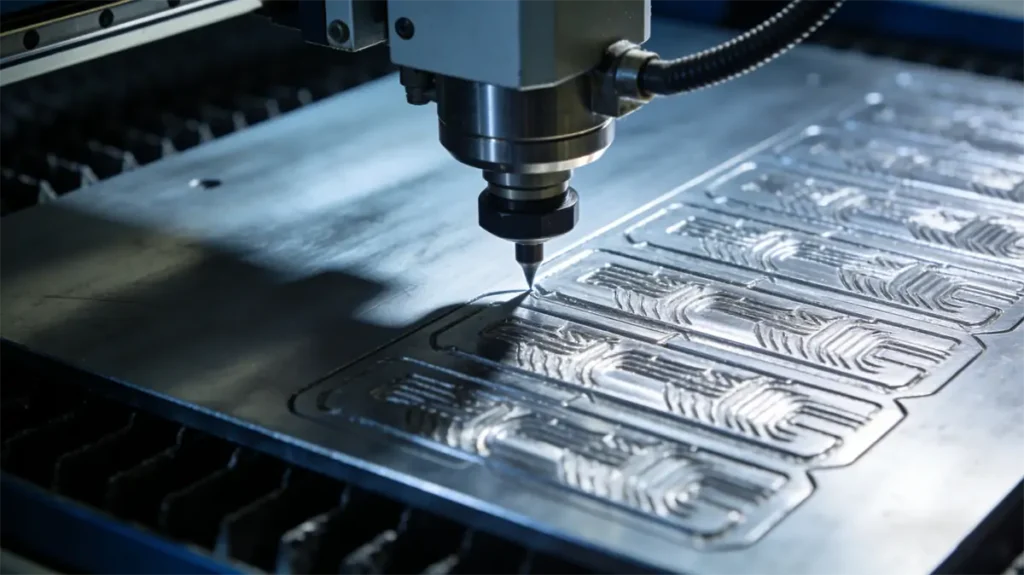
CNC Routing Services Huashuo offers bespoke precision CNC routing services,…

Related Articles
What Is Injection Moulding? Principles, Process, Types, Advantages, Materials
Introduction Injection molding is a high-volume production technique that injects…What Types of Plastic is Used in Injection Moulding?
Introduction Injection molding utilizes a variety of different plastics, and…How Does Injection Moulding Work?
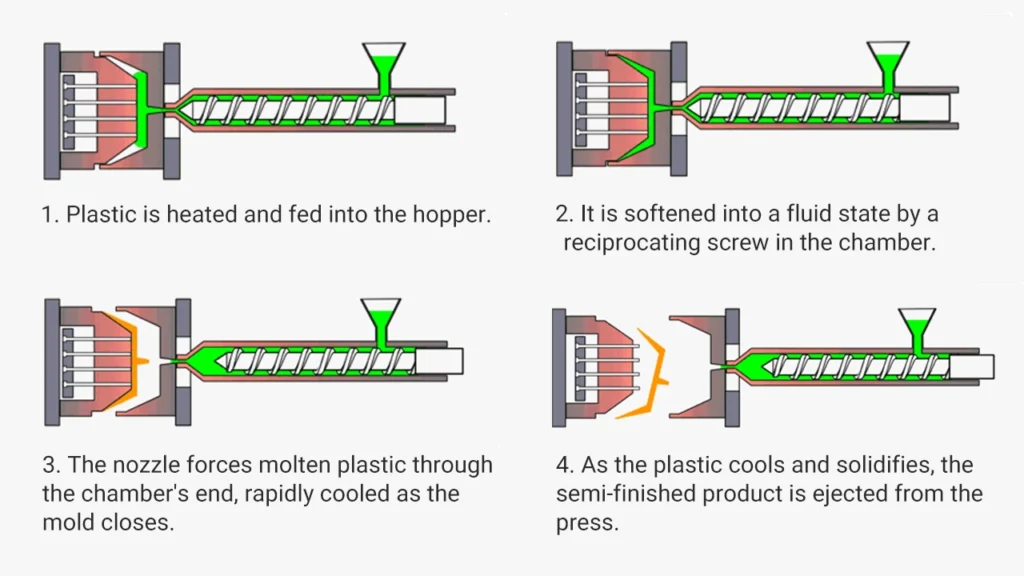
Injection molding is a manufacturing process widely used across various…
Request a Quote
From mold design to mass production, we offer end-to-end solutions.
Tell us about your application, materials, and volume requirements. Our team will recommend the right process and deliver a tailored manufacturing solution.